 Complete Gardening
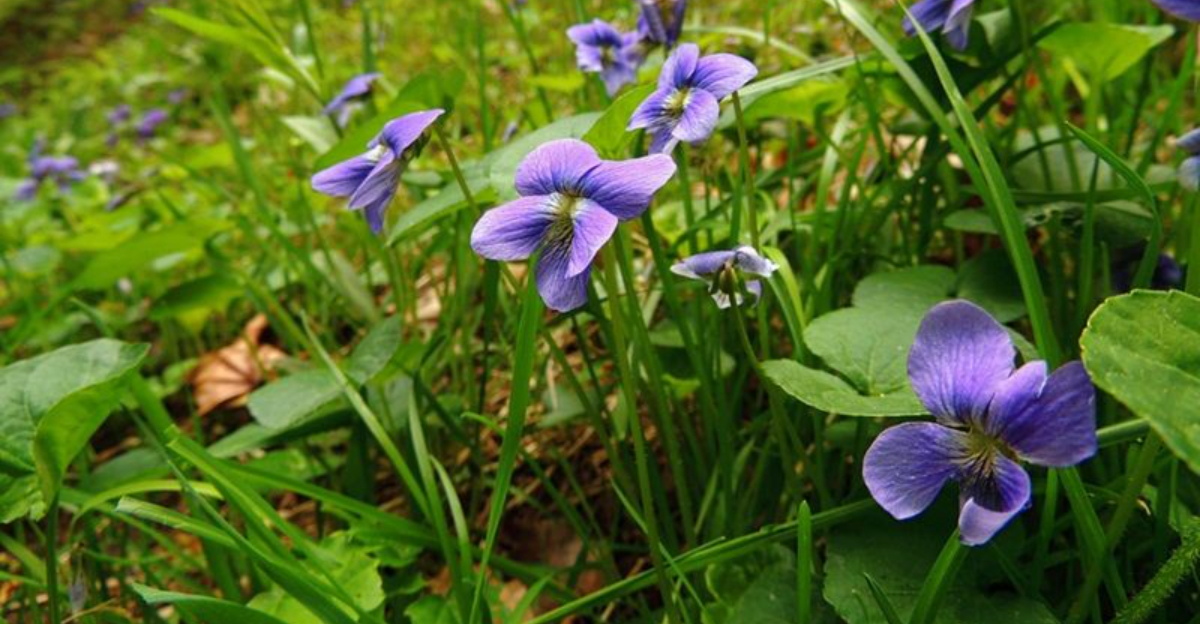
Your backyard might look peaceful, but some sneaky plants are secretly plotting to take over. Many common weeds appear innocent and even pretty at first glance.
However, these green invaders can quickly spread and crowd out your favorite flowers and grass. Knowing which plants to watch for can save your garden from becoming a weedy mess.
1. Dandelions: The Golden Menace
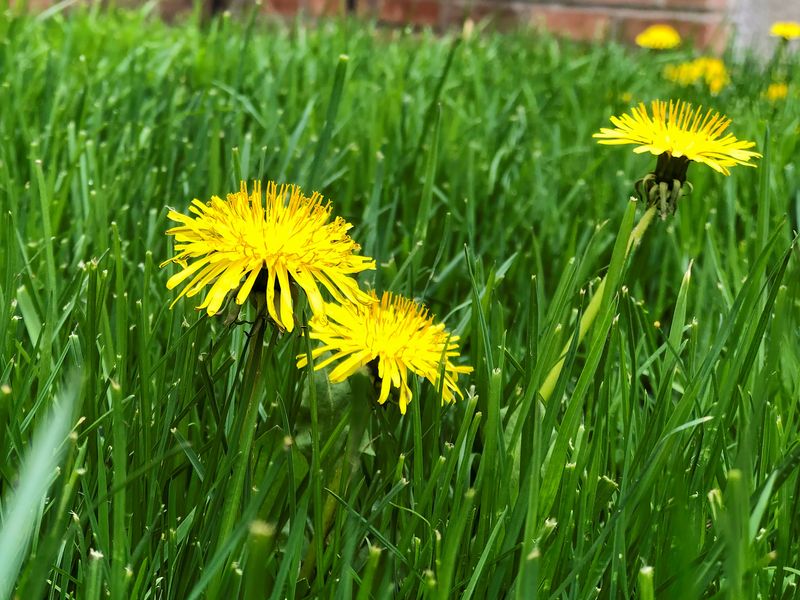
Bright yellow flowers make dandelions seem cheerful and harmless in spring. Children love blowing their fluffy seed heads, not knowing they’re helping spread thousands of seeds.
Each plant produces up to 2,000 seeds that float on the wind. Their deep taproots make them nearly impossible to pull completely.
Miss even a small piece of root, and the whole plant grows back stronger than before.
2. Clover: The Carpet Creeper

White and red clover flowers attract bees and look quite pretty scattered across lawns. Many homeowners initially welcome this low-growing plant because it stays green during dry spells.
Unfortunately, clover spreads through underground runners and self-seeding. It forms thick mats that choke out grass and other plants.
Once established, clover becomes incredibly difficult to remove without damaging surrounding vegetation completely.
3. Plantain: The Walkway Warrior
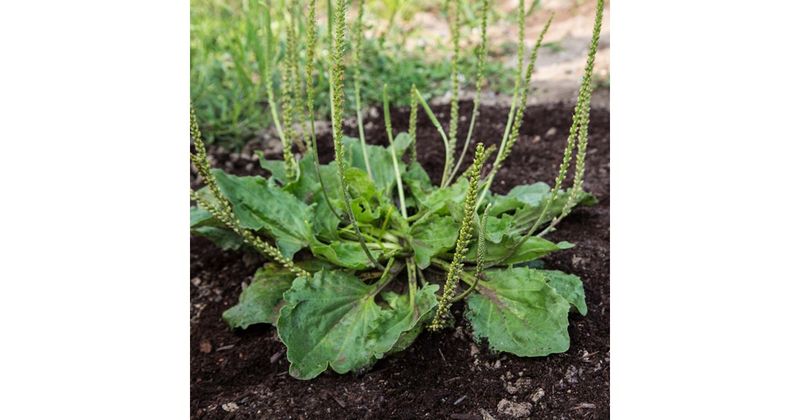
Broad-leaved plantain grows in neat rosettes that seem organized and tidy. Its ribbed leaves and tall flower spikes give it an almost ornamental appearance.
This tough weed thrives in compacted soil where grass struggles to grow. It produces thousands of tiny seeds on each spike.
Plantain spreads quickly along driveways, sidewalks, and garden paths where foot traffic creates perfect growing conditions for its invasion.
4. Chickweed: The Sneaky Spreader
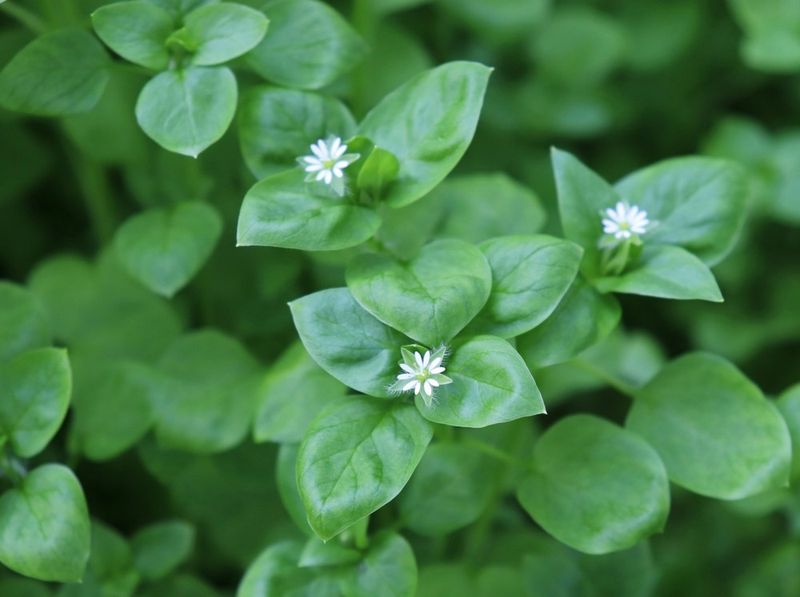
Tiny white star-shaped flowers make chickweed look delicate and innocent. This low-growing plant forms soft green carpets that feel pleasant underfoot.
Chickweed grows incredibly fast and can complete its life cycle in just five weeks. It spreads through seeds and creeping stems that root at every joint.
Cool weather doesn’t slow it down – chickweed actually thrives in fall and winter when other plants go dormant.
5. Crabgrass: The Summer Invader
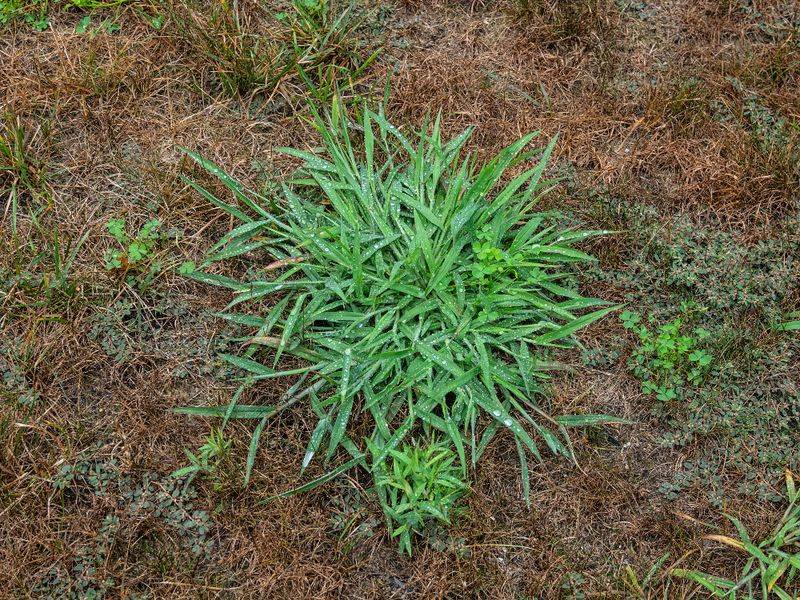
Young crabgrass looks similar to regular grass, making it hard to spot until it’s everywhere. Its finger-like seed heads eventually give away its true identity.
Hot summer weather helps crabgrass outcompete cool-season lawn grasses. It spreads rapidly through seeds and creeping stems that root at joints.
One plant can produce up to 150,000 seeds, ensuring next year’s invasion will be even worse than this year’s problem.
6. Violets: The Pretty Problem
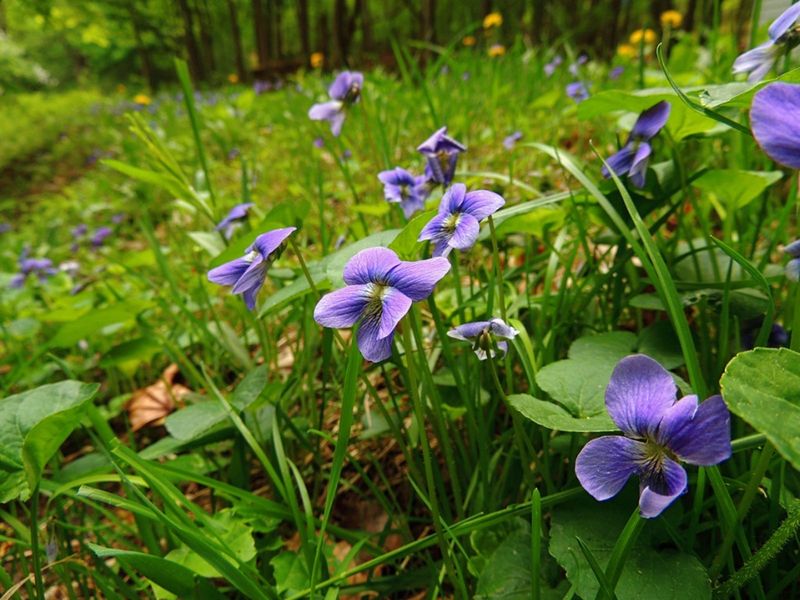
Purple and white violets bring cheerful spring color to shady garden areas. Their heart-shaped leaves and delicate flowers seem perfectly innocent and charming.
Wild violets spread through underground rhizomes and produce two types of seeds. Above-ground flowers create seeds that scatter widely.
Hidden underground flowers also make seeds, ensuring violets multiply even when you think you’ve prevented their spread through regular deadheading.
7. Creeping Charlie: The Ground Hugger
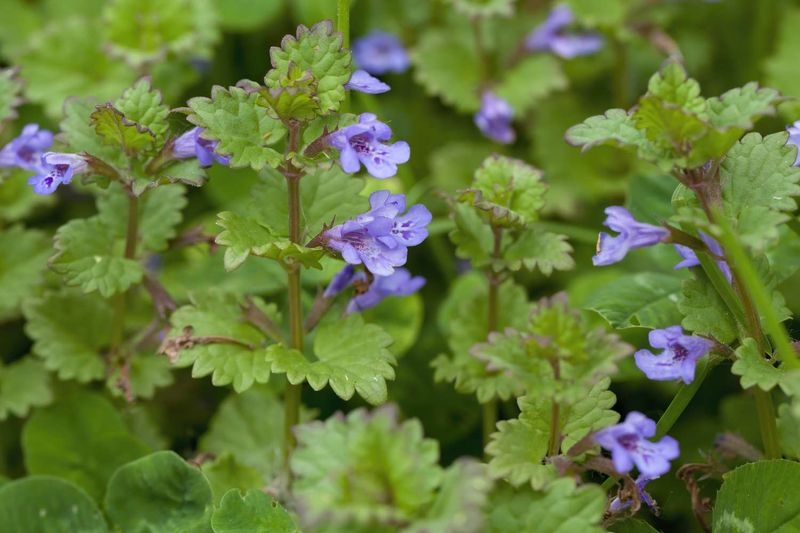
Round, scalloped leaves and tiny purple flowers give creeping Charlie an almost ornamental appearance. It forms attractive ground cover in shaded areas where grass won’t grow.
This aggressive spreader sends out runners that root at every node. It thrives in moist, shady conditions.
Creeping Charlie can quickly smother other plants and create dense mats that are extremely difficult to remove once fully established in your landscape.
8. Oxalis: The False Shamrock
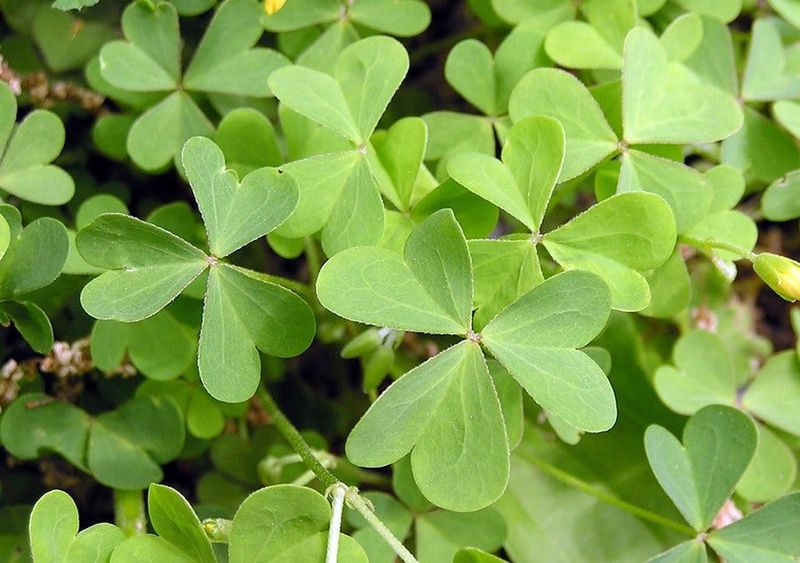
Heart-shaped leaflets arranged in threes make oxalis look like lucky clover. Bright yellow flowers add cheerful color to garden beds and containers.
Wood sorrel oxalis spreads through bulbs, seeds, and aggressive root systems. It can pop up anywhere, even in potted plants.
Each plant produces explosive seed pods that shoot seeds several feet away, creating new colonies throughout your entire yard and garden space.
9. Purslane: The Succulent Survivor
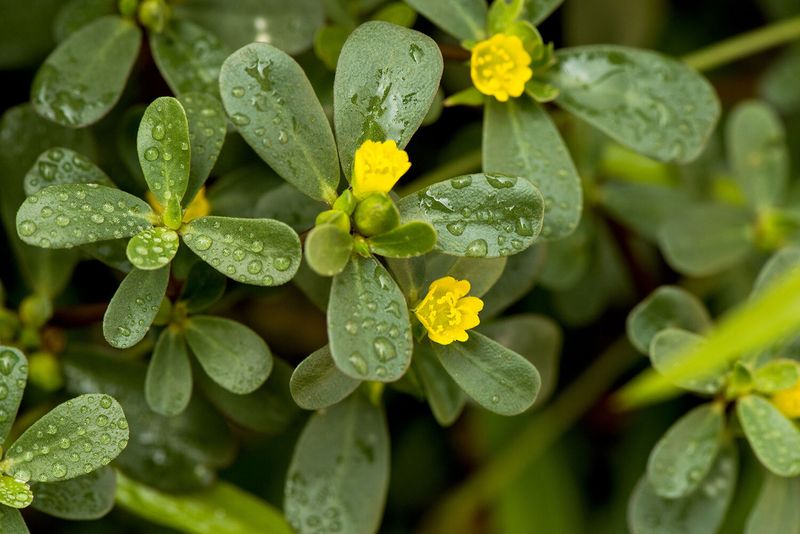
Thick, fleshy leaves and bright yellow flowers make purslane look like an interesting succulent plant. Its reddish stems add attractive color to garden areas.
Purslane thrives in hot, dry conditions where other plants struggle. It spreads through seeds and stem fragments that easily root.
Even tiny pieces left behind after weeding can grow into new plants, making this succulent weed incredibly persistent and difficult to eliminate.
10. Bindweed: The Climbing Constrictor
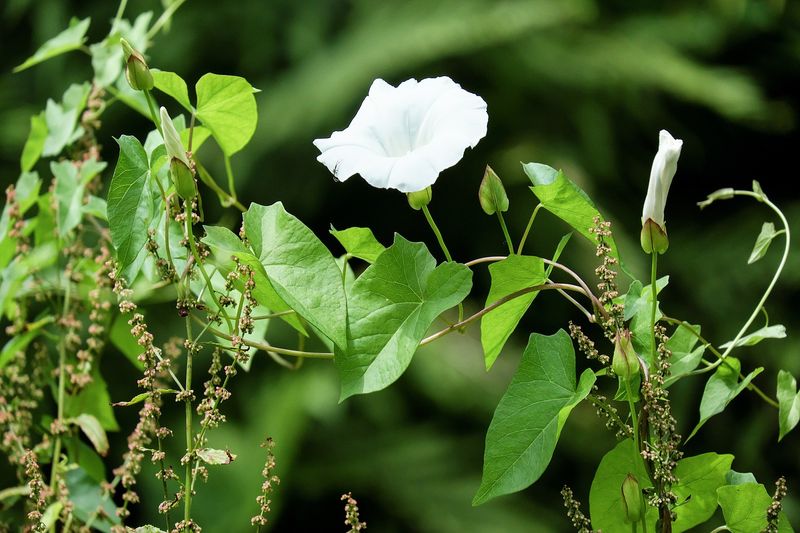
Morning glory-like flowers in white and pink make bindweed seem like a desirable flowering vine. Its heart-shaped leaves add lush green coverage to fences and structures.
Bindweed’s aggressive twining stems can strangle other plants while climbing toward sunlight. Deep roots extend several feet underground.
This persistent climber regrows from root fragments and spreads through underground rhizomes, making it nearly impossible to eliminate through pulling alone.
11. Lamb’s Quarters: The Edible Impostor
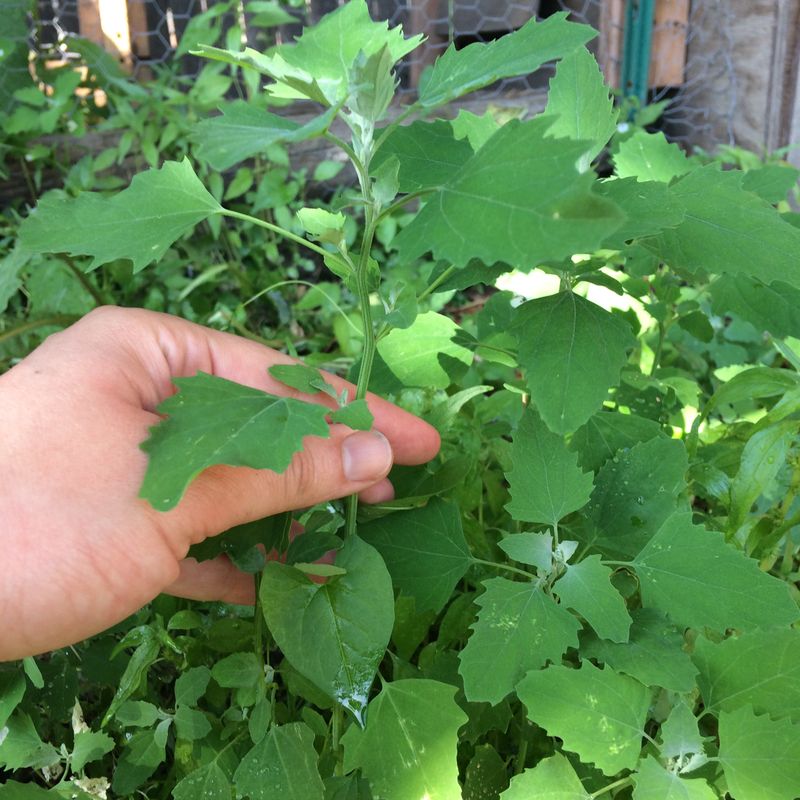
Silvery-green leaves with white undersides give lamb’s quarters an attractive, almost ornamental appearance. Young plants look similar to desirable garden vegetables.
This fast-growing annual can reach four feet tall and produces thousands of seeds. It thrives in disturbed soil and garden beds.
Lamb’s quarters spreads quickly through wind-dispersed seeds and can quickly dominate vegetable gardens and flower beds if left unchecked for too long.
12. Nutsedge: The Grass Impostor
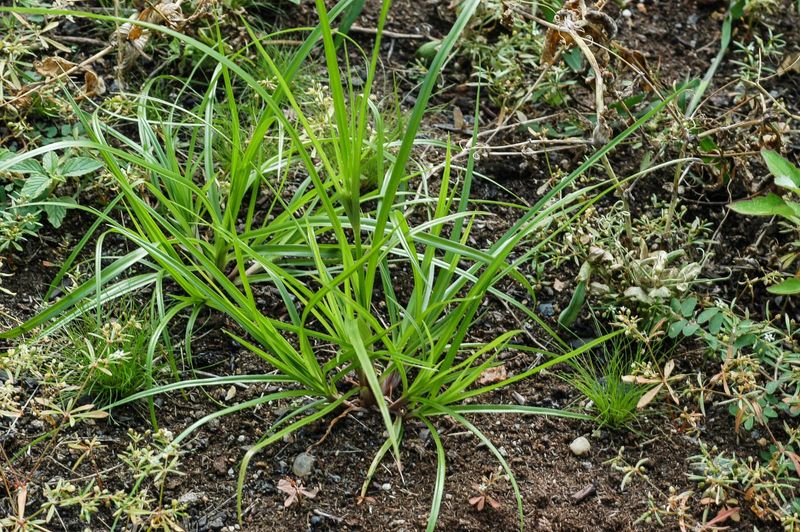
Bright green, grass-like leaves make nutsedge blend in perfectly with lawn areas. Its triangular stems and rapid growth eventually reveal its true identity.
Yellow and purple nutsedge spread through underground tubers and rhizomes. They thrive in wet, poorly drained soil conditions.
Pulling nutsedge often breaks stems and leaves tubers behind, leading to even more plants sprouting from the disturbed root system underground.
13. Spurge: The Milky Menace
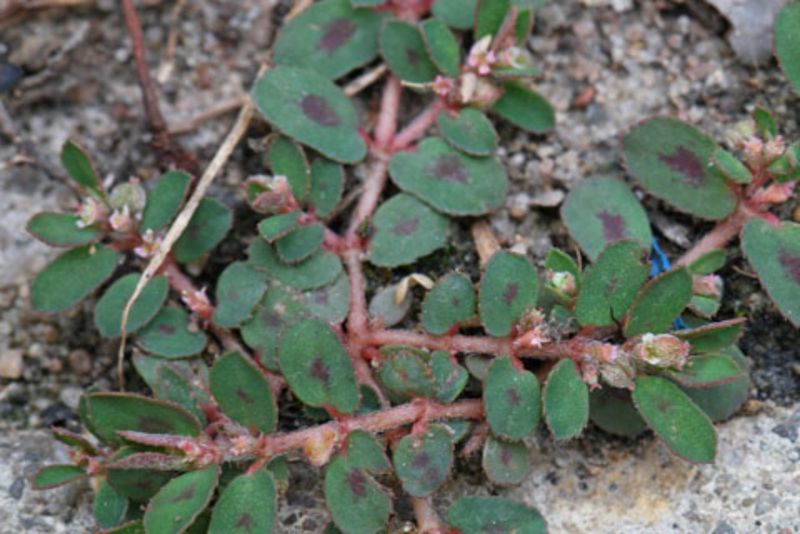
Small oval leaves and tiny flowers make spurge look like a harmless ground cover plant. Its low-growing, spreading habit initially seems quite manageable.
Spotted spurge thrives in hot, dry conditions and spreads rapidly through prolific seed production. It forms dense mats quickly.
The milky sap can cause skin irritation, making hand-pulling unpleasant. Seeds scatter widely when mature plants are disturbed during removal attempts.
14. Henbit: The Purple Deceiver
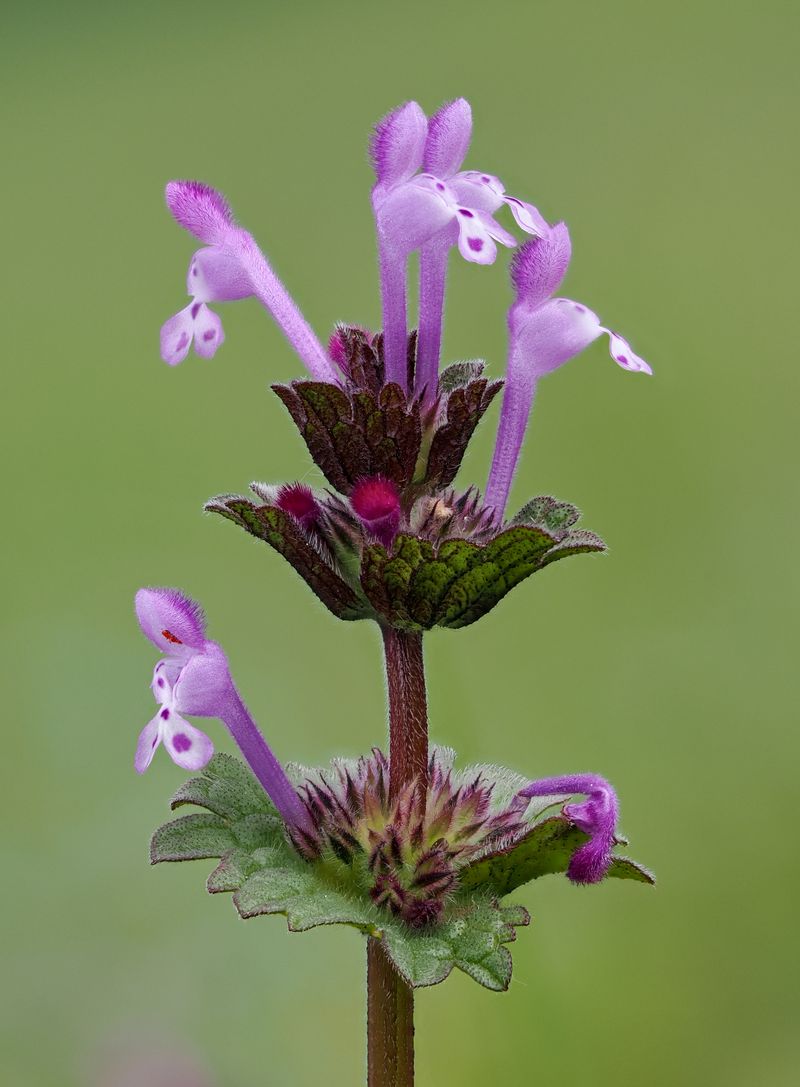
Attractive purple flowers and scalloped leaves make henbit look like a desirable spring wildflower. It often appears in large, colorful patches.
Cool weather helps henbit thrive when other plants are dormant. It spreads through seeds and creeping stems that root easily.
Henbit can quickly colonize bare spots in lawns and garden beds, creating dense stands that crowd out grass and other desirable plants completely.
15. Quackgrass: The Persistent Perennial
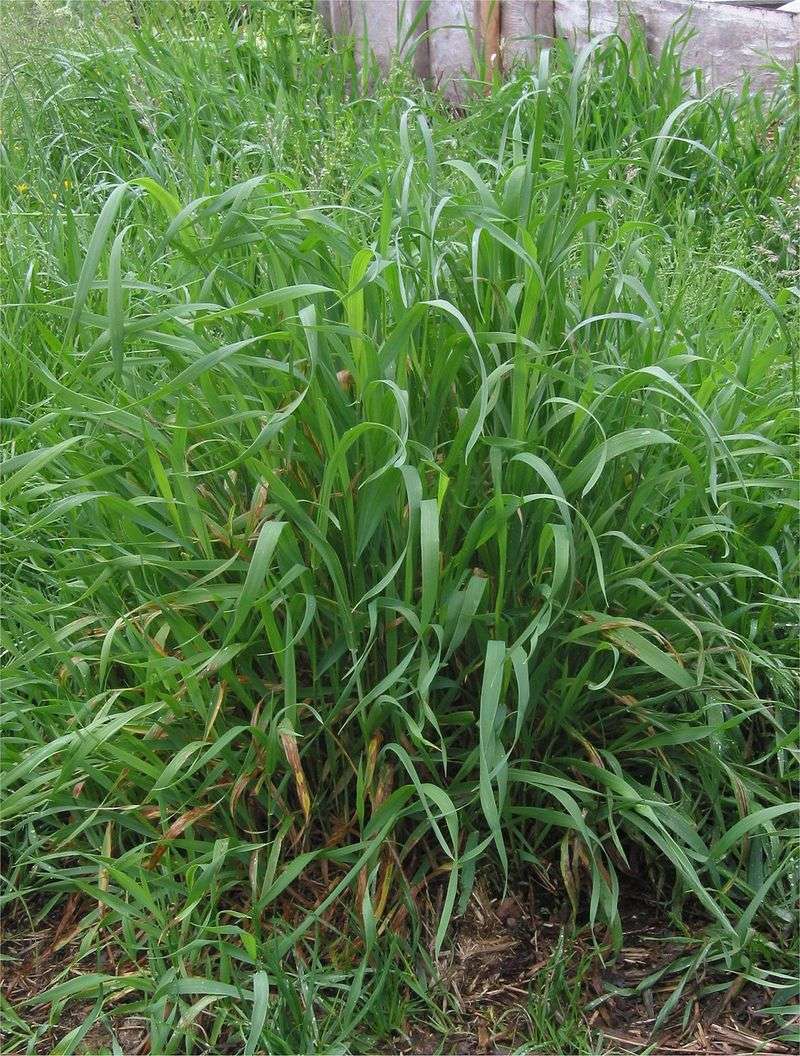
Tall, narrow leaves make quackgrass look like an ornamental grass variety. Its upright growth habit initially seems neat and organized.
Underground rhizomes spread rapidly, creating new shoots throughout lawn and garden areas. It outcompetes desirable grasses for nutrients and space.
Quackgrass roots can extend several feet underground, making complete removal extremely difficult without damaging surrounding plants and disturbing large soil areas.
16. Shepherd’s Purse: The Heart-Shaped Hitchhiker
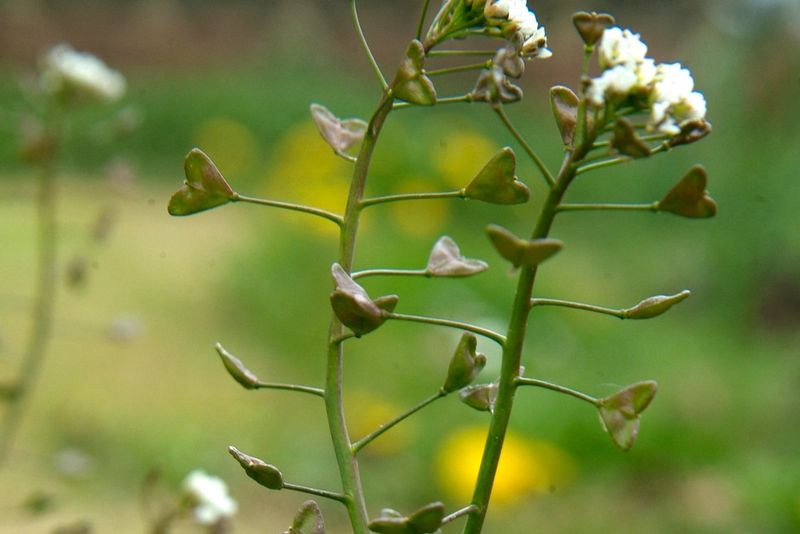
Distinctive heart-shaped seed pods and small white flowers give shepherd’s purse an almost ornamental quality. Its rosette growth pattern looks organized and tidy.
Cool weather helps this annual weed thrive and spread rapidly through prolific seed production. Seeds scatter widely when pods mature.
Shepherd’s purse can produce multiple generations per year, ensuring constant population growth and making it difficult to control through timing alone.