 Complete Gardening
Growing vegetables in raised beds offers numerous advantages, including improved soil drainage, better pest control, and ease of access. This blog post provides insightful tips for maximizing your success with raised bed gardening.
1. Soil Quality Matters
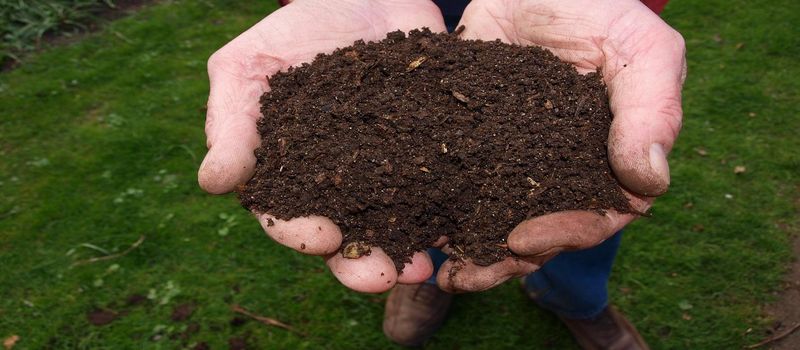
The foundation of any healthy garden is its soil. Start by choosing a high-quality soil mix rich in organic matter. Make sure to test the soil pH regularly, aiming for a neutral pH of around 6.5. This balance encourages optimal nutrient absorption.
Organic compost can improve soil structure and add essential nutrients, enhancing vegetable growth. Incorporate it into the soil annually to maintain fertility.
Remember, well-aerated soil promotes root development, ensuring your plants thrive. It’s essential to avoid compacting the soil by stepping on it, keeping pathways around your beds clear.
2. Proper Watering Techniques
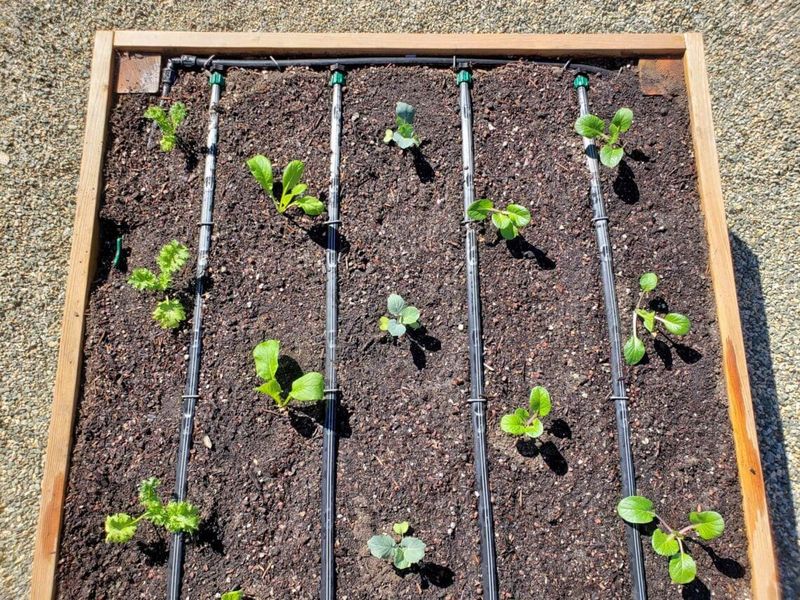
Watering is key to a successful garden, but how much is enough? Raised beds tend to dry out quicker, so consistent watering is crucial.
Invest in a soaker hose or a drip irrigation system to deliver water directly to the roots, preventing evaporation and conserving water.
Morning is the best time to water, as it reduces fungal diseases by allowing leaves to dry throughout the day. By using mulch, you can retain soil moisture, reducing the frequency of watering while keeping the soil cool.
3. Companion Planting
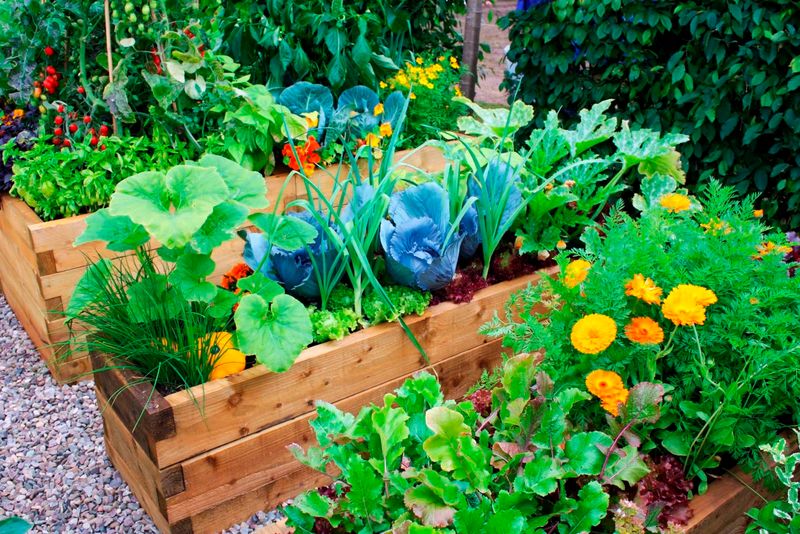
Imagine a vegetable garden where plants help each other grow. Companion planting is an age-old practice that enhances growth and deters pests.
For example, planting marigolds among your vegetables can repel nematodes and whiteflies. Basil pairs well with tomatoes, boosting their flavor while deterring aphids.
It’s vital to research compatible plants for your raised beds to ensure harmonious cohabitation. This method not only maximizes space but also promotes biodiversity and can lead to a healthier garden overall.
4. Maximize Sunlight Exposure
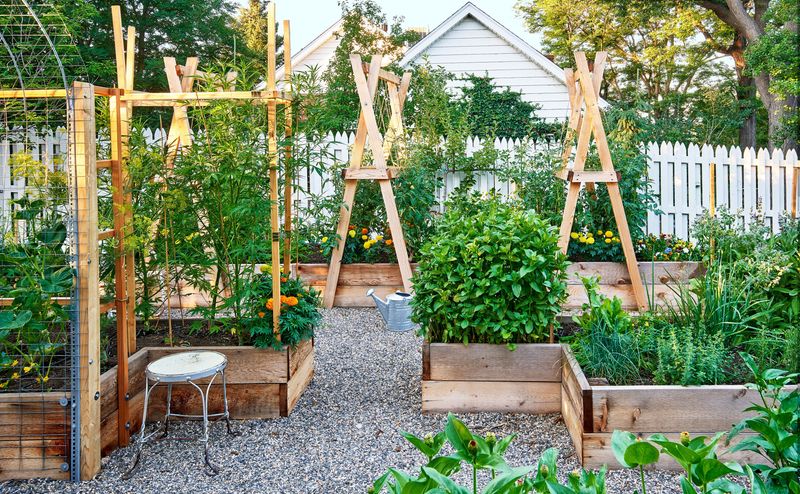
Sunlight is food for plants, and ensuring your raised bed receives ample light is critical. Most vegetables require at least six to eight hours of direct sunlight daily.
Position your beds in a location that avoids shadows from trees or buildings.
Consider the sun’s path throughout the season, as it shifts. Using trellises for climbing plants like beans and cucumbers can prevent shading lower plants, maximizing light exposure for all. Planning your garden’s layout with sunlight in mind can significantly boost your harvest.
5. Efficient Space Utilization
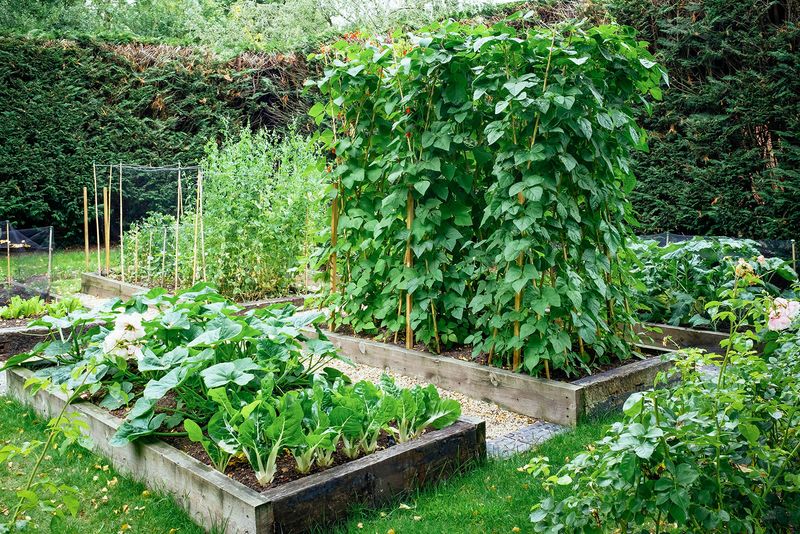
In gardening, every inch counts, especially in raised beds. Efficient space utilization can lead to a more productive garden.
Consider vertical gardening by using trellises or cages for climbing plants, saving ground space for other crops.
Succession planting, where you plant new crops as soon as one is harvested, keeps your bed productive year-round. Avoid overcrowding, as it can lead to competition for nutrients and increase the risk of disease. Smart planning ensures you make the most of your available space.
6. Pest Management Strategies
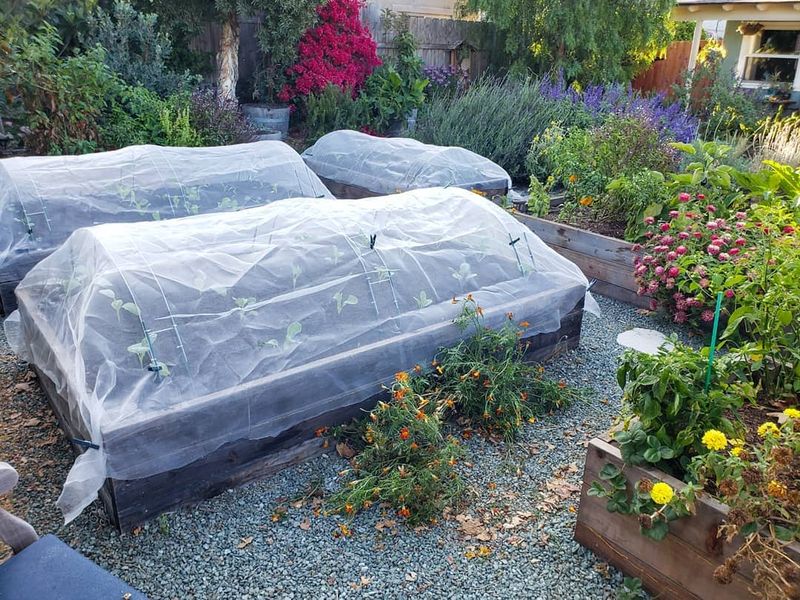
Gardening is not just about growing; it’s about protecting. Pest management in raised beds can be more straightforward with a few strategies.
Introduce beneficial insects like ladybugs to control aphids naturally. Row covers can shield young plants from pests, providing a barrier without chemicals.
Planting pest-resistant varieties is another effective method. Regularly inspecting your plants for signs of pest damage allows you to act quickly, preventing infestations. Employing natural pest control methods preserves the ecological balance of your garden.
7. Seasonal Crop Rotation
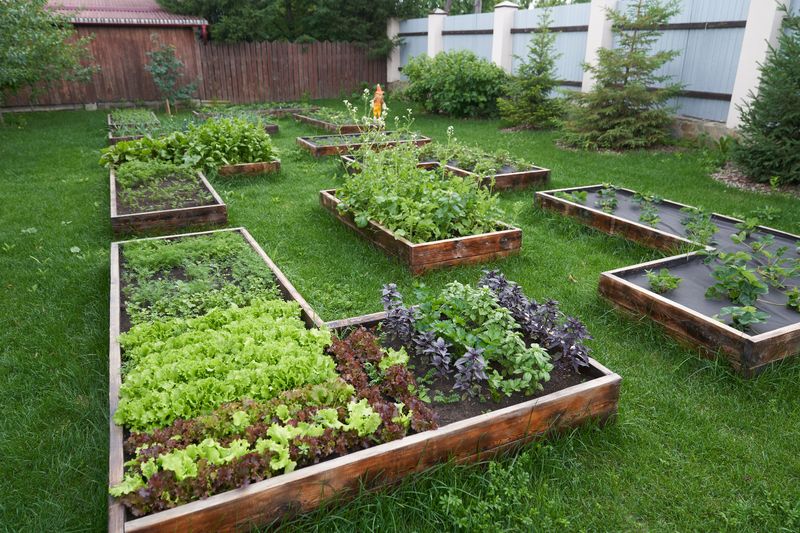
Crop rotation isn’t just for large farms; it’s crucial in raised beds too. Rotating crops prevents soil depletion and reduces pest buildup.
Each plant family has specific nutrient needs and pest issues, so moving them to a different spot each season can help maintain soil health.
Create a rotation plan that balances root, leafy, fruiting, and legume crops. This practice not only enhances soil fertility but also disrupts pest life cycles, leading to healthier plants and better yields.
8. Choose the Right Vegetables
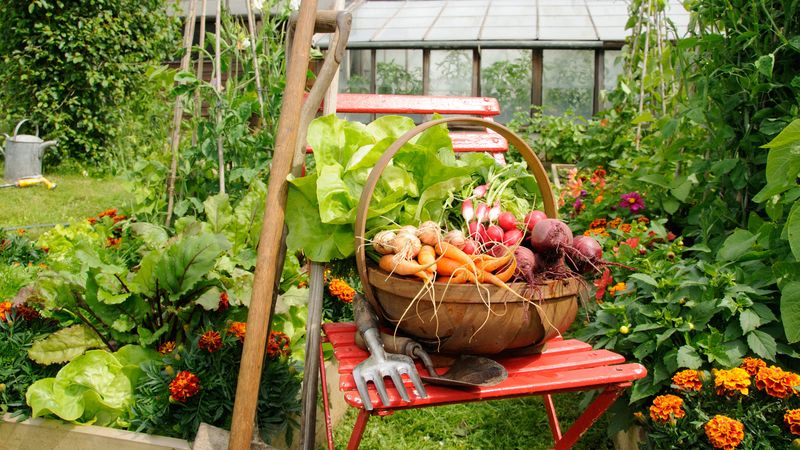
Selecting suitable vegetables can make or break your raised bed garden. Opt for crops that thrive in confined spaces, such as lettuce, radishes, and carrots.
Consider the climate and season to decide which vegetables will flourish. Some vegetables like tomatoes and peppers prefer warmer conditions, while others like kale and spinach can tolerate cooler temperatures.
Research is key to understanding which vegetables work best together, ensuring a harmonious and productive garden. By choosing wisely, you’ll enjoy a bountiful harvest.
9. Regular Maintenance Routine
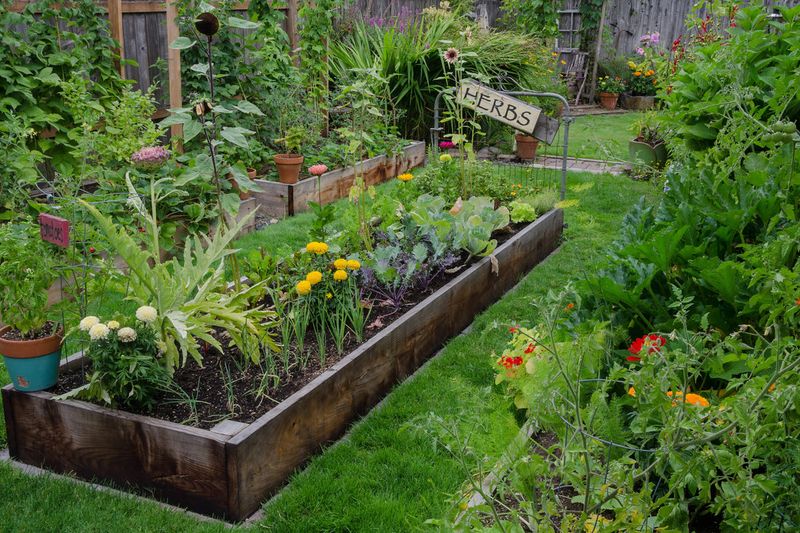
A successful gardener knows that routine is everything. Regular maintenance keeps your raised beds in top shape.
Weeding is crucial, as weeds compete for nutrients and water. Regularly inspect your plants for signs of disease, and remove affected areas to prevent spread.
Pruning encourages healthy growth and improves airflow, reducing disease risk. Establishing a regular schedule for these tasks ensures your garden remains productive and vibrant throughout the growing season.
10. Use of Mulch
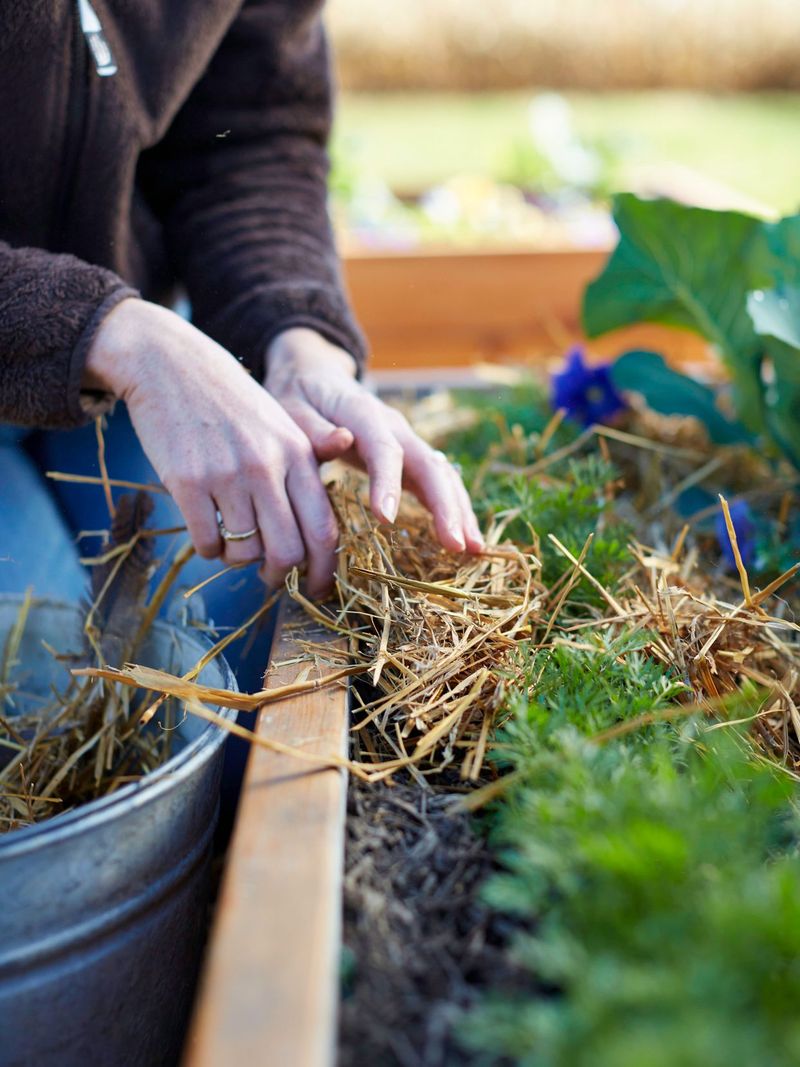
Mulch is the unsung hero of gardening, offering a multitude of benefits. Applying a layer of mulch can suppress weeds and retain soil moisture, reducing the need for frequent watering.
Organic mulches like straw and wood chips break down over time, adding nutrients back into the soil.
Mulch also helps regulate soil temperature, protecting roots from extreme heat or cold. By using mulch, you’re creating a healthier environment for your plants, ensuring they have everything they need to thrive.
11. Vertical Trellis Support
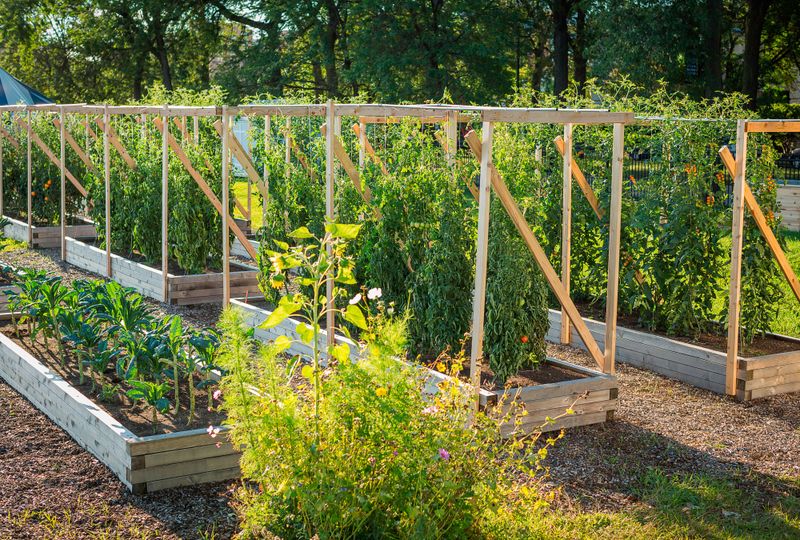
Think up, not out! Vertical trellises can maximize space in your raised beds by allowing climbing plants to grow upwards. This method not only saves space but also improves air circulation around plants, reducing disease. Embrace this vertical approach for crops like peas, beans, and cucumbers.
Interestingly, vertical gardening can also add an aesthetic appeal to your garden, with lush vines and colorful vegetables creating a living tapestry. Choosing sturdy and weather-resistant materials for the trellises ensures longevity and support for heavy yields.
The sky’s the limit with vertical gardening, transforming your raised beds into bountiful towers.
12. Use of Cold Frames
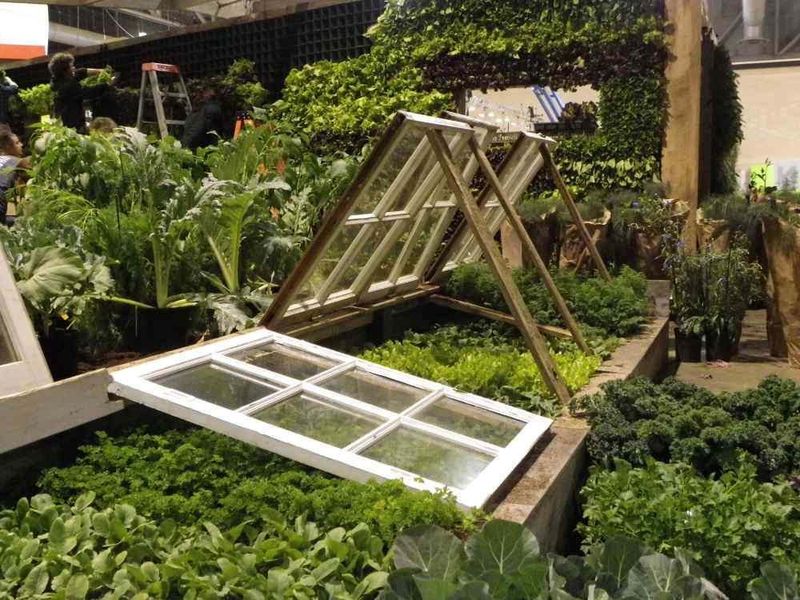
Cold frames act as miniature greenhouses, extending your growing season by protecting plants from frost and harsh weather. These structures can be particularly useful in raised beds, providing a warm microclimate for seedlings and tender crops.
Building cold frames with materials like old windows or clear plastic can be a cost-effective solution. They capture solar energy during the day, keeping the soil warm overnight.
This technique allows you to start planting earlier in spring and continue growing late into autumn. Cold frames make raised bed gardening more resilient and productive.
13. Worm Composting Bins
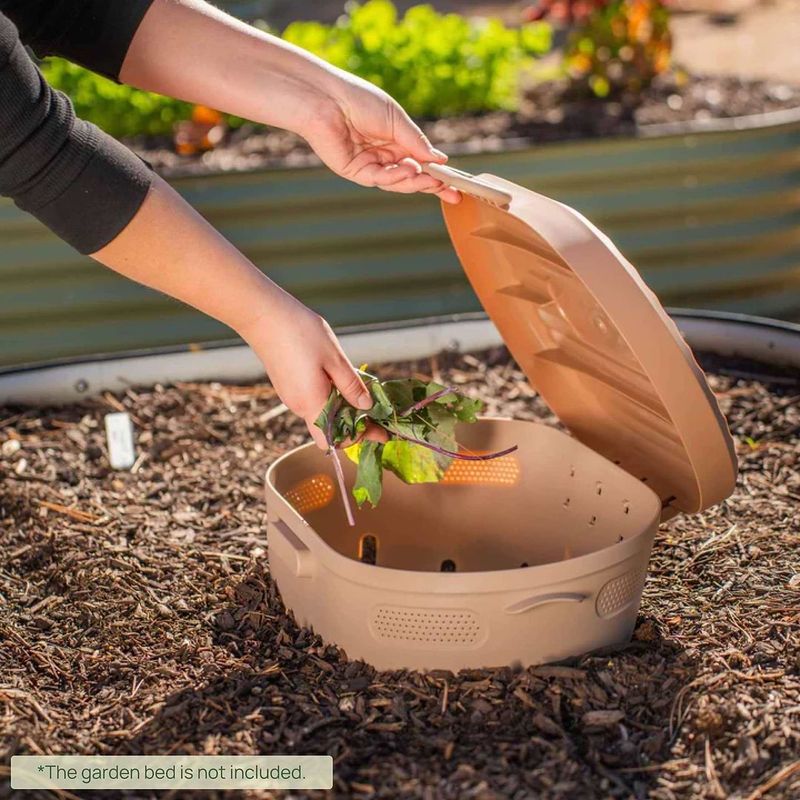
Introduce worms to your raised beds by installing vermicomposting bins. Worms break down organic matter, enriching the soil with nutrient-rich compost. This method boosts soil fertility naturally, fostering healthy plant growth.
Worm composting is an engaging way to recycle kitchen scraps. As worms digest organic waste, they produce castings that act as a potent fertilizer.
By integrating composting bins directly into the raised beds, you ensure constant soil nourishment. This eco-friendly approach not only reduces waste but also enhances the vitality of your vegetable garden.
14. Color-Coded Crop Rotation
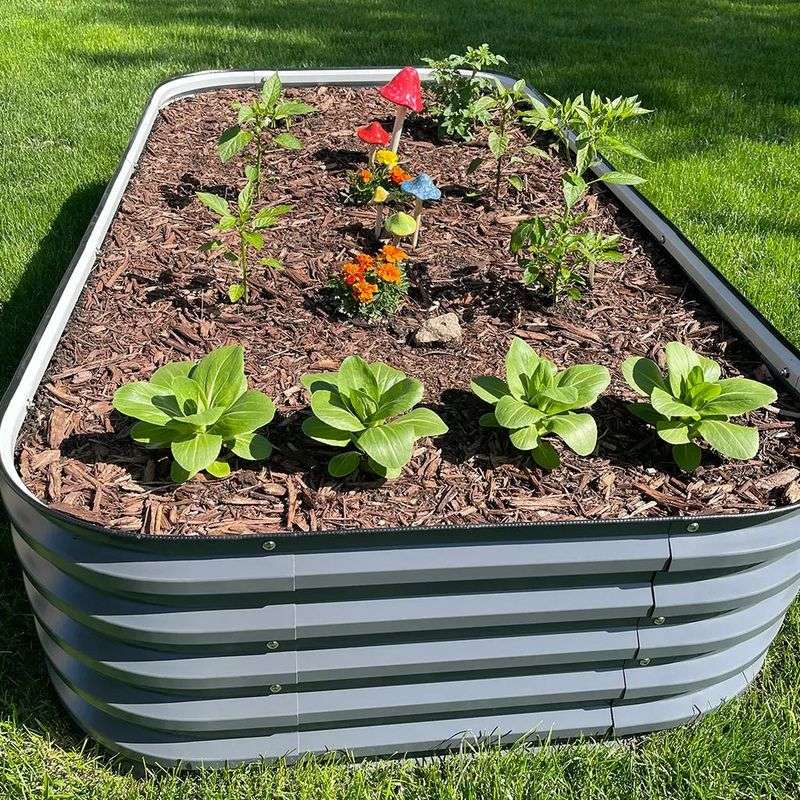
Enhance your crop rotation system with a color-coded method. Assign different colors to various plant families and rotate them in your raised beds each season. This visual guide helps prevent soil depletion and reduces pest buildup.
Using bright flags or markers makes it easier to plan and track plant locations over time. This technique not only aids in organizing your gardening but also adds a decorative touch to your raised beds.
Color-coded crop rotation is a strategic way to maintain soil health and improve yields, making your garden both functional and visually appealing.
15. Windbreak Installation
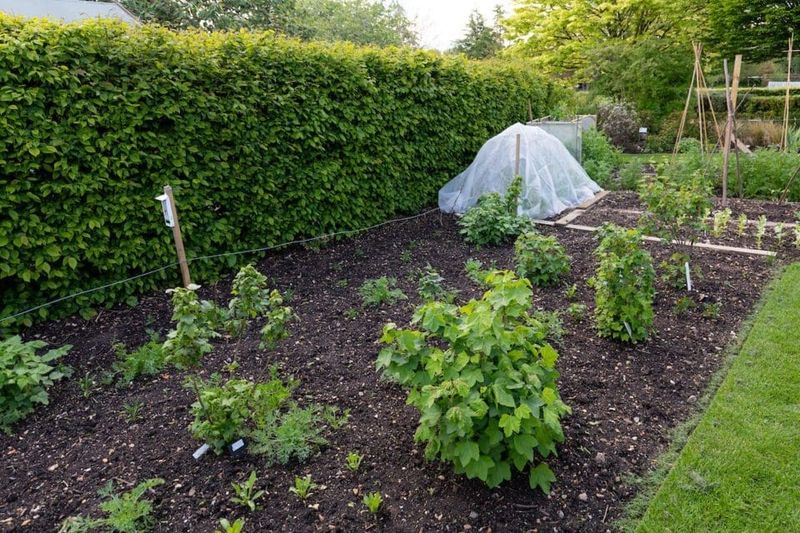
Shield your raised beds from harsh winds by installing windbreaks. These barriers, made from natural elements like shrubs or tall grasses, create a microclimate that protects delicate plants.
Windbreaks reduce soil erosion and moisture loss, ensuring that your vegetables receive optimal growing conditions. Strategically placed, they can enhance the overall health and productivity of your garden.
Besides their practical benefits, windbreaks can also beautify your garden space, adding texture and natural charm. This simple addition can transform your raised bed area into a haven for thriving plants.