
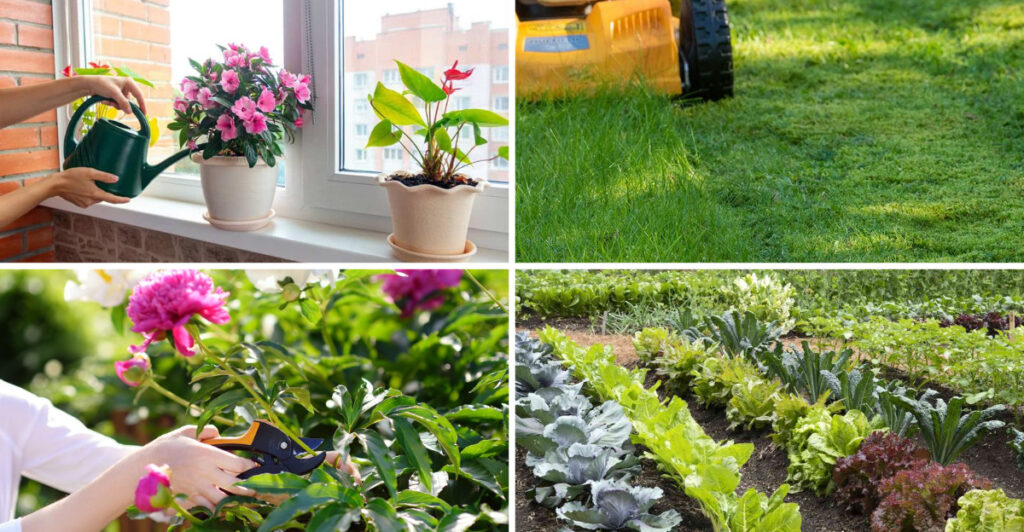
Gardening is a cherished hobby for many, a therapeutic exercise that connects us with nature. However, some widely-accepted gardening practices may not be as beneficial as once thought. Recent insights from plant scientists have challenged these norms, urging gardeners to rethink their approach. Here are seventeen popular gardening habits that have been debunked, offering a fresh perspective on nurturing your green spaces.
1. Watering Daily
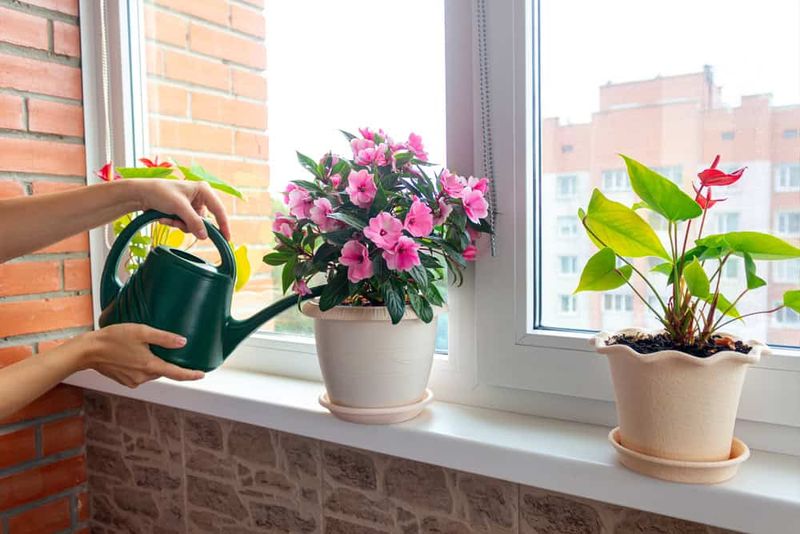
Watering plants every day seems intuitive, but it’s not always necessary. Overwatering can drown roots, causing more harm than good. Instead, observe your plants’ needs and water deeply but less frequently.
Consider the climate and plant species; some thrive in drier conditions. Monitoring soil moisture is key to understanding when water is needed.
Adjust based on seasonal changes, allowing your garden to flourish naturally without the constant deluge.
2. Using Chemical Fertilizers
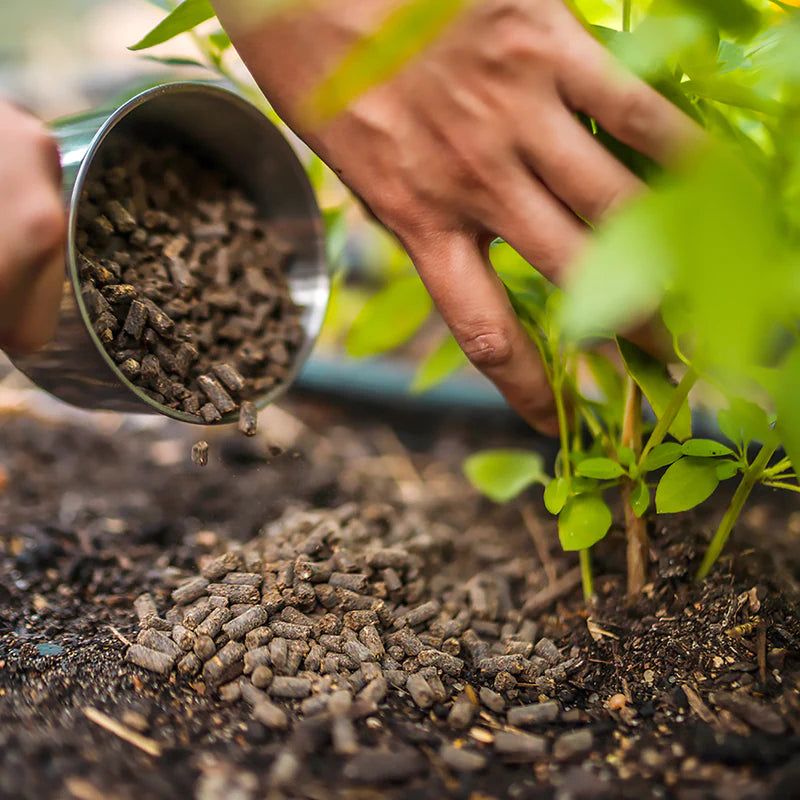
Chemical fertilizers promise rapid growth but may harm soil health over time. They can disrupt microbial communities essential for plant vitality. Opt for organic alternatives, like compost, to enrich the soil sustainably.
Understanding the balance of nutrients in your garden helps prevent dependency on chemicals. Natural amendments can offer long-term benefits.
Remember, a healthy garden thrives on rich, organic soil, not synthetic additives.
3. Pruning During Bloom
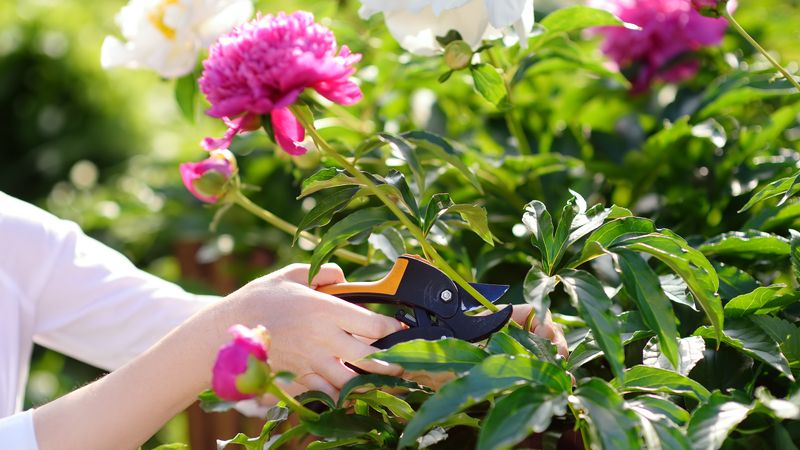
Pruning flowering plants while they’re in full bloom might seem like a good idea, but it can stress the plants. Cutting too soon may reduce flowering potential.
Timing is crucial; wait until after the blooming cycle to prune. This practice encourages healthy growth and more blossoms in the next cycle.
Understanding plant-specific needs and cycles can lead to a more vibrant garden.
4. Planting Close Together
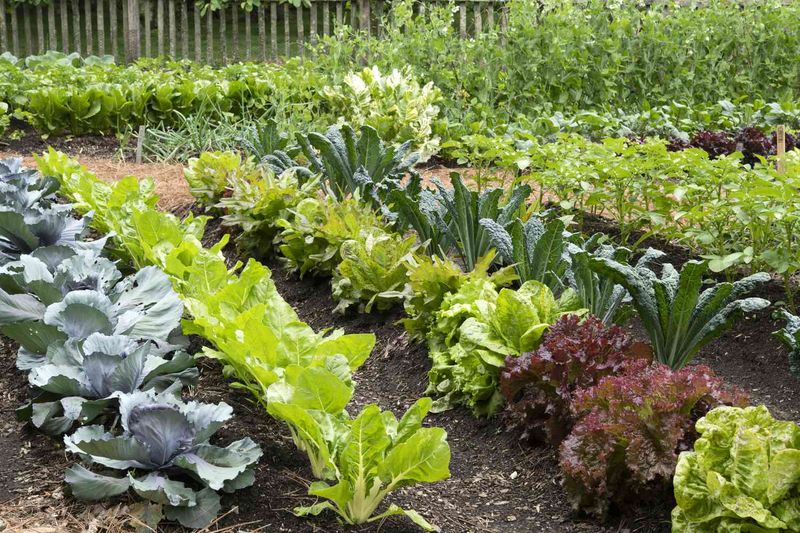
Packing plants closely together can lead to competition for resources. While it might create a lush look initially, it can stunt growth and increase susceptibility to diseases.
Ensure each plant has enough space to grow and access sunlight. This layout promotes healthier and more resilient plants.
Consider the mature size of each plant when planning your garden layout.
5. Ignoring Soil Health
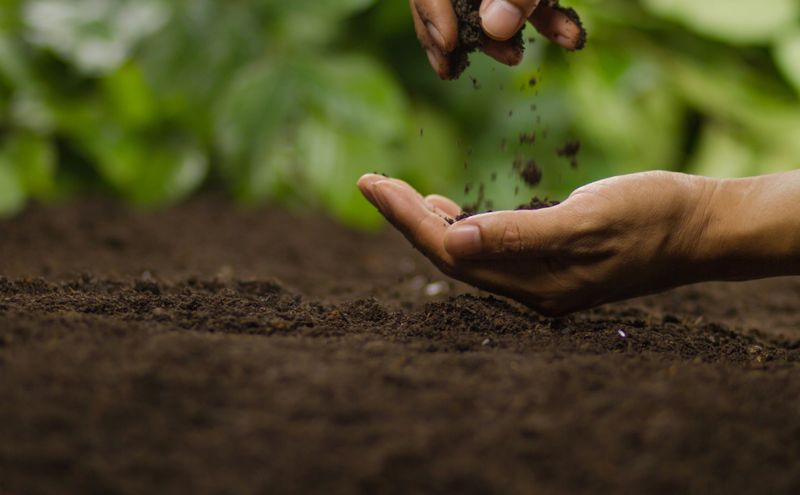
Healthy soil is the foundation of any thriving garden. Yet, it is often overlooked. Neglecting soil health can lead to poor plant performance and increased pest problems.
Conduct regular soil tests to understand its composition and needs. Amend as necessary to maintain a balanced ecosystem.
A focus on soil health ensures that plants receive the nutrients they need for optimal growth.
6. Over-Mulching
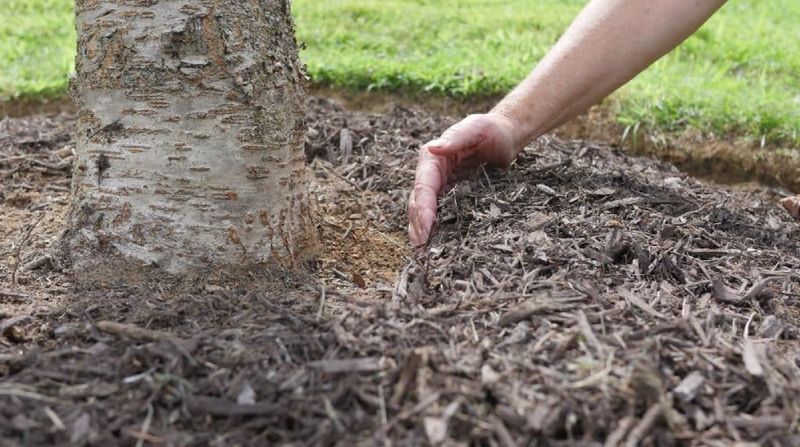
Mulching is beneficial, yet applying too much can suffocate plant roots and retain too much moisture. This excess can lead to root rot and other issues.
Apply mulch in moderation, ensuring it’s not piled against plant stems. This practice maintains moisture without overdoing it.
Balance is key; proper mulching supports plant health without overwhelming the system.
7. Relying on Pesticides
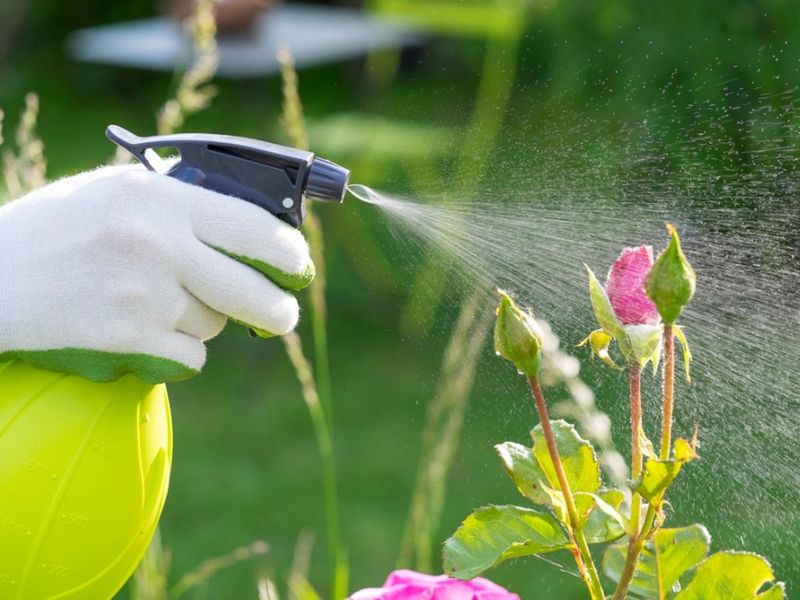
Pesticides offer a quick fix, but they can harm beneficial insects and the environment. Over-reliance leads to resistant pests and diminished biodiversity.
Embrace integrated pest management, focusing on natural predators and organic solutions. This approach fosters a balanced ecosystem.
Healthy gardens thrive with minimal chemical intervention, promoting long-term sustainability.
8. Using Peat Moss Excessively
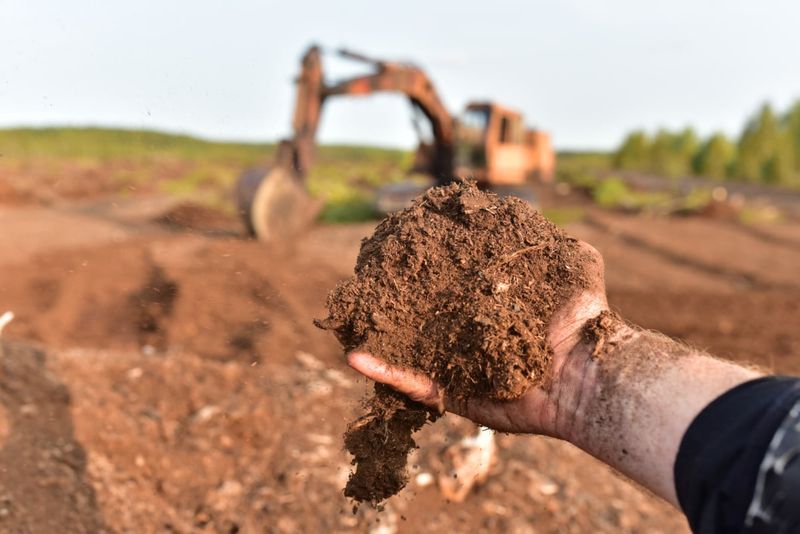
Peat moss is popular for soil improvement, yet its overuse depletes natural bogs and isn’t sustainable. It’s not rich in nutrients, making it less effective long-term.
Seek alternatives like coconut coir that offer similar benefits without environmental damage.
Being mindful of resource use ensures a garden that respects the earth’s limits.
9. Mowing Lawn Short

A short lawn may look neat, but it’s prone to stress and weed invasion. Cutting grass too short weakens roots and reduces resilience.
Aim to cut only one-third of the grass height at a time, promoting a robust and healthy lawn.
A lush lawn thrives with thoughtful care, not extreme cutting practices.
10. Removing Leaves
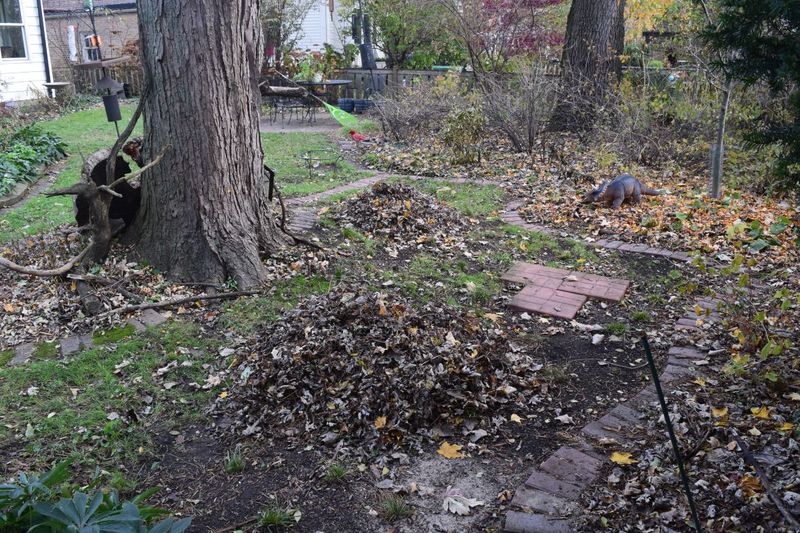
Clearing fallen leaves seems tidy, but it removes natural insulation and habitat for beneficial organisms. Leaves break down, enriching soil over time.
Consider leaving a layer of leaves in garden beds to protect and nourish the soil during winter.
Balance aesthetics with ecological benefits for a garden that supports life year-round.
11. Discarding Plant Debris
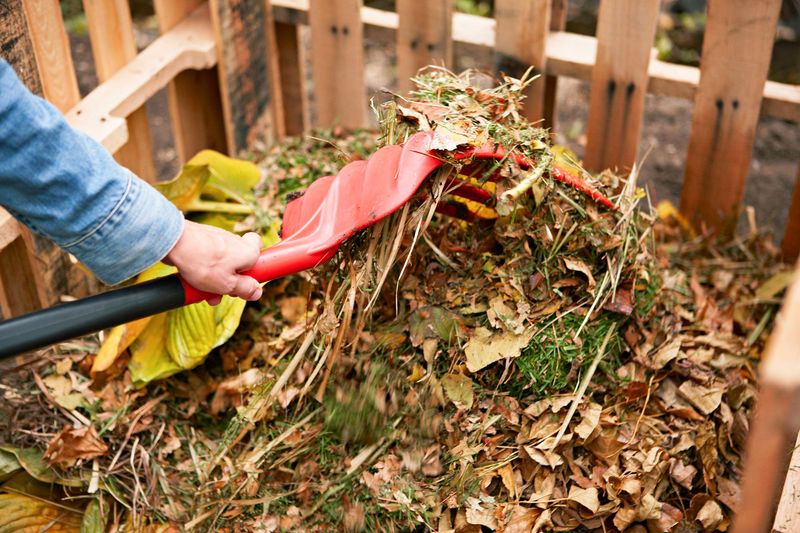
Throwing away plant debris is wasteful when it can be composted. Composting turns organic waste into nutrient-rich soil, enhancing garden health.
Start a compost pile for leaves, cuttings, and kitchen scraps. This practice reduces waste and supports plant growth.
Gardens flourish when nurtured by their own recycled materials, creating a sustainable cycle.
12. Ignoring Native Plants
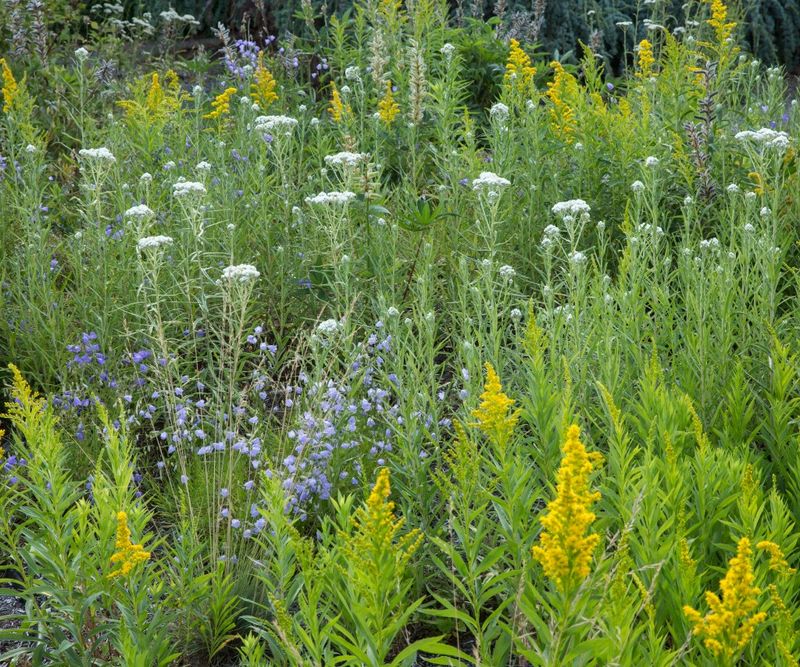
Exotic plants add flair, but native species are adapted to local conditions and require less care. They support local wildlife and promote biodiversity.
Incorporate native plants to create a resilient and sustainable garden. They often thrive with minimal intervention.
A garden rooted in its natural environment flourishes with harmony and balance.
13. Using Tap Water
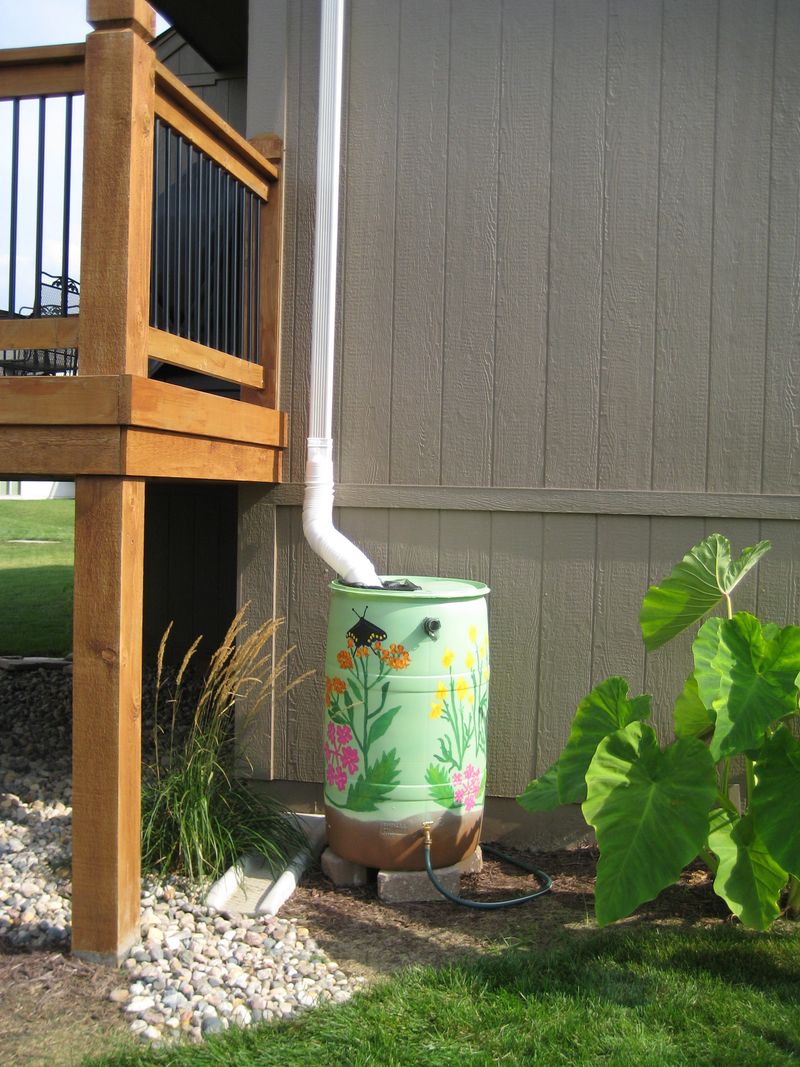
Tap water contains chemicals like chlorine that can harm sensitive plants. Over time, these additives can affect soil health and plant vitality.
Collect rainwater as an alternative, providing chemical-free irrigation that supports plant health.
Rainwater is a natural resource that offers a gentle and effective way to hydrate your garden.
14. Spring Planting Only
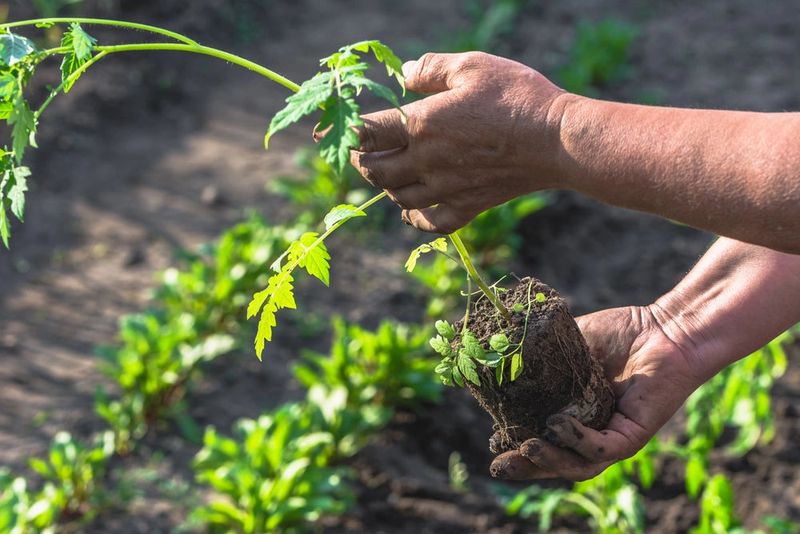
Spring is the traditional planting season, yet many plants thrive when planted in fall. Cooler temperatures and moist soil encourage root development.
Explore fall planting for a head start in the growing season. This approach can enhance garden resilience and productivity.
Planting with seasons in mind maximizes growth potential and garden success.
15. Ignoring Microclimates
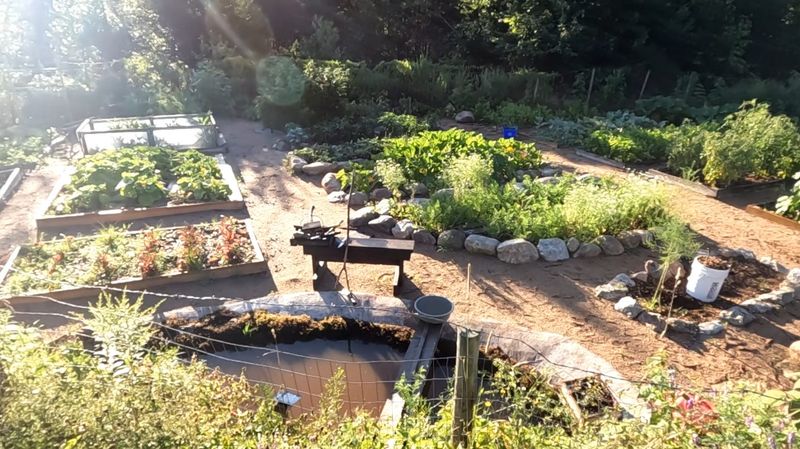
Each garden has microclimates, areas with varying light and temperature. Ignoring these differences can lead to poor plant placement.
Assess your garden’s unique conditions and choose plants suited to each area. This understanding fosters a thriving garden.
Tailoring plant care to microclimates enhances growth and resilience.
16. Staking All Plants
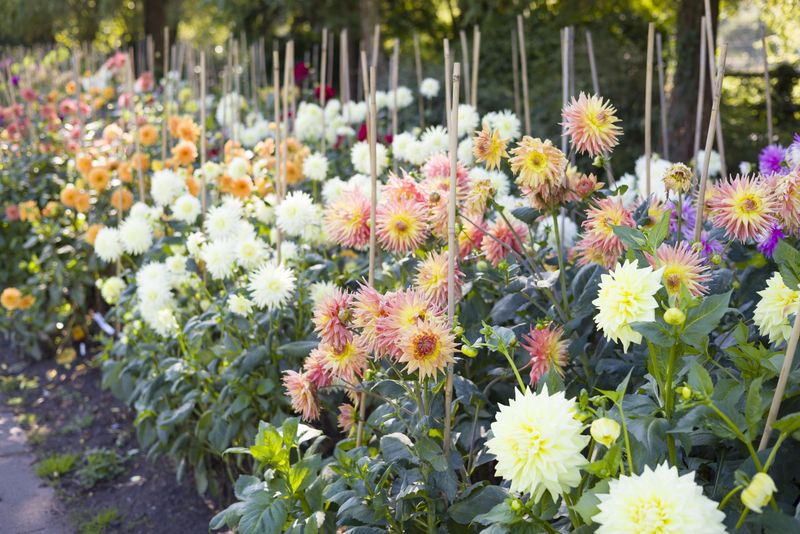
Staking provides support, but not all plants need it. Over-staking can restrict natural movement and growth, weakening stems.
Evaluate which plants truly need support, allowing others to grow freely. This practice encourages stronger development.
Nature often knows best; let some plants sway gently with the wind.
17. Focusing Solely on Aesthetics
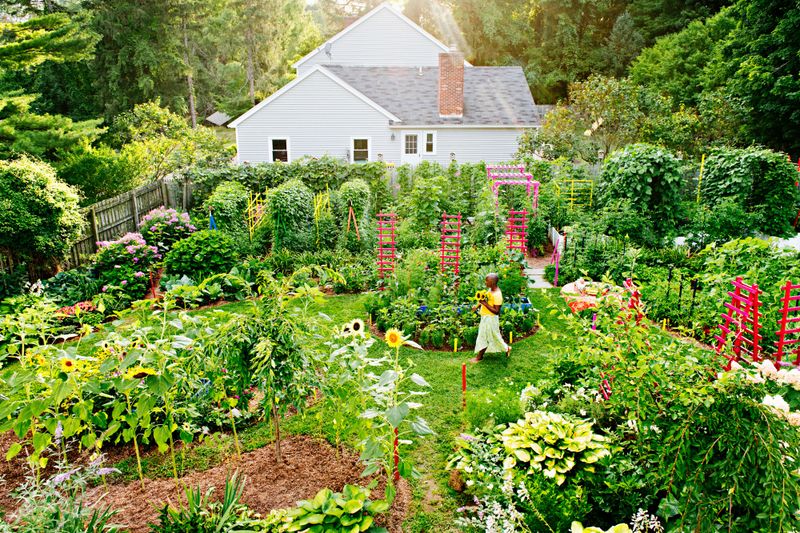
Beauty is important, but a garden’s health matters more. Prioritizing aesthetics can overlook biodiversity and ecological balance.
Include diverse plant species and create habitats for wildlife, supporting a vibrant ecosystem.
A thriving garden balances visual appeal with environmental stewardship.