 Complete Gardening
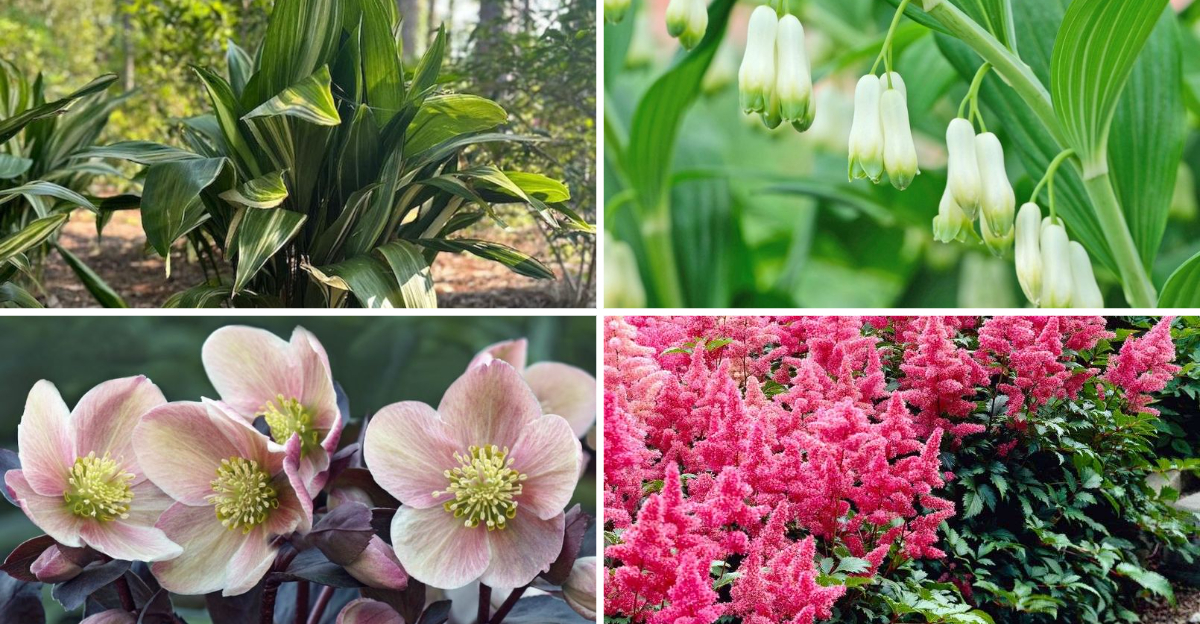
Choosing the right plants for a shady front yard can transform it into a lush, inviting oasis. The Aspidistra elatior, commonly known as the cast iron plant, is renowned for its resilience in low-light conditions. In this showdown, we’ll explore 16 other contenders that bring beauty and texture to shaded spaces.
1. Aspidistra Elatior
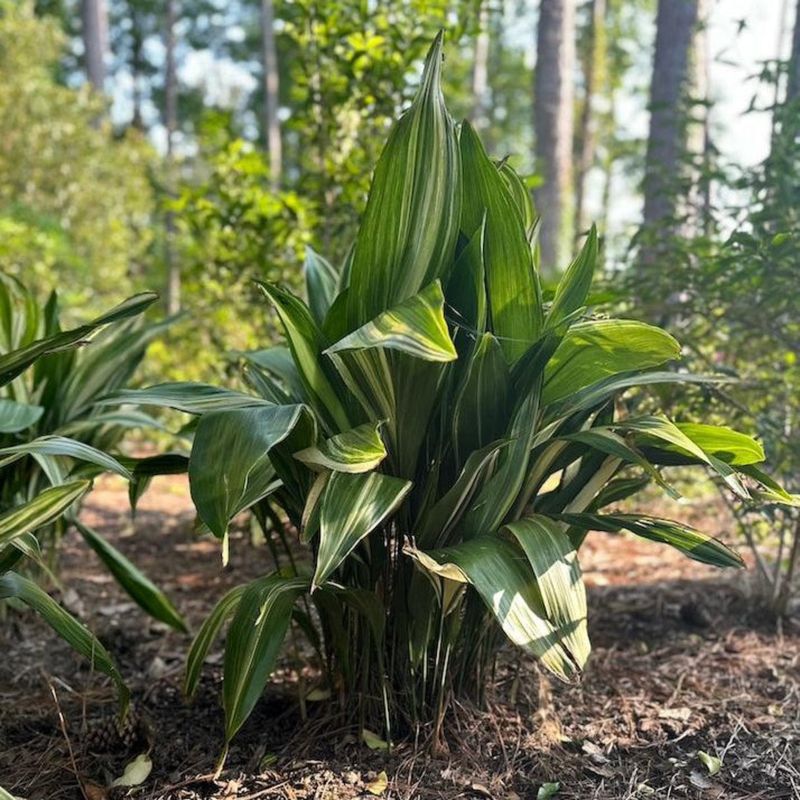
Known as the cast iron plant for its hardiness, Aspidistra elatior thrives where few others dare to grow. Perfect for shaded areas, it features wide, glossy leaves that create a rich backdrop.
This plant requires minimal care, making it a favorite among gardeners who prefer low-maintenance greenery. Its longevity and ability to withstand neglect give it an enduring appeal.
Whether paired with colorful annuals or left to stand alone, Aspidistra adds an elegant touch to any shaded garden.
2. Hellebore
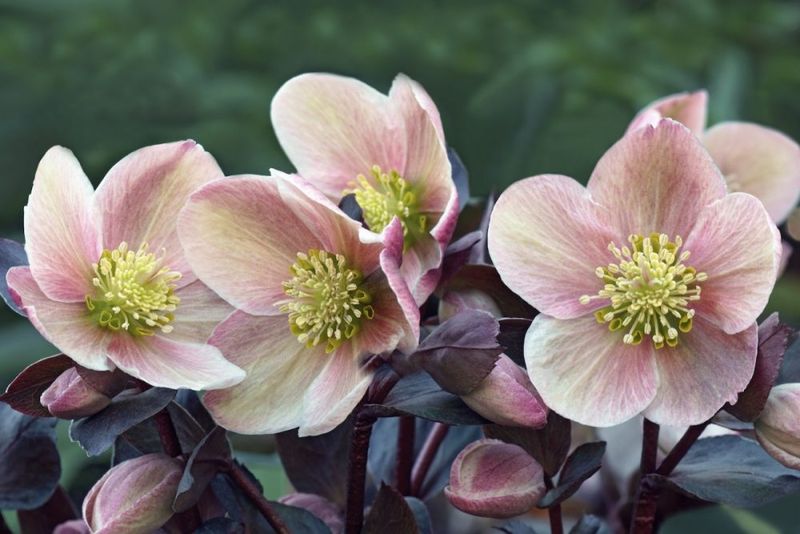
Hellebores are the understated stars of the winter garden. Their delicate nodding flowers appear in late winter, offering a splash of color when most other plants remain dormant.
These perennial beauties thrive in partial to full shade, making them ideal companions to Aspidistra. Hellebores are not only attractive but also deer-resistant, adding practicality to their charm.
With varieties in hues ranging from white to deep purple, hellebores provide a subtle yet striking contrast in a shady landscape.
3. Ferns
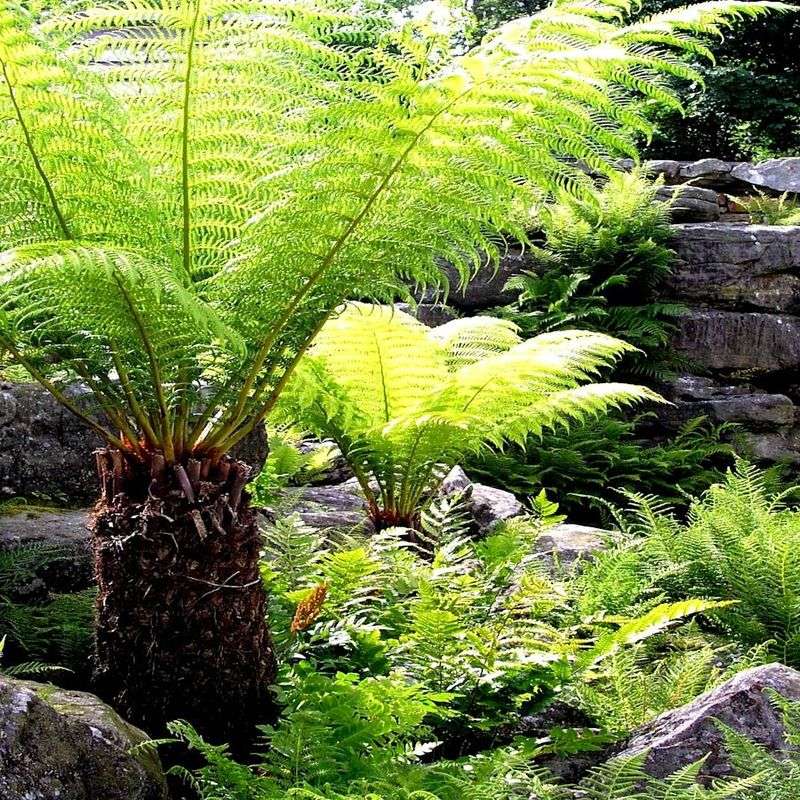
Ferns bring an ancient elegance to any garden, their feathery fronds unfurling in a delicate dance. Ideal for shady spots, they offer texture and movement.
From the dramatic ostrich fern to the delicate maidenhair fern, these plants adapt well to many environments, thriving in the low light where others falter. Their variations in size and form add depth to garden design.
Incorporate ferns into your shady oasis for a touch of timeless beauty, harmonizing with both modern and traditional landscapes.
4. Hostas
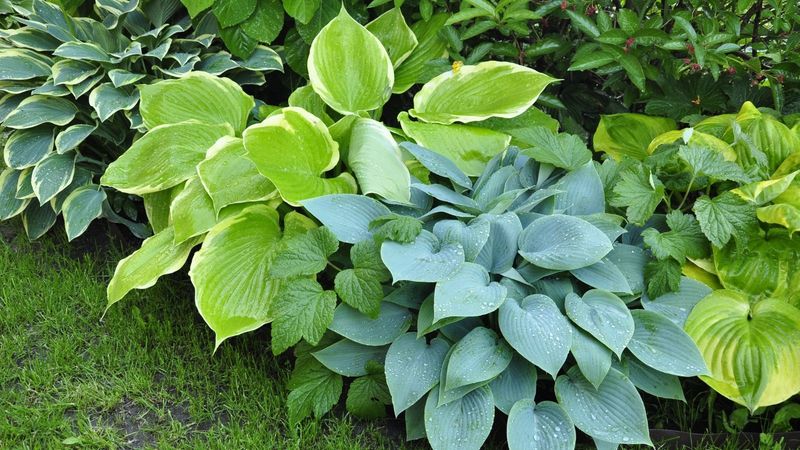
Hostas are the quintessential shade plants, celebrated for their lush foliage and range of colors and sizes. Their bold leaves can vary from vibrant green to blue, often with striking variegations.
Beyond their aesthetic appeal, hostas are low maintenance, requiring minimal attention once established. They flower in mid-summer, providing a bonus of delicate blooms atop their impressive leaves.
The versatility of hostas allows them to be used as ground covers, in mass plantings, or as focal points in a garden, making them invaluable in shaded areas.
5. Japanese Maple
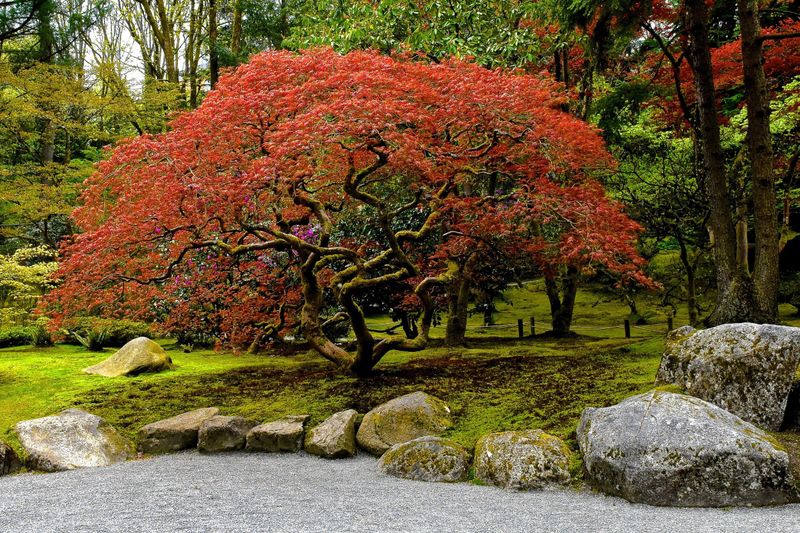
The Japanese maple is a symbol of grace and beauty, its finely cut leaves offering a burst of color. In shaded gardens, it becomes an elegant focal point, its vivid foliage standing out against the greenery.
With varieties ranging from the deep crimson of ‘Bloodgood’ to the delicate lace-leaf types, Japanese maples provide year-round interest. Their compact size makes them suitable for small gardens.
These trees require some care, but the payoff is a stunning display that transforms shady spaces into serene retreats.
6. Solomon’s Seal
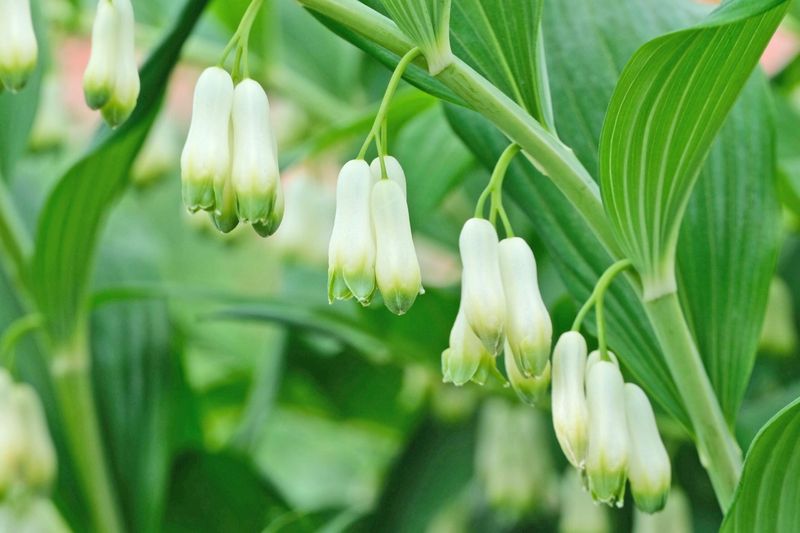
Solomon’s Seal offers a graceful arching habit, its stems adorned with pairs of white, bell-shaped flowers in spring. These elegant perennials thrive in shady, woodland gardens.
This plant’s unique form and understated blooms add a touch of whimsy and elegance, blending seamlessly with other shade-loving plants. Its foliage turns a lovely golden yellow in the fall.
Solomon’s Seal is not only beautiful but also tough, adapting well to different soil types and requiring minimal maintenance once established.
7. Lungwort

Lungwort, with its spotted leaves and clusters of pink and blue flowers, brightens up the shade garden with its unique appearance. Often among the first to bloom in spring, it brings a welcome splash of color.
This resilient perennial thrives in partial to full shade and prefers moist, well-drained soil. Its foliage remains attractive throughout the growing season, adding texture and interest.
Lungwort is a charming addition to any garden, offering a combination of beauty and practicality as a ground cover or border plant.
8. Astilbe

Astilbe’s feathery plumes of flowers add a soft, romantic touch to shaded gardens. Available in shades of pink, white, and red, they bloom in early summer, rising above fern-like foliage.
These perennials prefer moist, well-drained soil and can brighten up even the darkest corners with their vibrant blooms. Astilbe’s flowers also attract butterflies, adding life to the garden.
Whether planted en masse or as individual accents, Astilbe brings texture and color, making it a cherished choice for shade-loving gardeners.
9. Heuchera
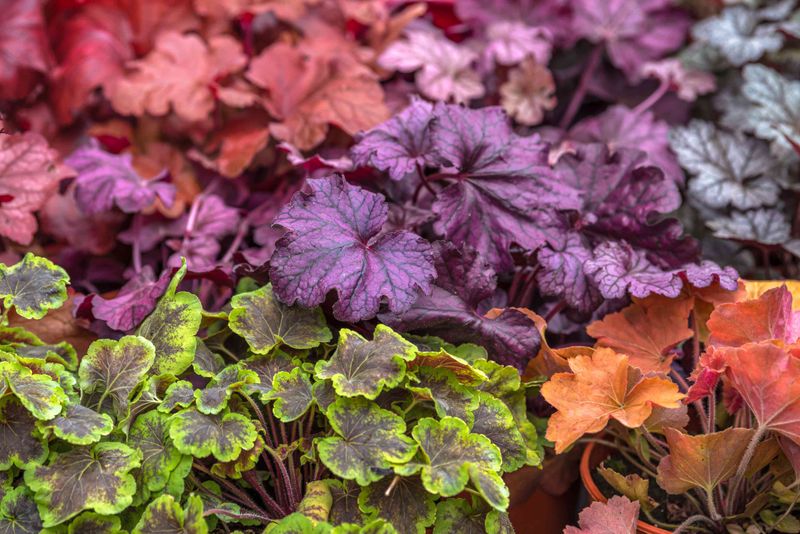
Heuchera, or coral bells, is prized for its striking foliage, which comes in a spectrum of colors from deep purple to bright lime. These hardy perennials are ideal for shaded gardens, offering year-round interest.
Beyond their visual appeal, heucheras are easy to grow and adapt well to various conditions. They produce delicate flower spikes in late spring, adding an extra layer of beauty.
Heuchera’s versatility and vibrant leaves make it a standout choice for adding color and contrast to any shaded landscape.
10. Bleeding Heart

The delicate, heart-shaped flowers of the bleeding heart plant create a romantic and whimsically nostalgic vibe. Its arching stems and soft, fern-like foliage add to its charm.
This plant thrives in partial to full shade, blooming in spring with pink or white flowers that dangle like little charms. It’s a classic choice for a shaded garden, evoking a sense of timeless beauty.
Bleeding heart is easy to grow and pairs beautifully with ferns and other woodland plants, creating an enchanting garden scene.
11. Brunnera
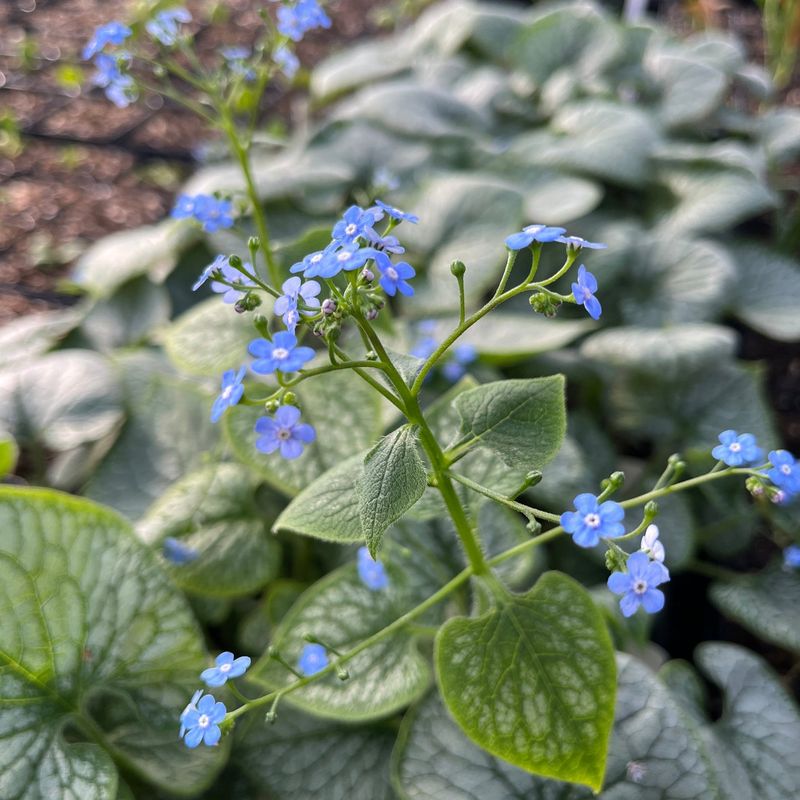
Brunnera, often called Siberian bugloss, enchants with its forget-me-not-like blue flowers and striking heart-shaped leaves. It’s an excellent ground cover for shaded areas.
The bold foliage of Brunnera remains attractive throughout the growing season, and its early spring flowers bring a cheerful note to the garden. It thrives in moist, rich soil, making it suitable for woodland settings.
With its combination of bold leaves and delicate blooms, Brunnera adds both texture and color, enhancing the allure of any shaded garden.
12. Toad Lily
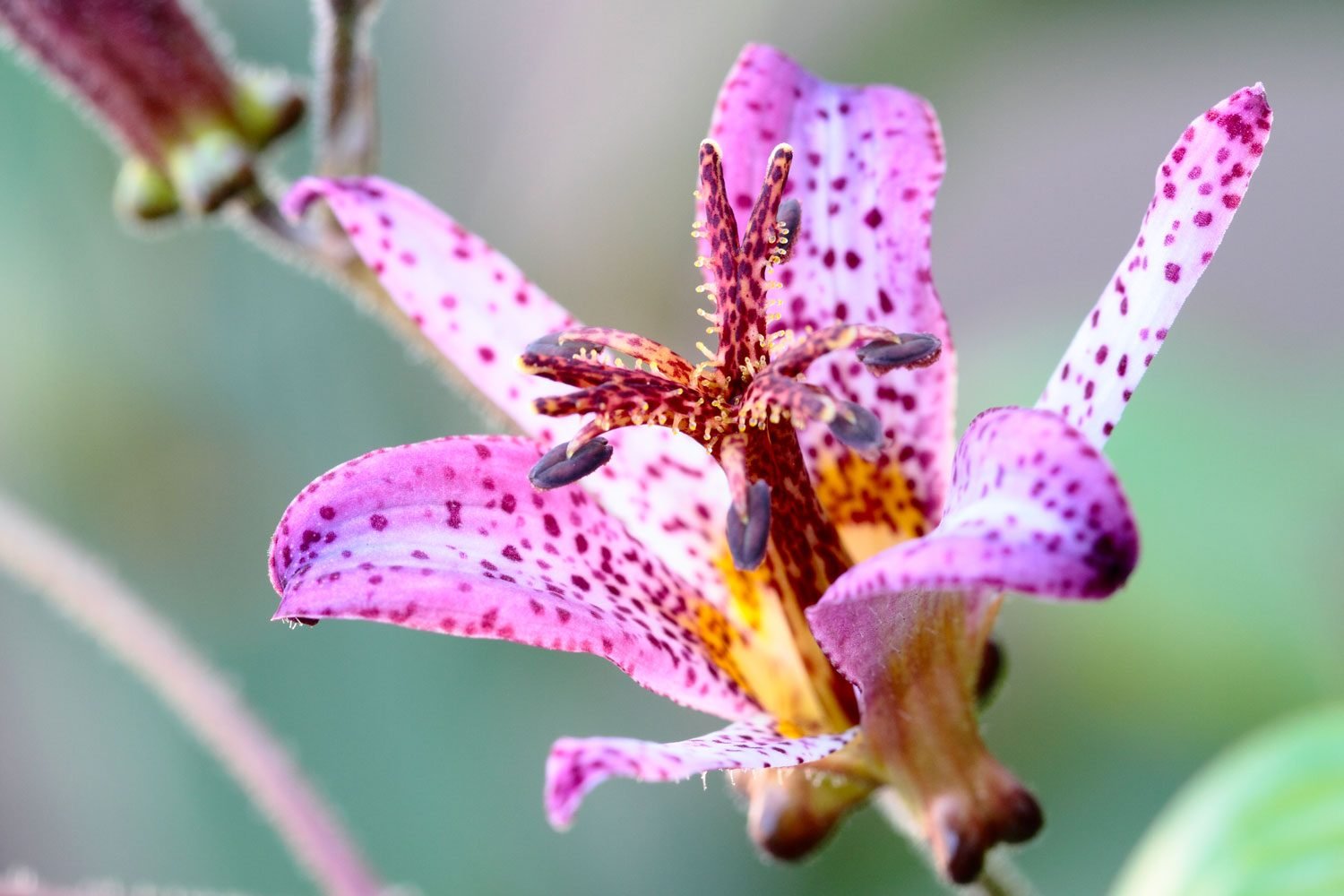
Toad lilies bring an exotic flair to the shade garden with their orchid-like flowers, speckled and unique. Blooming in late summer to fall, they offer a burst of interest when many other plants have faded.
These perennials thrive in partial to full shade and prefer rich, well-drained soil. Their unusual flowers make them a conversation starter, adding intrigue to garden design.
With their distinct appearance and late blooming period, toad lilies are a delightful addition to any shady garden, providing continuous interest.
13. Epimedium
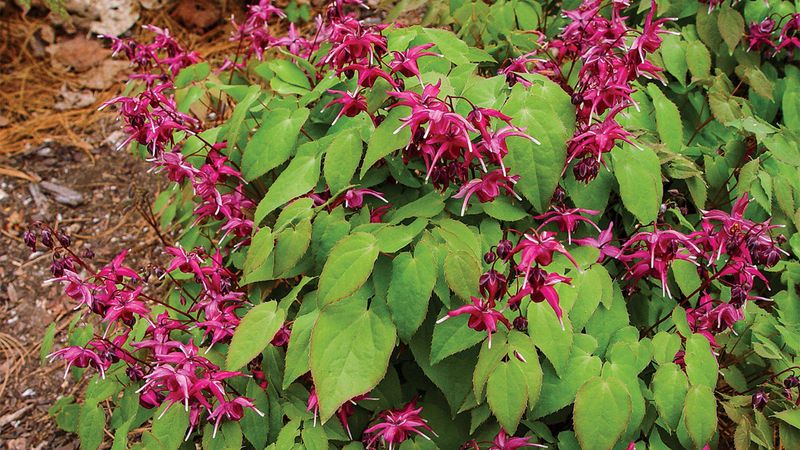
Epimedium, often referred to as barrenwort, is a woodland gem known for its delicate, heart-shaped leaves and charming flowers. These perennials are ideal for dry, shaded areas.
Their foliage emerges in a variety of colors, often turning bronze or red in fall, and their flowers, though small, are intricately beautiful. Epimedium provides a soft, enchanting ground cover.
This plant’s resilience and ethereal appearance make it a treasured choice for gardeners looking to add a touch of magic to shaded spaces.
14. Lamium
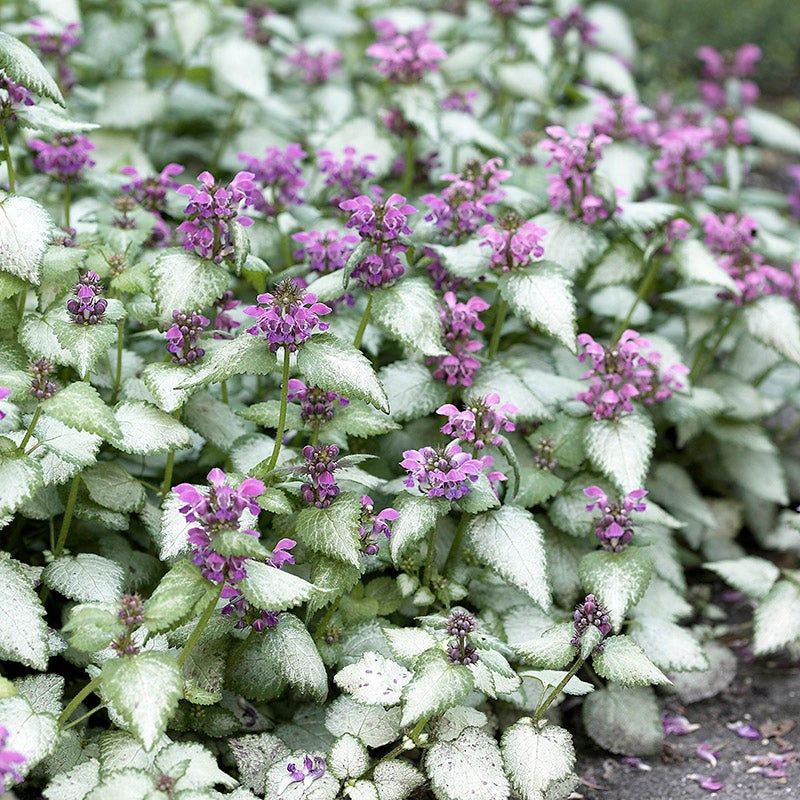
Lamium, commonly known as dead nettle, lights up the shade garden with its variegated foliage and small, cheerful flowers. It’s a vigorous ground cover that thrives in less-than-ideal conditions.
With foliage that ranges from silver to green and flowers in pink, purple, or white, lamium offers a spectrum of colors throughout the growing season. It tolerates different soil types, making it versatile and easy to grow.
Lamium’s robust nature and decorative appearance make it a favorite for adding continuity and brightness to shaded areas.
15. Foamflower
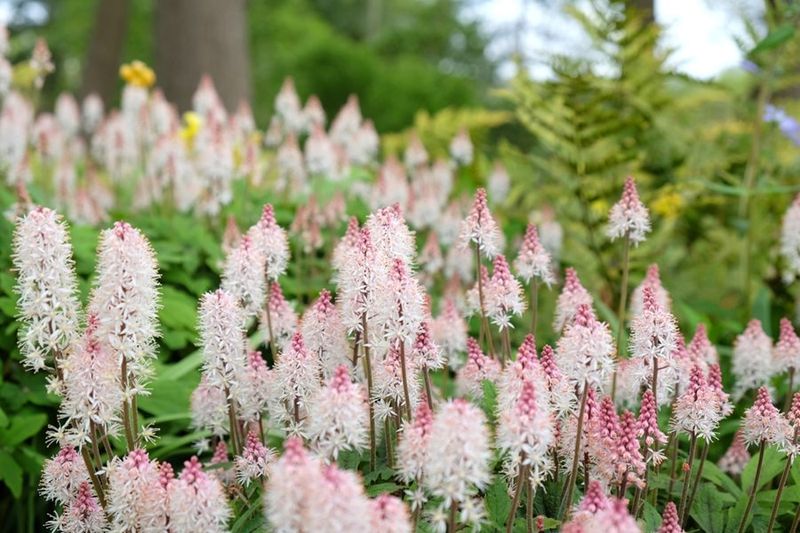
Foamflower, or Tiarella, enchants with its frothy, white flower spikes and deeply lobed leaves. This perennial makes an excellent ground cover, creating a lush carpet in shaded gardens.
The delicate flowers appear in spring, adding a soft, cloud-like effect to the garden. Its foliage often exhibits interesting patterns, providing year-round interest even after the blooms fade.
With its charming appearance and ease of care, foamflower is a delightful choice for enhancing the beauty of shaded areas.
16. Pulmonaria

Pulmonaria, or lungwort, captivates with its spotted leaves and clusters of pink and blue flowers. It’s among the first to bloom in spring, heralding the arrival of warmer weather.
This plant thrives in partial to full shade, preferring moist, well-drained soil. Its long-lasting foliage adds texture and intrigue throughout the growing season.
With its vibrant flowers and unique leaves, pulmonaria offers both beauty and resilience, making it a valuable addition to any shaded garden.