
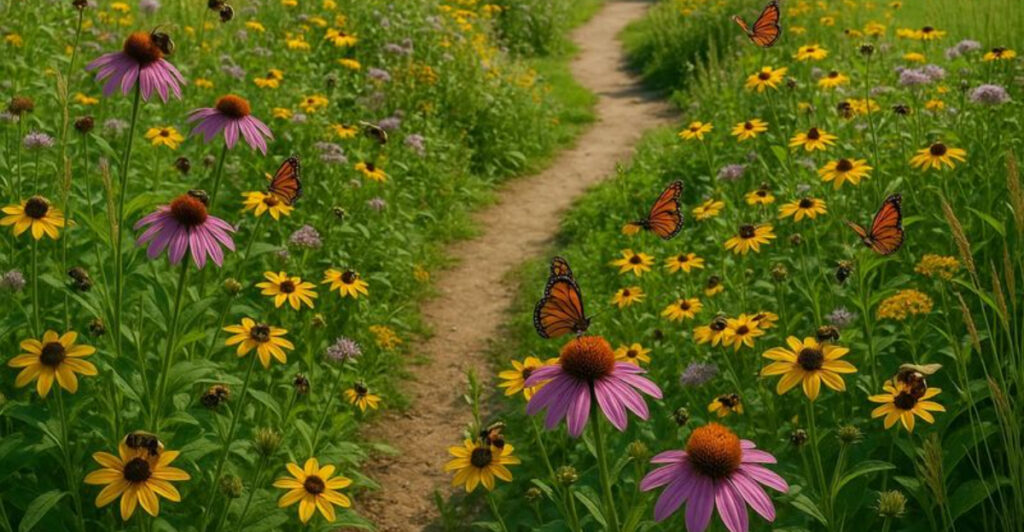
Creating a garden that works with nature instead of against it brings amazing benefits to your backyard and the planet. Ecological gardening means using methods that help plants, animals, and soil stay healthy naturally.
When you garden this way, you save money, protect wildlife, and grow stronger plants that need less care.
1. Start Composting Kitchen Scraps
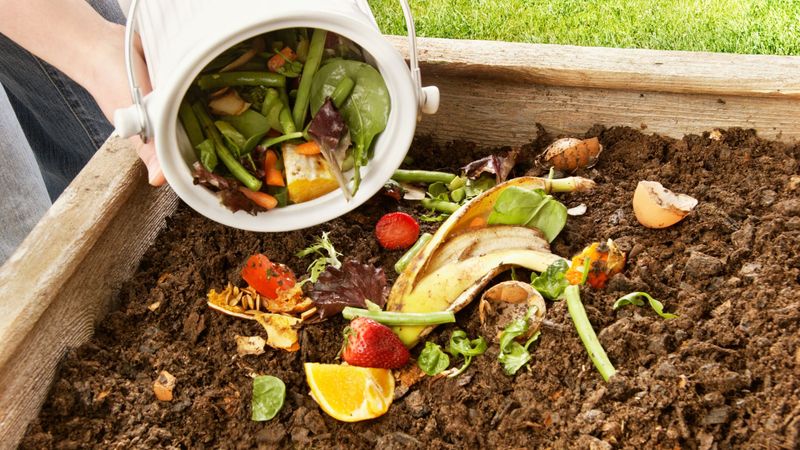
Banana peels and coffee grounds become garden gold when you compost them properly. Composting turns your food waste into rich soil that feeds plants naturally.
Simply collect fruit peels, vegetable scraps, and eggshells in a bin outside. Add some dry leaves or newspaper to balance the mix.
Within a few months, you’ll have dark, crumbly compost that makes plants grow bigger and stronger than any store-bought fertilizer.
2. Plant Native Flowers and Shrubs
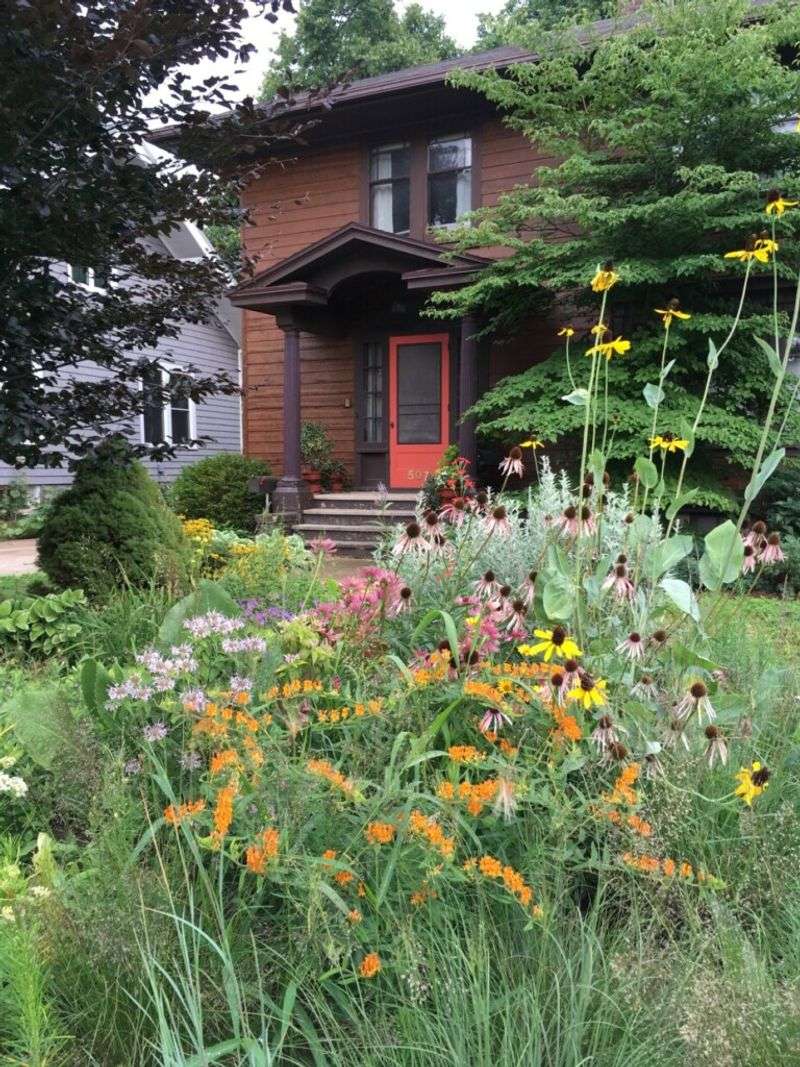
Local plants already know how to thrive in your area’s weather and soil conditions. Native species need less water, resist diseases better, and provide food for local birds and butterflies.
Visit a nearby nature center to learn which plants originally grew in your region. Many garden centers now have special native plant sections.
Once established, these hardy plants practically take care of themselves while creating a beautiful, wildlife-friendly landscape.
3. Create a Rain Garden
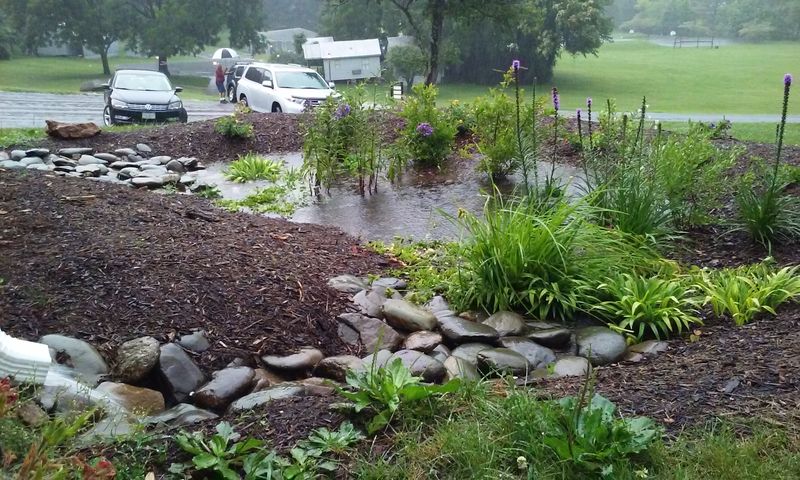
Rain gardens capture water that would normally run off your roof or driveway, preventing pollution and flooding. These special garden beds collect rainwater and slowly filter it into the ground.
Choose a low spot in your yard and plant it with water-loving native plants. The garden fills up during storms and dries out between rains.
Besides solving drainage problems, rain gardens attract frogs, birds, and beneficial insects to your yard.
4. Build Homes for Beneficial Insects
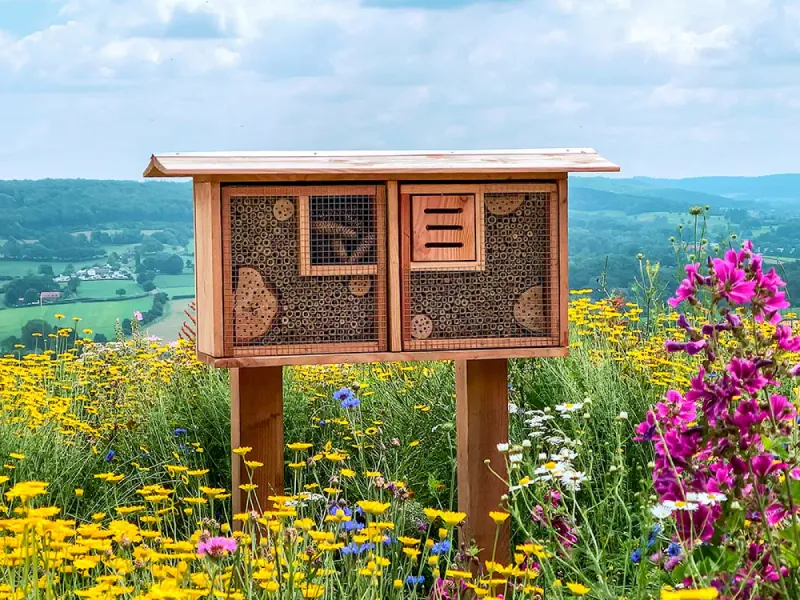
Good bugs like ladybugs and lacewings eat the bad bugs that damage your plants. Creating insect hotels gives these helpful creatures safe places to live and reproduce.
Stack hollow stems, drill holes in wood blocks, or bundle twigs together. Place these bug houses near your vegetable garden.
Soon you’ll notice fewer aphids and caterpillars as your insect army patrols your plants, keeping pests under control naturally.
5. Mulch Everything Heavily
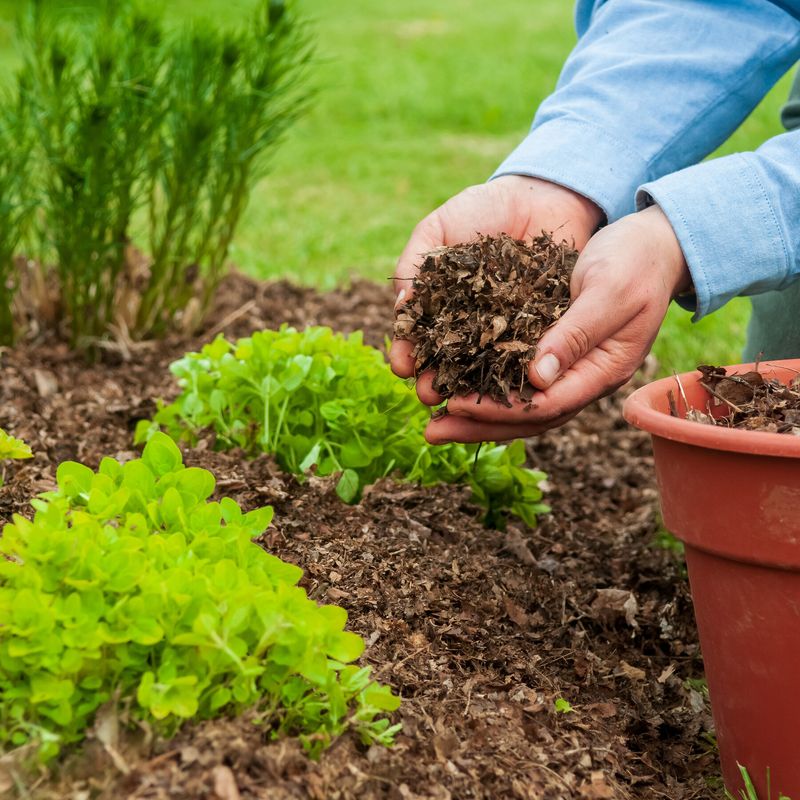
Thick layers of mulch act like a cozy blanket for your soil, keeping moisture in and weeds out. Organic mulches like wood chips or shredded leaves slowly break down and feed the soil.
Spread mulch three inches deep around plants, but keep it away from plant stems. Newspaper or cardboard under mulch blocks stubborn weeds.
Your plants will need less watering, and you’ll spend way less time pulling weeds from your garden beds.
6. Collect Rainwater in Barrels
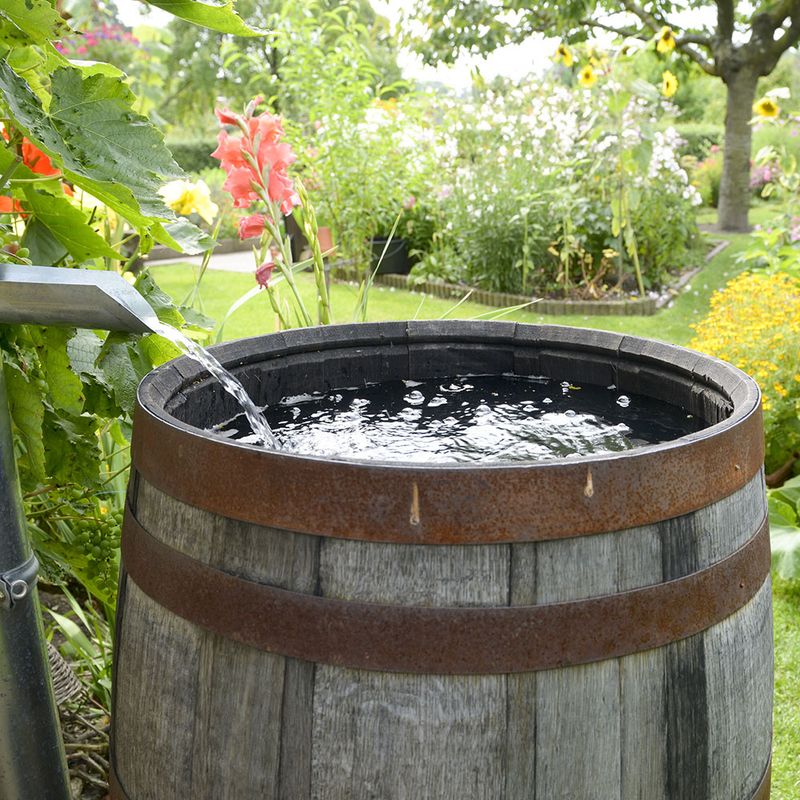
Why pay for water when nature delivers it free to your roof? Rain barrels capture water from your gutters for later use in the garden.
Position barrels under downspouts and add screens to keep mosquitoes out. Use the collected water during dry spells to keep plants happy.
Rainwater actually works better than tap water because it doesn’t contain chlorine or other chemicals that can harm beneficial soil microbes.
7. Stop Using Chemical Pesticides
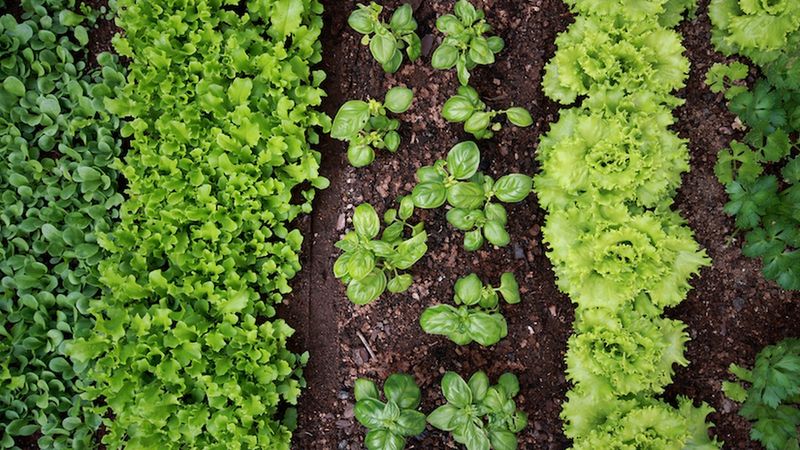
Chemical sprays kill good bugs along with bad ones, disrupting your garden’s natural balance. Healthy soil and diverse plants create strong defenses against pests without harmful chemicals.
Try companion planting instead – marigolds repel aphids, and basil keeps tomato hornworms away. Handpicking larger pests works surprisingly well too.
Your garden becomes a safer place for kids, pets, and wildlife when you skip the toxic treatments.
8. Grow Your Own Seeds
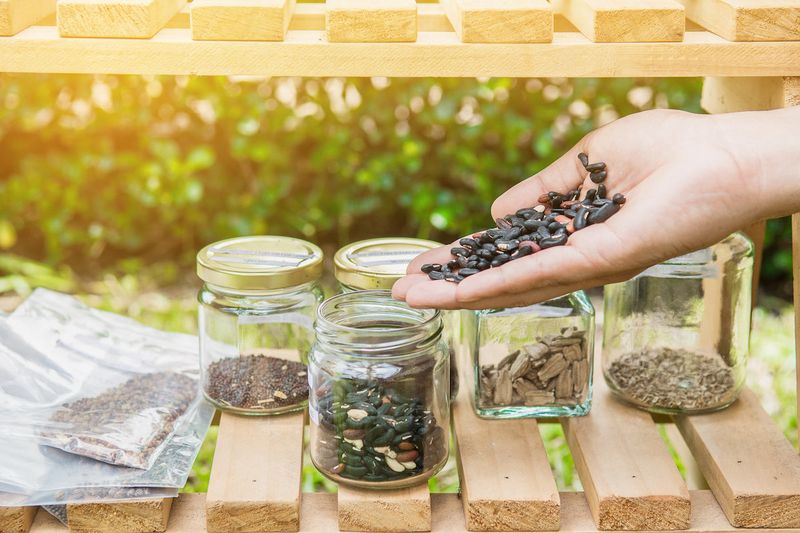
Saving seeds from your best plants creates varieties perfectly adapted to your specific garden conditions. Each generation gets stronger and more suited to your local climate.
Let some vegetables go to seed at the end of the season. Collect seeds from tomatoes, beans, and flowers when they’re fully dry.
Store seeds in labeled envelopes in a cool, dry place. Next spring, you’ll have free plants that perform better than store-bought varieties.
9. Attract Birds with Native Plants
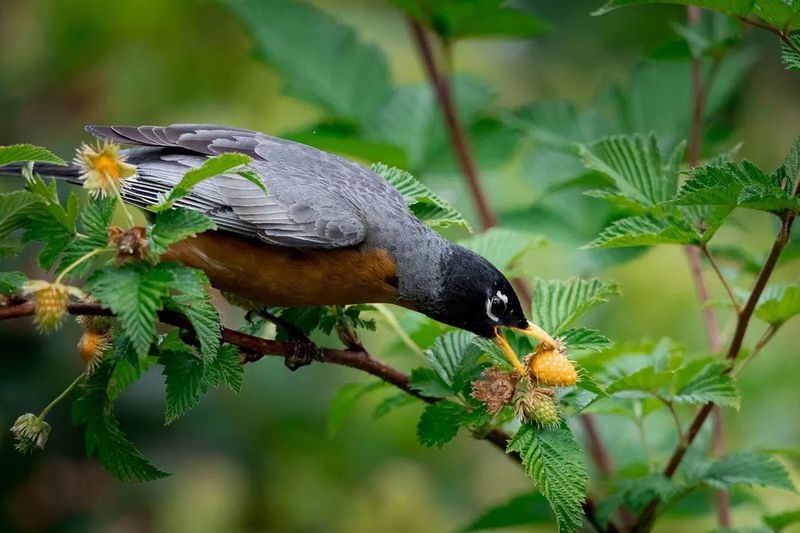
Birds eat thousands of insects and spread seeds throughout your garden, making them excellent garden partners. Native trees and shrubs provide the berries, seeds, and nesting sites birds need.
Plant berry-producing shrubs like elderberry or serviceberry. Leave some areas a bit wild with brush piles for shelter.
Add a shallow water source, and you’ll soon have a busy bird community helping keep your garden healthy and pest-free.
10. Use Cover Crops in Empty Beds
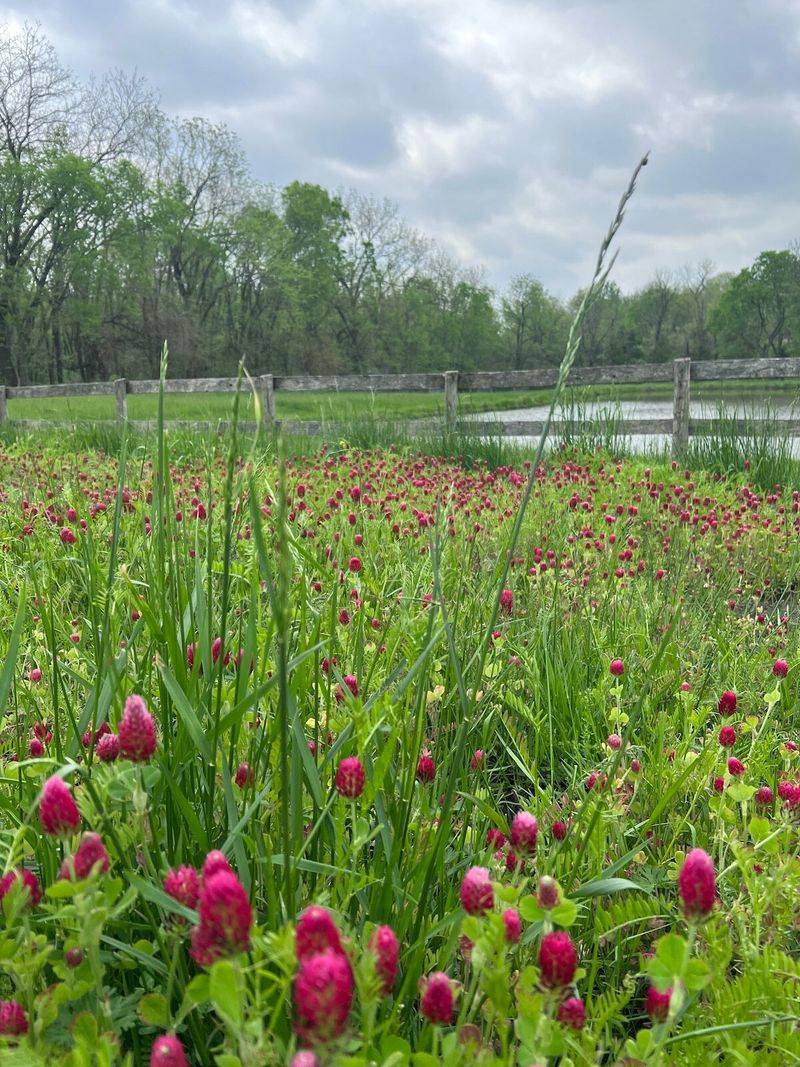
Bare soil loses nutrients and develops problems, but cover crops keep the ground healthy between growing seasons. These special plants add nitrogen, prevent erosion, and improve soil structure.
Plant crimson clover in fall or buckwheat in summer on unused garden space. These crops grow quickly and choke out weeds.
When you’re ready to plant vegetables, simply chop down the cover crop and work it into the soil as natural fertilizer.
11. Make Natural Fertilizers
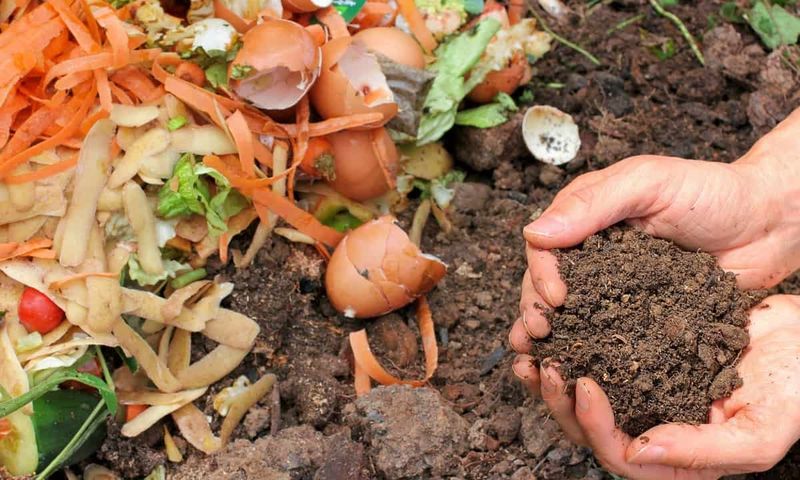
Kitchen scraps and yard waste contain all the nutrients plants need to grow strong and healthy. Banana peels provide potassium, while coffee grounds add nitrogen to the soil.
Steep compost in water to make ‘compost tea’ – a gentle liquid fertilizer. Crushed eggshells slowly release calcium that tomatoes and peppers love.
These homemade fertilizers cost nothing, reduce waste, and feed plants gradually without the harsh chemicals found in synthetic fertilizers.
12. Create Wildlife Corridors
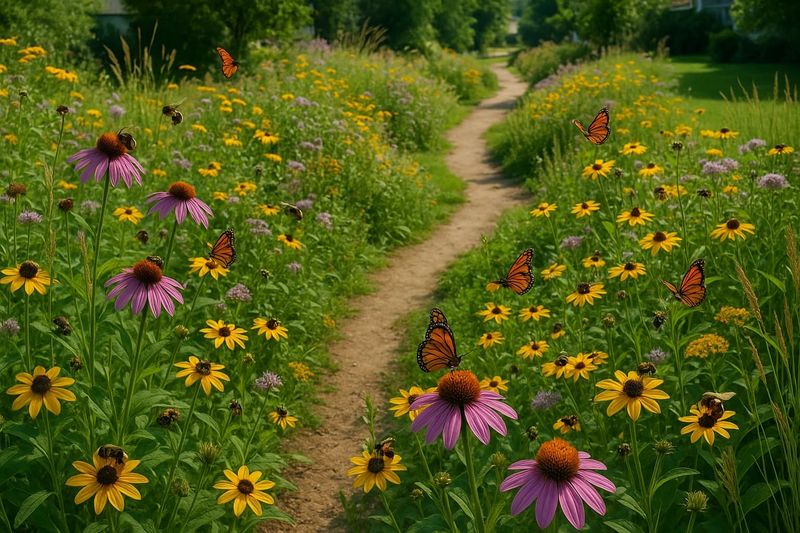
Connecting different areas of your garden with plant pathways helps animals move safely through your yard. Wildlife corridors provide food, shelter, and breeding spots for beneficial creatures.
Plant strips of native plants between garden beds or along fence lines. Include plants of different heights from ground covers to small trees.
These green highways support biodiversity and bring fascinating wildlife right to your window for easy observation and enjoyment.