
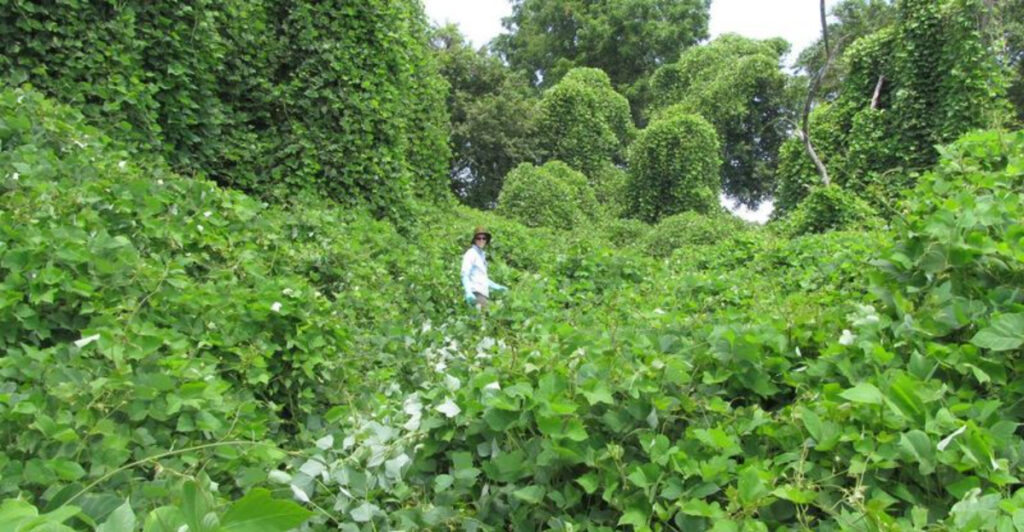
America’s forests face serious dangers that could change our landscape forever. From tiny insects to massive climate shifts, these threats attack our trees in ways many people don’t realize.
Understanding these challenges helps us protect the forests that clean our air, provide homes for wildlife, and make our communities beautiful.
1. Emerald Ash Borer Invasion
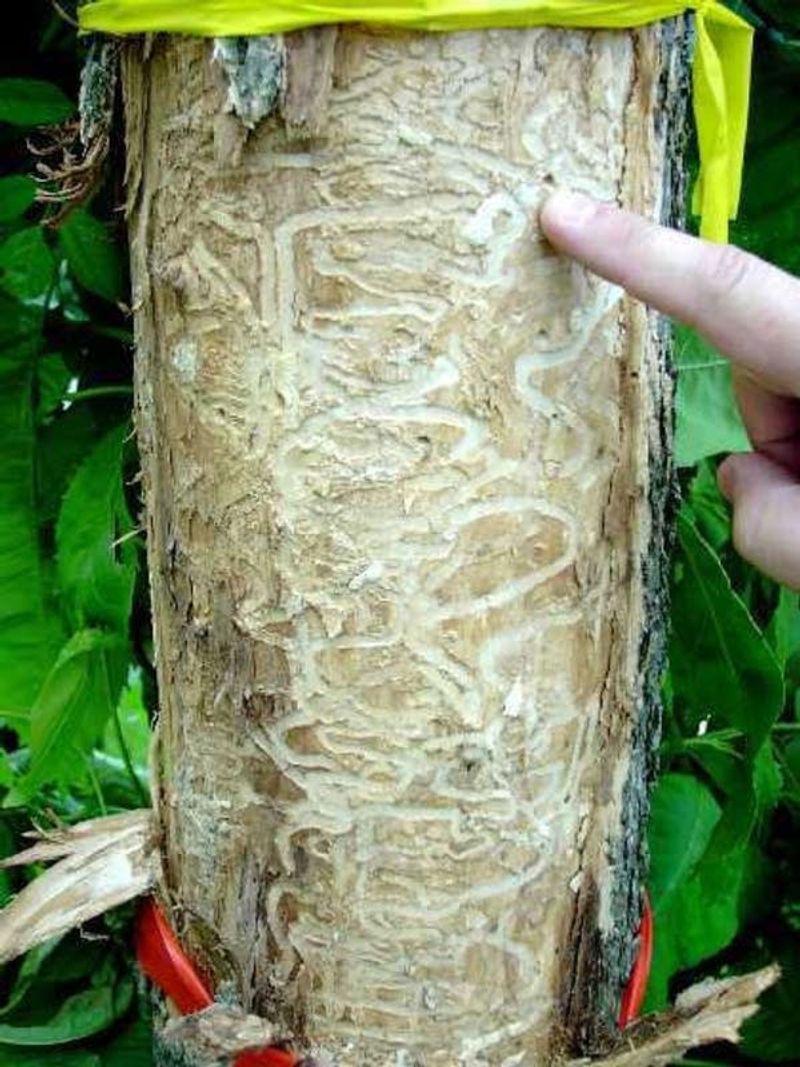
Millions of ash trees have already fallen victim to this metallic green beetle that arrived from Asia. The emerald ash borer larvae tunnel under bark, cutting off the tree’s ability to move water and nutrients.
Once infected, ash trees typically die within two to four years. Homeowners can protect valuable ash trees with professional insecticide treatments, but early detection remains crucial for saving entire neighborhoods from losing their shade canopies.
2. Climate Change Temperature Stress
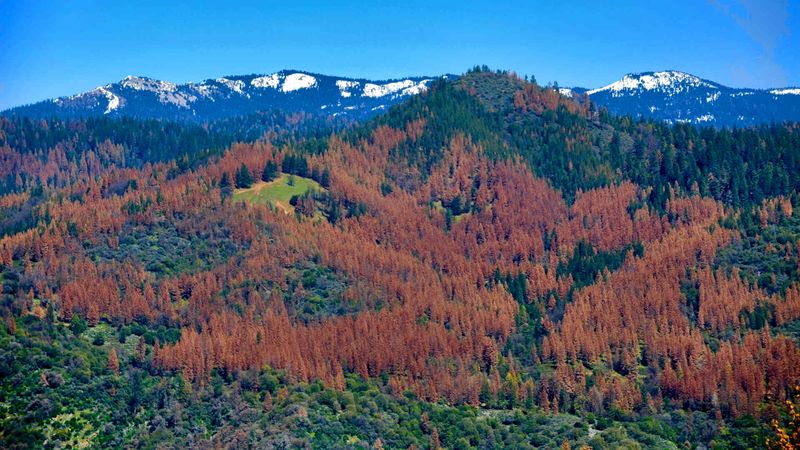
Rising temperatures force trees to work harder just to survive, weakening their natural defenses against diseases and pests. Extended heat waves stress root systems and reduce water absorption capacity.
Many tree species can’t adapt quickly enough to changing conditions. Planting climate-appropriate native species and providing supplemental watering during extreme weather helps trees cope with temperature fluctuations while maintaining healthy urban forest coverage.
3. Urban Development Pressure
Construction projects often damage tree roots, compact soil, and remove entire forest patches for new buildings and roads. Heavy machinery crushes delicate root systems that extend far beyond the tree canopy.
Smart city planning can preserve mature trees by designing around them rather than removing them. Communities benefit when developers work with arborists to protect existing trees, creating neighborhoods that balance growth with environmental preservation.
4. Drought and Water Scarcity
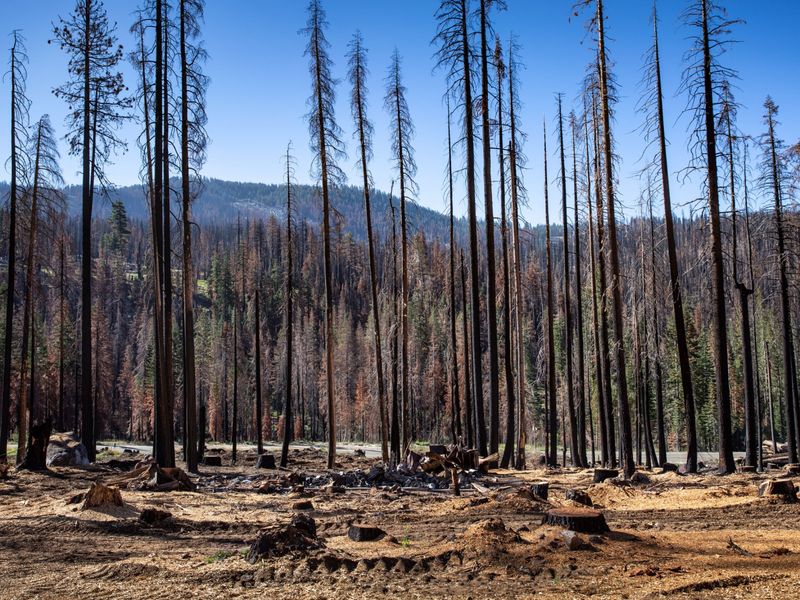
Extended dry periods leave trees vulnerable to insect attacks and disease outbreaks. Water-stressed trees produce fewer defensive chemicals, making them easy targets for harmful pests.
Deep watering techniques help trees develop stronger root systems that reach groundwater sources. Mulching around tree bases retains soil moisture and reduces competition from grass, giving trees better access to available water during challenging dry spells.
5. Invasive Plant Competition
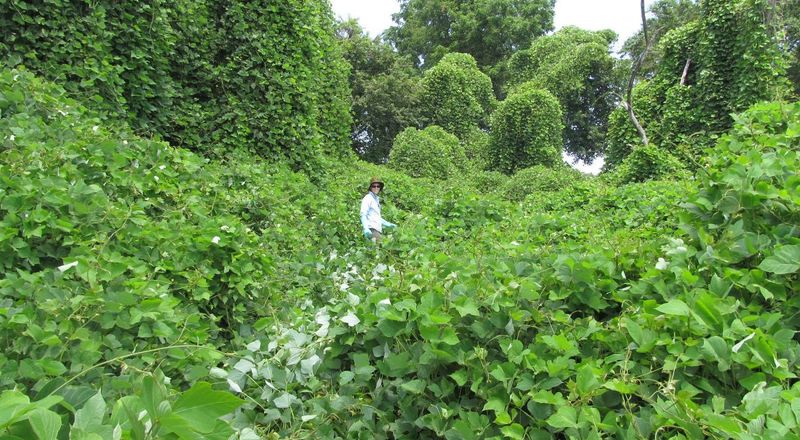
Non-native plants like kudzu and Japanese honeysuckle smother native trees by blocking sunlight and stealing nutrients from soil. These aggressive invaders grow much faster than native species.
Regular removal of invasive plants gives native trees room to thrive. Volunteers can help by learning to identify problematic species and participating in community removal events that restore natural forest balance and biodiversity.
6. Air Pollution Damage
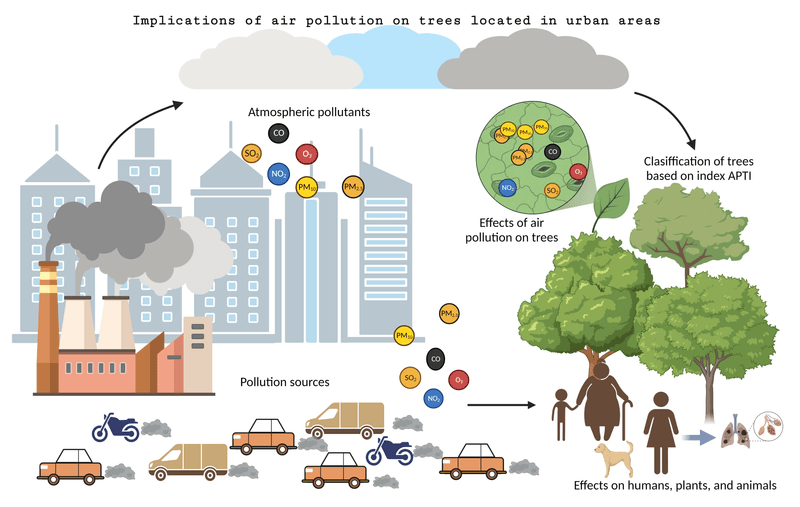
Vehicle exhaust and industrial emissions coat tree leaves with harmful particles that block photosynthesis. Acid rain from pollution weakens tree bark and damages delicate leaf surfaces.
Urban trees face constant exposure to car fumes and factory smoke. Regular leaf washing during dry periods helps remove pollution buildup, while supporting clean energy initiatives reduces overall air contamination that threatens forest health across entire regions.
7. Fungal Disease Outbreaks
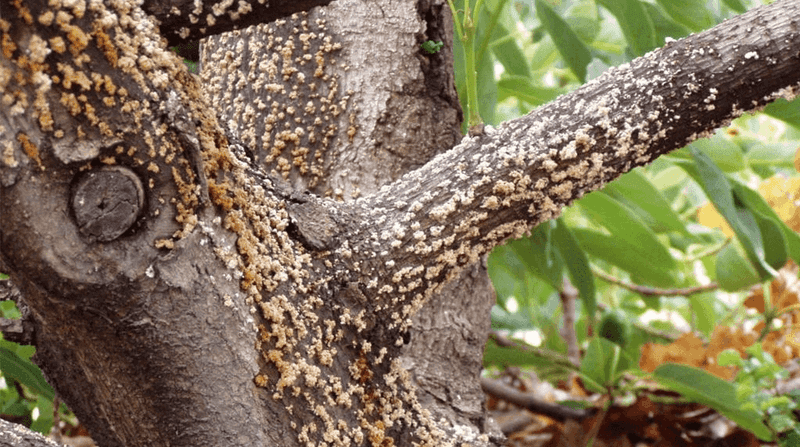
Diseases like oak wilt and Dutch elm disease spread rapidly through root systems and insect carriers, killing healthy trees within months. Spores travel on wind currents and contaminated tools.
Proper pruning timing prevents many fungal infections from taking hold. Sterilizing pruning equipment between trees stops disease spread, while removing infected branches quickly protects neighboring trees from catching the same deadly fungal pathogens.
8. Soil Compaction Problems
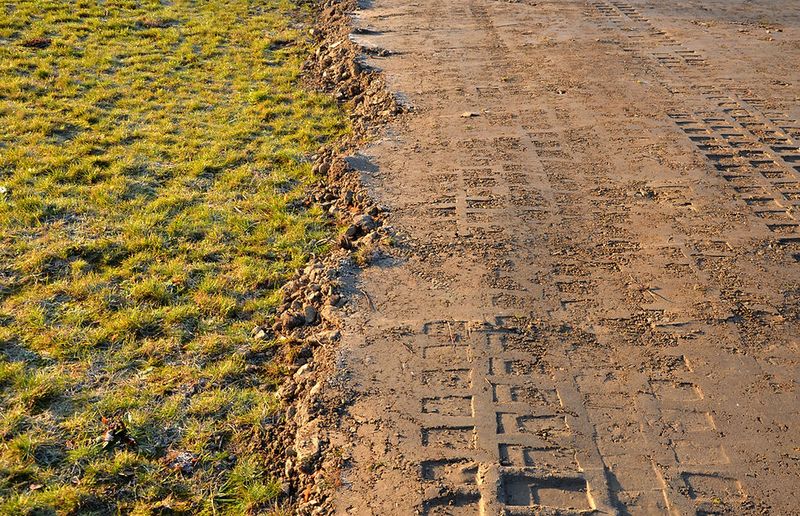
Heavy foot traffic and vehicle parking compress soil around tree roots, preventing oxygen and water from reaching underground systems. Compacted soil acts like concrete, suffocating root networks.
Installing protective barriers around tree bases reduces soil damage from human activity. Aerating compacted soil with specialized tools allows roots to breathe again, while adding organic mulch improves soil structure and supports healthy root development.
9. Extreme Weather Events
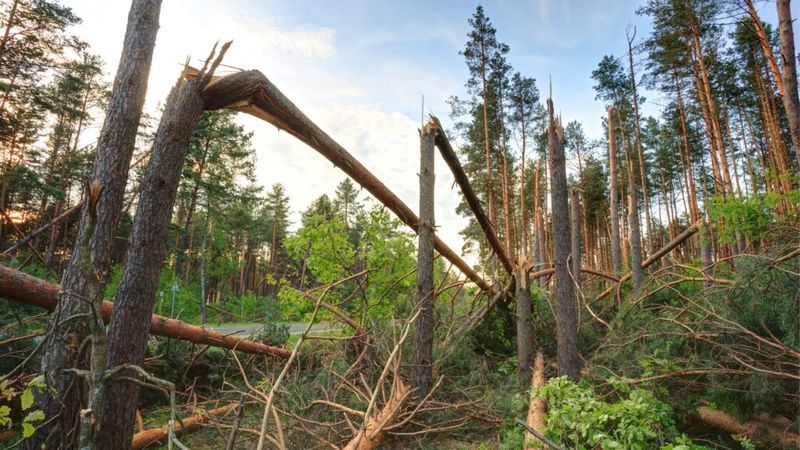
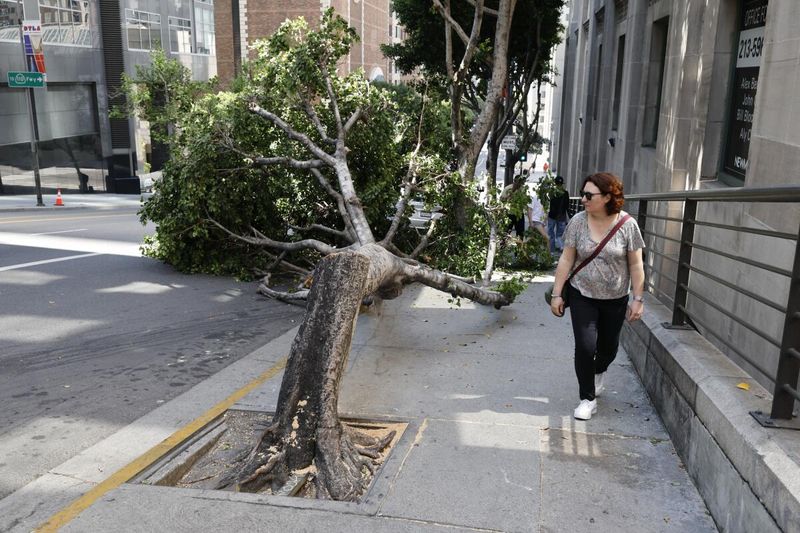
Violent storms, ice storms, and hurricanes break branches and uproot entire trees, leaving forests damaged and vulnerable to secondary problems. Wind damage creates entry points for insects and diseases.
Proper tree maintenance strengthens trees against storm damage. Regular pruning removes weak branches before they fall, while selecting wind-resistant tree species for new plantings helps communities build more resilient urban forests that survive severe weather.
10. Salt Damage from Roads
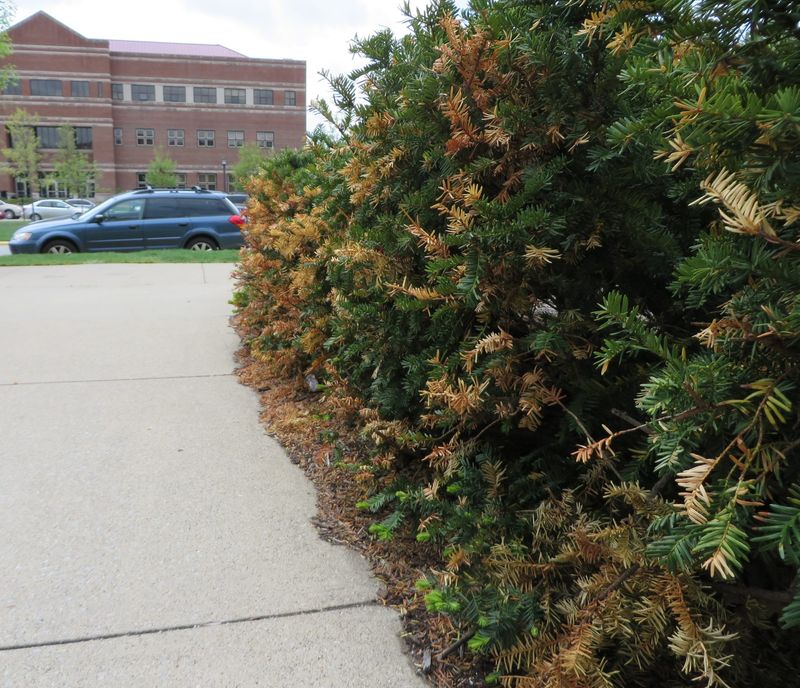
Winter road salt accumulates in soil near streets, poisoning tree roots and burning leaf edges during growing season. Salt buildup prevents trees from absorbing essential nutrients and water.
Flushing soil with fresh water in spring helps remove salt deposits before growing season begins. Choosing salt-tolerant tree species for roadside planting reduces winter damage, while supporting alternative de-icing methods protects entire neighborhoods from salt contamination.
11. Gypsy Moth Defoliation
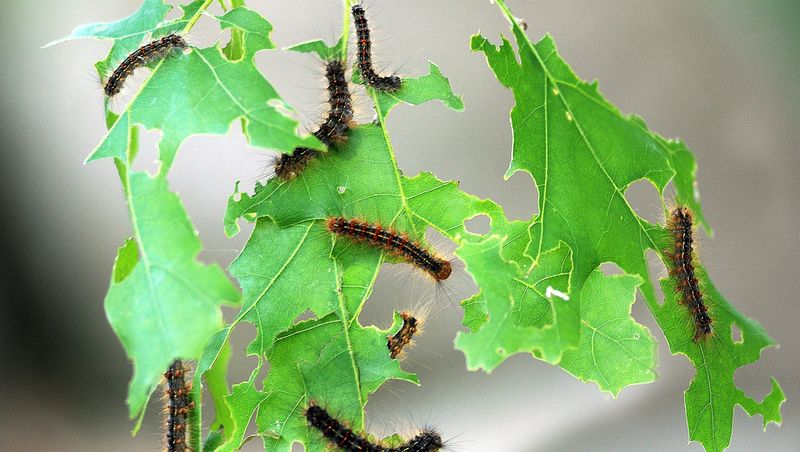
Gypsy moth caterpillars strip leaves from oak, birch, and other hardwood trees during massive outbreak years. Repeated defoliation weakens trees and makes them susceptible to other problems.
Burlap bands around tree trunks trap caterpillars before they reach leaves. Natural predators like birds help control populations, while removing egg masses during winter prevents spring infestations that can devastate entire forest sections and neighborhood shade trees.
12. Root System Disruption
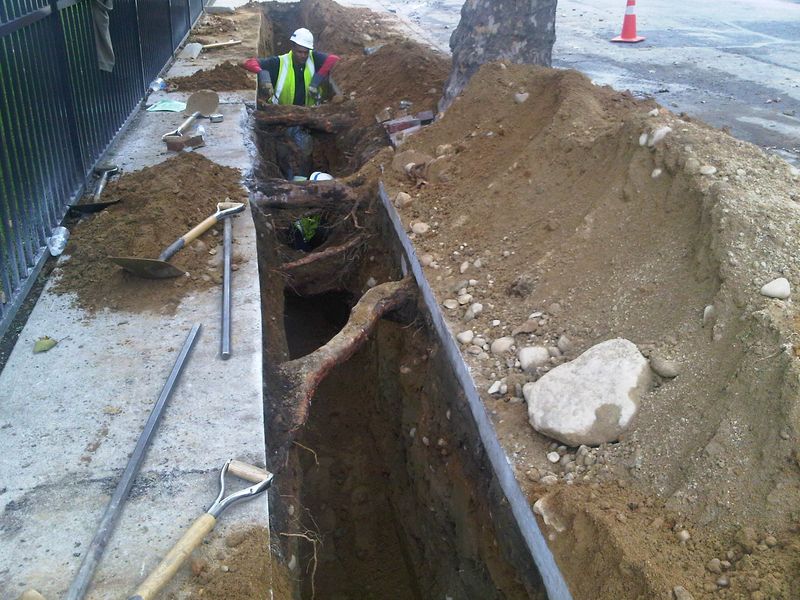
Underground utility installation and sidewalk construction sever major tree roots, destabilizing trees and reducing their ability to absorb water and nutrients from surrounding soil.
Coordinating with utility companies before digging protects valuable root systems. Hand digging near trees prevents root damage, while planting trees away from future construction zones ensures long-term survival and reduces conflicts between infrastructure development and urban forest preservation.