

Nature operates on an invisible schedule that scientists call phenology – the study of seasonal life cycle events in plants and animals.
From cherry blossoms blooming to birds migrating south, these natural rhythms have guided life on Earth for millions of years.
Understanding phenology helps us appreciate the intricate connections between climate, seasons, and living organisms in our changing world.
1. Ancient Farmers Used Phenology Before Science Named It

Long before scientists coined the term “phenology,” farmers relied on natural signs to time their planting and harvesting. They watched for specific wildflowers to bloom or listened for certain bird calls as signals.
These observations helped them succeed in agriculture for thousands of years. Today’s modern farming still uses some of these time-tested methods alongside advanced technology.
2. Cherry Blossoms Predict Spring’s Arrival Better Than Calendars
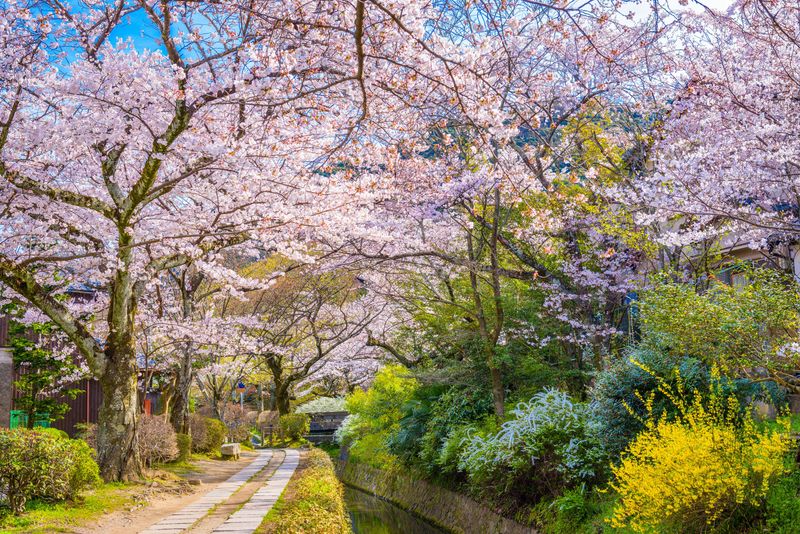
Cherry trees respond to temperature changes more accurately than our human-made calendars. When winter’s chill finally breaks, these sensitive trees begin their spectacular bloom cycle.
In Japan, people have tracked cherry blossom timing for over 1,000 years. Scientists now use this historical data to study how climate change affects seasonal patterns worldwide.
3. Birds Migrate Using Internal Biological Calendars
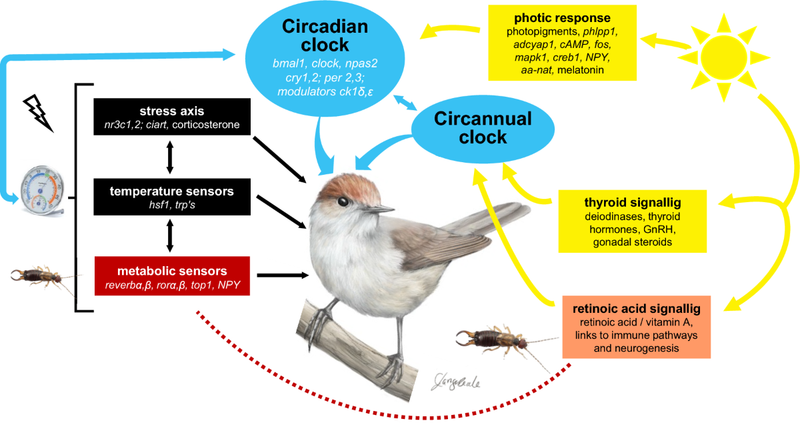
Migrating birds possess amazing internal clocks that tell them exactly when to begin their journeys. These biological timers respond to changing daylight hours and temperature shifts.
Some birds travel thousands of miles with perfect timing, arriving at breeding grounds just as food becomes abundant. Their phenological precision ensures survival across generations.
4. Maple Trees Know When Sugar Season Begins
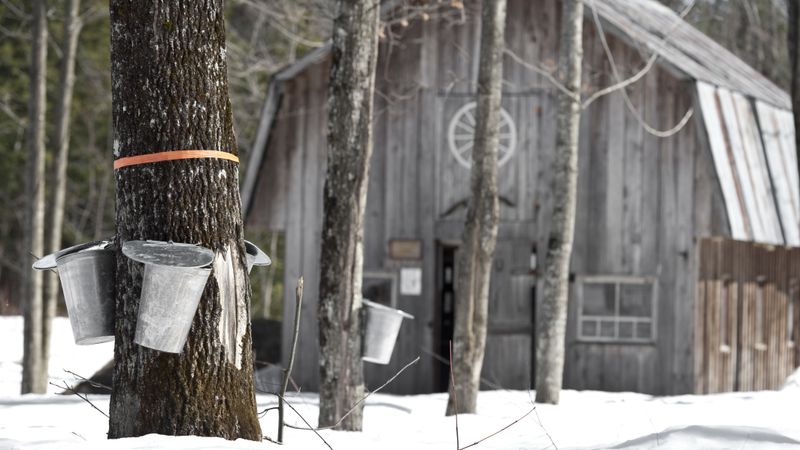
Sugar maple trees start producing their sweetest sap when nighttime temperatures drop below freezing while days warm above 40 degrees. This specific temperature pattern triggers sap flow.
Maple syrup producers depend on understanding this phenological event. Without these precise conditions, sap production remains minimal, making timing crucial for successful harvests.
5. Hibernating Animals Use Day Length as Wake-Up Calls

Bears, groundhogs, and other hibernating animals don’t just sleep randomly through winter. They monitor daylight changes even while sleeping deeply in their dens.
As days gradually lengthen, their bodies receive signals to slowly wake up. This phenological timing ensures they emerge when food sources begin appearing again in spring.
6. Flower Timing Matches Pollinator Schedules Perfectly
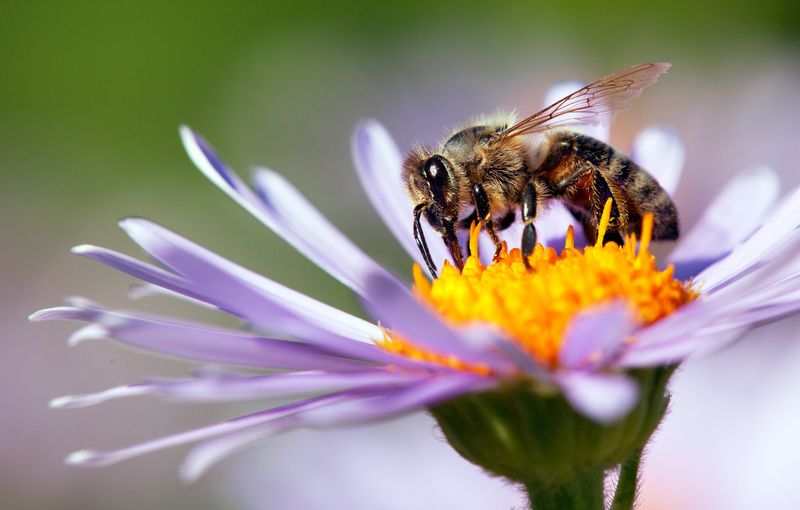
Flowers and their pollinators have evolved together over millions of years, creating perfect timing matches. When bees emerge from winter dormancy, their favorite flowers begin blooming.
This synchronized phenology benefits both species – flowers get pollinated while bees find abundant nectar. Climate change can disrupt these delicate timing relationships.
7. Leaf Color Changes Follow Temperature Patterns
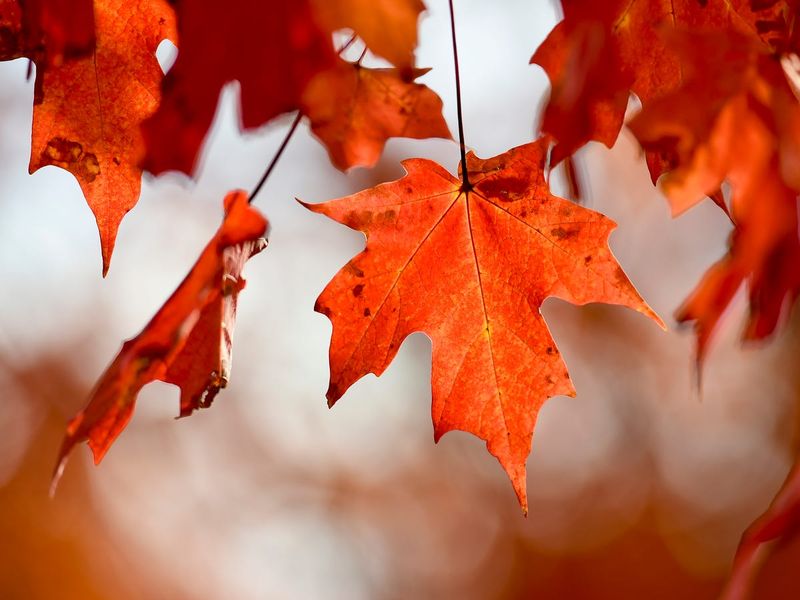
Autumn leaf colors don’t appear randomly – they follow specific temperature and daylight patterns. Cool nights and sunny days create the most brilliant reds and oranges.
Trees use phenological cues to stop producing chlorophyll, revealing hidden pigments underneath. Understanding these patterns helps predict peak foliage viewing times for nature enthusiasts.
8. Ocean Temperatures Control Marine Life Breeding

Sea turtles, whales, and fish time their breeding cycles to ocean temperature changes. Warmer waters signal abundant food and safer conditions for raising young.
Marine animals travel vast distances following these phenological cues. Even tiny plankton blooms follow temperature patterns, forming the foundation of ocean food webs.
9. Desert Plants Time Blooms to Rare Rainfall
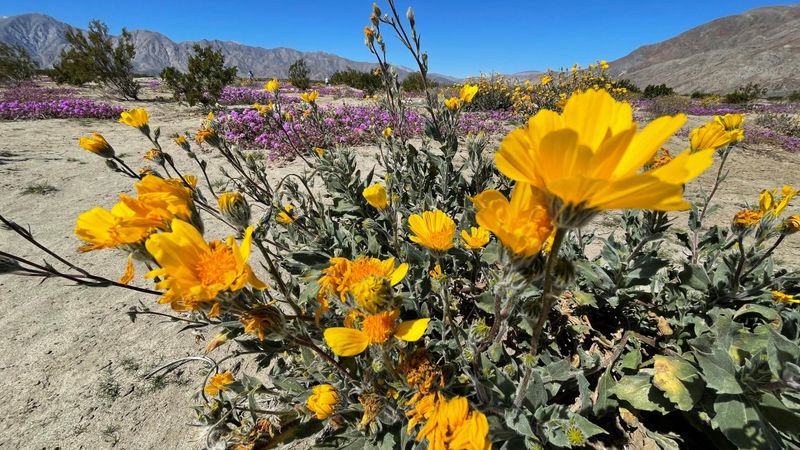
Desert wildflowers can remain dormant for years, waiting for perfect rainfall conditions. When adequate moisture finally arrives, they explode into colorful blooms within days.
This phenological strategy helps desert plants survive harsh conditions. Their seeds contain built-in timers that respond only to specific combinations of temperature and moisture.
10. Climate Change Disrupts Ancient Natural Rhythms
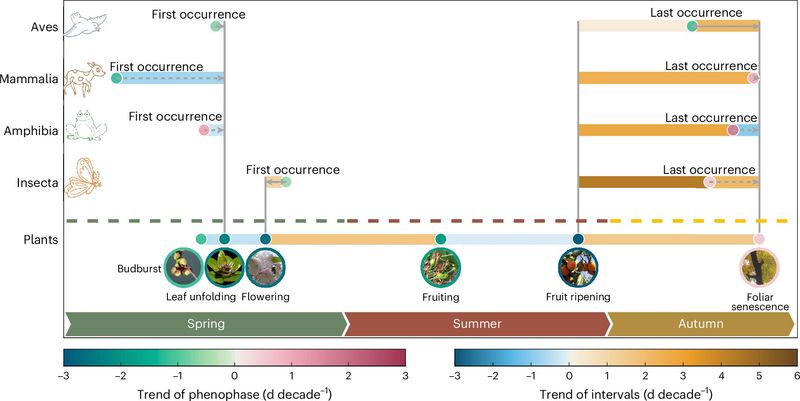
Rising global temperatures are shifting phenological events earlier each year. Spring arrives sooner, throwing off timing between plants and animals that depend on each other.
Scientists track these changes to understand climate impacts. Some species adapt quickly to new timing, while others struggle with disrupted seasonal schedules.
11. Citizen Scientists Help Track Phenological Changes
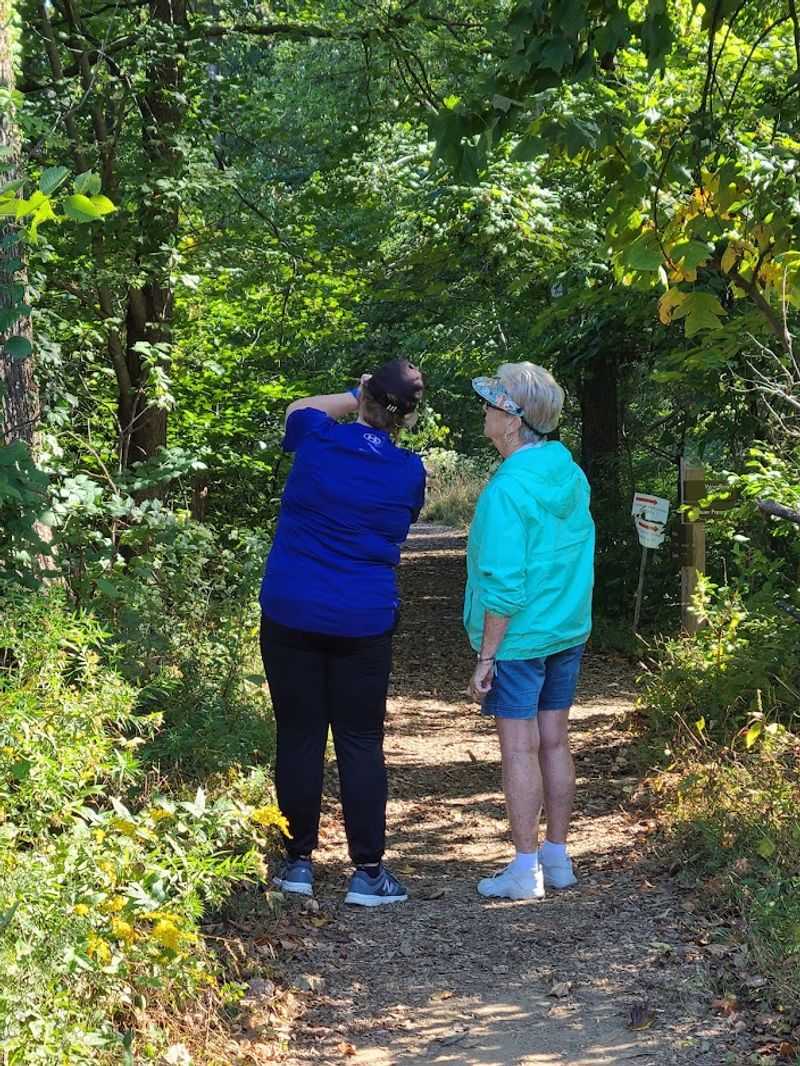
Regular people contribute valuable phenology data by observing nature in their backyards. They record first leaf dates, bird arrival times, and flower blooming periods.
These observations help scientists understand large-scale patterns across different regions. Anyone can participate by simply noting when seasonal events occur in their local area.
12. Indigenous Knowledge Systems Mastered Phenology
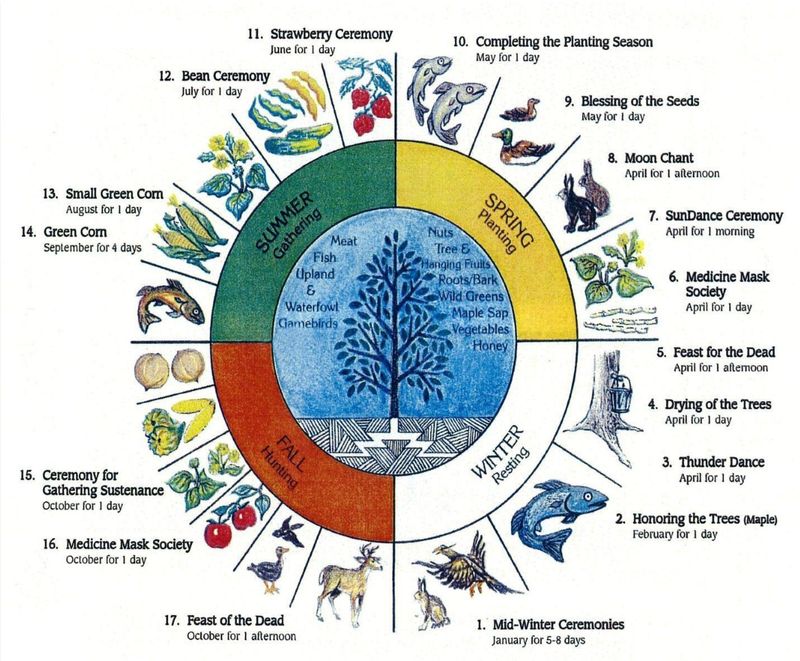
Indigenous peoples developed sophisticated understanding of phenological patterns over thousands of years. They created detailed calendars based on animal behavior, plant growth, and weather patterns.
This traditional knowledge often proves more accurate than modern predictions. Many indigenous communities still use phenological observations to guide hunting, fishing, and gathering activities.
13. Urban Heat Islands Alter City Phenology
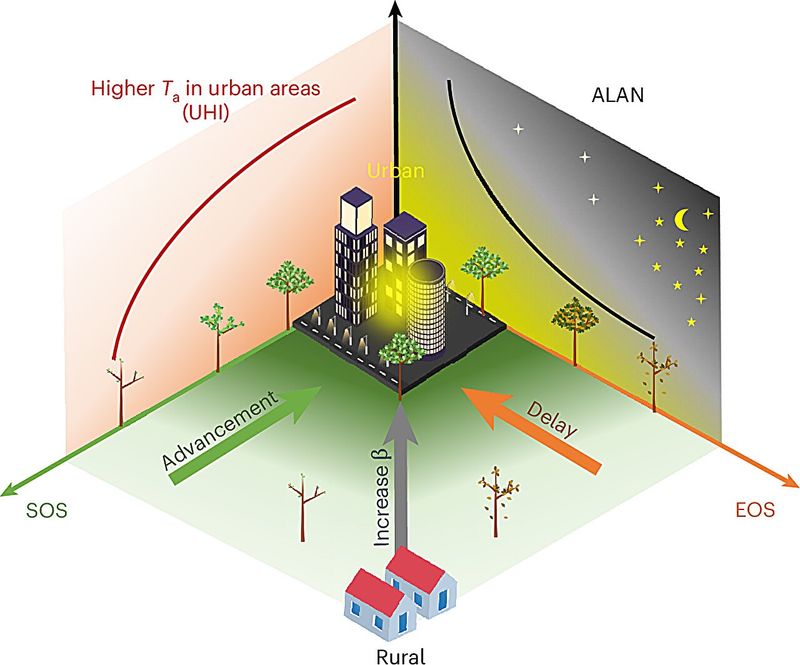
Cities create warmer microclimates that change natural timing for urban plants and animals. Trees may leaf out weeks earlier in downtown areas compared to surrounding countryside.
This urban phenology affects everything from bird nesting to flowering schedules. City planners now consider these timing changes when designing green spaces and wildlife habitats.
14. Mountain Elevation Creates Phenological Gradients
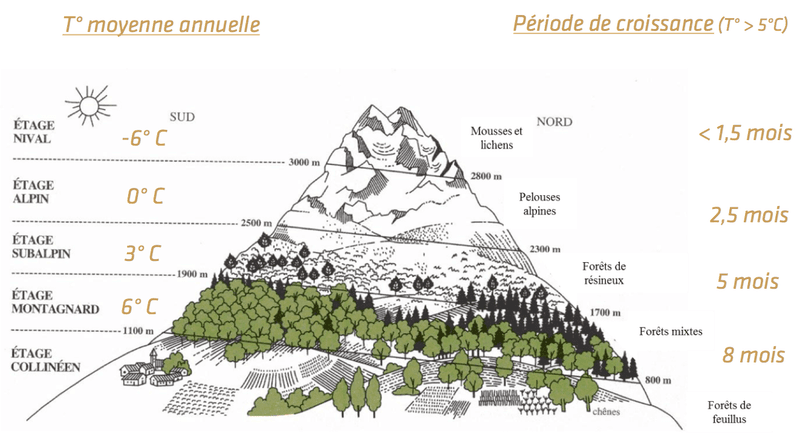
Climbing a mountain reveals phenology in action – spring arrives at different times depending on elevation. Valley floors green up weeks before mountain peaks lose their snow.
This elevation gradient creates a natural laboratory for studying temperature effects on timing. Hikers can literally walk through different seasons in a single day.
15. Technology Now Monitors Phenology from Space
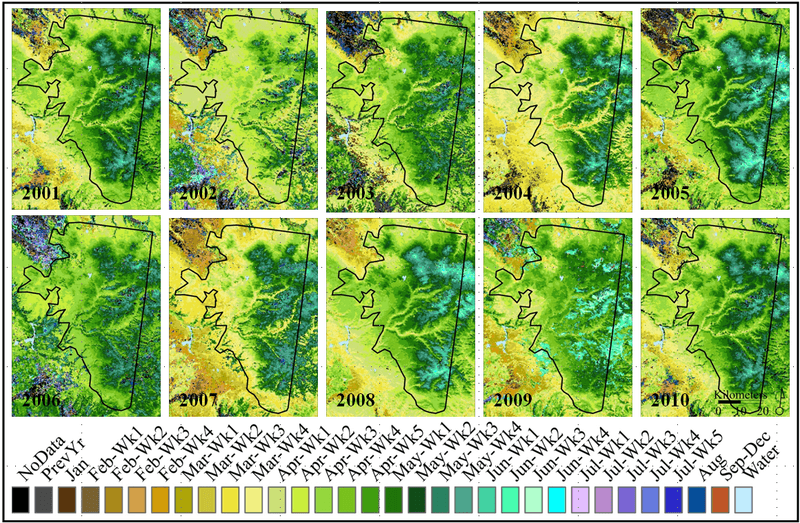
Satellites track leaf emergence and color changes across entire continents, providing unprecedented views of phenological patterns. These space-based observations reveal how seasons progress across landscapes.
Scientists use satellite data to predict crop yields, track ecosystem health, and monitor climate change impacts. Technology has revolutionized our ability to study nature’s timing.