
Beneath our feet lies an amazing world that most people never see. Plant roots work day and night, creating underground networks that are far more complex and interesting than you might imagine.
While we admire beautiful flowers and green leaves above ground, the real magic happens in the dark soil below, where roots perform incredible feats of survival and communication.
1. Roots Can Talk to Each Other Through Chemical Messages
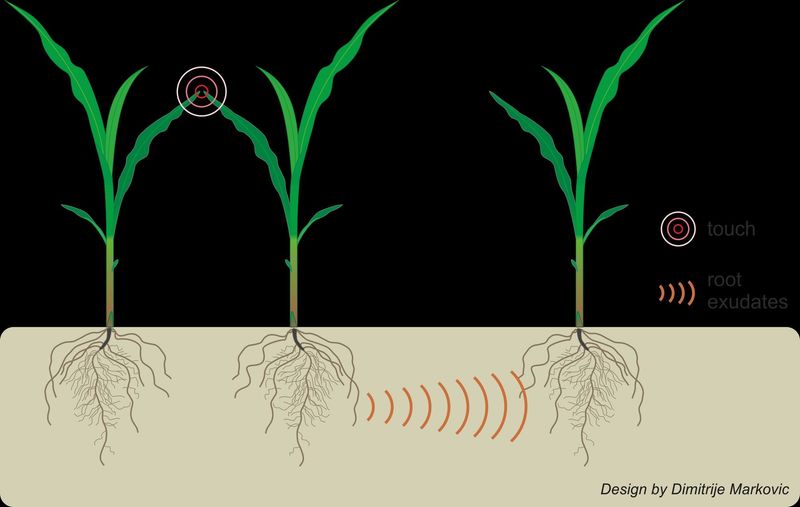
Plants send secret messages through their roots using special chemicals called pheromones. When a tree gets attacked by insects, it warns nearby trees through underground chemical signals.
These chemical conversations help plants prepare for danger and share important survival information. Scientists have discovered that some plants can even recognize their own family members through these root communications and help them grow stronger.
2. Some Roots Grow Deeper Than Skyscrapers Are Tall

A wild fig tree in South Africa holds the record for deepest roots, reaching down 400 feet underground. That’s deeper than a 30-story building is high!
Most tree roots only go down 6-8 feet, but desert plants need to dig much deeper to find water. These super-deep roots act like natural straws, sucking up water from underground sources that other plants can’t reach during dry seasons.
3. Root Networks Can Be Larger Than Entire Cities
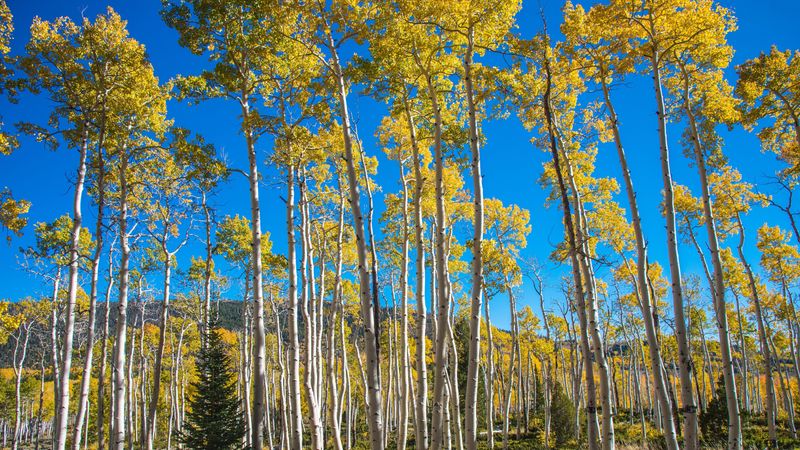
A single aspen tree grove in Utah covers 106 acres and shares one massive root system. This underground network connects thousands of tree trunks that look separate but are actually one giant organism.
The root system weighs about 6,000 tons and has been growing for over 80,000 years. This makes it one of the heaviest and oldest living things on Earth, all connected through incredible underground root highways.
4. Roots Team Up With Helpful Fungi Partners
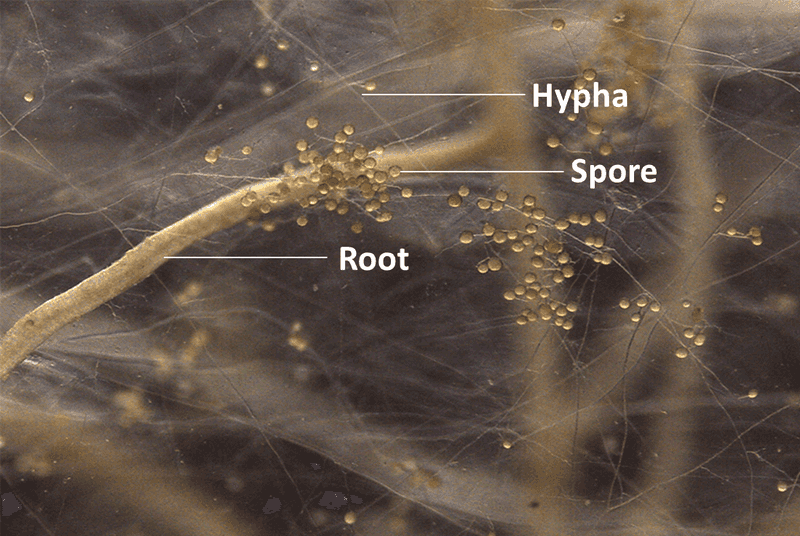
Tiny fungi wrap around plant roots creating partnerships called mycorrhizae that benefit both species. The fungi help roots absorb water and nutrients more effectively, while plants share sugar with their fungal friends.
About 90% of all plants have these fungal partnerships. Without these helpful fungi, many forests and gardens would struggle to survive because roots alone can’t gather enough nutrients from poor soil conditions.
5. Roots Can Sense Gravity and Always Know Which Way Is Down
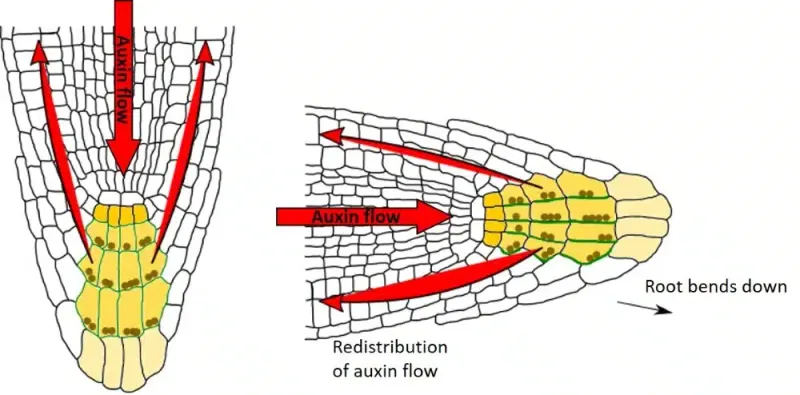
Plant roots contain special cells with tiny stone-like particles that work like internal compasses. These particles settle at the bottom of cells, telling roots exactly which direction gravity pulls.
Even if you turn a plant upside down, its roots will bend and grow downward within hours. This amazing ability called gravitropism ensures roots always head toward water and nutrients in the soil below, never wasting energy growing upward.
6. Some Roots Store Enough Food to Feed Entire Families
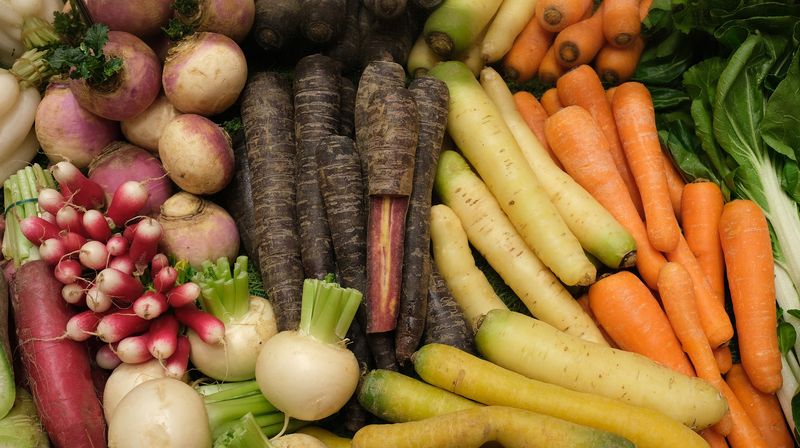
Carrots, potatoes, and sweet potatoes are actually swollen roots packed with stored energy. These root vegetables can feed people for months because plants pump extra sugar and starch into them.
Cassava roots can grow as large as baseball bats and provide food for over 800 million people worldwide. Many cultures depend on these nutrient-rich storage roots as their main source of calories and essential vitamins during difficult growing seasons.
7. Roots Can Break Through Solid Rock and Concrete
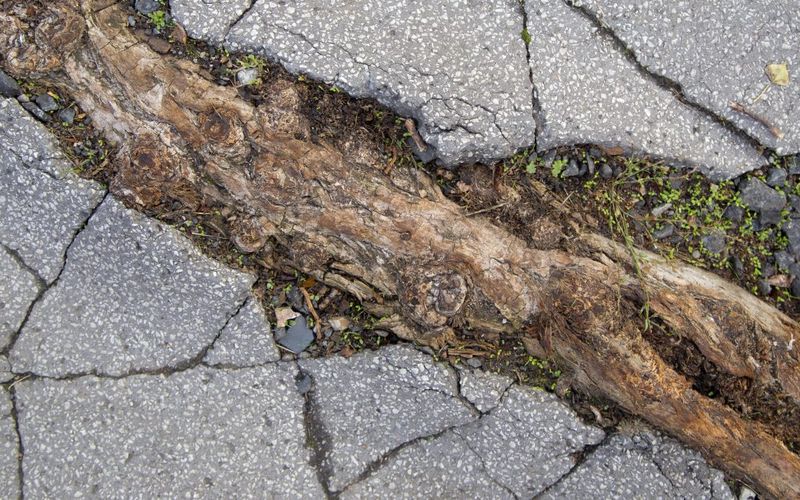
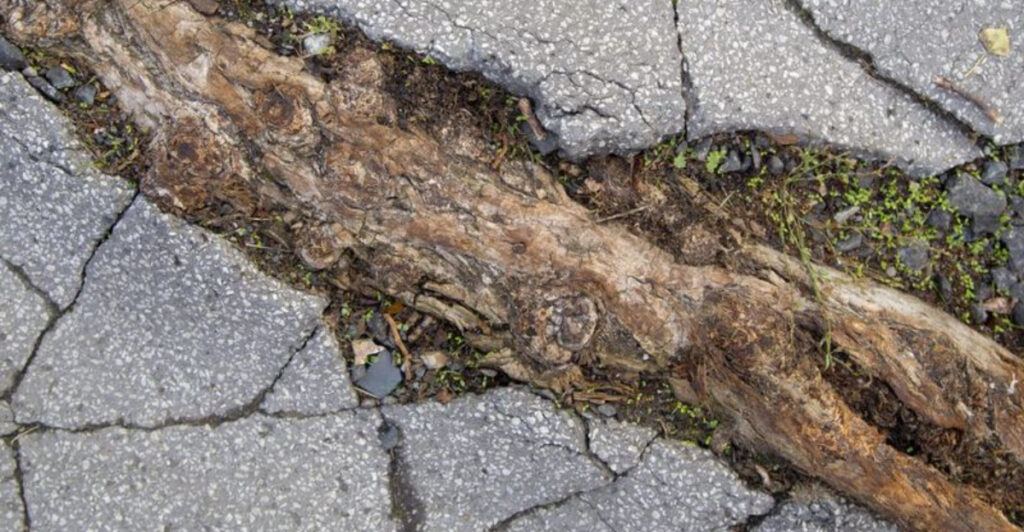
Tree roots produce acids that slowly dissolve rock and concrete over many years. They also expand as they grow, creating enough pressure to crack sidewalks and building foundations.
Some plant roots can generate up to 300 pounds of pressure per square inch. This incredible force allows roots to find tiny cracks in rocks, squeeze inside, and gradually split them apart to reach water and minerals trapped within solid stone.
8. Root Hairs Are Microscopic But Incredibly Important
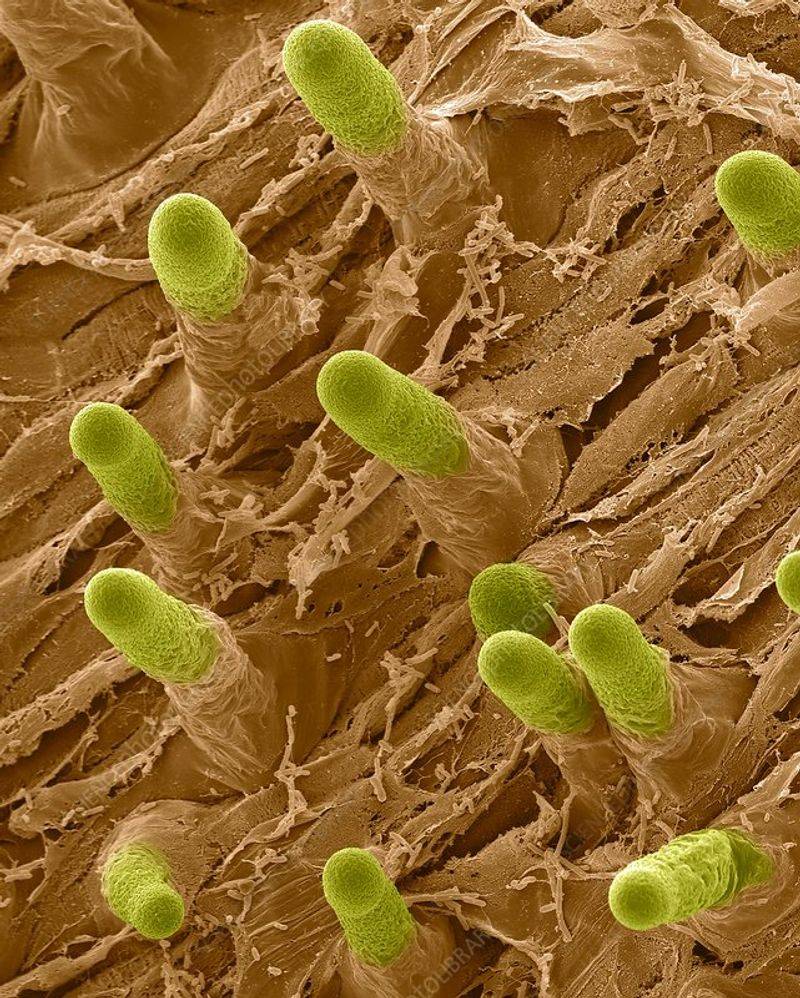
Each root grows millions of tiny hairs that are thinner than human hair and invisible without a microscope. These root hairs dramatically increase the surface area for absorbing water and nutrients.
A single rye plant can have over 14 billion root hairs with a total length of 6,000 miles if stretched end to end. Without these microscopic helpers, plants would absorb nutrients 10 times slower and struggle to survive in normal soil conditions.
9. Some Roots Can Live for Thousands of Years
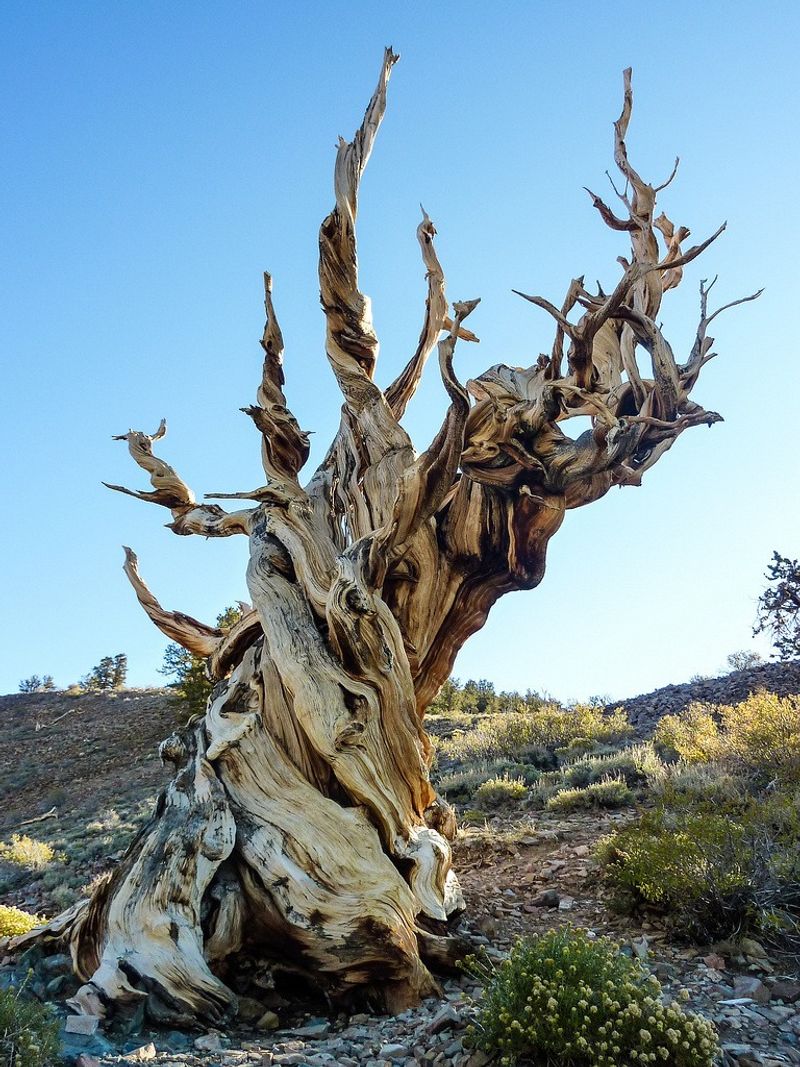
While leaves and branches die every few years, roots can survive for millennia underground. Ancient bristlecone pine roots in California have been growing continuously for over 4,000 years.
These ancient root systems survive by growing very slowly and storing energy efficiently. They can remain dormant during harsh conditions and spring back to life when weather improves, making them some of the longest-living parts of any organism on Earth.
10. Roots Help Prevent Floods and Landslides
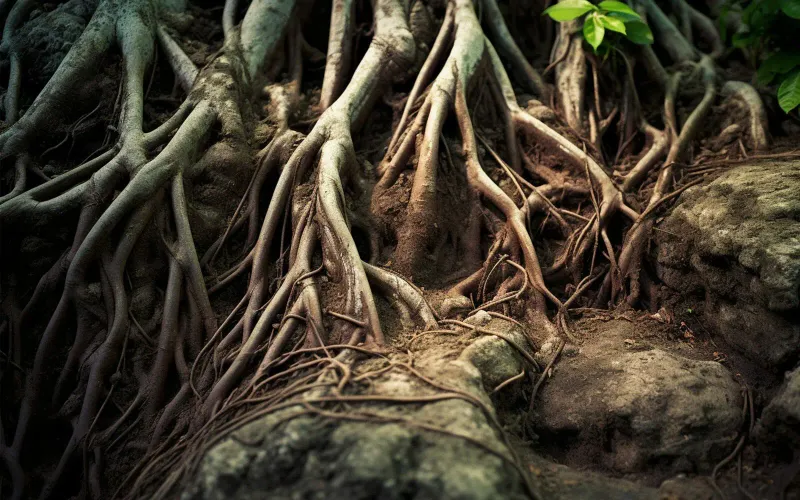
Root systems act like underground nets that hold soil together during heavy rains and storms. Without plant roots, hillsides would wash away and floods would be much more destructive.
Engineers now plant specific trees and grasses on steep slopes because their roots create natural barriers against erosion. A single mature tree’s root system can hold together several tons of soil, protecting homes and roads from dangerous mudslides and preventing valuable topsoil from washing into rivers.