 Complete Gardening
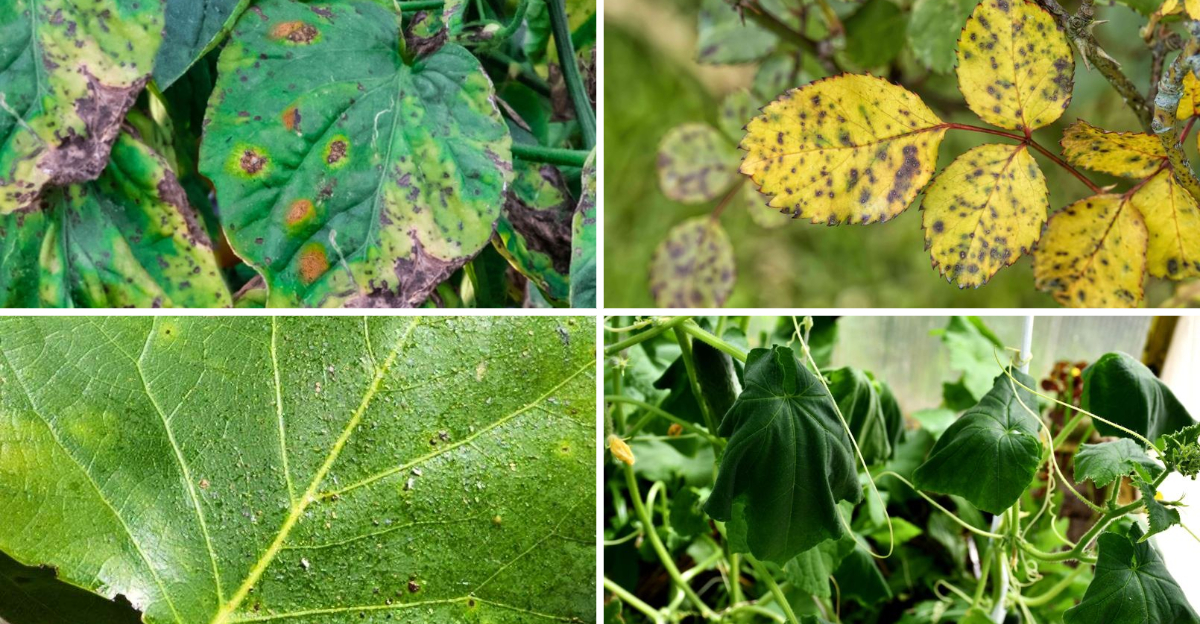
Gardens can be a sanctuary of peace and tranquility. However, they can also become a battleground when pests invade. Recognizing the early signs of pest infestation can save your garden from irreversible damage. This blog post explores 17 distinct signs that your garden might be under attack from pests. From unusual plant damage to mysterious holes, these indicators are crucial for maintaining a healthy garden environment. Equip yourself with the knowledge to combat these unwelcome invaders effectively.
1. Unusual Leaf Damage
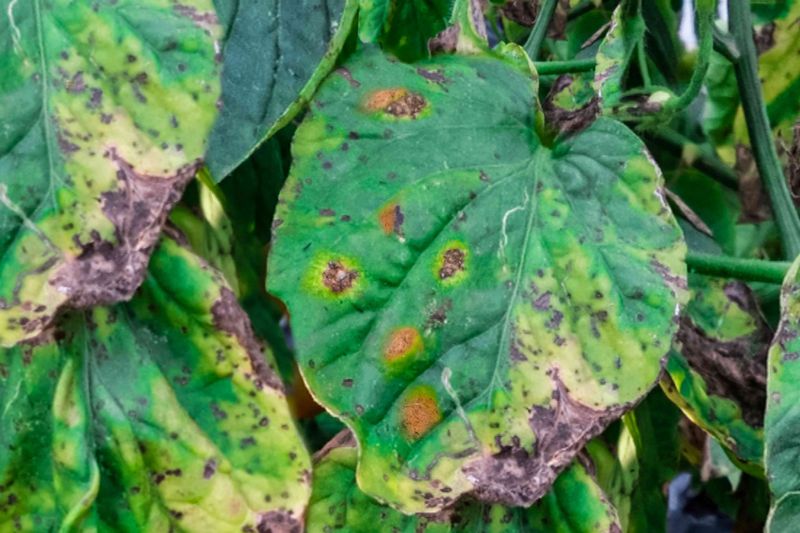
Leaves are the lifeline of plants, providing essential nutrients and respiration. When pests strike, leaf damage is often the first visible sign. Holes, jagged edges, or a ‘skeletonized’ appearance can indicate insect activity. The pattern of damage varies depending on the pest responsible. For example, caterpillars often leave large irregular holes, while beetles may nibble along the leaf edges. Observing these patterns can help in identifying the culprits. Paying attention to the specific nature of the damage gives gardeners the upper hand in tackling pest issues before they spiral out of control.
2. Discolored Plant Leaves
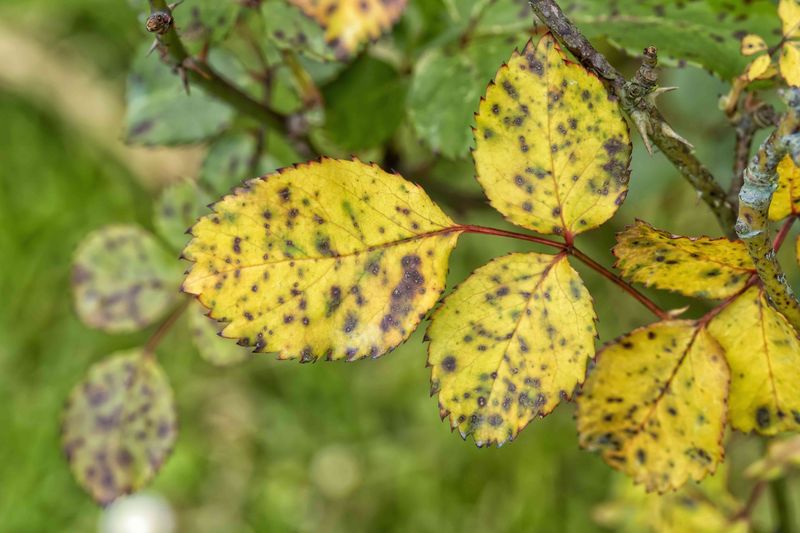
Healthy plants boast vibrant green leaves. When leaves start yellowing or develop dark spots, it’s a red flag. Aphids, mites, and fungal infections are common culprits. Yellowing can signal a pest sucking out vital plant juices. On the other hand, dark spots might indicate fungal infections, often exacerbated by pests. Noticing these early changes ensures appropriate interventions are administered promptly. Recognizing discolored leaves as a sign of distress can prevent more significant issues down the line. This vigilance is crucial for maintaining garden vitality and beauty.
3. Sticky Substances on Leaves
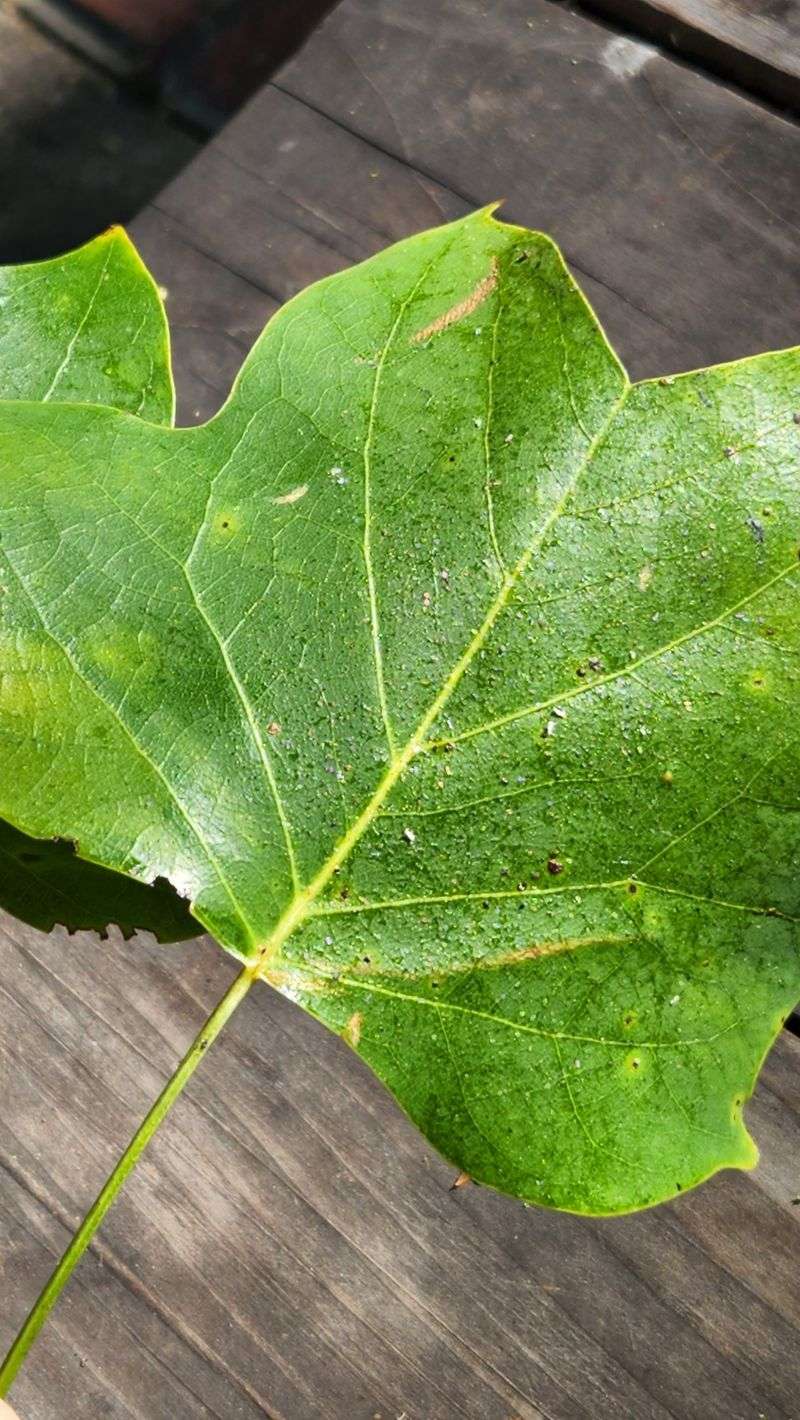
Ever noticed a sticky sheen on your plant leaves? This could be honeydew, a tell-tale sign of aphids or scale insects. These pests excrete a sugary substance as they feed. Honeydew not only attracts ants but can lead to sooty mold growth, further harming the plant. This sticky situation is more than just a nuisance; it’s a significant indicator of pest presence. Addressing it promptly can save your plants from further complications. The sticky residue acts as a beacon, signaling gardeners to take swift, decisive action against the invading pests.
4. Wilting Plants Despite Watering
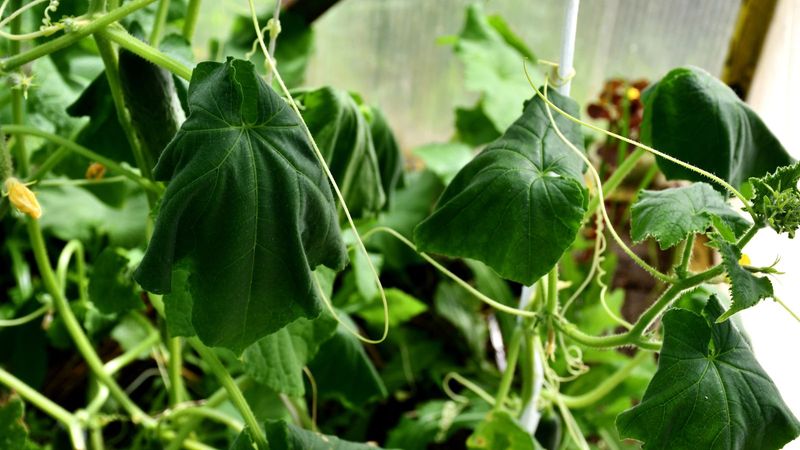
Water is vital for plant health. Yet, if your plants wilt despite regular watering, pests might be to blame. Root-attacking pests, such as root maggots or nematodes, can compromise a plant’s ability to absorb water. This results in a wilted appearance, mimicking drought stress. While this symptom can be perplexing, checking for pest activity below the soil surface can uncover the true cause. Understanding this link between wilting and pests allows gardeners to address the issue effectively, restoring plant vigor and health.
5. Mysterious Holes in Soil
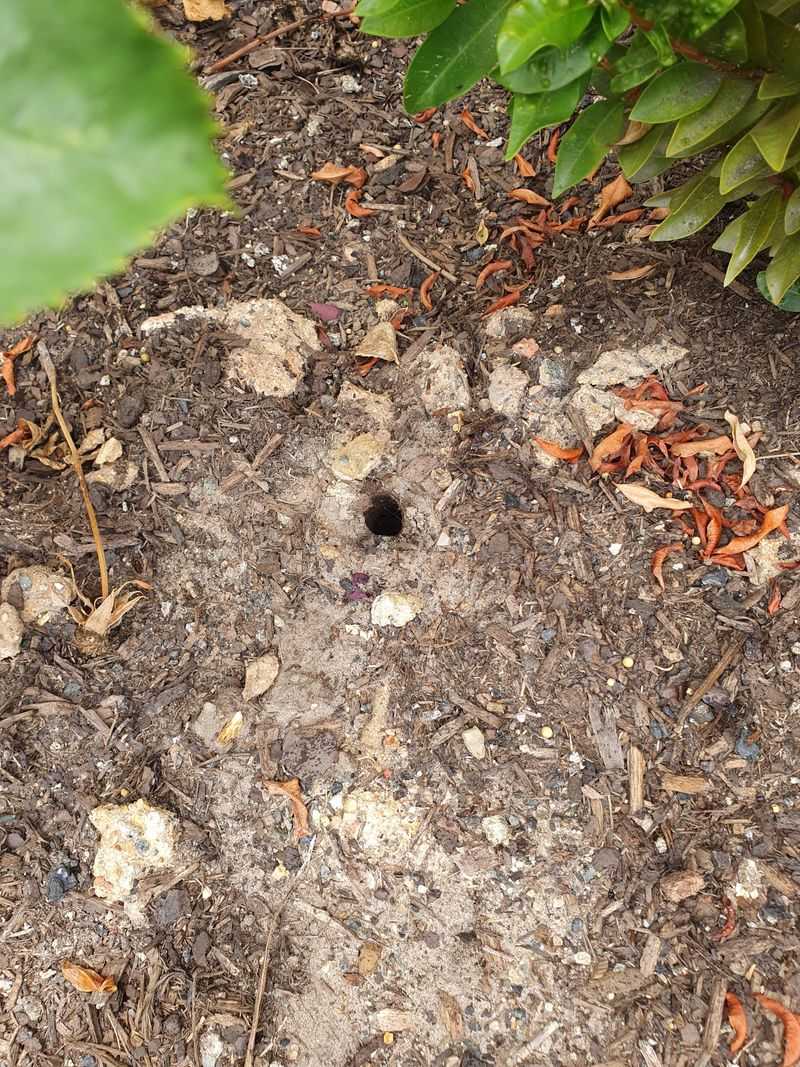
Mysterious holes in the soil can be a silent alarm of underground pest activity. They might look innocuous, but these openings often signal the presence of burrowing insects or larvae. Pests like grubs, mole crickets, or even rodents might be hard at work beneath the surface. Their tunneling can disrupt root systems, affecting plant health. Recognizing soil disturbances as potential pest activity ensures timely intervention. This awareness helps gardeners protect their plant’s roots and maintain a robust garden ecosystem.
6. Stunted Plant Growth
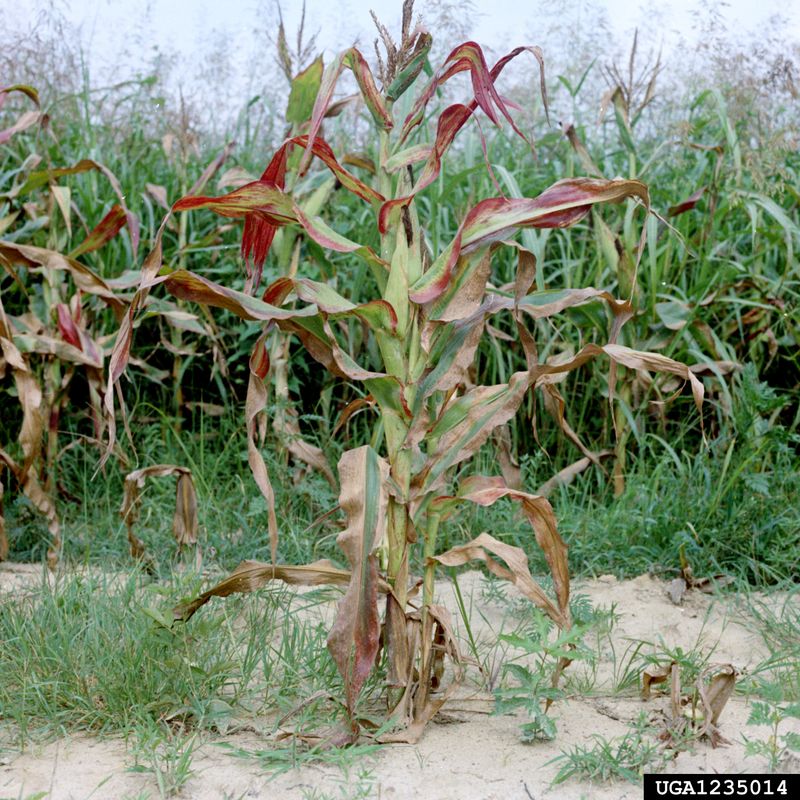
Vigorous growth is a sign of a healthy plant. However, if plants appear stunted despite optimal conditions, pests might be the hidden saboteurs. Aphids, spider mites, and other sap-sucking insects can drain essential nutrients, hindering growth. This stunted development can be frustrating, especially when environmental conditions are perfect. Identifying and addressing the root cause of stunted growth can rejuvenate plants, leading to bountiful yields. By understanding this crucial link, gardeners can ensure their plants achieve their full growth potential.
7. Bite Marks on Fruits
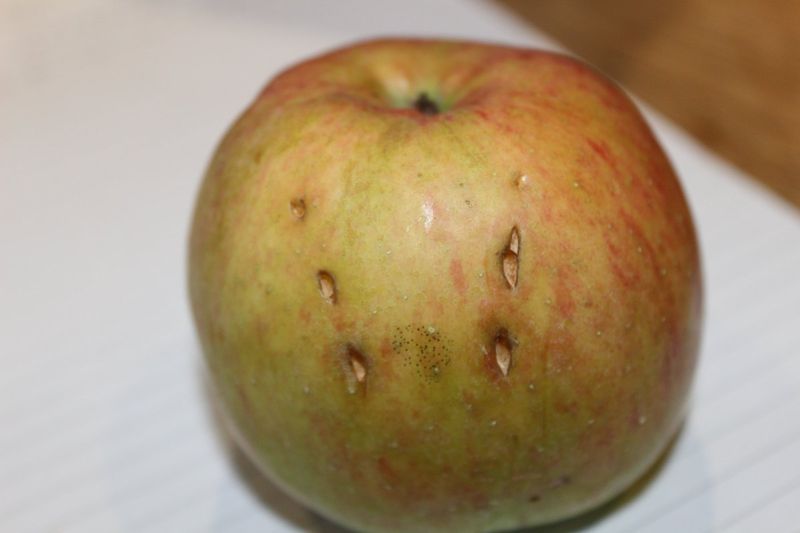
Fruit-bearing plants are often a pest’s favorite target. Bite marks or gnawed fruits are clear indicators of pest activity. Rodents, birds, and larger insects leave behind tell-tale signs of their feasting. These marks not only spoil the fruit’s appearance but can also introduce disease. Observing bite marks and understanding the potential pests involved can guide protective measures. For gardeners, this means safeguarding their valuable harvests and ensuring a consistent supply of healthy, unblemished produce.
8. Webbing on Plants
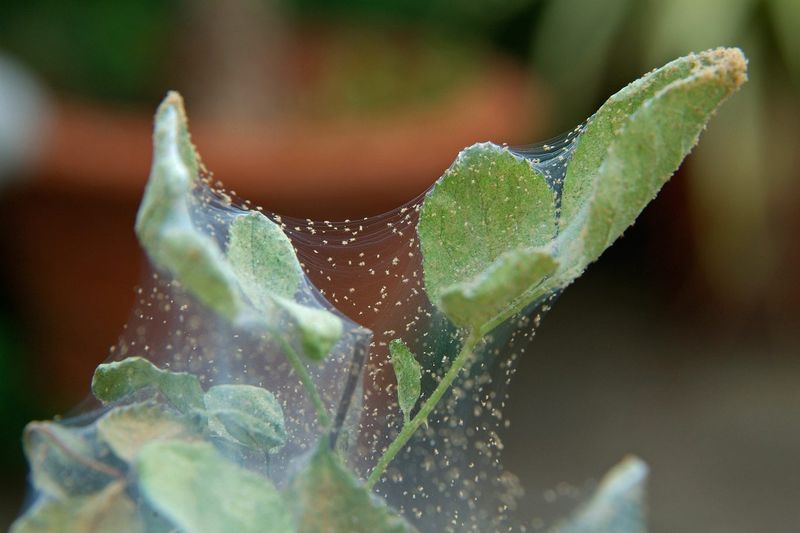
Webbing on plants can be more than just a spider’s handiwork. Spider mites, notorious for their destructive nature, create fine webbing as they colonize plants. This webbing can suffocate leaves and reduce photosynthesis. It’s a clear signal that immediate action is needed. Beyond just aesthetic damage, the presence of webbing indicates a significant threat to plant health. Addressing spider mite infestations promptly is crucial for maintaining a thriving garden. Recognizing this sign empowers gardeners to protect their plants effectively.
9. Visible Egg Clusters
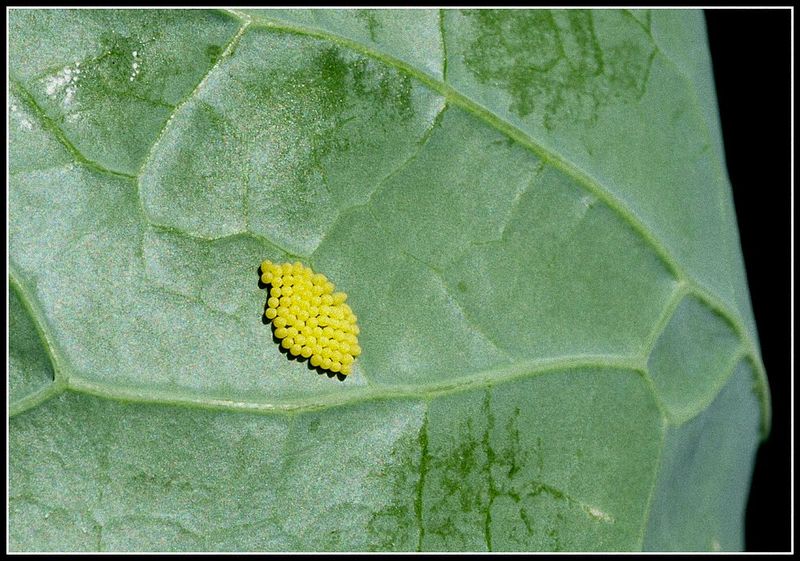
Egg clusters are a precursor to pest infestations. Finding them on leaves or stems signals future pest challenges. Moths, beetles, and butterflies lay eggs which hatch into hungry larvae, eager to devour plant parts. Identifying these clusters early allows gardeners to disrupt the life cycle, preventing future damage. This vigilance can save plants from potential devastation. By recognizing and removing egg clusters, gardeners take proactive steps in safeguarding their green spaces from impending pest attacks.
10. Chewed Seedlings
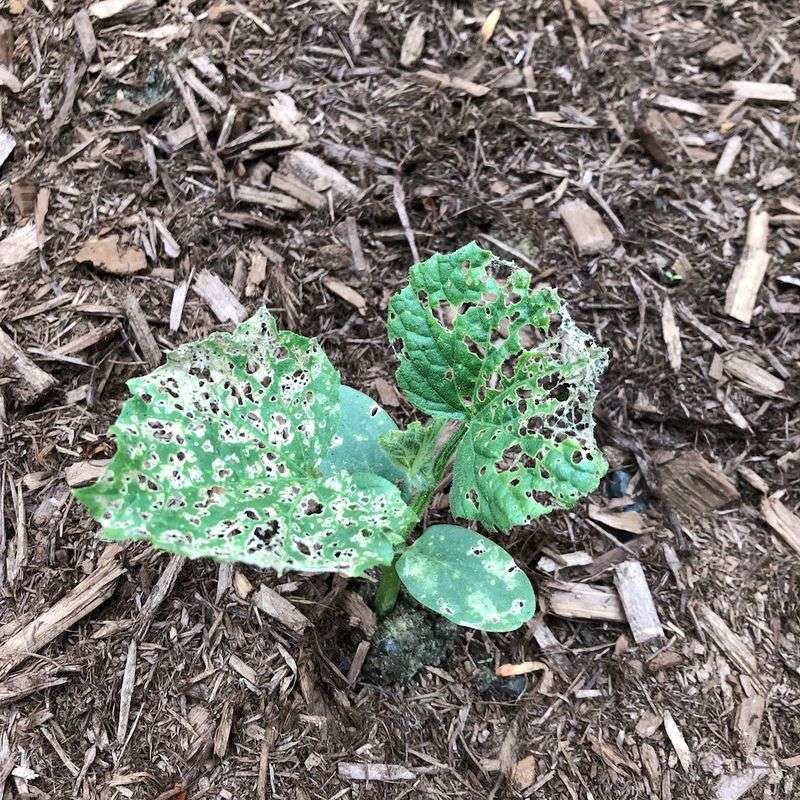
Young seedlings are vulnerable and often fall prey to pests. Chewed leaves or stems on seedlings can be a gardener’s nightmare. Slugs, snails, and cutworms are notorious for targeting these tender plants. The damage can stunt growth or even kill young seedlings, jeopardizing the entire crop. Recognizing chewed seedlings as a sign of pest activity ensures timely intervention. Protecting these young plants from further damage is essential for a thriving garden. By acting promptly, gardeners ensure the success of their future harvests.
11. Fungal Growth Due to Pests
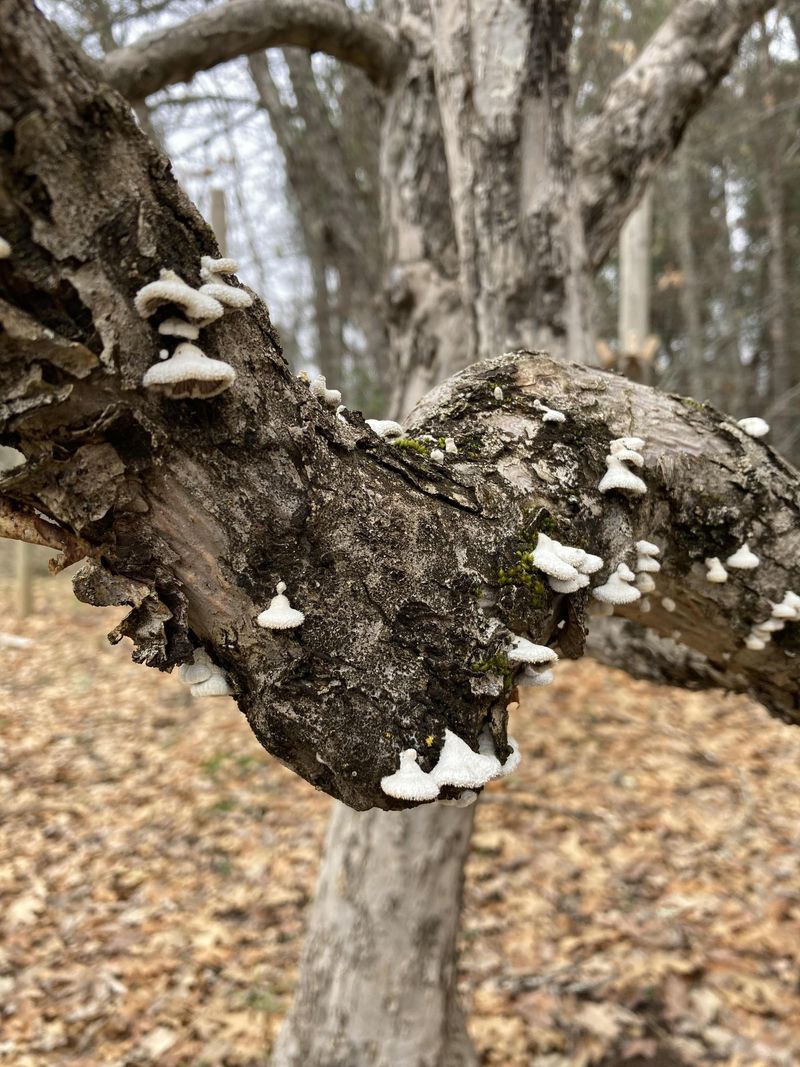
Fungal growth, while a natural part of the ecosystem, can be exacerbated by pests. When pests damage plant tissues, they create entry points for fungi. This can lead to unsightly growths or even disease. Recognizing fungal growth as a potential consequence of pest activity allows gardeners to tackle the root cause. By addressing pest issues, the likelihood of fungal proliferation decreases. This proactive approach ensures a healthier garden environment, free from the dual threats of pests and fungi.
12. Presence of Pest Excrement
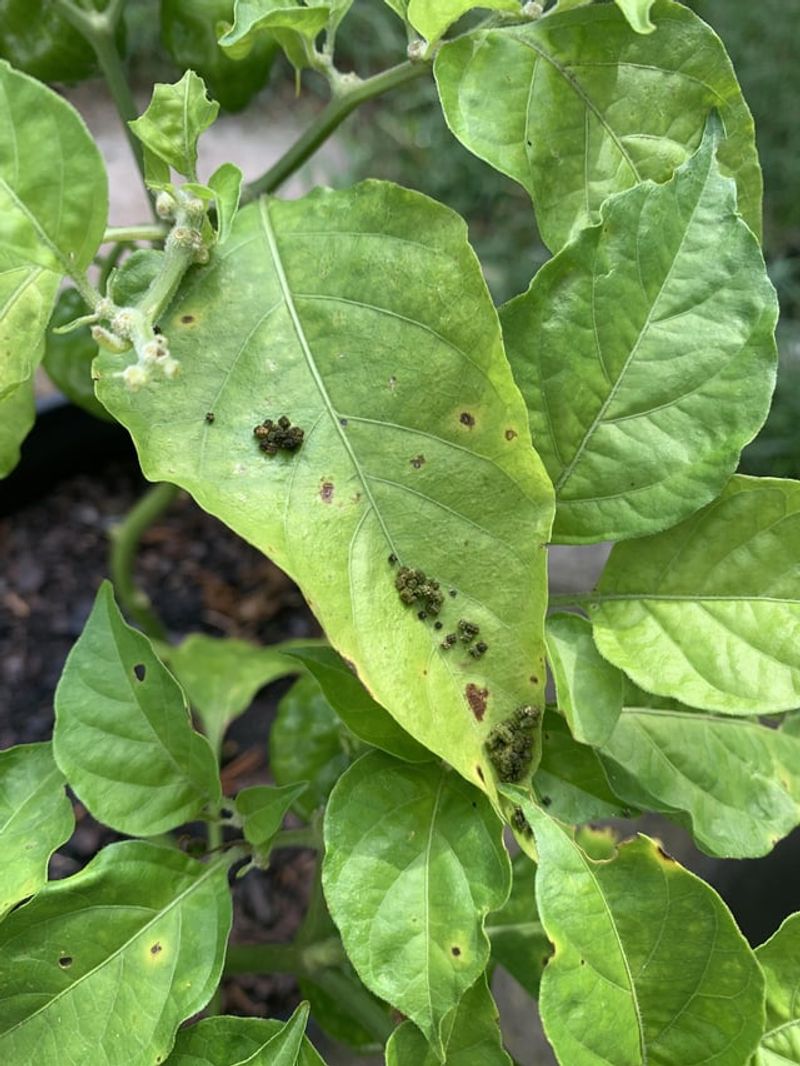
Pest excrement, or frass, provides crucial clues about the type of pest invading your garden. These droppings can vary in size and color, depending on the pest. Caterpillars and beetles often leave behind small, dark pellets. Identifying and analyzing frass can guide appropriate interventions. This subtle sign can be easily overlooked, but its presence is a strong indicator of pest activity. By recognizing and addressing this sign, gardeners can effectively mitigate pest-related challenges, ensuring healthier plants and produce.
13. Unusual Plant Deformities
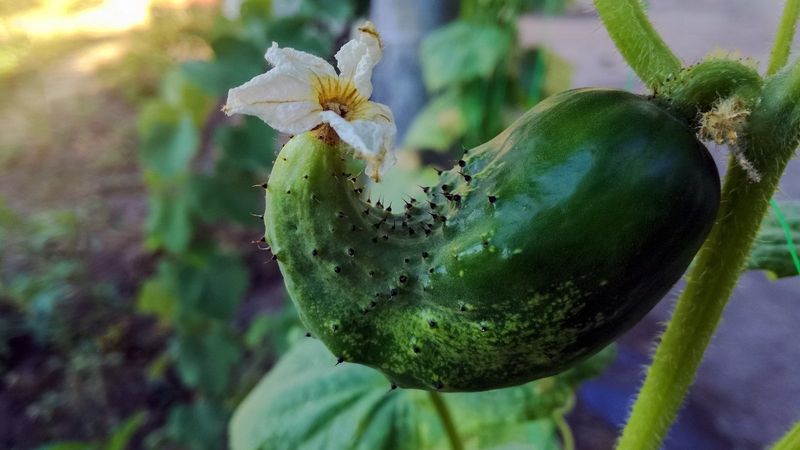
Deformities in plants can be perplexing. When fruits or leaves take on unusual shapes, pests might be at fault. Thrips, mites, and viruses transmitted by pests can lead to such anomalies. These deformities, while often harmless, can affect plant aesthetics and marketability. Understanding the links between pests and plant deformities ensures timely intervention and corrective measures. Addressing these issues helps in maintaining garden beauty and productivity, allowing plants to thrive in their natural form.
14. Raised Bumps on Stems or Leaves
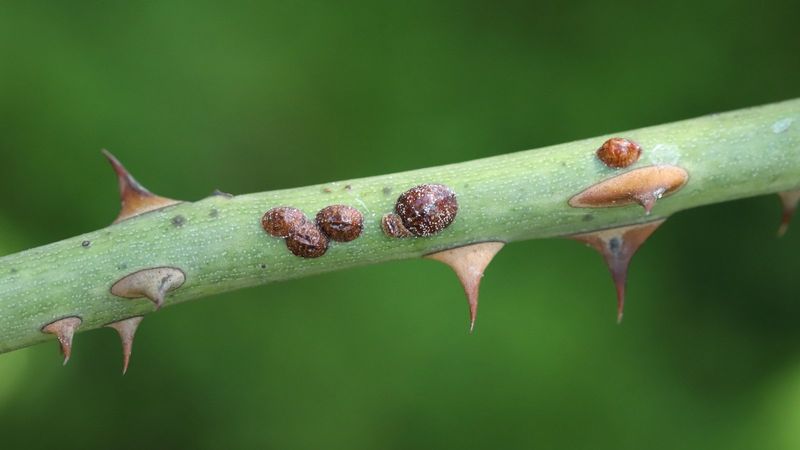
Raised bumps on stems or leaves can often be mistaken for natural plant characteristics. However, these can be a sign of scale insects or gall-forming pests. These bumps are protective coverings for the pests, safeguarding them as they feed. Recognizing this subtle sign of infestation allows gardeners to act swiftly. By understanding the nature of these raised formations, effective pest control measures can be implemented. This ensures healthier plant growth and a more vibrant garden.
15. Unusual Plant Odors
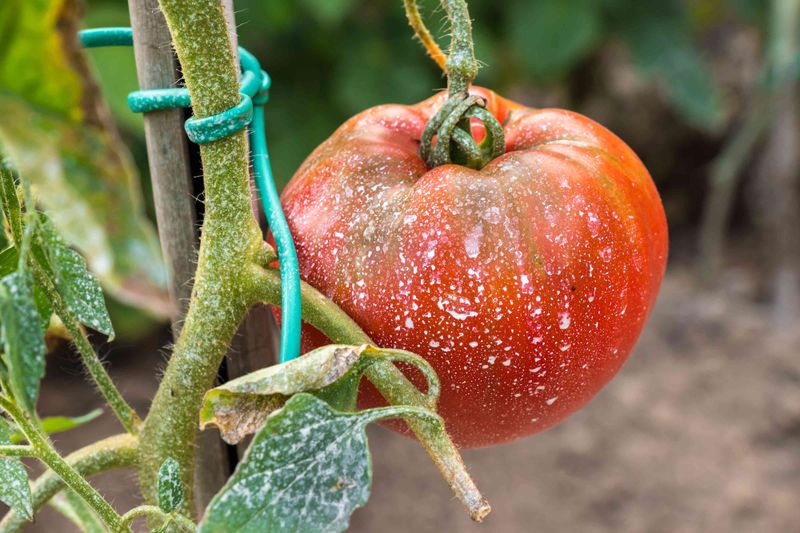
Plants exude distinct fragrances, but when a plant emits an unusual odor, it may signal pest activity. Some pests, through their feeding or excretion, can alter a plant’s natural scent. Recognizing these odor changes is pivotal in identifying underlying issues. This olfactory clue serves as a call to action for gardeners to inspect and address potential pest problems. By trusting their senses, gardeners can maintain a harmonious garden environment, free from unwanted pests.
16. Clipped Grass Blades
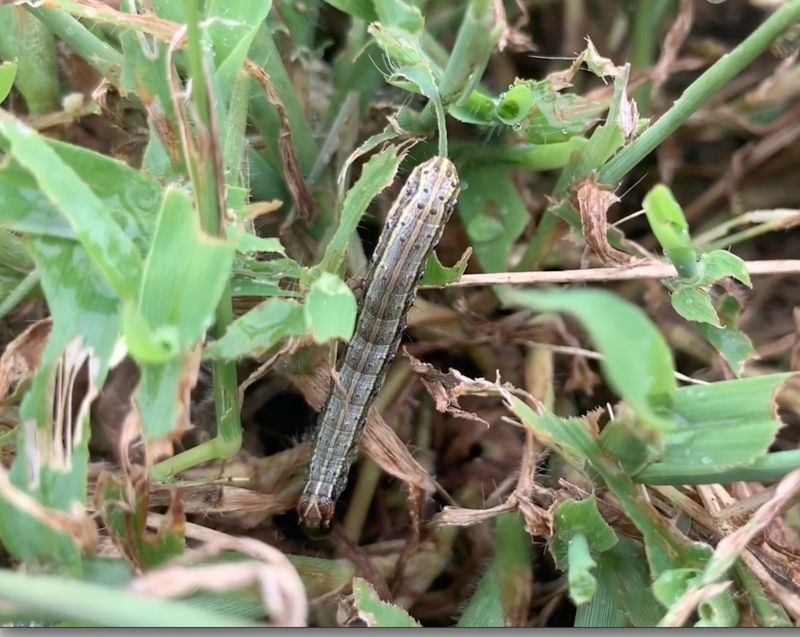
Grass may appear naturally trimmed, but clipped blades can indicate the presence of pests like armyworms or grasshoppers. These pests feed voraciously, mimicking the effects of a recent mow. Recognizing this peculiar sign can prevent more extensive lawn damage. Taking measures against these pests ensures a lush and healthy lawn. By understanding the signs and acting promptly, gardeners can protect their grass from becoming a pest’s next meal.
17. Presence of Pest Nests
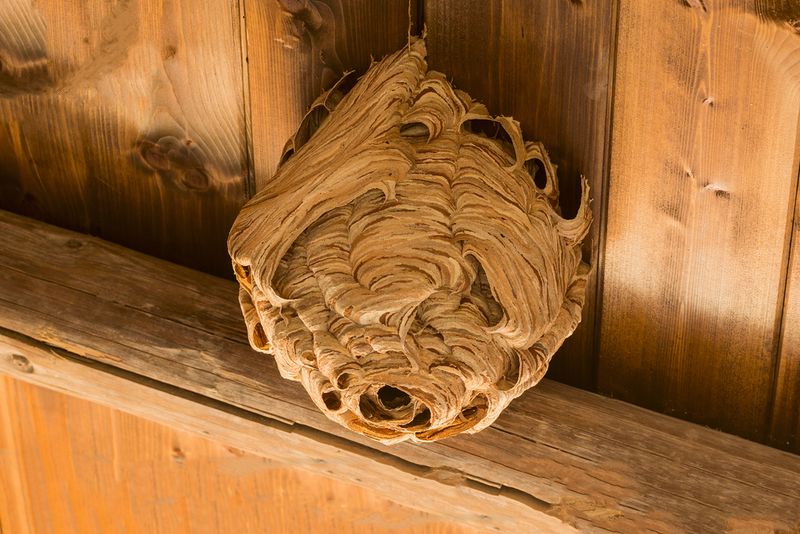
Pest nests, whether in trees or hidden in garden structures, signal a more significant issue. Wasps, ants, and rodents often create nests as bases for further incursions into the garden. Discovering these nests early allows for strategic removal, preventing potential harm. Recognizing and addressing nest formation is crucial for maintaining a safe and thriving garden space. By being vigilant, gardeners can ensure their garden remains a peaceful haven, free from intrusive pests.