
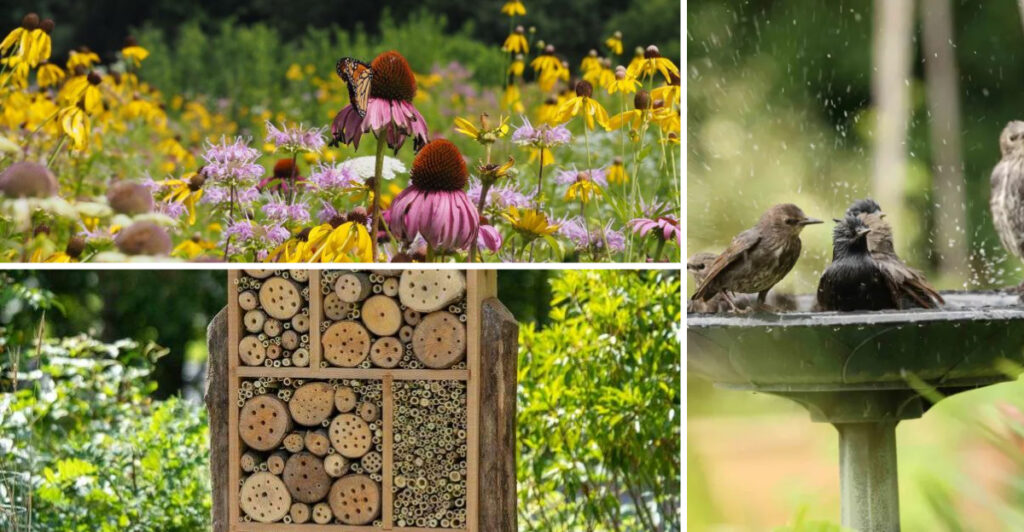
Creating a wildlife-friendly yard involves a delightful blend of horticulture and conservation. By making small changes in your garden, you can offer crucial habitats and resources for various species. These 19 tips will guide you in transforming your yard into a sanctuary for wildlife, benefiting both the environment and your personal enjoyment.
1. Native Plant Selection
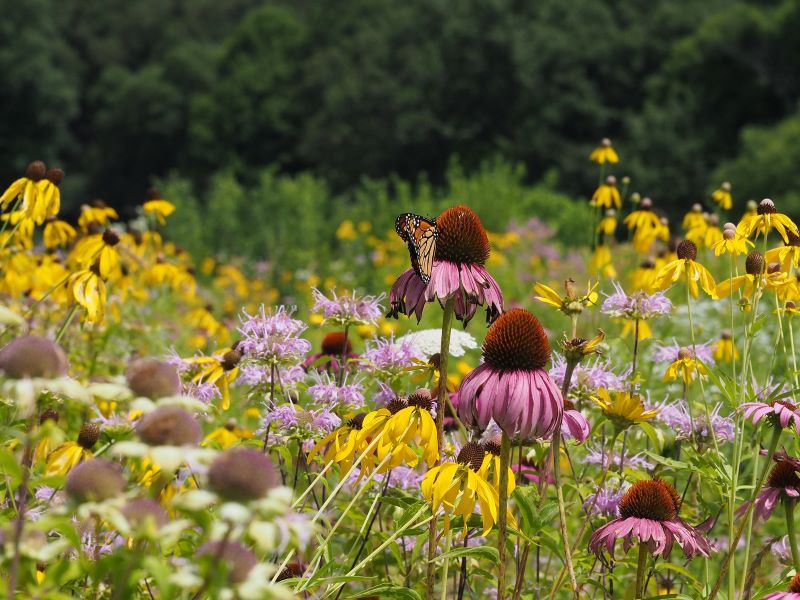
Native plants are the cornerstone of a thriving wildlife yard. They have evolved in harmony with local fauna, offering food and shelter. Their resilience to local climate reduces maintenance efforts. Planting a diverse array of native flora attracts a variety of pollinators. By choosing species indigenous to your area, you create a natural haven. Why not visit a local nursery for native plant guides? They know what thrives best! And remember, these plants typically require less water and care than non-native species, making them both eco-friendly and budget-friendly.
2. Install a Bird Bath
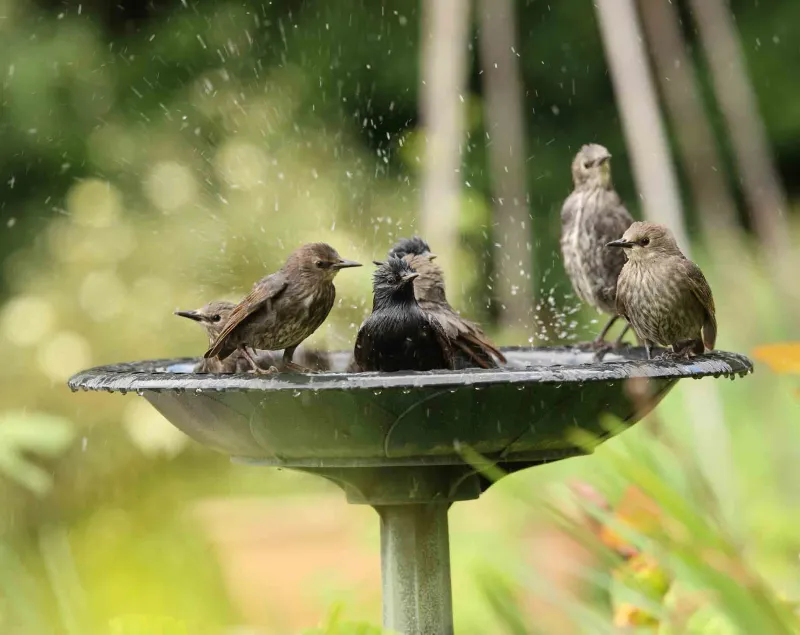
A bird bath can be a delightful addition to any garden. It provides a vital water source for birds to drink and bathe, especially during hot weather. Position it in a quiet spot, where birds feel safe from predators.
Change the water regularly to prevent the spread of diseases. Adding a few rocks can help smaller birds access the water more easily.
Watching birds frolic in the water is not only entertaining but also brings life to your yard. Keep the bath clean to ensure it’s a healthy environment for visiting avians.
3. Build a Bee Hotel
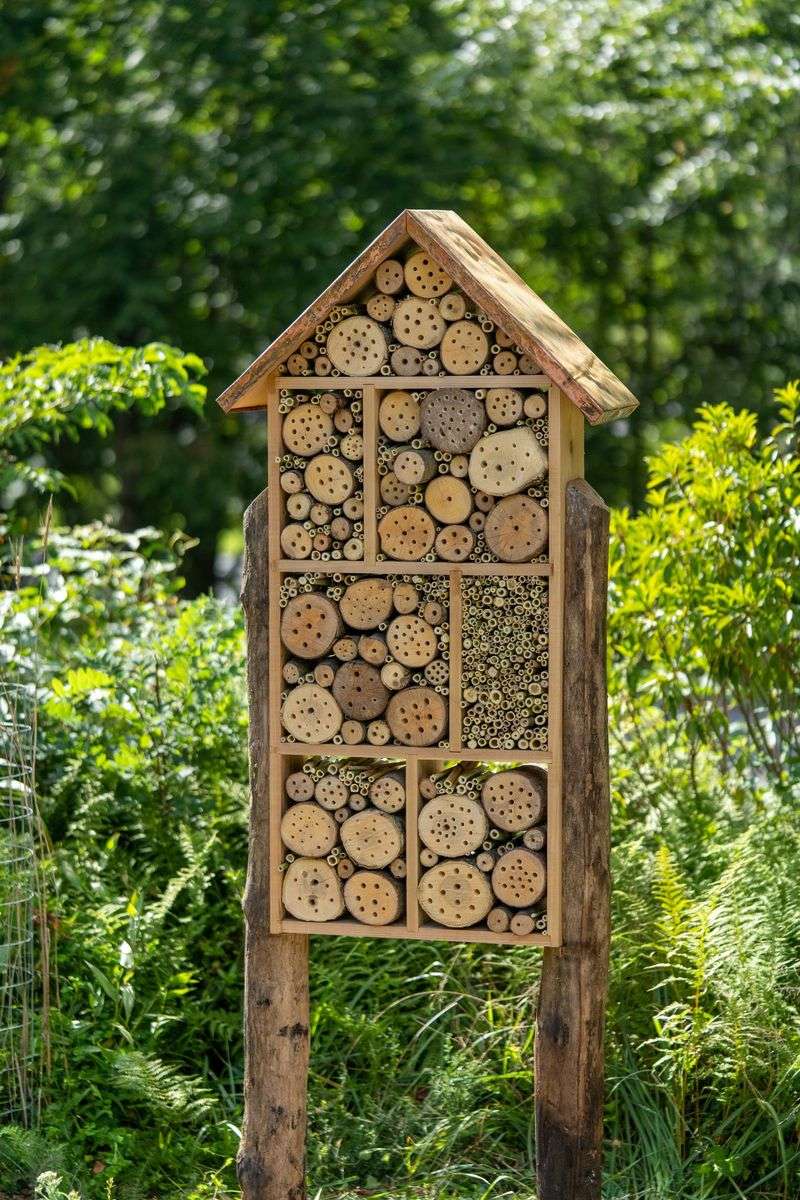
Bee hotels are essential for supporting solitary bees, which are crucial pollinators. Constructing one can be a fun DIY project. Use natural materials like bamboo, reeds, or untreated wood drilled with holes.
Place the hotel in a sunny spot, sheltered from heavy rain and wind. This provides bees with a safe place to nest, laying eggs in the cavities.
By offering a habitat for these industrious insects, you’re contributing to pollination in your garden. It’s a simple yet impactful way to support local biodiversity.
4. Create a Butterfly Garden
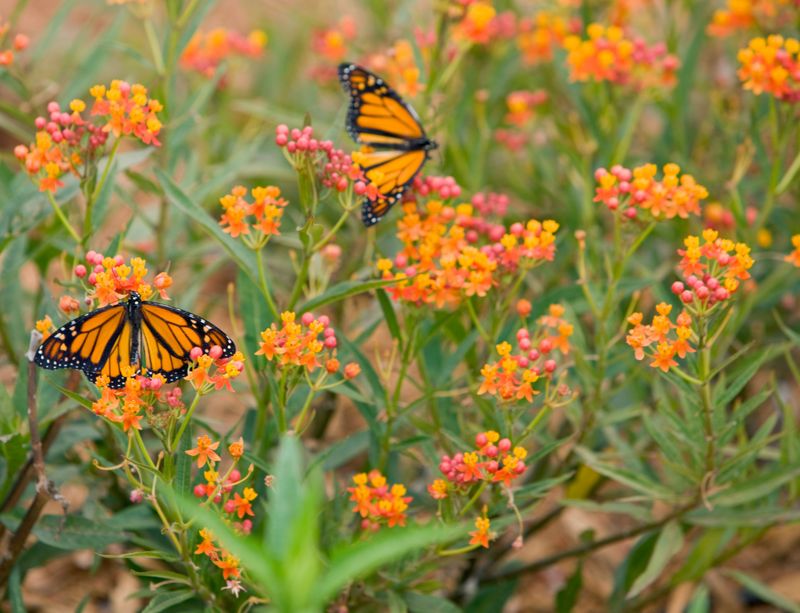
Butterflies are not just beautiful; they’re important pollinators. Plant a variety of nectar-rich flowers to attract them. Consider species like lavender, coneflowers, and milkweed.
Arrange plants in clusters to make it easier for butterflies to locate them. Provide flat stones for sunbathing, as butterflies are cold-blooded and need warmth to fly.
With a little effort, your garden can become a haven for these winged wonders, boosting both pollination and aesthetic appeal. Seeing butterflies flit around adds a magical touch to any outdoor space.
5. Install Bat Boxes
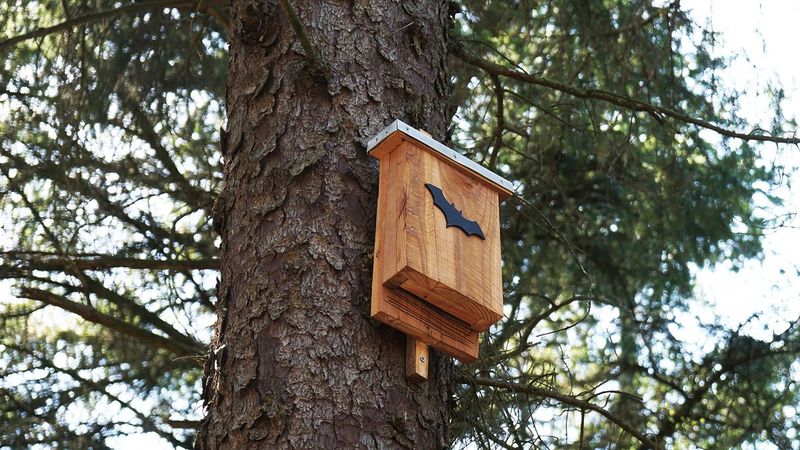
Bats are natural pest controllers, consuming vast amounts of insects. Installing bat boxes can provide them with a safe roosting site. Position the box at least 12 feet above the ground, ideally facing south for warmth.
Ensure it’s clear of obstructions so bats can easily enter and exit. Bats require dark, quiet conditions, so avoid placing boxes near bright lights.
By welcoming bats, you’re reducing garden pests naturally, without pesticides. It’s an eco-friendly way to maintain a balanced ecosystem.
6. Plant a Hedge
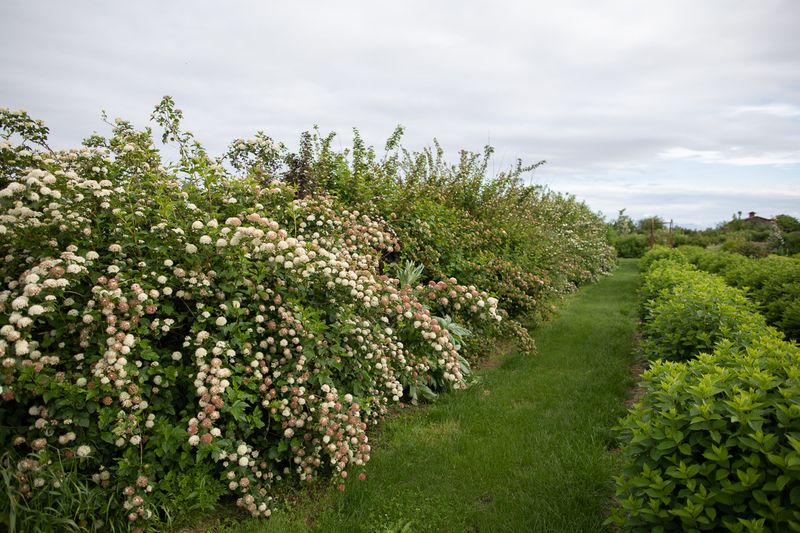
Hedges provide excellent shelter and food for a variety of wildlife. Choose mixed native species for diversity, offering berries, flowers, and shelter.
They create corridors for animals to move safely, away from predators. Trim hedges in late winter, avoiding nesting season.
A well-maintained hedge can attract birds, mammals, and insects, creating a lively boundary in your garden. It’s a sustainable alternative to fences, integrating seamlessly with the environment.
7. Set Up a Compost Bin
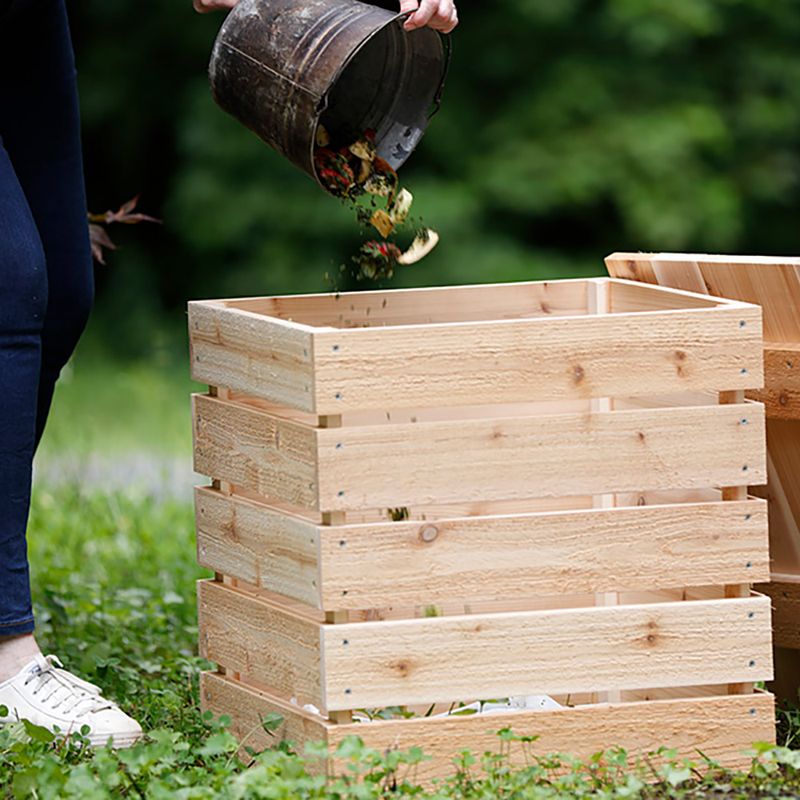
Composting is not only great for reducing waste but also supports numerous beneficial organisms. Worms and microorganisms break down organic matter, enriching soil quality.
Position the bin in a partly shaded area to maintain moisture, turning regularly to speed up decomposition.
Compost attracts earthworms and beetles, essential for soil health. Plus, it provides nutrient-rich fertilizer for your plants. This eco-friendly practice enhances the vitality of your yard and supports local wildlife.
8. Create a Log Pile
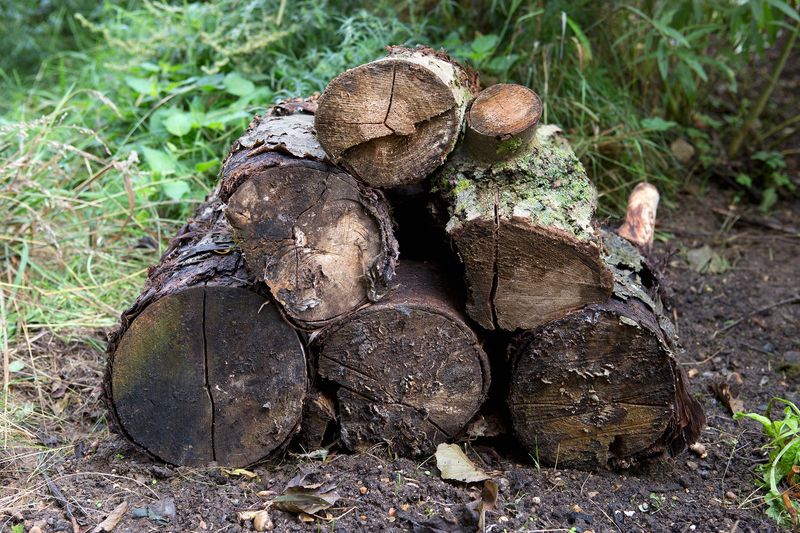
A log pile can be a microhabitat for various creatures, offering shelter and food. Stack logs in a corner of your garden, varying the size for diversity.
As logs decompose, they attract beetles, fungi, and moss, contributing to the ecosystem. This habitat supports species like hedgehogs, toads, and insects.
It’s a low-maintenance feature that fosters biodiversity, turning dead wood into a thriving community. Plus, it adds a naturalistic touch to your garden.
9. Install a Pond
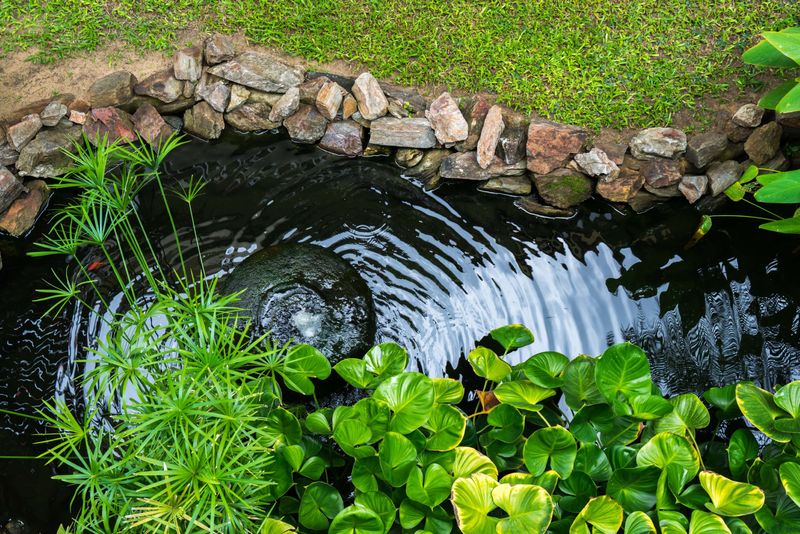
Water features like ponds can dramatically increase garden biodiversity. They offer habitats for frogs, newts, and insects. Design your pond with varying depths and a shallow edge for easy access.
Avoid adding fish, as they can prey on native species. Instead, let nature take its course with native aquatic plants.
A well-placed pond invites a symphony of wildlife sounds, turning your yard into a peaceful retreat. It’s an enriching environment for observing nature’s wonders.
10. Grow a Wildflower Meadow
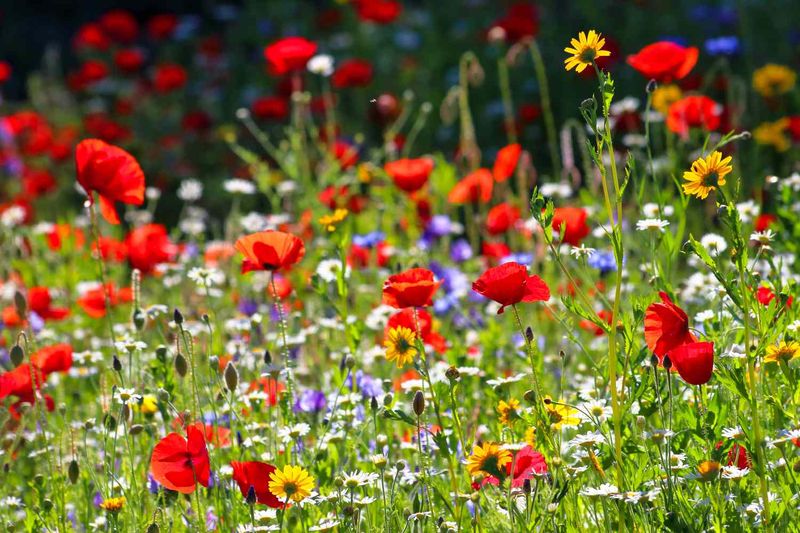
Transform part of your lawn into a wildflower meadow to attract pollinators. Choose a mix of native seeds, ensuring blooms throughout the seasons.
Meadows provide food and habitat for bees, butterflies, and other insects. Allow flowers to go to seed, promoting self-sowing for future growth.
This natural setting captivates both wildlife and human visitors with its vibrant colors and life. Bringing a meadow into your yard is a step towards conservation and beauty.
11. Add Rock Piles
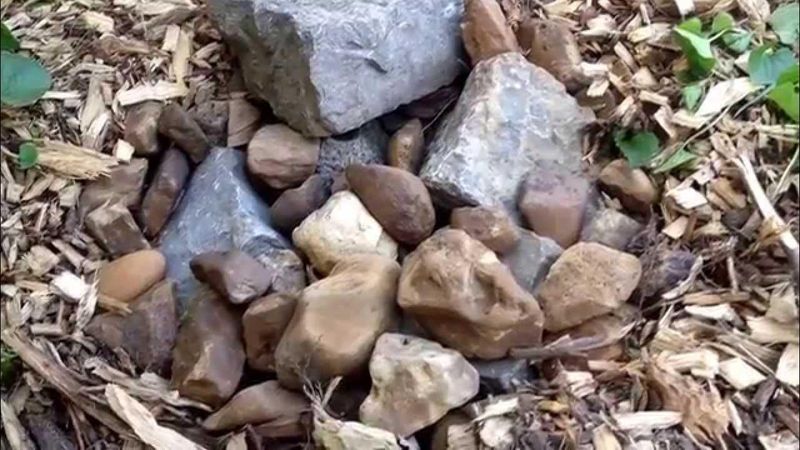
Rock piles offer warmth and shelter for creatures like lizards and insects. Stack rocks of various sizes to create microhabitats.
These piles absorb heat, providing basking spots for reptiles. Nestle them in sunny areas, amid vegetation for camouflage.
This feature adds texture to your garden while supporting biodiversity. Rock piles are simple to construct and maintain, yet they offer enormous benefits to wildlife.
12. Install Nesting Boxes
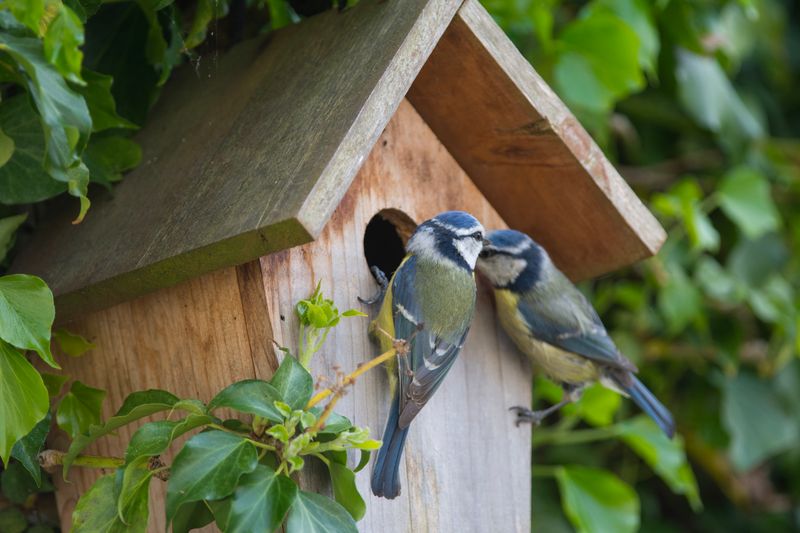
Nesting boxes can attract bird species not usually seen in gardens. Tailor box sizes and openings to specific birds, like sparrows or owls.
Place them in secluded spots, away from disturbances. Clean them annually to prevent disease.
Providing safe nesting sites enhances bird population diversity. This effort supports avian life, contributing to a balanced ecosystem in your backyard.
13. Plant a Living Roof
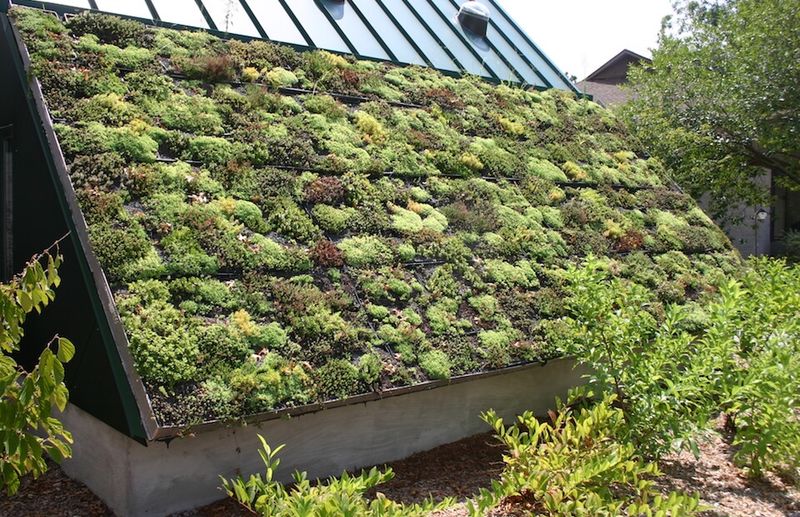
Living roofs can transform garden structures into wildlife havens. Cover sheds or garages with a mix of shallow-rooted plants.
They absorb rainwater, reduce heat, and provide habitats for insects and birds. Choose drought-resistant species for low maintenance.
This eco-friendly feature adds insulation and beauty, integrating seamlessly with nature. Living roofs are a creative way to support wildlife while enhancing garden aesthetics.
14. Create a Wildlife-Friendly Fence
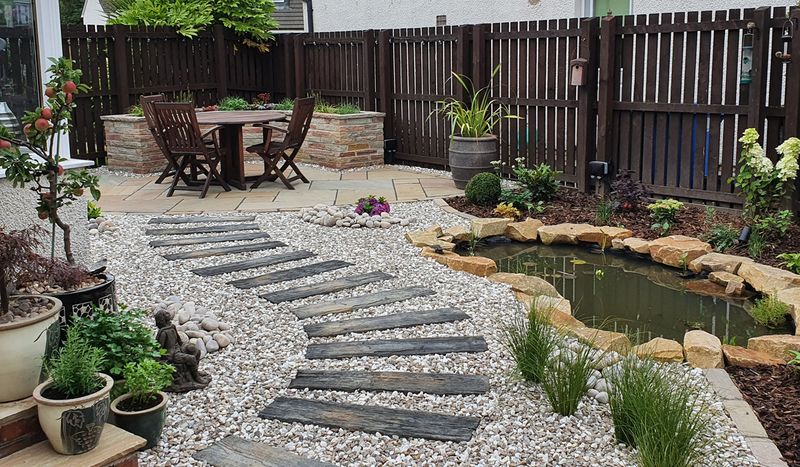
Traditional fences can block wildlife movement. Creating a wildlife-friendly fence with gaps or tunnels allows animals like hedgehogs and frogs to travel freely.
Use natural materials, avoiding chemicals that can harm animals. This setup promotes connectivity between gardens, enhancing habitat networks.
Such innovation supports small mammals and amphibians, fostering a thriving backyard ecosystem. It’s a simple yet effective way to make your yard more welcoming.
15. Provide Leaf Litter
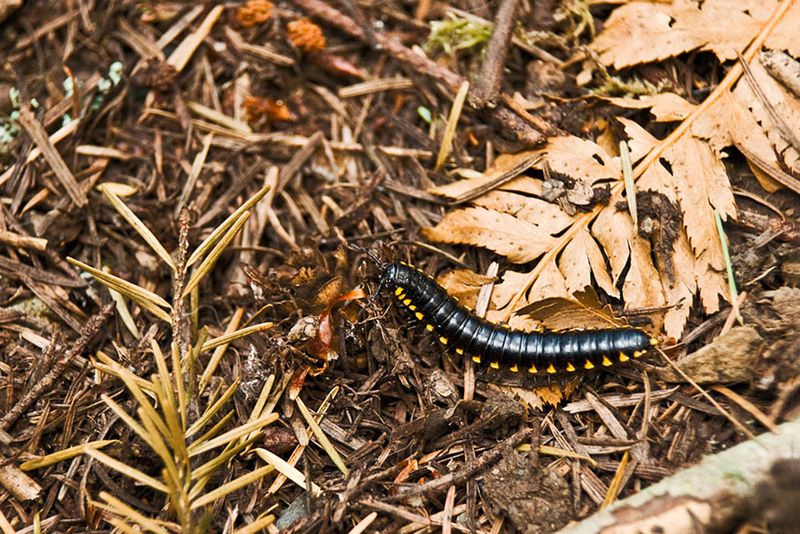
Leaf litter is a crucial part of a healthy garden ecosystem. Allow fallen leaves to decompose naturally, providing food and shelter for insects, amphibians, and small mammals.
Rake leaves into garden beds or under shrubs, where they can break down over time. This practice enriches the soil, reducing the need for artificial fertilizers.
Encouraging leaf litter supports biodiversity, inviting creatures that contribute to the ecological balance of your yard.
16. Install a Water Feature
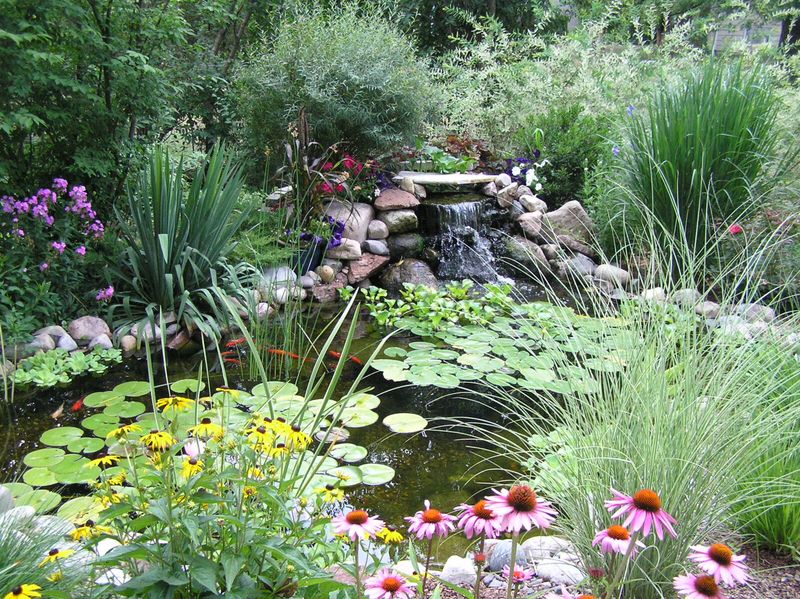
Water features like fountains and streams can draw wildlife seeking hydration and bathing spots. Keep the water fresh and moving to prevent algae growth.
Position it near other plants to offer shade and cover for visiting animals. Birds and insects will frequent these areas, adding life to your garden.
A well-designed water feature provides aesthetic appeal while supporting diverse species. It’s a dynamic addition that enhances the natural beauty and eco-friendliness of your yard.
17. Add a Fruit Tree
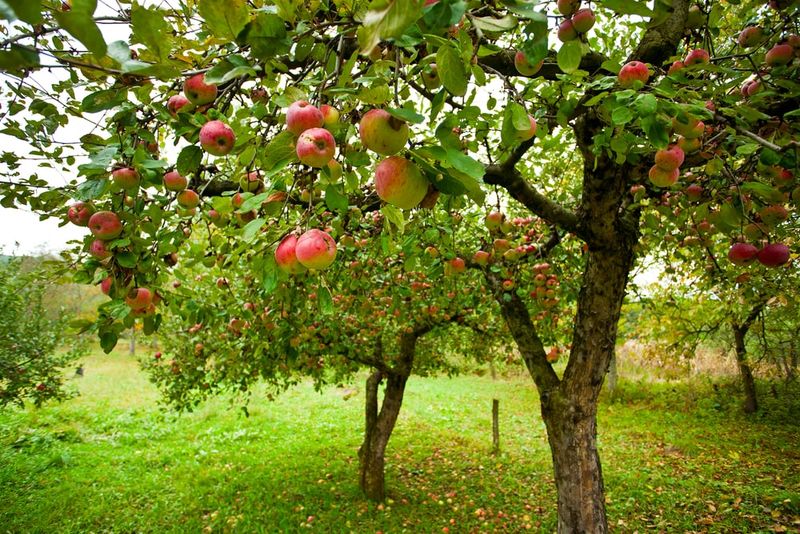
Fruit trees offer food and shelter for a range of wildlife. Species like apple, pear, or cherry can attract birds, insects, and mammals.
Trees also provide nesting sites and shade, supporting ecosystem complexity. Prune them carefully to maintain health and productivity.
A fruit tree can be a focal point in your garden, providing seasonal interest and a bounty of nature’s produce. It’s a delicious way to encourage wildlife to visit.
18. Plant Climbers and Vines
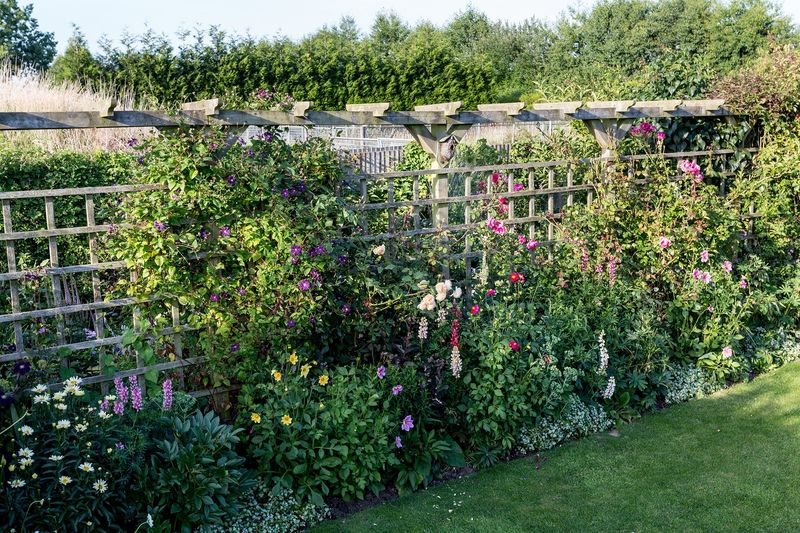
Climbing plants can create vertical habitats in small spaces. Use trellises or arches to support species like honeysuckle or clematis.
These plants offer nectar for pollinators and shelter for small creatures. They also add visual interest, softening structures and encouraging vertical exploration.
Supporting climbers invites a diverse array of wildlife, enriching garden life. This vertical gardening technique maximizes space and ecological value.
19. Install a Solar-Powered Bug Light
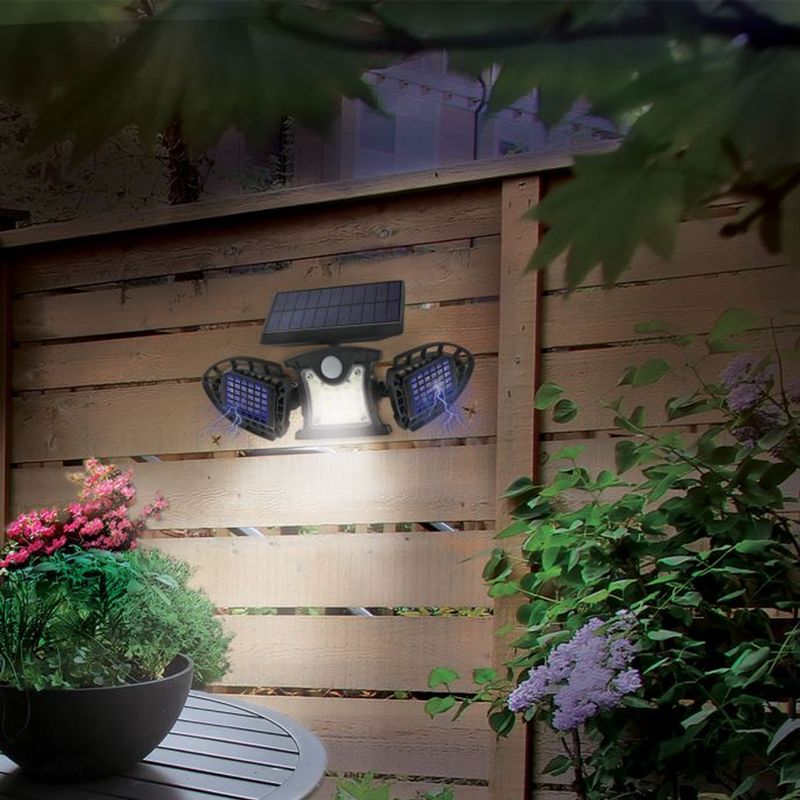
A solar-powered bug light can transform your garden into a lively nocturnal haven. Emitting soft, inviting light, it draws beneficial insects like moths and beetles, promoting pollination and pest control.
These lights are energy-efficient and eco-friendly, harnessing sunlight to power nighttime illumination. This setup invites fascinating insect behavior and supports your garden’s health by naturally managing pest populations.
Consider placing the light near flowering plants to maximize its pollinating effect. Did you know? Moths are vital nighttime pollinators, crucial for plant biodiversity. A solar bug light offers an enchanting way to observe these night-time garden visitors.