
Companion planting is a time-tested gardening technique where certain plants are grown together to benefit each other. One of the most effective uses of companion planting is using plants that naturally repel insects, thus protecting your garden without chemical pesticides. Here, we explore 17 plants that serve as natural insect repellents, helping you cultivate a healthy and vibrant garden.
1. Marigold
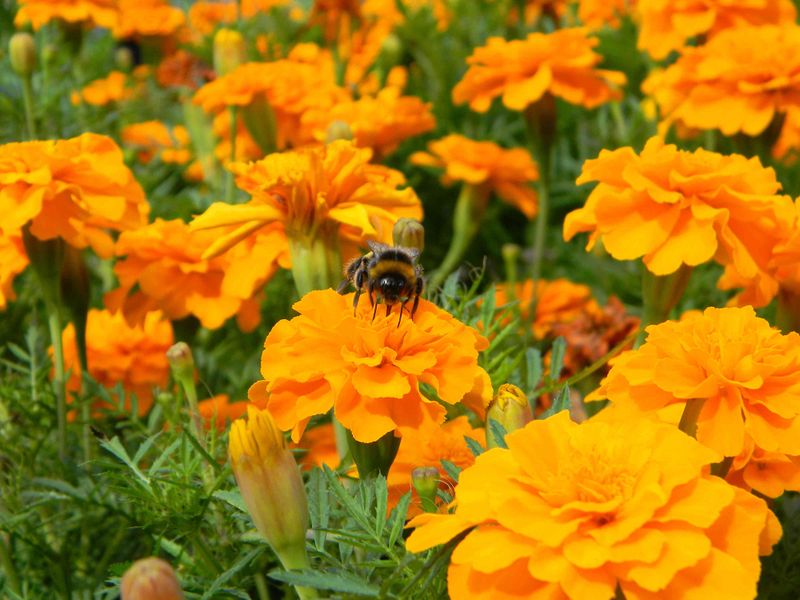
Marigolds are celebrated for their vibrant displays and aromatic properties. Their pungent scent is a formidable foe against nematodes, mosquitoes, and aphids. These bright blooms not only add a splash of color but also serve as a protective barrier for vegetable gardens. With marigolds in your garden, harmful insects find the environment less inviting, allowing your plants to thrive naturally. Did you know that marigolds were used in ancient rituals to ward off evil spirits? Their dual role in beauty and protection makes them an essential garden ally.
2. Basil
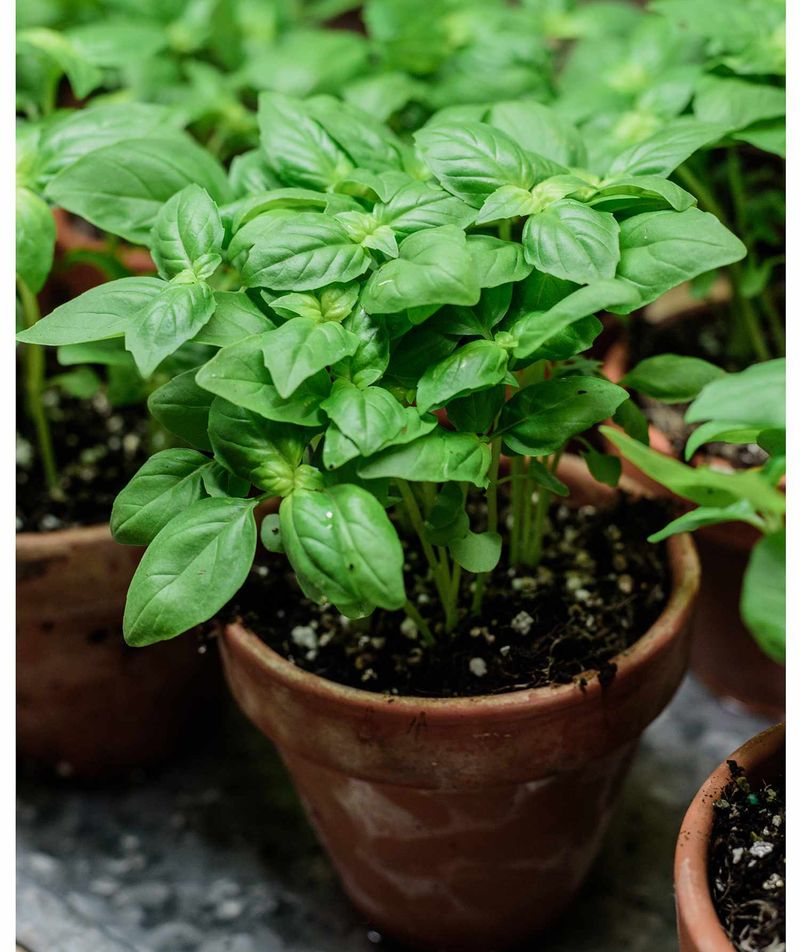
Basil is a culinary favorite, but its insect-repelling prowess is less known. This aromatic herb deters flies and mosquitoes, making it a staple near doors and windows. Its fragrant leaves are a natural mosquito repellent, adding both flavor to your dishes and protection to your garden. Imagine enjoying a summer meal free from pesky bugs, all thanks to basil’s presence. A member of the mint family, basil’s history in traditional medicine is rich and varied, symbolizing love in Italian folklore.
3. Lavender
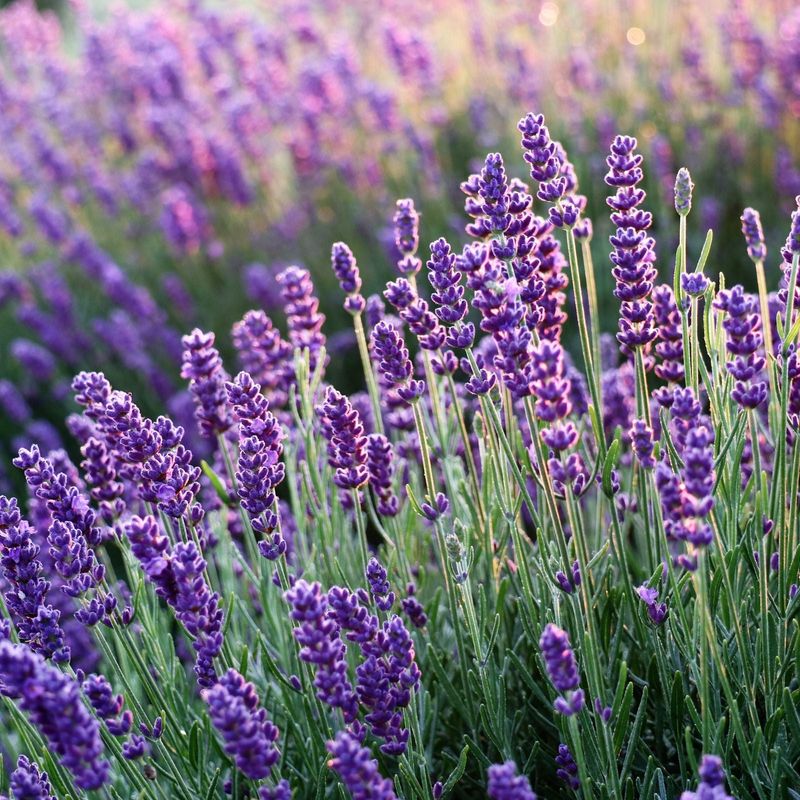
Lavender, with its soothing scent, is a natural deterrent for moths, fleas, and mosquitoes. This fragrant flower is often used in sachets and oils to promote relaxation, doubling as an insect repellent. Planted around seating areas, lavender creates a serene atmosphere while keeping unwanted insects at bay. Historically, lavender was used in ancient Roman baths for its cleansing properties. Its calming aroma not only soothes the mind but also protects your garden, making it a dual-purpose plant.
4. Mint
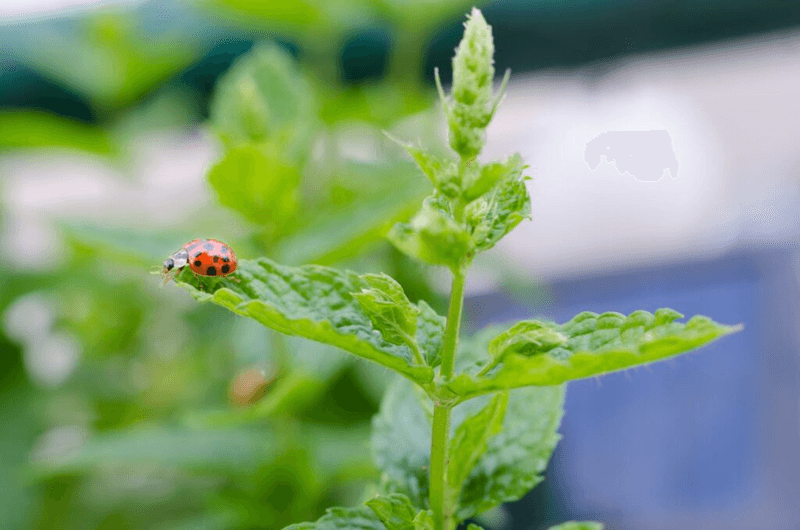
Mint, with its refreshing aroma, is more than a delightful addition to teas. Its strong scent repels ants, mosquitoes, and mice, making it a versatile garden ally. Planting mint around your home can create a fragrant barrier against these pests. Just be careful, as mint tends to spread rapidly if not contained. In ancient Greece, mint symbolized hospitality and was strewn on floors to freshen spaces. Its dual role as a culinary herb and insect repellent makes it indispensable.
5. Rosemary
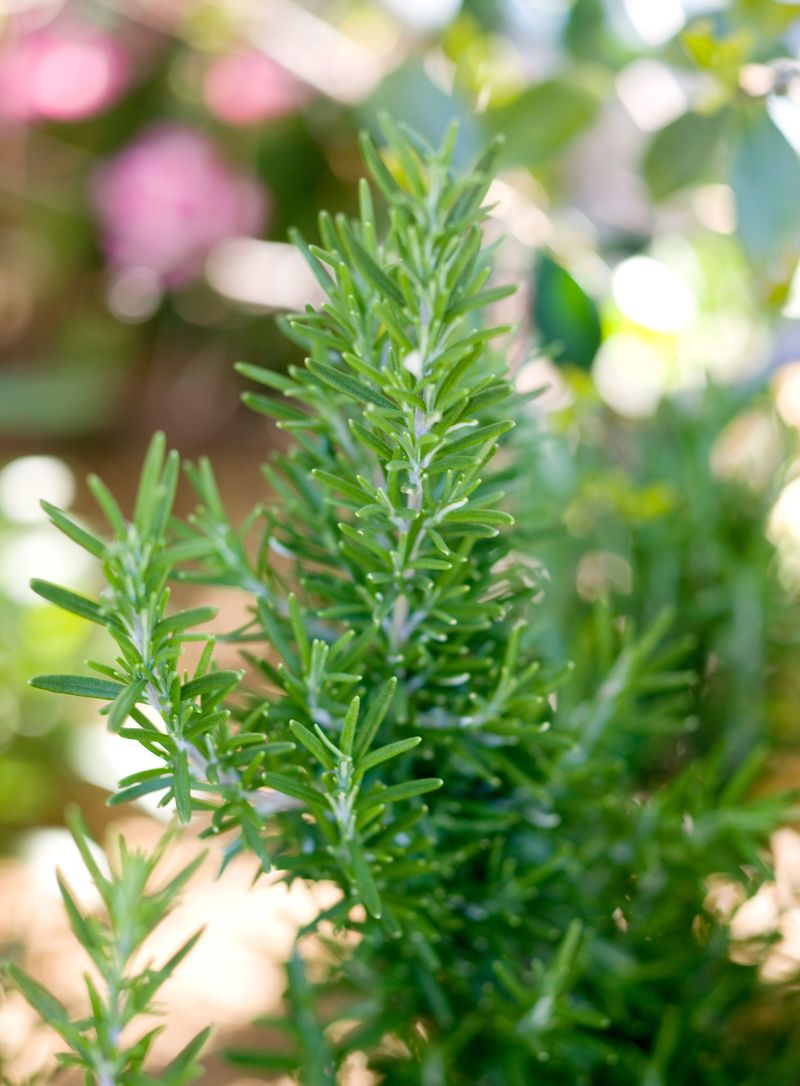
Rosemary, a favored herb for roasts, has a hidden talent for deterring insects. Its strong scent keeps mosquitoes and cabbage moths at bay, making it an excellent companion for other garden plants. Rosemary’s hardy nature allows it to thrive in various climates, providing protection for your garden year-round. Did you know rosemary was considered a sacred herb in ancient Greece, symbolizing remembrance? This aromatic plant not only flavors your dishes but also safeguards your garden.
6. Catnip
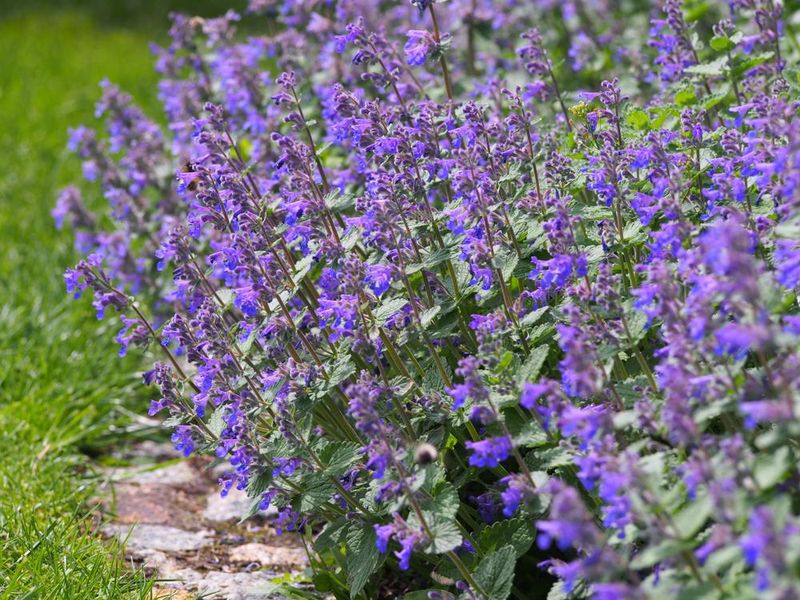
Catnip is a well-known feline favorite, but it’s also a powerhouse in repelling insects. The compound nepetalactone, found in catnip, is more effective than DEET in repelling mosquitoes. Planting catnip around your garden can significantly reduce mosquito presence. However, if you have cats, you’ll likely find them lounging near it! Historically, catnip was used in traditional medicine for its calming effects on humans. It’s not just for cats; catnip is a valuable addition to any garden seeking natural pest control.
7. Chrysanthemum
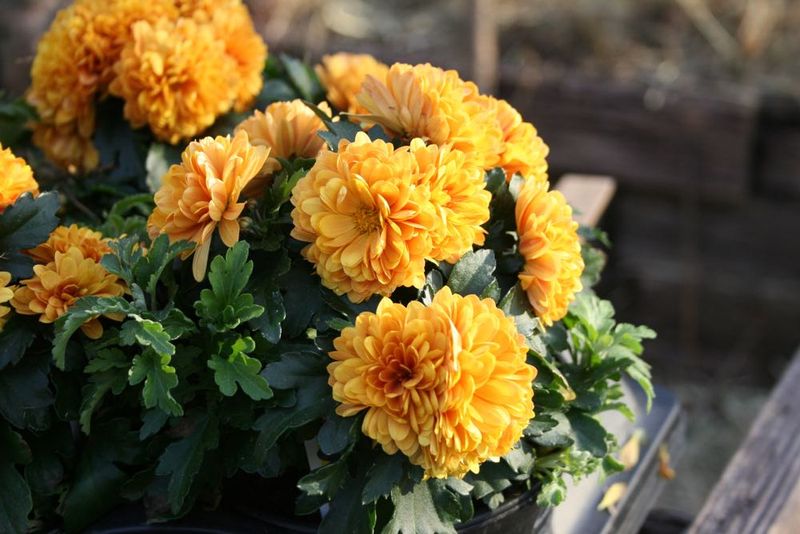
Chrysanthemums, often called mums, are not only beautiful but also potent insect repellents. They contain pyrethrin, a natural insecticide effective against ants, beetles, and fleas. These flowers are a colorful addition, offering protection and beauty simultaneously. Chrysanthemums have been used in Chinese medicine for centuries, symbolizing long life and rejuvenation. Their ability to repel insects while adding visual appeal makes them a staple in ornamental gardens. Embrace their vibrant hues and protective properties for a healthier garden environment.
8. Lemongrass
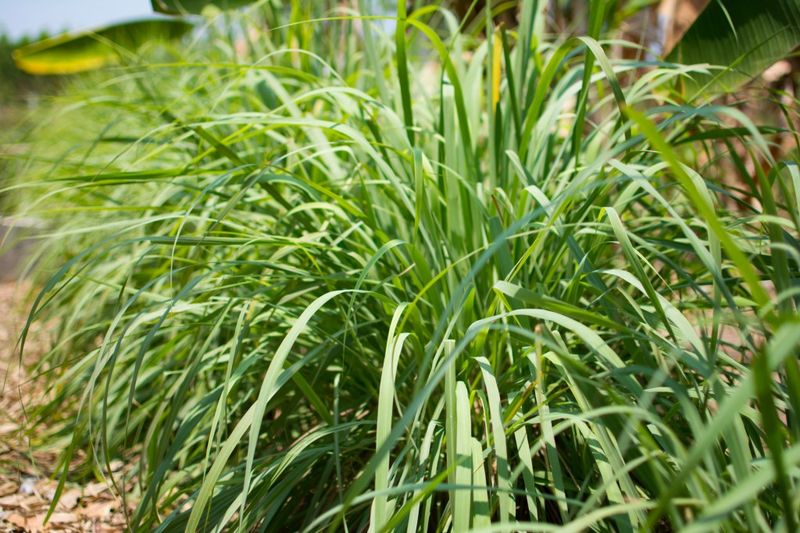
Lemongrass is renowned for its citrus aroma, which naturally repels mosquitoes and other pests. Often used in culinary dishes, it also serves as a fragrant barrier against unwanted insects. Planted along walkways or around patios, lemongrass creates an aromatic shield. Its essential oil, citronella, is a common ingredient in natural insect repellents. Did you know lemongrass has been used in traditional medicine to treat digestive issues? Its versatility and protective qualities make it a must-have for any garden.
9. Sage
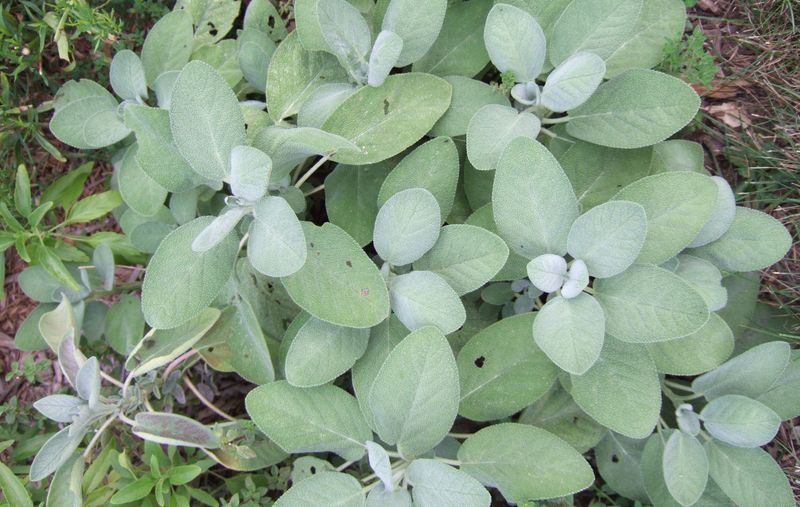
Sage is a culinary staple, but its insect-repelling abilities are often overlooked. Its earthy aroma deters cabbage moths and carrot flies, making it a valuable companion for vegetable plots. Plant sage near susceptible crops to create a natural defense system. Its historical use in rituals and medicine highlights its significance across cultures. Sage’s protective qualities extend beyond the kitchen, offering a flavorful and fragrant solution to pest control. This hardy herb is a perfect blend of practicality and tradition.
10. Petunia
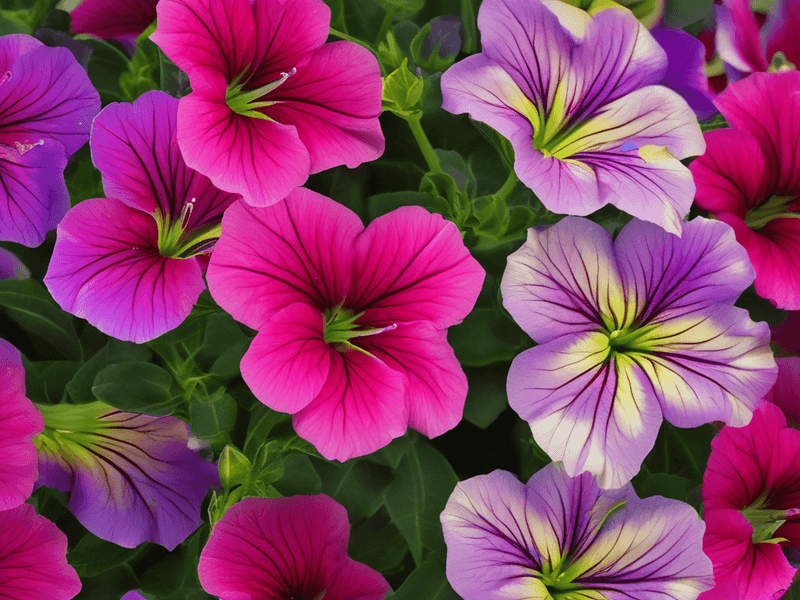
Petunias are popular for their vibrant blooms, but they also repel a variety of pests including aphids, beetles, and tomato hornworms. These easy-to-grow flowers act as a natural pest control, providing both beauty and protection. Planting petunias near vegetable gardens can deter harmful insects from damaging crops. Historically, petunias symbolize anger and resentment, but their role in pest control paints a different picture. Their colorful presence and protective nature make them a delightful garden companion.
11. Geranium
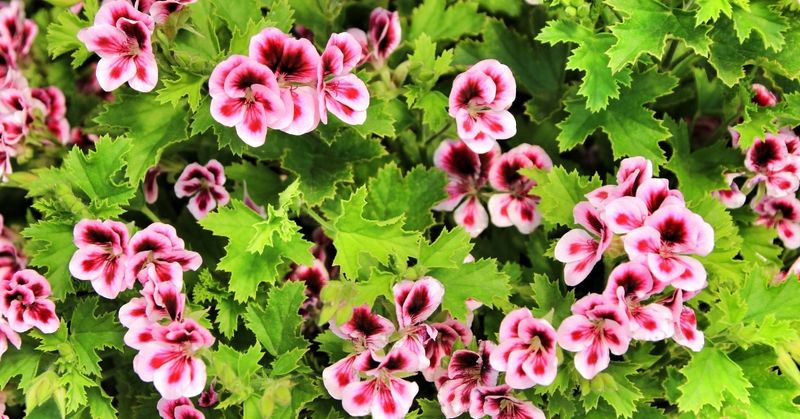
Geraniums are celebrated for their vibrant, showy blooms and insect-repelling properties. Their scent deters mosquitoes, flies, and other pests, making them a popular choice for window boxes and planters. The fragrant oils in geranium leaves create a natural barrier against unwanted insects. Originating from South Africa, geraniums are a symbol of friendship and good luck. These flowers offer not only visual appeal but also a practical solution for pest control. Incorporate them into your garden for beauty and protection.
12. Borage
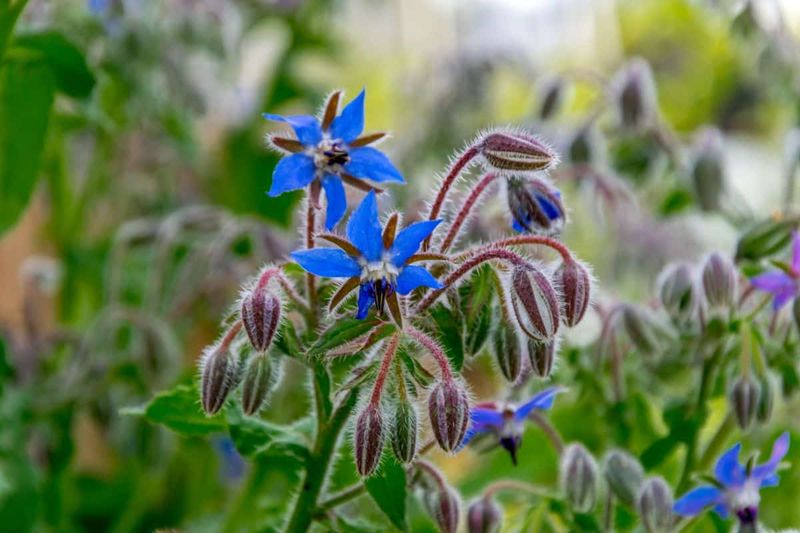
Borage is an herb with beautiful blue flowers, known for attracting beneficial insects while repelling harmful ones like tomato hornworms. Its taste and aroma discourage pests, making it a protective companion for tomatoes. Borage’s historical use as a medicinal plant underscores its value in gardens. Its vibrant blooms and protective properties make it an excellent addition to any garden. The star-shaped flowers not only beautify your garden but also serve a practical purpose, fostering a harmonious ecosystem.
13. Thyme
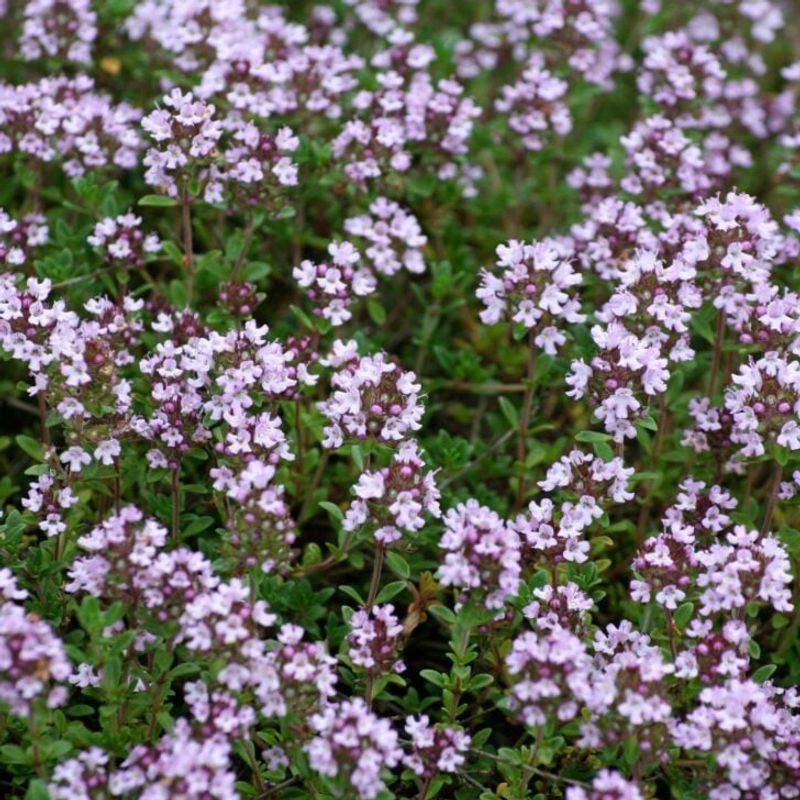
Thyme, a staple in many kitchens, also plays a crucial role in gardens. Its strong aroma repels cabbage worms and other garden pests. Planting thyme near susceptible crops can create a natural shield against these intruders. In medieval times, thyme symbolized courage and was often used in healing rituals. Its protective qualities extend from the kitchen to the garden, making it a versatile herb. Embrace thyme’s dual role as a flavorful ingredient and a guardian for your plants.
14. Nasturtium

Nasturtiums are not only visually striking, but they also serve as a natural insect repellent. Their peppery scent deters aphids, whiteflies, and squash bugs. These flowers act as a trap crop, drawing pests away from more vulnerable plants. Nasturtiums have a history of culinary use, adding a peppery twist to salads and dishes. Their role in pest control is complemented by their vibrant colors, making them a dynamic addition to gardens. Enhance your garden’s beauty and defense with nasturtiums.
15. Fennel
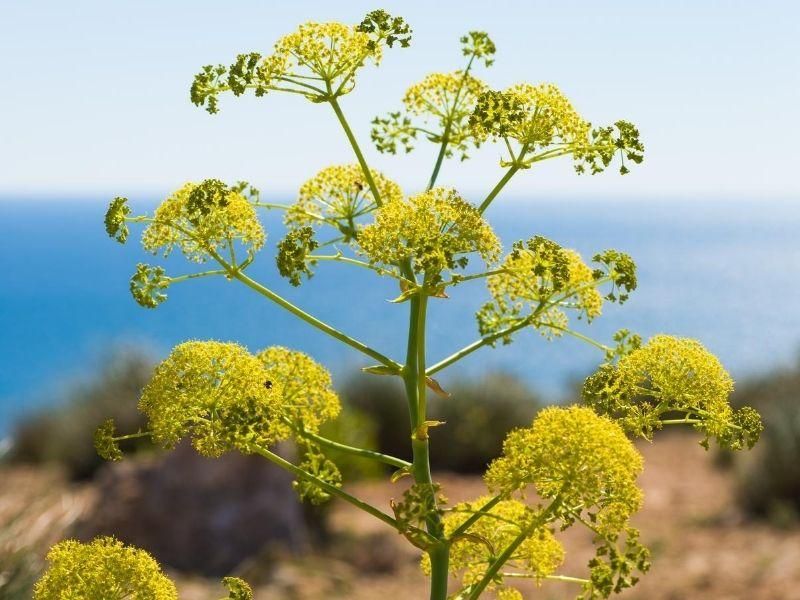
Fennel, with its feathery leaves and yellow flowers, is more than just a culinary delight. Its strong aroma repels slugs and snails, safeguarding your garden. While fennel offers protection, it should be planted alone, as it can inhibit the growth of other plants. Historically, fennel was used in ancient rituals for protection and strength. Its unique properties and striking appearance make fennel a valuable addition to any garden seeking natural insect control. Enjoy its flavor and protective benefits alike.
16. Garlic
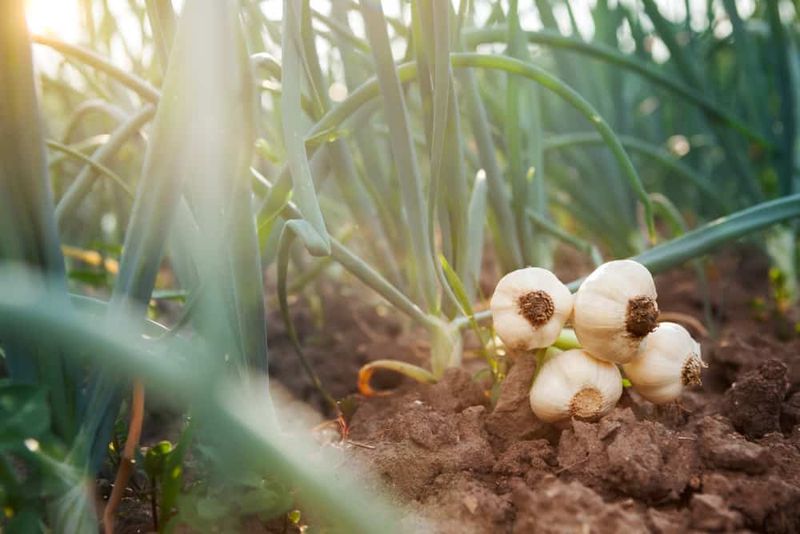
Garlic is renowned for its pungent aroma, which repels a variety of insects including aphids and spider mites. Planting garlic near roses and other susceptible plants can create a natural barrier against these pests. In folklore, garlic was believed to ward off evil spirits, and its protective qualities extend to gardens. Its strong scent not only flavors dishes but also protects plants, making it a versatile garden ally. Incorporate garlic into your garden for its culinary and repellent benefits.
17. Chives
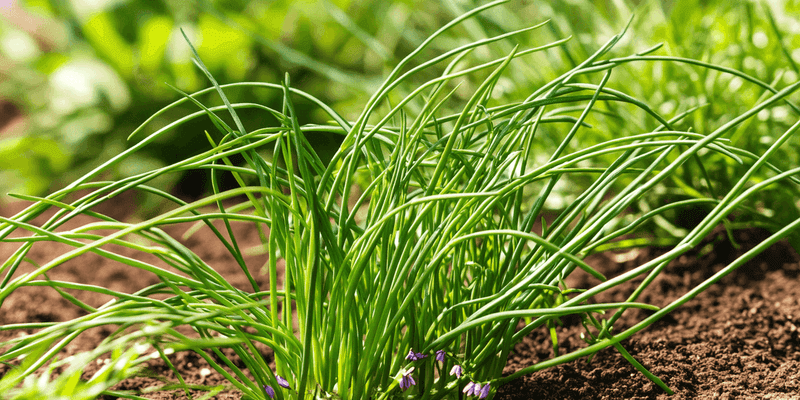
Chives are not only a flavorful addition to dishes but also effective in repelling harmful insects like aphids and Japanese beetles. Their mild onion scent acts as a deterrent, protecting nearby plants from damage. Planting chives around susceptible crops can enhance your garden’s defense system. Historically, chives were used in traditional medicine for their health benefits. Their dual role as a culinary herb and insect repellent makes chives an indispensable part of any garden. Enjoy their flavor and protective properties.