
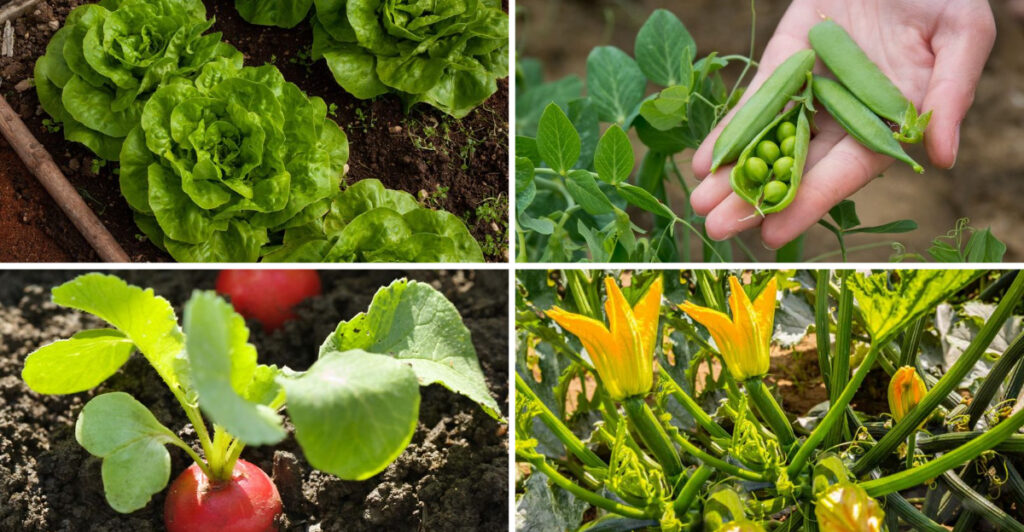
Starting your own vegetable garden feels exciting but can seem overwhelming when you don’t know where to begin. Many new gardeners worry about picking plants that are too difficult to grow or require special care. Fortunately, plenty of vegetables are forgiving, easy to manage, and perfect for building your confidence. These beginner-friendly options will help you create a thriving garden while learning the basics of growing your own food.
1. Lettuce
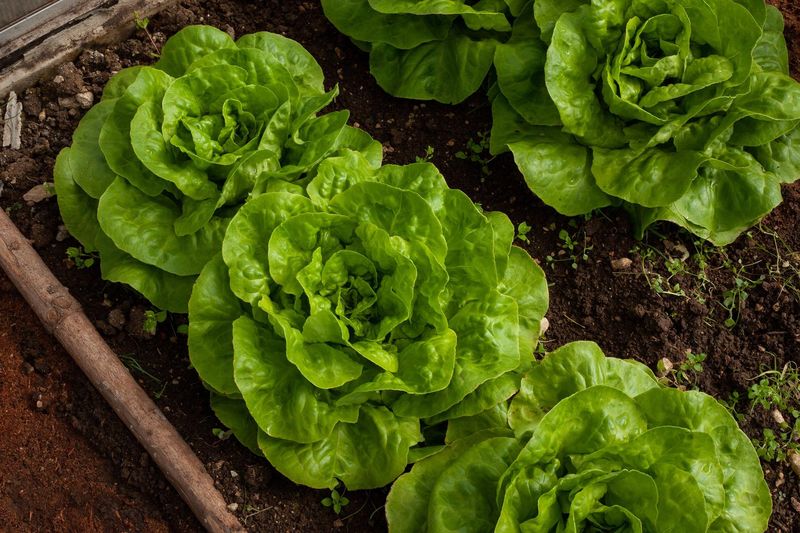
Cool-season lettuce grows quickly and doesn’t mind if you make mistakes along the way. Most varieties are ready to harvest in just 30-45 days, giving you fast results that keep you motivated.
Plant seeds directly in the ground during spring or fall when temperatures stay between 60-70°F. Water regularly but gently, and pick outer leaves as needed while the center keeps growing.
2. Radishes
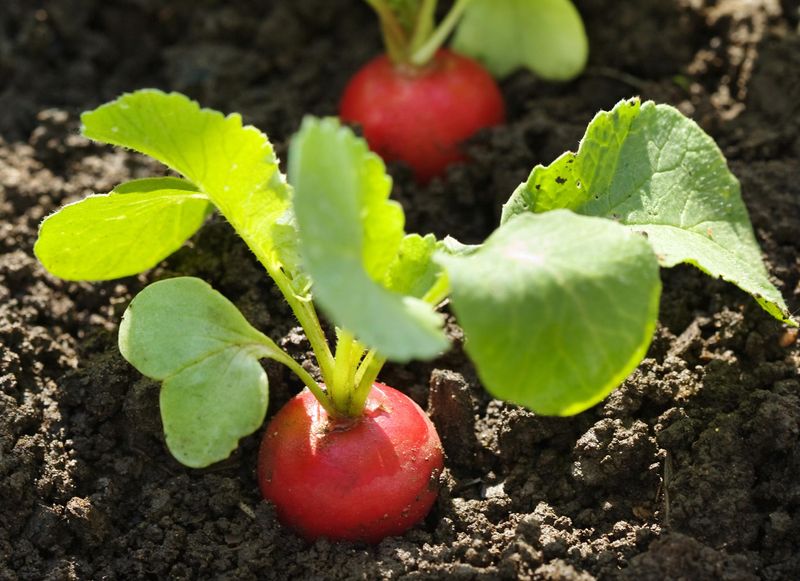
These spicy little roots practically grow themselves and mature in just 20-30 days. Radishes actually prefer slightly cooler weather and can handle some neglect, making them perfect confidence builders.
Sow seeds directly into loose soil about half an inch deep. They help break up clay soil naturally while growing. Harvest when they’re about the size of a marble for the best flavor and crunch.
3. Green Beans
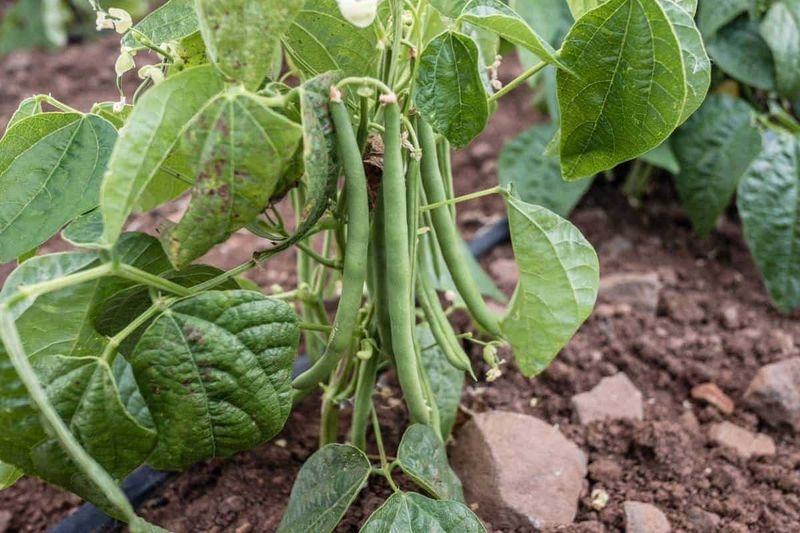
Bush beans require no staking or special support, unlike their climbing cousins. They produce pods continuously for several weeks once they start, giving you plenty of fresh vegetables from just one planting.
Wait until soil warms up in late spring before planting seeds directly. Water at soil level to prevent leaf diseases. Pick beans regularly to encourage more production throughout the growing season.
4. Spinach
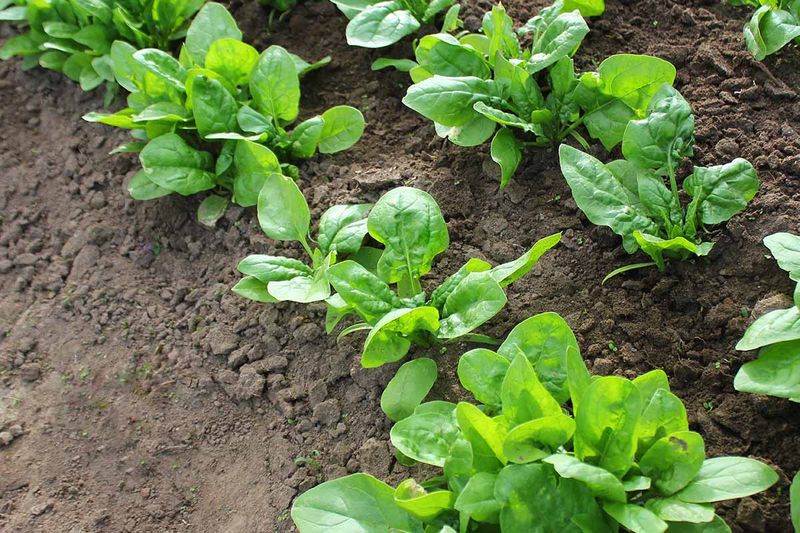
This nutritious leafy green tolerates cold weather better than most vegetables and grows quickly in spring and fall. Spinach seeds germinate easily and the plants don’t require much space or special care.
Plant seeds in early spring or late summer for best results. Harvest outer leaves when they’re about 3-4 inches long. The center will keep producing new leaves for several more weeks of fresh picking.
5. Carrots
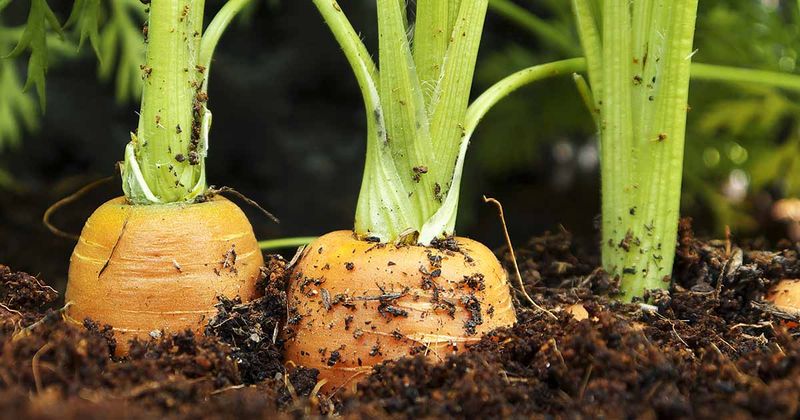
Orange carrots grow well in loose, sandy soil and don’t mind being left alone for most of their growing period. They take about 70-80 days to mature but require very little maintenance once established.
Sow seeds directly since carrots don’t transplant well. Keep soil moist until seeds sprout, then water deeply but less frequently. Thin seedlings to prevent overcrowding and ensure proper root development.
6. Zucchini
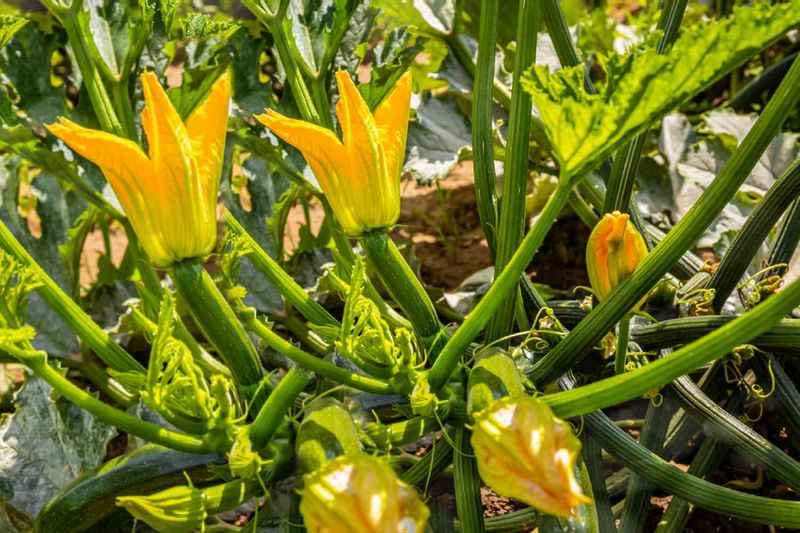
Known for producing more squash than most families can eat, zucchini plants are incredibly forgiving and productive. One or two plants usually provide enough vegetables for a small household throughout summer.
Plant seeds or transplants after the last frost in a sunny spot with plenty of space. Water at the base of plants to prevent powdery mildew. Harvest zucchini when they’re 6-8 inches long for the best texture and flavor.
7. Tomatoes
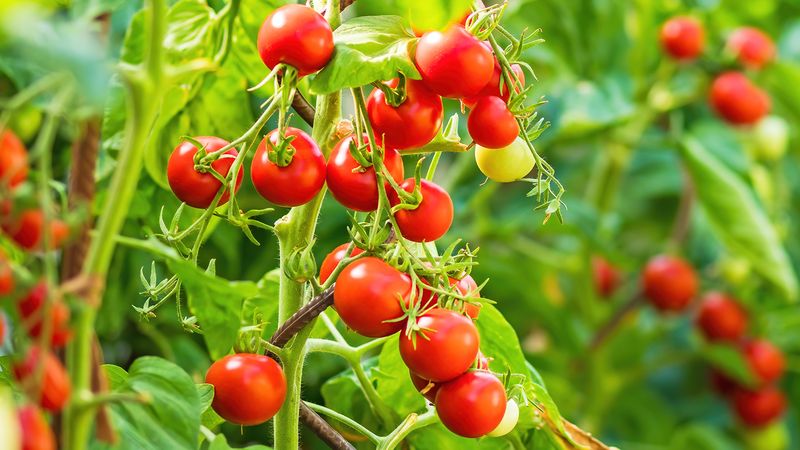
Cherry tomato varieties are especially beginner-friendly because they’re more disease-resistant than large tomatoes. They produce abundant fruit throughout the growing season and forgive minor watering mistakes.
Start with transplants from the garden center for easier success. Provide support with cages or stakes as plants grow. Water consistently and deeply, avoiding getting water on the leaves to prevent common diseases.
8. Peas
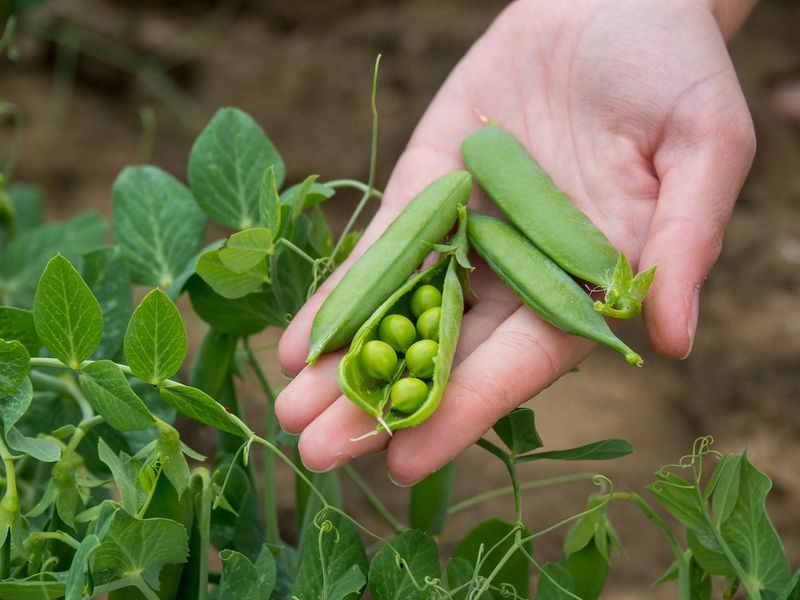
Cool-weather peas can be planted very early in spring, even before the last frost. They actually prefer cooler temperatures and will struggle in hot summer weather, making timing more important than perfect technique.
Plant seeds directly in the ground as soon as soil can be worked. Provide support for climbing varieties or choose bush types. Harvest pods when they’re plump but still bright green and tender.
9. Kale
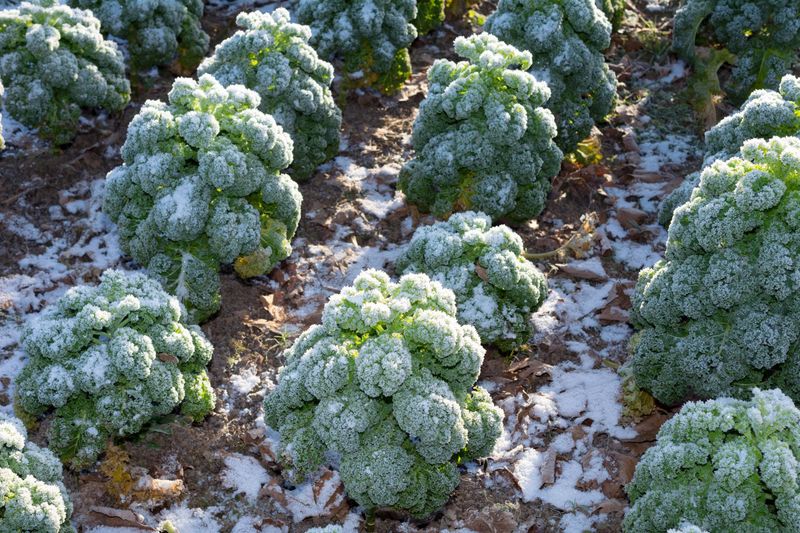
This superfood green actually tastes better after experiencing light frost, making it perfect for extending your growing season. Kale plants are extremely hardy and can survive surprisingly cold temperatures.
Start seeds indoors or plant directly in the garden during cool weather. Harvest outer leaves regularly while the center continues growing. Light frosts make the leaves sweeter and more tender for eating.
10. Beets
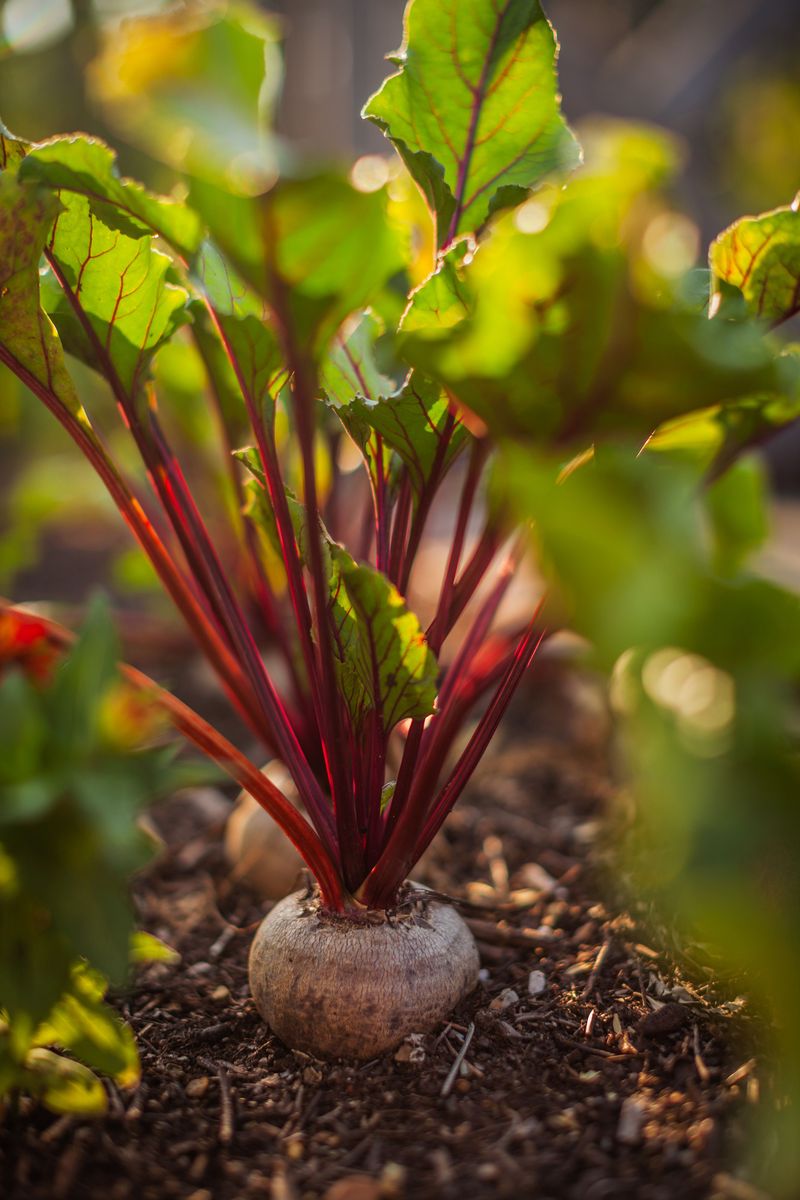
Both the colorful roots and nutritious greens are edible, giving you two vegetables from one plant. Beets tolerate various soil conditions and don’t require perfect growing conditions to produce a decent harvest.
Sow seeds directly in spring or fall for best results. Thin seedlings and use the baby greens in salads. Harvest roots when they’re about 2-3 inches across for the most tender texture and sweetest flavor.
11. Swiss Chard
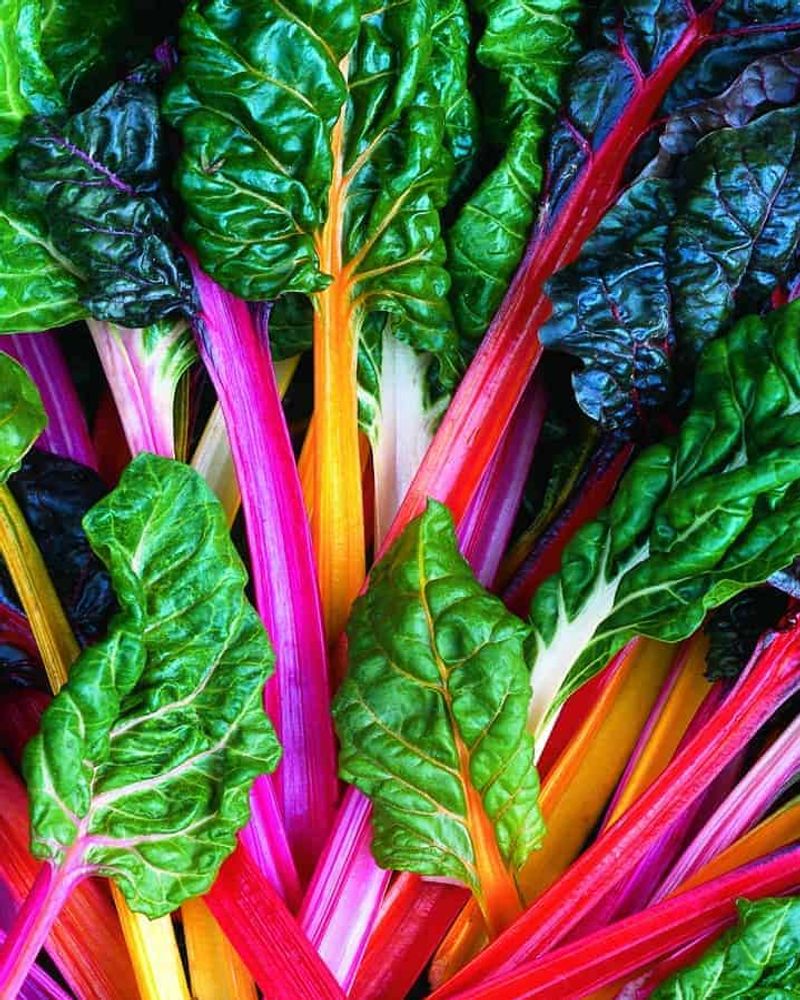
Colorful chard stems come in rainbow varieties that look beautiful in the garden while providing nutritious greens. This relative of beets tolerates heat better than most leafy vegetables and keeps producing all season.
Plant seeds directly or start with transplants in spring. Harvest outer leaves regularly to encourage continued growth. Both the leaves and colorful stems are edible and add visual interest to your garden and plate.
12. Cucumbers
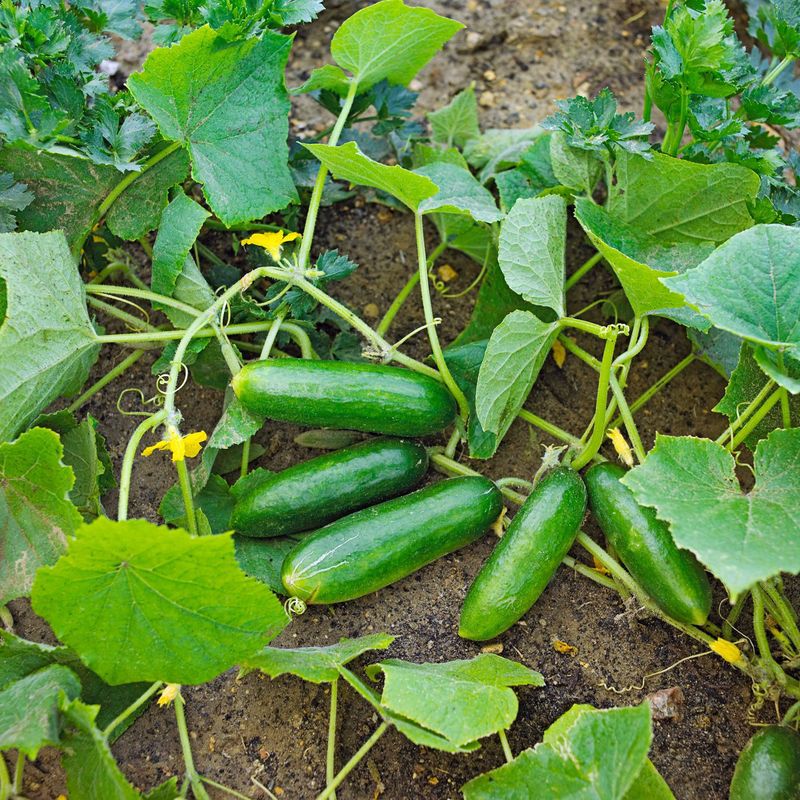
Bush cucumber varieties don’t require trellises and produce plenty of fruit in a compact space. They grow quickly in warm weather and provide fresh cucumbers for salads and snacks throughout summer.
Plant seeds or transplants after soil warms up completely. Provide consistent water to prevent bitter-tasting fruit. Harvest cucumbers while they’re still young and tender, before seeds become large and tough inside.
13. Arugula
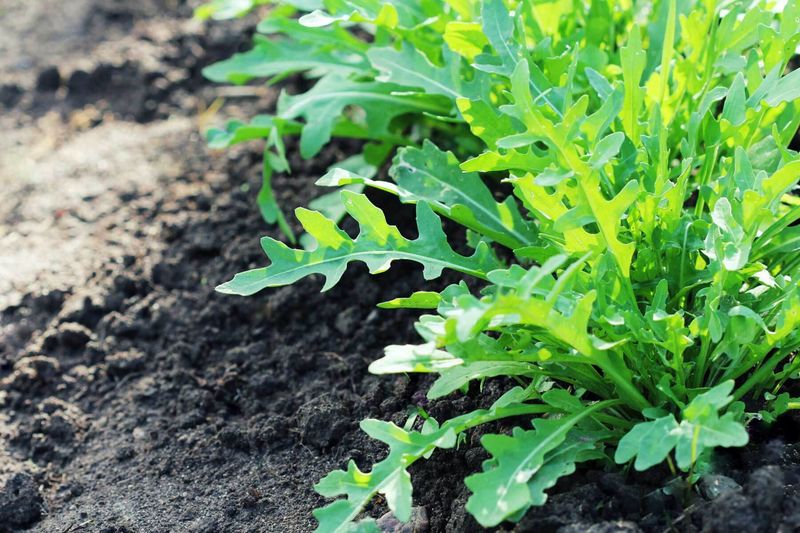
This peppery green grows incredibly fast and can be harvested in just 3-4 weeks from planting. Arugula actually prefers cooler weather and will bolt quickly in hot temperatures, making it perfect for spring and fall gardens.
Scatter seeds directly in the garden and rake lightly to cover. Harvest leaves when they’re young and tender for the mildest flavor. Older leaves become quite spicy but are still perfectly edible.
14. Bush Peas
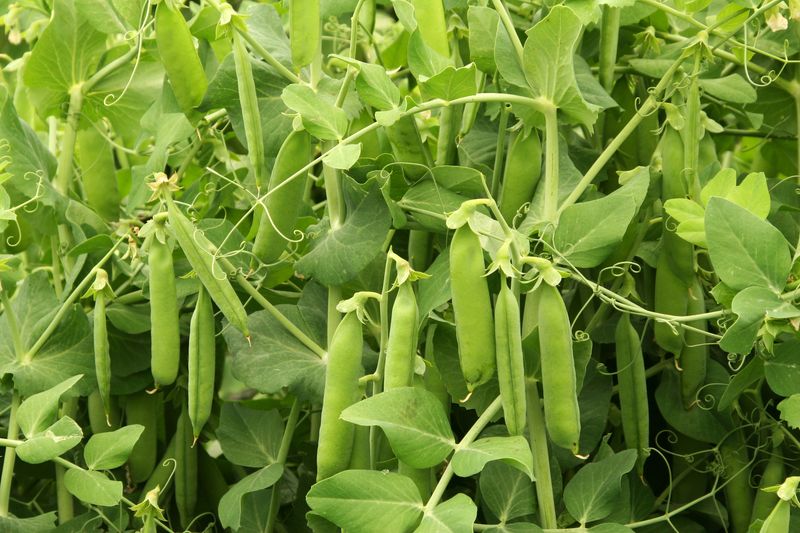
Unlike climbing peas, bush varieties stay compact and don’t need support structures. They produce sweet, tender pods that can be eaten whole when harvested young, giving you snap peas for fresh eating.
Plant directly in cool soil during early spring or late summer. Keep soil moist but not waterlogged during germination. Pick pods frequently to encourage continued production and prevent plants from stopping flower development.
15. Scallions
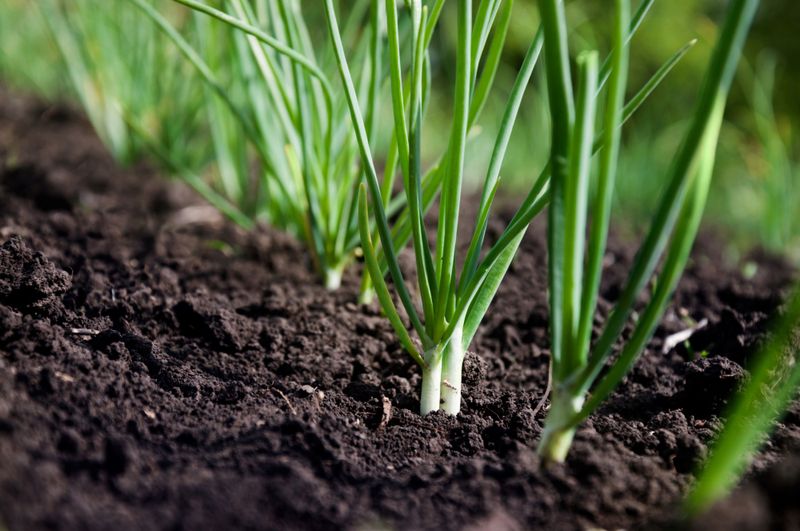
Also called green onions, these mild alliums grow quickly from seed and don’t require much space. You can even regrow scallions from kitchen scraps by placing the white ends in water until roots develop.
Plant seeds directly or start from sets purchased at garden centers. Harvest by pulling entire plants or cutting green tops while leaving roots to regrow. They tolerate various growing conditions and rarely have pest problems.
16. Mustard Greens
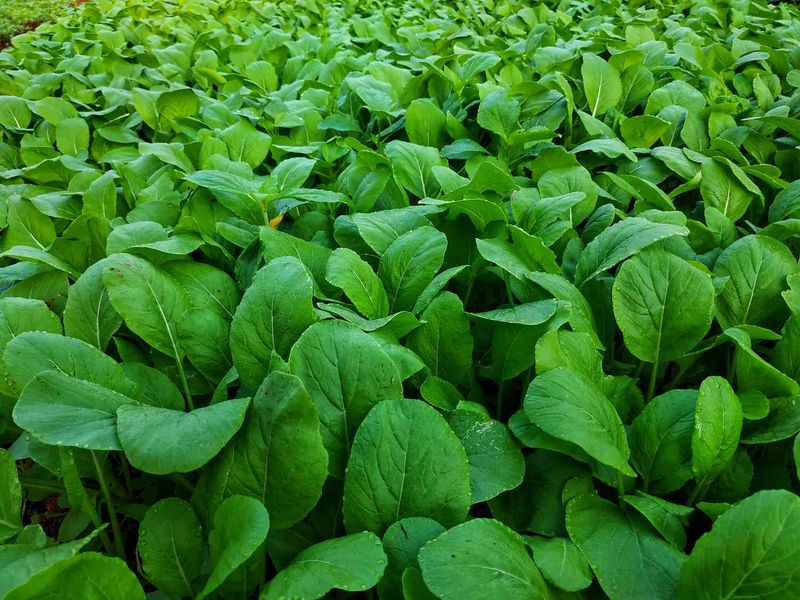
These spicy greens grow rapidly in cool weather and can handle light frosts without damage. Mustard greens are ready to harvest in just 30-40 days and keep producing new leaves after cutting.
Sow seeds directly in spring or fall when temperatures are moderate. Harvest young leaves for milder flavor or let them mature for more intense spiciness. They’re excellent cooked or used fresh in salads and sandwiches.
17. Bush Beans
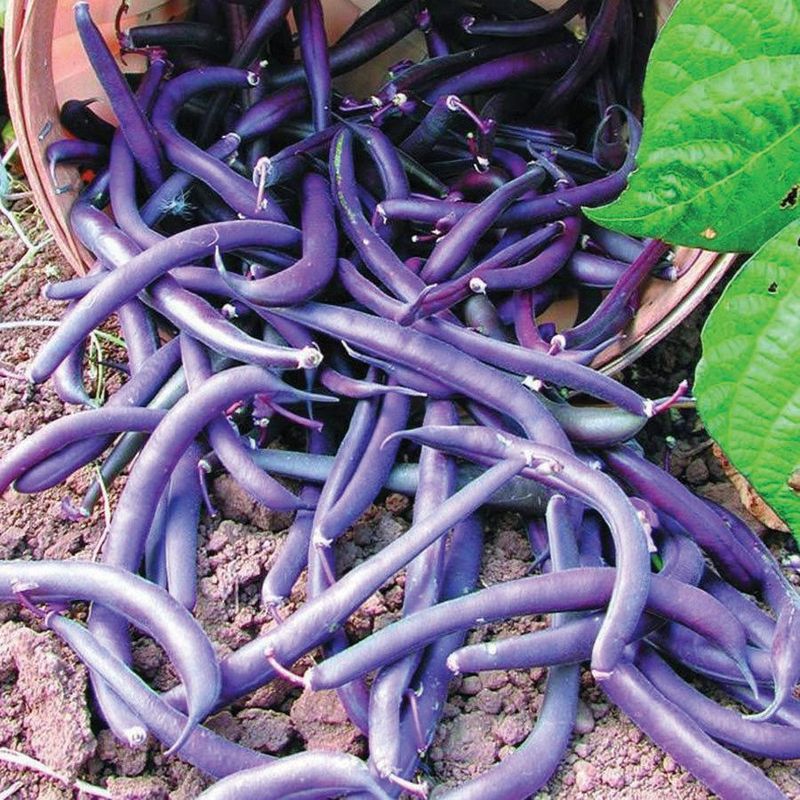
Purple-podded bush beans add color to your garden while being just as easy to grow as regular green varieties. The purple pods turn green when cooked, making them fun for kids and beginning gardeners.
Plant after soil temperature reaches 60°F for best germination rates. Space plants properly to allow air circulation and prevent disease problems. Harvest regularly to keep plants producing throughout the growing season for maximum yield.
18. Bok Choy
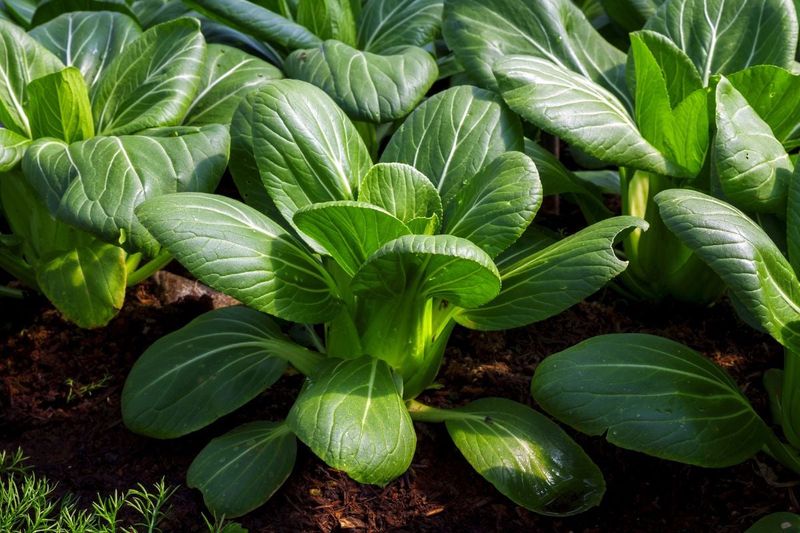
This Asian green grows quickly in cool weather and has a mild, sweet flavor that appeals to most people. Baby bok choy varieties are especially beginner-friendly and can be harvested whole when small.
Plant seeds or transplants during spring or fall for best results. Provide consistent moisture and harvest before hot weather causes bolting. Both the white stems and green leaves are edible and delicious in stir-fries or salads.
19. Summer Squash
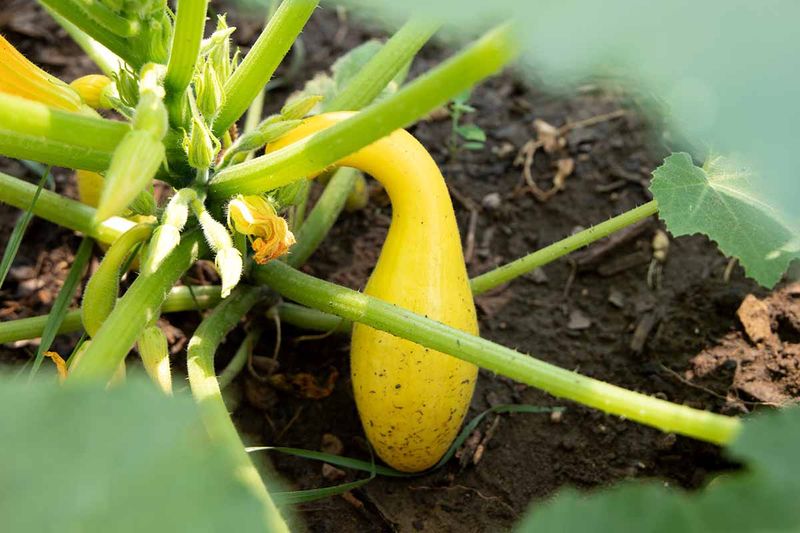
Yellow crookneck and pattypan squash varieties are just as productive and easy as zucchini but offer different shapes and flavors. These warm-season crops produce abundantly once they start flowering and setting fruit.
Plant seeds directly after last frost in a sunny location with rich soil. Harvest frequently when fruits are small and tender. Regular picking encourages continued production and prevents oversized, tough squash from developing on plants.
20. Chives
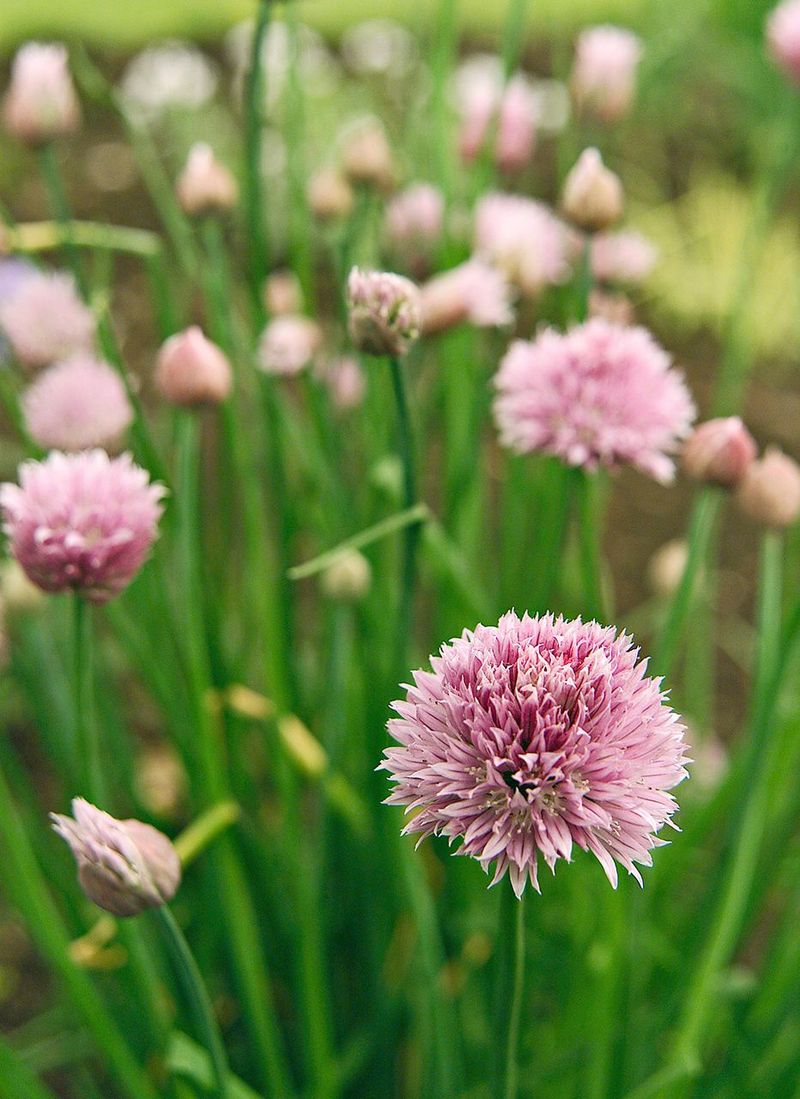
These mild onion-flavored herbs are perennial, meaning they come back year after year once established. Chives are nearly impossible to kill and provide fresh flavor for cooking throughout the growing season.
Start from seeds, transplants, or divisions from other gardeners. Cut stems like grass, leaving about 2 inches above ground for regrowth. Purple flowers are edible and attractive, but removing them encourages more leaf production for harvesting.