
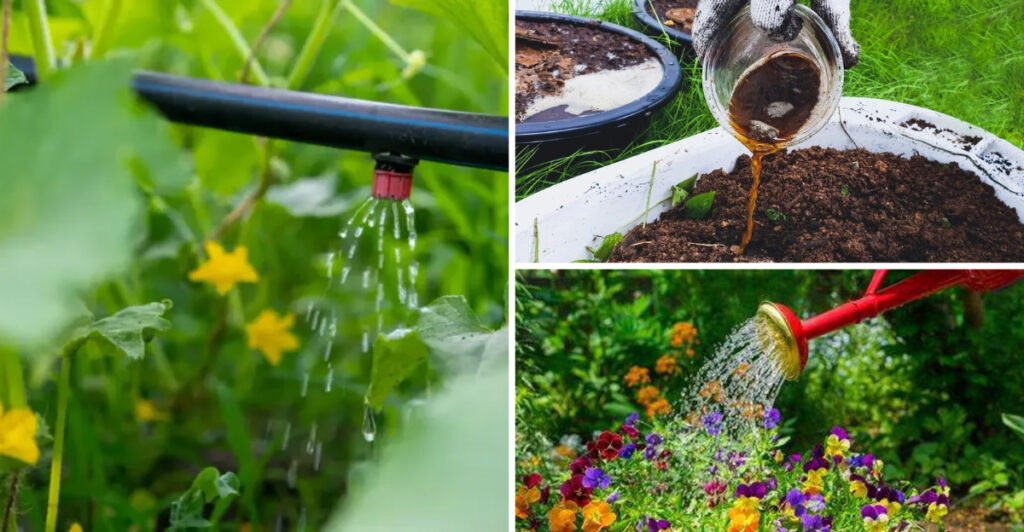
Summer brings sunshine, warmth, and the perfect chance to create an amazing garden. Your outdoor space can become a colorful paradise filled with fresh vegetables, beautiful flowers, and healthy plants. With the right knowledge and simple techniques, anyone can grow a garden that flourishes during the hottest months of the year.
1. Water Early Morning for Best Results
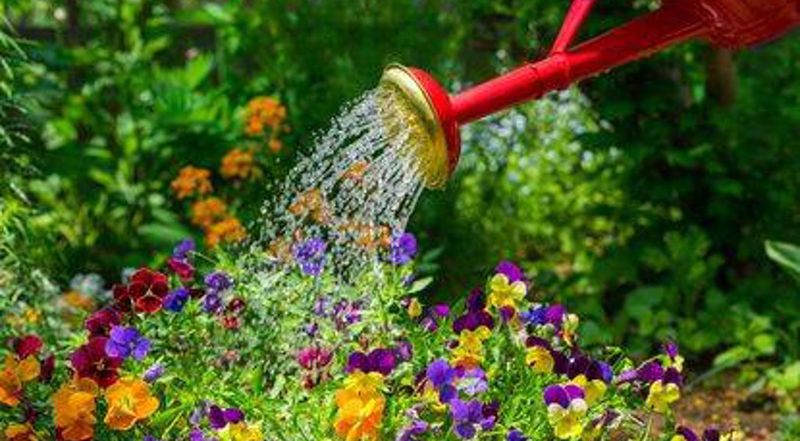
Morning watering gives plants the moisture they need before the hot sun arrives. Plants absorb water better when temperatures are cooler, and wet leaves have time to dry before evening.
Watering at sunrise also prevents fungal diseases that love damp, warm conditions. Your garden will stay healthier and use water more efficiently with this simple timing change.
2. Add Mulch to Keep Soil Cool
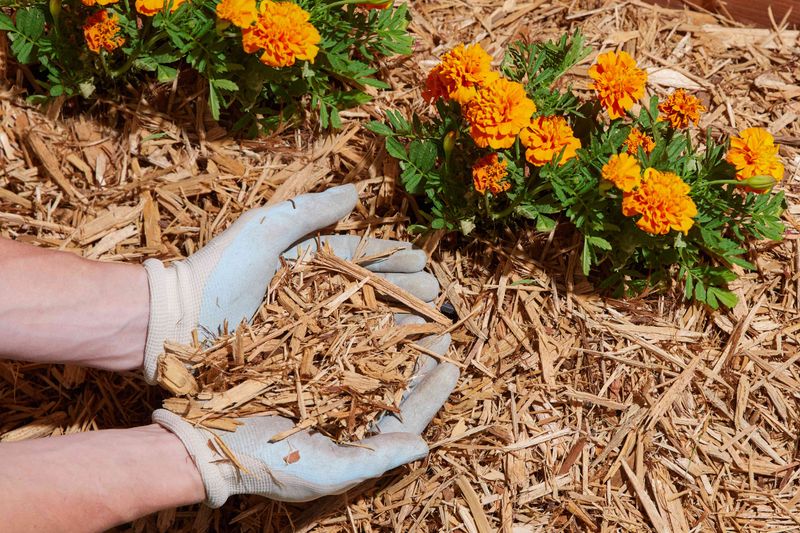
Mulch acts like a protective blanket for your plant roots during scorching summer days. Organic materials such as wood chips, straw, or shredded leaves work wonderfully.
This covering reduces water evaporation by up to 70 percent while keeping weeds away. Apply a three-inch layer around plants, leaving space near stems to prevent rot and pest problems.
3. Choose Heat-Tolerant Plant Varieties
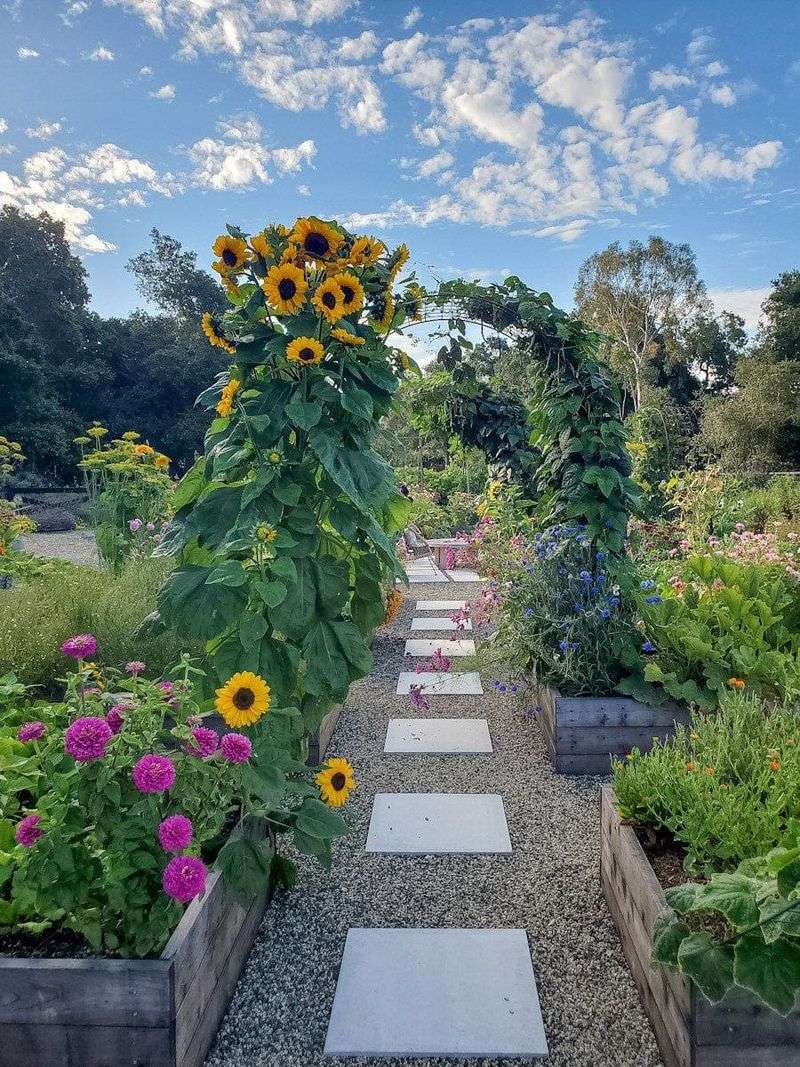
Smart plant selection makes the difference between a struggling garden and a thriving one. Sunflowers, zinnias, marigolds, and peppers absolutely love hot weather conditions.
These champions continue blooming and producing even when temperatures soar above 90 degrees. Research varieties bred specifically for your climate zone to ensure maximum success and minimal frustration during heat waves.
4. Create Shade for Sensitive Plants
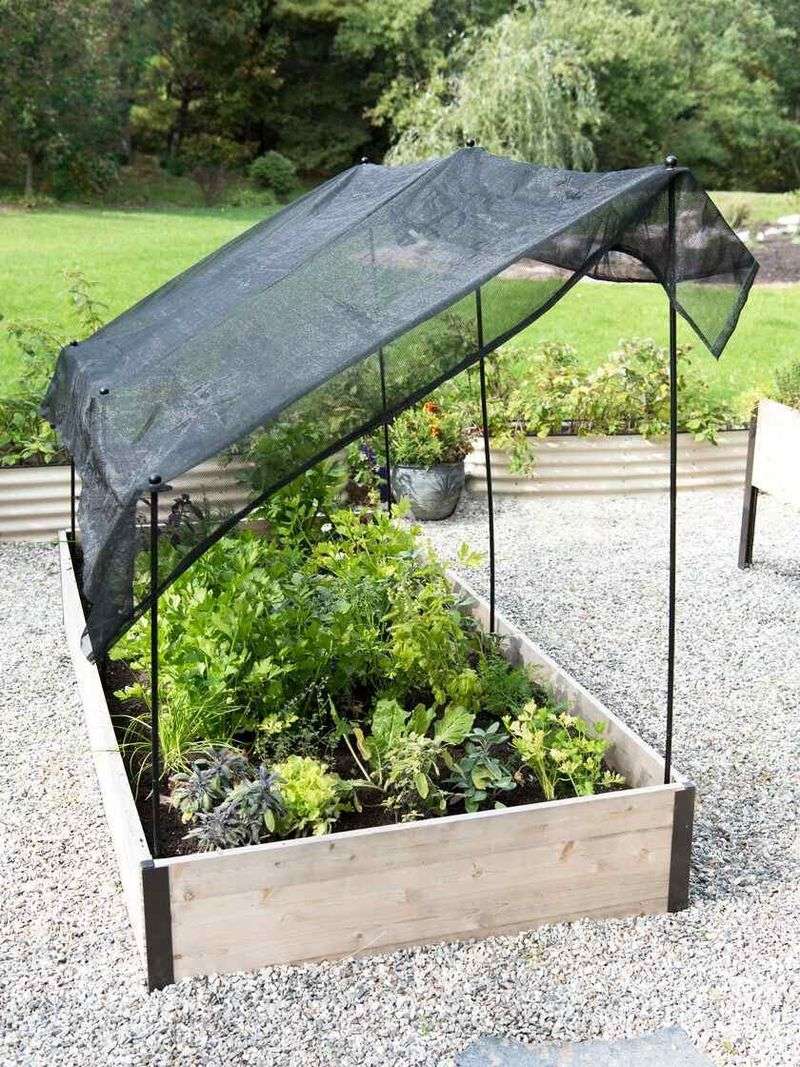
Even sun-loving plants sometimes need protection during extreme heat waves. Shade cloth, old bed sheets, or strategically placed umbrellas can save stressed vegetation.
Lettuce, spinach, and other cool-season crops especially benefit from afternoon shade. Remove coverings during cooler evening hours to allow plants to breathe and receive gentle sunlight for healthy growth.
5. Install Drip Irrigation Systems
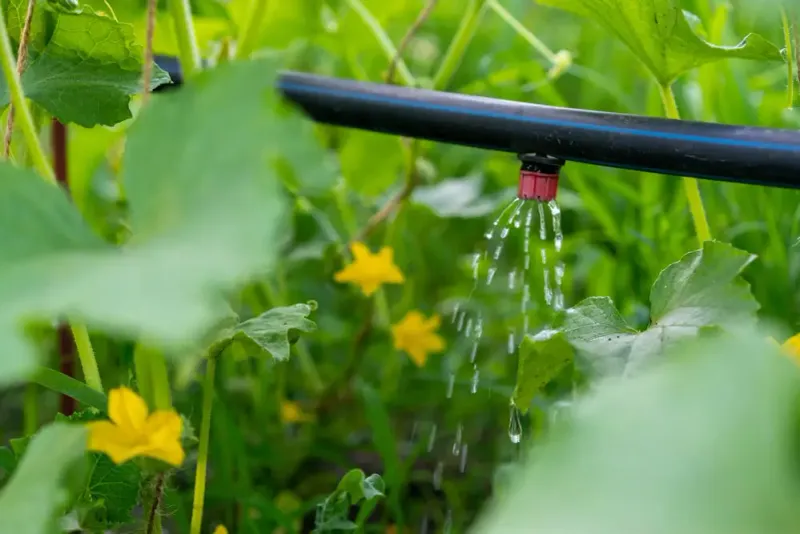
Drip irrigation delivers water directly to plant roots without waste or evaporation. These systems can reduce water usage by 50 percent compared to traditional sprinklers.
Setup takes just one weekend and saves countless hours of hand-watering throughout the season. Plants receive consistent moisture levels, leading to better growth, fewer diseases, and higher vegetable yields for your family.
6. Harvest Vegetables at Peak Ripeness
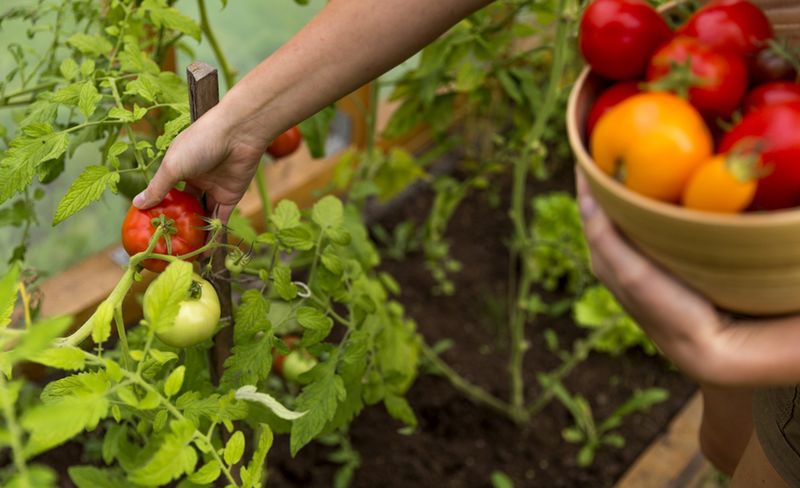
Regular harvesting encourages plants to produce more fruits and vegetables throughout the growing season. Check your garden every other day during peak summer months.
Pick tomatoes when they show color but feel slightly firm. Harvest beans and squash while young and tender for the best flavor and texture in your summer meals.
7. Feed Plants with Liquid Fertilizer
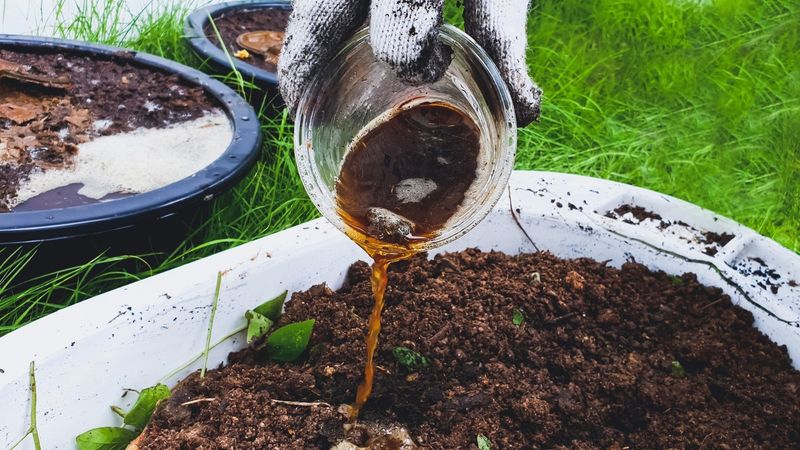
Summer heat accelerates plant growth, creating higher nutrient demands than other seasons. Liquid fertilizers provide quick nutrition that plants can absorb immediately through their roots.
Apply diluted fish emulsion or compost tea every two weeks during active growing periods. This feeding schedule supports continuous blooming in flowers and steady fruit production in vegetable crops.
8. Monitor for Summer Pests Daily
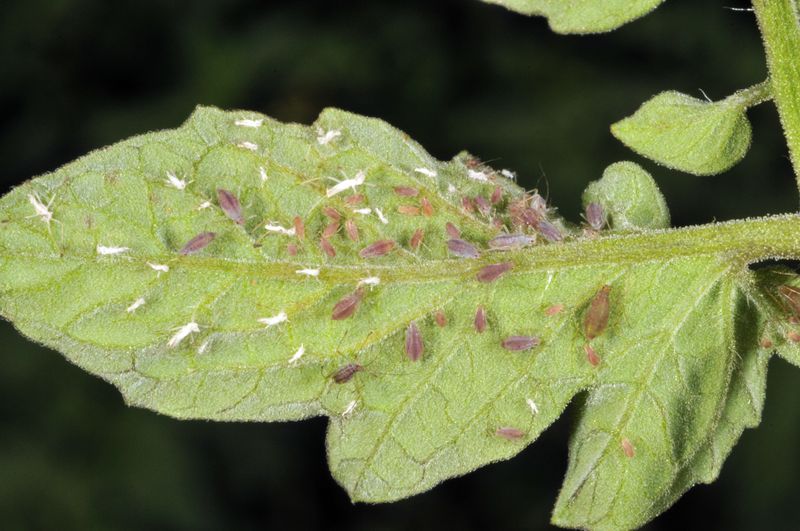
Warm weather brings increased insect activity to gardens everywhere. Aphids, spider mites, and caterpillars multiply rapidly in hot conditions.
Check plant leaves, especially undersides, for early signs of pest damage or egg clusters. Catching problems early allows for natural solutions like beneficial insects or organic sprays before infestations become overwhelming and destructive.
9. Provide Deep Weekly Watering
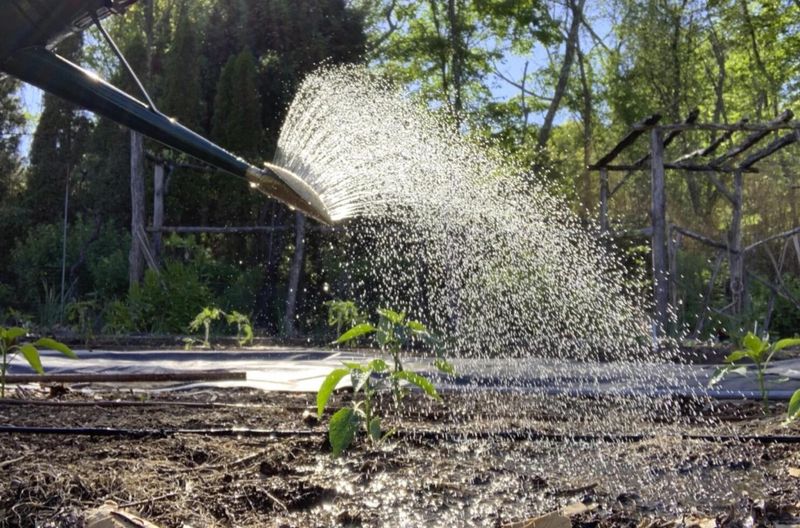
Deep, infrequent watering encourages strong root systems that can withstand drought conditions better than shallow daily sprinkling.
Apply one inch of water per week, including rainfall, to most garden plants. Use a rain gauge or empty tuna can to measure water depth accurately and adjust your watering schedule based on weather patterns.
10. Deadhead Flowers for Continuous Blooms
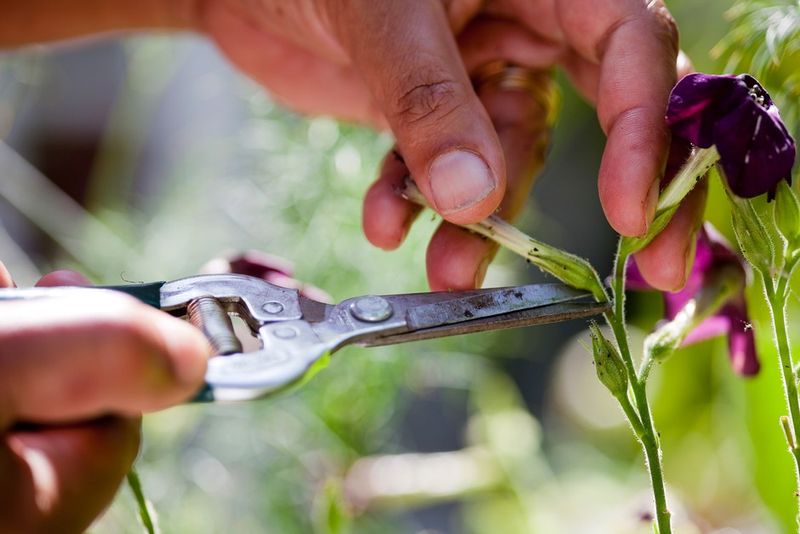
Removing spent flower heads redirects plant energy from seed production back into creating new blooms. This simple maintenance task extends flowering periods significantly.
Use clean scissors or pinch off faded flowers just above the next leaf node or bud. Marigolds, petunias, and cosmos respond especially well to regular deadheading throughout the entire summer season.
11. Plant Heat-Loving Herbs in Containers
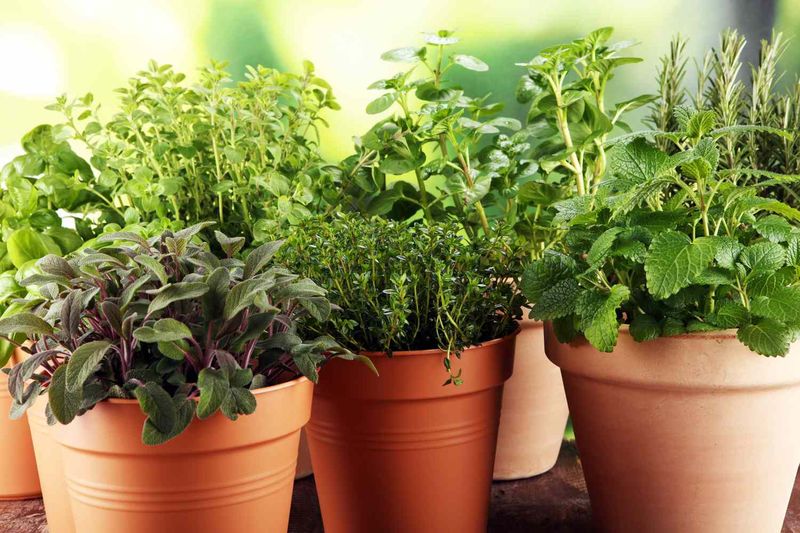
Basil, oregano, and rosemary thrive in containers during summer heat waves. Pots allow you to move plants to optimal locations as weather conditions change.
Container herbs often produce more intense flavors due to concentrated root systems and controlled growing conditions. Place pots near your kitchen for convenient harvesting while cooking fresh summer meals.
12. Start a Compost Pile for Soil Health
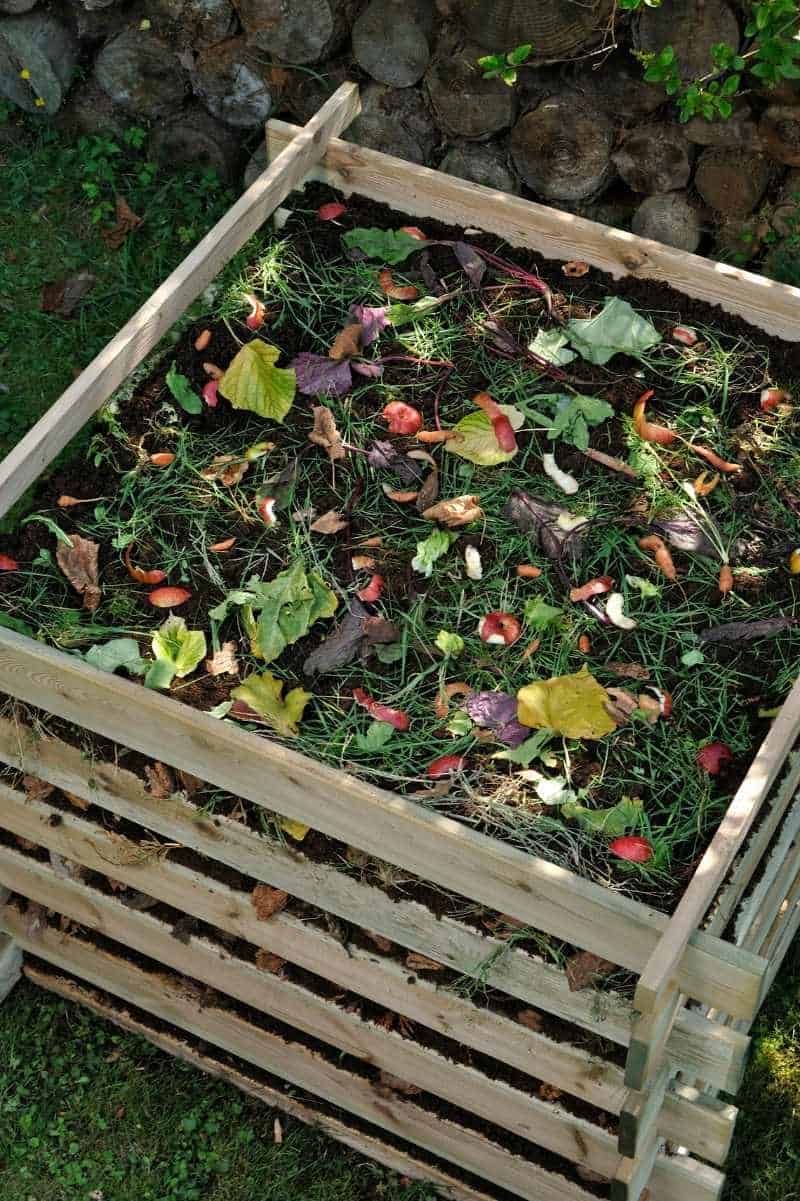
Summer heat accelerates decomposition, making it the perfect time to begin composting kitchen scraps and yard waste.
Combine green materials like vegetable peels with brown materials such as dry leaves in equal proportions. Turn the pile weekly to provide oxygen and maintain proper moisture levels for faster breakdown into nutrient-rich soil amendment.
13. Use Companion Planting Strategies
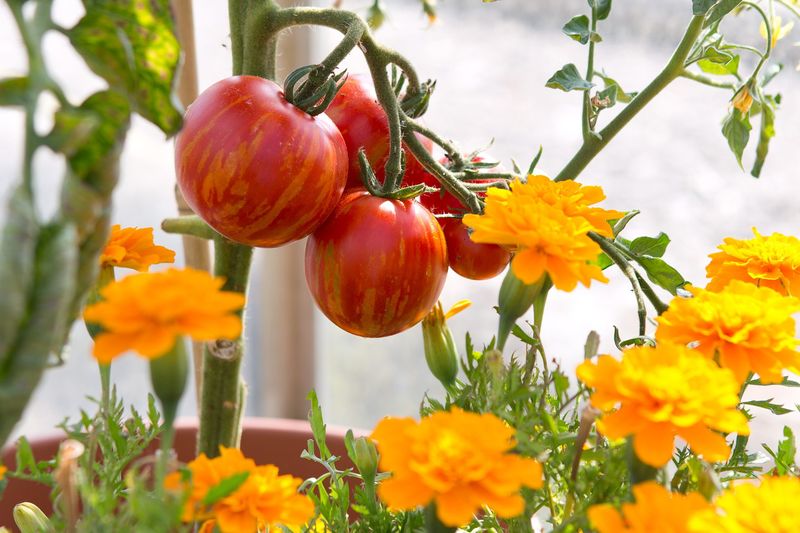
Certain plant combinations naturally support each other’s growth and pest resistance during challenging summer conditions.
Plant marigolds near tomatoes to repel harmful insects, or grow basil alongside peppers for improved flavor and growth. Tall sunflowers provide natural shade for shorter, heat-sensitive plants like lettuce and spinach in mixed garden beds.
14. Protect Plants from Extreme Weather
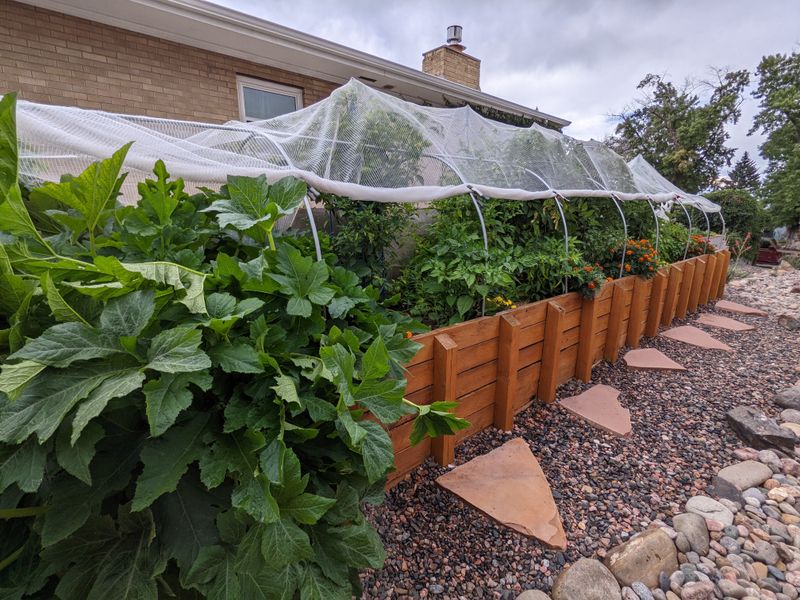
Summer storms can damage plants with strong winds, hail, and heavy rainfall. Prepare protective measures before severe weather arrives in your area.
Stakes and cages support tall plants against wind damage, while row covers shield delicate crops from hail. Move container plants to sheltered locations when weather forecasts predict severe summer storms.
15. Maintain Proper Soil pH Levels
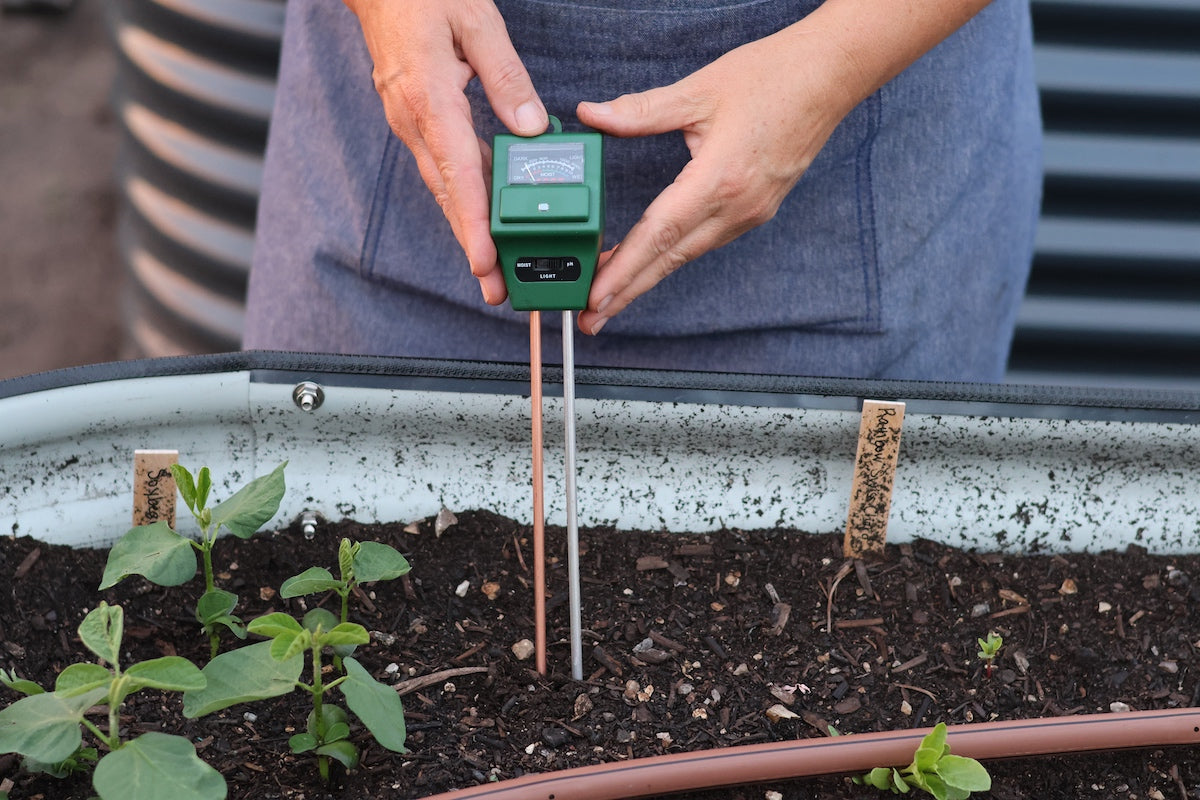
Most vegetables and flowers prefer slightly acidic to neutral soil with pH levels between 6.0 and 7.0 for optimal nutrient absorption.
Test soil pH using inexpensive strips from garden centers, then adjust with lime to raise pH or sulfur to lower it. Proper pH ensures plants can access nutrients effectively, even during stressful summer heat periods.
16. Create Windbreaks for Plant Protection

Strong summer winds can stress plants, increase water evaporation, and damage tender growth on young seedlings.
Temporary windbreaks using bamboo screens, fabric, or even tall plants like corn can reduce wind speed by 50 percent. Position barriers on the windward side of sensitive plants to create calmer microclimates for better growth.
17. Plan for Succession Planting
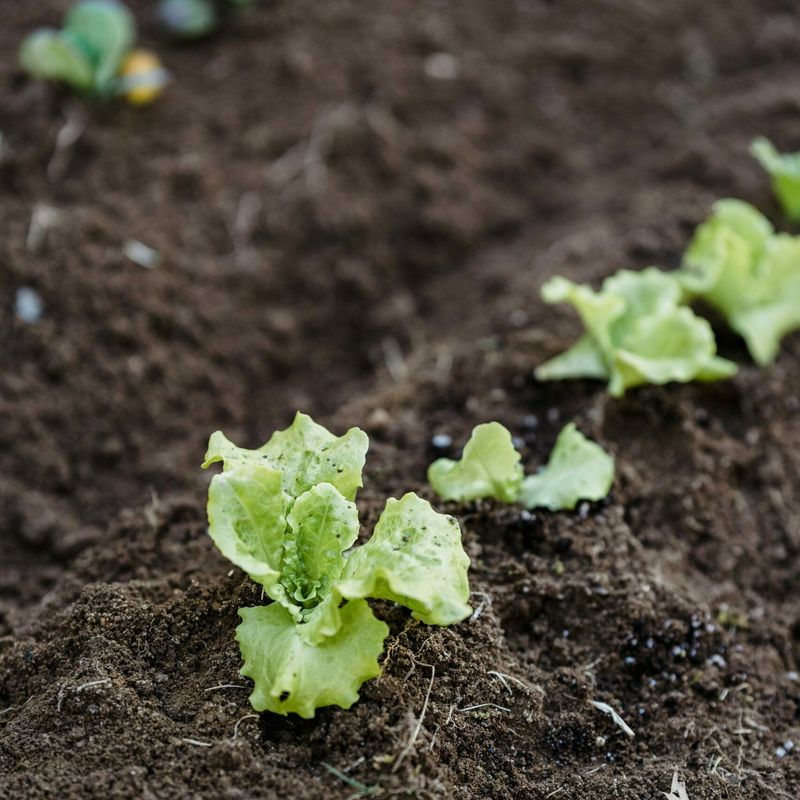
Stagger plantings of quick-growing crops like lettuce, radishes, and beans every two weeks for continuous harvests throughout summer.
This technique ensures fresh vegetables are always ready when others finish producing or bolt in heat. Start new seeds in cooler, shaded areas during hot weather to improve germination rates and seedling survival.