
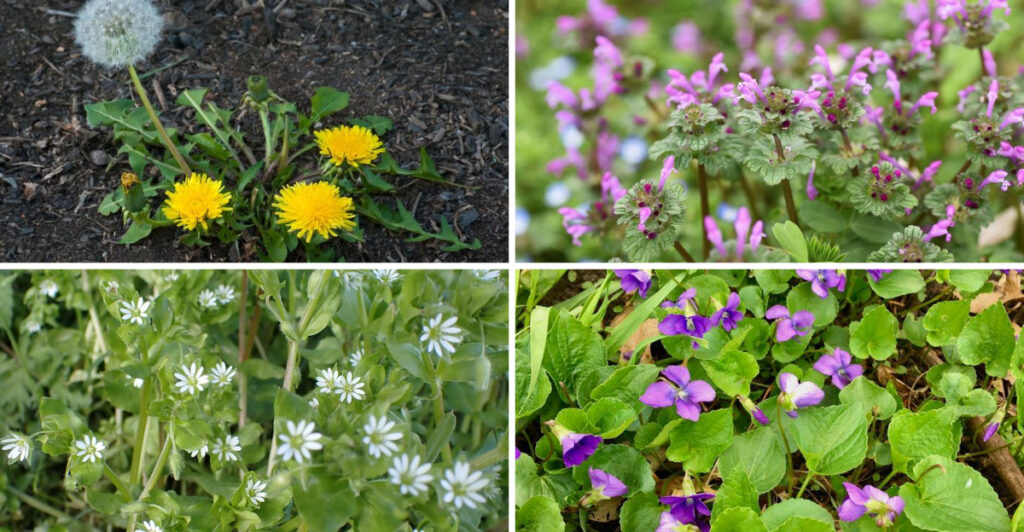
Walking through your garden, you might spot what appears to be a beautiful wildflower blooming among your plants. However, that pretty bloom could actually be a sneaky weed in disguise! Many common weeds produce colorful, attractive flowers that fool even experienced gardeners. Learning to identify these imposters will help you maintain a healthier garden while appreciating nature’s clever tricks.
1. Dandelion
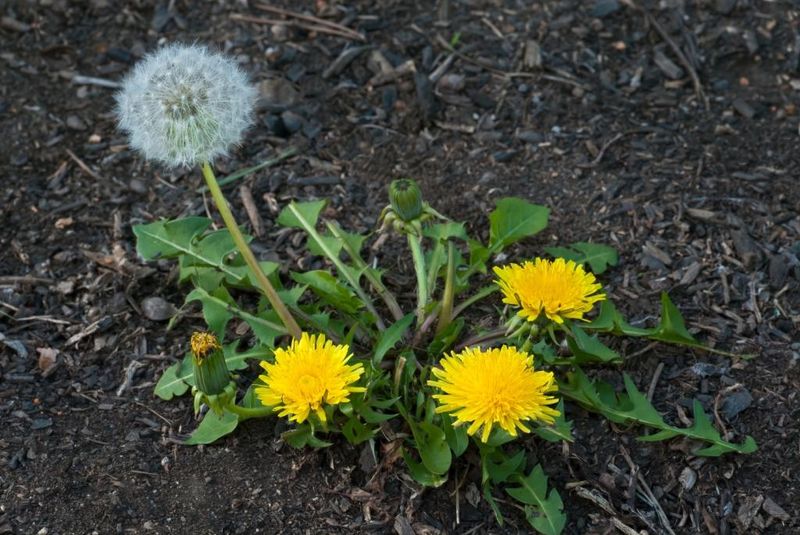
Bright yellow petals arranged in perfect circles make dandelions look like cheerful garden flowers. Children love picking these sunny blooms for bouquets, not knowing they’re actually persistent weeds.
Every part of this plant spreads quickly through lawns and flower beds. The fluffy white seed heads that replace yellow flowers can scatter hundreds of seeds with just one breeze, creating new weeds everywhere they land.
2. Clover
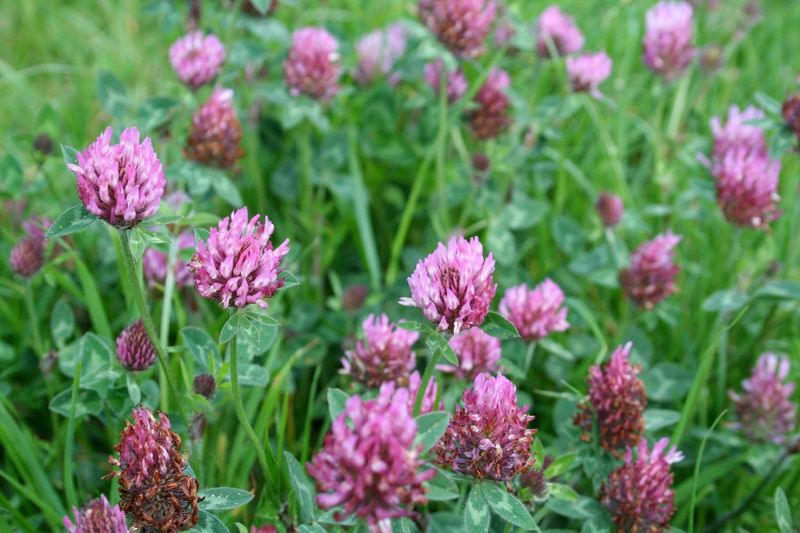
Purple, white, or pink globe-shaped flower heads sit atop three-leaflet stems that carpet many yards. Bees absolutely love visiting these sweet-smelling blooms during summer months.
While clover fixes nitrogen in soil naturally, it quickly takes over grass areas where homeowners want uniform lawns. The flowers may look delicate and pretty, but the plant’s spreading root system makes it incredibly difficult to remove once established in your yard.
3. Plantain
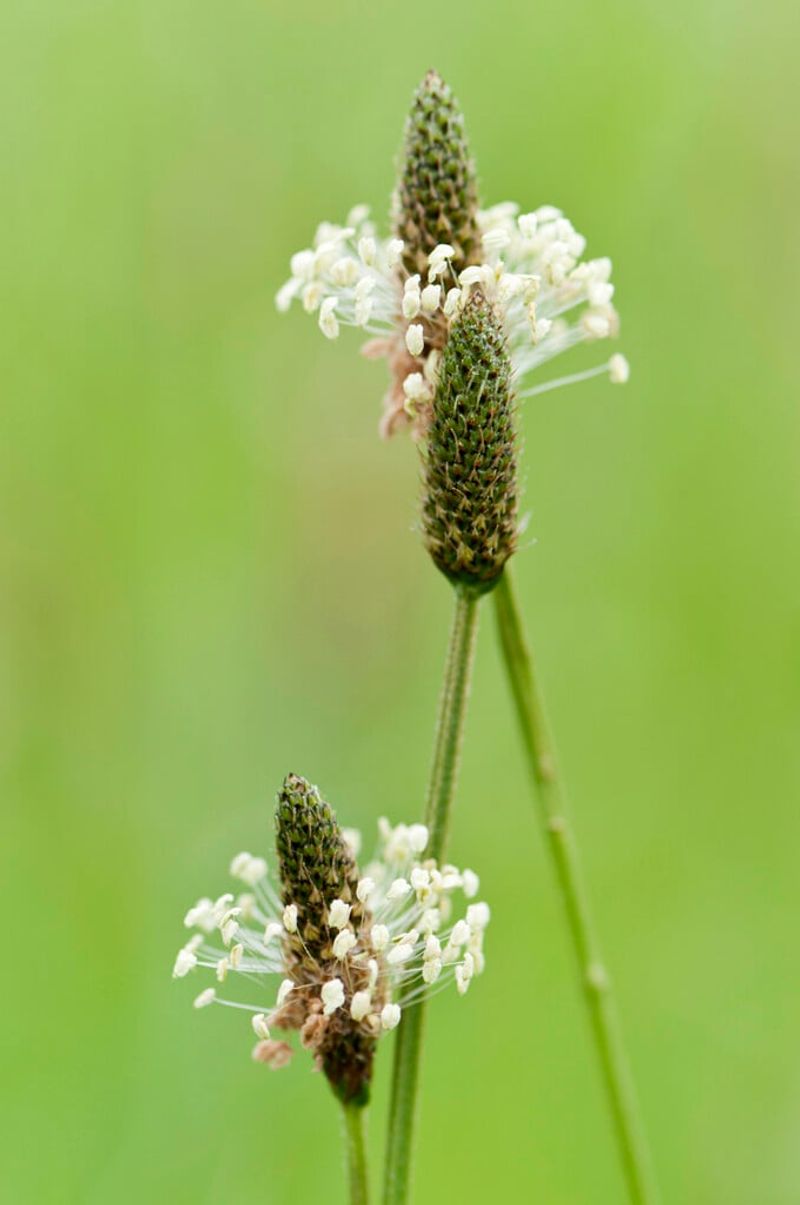
Tall spikes topped with tiny greenish-white flowers rise from rosettes of ribbed leaves. Many people mistake these flower spikes for ornamental grass plumes in garden centers.
Plantain thrives in compacted soil where other plants struggle to grow. The inconspicuous flowers produce thousands of seeds that stick to shoes, pet fur, and clothing. Native Americans called this plant “white man’s footprint” because it followed European settlers everywhere they traveled.
4. Chickweed
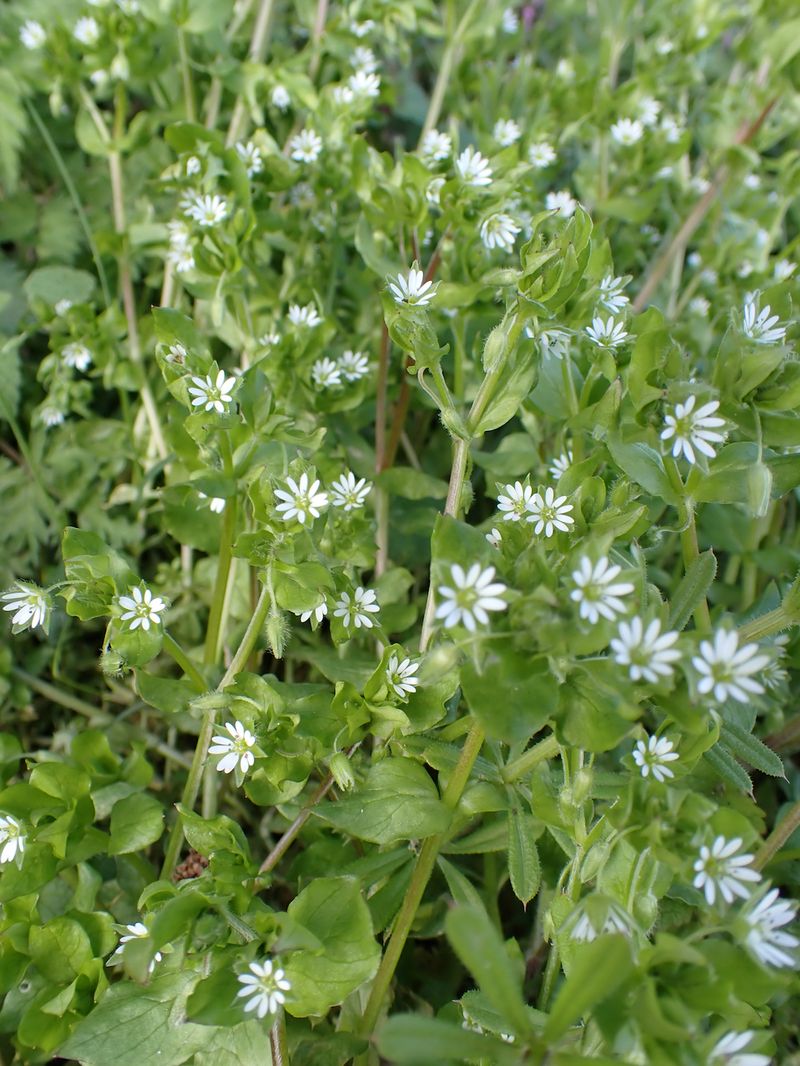
Tiny white star-shaped flowers with deeply notched petals create delicate carpets across garden beds. The flowers are so small and pretty that many gardeners initially think they’ve planted some forgotten ground cover.
This low-growing annual spreads rapidly through cool weather, producing flowers almost year-round in mild climates. Each plant can produce thousands of seeds, and the stems root wherever they touch soil, making chickweed particularly troublesome in vegetable gardens and flower beds.
5. Wild Violet
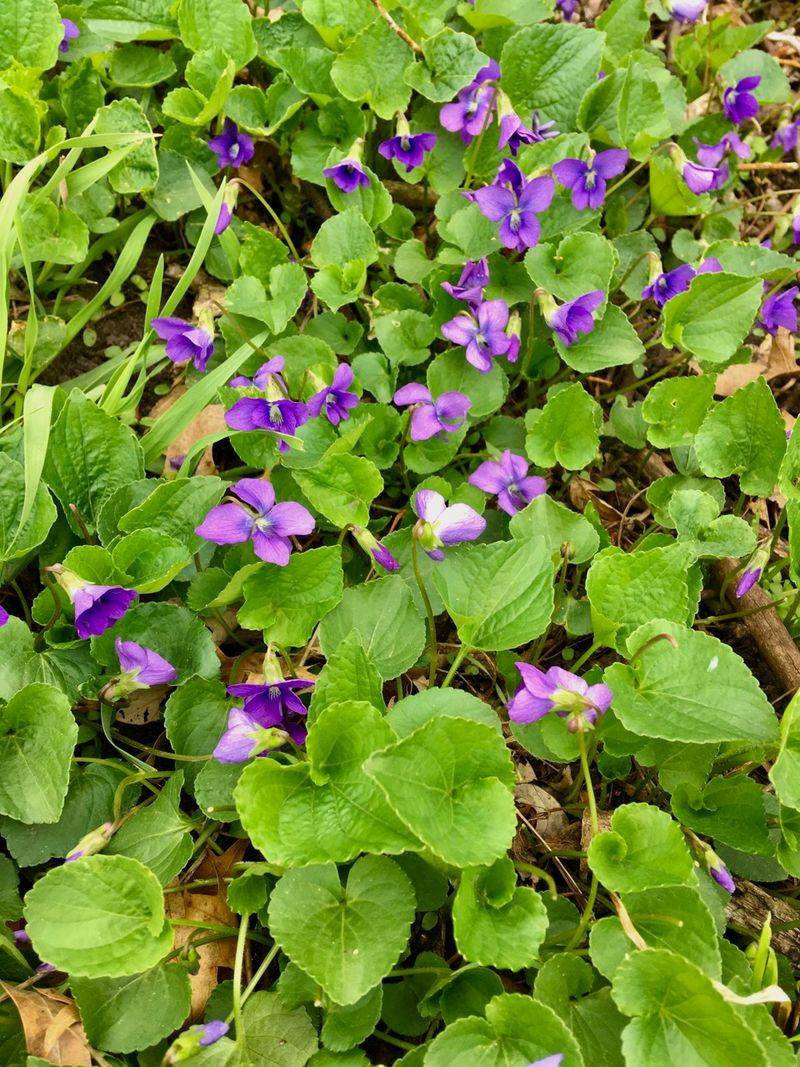
Heart-shaped leaves surround purple, white, or yellow flowers that look exactly like cultivated garden violets. The sweet fragrance and pretty petals often fool gardeners into leaving them alone.
Underground rhizomes and self-seeding habits help wild violets spread aggressively through lawns and shaded garden areas. While the flowers are edible and historically used in cooking, these persistent perennials can quickly overwhelm desired plants in flower beds and ground cover areas.
6. Henbit
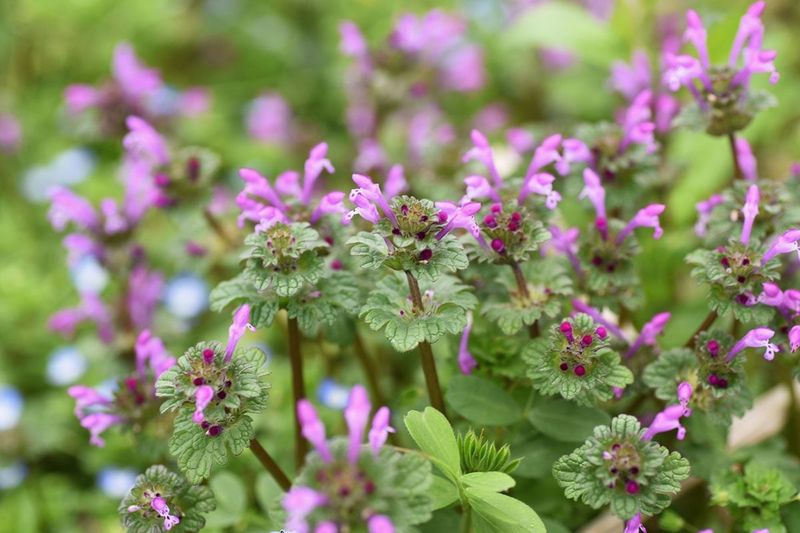
Purple tubular flowers cluster around square stems with scalloped leaves, creating an attractive display in early spring. The flowers resemble those of expensive ornamental salvias sold at garden centers.
Cool weather encourages henbit to bloom prolifically before most garden plants wake up from winter dormancy. This annual weed completes its entire life cycle quickly, dropping seeds that germinate in fall and overwinter as small plants ready to explode with growth come springtime.
7. Purslane
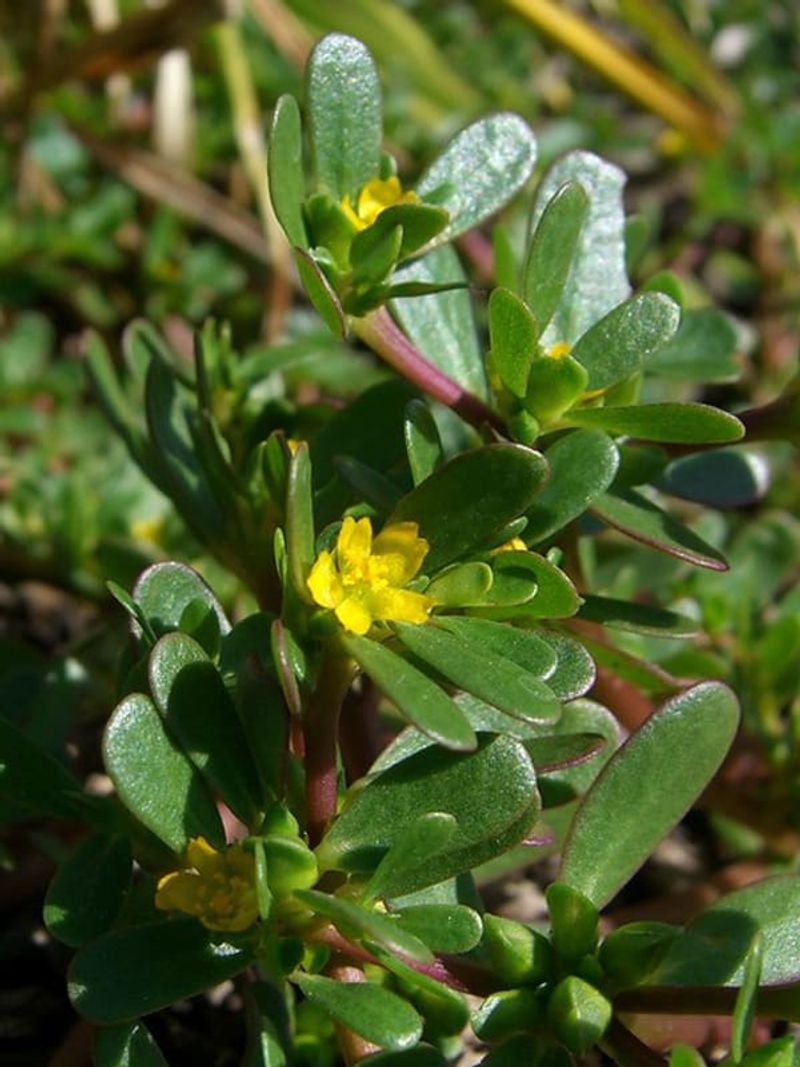
Bright yellow five-petaled flowers open only in morning sunlight, sitting atop succulent reddish stems with paddle-shaped leaves. The flowers look remarkably similar to those of expensive portulaca annuals.
Hot summer weather that kills other weeds actually encourages purslane to thrive and spread. The fleshy stems store water efficiently, allowing this annual to survive drought conditions. Broken stem pieces can root and create new plants, making mechanical removal tricky for gardeners.
8. Shepherd’s Purse
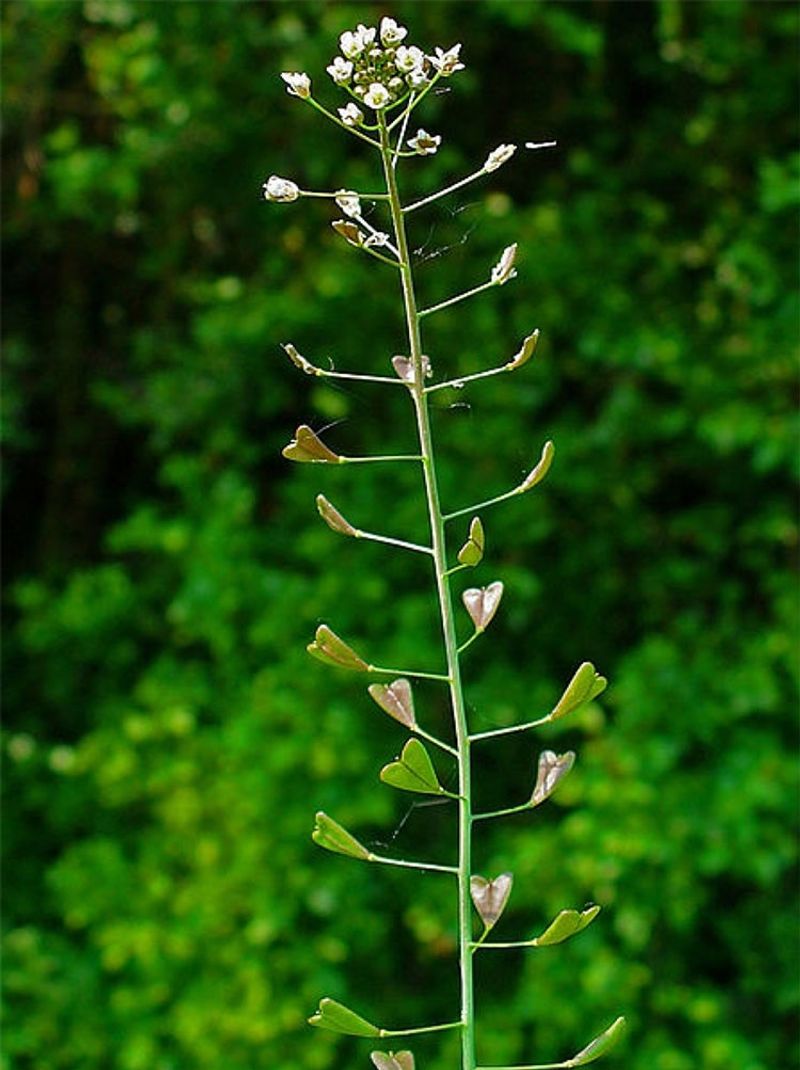
Tiny white four-petaled flowers cluster along tall stems rising from basal rosettes of deeply lobed leaves. The delicate flowers resemble those of sweet alyssum or candytuft.
Heart-shaped seed pods that follow the flowers give this plant its common name and help with identification. Each plant can produce thousands of seeds that remain viable in soil for decades. The rosette leaves hug the ground tightly, making this winter annual difficult to remove completely.
9. Speedwell
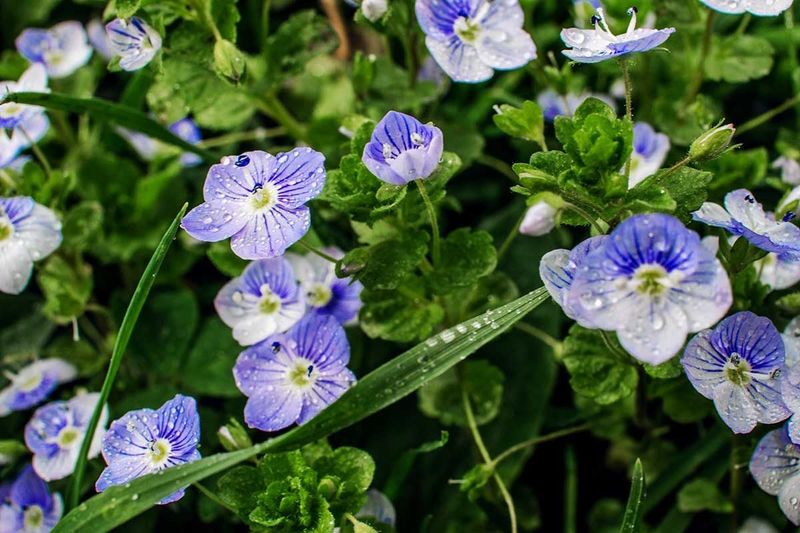
Bright blue flowers with white centers create charming displays along creeping stems with small oval leaves. The flowers are so attractive that some varieties are actually sold as ornamental ground covers.
Perennial speedwell forms dense mats that crowd out grass and other plants through aggressive spreading. The pretty blue flowers bloom for extended periods, producing numerous seeds. Each stem segment can root independently, making this weed particularly persistent once it establishes in lawns or garden beds.
10. Wood Sorrel
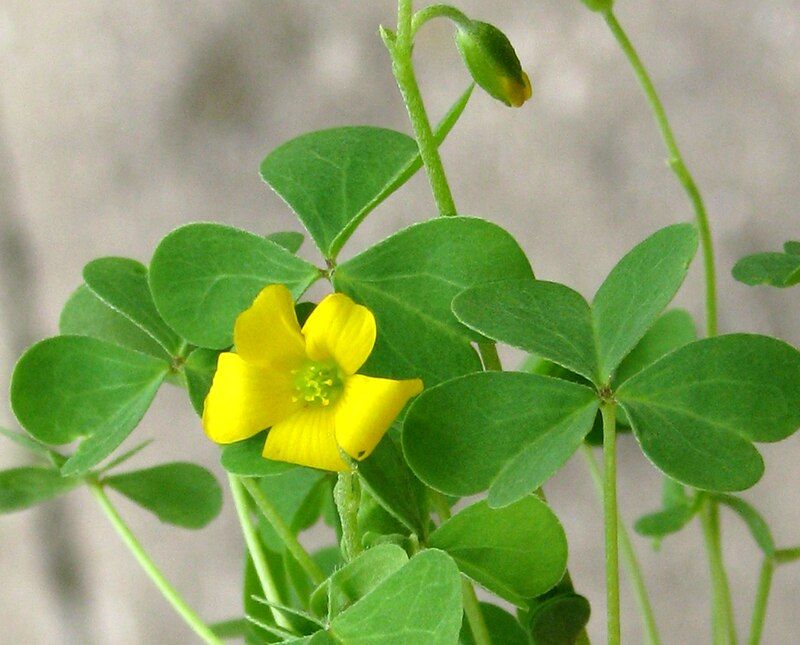
Bright yellow cup-shaped flowers with five petals bloom above three-leaflet stems that resemble clover. Many people mistake this plant for a delicate wildflower worth preserving in shaded areas.
Heart-shaped leaflets fold up at night or during cloudy weather, creating an interesting display. The explosive seed pods can shoot seeds several feet away when ripe. Bulbils and creeping stems help wood sorrel spread rapidly through garden beds and lawn edges.
11. Field Bindweed
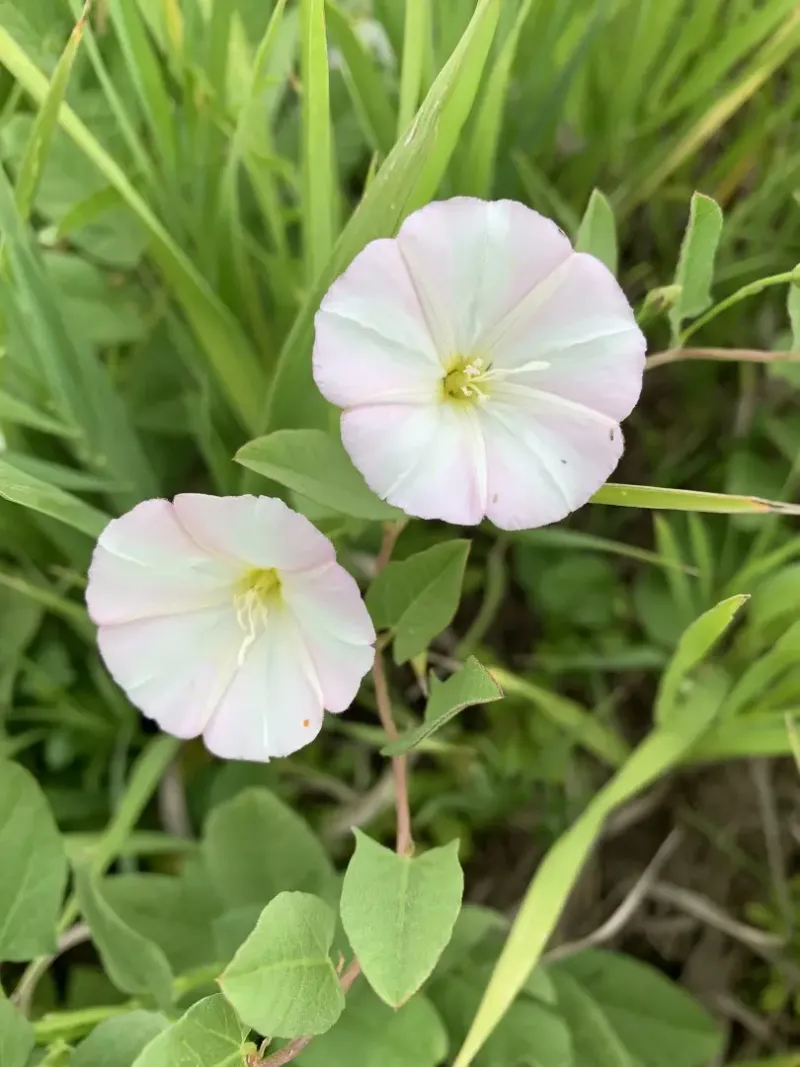
White or pink trumpet-shaped flowers that look exactly like morning glories twist along climbing vines. The beautiful blooms often trick gardeners into thinking someone planted ornamental vines in their gardens.
Deep taproot systems extending up to 20 feet underground make bindweed nearly impossible to eliminate completely. The twining vines can strangle garden plants and pull down fences. Each flower produces seeds that remain viable for 30 years in soil.
12. Red Clover
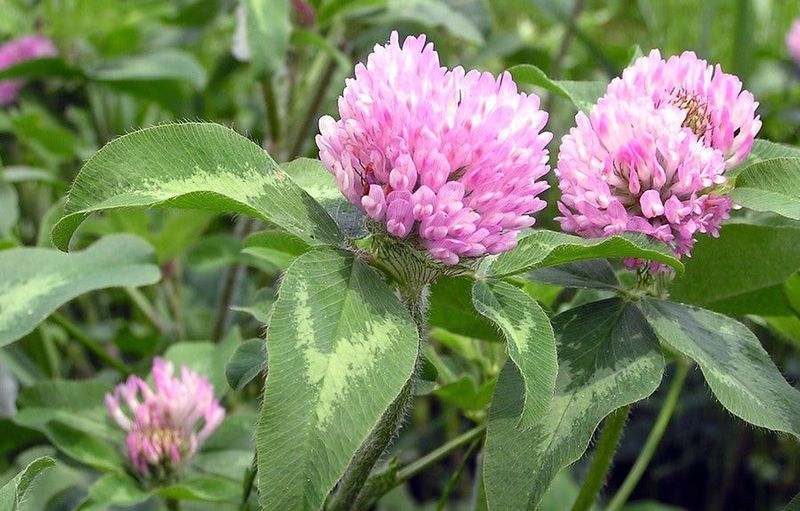
Rose-pink globe-shaped flower heads sit atop tall stems with distinctive three-part leaves marked by white chevrons. The sweet-scented blooms attract butterflies and bees throughout summer months.
While beneficial for soil nitrogen and wildlife, red clover can quickly dominate flower beds and vegetable gardens. The long taproot makes individual plants difficult to remove. Seeds can lie dormant in soil for years before germinating when conditions become favorable for growth.
13. Mallow
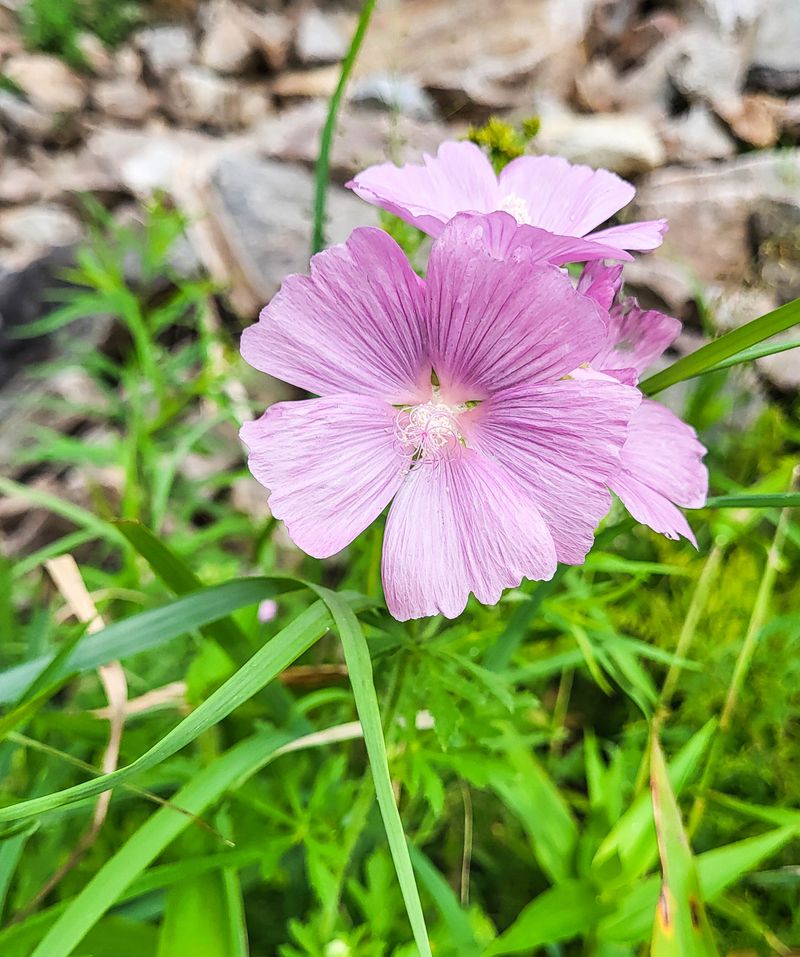
Pink or white five-petaled flowers with prominent stamens look remarkably similar to small hibiscus blooms. The attractive flowers and rounded, scalloped leaves often fool people into thinking this is an ornamental plant.
Cheese-wheel shaped seed pods that follow flowers help identify this persistent weed. Deep taproots and spreading growth habit make mallow difficult to control in garden beds. The plant can bloom continuously from spring through fall in favorable conditions.
14. Lamb’s Quarters
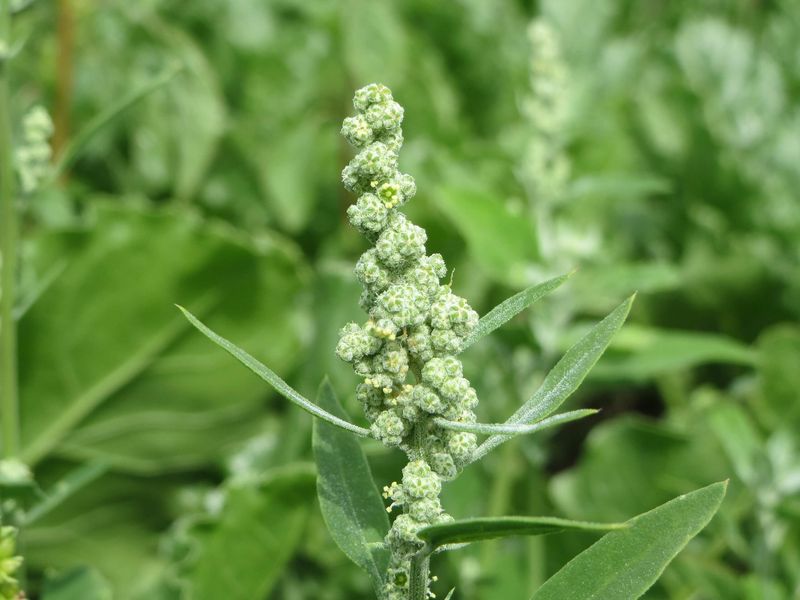
Dense clusters of tiny greenish-white flowers top tall stems with diamond-shaped leaves that have white undersides. The flower clusters can be quite showy and resemble ornamental amaranth varieties.
Young leaves are actually edible and taste similar to spinach, making this one of the more useful weeds. However, mature plants can reach six feet tall and produce thousands of seeds. The distinctive white coating on leaf undersides helps distinguish lamb’s quarters from similar plants.
15. Galium
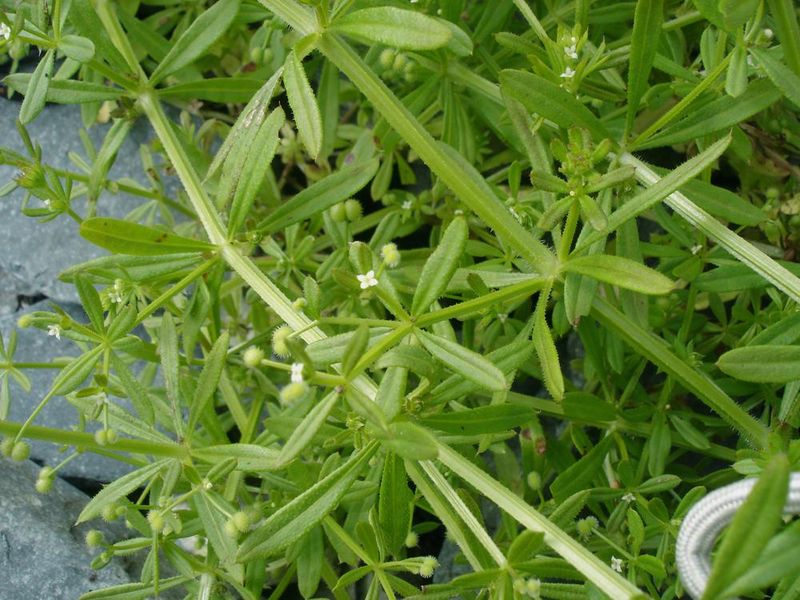
Tiny white four-petaled flowers cluster along square stems surrounded by whorls of narrow leaves. The delicate appearance and sweet fragrance make galium look like baby’s breath or other ornamental flowers.
Sticky stems and leaves help this annual weed cling to clothing, pets, and other plants for seed dispersal. Square stems that feel rough to the touch distinguish galium from similar-looking plants. The aggressive spreading habit can quickly overwhelm garden beds and lawn edges.
16. Oxalis
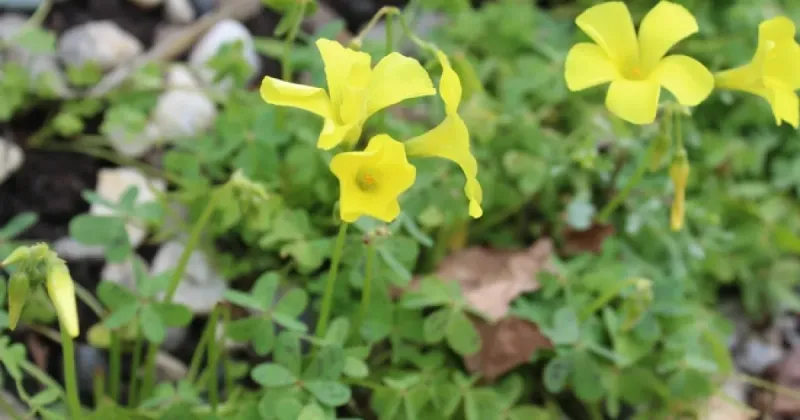
Bright yellow five-petaled flowers bloom above shamrock-shaped leaves that fold up at night. The cheerful flowers and attractive foliage often make gardeners hesitate before removing this persistent weed.
Bulbils underground and explosive seed pods help oxalis spread rapidly through flower beds and container plants. The sour taste of leaves gives this plant its common name “sour grass.” Once established, the underground bulb system makes complete removal extremely challenging for most gardeners.
17. Creeping Charlie
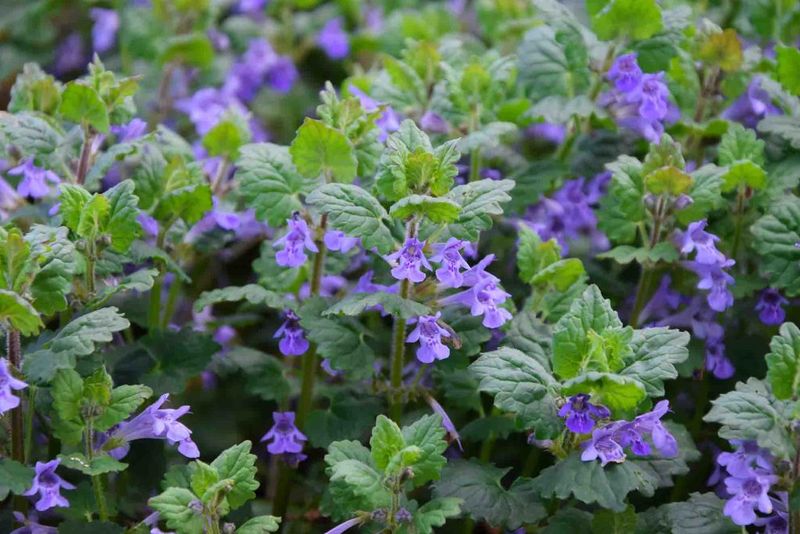
Small purple trumpet-shaped flowers bloom along trailing stems with round, scalloped leaves. The attractive flowers and dense ground-covering habit make this plant look like an intentional ornamental ground cover.
Square stems and mint family fragrance when crushed help identify this persistent perennial. Creeping Charlie thrives in shaded areas where grass struggles to grow. The trailing stems root at every node, creating dense mats that exclude other plants completely.
18. Prickly Lettuce
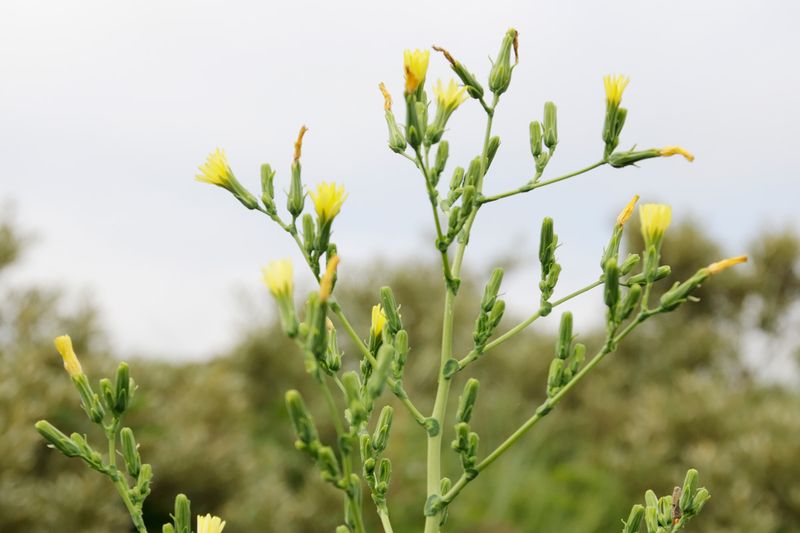
Small yellow dandelion-like flowers cluster at the tops of tall stems that can reach six feet in height. The flowers are attractive enough that some people mistake this plant for a wild sunflower variety.
Spiny edges along leaves and stems give this annual its common name and help with identification. The milky sap that oozes from broken stems can cause skin irritation. Seeds with white fluffy parachutes disperse easily on wind currents, spreading this weed to new locations.
19. Ground Ivy
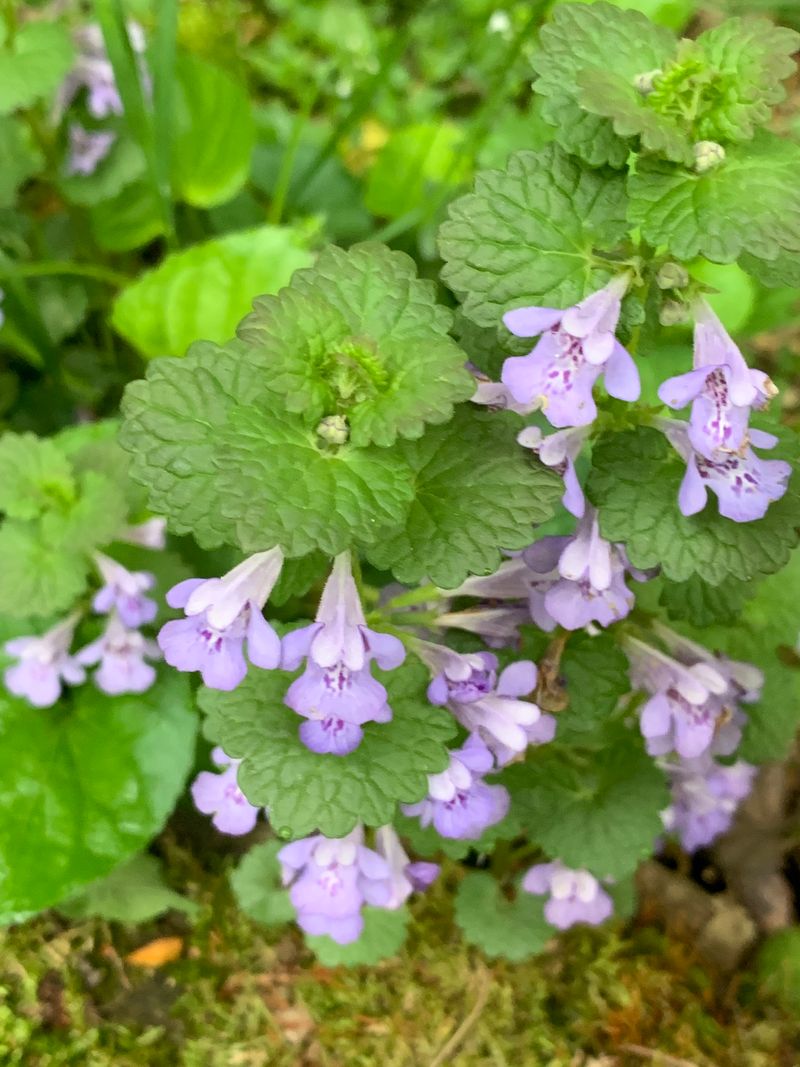
Purple-blue tubular flowers bloom along creeping stems with kidney-shaped leaves that have scalloped edges. The attractive flowers and dense mat-forming habit often fool people into thinking this is desirable ground cover.
Strong mint fragrance when leaves are crushed reveals this plant’s family connection. Ground ivy spreads aggressively through lawn areas, especially in shaded spots under trees. The trailing stems root wherever they touch soil, making mechanical removal difficult and time-consuming.