 Complete Gardening
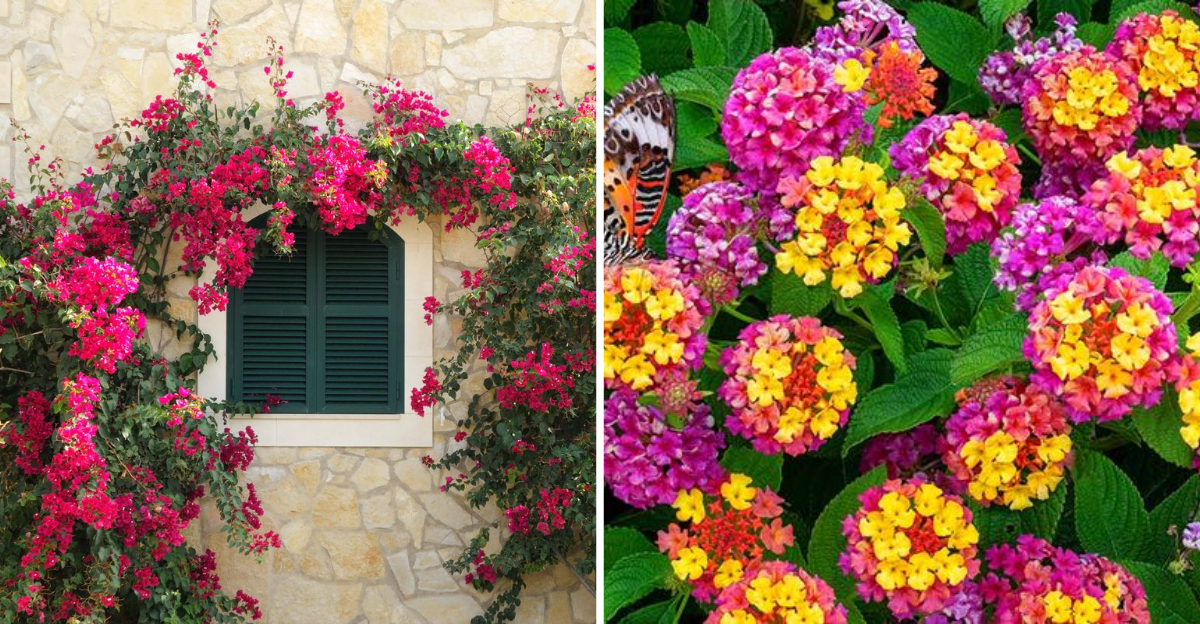
Many gardeners think heat-loving plants require constant attention and special care. However, recent discoveries show these sun-worshipping beauties are actually some of the easiest plants to grow. Most heat-tolerant plants have evolved amazing survival skills that make them perfect for busy gardeners. Your summer garden just got a whole lot easier to maintain!
1. Bougainvillea – The Colorful Climber That Thrives on Neglect
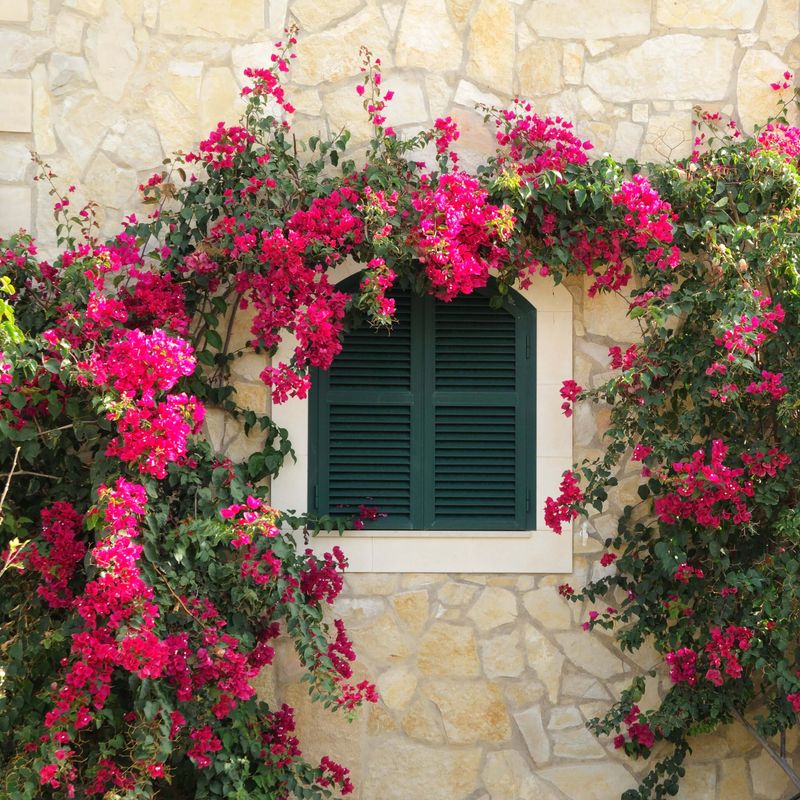
Bougainvillea actually produces more vibrant flowers when you forget to water it regularly. This Mediterranean beauty stores water in its stems and leaves, making it drought-resistant.
Plant it once and watch it climb fences, walls, or trellises without any help. The secret lies in its papery bracts that look like flowers but last much longer than regular petals.
Simply trim it occasionally to keep growth manageable.
2. Lantana – The Butterfly Magnet That Waters Itself
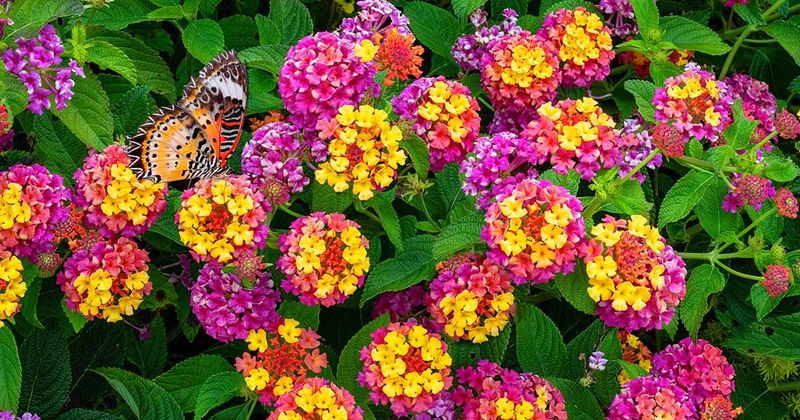
Lantana flowers change colors as they age, creating a rainbow effect on each plant cluster. Native to tropical regions, this hardy shrub has developed waxy leaves that prevent water loss.
Butterflies and hummingbirds flock to its nectar-rich blooms throughout summer. The plant actually performs better in poor soil than rich, fertilized ground.
Deadheading spent flowers encourages more blooms, but even this step is optional.
3. Succulents – Living Water Tanks for Your Garden
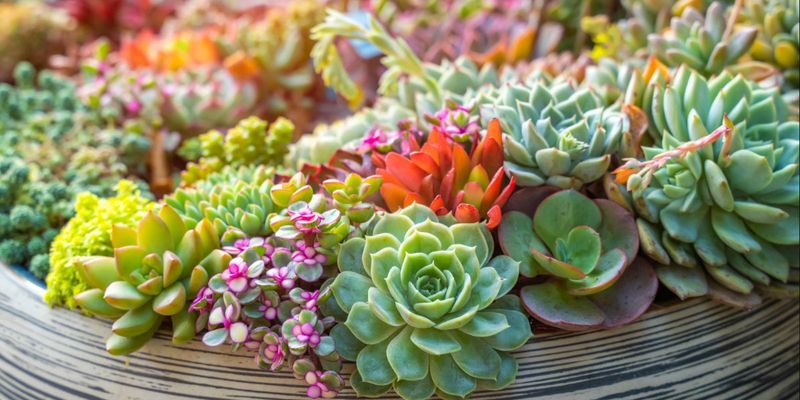
Aloe, echeveria, and jade plants store months of water in their thick, fleshy leaves. These remarkable plants close their pores during hot days to prevent moisture loss.
Overwatering kills succulents faster than drought ever could. Their shallow root systems quickly absorb any available moisture from brief rain showers.
Most varieties multiply naturally, giving you free plants to share with friends and neighbors.
4. Rosemary – The Herb That Seasons Itself for Success
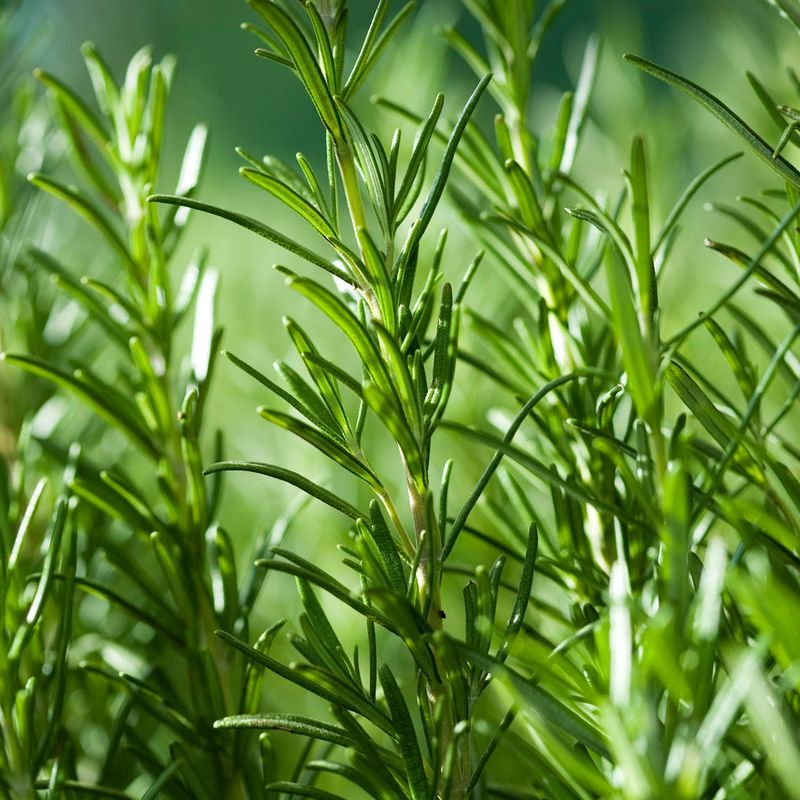
Mediterranean rosemary releases aromatic oils that actually protect it from heat stress and pests. This evergreen herb prefers rocky, well-draining soil over rich garden beds.
Pruning provides fresh herbs for cooking while keeping the plant compact and healthy. Established rosemary plants can survive weeks without supplemental watering.
Its needle-like leaves minimize surface area, reducing water evaporation during scorching summer days.
5. Zinnia – Annual Flowers That Bloom Until Frost
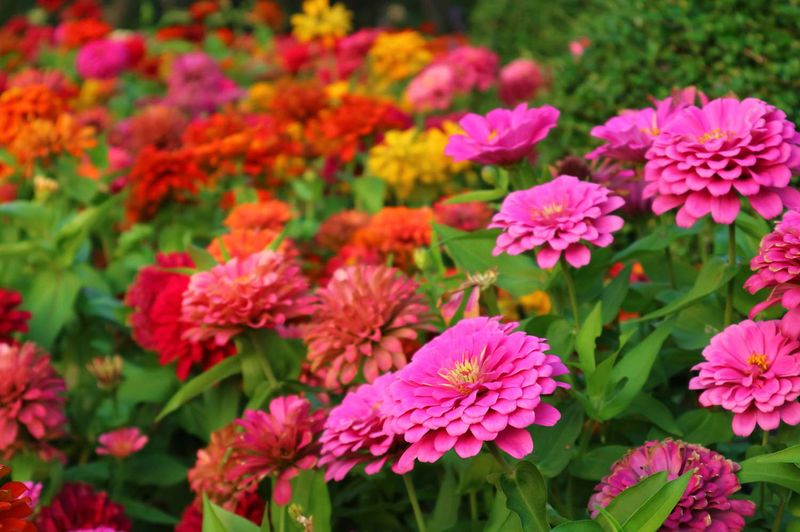
Zinnias produce more flowers when temperatures soar above 90 degrees Fahrenheit. These cheerful annuals have deep taproots that seek moisture far below the surface.
Cutting flowers for bouquets actually encourages the plant to produce even more blooms. Seeds planted directly in garden soil often outperform expensive nursery transplants.
Children love growing zinnias because they germinate quickly and require minimal garden experience to succeed.
6. Lavender – Aromatic Insurance Against Garden Stress
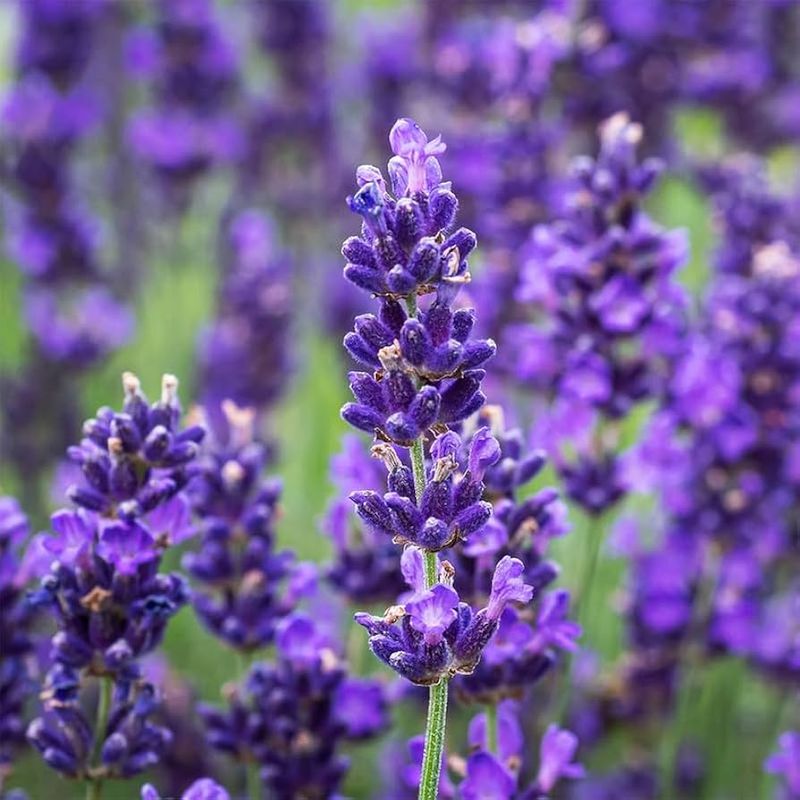
Lavender’s silvery foliage reflects intense sunlight while its essential oils provide natural pest protection. This perennial herb actually develops stronger fragrance during hot, dry periods.
Bees and beneficial insects visit lavender flowers throughout the growing season. The plant requires excellent drainage but can thrive in sandy or rocky soils.
Harvesting flower spikes for potpourri or cooking encourages bushier growth and more blooms next season.
7. Portulaca – The Moss Rose That Opens with Sunshine
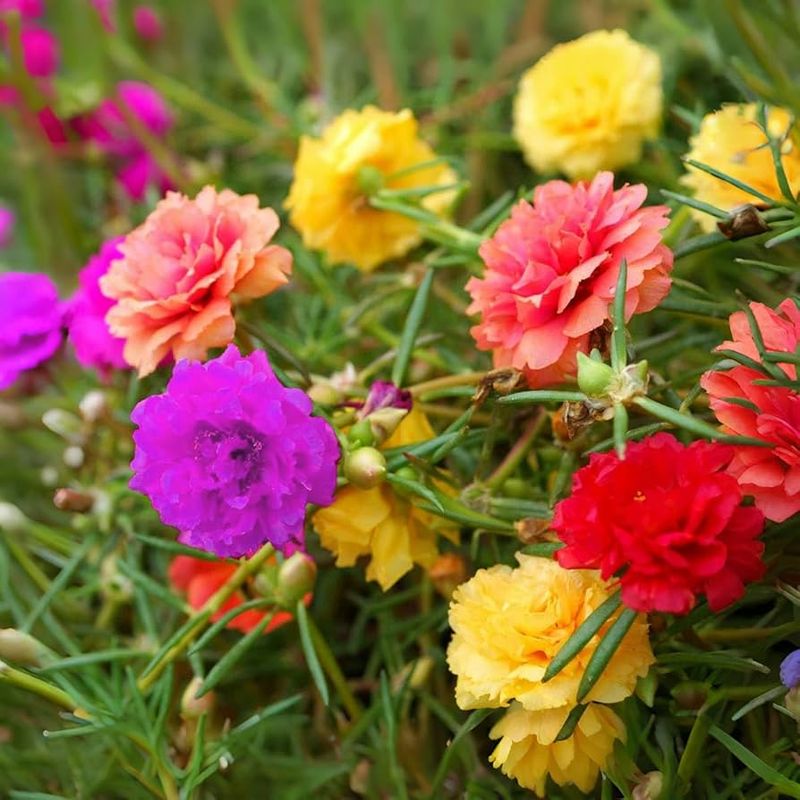
Portulaca flowers only open in bright sunlight, closing during cloudy weather to conserve energy. This succulent annual spreads across hot, dry areas where other plants struggle.
Its cylindrical leaves store water like tiny green sausages, sustaining the plant through heat waves. Seeds self-sow readily, creating colorful carpets that return each year.
Rock gardens, sidewalk cracks, and sandy slopes become beautiful with scattered portulaca plantings.
8. Sage – The Wise Choice for Water-Smart Gardens
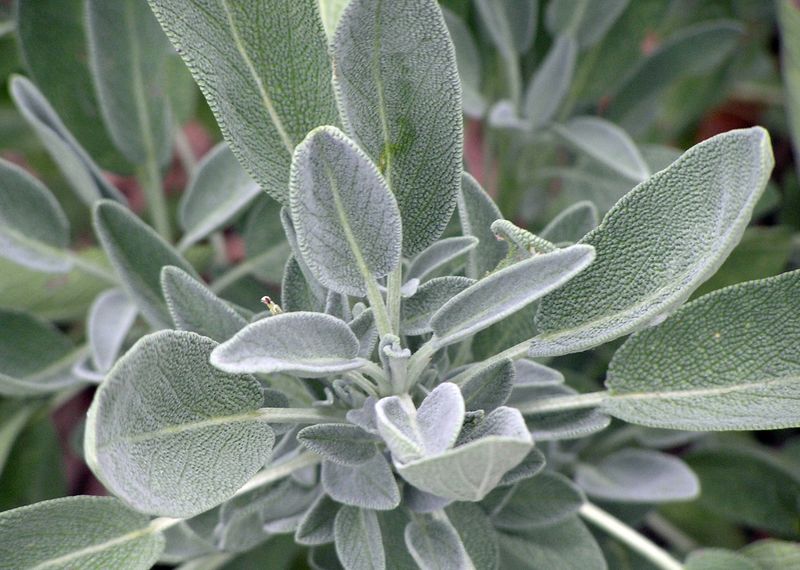
Garden sage develops fuzzy, gray-green leaves that trap moisture from morning dew and reflect harsh sunlight. This culinary herb improves flavor intensity when grown under stressful, dry conditions.
Purple flower spikes attract pollinators while providing seeds for next year’s garden. Established sage plants often live for decades with minimal intervention.
Harvest leaves regularly for cooking, as pruning keeps plants compact and encourages fresh growth.
9. Marigold – Golden Guards Against Garden Pests
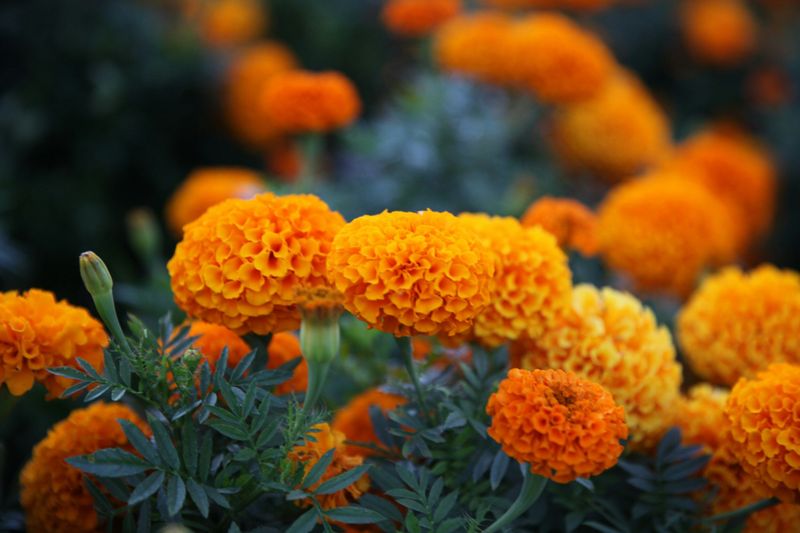
Marigolds release natural compounds through their roots that repel harmful soil nematodes and insects. These bright annuals actually prefer poor soil over rich, amended garden beds.
French and African varieties bloom continuously from spring until hard frost arrives. Seeds saved from spent flowers often produce better plants than store-bought varieties.
Companion planting with vegetables provides natural pest control while adding cheerful color to edible gardens.
10. Cactus – Desert Survivors in Your Backyard
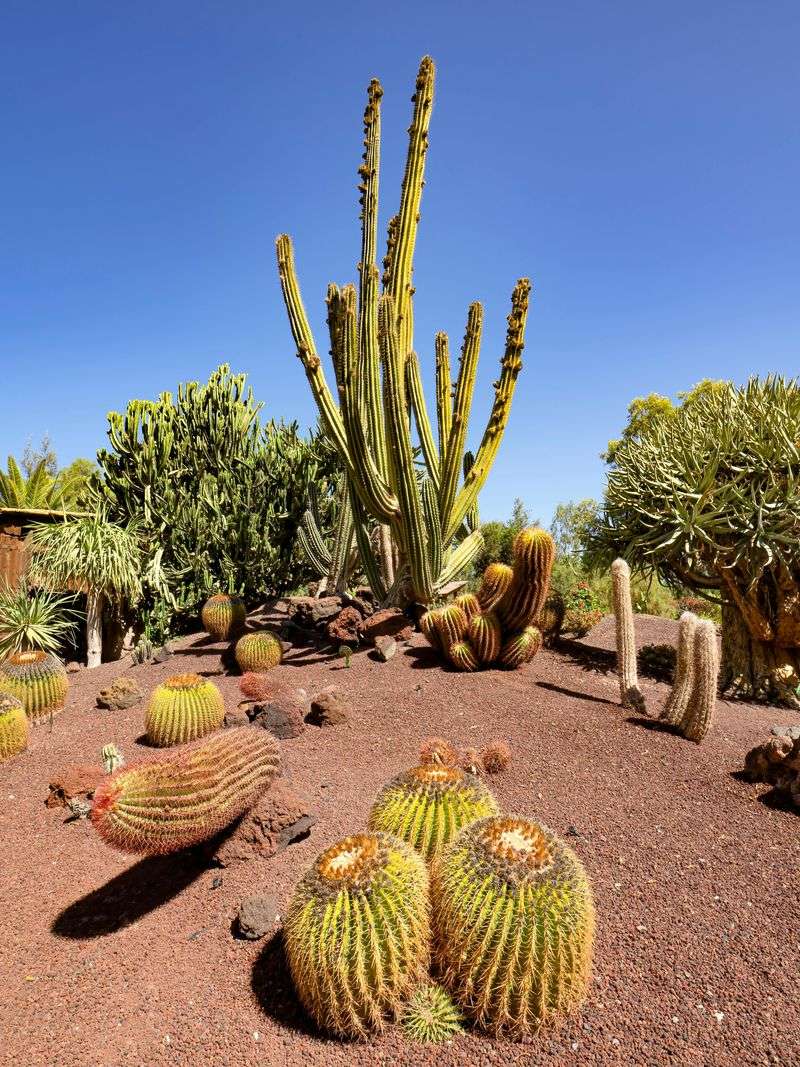
Prickly pear and barrel cacti store gallons of water in specialized tissues, surviving months without rainfall. Their waxy coating prevents moisture loss during extreme heat.
Many species produce stunning flowers in brilliant colors during spring and early summer. Shallow root systems spread wide to capture brief desert downpours.
Container growing allows cold-climate gardeners to enjoy these remarkable plants by moving them indoors during winter.
11. Cosmos – Delicate Beauties with Iron Constitutions
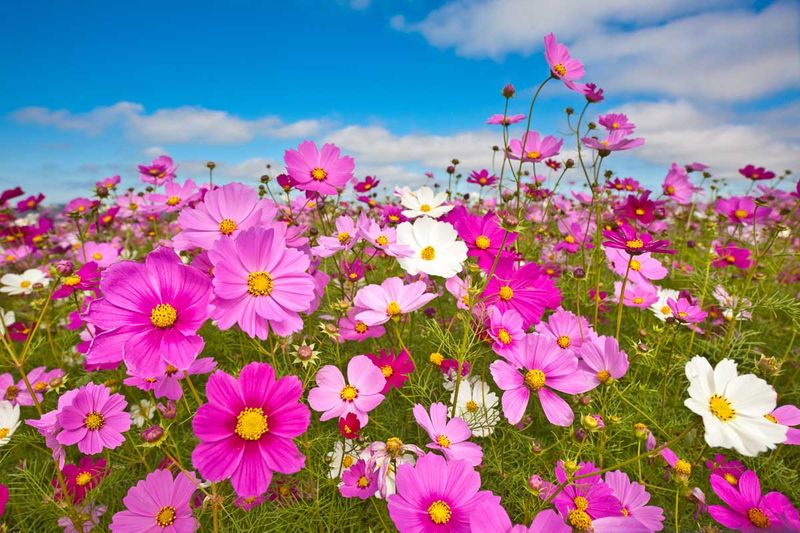
Cosmos flowers become more abundant when grown in poor, sandy soil rather than rich compost. These feathery annuals self-seed prolifically, creating natural wildflower meadows.
Tall varieties provide excellent cut flowers that last well in vases. Their delicate appearance masks incredible toughness against heat, wind, and drought.
Butterflies and beneficial insects rely on cosmos nectar throughout the growing season for essential nutrition.
12. Agave – Century Plants That Plan Ahead
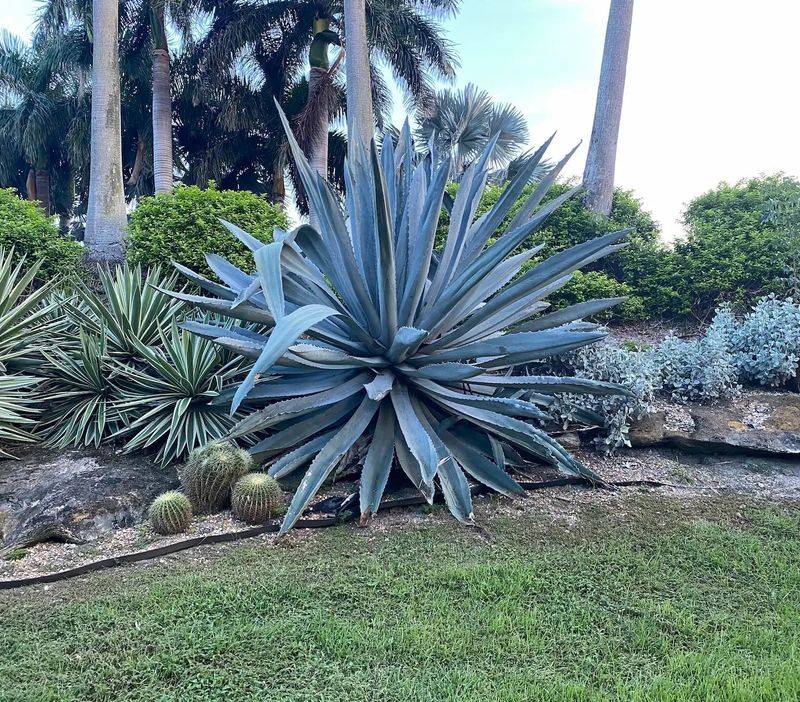
Agave plants spend years storing energy and water for one spectacular flowering event before producing offspring. Their thick, succulent leaves have waxy coatings that prevent evaporation.
Blue agave varieties add architectural interest to southwestern landscape designs. Sharp leaf margins and pointed tips provide natural protection from browsing animals.
Container specimens can accent patios and decks, requiring water only during extended dry periods.
13. Sunflower – Solar Panels That Feed the Birds
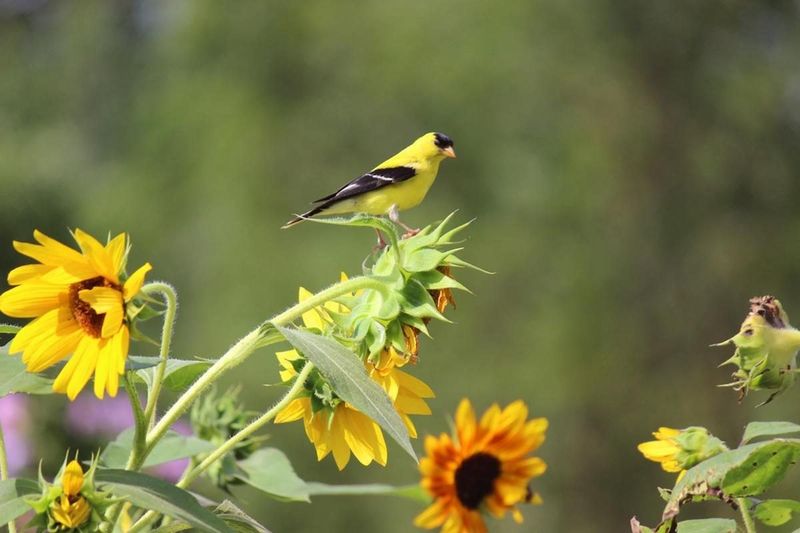
Sunflower heads track the sun’s movement across the sky, maximizing energy absorption for seed production. Deep taproots can extend six feet underground, accessing water unavailable to shallow-rooted plants.
Giant varieties create natural bird feeders when seeds mature in late summer. Dwarf cultivars work perfectly in containers or small garden spaces.
Children enjoy measuring sunflower growth throughout the season, making them perfect educational garden plants.
14. Yucca – Sword-Leaved Sentinels of the Garden
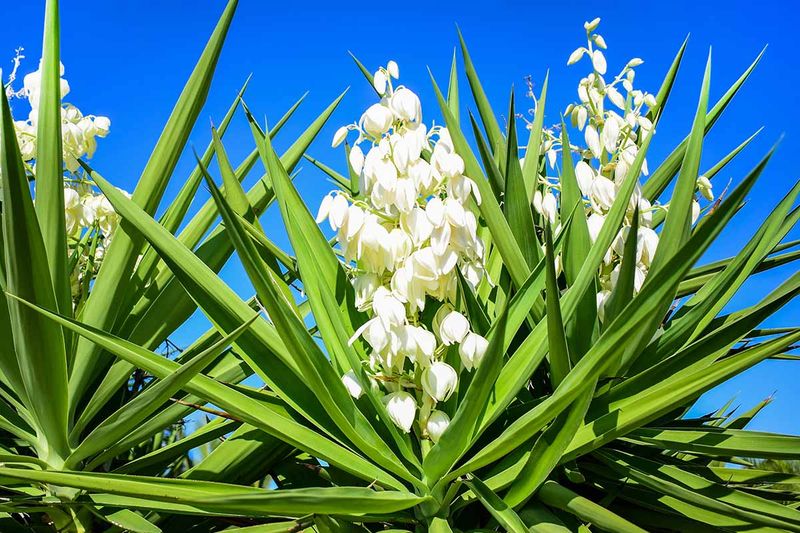
Yucca plants produce dramatic white flower spikes that tower above their spiky foliage during summer blooms. These architectural perennials require virtually no supplemental watering once established.
Their sword-shaped leaves create striking focal points in xerophytic landscape designs. Native varieties provide food and shelter for specialized wildlife species.
Most yucca species tolerate temperatures from desert heat to below-freezing winter conditions with equal resilience.
15. Celosia – Velvet Flames That Burn All Season
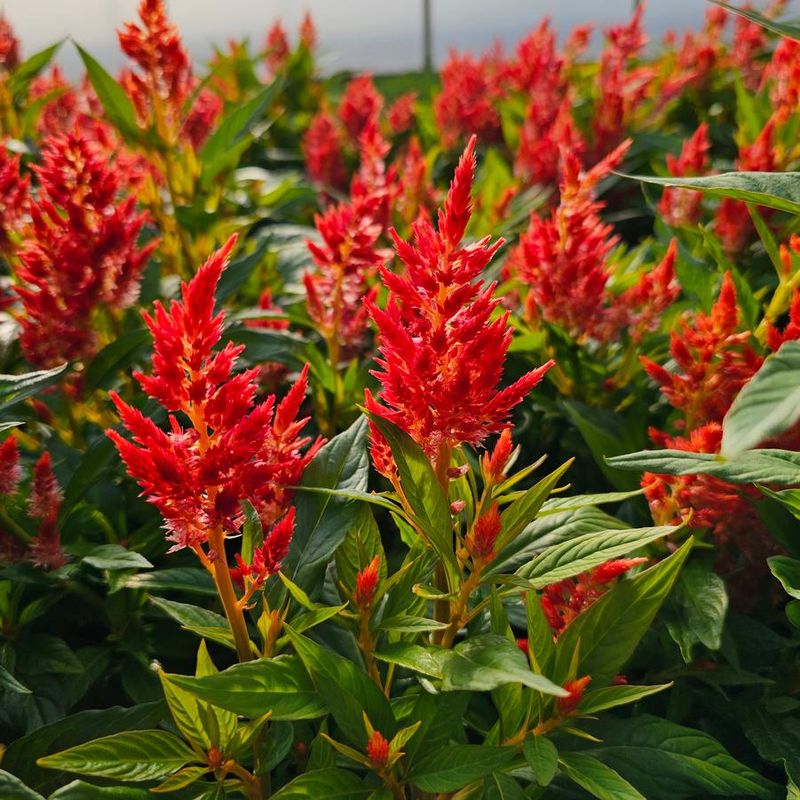
Celosia flowers resemble colorful velvet or rooster combs, maintaining their vibrant appearance throughout scorching summer heat. These tropical annuals actually intensify their colors under stress conditions.
Cockscomb and plumed varieties provide excellent dried flowers for winter arrangements. Seeds germinate easily in warm soil, often self-sowing for next year’s display.
Their unusual textures and forms create conversation pieces in both formal and cottage garden settings.
16. Penstemon – Native Beauties That Know Their Territory
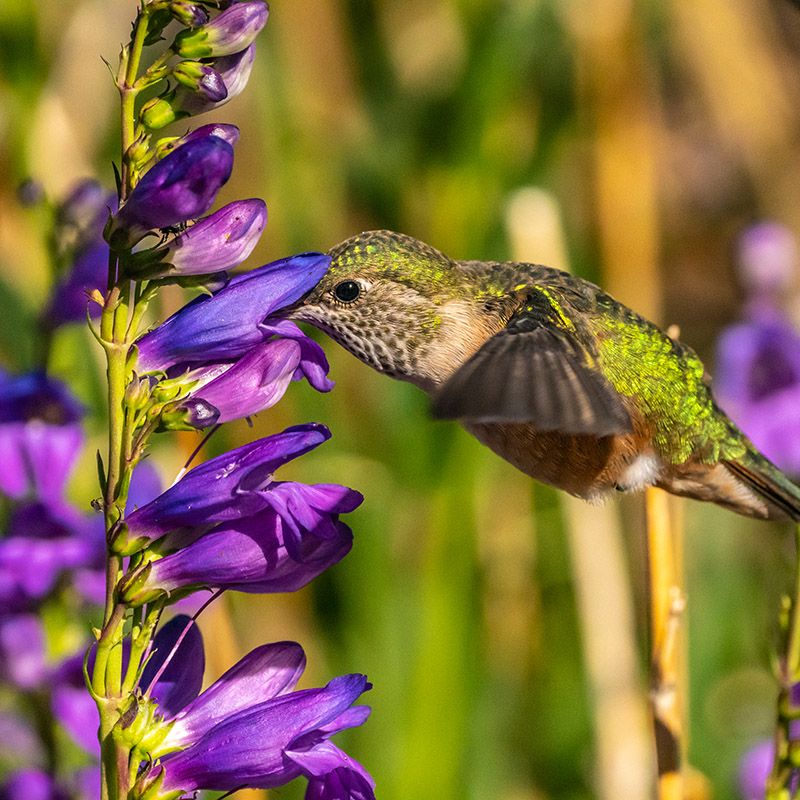
Penstemon species have evolved across diverse North American climates, developing remarkable heat and drought tolerance. Their tubular flowers attract hummingbirds and long-tongued butterflies.
Native varieties require no fertilizer or soil amendments, thriving in natural conditions. Flower colors range from white and pink to deep purple and red.
Established clumps often live for many years, gradually expanding to create natural colonies in suitable locations.
17. Gaillardia – Blanket Flowers That Cover All Bases
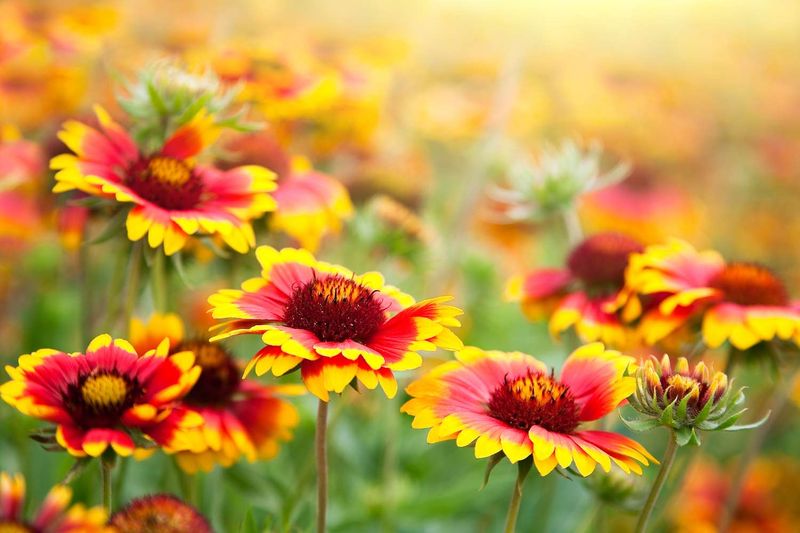
Gaillardia petals display fiery red centers surrounded by yellow tips, resembling Native American blanket patterns. These hardy perennials bloom from spring through fall without deadheading.
Their daisy-like flowers provide nectar for butterflies while seeds feed goldfinches and other songbirds. Sandy, well-draining soil produces the healthiest, most floriferous plants.
Established clumps spread naturally, filling garden spaces with continuous color throughout the growing season.
18. Sedum – Living Carpets That Store Their Own Water
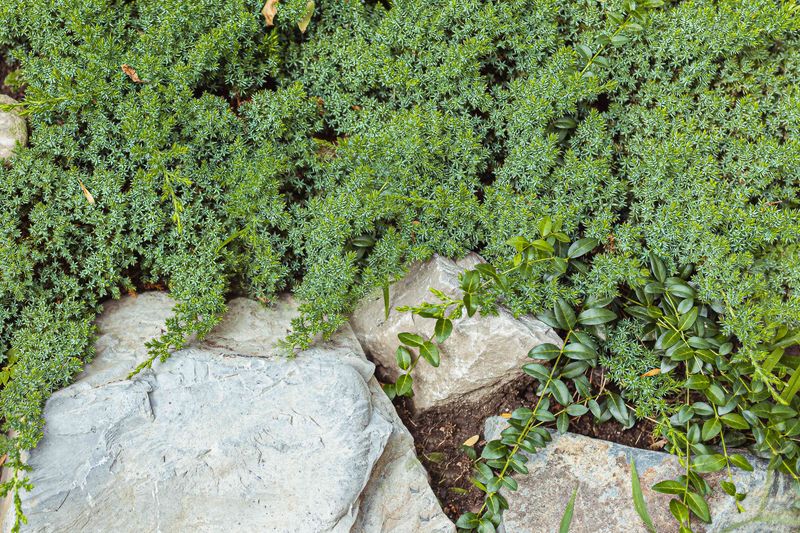
Groundcover sedums create thick mats that suppress weeds while requiring minimal maintenance or watering. Their succulent leaves change colors seasonally, providing year-round visual interest.
Star-shaped flowers attract beneficial insects during late summer and fall blooms. Most varieties tolerate foot traffic, making them excellent lawn alternatives.
Propagation occurs easily by breaking off small pieces and pressing them into soil where new plants are desired.
19. Black-Eyed Susan – Golden Rays of Reliable Sunshine
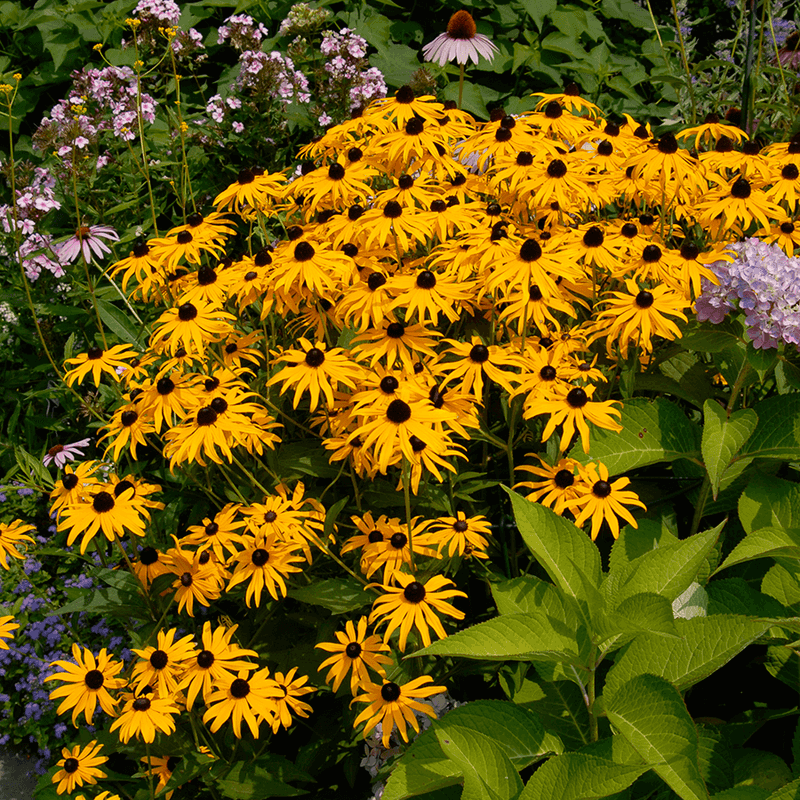
Rudbeckia flowers brighten gardens with cheerful yellow petals surrounding dark chocolate centers. These native perennials self-seed readily, creating natural wildflower colonies over time.
Butterflies and bees visit the nectar-rich blooms while birds eat seeds throughout winter months. Established plants tolerate both drought and occasional flooding with equal resilience.
Cut flowers last well in bouquets, and dried seed heads provide architectural interest in winter gardens.
20. Artemisia – Silver Foliage That Shines in Heat
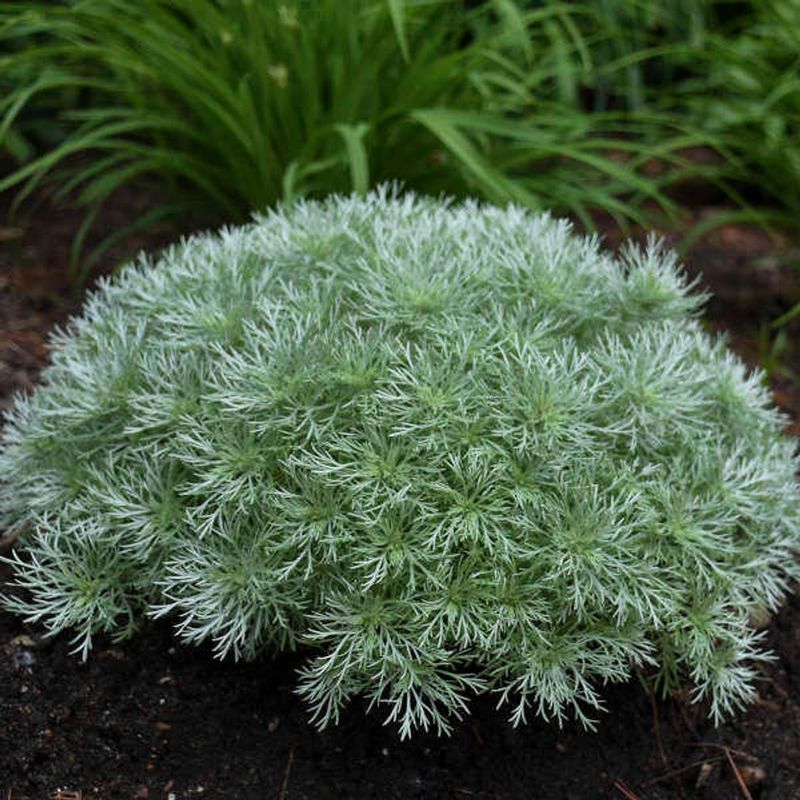
Artemisia leaves shimmer with silvery hairs that reflect sunlight and reduce water loss during hot weather. These aromatic perennials provide textural contrast in flower borders.
Their gray-green foliage complements both bright and pastel flower colors throughout the growing season. Many species release pleasant herbal fragrances when brushed or crushed.
Established plants often spread by underground runners, creating natural ground cover in suitable locations without additional watering.
21. Verbena – Trailing Stars That Bloom Nonstop
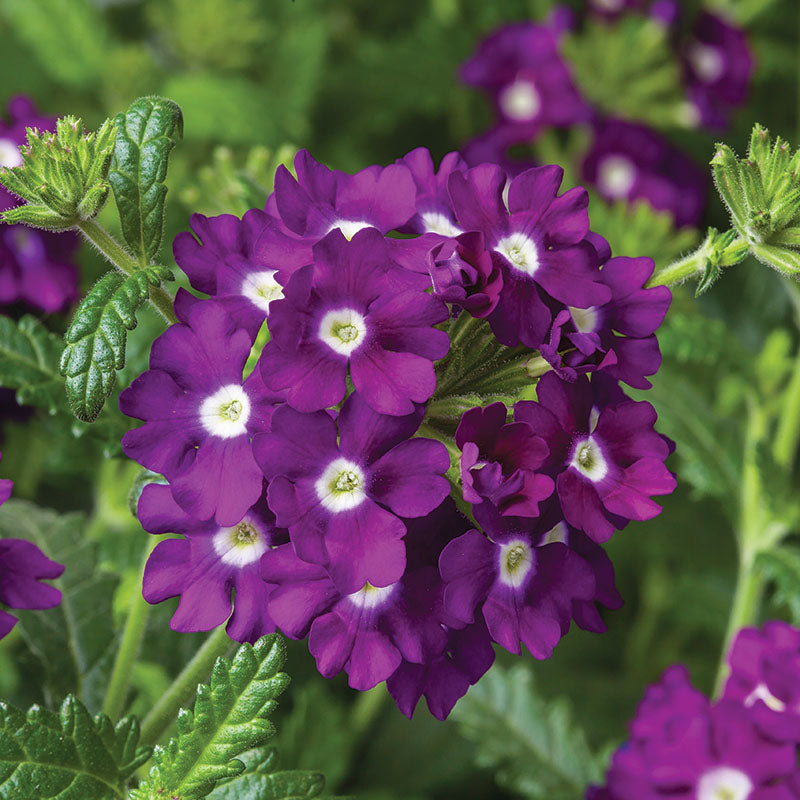
Trailing verbena produces clusters of tiny flowers in purple, pink, red, or white throughout the entire growing season. These heat-loving annuals cascade beautifully from hanging baskets and containers.
Their spreading habit makes excellent ground cover for hot, sunny slopes where grass struggles. Butterflies and hummingbirds frequent the nectar-rich flower clusters.
Pinching growing tips occasionally encourages bushier growth, but plants bloom profusely even without regular maintenance or deadheading.
22. Salvia – Spiky Flowers That Spike Garden Interest
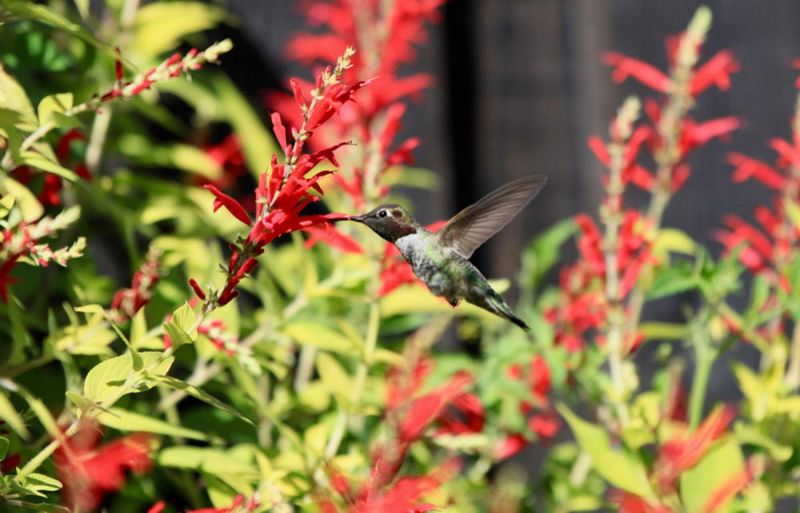
Salvia flower spikes rise above aromatic foliage in brilliant reds, purples, blues, and whites. These drought-adapted plants belong to the mint family, sharing their relatives’ toughness.
Hummingbirds and butterflies prefer salvia nectar over many other garden flowers. Perennial varieties return each year, often growing larger and more impressive.
Their upright growth habit provides excellent vertical elements in border plantings without requiring staking or special support structures.
23. Thyme – Creeping Carpets of Culinary Gold
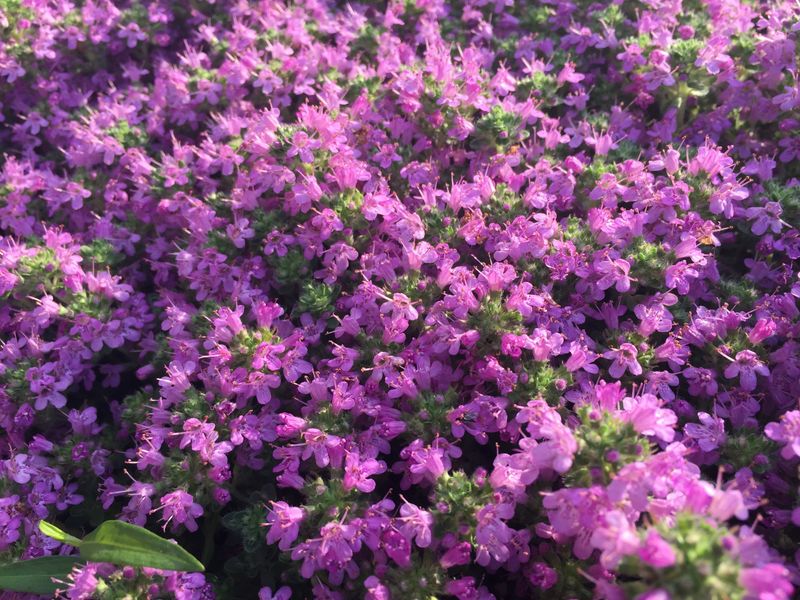
Creeping thyme varieties form dense, aromatic mats that release pleasant fragrances when walked upon. These Mediterranean herbs prefer poor, rocky soil over rich garden beds.
Tiny flowers attract bees and beneficial insects while providing subtle color accents. Culinary varieties enhance cooking with intense flavors that concentrate during hot, dry weather.
Established thyme groundcover suppresses weeds naturally while requiring virtually no supplemental watering or fertilization throughout the growing season.
24. Ornamental Grasses – Graceful Dancers in Hot Winds
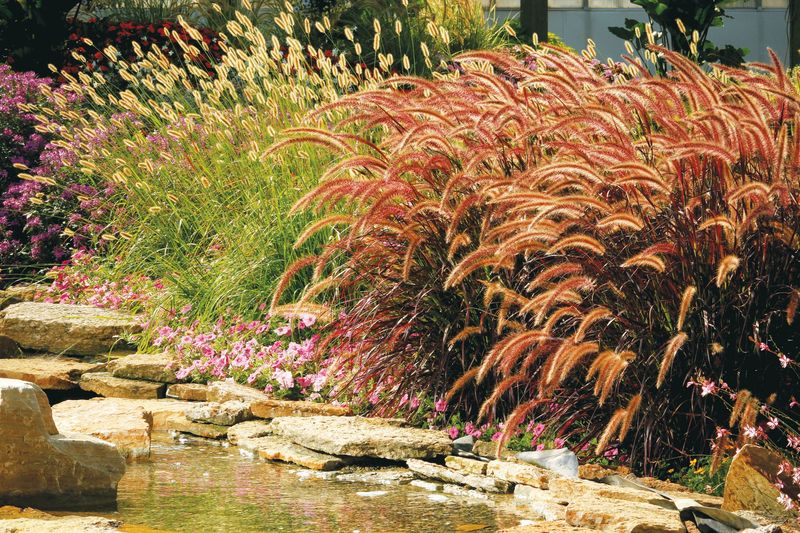
Fountain grass, blue fescue, and other ornamental varieties add movement and texture to heat-stressed landscapes. Their narrow leaves minimize water loss while creating elegant, flowing displays.
Seed heads provide winter interest and food for birds throughout cold months. Most species require cutting back once annually rather than regular maintenance.
Deep root systems access moisture far below surface level, allowing grasses to remain green when other plants struggle.
25. Dusty Miller – Silver Lining for Sunny Gardens
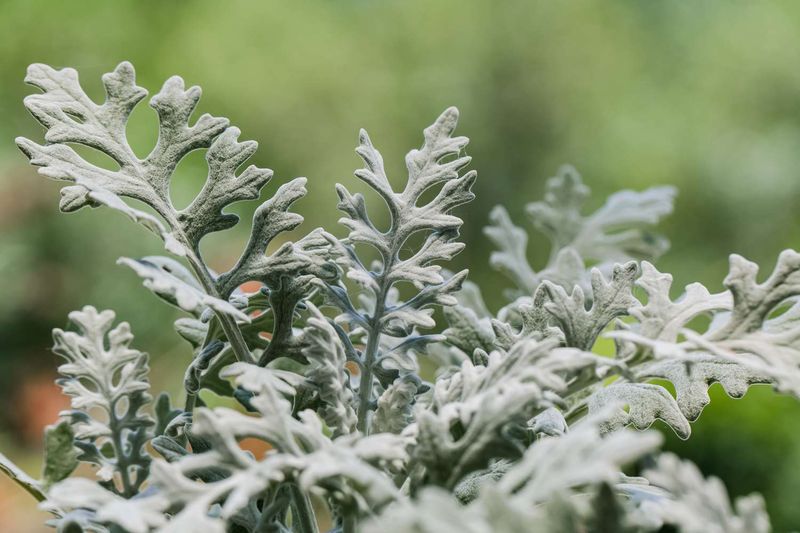
Dusty miller foliage appears frosted with silver dust, creating cooling visual effects in hot garden borders. These tender perennials tolerate heat better than most gray-leaved plants.
Their neutral color complements both warm and cool flower tones throughout the growing season. Pinching flower buds encourages bushier foliage growth and prevents self-seeding.
Container plantings benefit from dusty miller’s drought tolerance and distinctive texture that contrasts beautifully with flowering companions.
26. Vinca – Periwinkle Performers in Scorching Heat
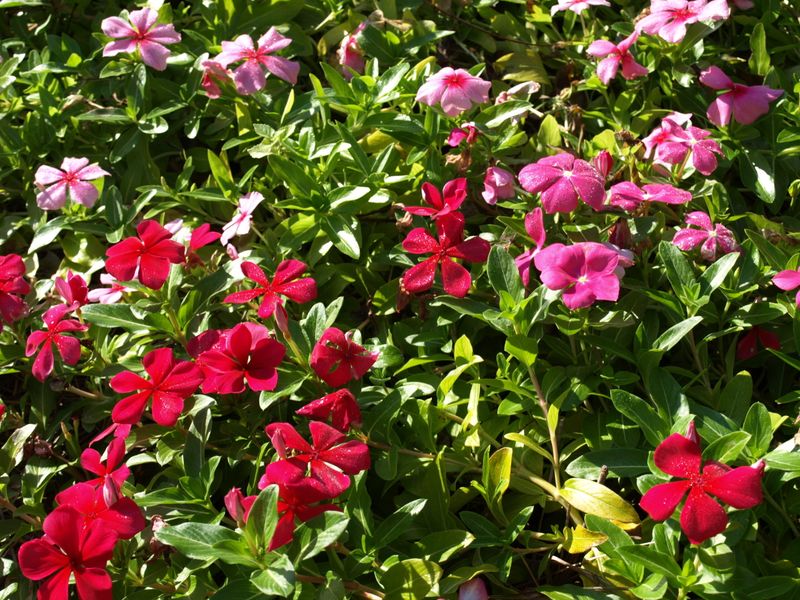
Annual vinca flowers bloom continuously from spring until frost without deadheading or special care. These heat-loving plants actually perform better in hot, humid conditions than cool weather.
Their glossy green leaves resist most pests and diseases that plague other bedding plants. Flower colors include white, pink, red, and purple with contrasting centers.
Self-cleaning flowers drop naturally when spent, maintaining neat appearance throughout the season without gardener intervention or regular maintenance schedules.
27. Catmint – Feline-Approved Heat Tolerance
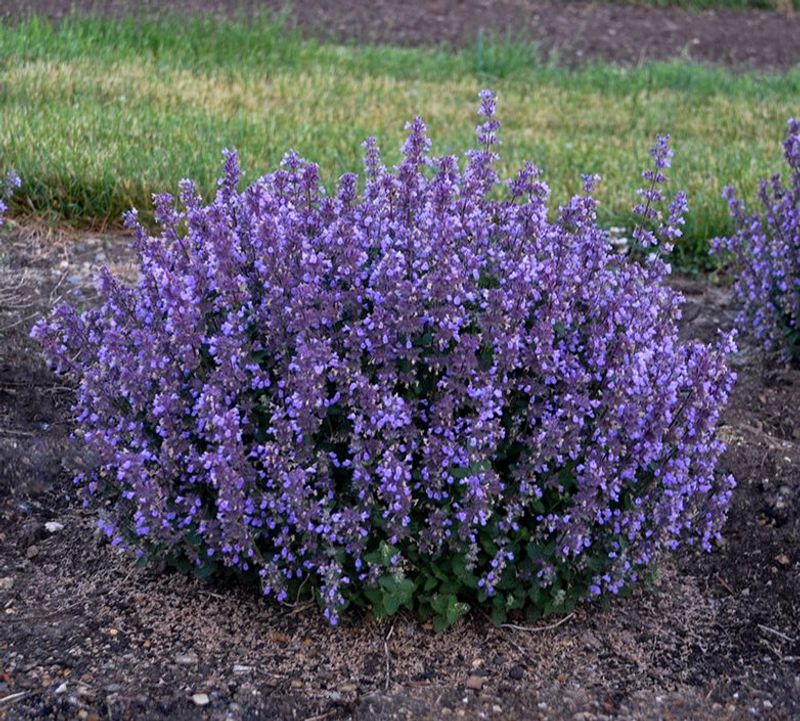
Nepeta produces spikes of blue-purple flowers that bloom repeatedly throughout summer heat waves. This perennial herb releases aromatic oils that repel mosquitoes while attracting beneficial pollinators.
Cats often roll in catmint patches, but plants recover quickly from this attention. Gray-green foliage provides excellent textural contrast in perennial borders.
Shearing plants back after initial bloom encourages fresh growth and additional flower production without requiring supplemental watering or fertilization.
28. Purslane – Edible Succulents for Hot Climates
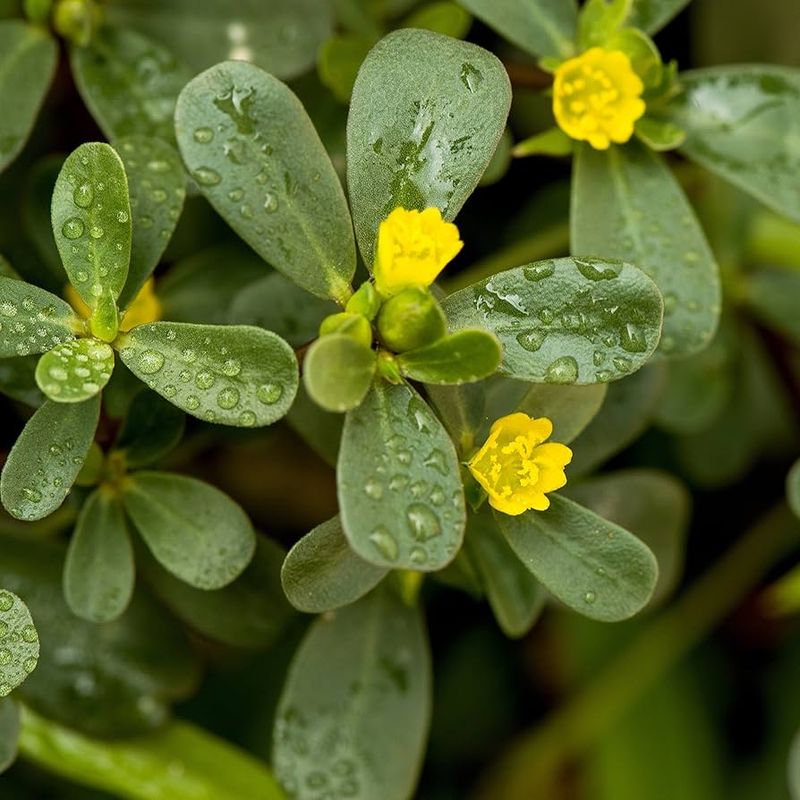
Purslane leaves contain more omega-3 fatty acids than most fish, making this heat-loving succulent both ornamental and nutritious. Colorful varieties produce bright flowers in yellow, orange, pink, and red.
This edible groundcover spreads quickly across hot, bare soil where other plants fail. Leaves taste slightly lemony and add crunch to summer salads.
Seeds germinate in warm soil, often self-sowing to create natural colonies that return each year without replanting efforts.
29. Cleome – Spider Flowers That Spin Garden Magic
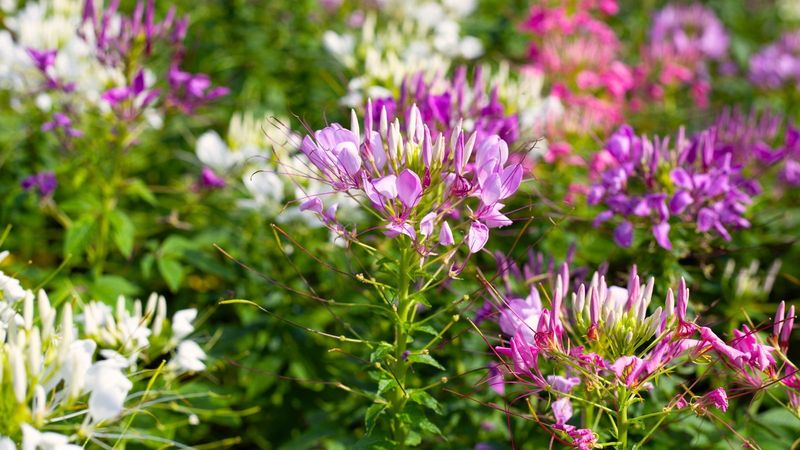
Cleome flowers feature long, spidery stamens that create unique textures in summer borders. These tall annuals self-seed prolifically, creating natural cottage garden effects.
Their unusual flower structure attracts butterflies and hummingbirds throughout the blooming period. Plants often reach four to six feet tall, providing excellent background elements.
Seeds planted directly in garden soil typically outperform transplants, and established plants tolerate both heat and drought remarkably well.
30. Four O’Clock – Time-Telling Flowers for Evening Gardens
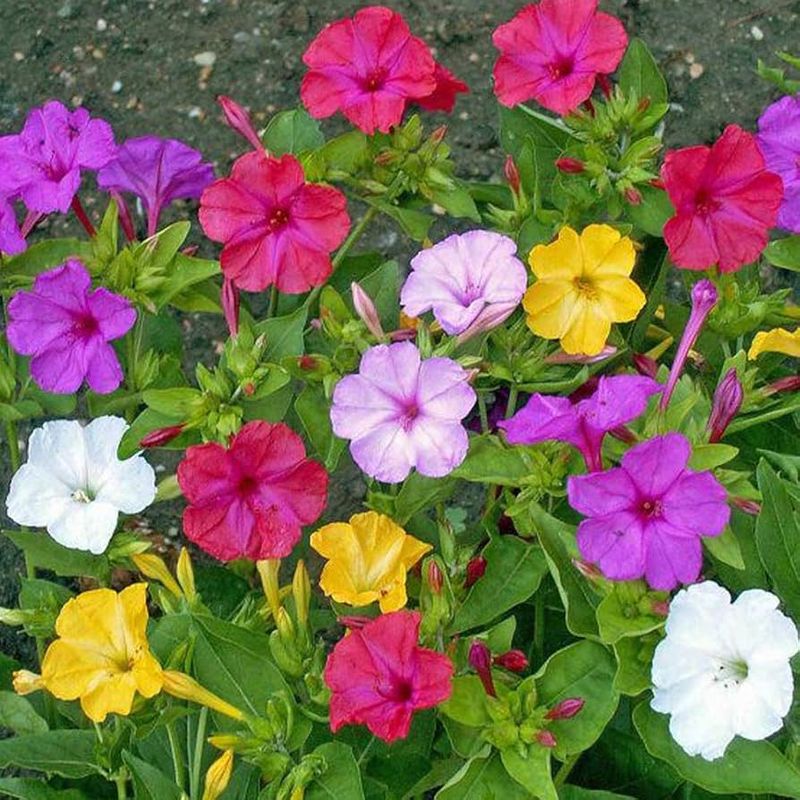
Mirabilis flowers open late each afternoon, releasing sweet fragrances that attract night-flying moths. These tuberous perennials store water and energy in underground structures.
Different colored flowers sometimes appear on the same plant, creating natural bouquet effects. Seeds are large and easy for children to plant and grow successfully.
Established plants often spread by both seeds and expanding tubers, creating natural colonies that return each year with minimal intervention.
31. Globe Amaranth – Round Flowers That Never Quit
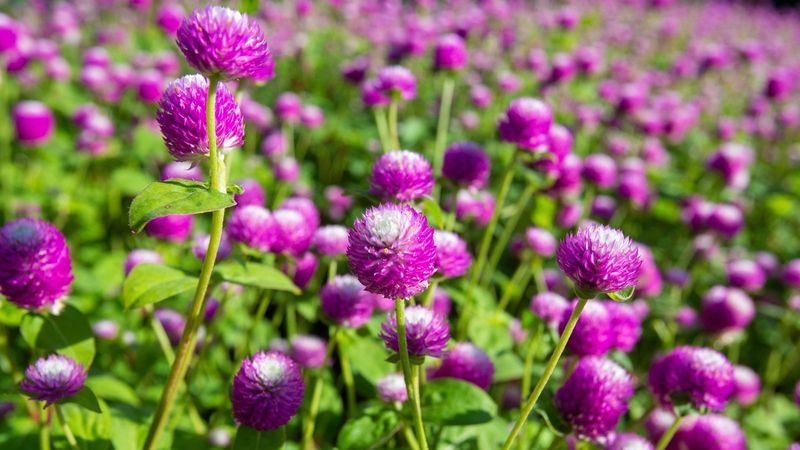
Gomphrena flowers maintain their papery texture and bright colors even when dried, making excellent everlasting arrangements. These heat-loving annuals bloom continuously without deadheading.
Their clover-like flower heads come in purple, pink, white, and orange varieties. Plants tolerate both extreme heat and occasional drought stress.
Butterflies visit the nectar-rich blooms while gardeners appreciate the low-maintenance nature and reliable performance throughout challenging summer conditions.