
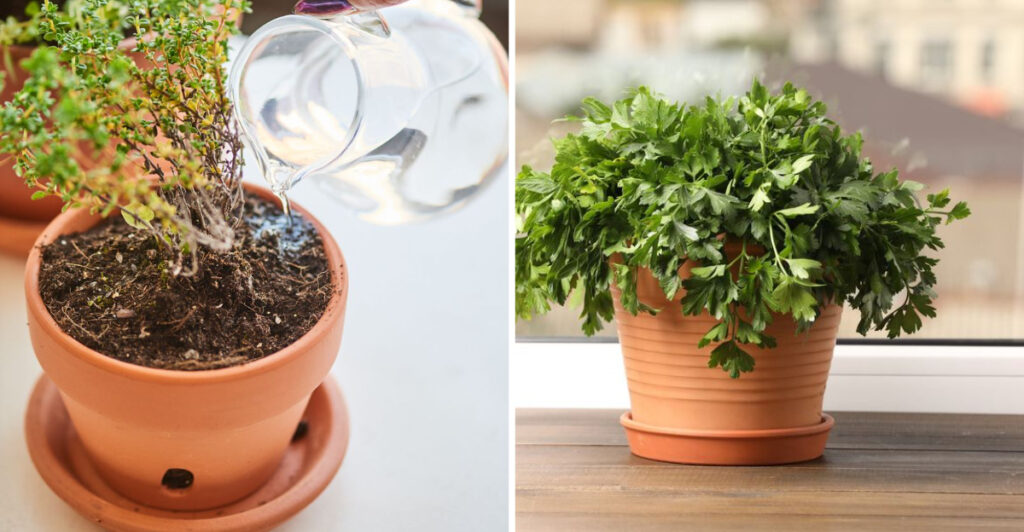
Winter doesn’t have to mean saying goodbye to fresh herbs in your cooking. Many wonderful herbs actually thrive in low-light conditions, making them perfect for indoor growing during the colder months. Your kitchen windowsill or any corner of your home can become a mini herb garden that keeps producing delicious flavors all season long.
1. Mint – The Kitchen Champion
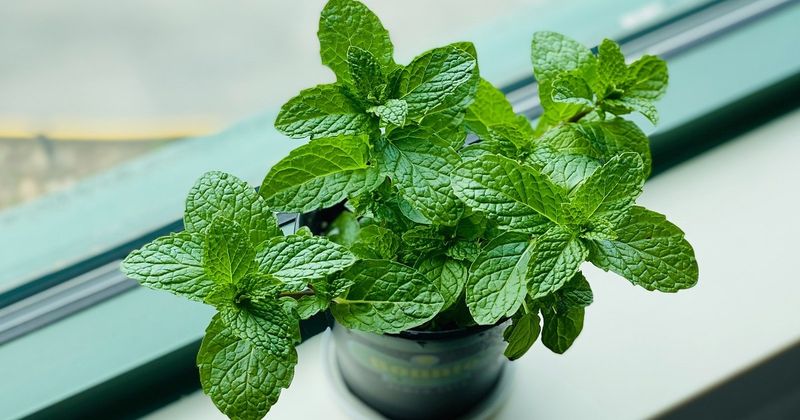
Fresh mint leaves can transform everything from tea to desserts with their cool, refreshing taste. This hardy herb grows incredibly well in dim indoor spaces and actually prefers partial shade over bright sunlight.
Plant mint in a container with drainage holes and keep the soil slightly moist. Within weeks, you’ll have enough leaves for mojitos, lamb dishes, and homemade teas that taste better than anything from the store.
2. Parsley – Your Reliable Green Friend
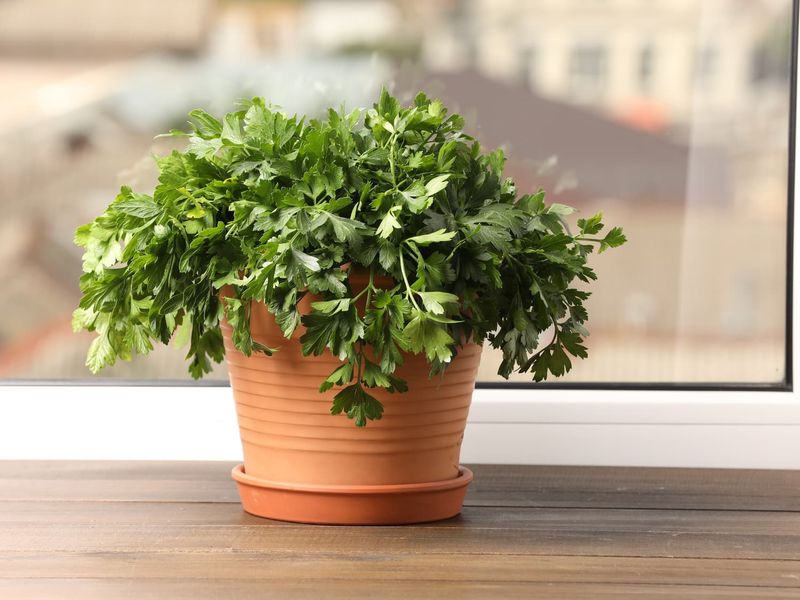
Flat-leaf or curly, parsley brings brightness to soups, salads, and sauces without demanding much light. This Mediterranean favorite actually burns in too much sun, making indoor growing ideal.
Snip outer stems regularly to encourage new growth from the center. Your parsley plant will keep producing fresh leaves for months, giving you that perfect garnish and flavor boost whenever you need it for cooking.
3. Chives – Tiny but Mighty
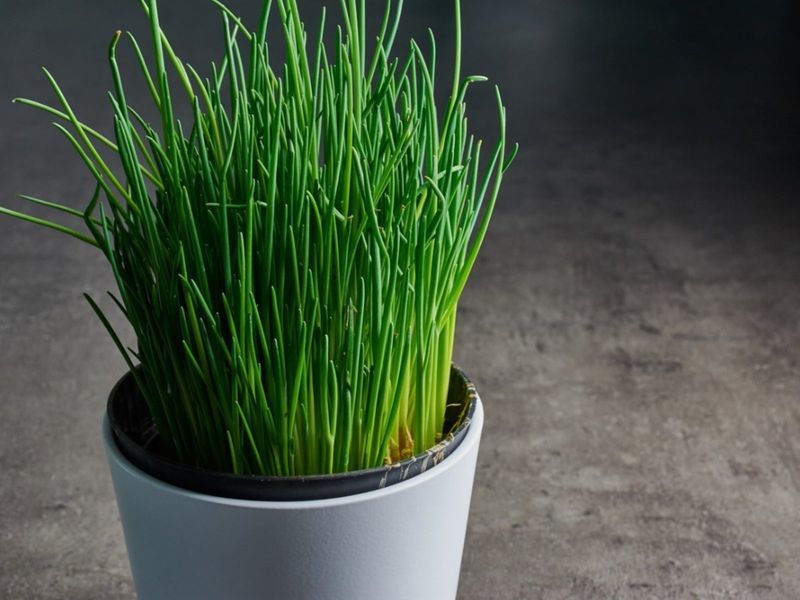
These slender green shoots pack an onion-like punch that elevates scrambled eggs, baked potatoes, and cream sauces. Chives are practically indestructible and thrive in minimal light conditions.
Cut them like grass with scissors, leaving about two inches at the base. They’ll regrow quickly, providing you with fresh flavor week after week. Plus, their purple flowers are edible and add beautiful color to salads.
4. Cilantro – The Polarizing Powerhouse
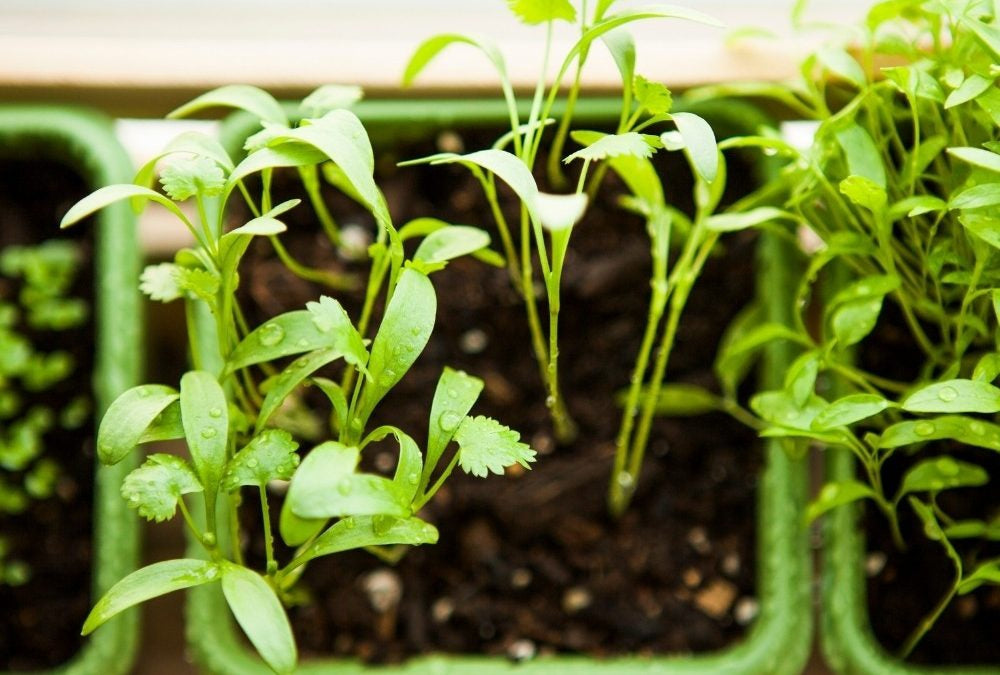
Love it or hate it, cilantro adds authentic flavor to Mexican, Thai, and Indian dishes that dried herbs simply cannot match. This quick-growing herb actually prefers cooler, shadier spots over hot, sunny locations.
Harvest outer leaves frequently to prevent the plant from going to seed too quickly. Fresh cilantro from your indoor garden will have a cleaner, more vibrant taste than store-bought bunches.
5. Oregano – Pizza’s Best Friend
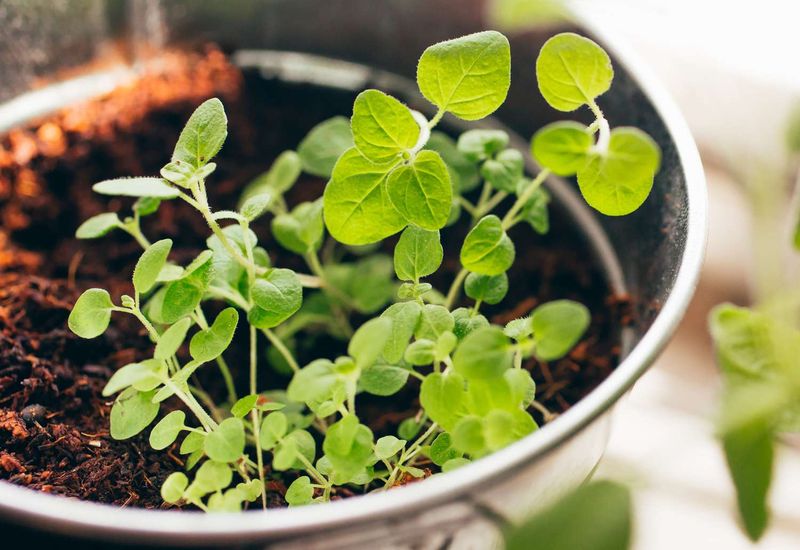
Nothing beats fresh oregano for authentic Italian flavors in pasta sauces, pizza toppings, and Mediterranean dishes. This perennial herb grows slowly but steadily in low-light indoor conditions.
Pinch off flower buds to keep leaves tender and flavorful. Your oregano plant will develop a bushy shape over time, providing you with aromatic leaves that are far more potent than the dried version in your spice rack.
6. Lemon Balm – Nature’s Stress Reliever
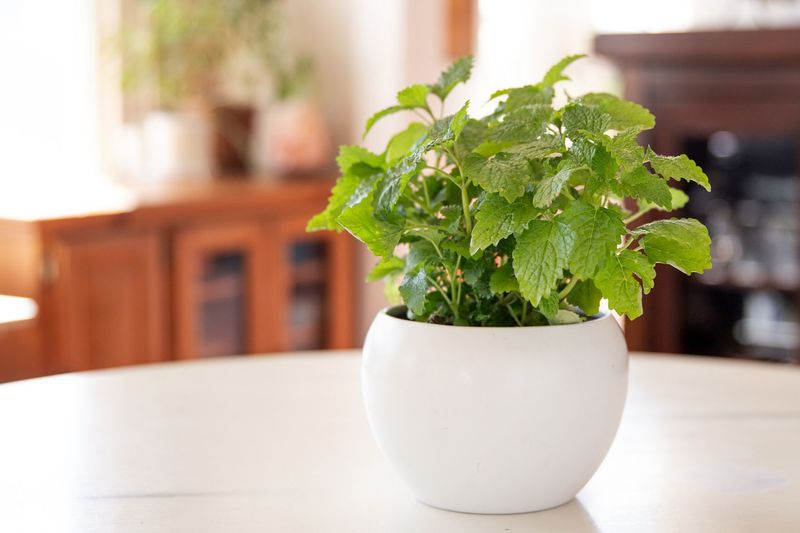
This lemony-scented member of the mint family makes incredible herbal tea and adds citrus notes to fruit salads and desserts. Lemon balm grows enthusiastically in shade and requires minimal care.
Crush a few leaves between your fingers to release the amazing aroma. Regular harvesting keeps the plant compact and prevents it from taking over your indoor garden space while providing calming tea ingredients.
7. Thyme – The Subtle Flavor Master
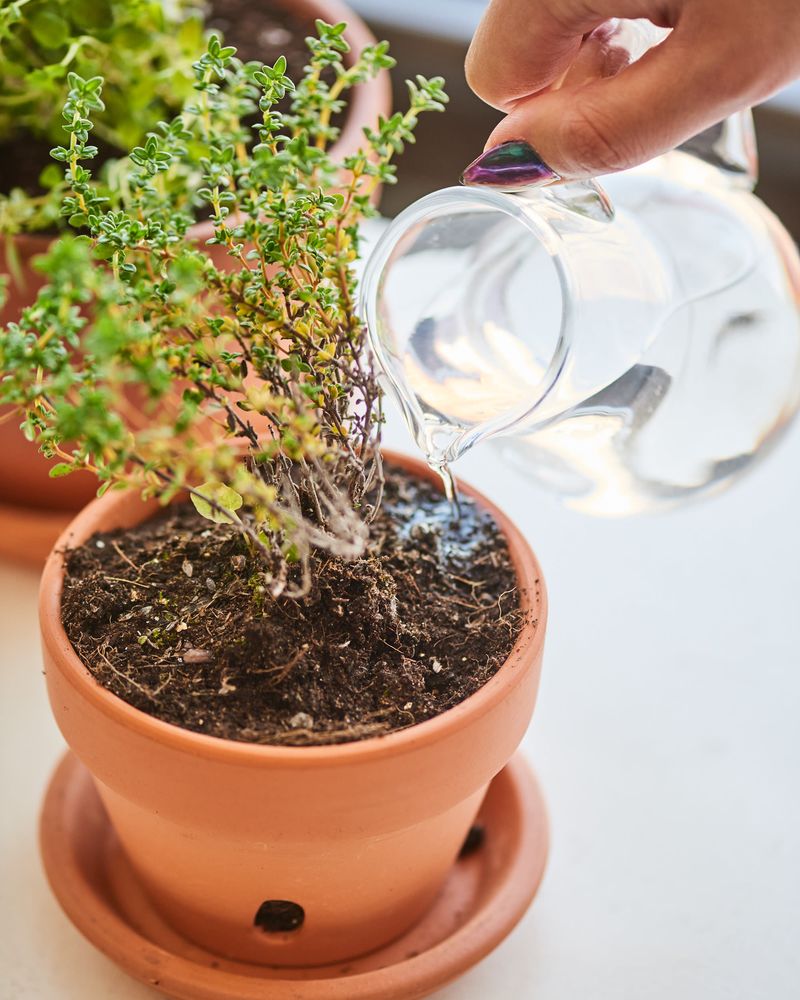
Tiny thyme leaves deliver big flavor to roasted vegetables, meat dishes, and herb blends without overpowering other ingredients. This Mediterranean herb adapts well to indoor growing in moderate light.
Trim stems regularly to maintain a compact shape and encourage new growth. Fresh thyme has a more complex, earthy flavor than dried varieties, making your winter cooking taste like it came from a professional kitchen.
8. Sage – The Thanksgiving Hero
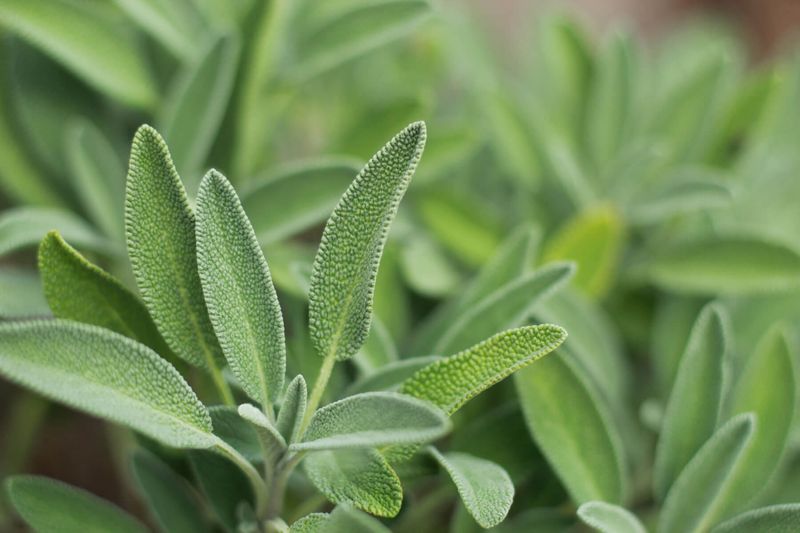
Fuzzy gray-green sage leaves bring earthy, slightly bitter notes to stuffing, roasted meats, and brown butter sauces. This hardy herb grows well indoors and tolerates neglect better than most plants.
Use fresh sage sparingly since its flavor is quite strong. A few leaves go a long way in transforming simple dishes into restaurant-quality meals that will impress your family and dinner guests.
9. Rosemary – The Aromatic Wonder
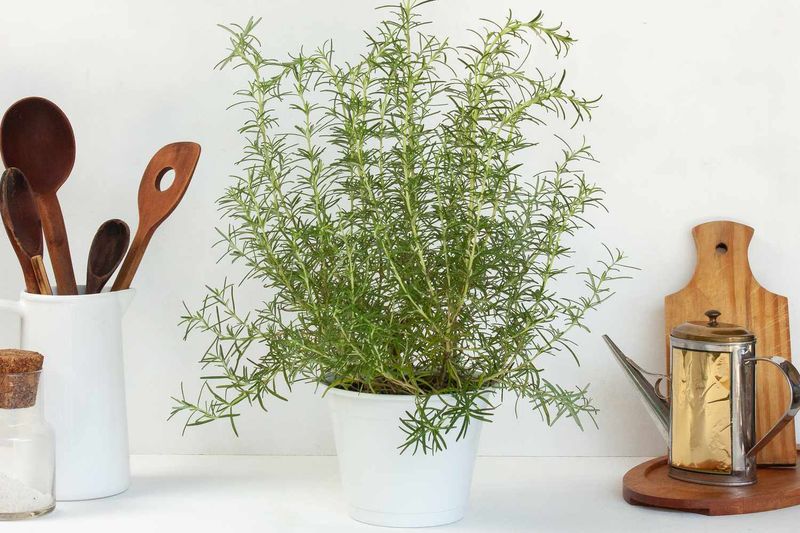
Needle-like rosemary leaves release an incredible pine-like fragrance that enhances roasted potatoes, grilled meats, and focaccia bread. This woody herb grows slowly but surely in indoor conditions.
Snip sprigs as needed for cooking, but avoid over-harvesting young plants. Fresh rosemary infuses olive oil beautifully and makes your kitchen smell like a Mediterranean hillside even in the depths of winter.
10. Dill – The Pickle Plant
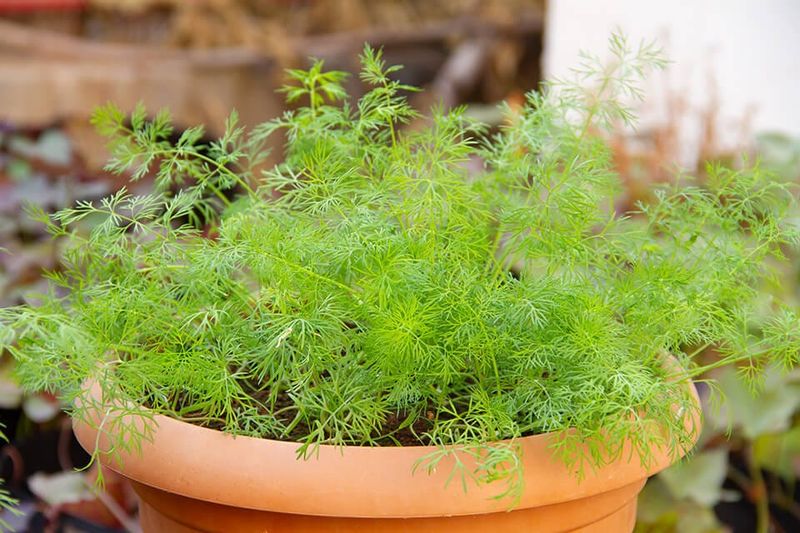
Feathery dill fronds add fresh, tangy flavor to fish dishes, potato salad, and homemade pickles. This annual herb grows quickly from seed and thrives in cooler indoor temperatures.
Harvest outer stems first, leaving the center to continue growing. Fresh dill has a much brighter taste than dried, and growing your own ensures you always have this delicate herb available for cooking.
11. Chervil – The Delicate Gourmet
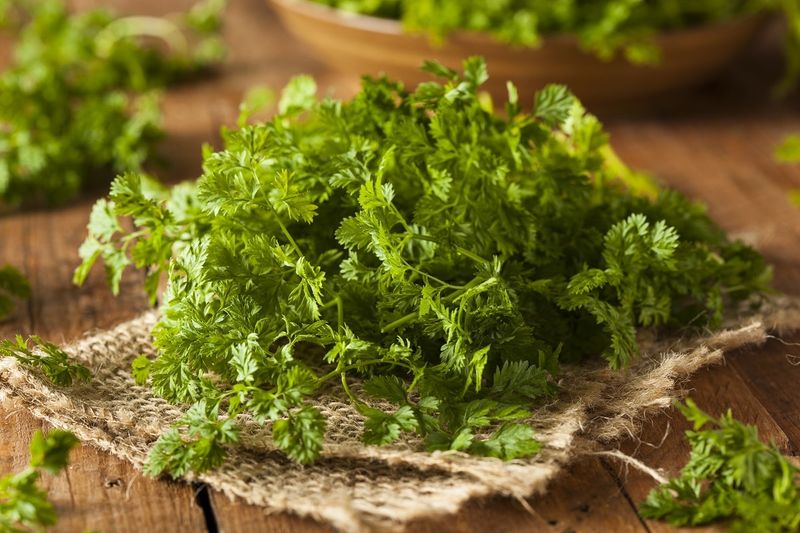
Often called French parsley, chervil has a subtle anise flavor that elevates egg dishes, soups, and delicate sauces. This shade-loving herb actually prefers low light over bright conditions.
Harvest young leaves for the best flavor before the plant flowers. Chervil is one of the classic French fines herbes and will make your cooking taste more sophisticated and restaurant-quality.
12. Tarragon – The French Kitchen Secret
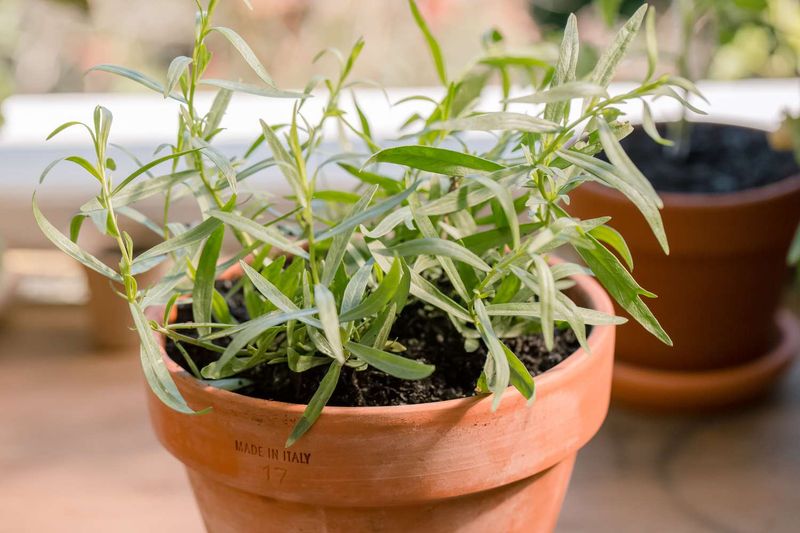
Sweet, licorice-flavored tarragon is essential for classic French sauces like béarnaise and adds sophistication to chicken and fish dishes. This perennial herb grows well in partial shade indoors.
Use fresh leaves sparingly since the flavor is quite intense. Growing your own tarragon saves money since this herb is expensive in stores and often hard to find fresh year-round.
13. Marjoram – Oregano’s Gentle Cousin
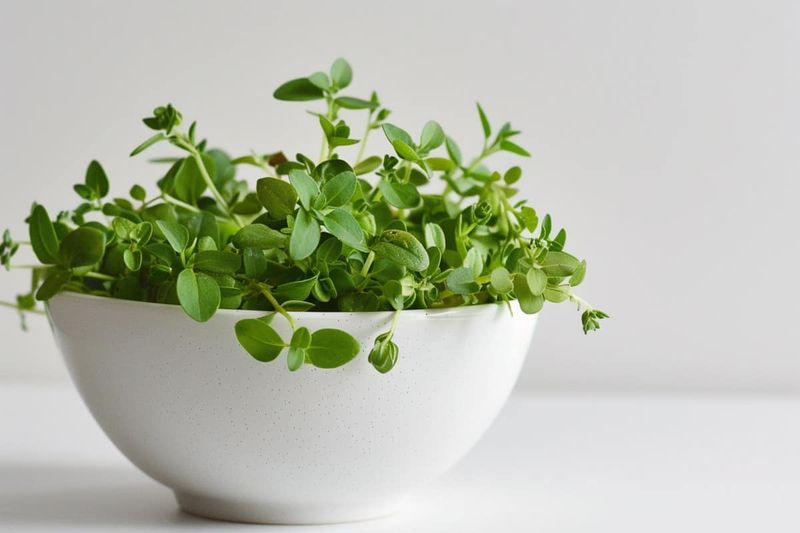
Sweeter and more delicate than oregano, marjoram adds mild, floral notes to vegetable dishes, herb blends, and Mediterranean cooking. This tender perennial adapts well to indoor growing conditions.
Pinch flowers to keep leaves tender and flavorful. Fresh marjoram has a more complex taste than its dried counterpart and pairs beautifully with tomatoes, beans, and grilled vegetables in winter comfort foods.
14. Sorrel – The Lemony Leafy Green
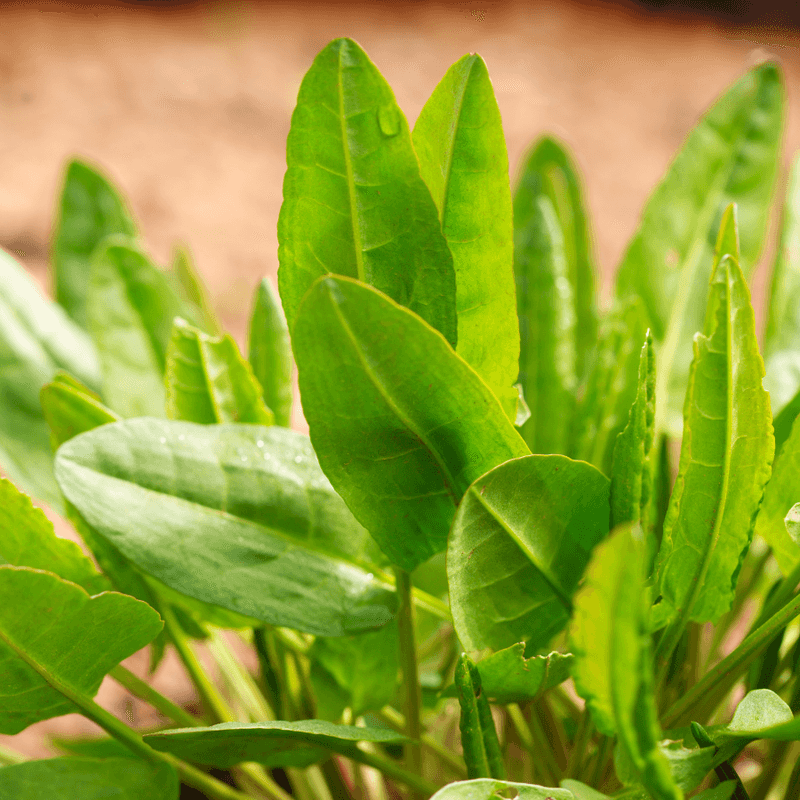
Tangy sorrel leaves taste like lemon and spinach had a baby, making them perfect for soups, salads, and sauces. This perennial herb grows enthusiastically in low-light indoor conditions.
Harvest young leaves for the mildest flavor, as older leaves become quite tart. Sorrel adds bright acidity to rich winter dishes and provides fresh greens when outdoor gardens are buried under snow.
15. Lovage – The Celery Substitute
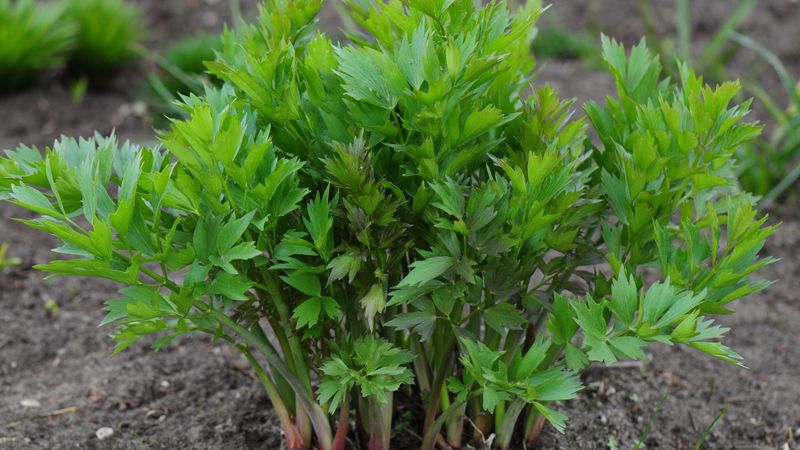
Bold lovage leaves taste like intense celery and add savory depth to soups, stews, and meat dishes. This hardy perennial grows tall and strong even in minimal indoor light.
Use leaves and stems like celery in cooking applications. One lovage plant provides plenty of material for seasoning, and its strong flavor means a little goes a long way in your winter cooking repertoire.
16. Anise Hyssop – The Licorice Charmer
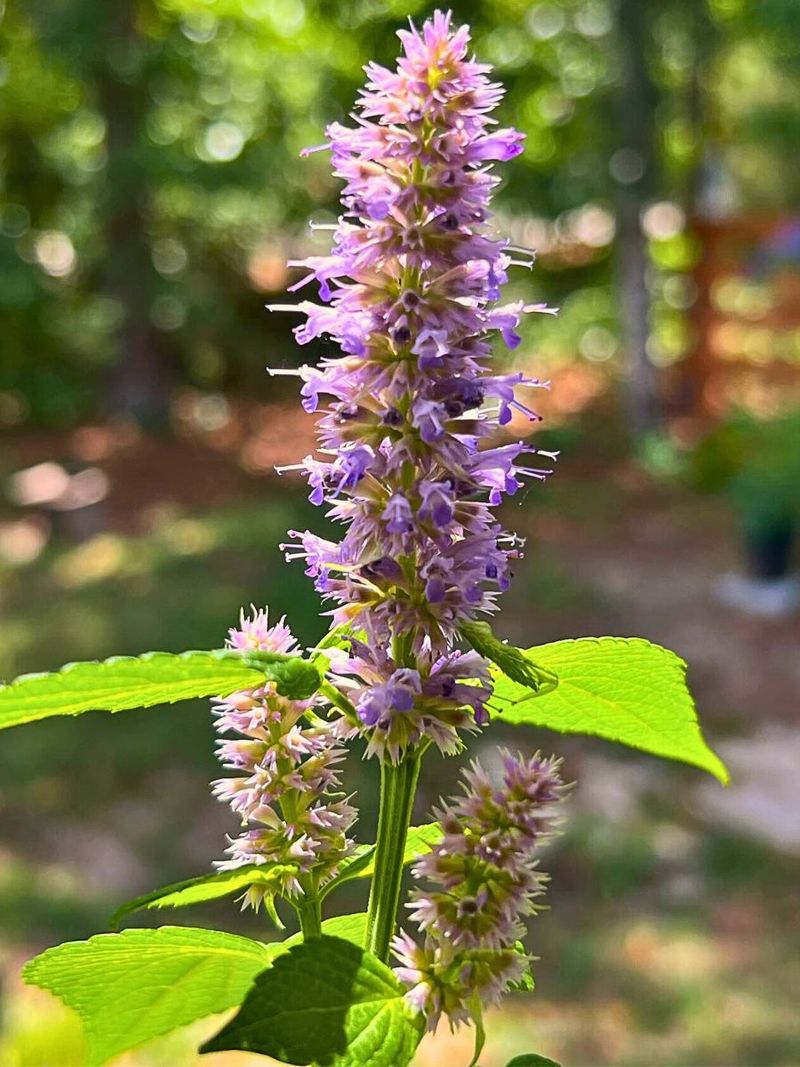
Sweet anise-flavored leaves make incredible tea and add unique flavor to fruit desserts and savory dishes. This native North American herb thrives in partial shade and indoor conditions.
Both leaves and flowers are edible and aromatic. Anise hyssop is easy to grow and provides an unusual flavor that will surprise and delight your dinner guests throughout the winter months.
17. Lemon Verbena – The Citrus Sensation
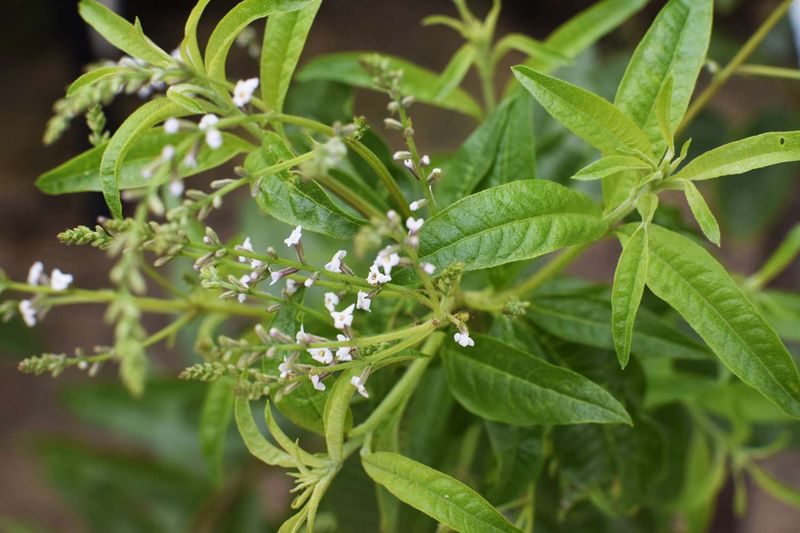
Intensely lemon-scented leaves make the most amazing herbal tea and add citrus notes to desserts and fruit salads. This tender perennial grows well indoors with minimal light requirements.
Dry extra leaves for winter tea blends that taste better than any store-bought variety. Fresh lemon verbena has an incredibly strong citrus aroma that fills your kitchen with sunshine even on gray winter days.
18. Stevia – Nature’s Sugar Substitute
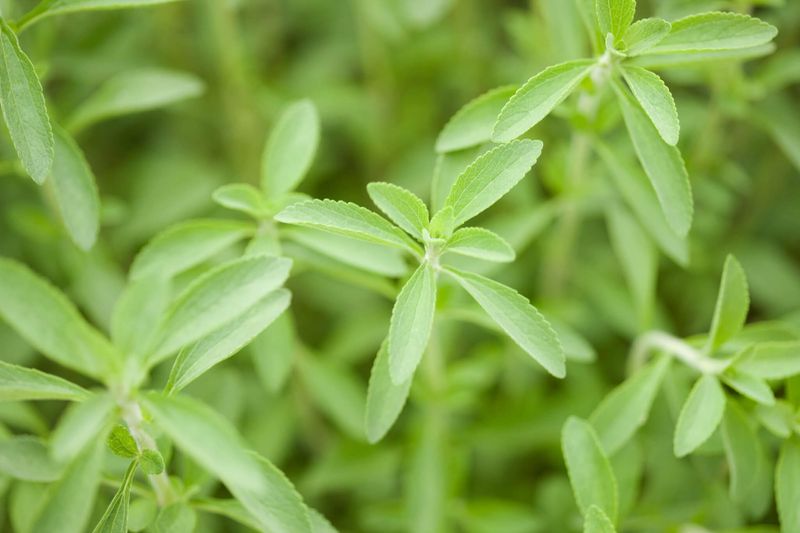
Sweet stevia leaves provide natural sweetness without calories, perfect for teas, desserts, and beverages. This tropical herb adapts surprisingly well to indoor growing in moderate light conditions.
Harvest leaves regularly to keep the plant bushy and productive. Fresh stevia leaves are much sweeter than processed powder, and growing your own provides a healthy alternative to artificial sweeteners year-round.
19. Vietnamese Coriander – The Spicy Alternative
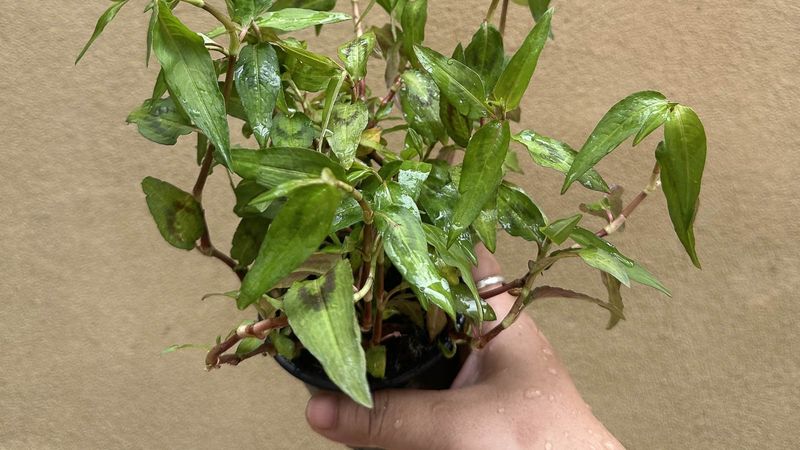
Also called hot mint, this Southeast Asian herb has a spicy, coriander-like flavor perfect for Asian dishes and soups. This tropical plant grows well indoors and tolerates low light.
Pinch stems to encourage bushy growth and prevent flowering. Vietnamese coriander provides authentic Asian flavors when regular cilantro isn’t available and adds heat and complexity to your winter cooking adventures.