
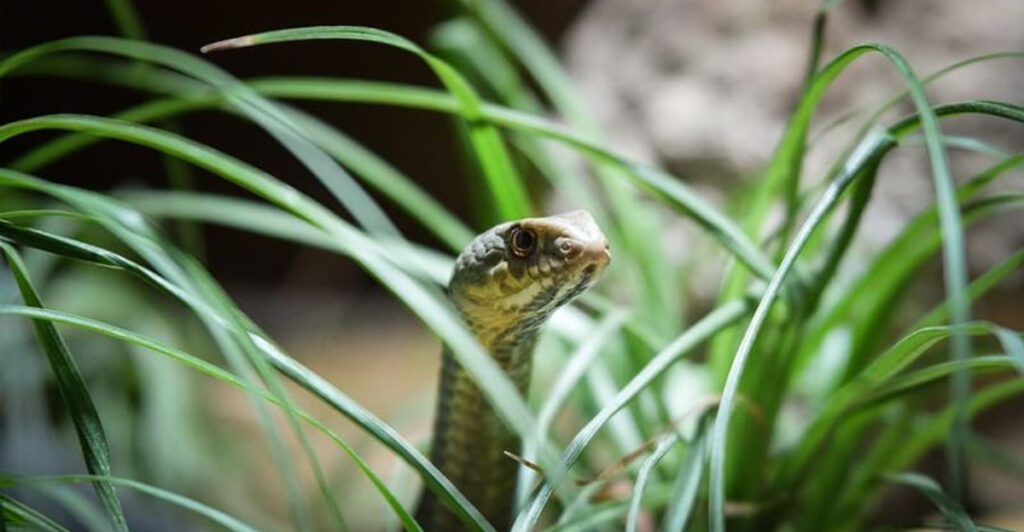
Keeping snakes out of your yard requires a combination of proactive measures and regular maintenance. From mowing the lawn to installing snake-proof fencing, each strategy plays a crucial role in maintaining a snake-free environment. Discover 12 effective ways to deter these slithering visitors from making your yard their home.
1. Keep Your Lawn Trimmed & Tidy
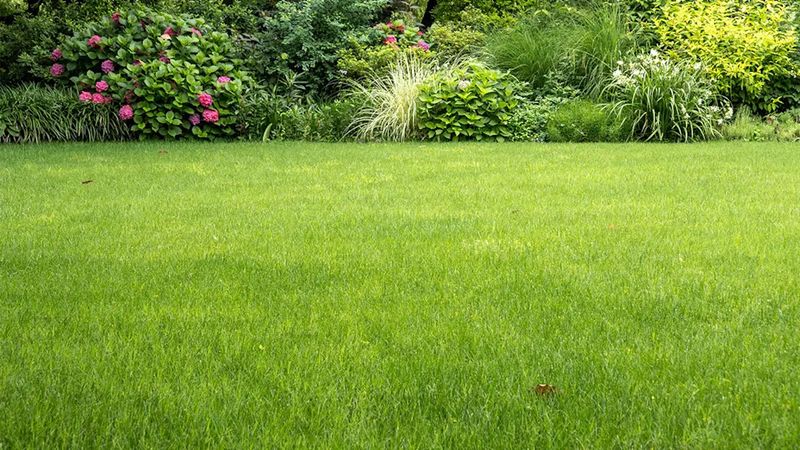
Snakes love to lurk in tall grass, using it as both a hunting ground and shelter. Regularly mowing your lawn is essential to eliminate these potential hiding spots. Beyond just the grass, ensure that bushes are neatly trimmed, reducing the cover that snakes might find appealing. A tidy yard not only looks good but also discourages snakes from settling in. Consider removing piles of leaves or debris where snakes might nest. Did you know? Some species of snakes can go unnoticed in just a few inches of grass, so keep it short!
2. Eliminate Food Sources
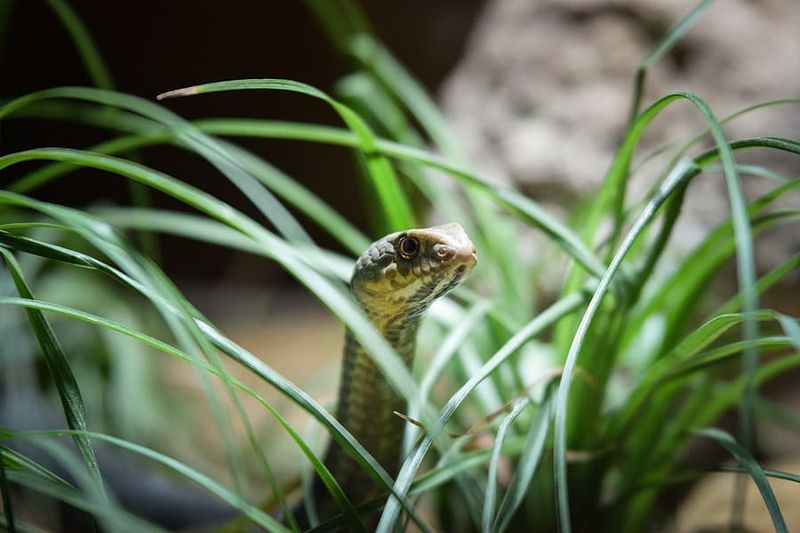
Why do snakes visit your yard in the first place? Often, it’s because they’re on the hunt for dinner. Snakes are attracted to areas teeming with small rodents, insects, or other prey. To deter them, control the population of these food sources with traps or natural repellents. Encourage a balanced ecosystem by introducing predators like owls or hawks. A yard without mice or rats is far less appealing to a snake. Remember, nature is all about balance, and fewer food sources mean fewer snakes!
3. Remove Hiding Spots
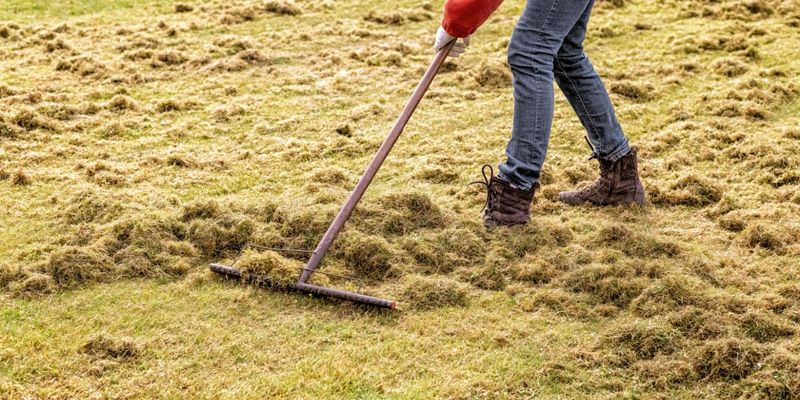
Snakes are masters of stealth, often seeking refuge in woodpiles, rocky areas, or piles of garden equipment. To make your yard less inviting, store firewood off the ground and away from the house. Clear away brush and clutter that might offer a cozy nook for these reptiles. Even gaps under sheds and outbuildings can serve as snake dens. Keeping these areas sealed ensures snakes have one less reason to visit. Remember, a clutter-free yard is not just tidier but also less snake-friendly!
4. Install Snake-Proof Fencing
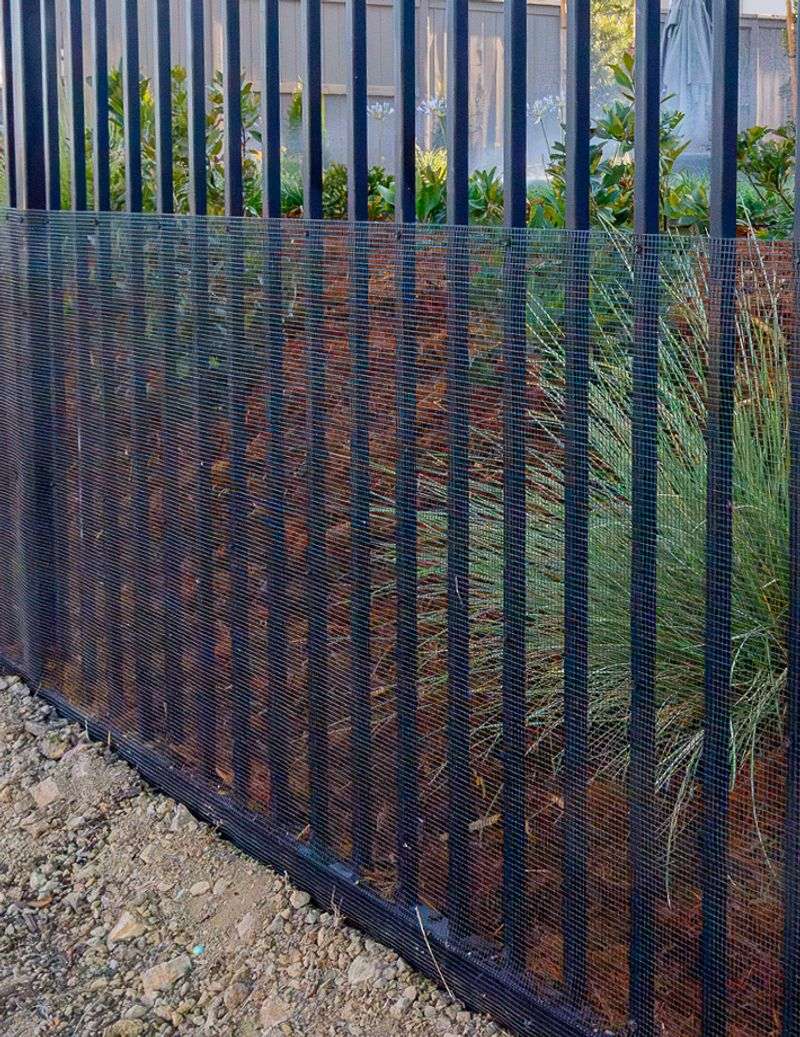
For those serious about keeping their yards snake-free, installing snake-proof fencing is a worthwhile consideration. Construct fences using ¼-inch hardware cloth, ensuring it’s buried at least 6 inches into the ground to prevent snakes from burrowing underneath. This provides a formidable barrier against even the slipperiest of snakes. Surround gardens, play areas, and any other spaces you frequent. This kind of fencing not only deters snakes but also adds a layer of security for other small wildlife in the yard.
5. Use Natural Snake Repellents
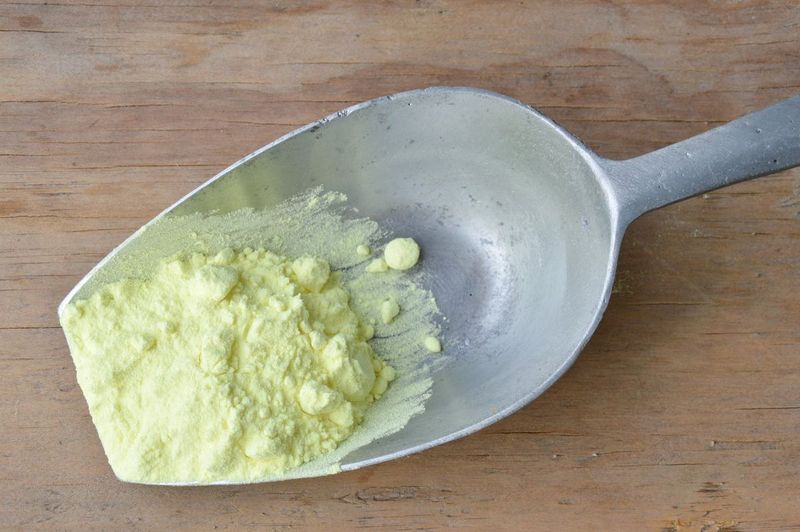
The power of scent can be a potent deterrent for snakes. Essential oils like clove, cinnamon, and sulfur are known to repel these creatures. Spraying mixtures of cedar or peppermint around entry points can discourage snakes from venturing closer. These natural repellents are not only effective but also eco-friendly, causing no harm to your garden’s ecosystem. Consider combining different scents for maximum effect. Did you know? Some indigenous cultures have used certain herbs to keep unwanted animals at bay for centuries.
6. Keep Bird Feeders Away from the House
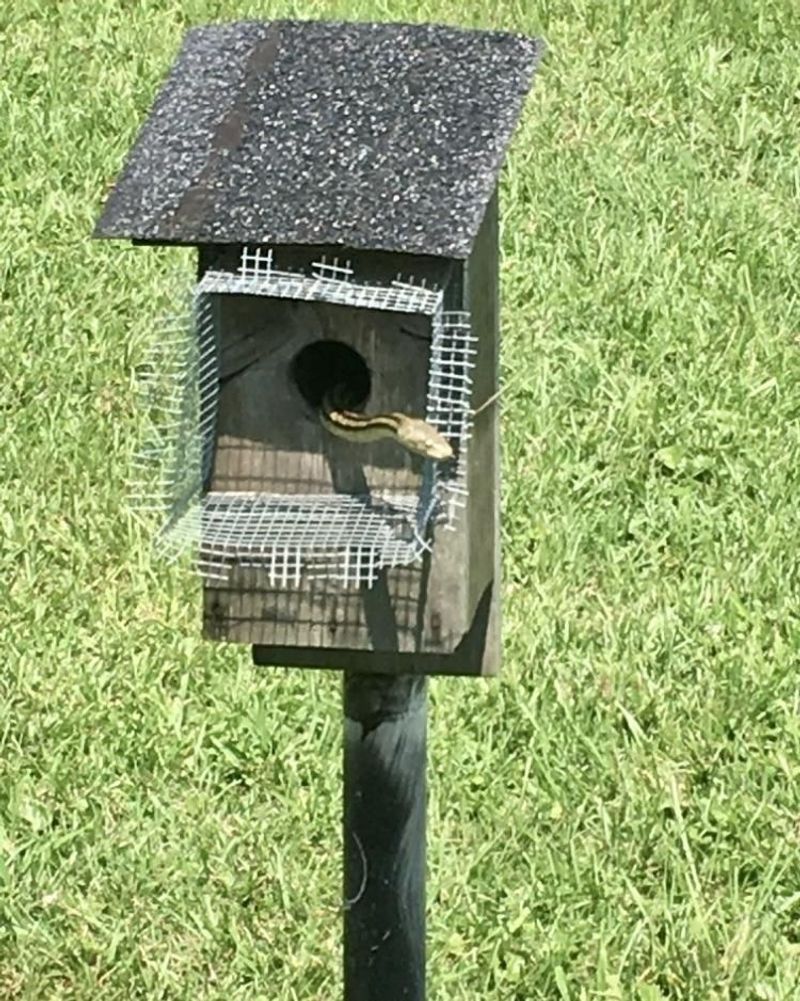
Bird feeders are a delightful addition to any garden, attracting a variety of birds. However, spilled birdseed can attract rodents, which in turn attract snakes. To prevent this, place feeders far from the house and frequently clean up any fallen seeds. This small adjustment can make a big difference in reducing snake visits. It’s a simple strategy that balances your love for birds with the need to keep snakes at bay. Enjoy bird watching without the unintended consequences!
7. Seal Cracks & Holes in Your Home
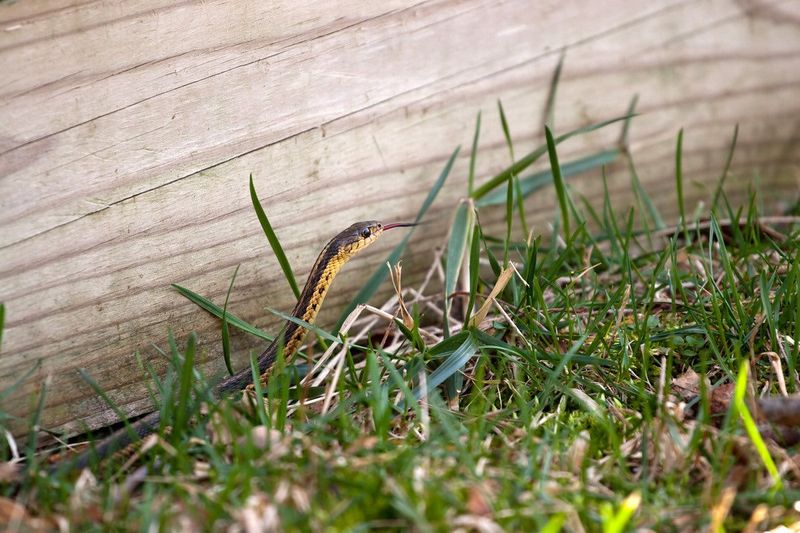
Snakes are adept at squeezing through small spaces, making any gaps in your home a potential entry point. Use caulk, weather stripping, or steel wool to seal cracks and holes in the foundation, doors, and vents. This not only prevents snakes but also helps in keeping your home energy-efficient. Regular inspections of your home’s exterior can help identify new gaps before they become a snake’s doorway. A well-sealed home is less tempting to these unwelcome guests.
8. Use Gravel or Rough Mulch
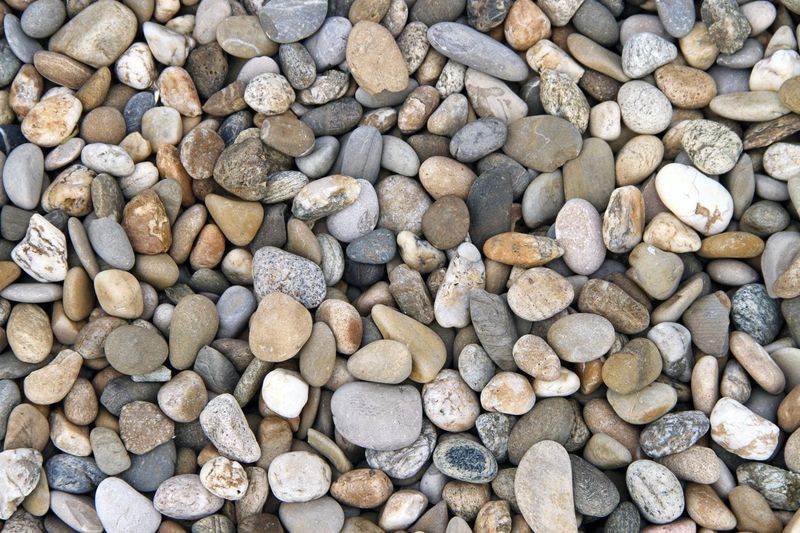
The texture of your garden paths can influence snake traffic. Snakes prefer smooth surfaces, so replacing wood mulch with gravel, pine cones, or lava rock can deter them. The rough texture is uncomfortable for snakes to slither over, making them less likely to approach areas where these materials are used. This strategy also adds an appealing aesthetic to your garden. Did you know? Many gardeners find that these materials also help with drainage, benefiting plant health.
9. Get Rid of Standing Water
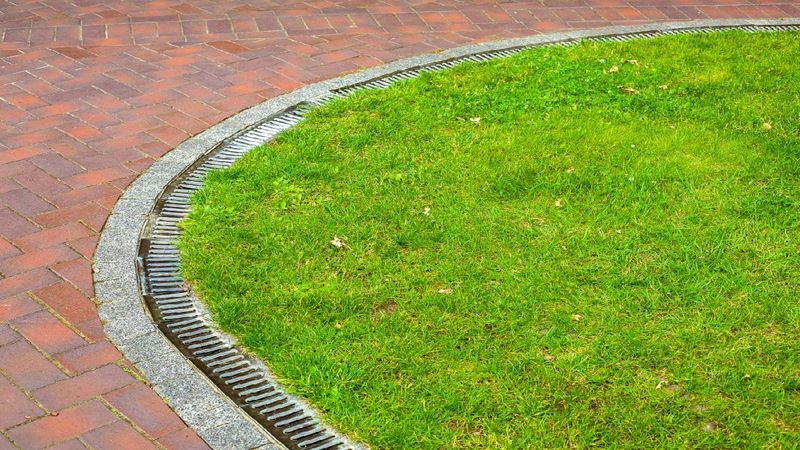
Standing water can attract frogs and insects, which are a food source for snakes. By fixing leaky hoses, ensuring birdbaths drain at night, or using a fountain, you create a less inviting environment for these creatures. Water is essential for life, but excess can lead to unwanted visitors. A well-drained yard not only prevents snakes but also promotes a healthier garden ecosystem. Remember, maintaining garden equipment can prevent unintended water accumulation.
10. Introduce Natural Predators
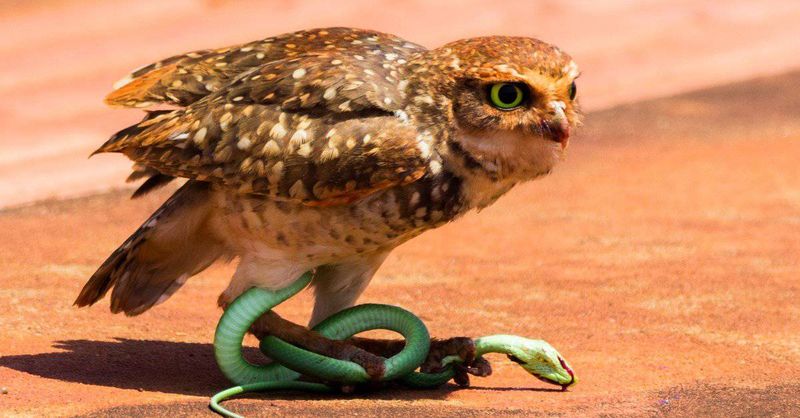
Nature provides its own form of pest control through natural predators. Animals like owls, foxes, and some birds can help keep snake populations in check. Encouraging these predators by providing suitable habitats can naturally reduce snake numbers. For instance, installing owl boxes can attract these nocturnal hunters. Did you know? Guinea fowl are known for their snake-eating habits and can be a functional and lively addition to your yard.
11. Use Vibrations to Scare Them Off
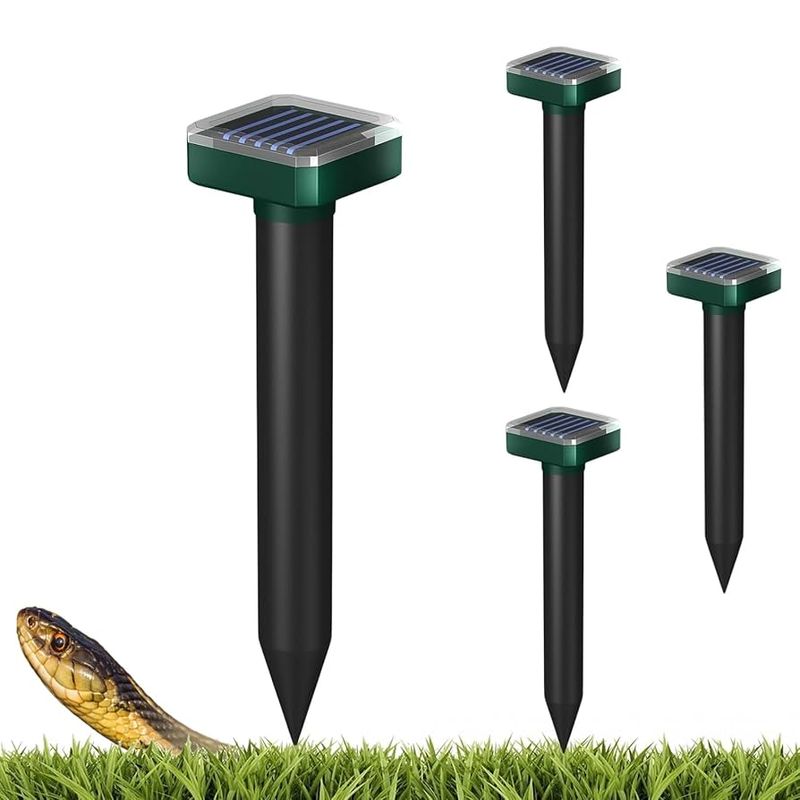
Snakes are particularly sensitive to vibrations, a trait that can be used to your advantage. Installing solar-powered stakes that emit vibrations can effectively deter snakes, as they avoid noisy areas. These stakes are an eco-friendly solution that harnesses the power of the sun, ensuring continuous protection without the need for frequent battery changes. It’s a modern approach that marries technology with snake prevention. Perfect for those wanting a low-maintenance, natural deterrent.
12. Keep Your Yard Well-Lit at Night

Snakes prefer dark, hidden places, making a well-lit yard less appealing. Installing motion-sensor lights ensures that any movement will trigger illumination, scaring off snakes and other nocturnal visitors. This not only helps in keeping snakes away but also adds an element of security to your home. Bright lights can be a simple yet effective tool in maintaining a snake-free environment. Enjoy peaceful nights with the added assurance of a brightly lit yard.