
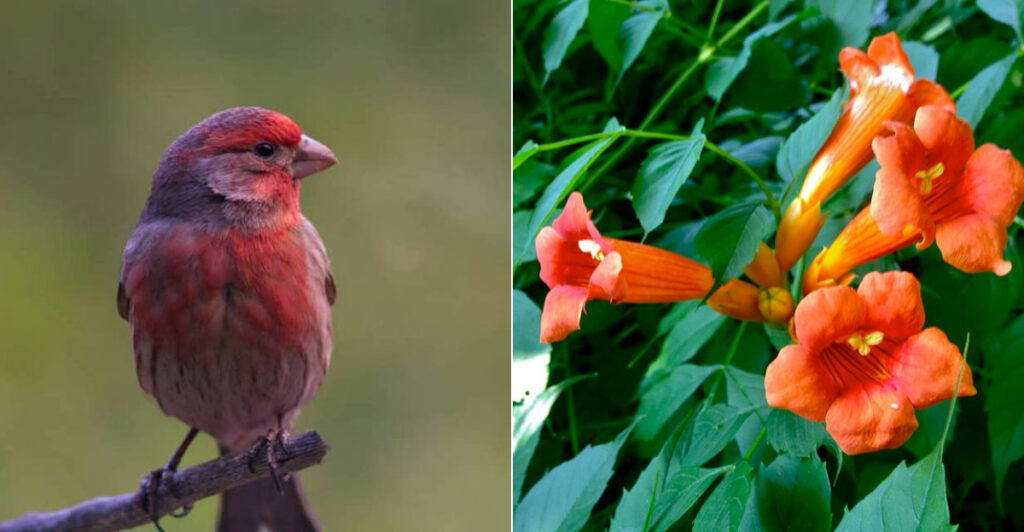
Explore the vibrant world of red birds and learn how to attract these stunning creatures to your backyard with the right blooms. This guide will introduce you to both the birds and the flowers that create an inviting habitat for them.
1. Northern Cardinal (Cardinalis cardinalis)
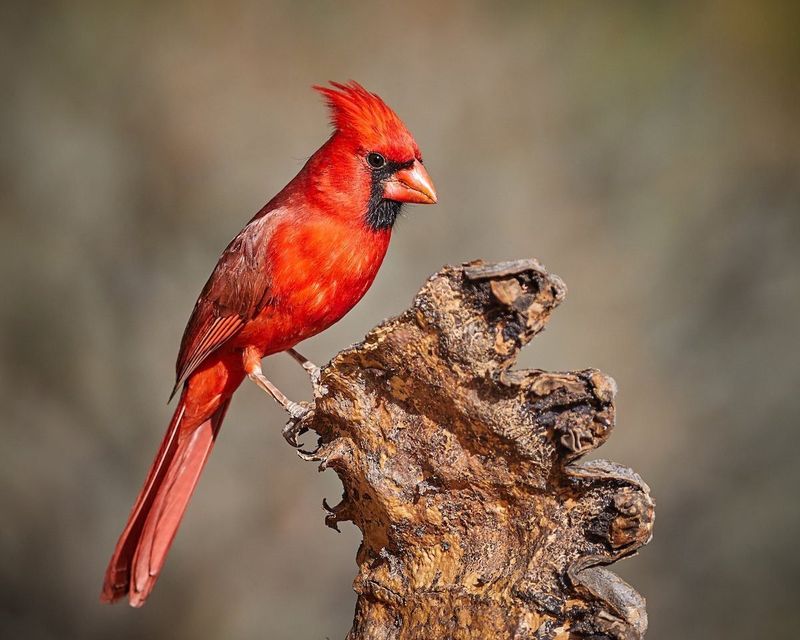
The Northern Cardinal, a backyard favorite, dazzles with its bright crimson feathers. Males are particularly striking with their vivid red hue, while females sport a more subdued reddish-brown. Their distinctive crest and robust beak make them easy to recognize. Sunflower and safflower seeds are their go-to snacks, and they often visit feeders in search of these treats. Found across the Eastern and Central U.S., as well as parts of the Southwest, these birds bring a splash of color and beauty to any garden they visit.
2. Scarlet Tanager (Piranga olivacea)
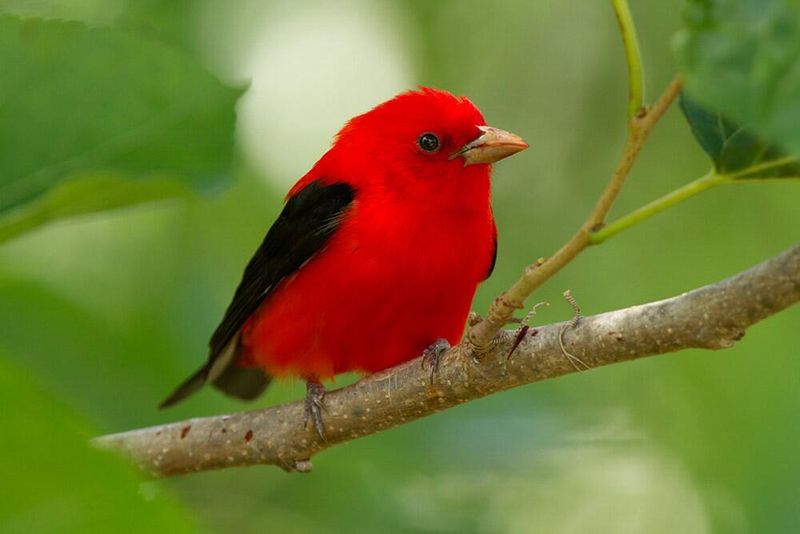
Male Scarlet Tanagers are a feast for the eyes with their bold red bodies and contrasting black wings. Females, on the other hand, flaunt a more understated olive-yellow plumage. These birds primarily feast on insects and berries, making them skilled hunters in their leafy habitats. They spend summer months in the Eastern United States before migrating to the warm climates of South America. Their striking appearance and melodious song make them a cherished sight for birdwatchers and nature enthusiasts alike.
3. Summer Tanager (Piranga rubra)
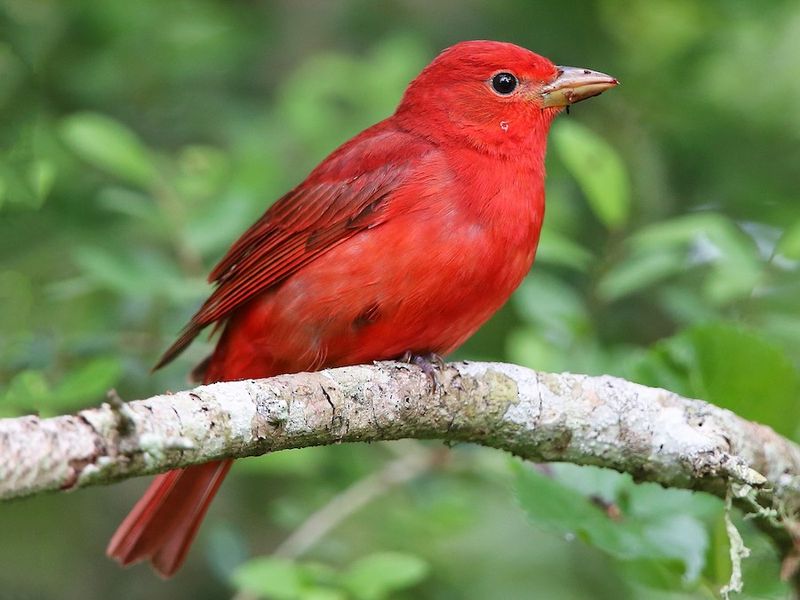
The male Summer Tanager are a sight to behold, while females boast a charming yellow-green hue. Known for their penchant for bees and wasps, they are skilled at catching these insects mid-flight. Summer Tanagers are common in the Southeastern and Southwestern U.S., where their vibrant colors stand out against the lush, green landscapes. Their presence adds a dynamic splash of color to any backyard.
4. Vermilion Flycatcher (Pyrocephalus obscurus)
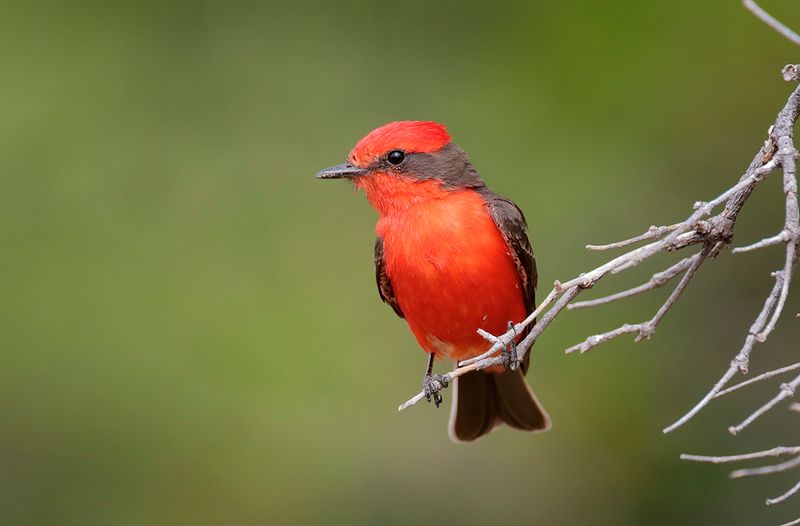
The Vermilion Flycatcher is a fiery addition to any bird-lover’s list. Males glow with a bright red body contrasted by brown wings, while females are less vivid but equally charming. They are often seen perching low, near water sources, keenly watching for flying insects to snatch from the air. Found in the Southwestern United States and parts of Mexico, these birds add a touch of excitement and color to their habitats, making them a delightful discovery for those lucky enough to spot them.
5. Pine Grosbeak (Pinicola enucleator)
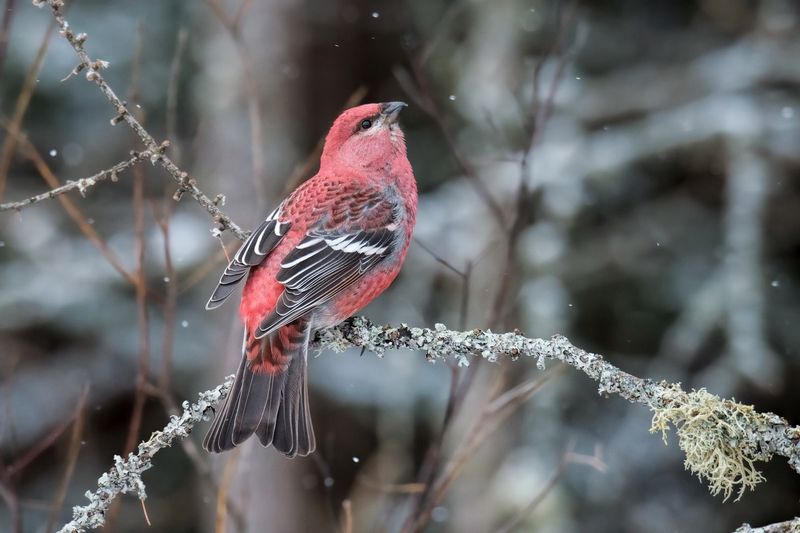
With its rosy-red feathers, the male Pine Grosbeak is a true winter wonder. These birds sport a large, finch-like beak ideal for cracking open seeds and enjoying fruits. Females are more subdued in color, appearing in grayish tones but are no less beautiful. During the colder months, they migrate to the northern U.S. from Canada, bringing a splash of color to snowy landscapes. They are often found in groups, adding a cheerful presence to the otherwise stark winter environment.
6. House Finch (Haemorhous mexicanus)
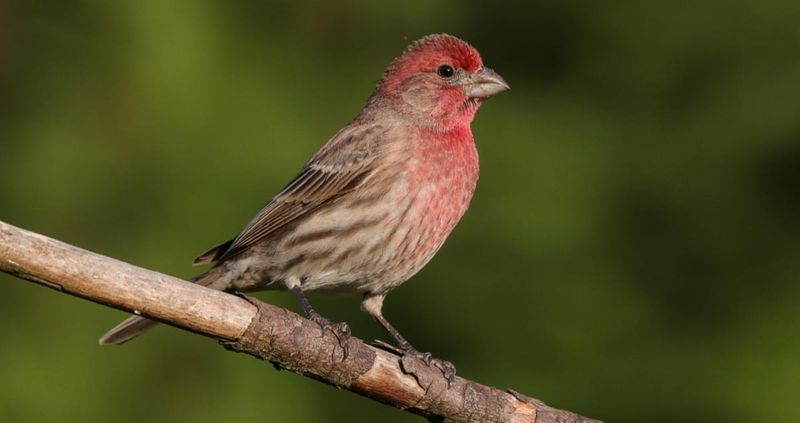
House Finches, easily recognized by their streaky brown bodies and vibrant red heads, are a common sight across North America. Males flaunt their colorful heads and chests, while females remain a modest plain brown. These birds are frequent visitors to bird feeders, favoring nyjer and black oil sunflower seeds. They adapt well to urban and rural settings, making them one of the most widespread and easily spotted birds in the region. Their cheerful songs and gregarious nature make them a backyard favorite.
7. Purple Finch (Haemorhous purpureus)
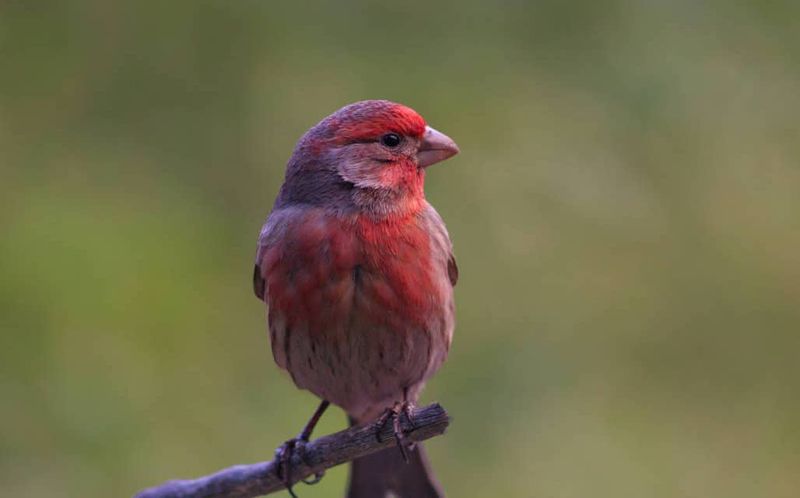
The Purple Finch, with its raspberry-red plumage, is a charming addition to any backyard. Males display this rich hue, while females sport a streaked brown appearance. Their diet consists of seeds, berries, and insects, making them frequent visitors to feeders and gardens. Found primarily in the northern U.S. and Canada, they migrate to the Southeast during winter. Their sweet, warbling songs add a melodic touch to the natural soundscape, delighting those who take the time to listen.
8. Red Crossbill (Loxia curvirostra)
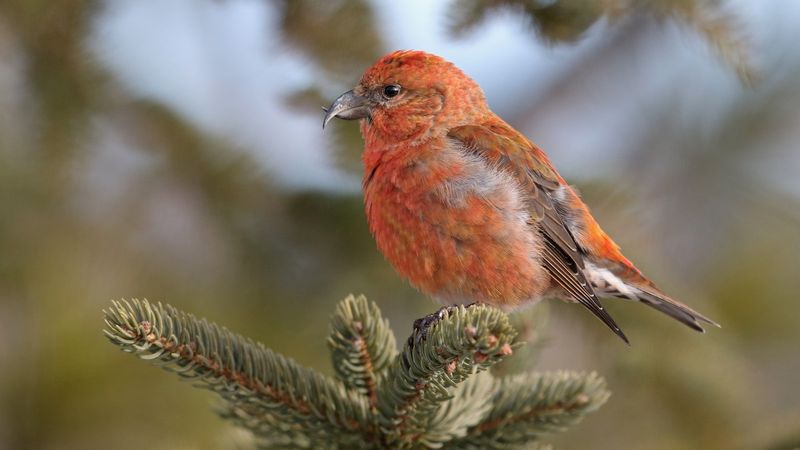
The Red Crossbill is a fascinating bird with a unique adaptation: its crossed bill, perfect for prying open pine cones to access seeds. Males are adorned in brick-red, while females show off yellow-green hues. These birds inhabit coniferous forests across North America, where they can be seen flitting among the trees in search of food. Their specialized diet and distinctive appearance make them a subject of interest for birdwatchers and naturalists alike, adding intrigue to forested landscapes.
9. Painted Bunting (Passerina ciris) – Male’s Red Underparts
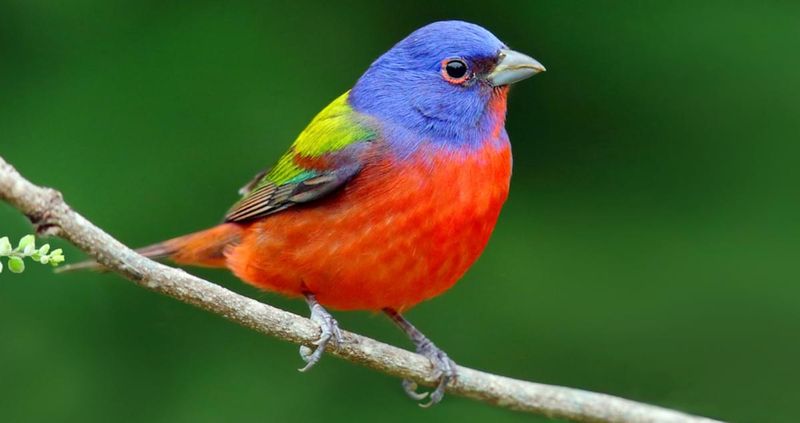
The male Painted Bunting is a living rainbow, boasting a blue head, red chest, and green back. This colorful plumage makes them one of the most visually striking birds in North America. They are fond of white millet and other seeds, making backyard feeders an ideal place to spot them. Found in the southeastern U.S. during summer months, these birds are not only beautiful but also fascinating to watch. Their dazzling colors and lively behavior make them a highlight for any bird enthusiast.
10. Crimson-collared Grosbeak (Rhodothraupis celaeno)
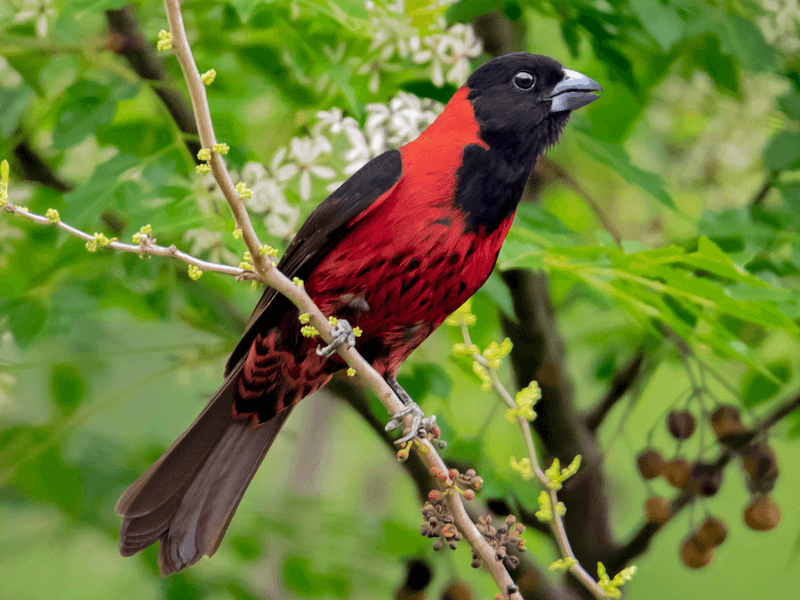
The Crimson-collared Grosbeak is a rare sight, primarily found in Mexico and occasionally in South Texas. Its deep red hood and chest stand out against its striking black body, creating a bold appearance that captures attention. These birds favor fruit and seeds, often seen foraging in dense forests. Their rarity in the U.S. makes them a sought-after find for bird enthusiasts. Spotting one of these elusive birds is a rewarding experience, offering a glimpse into the vibrant diversity of avian life in the region.
11. Hepatic Tanager (Piranga flava)
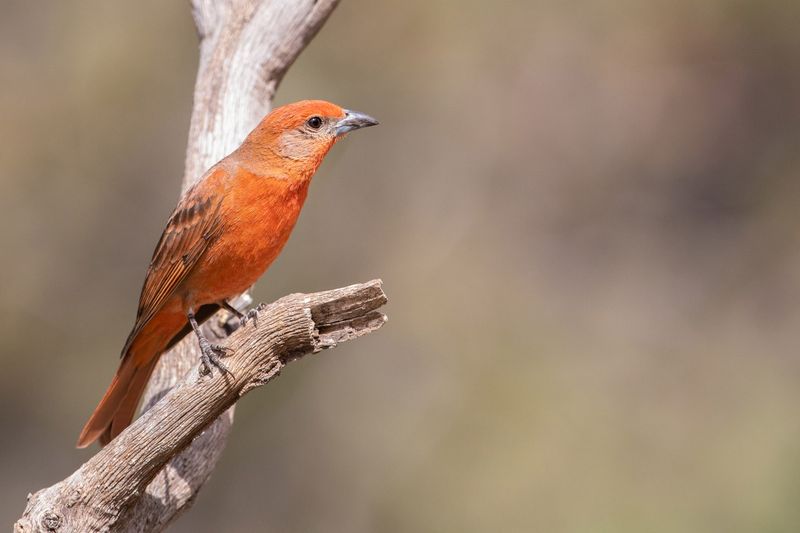
The Hepatic Tanager, with its dusky red plumage, adds a touch of warmth to southwestern U.S. forests. Males display this muted red color, while females are adorned in yellow-orange hues. Known for their diet of insects and berries, these birds are skilled foragers. Their presence in the U.S. is limited to the Southwest, where they become a sought-after species for birdwatchers. The subtle beauty and gentle nature of these birds make them a delightful addition to any natural setting.
12. Red-headed Woodpecker (Melanerpes erythrocephalus)
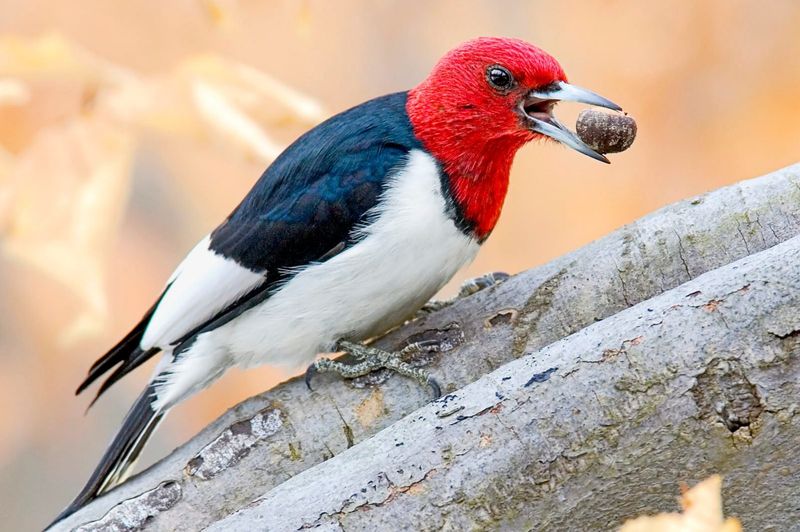
The Red-headed Woodpecker is a striking bird with its entirely red head and contrasting black-and-white body. Known for their acrobatic feats and persistence in pecking, they are often seen clinging to tree trunks in search of insects, nuts, and berries. Found throughout the Eastern and Central U.S., these woodpeckers are a dynamic presence in forests and woodlands. Their bold appearance and energetic behavior make them a favorite among birdwatchers, adding excitement to any birding adventure.
13. Sunflowers (Helianthus)
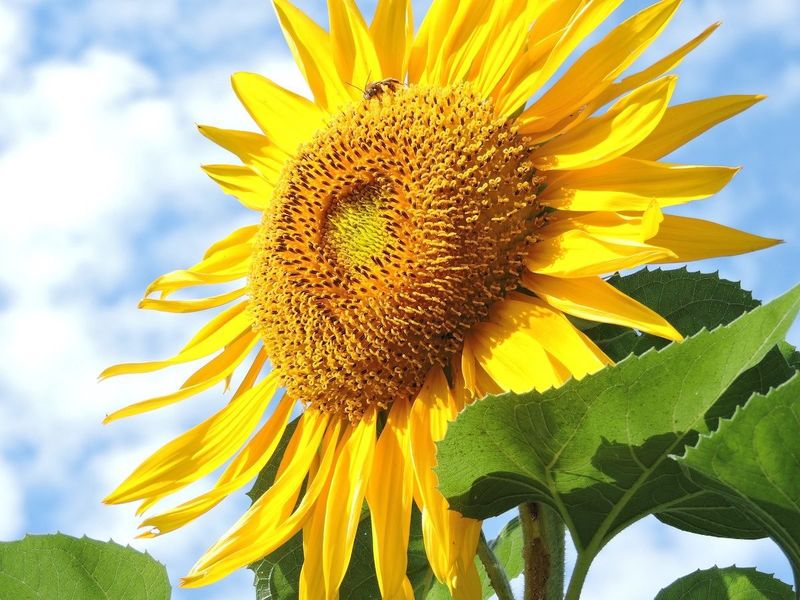
Sunflowers are more than just a sunny addition to gardens; they are a magnet for red birds like cardinals and finches. These tall, golden blooms offer ample seeds, making them a favorite for many bird species. Planting sunflowers in your garden can transform it into a lively feeding ground for these birds. Their towering presence and bright yellow petals add visual interest to any landscape, while simultaneously supporting the local bird population with a steady food source.
14. Coneflowers (Echinacea)
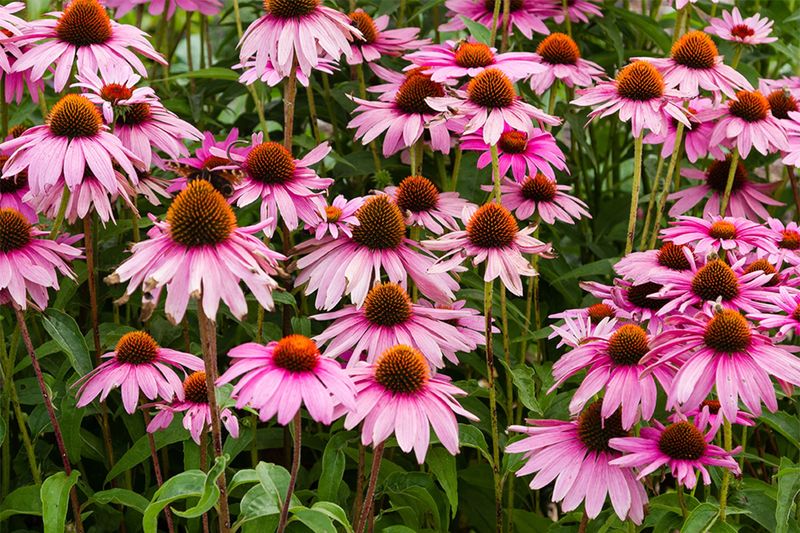
Coneflowers, with their striking purple petals and spiky centers, are a beloved choice for both gardeners and birds. Their seed heads are particularly enticing to finches and grosbeaks, who flock to these plants in search of a meal. Beyond their appeal to birds, coneflowers are known for their resilience and beauty, thriving in various climates. They add a pop of color to gardens while supporting the local ecosystem by providing essential nourishment for bird visitors.
15. Bee Balm (Monarda)
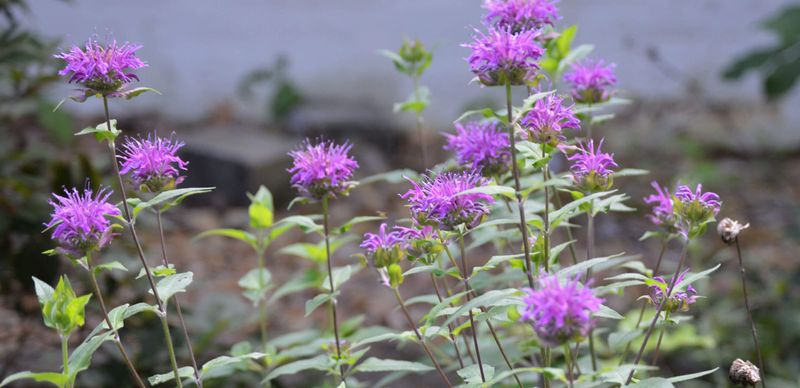
Bee Balm is a garden favorite, known for its rich nectar that attracts both hummingbirds and insects. These vibrant red blooms not only add a splash of color but also play a crucial role in drawing in food for red birds like tanagers, who feast on the insects. Their aromatic scent and bright flowers create a lively and inviting garden environment, making them a perfect addition for anyone looking to support local wildlife. Bee Balm’s dynamic presence enhances any outdoor space.
16. Serviceberry (Amelanchier)
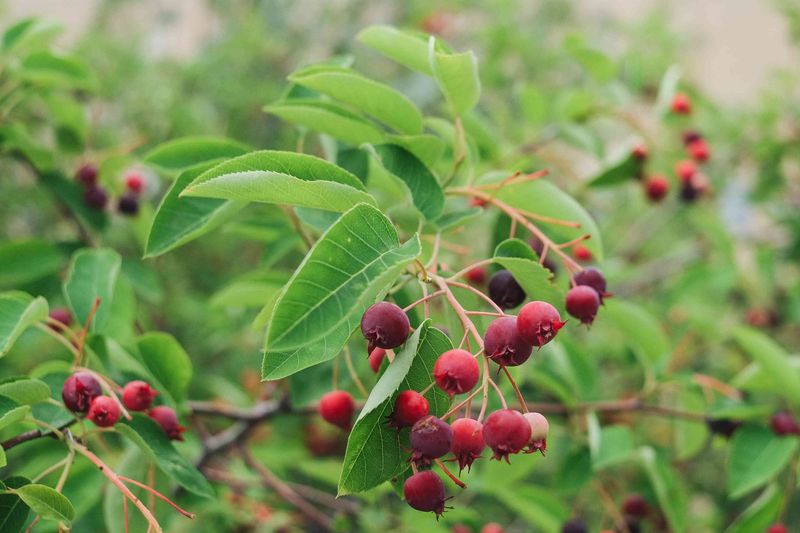
Serviceberry shrubs are a wonderful choice for any bird-friendly garden, offering sweet berries that attract a variety of birds, including robins, tanagers, and grosbeaks. These shrubs thrive in diverse environments, providing both sustenance and shelter for bird visitors. Their delicate white blossoms in spring give way to vibrant red berries, making them an aesthetically pleasing and functional addition to any landscape. For those looking to create a bird haven, serviceberries are an excellent option.
17. Elderberry (Sambucus)
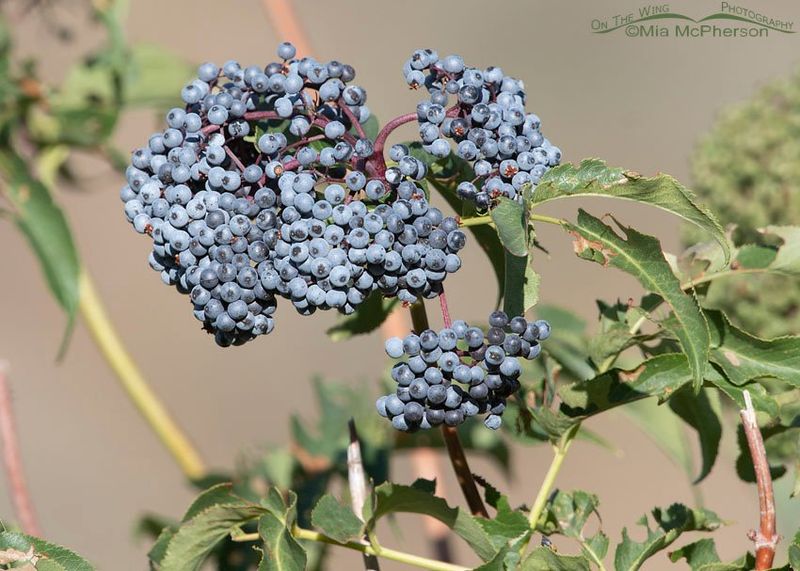
Elderberry bushes draw in birds with their bountiful clusters of dark berries, a favorite for scarlet tanagers and thrushes. These bushes are not only beneficial for attracting birds but also add a wild, untamed beauty to gardens. Elderberries are easy to grow and maintain, making them a practical choice for bird enthusiasts. Their ability to support a variety of bird species makes them a valuable addition to any wildlife-friendly garden, providing vital food sources throughout the season.
18. Trumpet Vine (Campsis radicans)
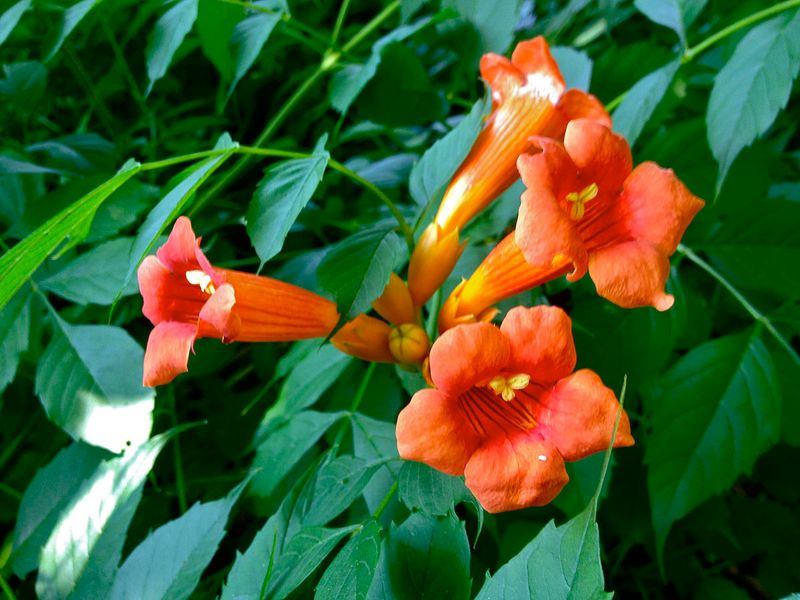
Trumpet Vines are a spectacle of nature, with their vivid flowers drawing in hummingbirds and insects. The insects attracted to these blooms in turn lure flycatchers, creating a lively ecosystem. Their long, tubular flowers provide ample nectar, making them irresistible to their avian visitors. Despite their aggressive growth, trumpet vines add dramatic flair to gardens. For those looking to create a dynamic and bird-friendly space, these vines are an excellent choice, adding both beauty and ecological value.
19. Dogwood (Cornus)
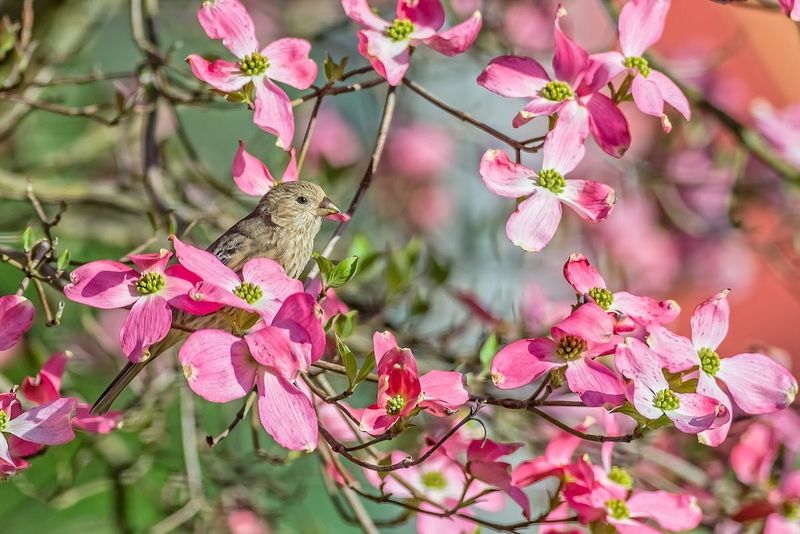
Dogwood trees offer more than just beautiful blossoms; they provide essential food sources with their berries, drawing in birds like cardinals and grosbeaks. These trees are well-suited to a variety of landscapes, their elegant white flowers blooming in spring followed by clusters of berries that sustain bird life. Their adaptability and beauty make them a popular choice for enhancing garden aesthetics while supporting local wildlife. Dogwoods are a valuable asset for any bird-friendly garden.
20. Black-eyed Susan (Rudbeckia)
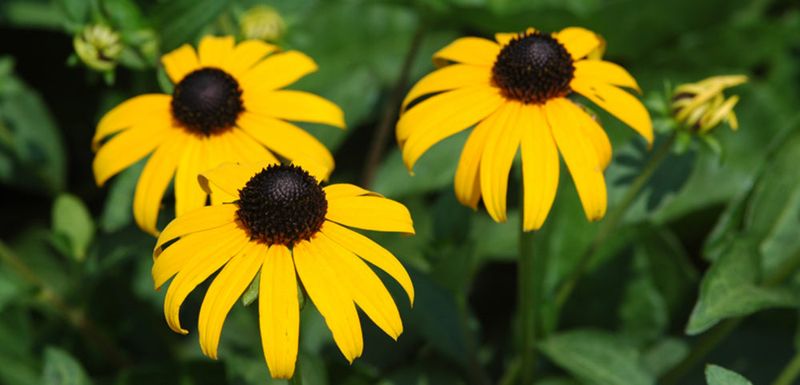
Black-eyed Susans, with their sunny yellow petals and dark centers, are a vibrant addition to any garden. As these flowers go to seed, they become a favorite for finches, providing an essential food source as colder months approach. Their hardy nature makes them easy to grow, and their cheerful appearance brightens up garden spaces. By planting Black-eyed Susans, gardeners can create a welcoming environment for birds, supporting local wildlife and adding beauty to their outdoor areas.
21. Virginia Creeper (Parthenocissus quinquefolia)
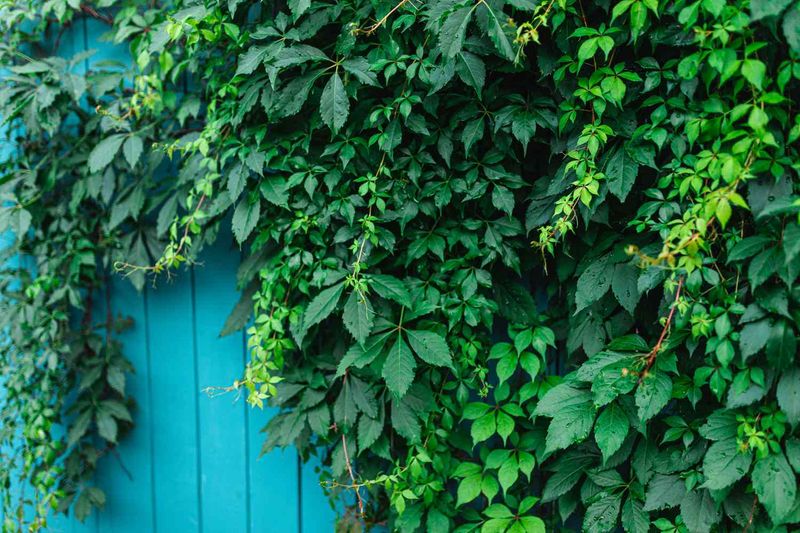
Virginia Creeper is a gardener’s ally, offering rich blue berries that serve as a late-season treat for migrating birds. This vine is not only functional but also adds an element of wild beauty to gardens, with its lush foliage and rapid growth. As birds prepare for migration, the creeper provides essential nourishment, supporting their long journeys. Its ability to thrive in various conditions and attract a wide array of bird species makes it a versatile and beneficial addition to any garden.
22. Winterberry (Ilex verticillata)
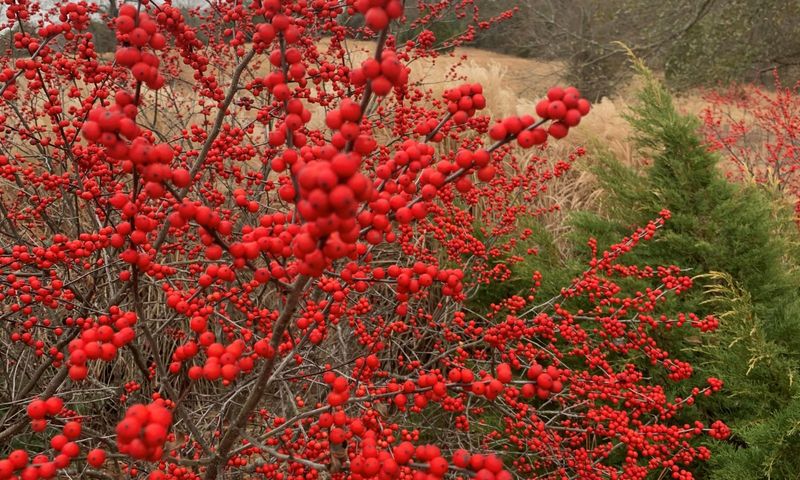
Winterberry bushes brighten up winter landscapes with their vibrant red berries, offering a crucial food source when other options are scarce. Birds flock to these bushes, drawn by the promise of sustenance during cold months. The striking contrast of red berries against snow creates a picturesque scene that enhances garden aesthetics. For bird enthusiasts looking to support local wildlife through winter, planting winterberry is a wise choice, providing both beauty and essential resources for overwintering birds.