
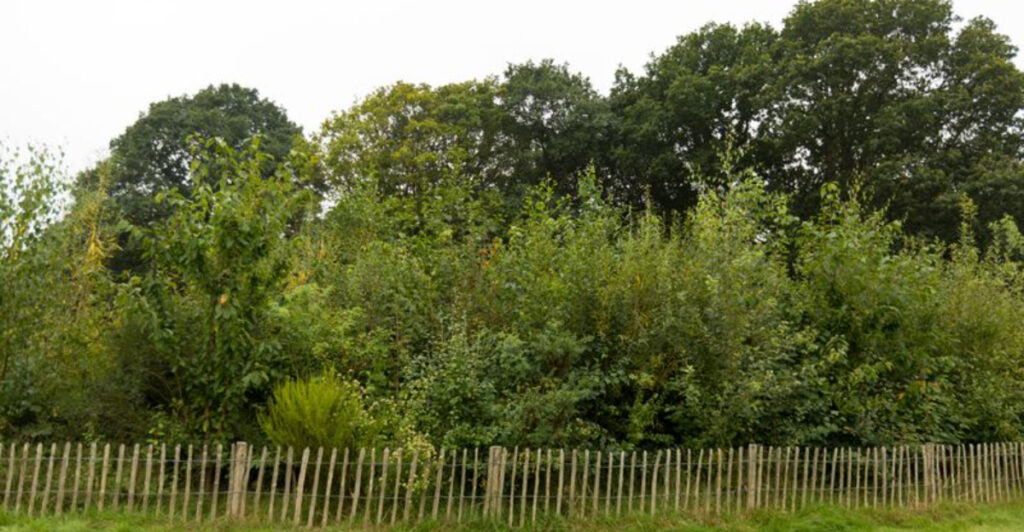
Imagine transforming your backyard into a thriving jungle within just a few years! The Miyawaki method, developed by Japanese botanist Akira Miyawaki, makes this dream possible by creating dense, self-sustaining forests that grow 10 times faster than traditional tree planting.
This revolutionary approach uses native species and natural forest patterns to build ecosystems that attract wildlife and combat climate change right in your own space.
1. Understanding the Miyawaki Method Basics
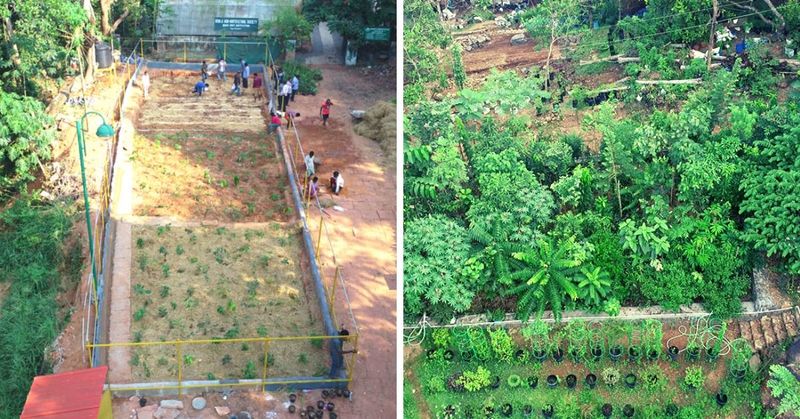
Picture nature’s own blueprint for forest creation compressed into your backyard timeline. This Japanese technique mimics natural forest regeneration by planting native species in dense formations without chemicals or artificial interventions.
The magic happens through competition and cooperation between plants, creating forests that grow 30 times denser than conventional plantings. Within two decades, you’ll have a mature ecosystem that would normally take a century to develop naturally.
2. Choosing Your Perfect Forest Location
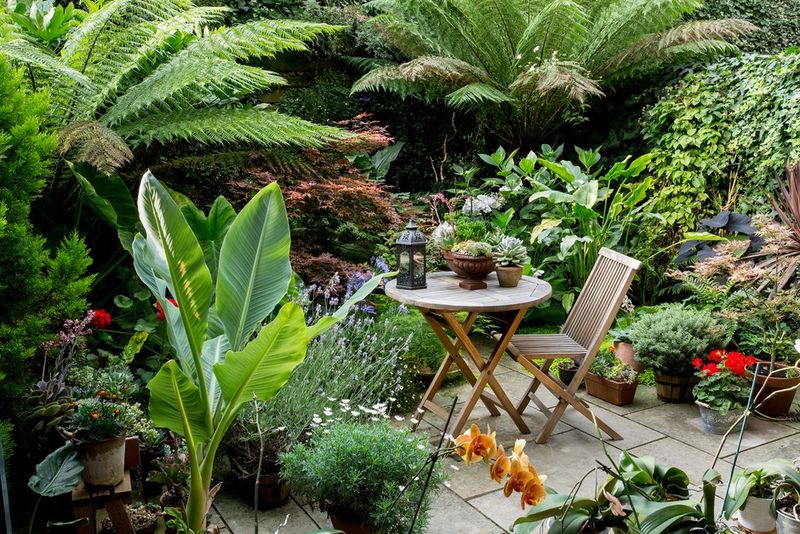
Size doesn’t matter when creating your mini-jungle – even a parking space can become a thriving forest! Your chosen spot needs basic sunlight exposure and should be free from underground utilities or pipes.
Urban balconies, suburban corners, or rural patches all work perfectly. The key is selecting an area you can dedicate entirely to your forest project, knowing it will transform into a wildlife haven within years.
3. Researching Native Plant Species for Your Region
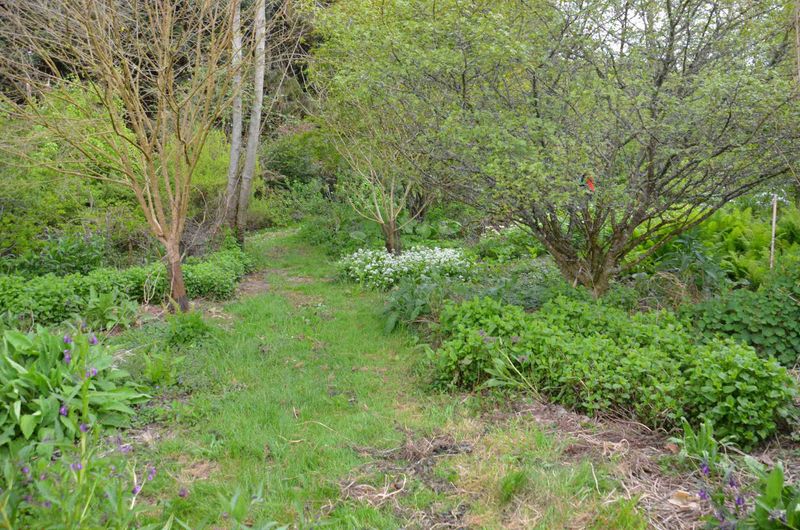
Your forest’s success depends entirely on choosing plants that naturally belong in your area. Local species have evolved perfect relationships with regional climate, soil, and wildlife over thousands of years.
Contact native plant nurseries or study nearby natural forests to identify 20-30 indigenous species. Mix canopy trees, understory shrubs, and ground covers to create the three essential forest layers that support diverse ecosystems.
4. Preparing Nutrient-Rich Soil Foundation
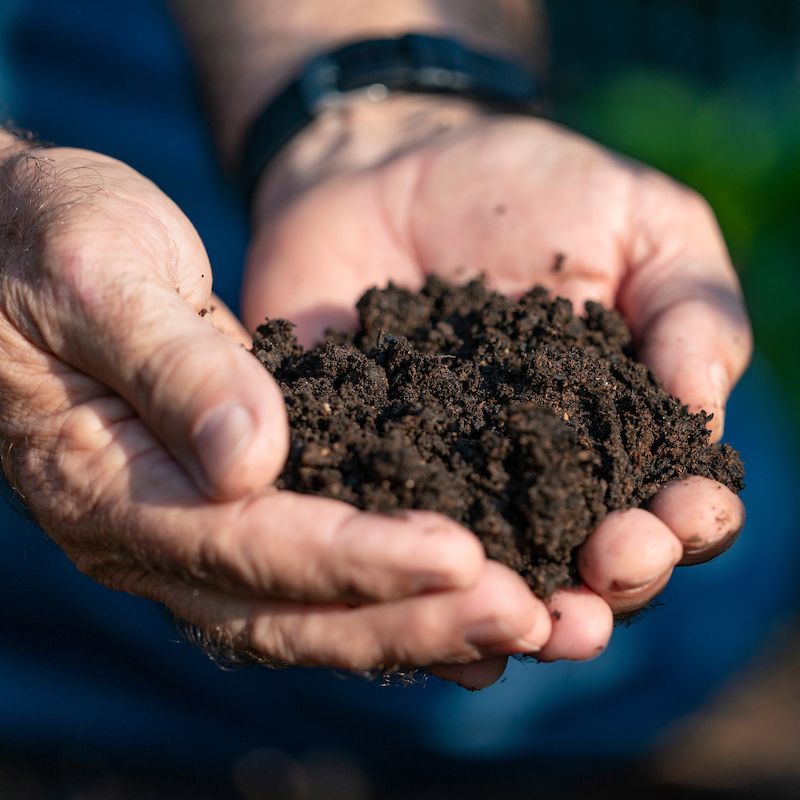
Deep soil preparation separates successful Miyawaki forests from failed attempts. Dig down three feet and transform compacted earth into loose, organic-rich growing medium that roots can easily penetrate.
Mix in generous amounts of compost, rice husks for aeration, and local biomass for fertility. This foundation work might seem excessive, but it creates the perfect environment for rapid root development and explosive growth.
5. Dense Planting Strategy for Maximum Growth
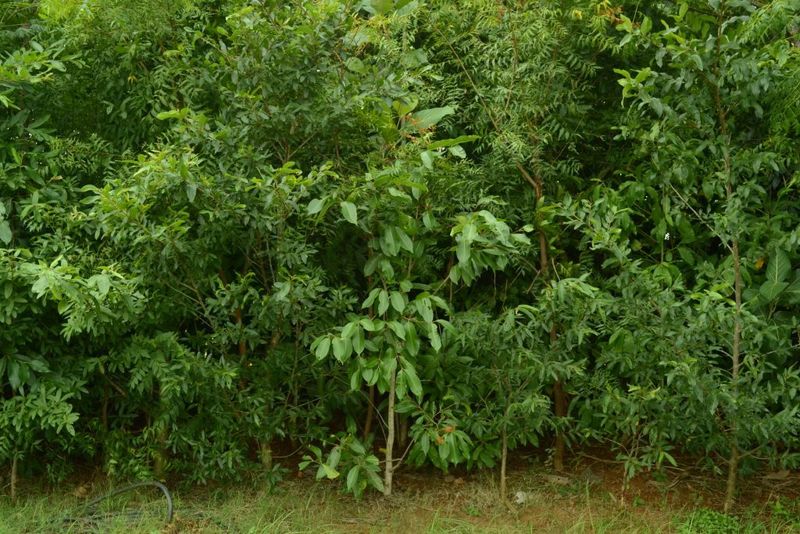
Forget everything you know about giving plants space – Miyawaki forests thrive on crowding! Plant 3-5 saplings per square meter, forcing them to compete for light and grow upward rapidly.
Randomly mix fast-growing pioneers with slow-growing climax species and nitrogen-fixing plants. This creates natural competition that accelerates growth while preventing any single species from dominating your developing ecosystem.
6. Mulching and Watering for Early Success
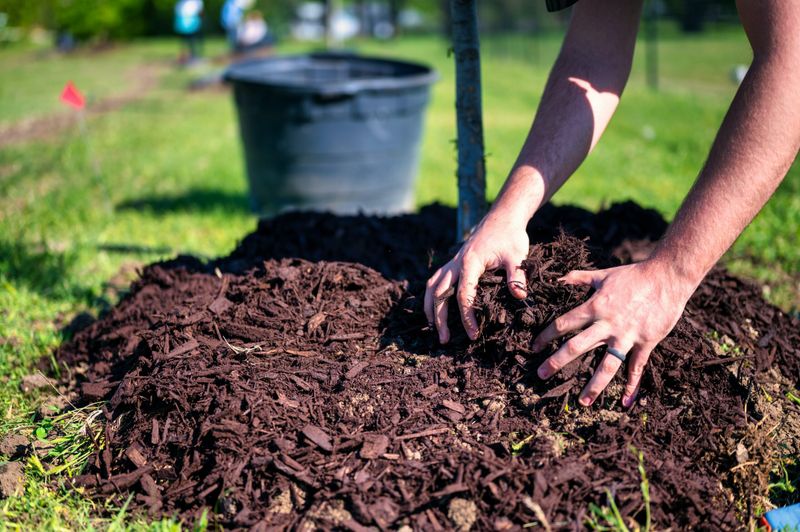
Fresh plantings need constant moisture and protection from weeds during their vulnerable first months. Cover every inch of soil with thick organic mulch like straw, wood chips, or fallen leaves.
Water daily for the first three months, then gradually reduce frequency as root systems establish. This intensive care period determines whether your forest thrives or struggles, so consistency is absolutely crucial for success.
7. Hands-Off Maintenance After Establishment
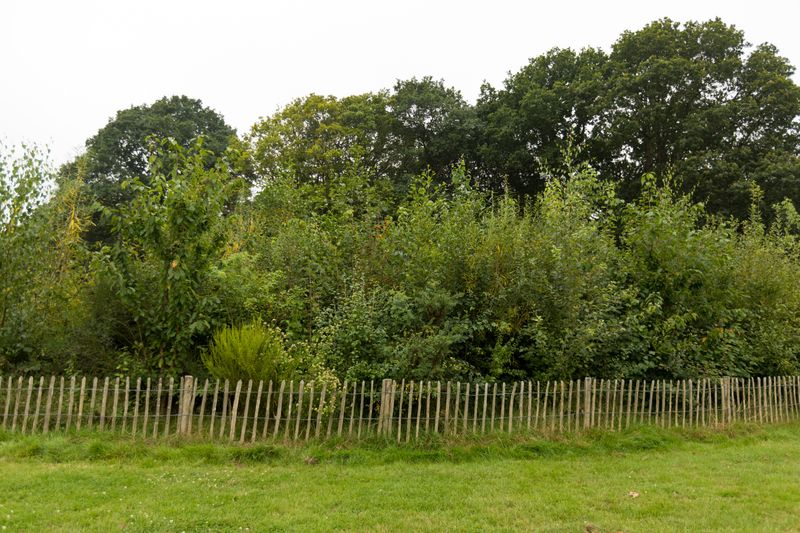
After two years of growth, your biggest challenge becomes resisting the urge to interfere! Stop fertilizing, weeding, and pruning – let nature take complete control of your developing ecosystem.
The forest becomes self-sufficient, generating its own nutrients through leaf litter and natural cycles. Human intervention at this stage actually disrupts the delicate balance your plants have worked hard to establish.
8. Witnessing Wildlife Return to Your Space
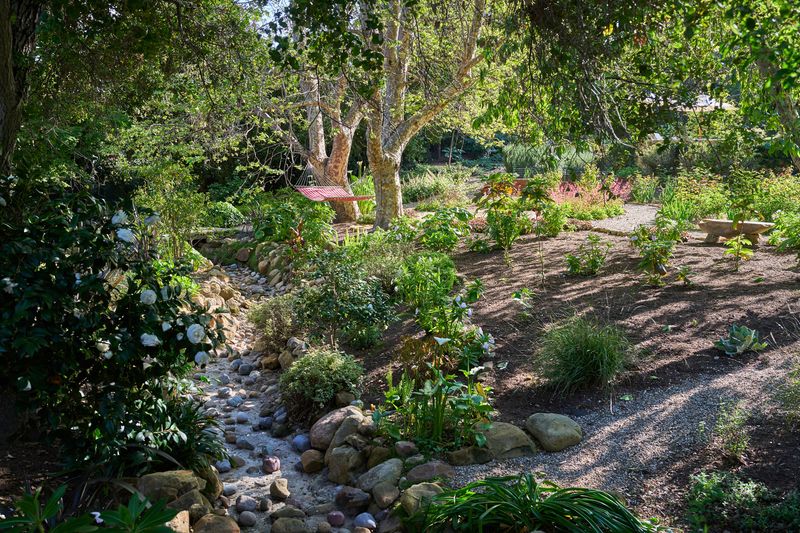
Within three years, your backyard jungle becomes a magnet for local wildlife seeking food and shelter. Birds build nests in your canopy while butterflies, bees, and beneficial insects create buzzing communities.
Small mammals, reptiles, and countless microorganisms establish residence, creating a complex web of life. You’ll notice cooler temperatures and richer biodiversity as your mini-forest matures into a genuine ecosystem.