
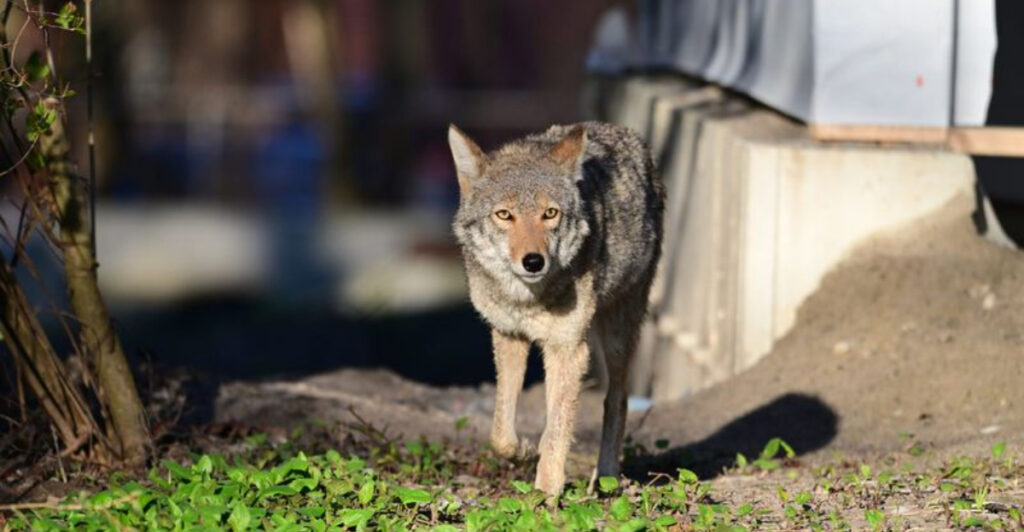
Wild coyotes are showing up in neighborhoods across America, turning peaceful backyards into unexpected wildlife encounters. These clever predators have adapted to city life, searching for food and shelter in suburban areas.
From California to New York, families are discovering coyote tracks near their homes and hearing their distinctive howls at night.
Understanding which states face the biggest coyote problems and learning how to protect your property has become essential for homeowners everywhere.
1. California Leads the Pack in Urban Coyote Encounters
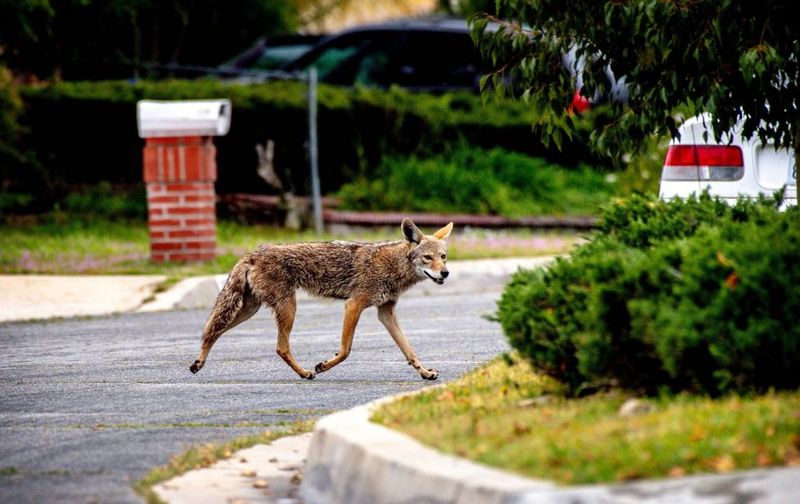
Golden State residents report more coyote sightings than anywhere else in America. Urban sprawl has pushed these adaptable animals into Los Angeles, San Francisco, and San Diego neighborhoods.
Remove pet food from outdoor areas and install motion-activated lights around your property. Secure garbage cans with tight-fitting lids and eliminate water sources like leaky faucets or pet bowls left outside overnight.
2. Texas Ranchers Face Increasing Coyote Pressure
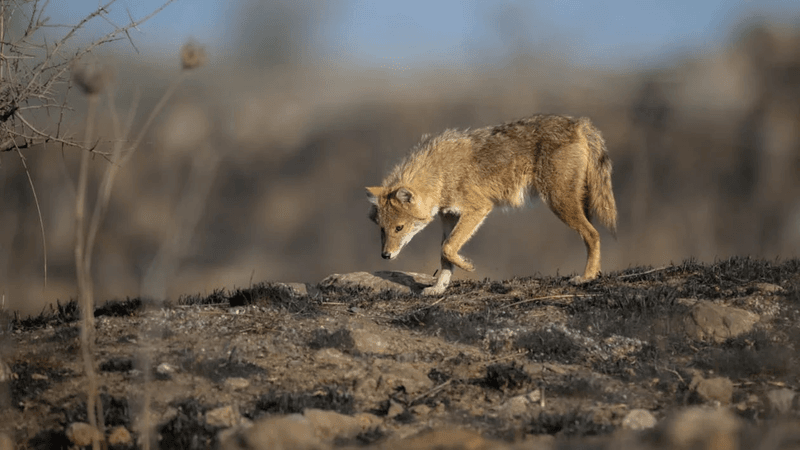
Lone Star State properties experience bold coyote behavior, especially during breeding season from January through March. Rural and suburban areas see pack formations that threaten livestock and pets.
Build sturdy fencing at least six feet high with buried wire mesh to prevent digging underneath. Use guard animals like donkeys or llamas to protect smaller livestock from coyote attacks.
3. Arizona Desert Communities Battle Persistent Coyote Issues
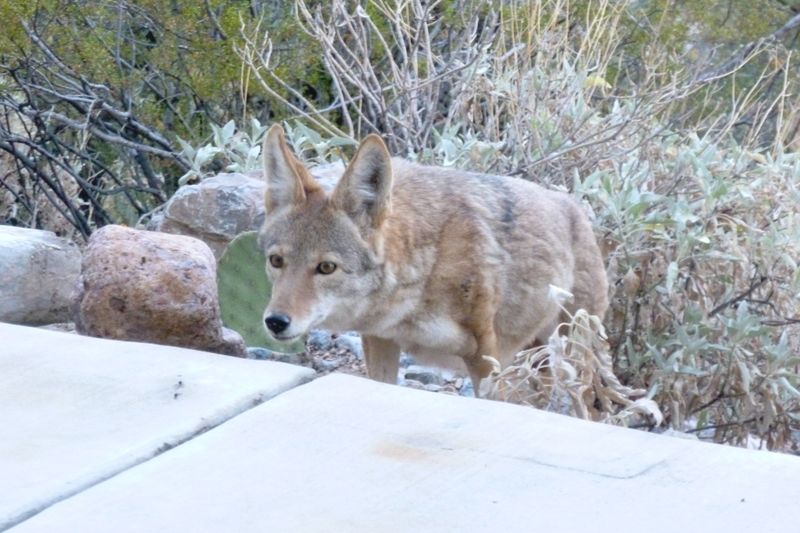
Desert landscapes provide perfect hunting grounds for coyotes seeking water and shelter near human settlements. Phoenix and Tucson suburbs report regular encounters with these desert dwellers.
Landscape with native plants that don’t attract rodents, which draw coyotes to your yard. Install coyote-proof fencing and remove brush piles where animals might hide during daylight hours.
4. Colorado Mountain Towns See Bold Coyote Behavior
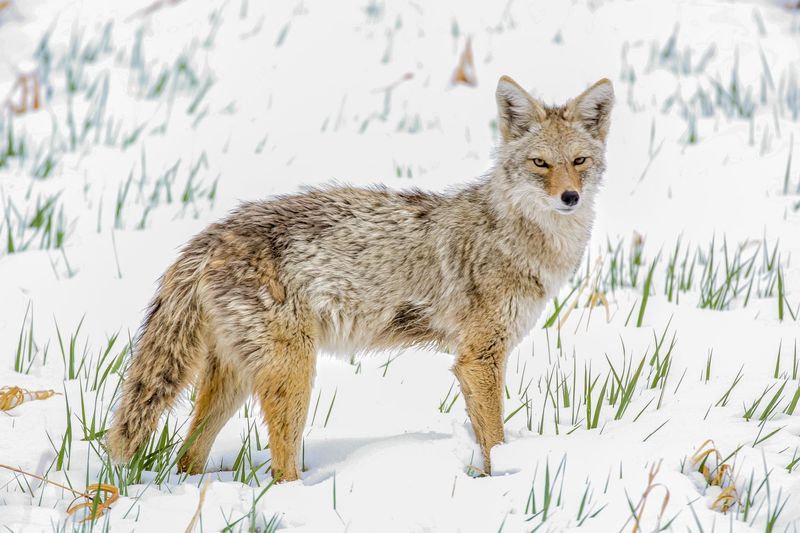
High-altitude communities face fearless coyotes that venture into residential areas seeking easy meals. Ski resort towns like Aspen and Vail report increased human-coyote conflicts during winter months.
Store birdseed in metal containers and clean up fallen fruit from trees regularly. Make noise when walking outside at dawn or dusk, and carry a whistle or air horn for emergencies.
5. New Mexico Residents Report Nighttime Coyote Visits
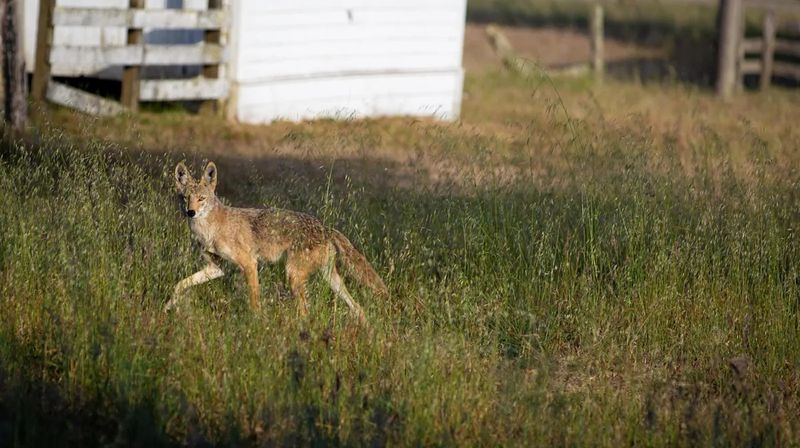
Land of Enchantment homeowners hear coyote packs howling near their properties after dark. Albuquerque and Santa Fe neighborhoods experience regular coyote activity throughout the year.
Install automatic sprinkler systems with motion sensors to startle approaching coyotes. Keep cats indoors and supervise small dogs during outdoor bathroom breaks, especially between sunset and sunrise when coyotes are most active.
6. Nevada Suburbs Experience Growing Coyote Populations
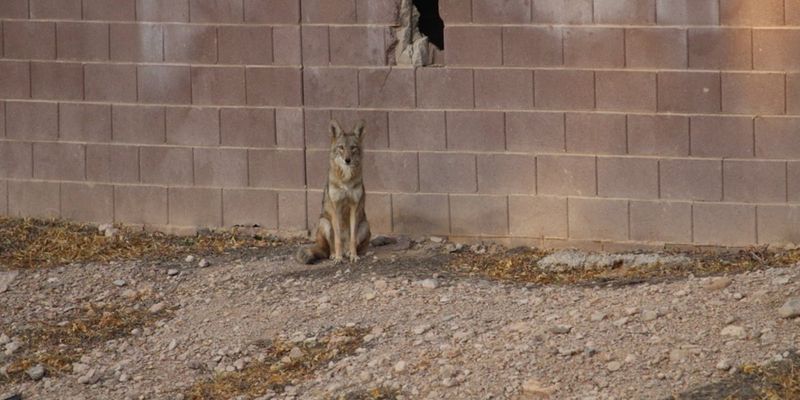
Silver State communities near Las Vegas and Reno face expanding coyote territories as development encroaches on natural habitats. These adaptable predators thrive in desert suburban environments.
Trim tree branches that hang over fences to prevent coyotes from jumping into your yard. Use ammonia-soaked rags placed around property perimeters to create scent barriers that deter curious coyotes from approaching.
7. Oregon Coastal and Inland Areas Face Coyote Challenges
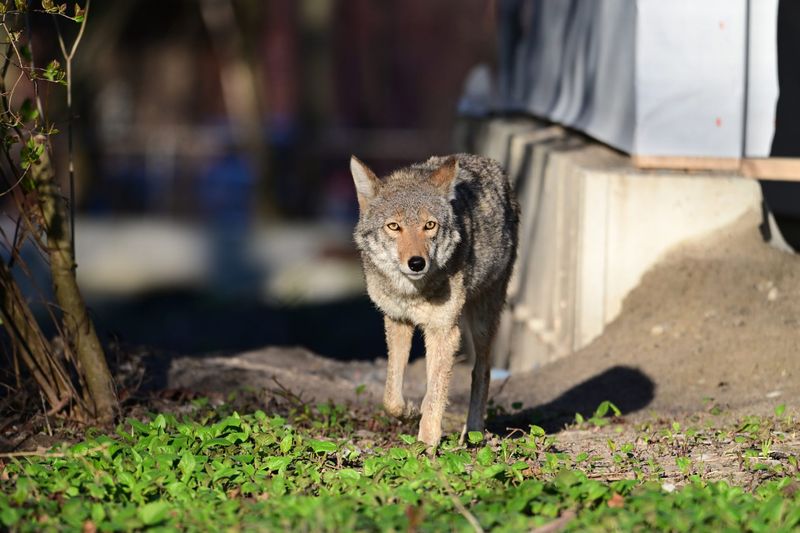
Pacific Northwest residents encounter coyotes in both coastal towns and inland valleys. Portland suburbs and rural Oregon communities report increasing coyote boldness around homes and schools.
Harvest garden vegetables promptly and don’t leave overripe produce on the ground. Secure chicken coops with hardware cloth and add electric wire fencing to protect poultry from persistent coyote attacks.
8. Washington State Homeowners Adapt to Coyote Neighbors
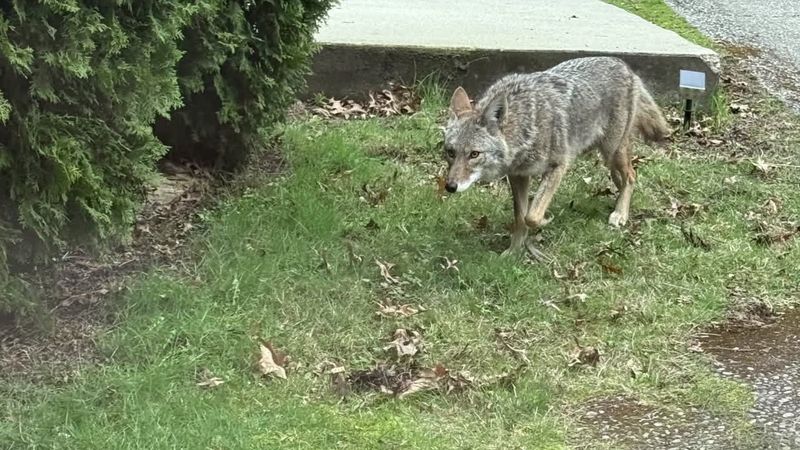
Evergreen State residents from Seattle suburbs to rural eastern Washington learn to coexist with growing coyote populations. Urban parks and greenbelts provide corridors for coyote movement.
Create noise when encountering coyotes by clapping hands, shouting, or banging pots together. Teach children to appear large by raising arms overhead and backing away slowly while facing the animal.
9. Utah Mountain Communities Report Coyote Encounters
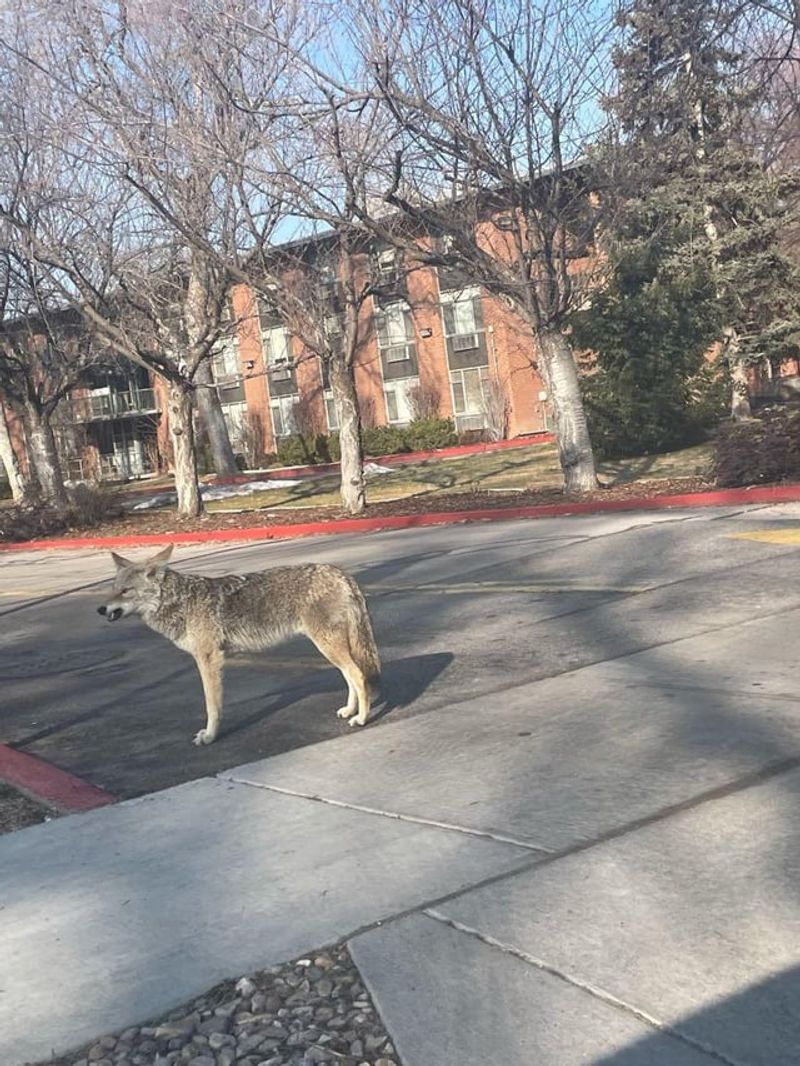
Beehive State residents in Park City and Salt Lake City suburbs face coyotes seeking food and water sources. Mountain developments provide ideal habitat for these adaptable predators.
Install roller bars on top of existing fences to prevent coyotes from gaining footing while climbing. Remove dense vegetation near your home where coyotes might hide during daylight hours.
10. Montana Ranch Properties Face Coyote Predation
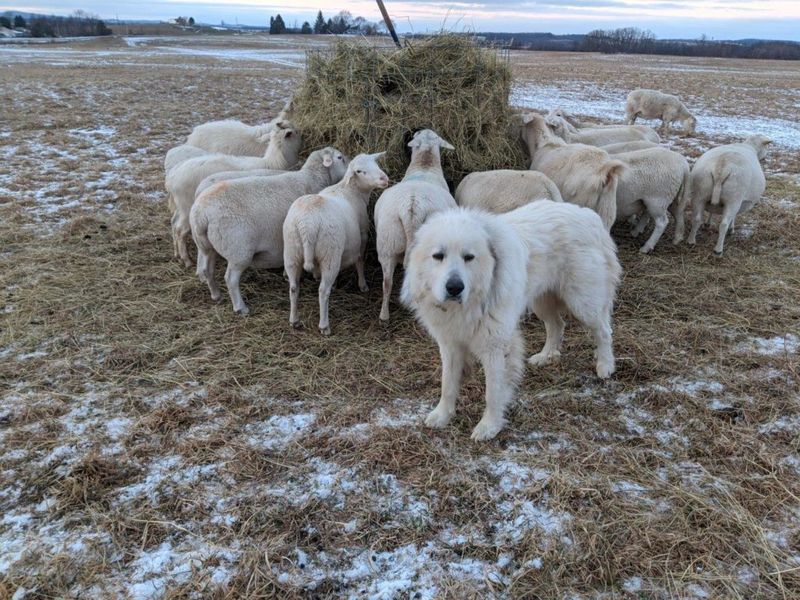
Big Sky Country ranchers deal with coyote packs that target calves and sheep during vulnerable periods. Rural properties near Billings and Missoula experience seasonal coyote pressure.
Use livestock guardian dogs trained to protect herds from coyote attacks. Implement rotational grazing to keep animals closer to ranch buildings where human activity naturally deters coyotes.
11. Wyoming Residents Encounter Bold Coyote Behavior
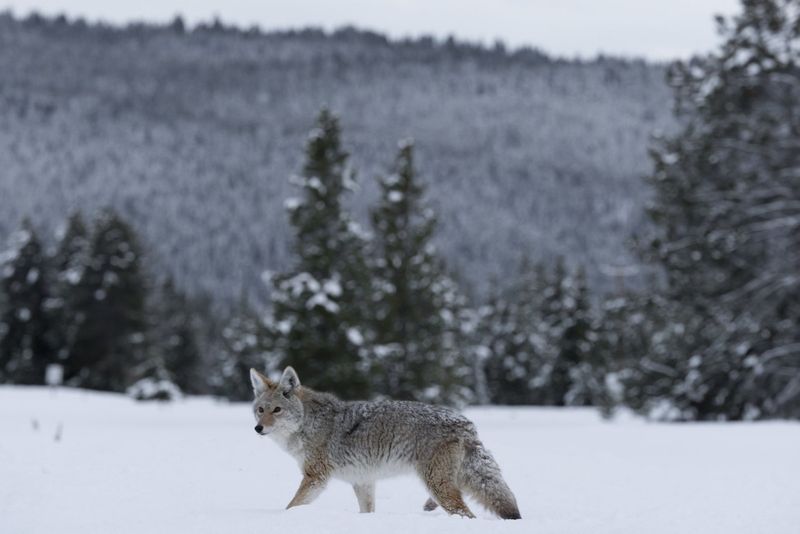
Cowboy State homeowners near Jackson and Cheyenne report coyotes approaching homes during daylight hours. These fearless animals have learned to associate human areas with food opportunities.
Never feed coyotes intentionally or leave pet food outside overnight. Use hazing techniques like throwing tennis balls or spraying water to teach coyotes to fear human contact.
12. Idaho Suburban Areas See Increased Coyote Activity
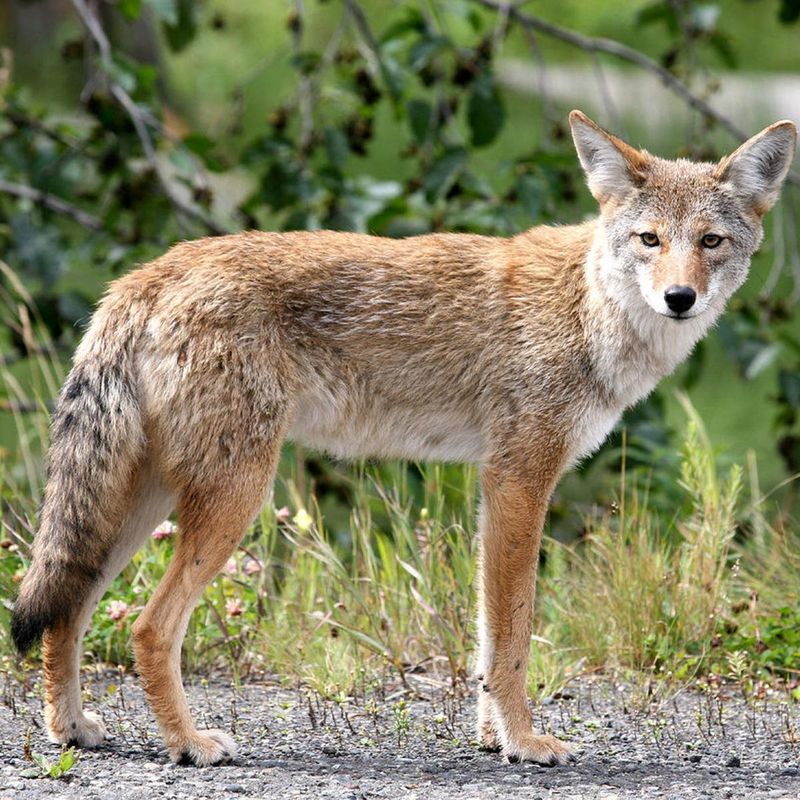
Gem State communities around Boise and Coeur d’Alene face growing coyote populations moving into residential neighborhoods. Development near natural areas creates perfect coyote habitat.
Install coyote-proof garbage can lids and secure compost bins with tight-fitting covers. Remove bird feeders that attract rodents, which in turn draw hungry coyotes to your property.
13. Oklahoma Plains Communities Battle Coyote Expansion
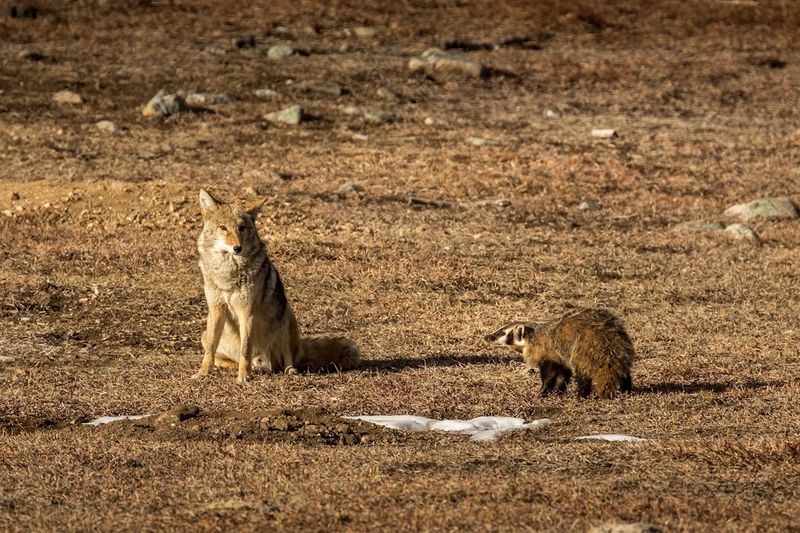
Sooner State residents face coyote populations that have exploded across rural and suburban areas. Oklahoma City and Tulsa suburbs report regular coyote sightings and pet attacks.
Build secure outdoor enclosures for small pets and supervise them during outdoor time. Use coyote deterrent devices like ultrasonic repellers or motion-activated alarms near vulnerable areas.
14. Kansas Farmland Experiences Coyote Population Growth
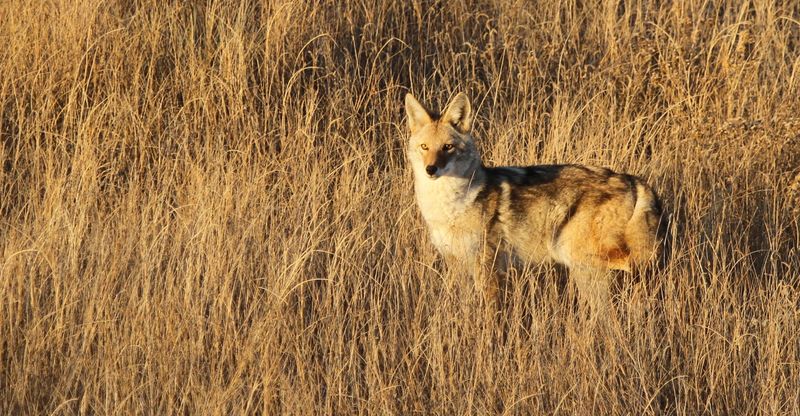
Sunflower State farmers and rural residents deal with expanding coyote territories that threaten livestock and pets. Wichita suburbs also report increased coyote encounters near homes.
Eliminate shelter opportunities by removing brush piles and sealing spaces under decks or sheds. Use predator urine around property boundaries to create natural scent barriers that discourage coyote exploration.
15. Nebraska Rural Areas Face Persistent Coyote Challenges
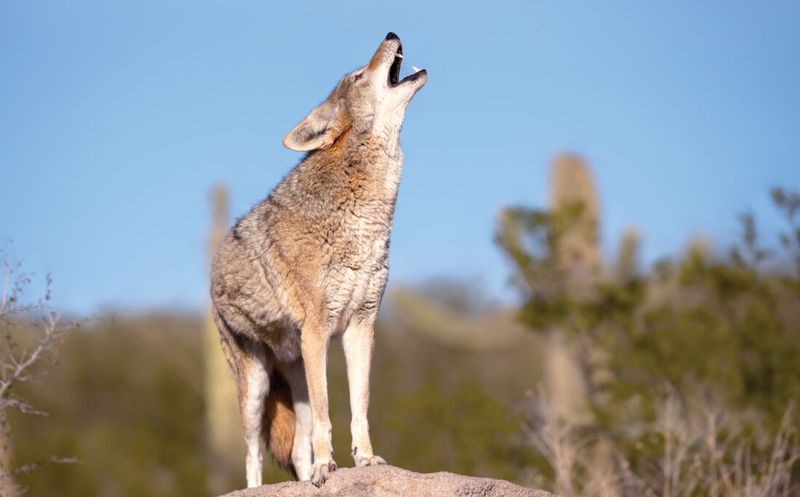
Cornhusker State residents encounter coyotes that have adapted to agricultural landscapes and small-town environments. Omaha suburbs and rural communities report year-round coyote activity.
Maintain clean properties free of food scraps and fallen fruit that attract prey animals. Install bright security lighting with motion sensors to illuminate dark areas where coyotes might approach.
16. South Dakota Ranchers Combat Coyote Predation Issues
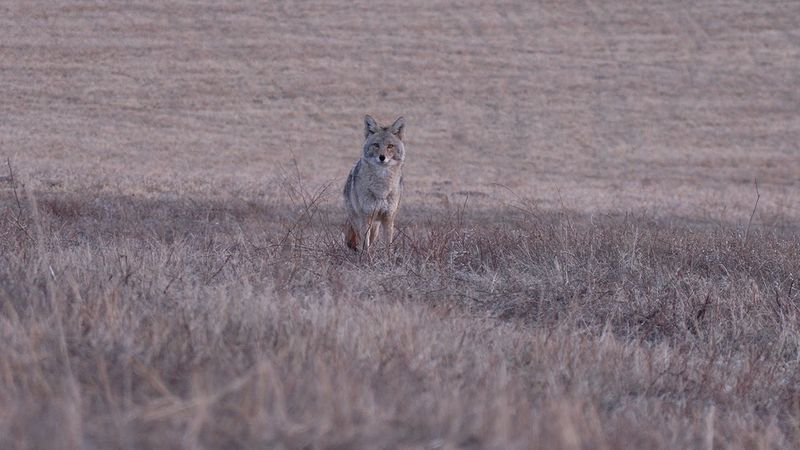
Mount Rushmore State livestock owners face significant coyote pressure on sheep and cattle operations. Rapid City area residents also report suburban coyote encounters near residential areas.
Implement integrated pest management by removing attractants and using multiple deterrent methods simultaneously. Consider professional wildlife control services for persistent coyote problems that threaten property or safety.
17. North Dakota Communities Adapt to Coyote Presence
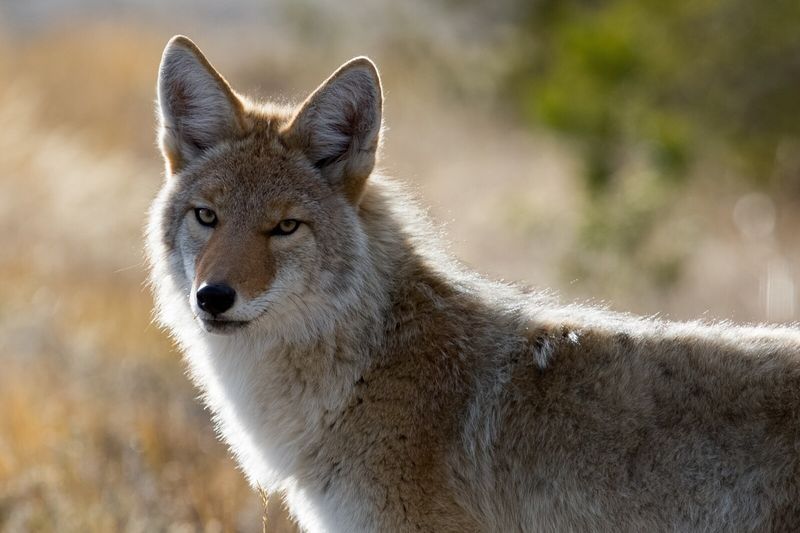
Peace Garden State residents in Fargo and Bismarck areas encounter coyotes that have moved into suburban neighborhoods seeking food and shelter opportunities.
Educate family members about coyote behavior and appropriate responses to encounters. Create emergency action plans that include indoor safe spaces for pets and contact information for local wildlife authorities.