 Complete Gardening
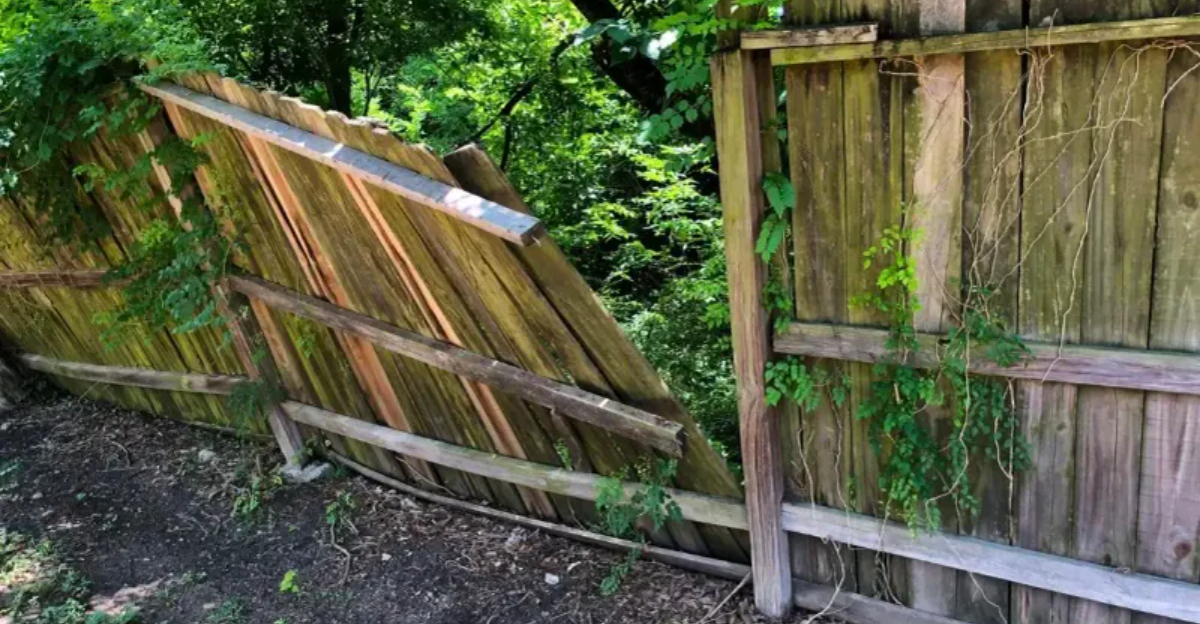
Landscaping plays a pivotal role in shaping the first impression of a property. Realtors frequently encounter numerous common mistakes that can detract from a home’s curb appeal. From overgrown lawns to outdated lighting, each misstep provides a unique challenge. This guide explores these 22 common landscaping blunders, offering insights into why they matter and how to address them effectively.
1. Overgrown Lawns & Weeds
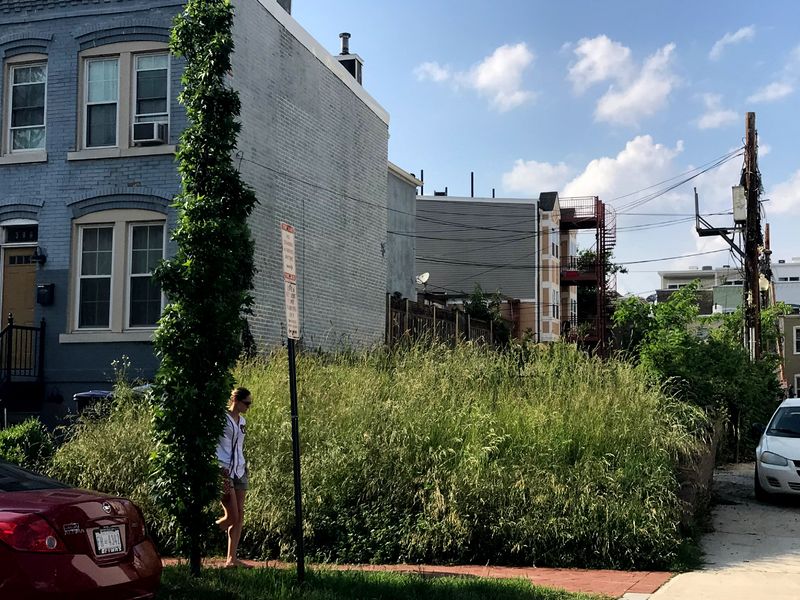
An overgrown lawn instantly signals neglect. Buyers may assume that if the exterior is poorly maintained, the interior might be too. Tall grass and abundant weeds make a home appear unkempt and can overshadow its true potential. Moreover, an unmaintained yard can hide dangers like snakes or pests, making it less appealing to potential buyers. Ensuring regular lawn maintenance is essential for maintaining a welcoming appearance. Trimming the grass and removing weeds can dramatically improve the overall look and feel of the property, enhancing both curb appeal and buyer interest.
2. Dead or Dying Plants
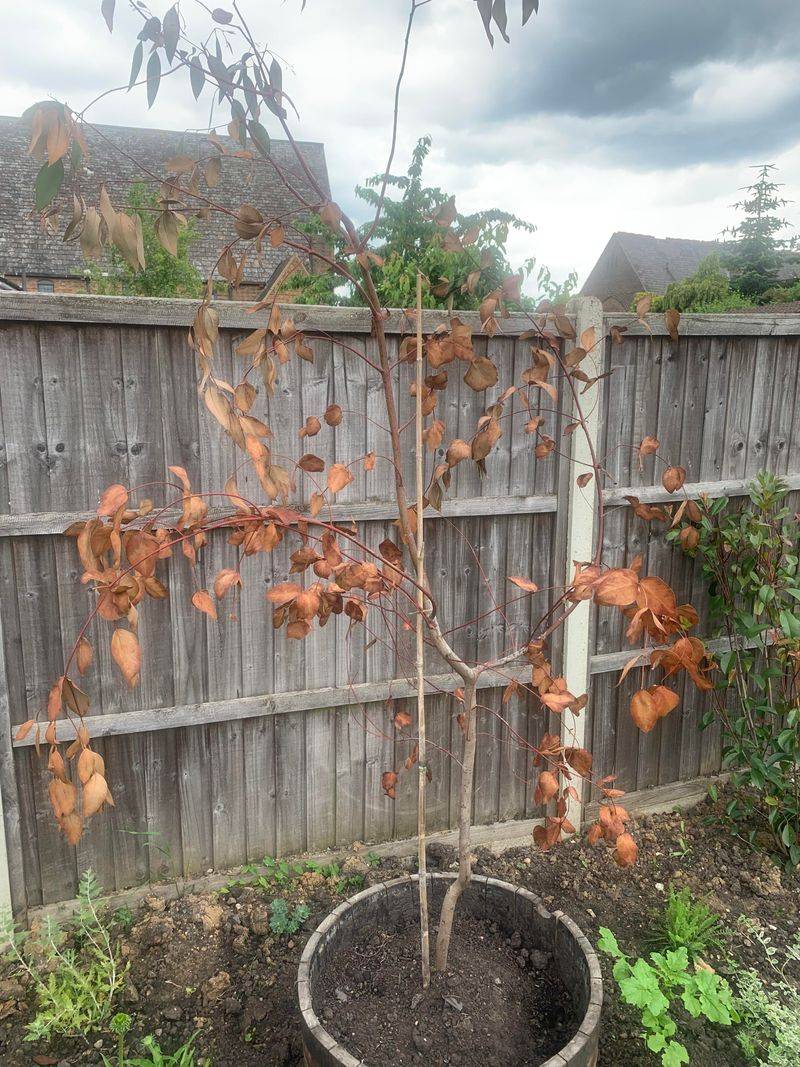
Dead or dying plants in a yard suggest a lack of care and maintenance. They make the landscape appear unloved, which could make buyers question the property’s overall upkeep. Removing or replacing these plants is crucial to revitalize the yard’s appearance. Healthy, vibrant plants can breathe life into a space, making it more inviting and aesthetically pleasing. A garden full of thriving plants contributes positively to the ambiance, offering a sense of life and vitality that appeals to those viewing the home. It enhances the overall impression.
3. Too Much Mulch (Volcano Mulching)
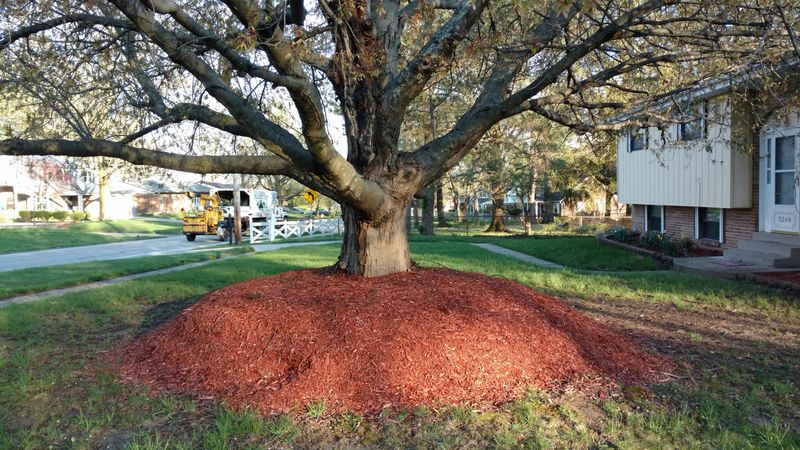
Too much mulch, commonly seen as volcano mulching, is a frequent mistake in landscaping. Piling mulch up against the trunks of trees can lead to rot, suffocation, and pest attraction. This practice can damage trees over time, leading to costly replacements. Correct mulching involves spreading it evenly and keeping it away from the tree base. By allowing trees to breathe and grow naturally, homeowners can maintain healthier landscapes. Proper mulching not only promotes tree health but also enhances the visual appeal, creating a more balanced and attractive garden.
4. Invasive Plants Taking Over
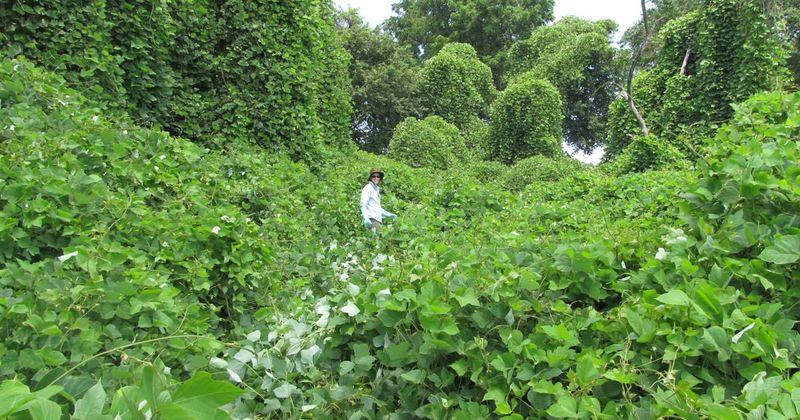
Invasive plants like English ivy, bamboo, or kudzu can quickly take over a garden, making it appear wild and uncontrolled. These plants spread aggressively, often outcompeting other vegetation. Buyers may view them as a maintenance nightmare, anticipating ongoing effort and cost to keep them in check. Removing or controlling these invaders is crucial to showcase a manageable and appealing landscape. A garden free from invasive species highlights the beauty of other plants, providing a more orderly and attractive environment that enhances curb appeal.
5. Uneven or Cracked Walkways
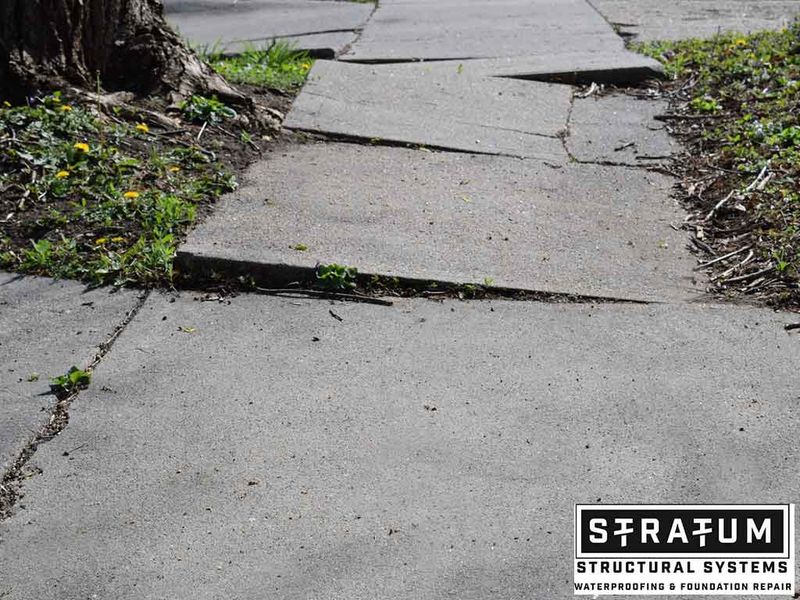
Cracks and uneven surfaces in walkways present both a safety hazard and an aesthetic issue. They can cause tripping accidents and make a property look outdated or neglected. Realtors often advise repairs to enhance both the safety and appearance of a home. Power washing and repairing pavers can create a smooth, inviting path that complements the overall landscape. A well-maintained walkway is not only safer but also improves the home’s visual charm, contributing to a positive first impression for potential buyers.
6. Poorly Pruned Trees & Shrubs
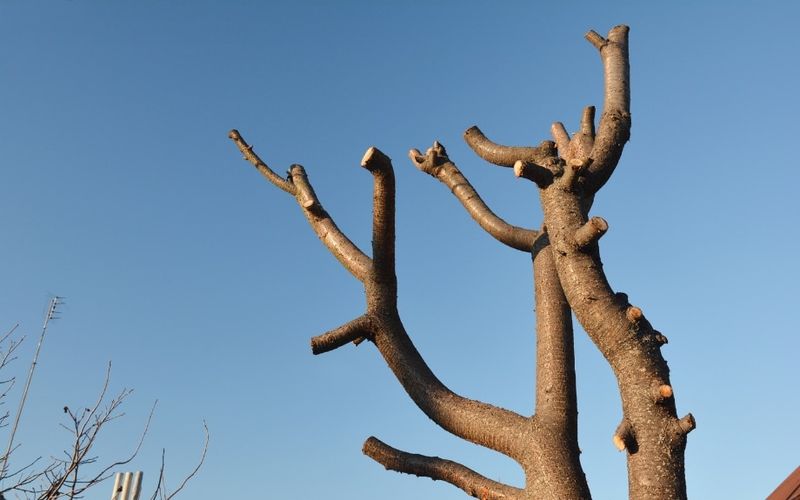
Poorly pruned trees and shrubs can overshadow a house, blocking windows and creating a dense, uninviting atmosphere. Overgrown branches may scrape roofs and obscure natural light, making the home seem dark and less welcoming. Proper pruning opens up spaces, allowing sunlight to filter through and improving visibility. It enhances the home’s architectural elements and adds to a tidy appearance. Pruning not only improves aesthetics but also promotes plant health, supporting growth and ensuring that trees and shrubs contribute positively to the property’s overall appeal.
7. Excessive Garden Decor
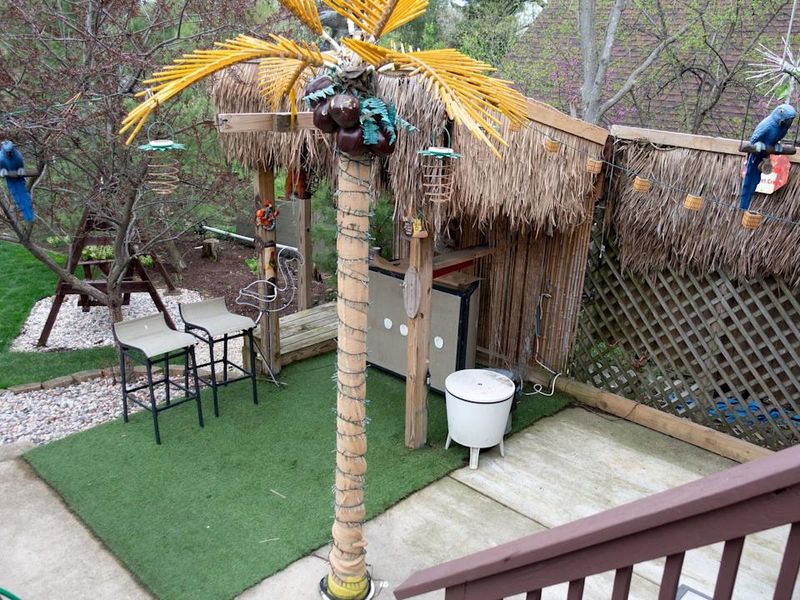
Too much garden decor can overwhelm the senses, drawing attention away from the house itself. An excess of items like gnomes, wind chimes, or statues can create visual clutter and detract from the home’s architecture. Simplifying garden decor helps potential buyers focus on the property’s key features. A well-curated garden with minimal decorations enhances the home’s elegance and charm. By striking a balance, homeowners can create a more cohesive and inviting outdoor space that complements rather than competes with the main structure.
8. Patchy or Yellow Grass
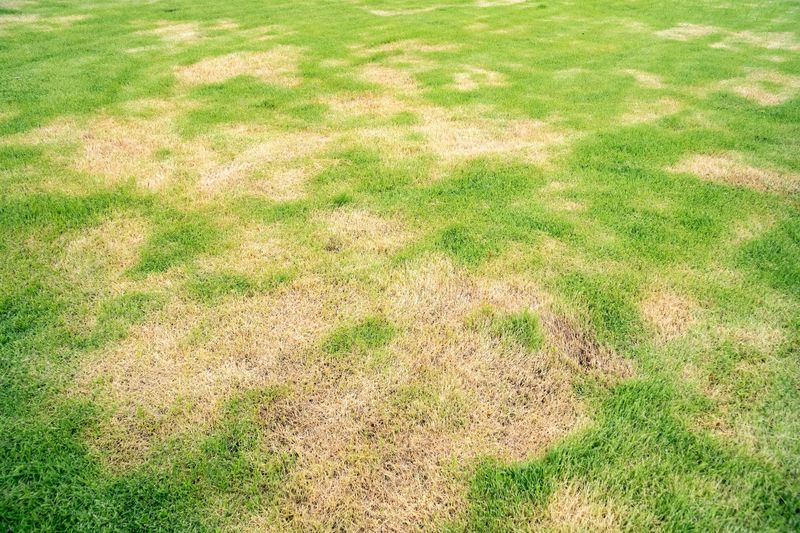
Patchy or yellow grass is a common sign of poor soil health or irrigation issues. It detracts from the lush green appearance that most homeowners seek and can suggest neglect. Addressing these issues is vital to restore a lawn’s vibrancy. Aerating the soil and reseeding bare spots can rejuvenate the grass, promoting a healthy, uniform appearance. A well-maintained lawn not only looks appealing but also reflects positively on the overall care given to the property. Healthy grass contributes significantly to the yard’s visual and functional quality.
9. No Defined Edging
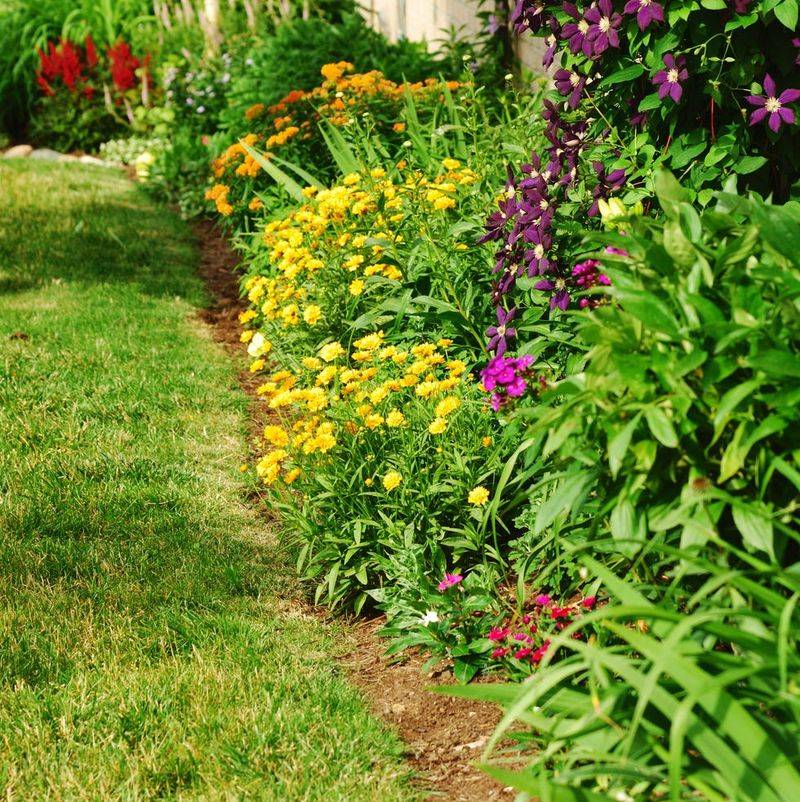
Lack of defined edging in a garden creates a messy and unkempt look. Borders between grass, mulch, and flower beds should be clearly delineated to give the landscape a polished appearance. Proper edging enhances the visual flow and organization of the garden, making it more appealing to potential buyers. It provides a neat separation, allowing each element of the landscape to stand out. Implementing defined edges is a straightforward way to improve curb appeal and highlight the garden’s design, adding to the overall charm of the property.
10. Overcrowded Flower Beds
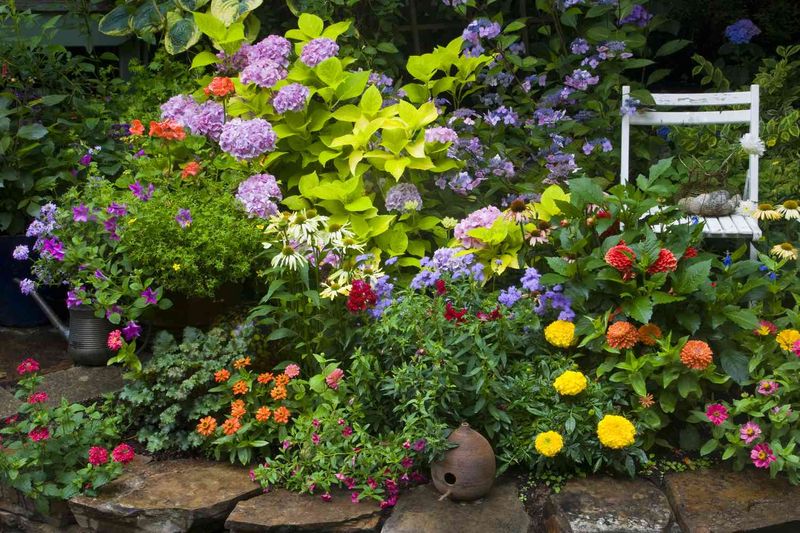
Overcrowded flower beds can make a garden look chaotic and unplanned. When plants compete for space, they struggle to thrive, leading to a tangled, disorderly appearance. This can deter buyers who desire a more organized and easily maintained landscape. Proper spacing and thoughtful planting design enhance the garden’s visual balance and health. By allowing each plant room to grow, the flower bed becomes a harmonious and vibrant feature of the home, boosting its overall appeal. A well-planned garden reflects positively on the property’s care.
11. Visible Trash Bins & Hoses
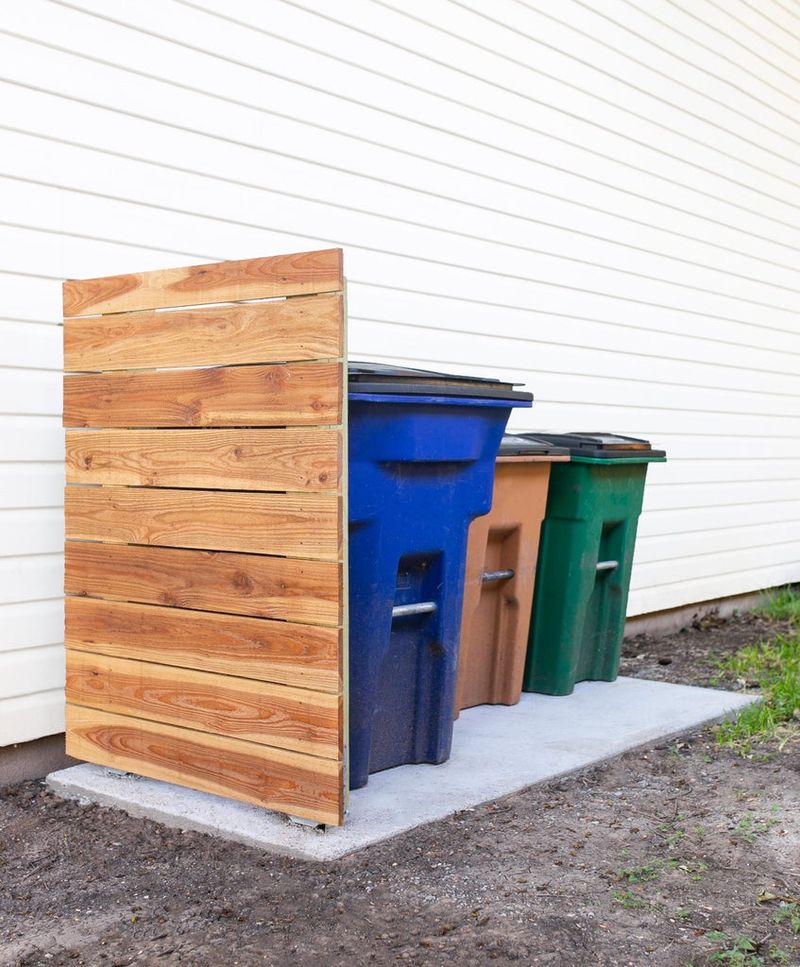
Visible trash bins and hoses can clutter a yard, detracting from the overall appearance and curb appeal. Such clutter suggests disorganization and can overshadow the home’s features. Storing bins in the garage or behind a screen and neatly coiling hoses can clear up the visual mess. A tidy and organized outdoor space enhances the property’s attractiveness, making it more inviting to potential buyers. By managing these elements, homeowners can create a cleaner and more polished environment that showcases the home’s best attributes.
12. Outdated or Broken Lighting

Outdated or broken lighting can make a yard feel unsafe and neglected. Rusty fixtures and non-functional lights fail to provide proper illumination, which can be a concern for evening showings. Replacing or repairing lighting fixtures enhances both safety and aesthetics, offering a warm and welcoming glow. Modern, well-placed lighting can accentuate architectural features and landscape elements, adding to the home’s charm. Proper lighting is crucial for creating an inviting atmosphere that appeals to buyers, ensuring the property looks its best day and night.
13. Wrong Plant Choices for Climate
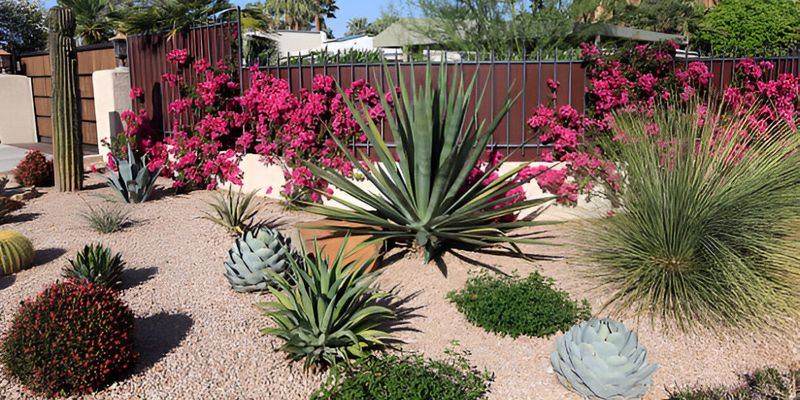
Choosing plants unsuited to the local climate can lead to high maintenance and poor growth. Plants struggling in inappropriate conditions look unhealthy, signaling future costs for buyers. Opting for native or climate-friendly plants ensures a thriving garden with lower water and care needs. Such choices reflect well-planned landscaping, contributing to a sustainable and visually appealing environment. A garden that flourishes naturally under local conditions enhances the property’s value and attractiveness, offering a low-maintenance, beautiful landscape that suits modern, eco-conscious living.
14. Missing or Damaged Fencing
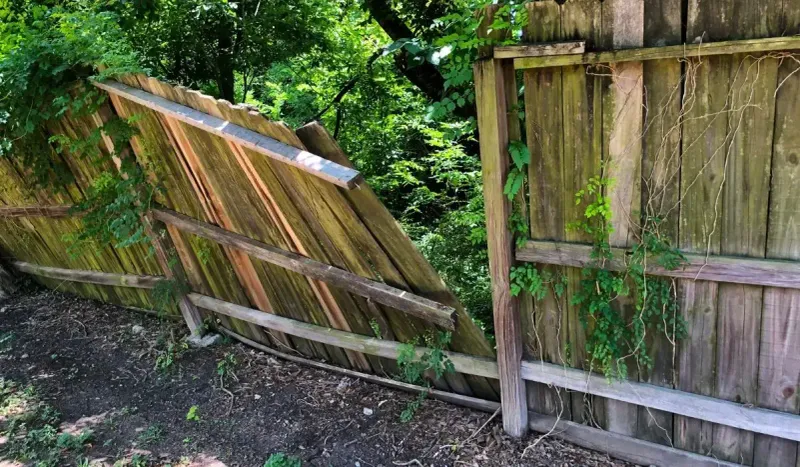
Missing or damaged fencing can imply a lack of security and privacy, affecting a property’s appeal. Gaps or rotting wood in fences can deter buyers concerned about safety or wanting a private space. Repairing or replacing fencing can restore these essential features, enhancing the property’s function and aesthetics. A well-maintained fence not only provides privacy and protection but also adds a finishing touch to the landscape. Investing in quality fencing improves both the visual and practical aspects of the home, making it more attractive to potential buyers.
15. Uncontrolled Pests (Moles, Grubs, etc.)
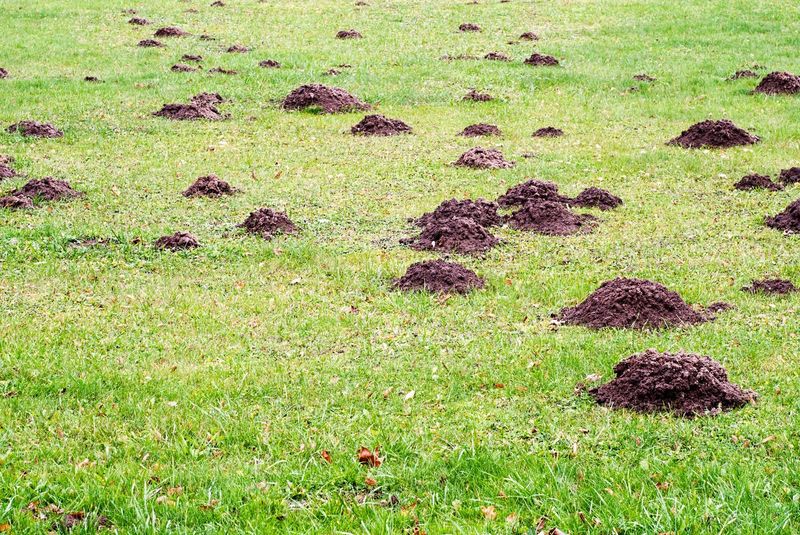
Uncontrolled pests like moles and grubs can wreak havoc on a lawn, leaving unsightly damage. Buyers may see these issues as costly and time-consuming to manage, affecting their interest. Addressing pest problems through professional pest control or natural solutions can restore the lawn’s health. A pest-free lawn enhances both the appearance and value of the property. By ensuring a well-maintained and healthy landscape, homeowners can present a more appealing and worry-free environment to potential buyers, boosting the property’s overall attractiveness.
16. Artificial Grass (If Poorly Installed)
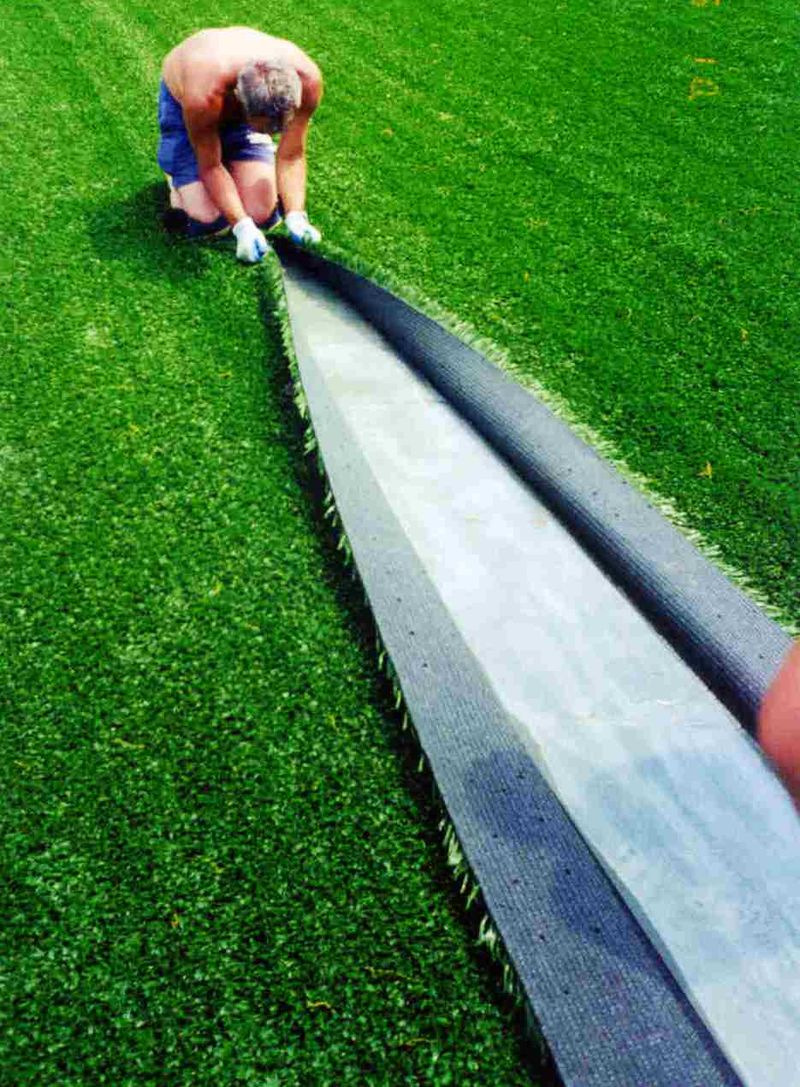
Artificial grass, when poorly installed, can look cheap and unappealing. Uneven surfaces and visible seams detract from a yard’s natural beauty. Quality installation is key to achieving a realistic and attractive appearance. Alternatively, opting for a natural lawn or high-quality turf can offer a more pleasing aesthetic. Properly maintained artificial grass provides a low-maintenance option that looks lush year-round. Investing in quality materials and installation ensures the yard enhances the home’s overall appeal, providing a clean and modern look that potential buyers will appreciate.
17. Too Many Different Materials
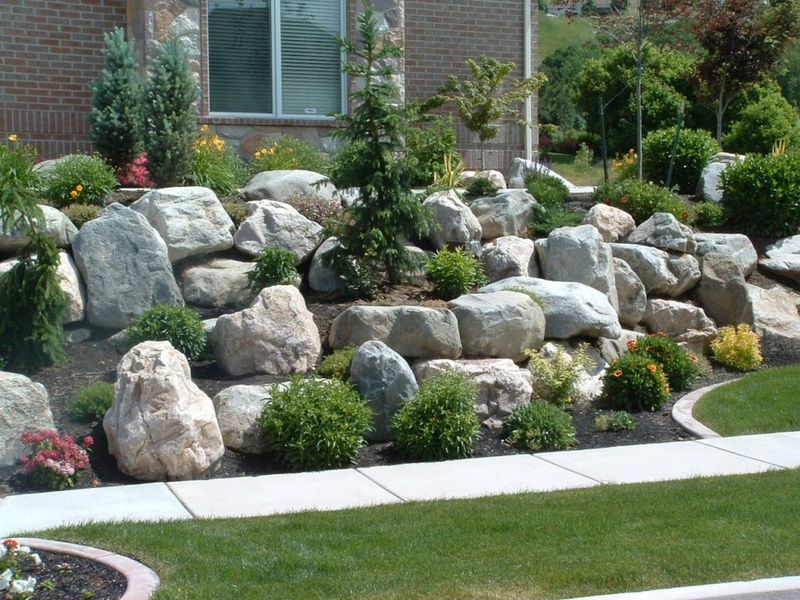
Using too many different materials in landscaping can create a disjointed and messy appearance. A mix of brick, stone, wood, and metal without cohesive design makes a garden feel chaotic. Buyers may see it as a design flaw requiring effort to fix. Simplifying materials and creating a unified design can improve the landscape’s visual harmony. A well-coordinated garden enhances the property’s elegance and appeal, offering a more balanced and attractive outdoor space. By focusing on cohesive design, homeowners can create a welcoming environment that complements the home’s architecture.
18. Ignoring the Front Door
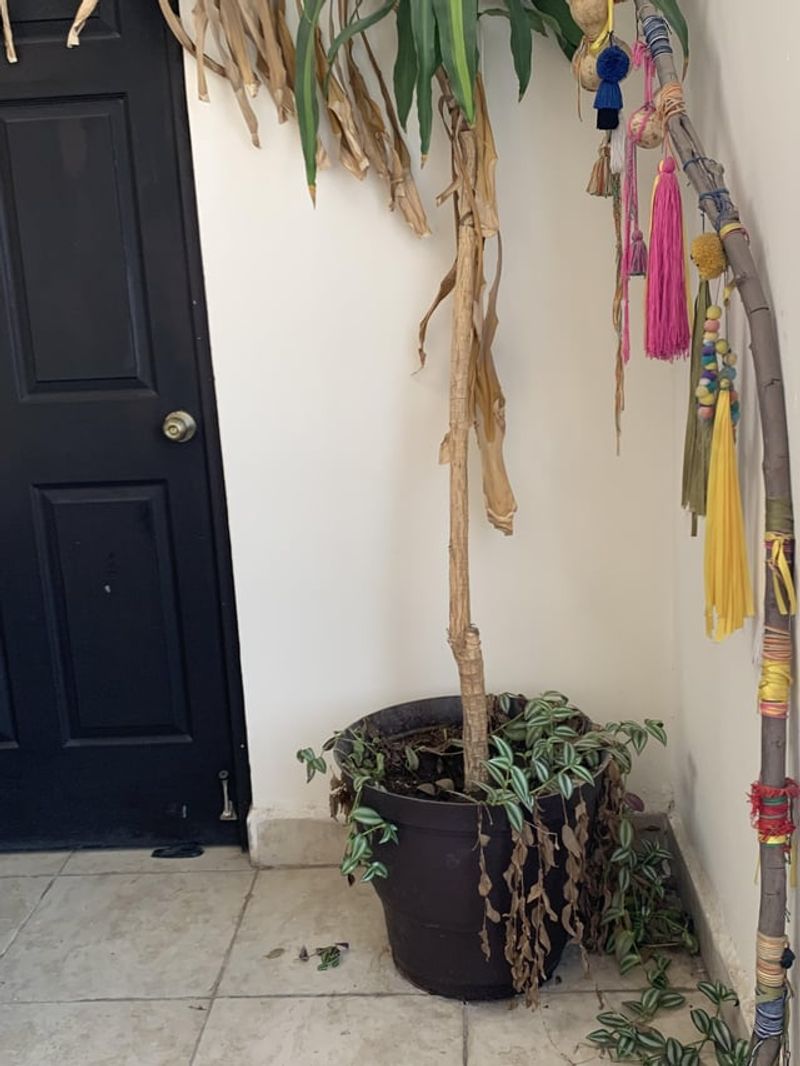
The front door is a focal point that should not be ignored. A faded, peeling door with dead plants nearby can kill first impressions, signaling neglect. Refreshing the door with a new coat of paint and adding vibrant plants can dramatically enhance curb appeal. The front door sets the tone for what lies beyond, so ensuring it is welcoming and well-maintained is crucial. A striking entryway invites potential buyers in, giving them a positive start to their viewing experience and reflecting the care given to the entire property.
19. Stagnant or Dirty Water Features
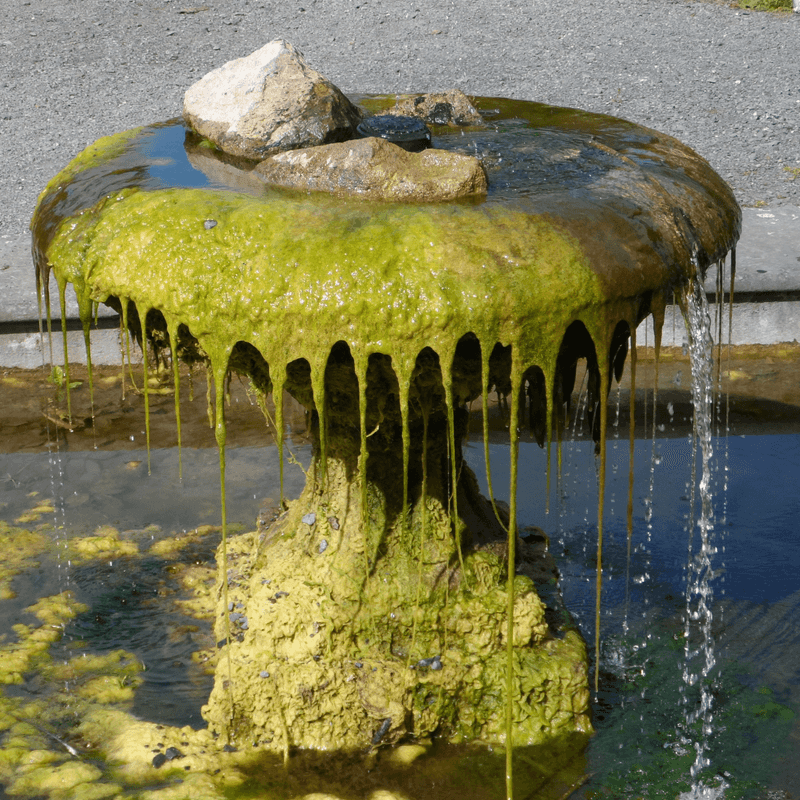
Stagnant or dirty water features can be a maintenance nightmare. Algae-filled ponds or fountains signal neglect and potential issues to buyers. Cleaning and maintaining these features is essential to present a well-kept property. Clear, flowing water adds tranquility and elegance to a garden, enhancing its appeal. Properly maintained water features reflect positively on the property’s care and contribute to a serene and inviting environment. Keeping water features in top condition ensures they are a highlight rather than a hindrance, enticing buyers with their beauty and charm.
20. No Seasonal Color
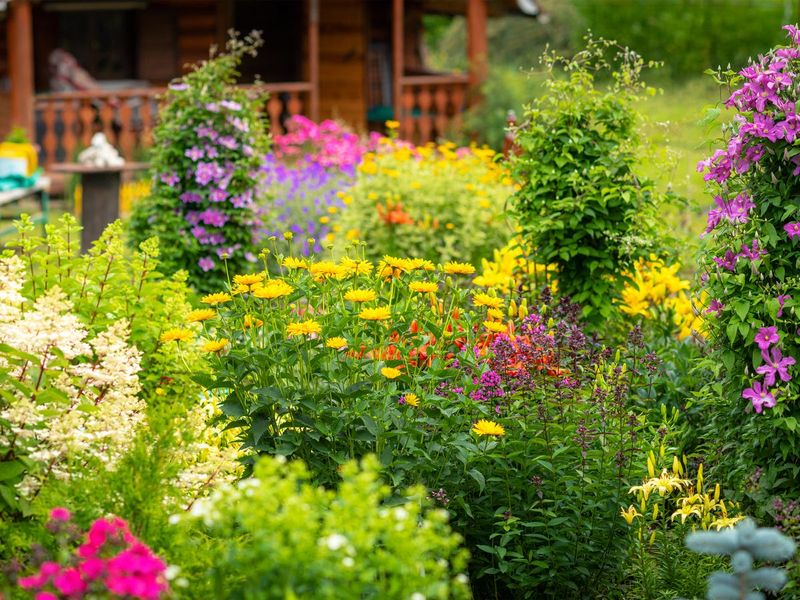
A garden without seasonal color can appear lifeless and uninspired. Bare flower beds, especially in spring and summer, fail to showcase the yard’s potential. Adding plants that bloom at different times of the year ensures ongoing interest and vibrancy. Seasonal color enhances the garden’s beauty and offers a dynamic landscape that appeals to buyers. A lively, colorful garden reflects the property’s charm and vitality, making it more attractive to those viewing the home. Showcasing seasonal blooms can significantly elevate the yard’s visual appeal and desirability.
21. Overly Personal Themes (e.g., Giant Pink Flamingos)
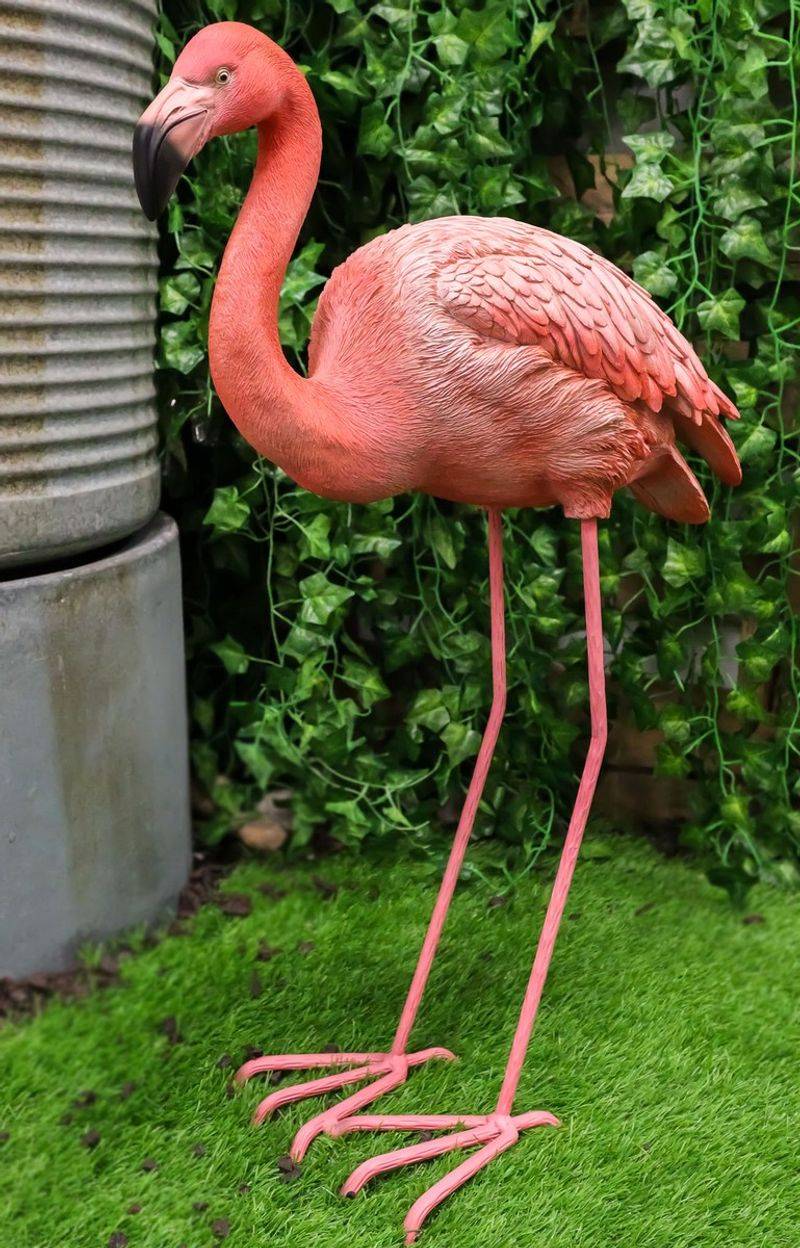
Overly personal themes in landscaping, like giant pink flamingos, can limit buyer appeal. Such decor choices may reflect individuality but can polarize potential buyers. Neutralizing the landscape by removing or toning down personal elements allows the home’s main features to shine. Creating a more universally appealing environment increases the property’s attractiveness. A well-balanced yard that avoids overly personal themes invites a wider audience, enhancing the likelihood of a successful sale. Striking a balance between personal taste and broad appeal is key to engaging potential buyers.
22. Blocking the House with Trees
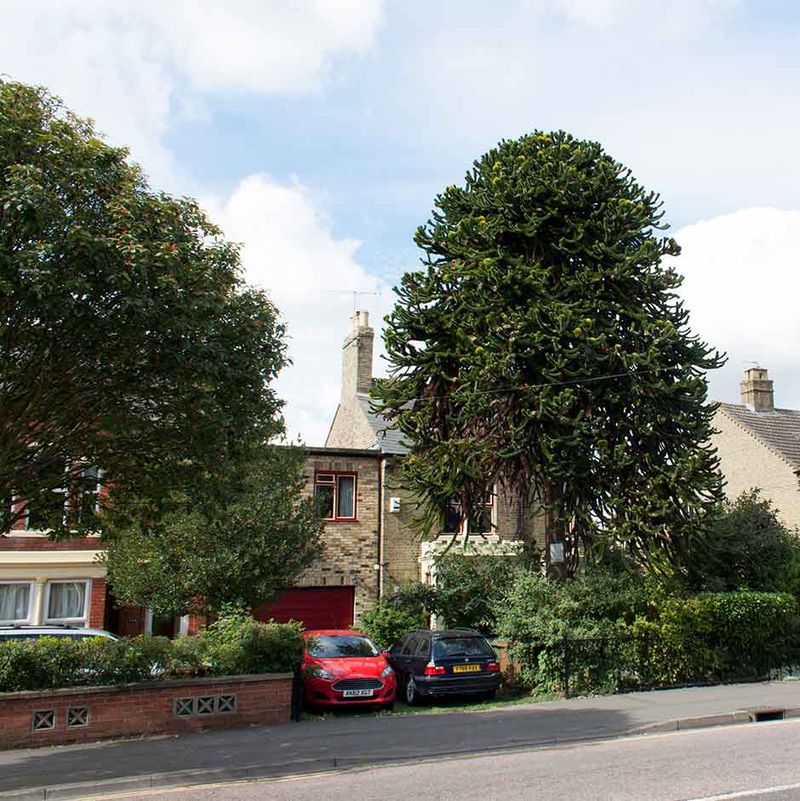
Trees blocking the house can make the facade appear smaller and less inviting. While mature trees add value, their placement should not overshadow the home’s architecture. Pruning or selectively removing trees enhances visibility and allows the property to stand out. Ensuring the house’s features are visible highlights its design and increases curb appeal. A well-considered landscape plan incorporates trees that complement rather than conceal the home, offering both beauty and function. By balancing greenery and architecture, homeowners can present a more inviting and spacious appearance.