
Discover the beauty and diversity of shade-loving flowers perfect for pot arrangements. While some flowers thrive in low-light conditions, others require abundant sunlight to flourish. This guide explores 22 stunning shade flowers that bring vibrant life to shaded spaces and 8 sun-loving blooms that may not perform well in shadowed areas. Enjoy the delightful mix of colors, textures, and forms that these plants offer, enhancing the charm of your garden or patio.
1. Impatiens
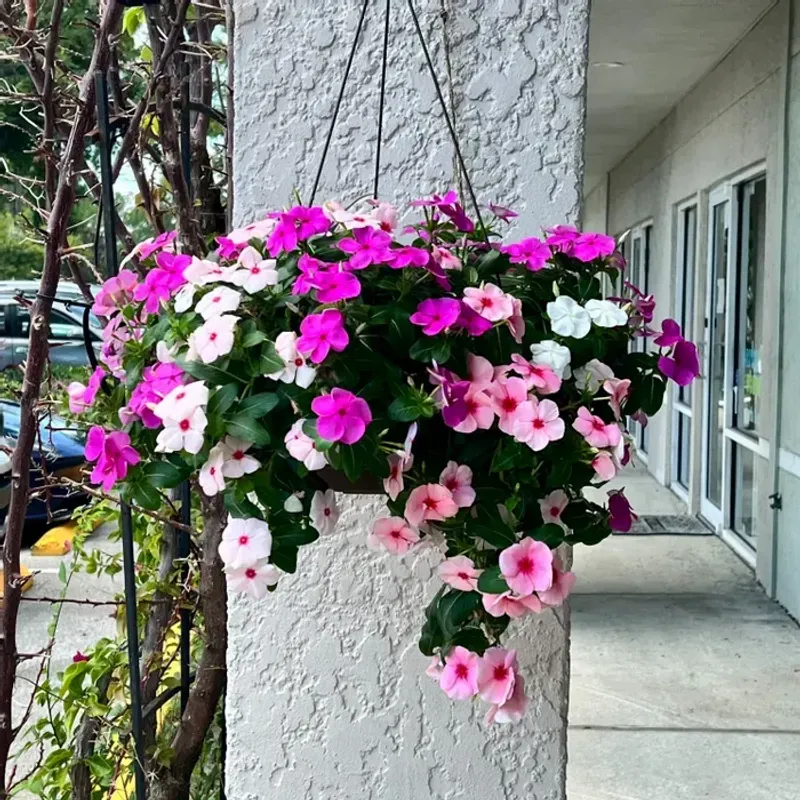
Known for their bright, colorful blooms, Impatiens are perfect for adding a splash of color to shaded areas. They thrive in deep shade and are ideal for hanging baskets where their explosive colors can be admired. These flowers require a moist but well-drained soil to flourish, making them relatively easy to care for in pots. Regular watering is essential, but be cautious not to overwater and cause the soil to become soggy. Their compact growth habit and continuous blooming make Impatiens a favorite choice for gardeners looking to brighten up shady spots.
2. Begonias (Tuberous & Wax Varieties)
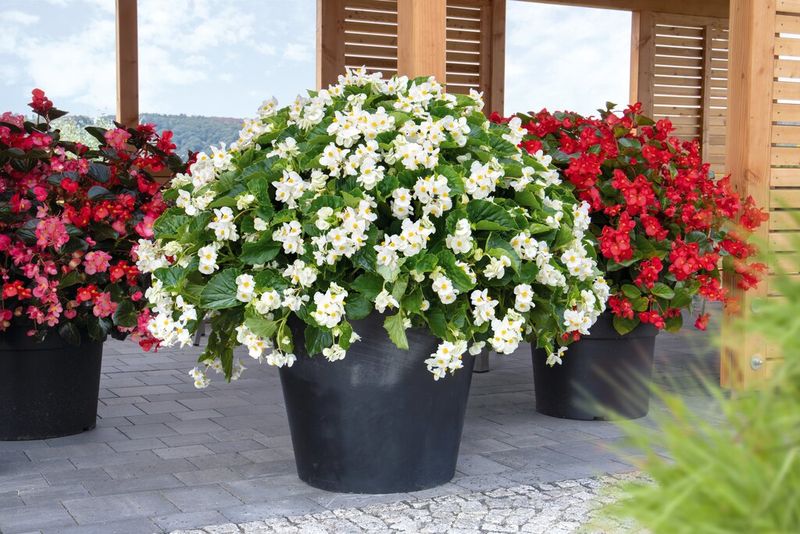
Begonias are celebrated for their vibrant blooms and striking foliage, thriving in partial shade. Both tuberous and wax varieties offer a unique charm, making them versatile options for shaded container gardens. These plants prefer soil that dries slightly between waterings to prevent root rot. Avoid wetting the leaves during watering to maintain their health. Begonias’ ability to bloom profusely makes them a favored choice for adding beauty to shaded areas without the need for direct sunlight. Their versatility and stunning appearance make them a staple in many gardeners’ collections.
3. Fuchsia
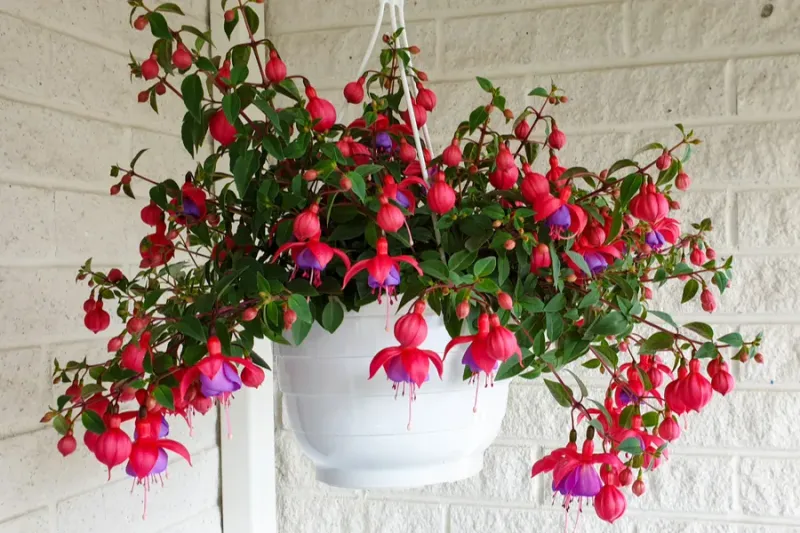
Fuchsia flowers are known for their elegant, hanging blooms that add a touch of sophistication to any shaded container. These plants need a humid environment and should be kept away from the harsh afternoon sun to preserve their delicate beauty. Regular misting can help maintain the necessary humidity levels. Fuchsias are excellent for adding vertical interest to shade gardens, with their long-lasting blooms providing a continuous display of color. Their unique shape and vibrant hues make them a standout choice for gardeners who appreciate intricate floral designs.
4. Coleus
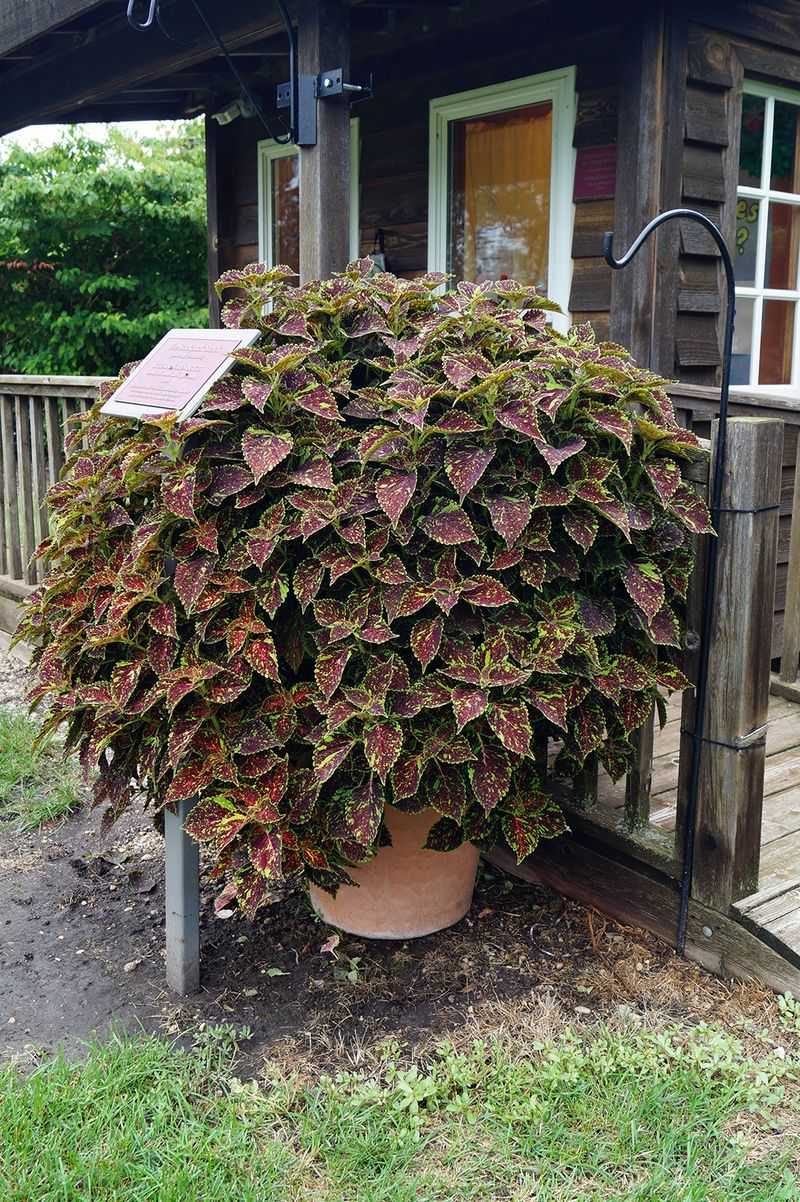
Renowned for their stunning foliage, Coleus plants bring a burst of color to shaded gardens. Unlike many plants, they are grown primarily for their leaves, which come in a wide range of colors and patterns. To encourage bushiness, regularly pinch back the growing tips. Coleus thrives in deep shade, making it an excellent choice for adding visual interest through its vibrant and varied leaf designs. Their versatility in design and easy growth habit make them a popular choice for gardeners looking to enhance the texture and color palette of their shaded areas.
5. Torenia (Wishbone Flower)
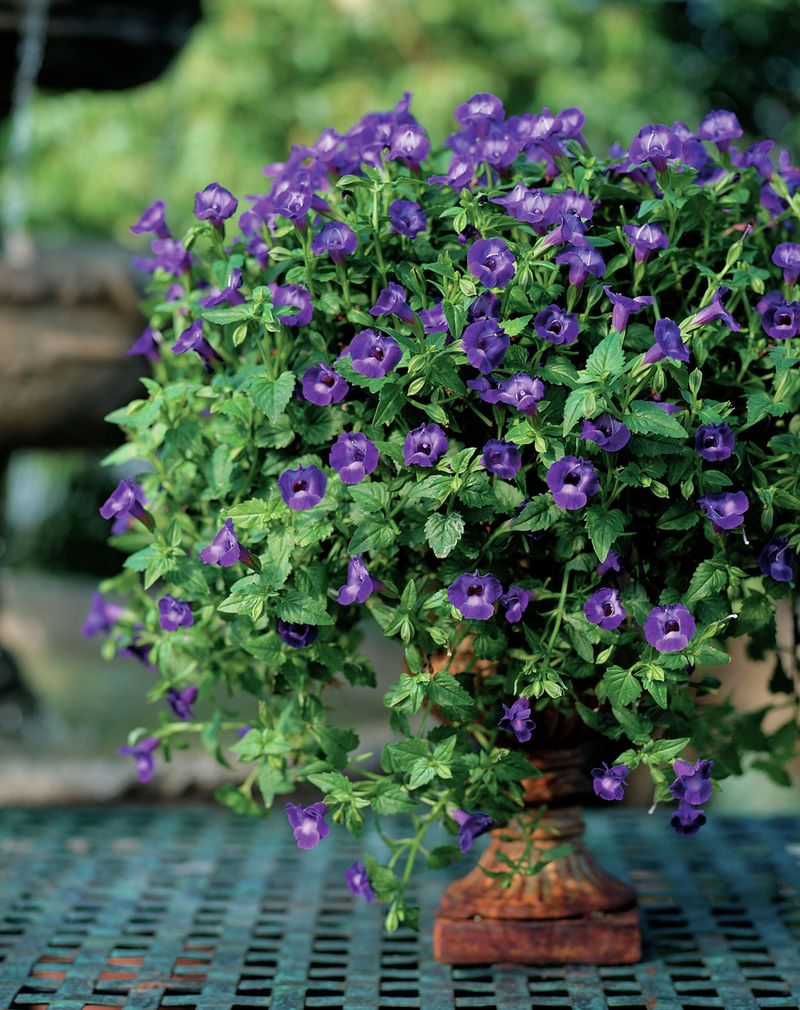
The charming Torenia, or Wishbone Flower, captivates gardeners with its petite, trumpet-shaped blooms. Available in hues of purple, pink, and yellow, these flowers thrive in consistently moist soil, making them perfect for shaded pots. Their unique flower shape and vibrant colors attract attention, providing a cheerful addition to any shaded garden area. Maintaining the soil moisture without waterlogging is key to their success. Torenia’s delightful appearance and easy care requirements make them a delightful choice for those looking to add charm and color to their shaded spaces.
6. Lobelia
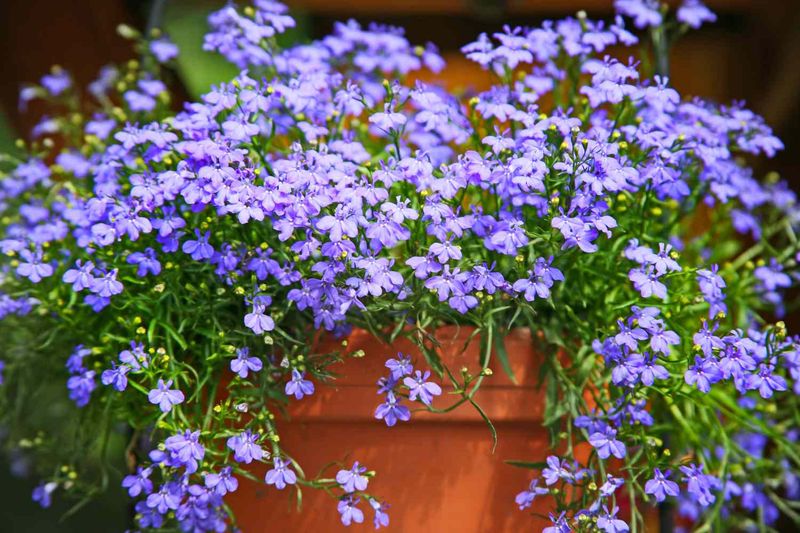
Lobelia offers a cascade of delicate blooms in shades of blue, white, or purple, perfect for shaded pots. These plants are stunning when allowed to spill over the edges of containers, creating a waterfall effect. To encourage continuous blooms, it’s important to trim back leggy growth. Lobelia thrives in cooler weather and performs best in partial to full shade. Their ability to cover large areas with blooms makes them an excellent choice for adding a splash of color to shaded garden spots. Lobelia’s delicate nature and vibrant hues are sure to enchant.
7. Astilbe
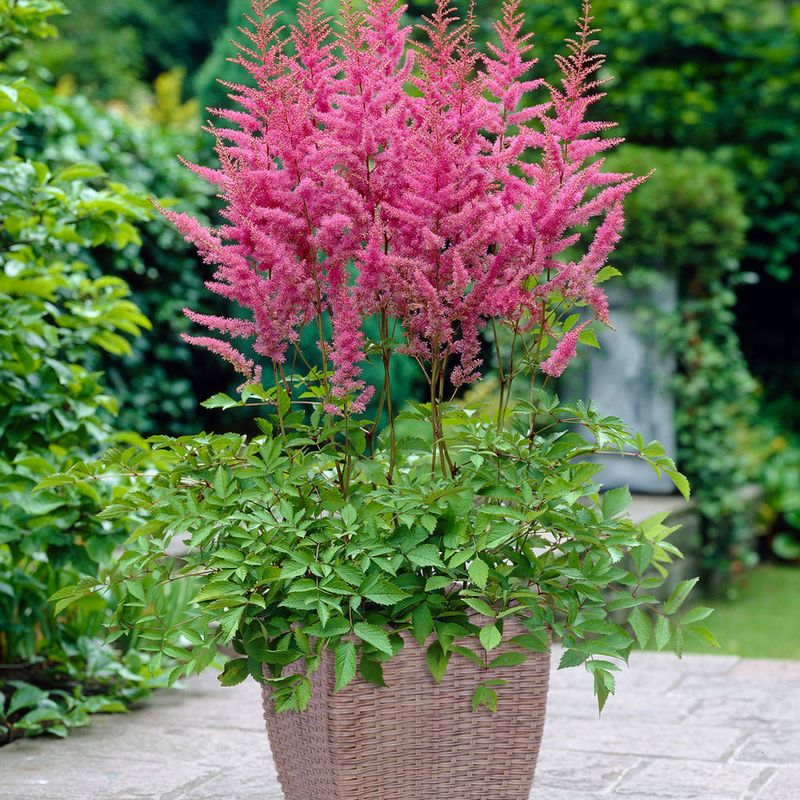
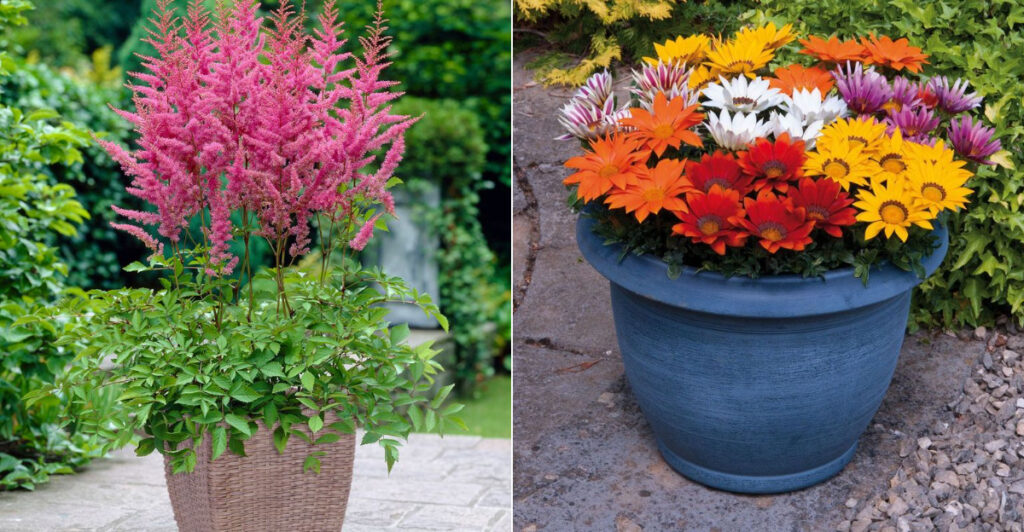
Astilbe is celebrated for its feathery plumes that create a soft, textural element in shaded gardens. Available in pink, red, and white, these flowers thrive in moist soil, with mulching recommended to retain moisture. Astilbe’s airy blooms add an elegant touch to shaded areas, making them a favorite for borders and container gardens. Their preference for damp conditions and ability to bloom in the shade make them highly valued by gardeners looking to enhance the beauty and texture of their garden’s shadowed corners. Astilbe’s graceful presence is undeniably captivating.
8. Caladium
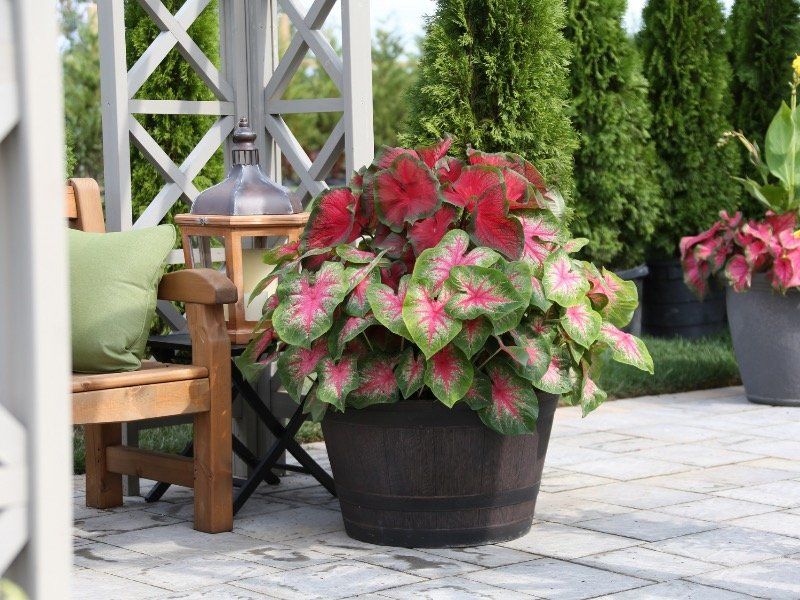
Known for their heart-shaped leaves, Caladium adds a bold splash of color to shaded spaces. The vibrant patterns in pink, red, and white create a striking visual impact. These plants thrive in heat but require shade to protect their delicate foliage from scorching. Consistent watering and well-draining soil help them flourish, making them a popular choice for pots in shady spots. Caladium’s dramatic leaf patterns and lush growth make them a standout feature in any garden, providing a tropical feel and an exotic flair to shaded areas.
9. Viola & Pansies
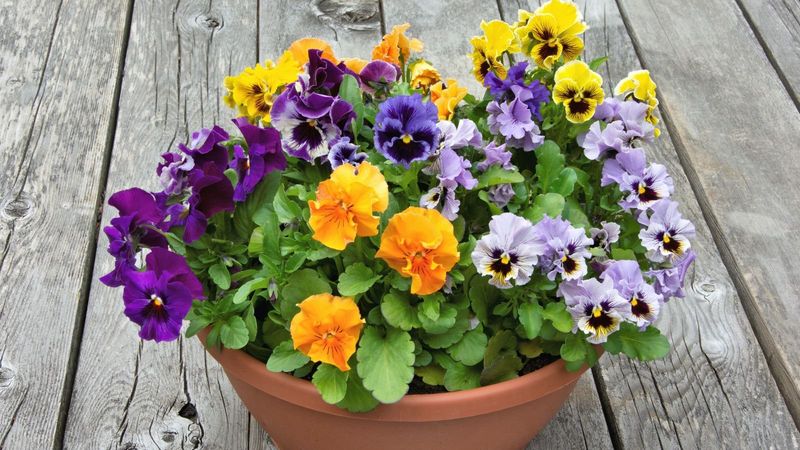
Violas and Pansies are beloved for their cheerful, cool-weather blooms that bring life to partially shaded areas. With their striking colors and patterns, they add charm to any pot arrangement. Deadheading spent flowers will encourage continuous blooming, extending their vibrant display. These flowers prefer cooler temperatures and perform well in early spring and fall. Their compact size and array of colors make them a versatile choice for filling in gaps between larger plants or adding pops of color to shaded garden borders. Violas and Pansies never fail to delight gardeners.
10. Heuchera (Coral Bells)
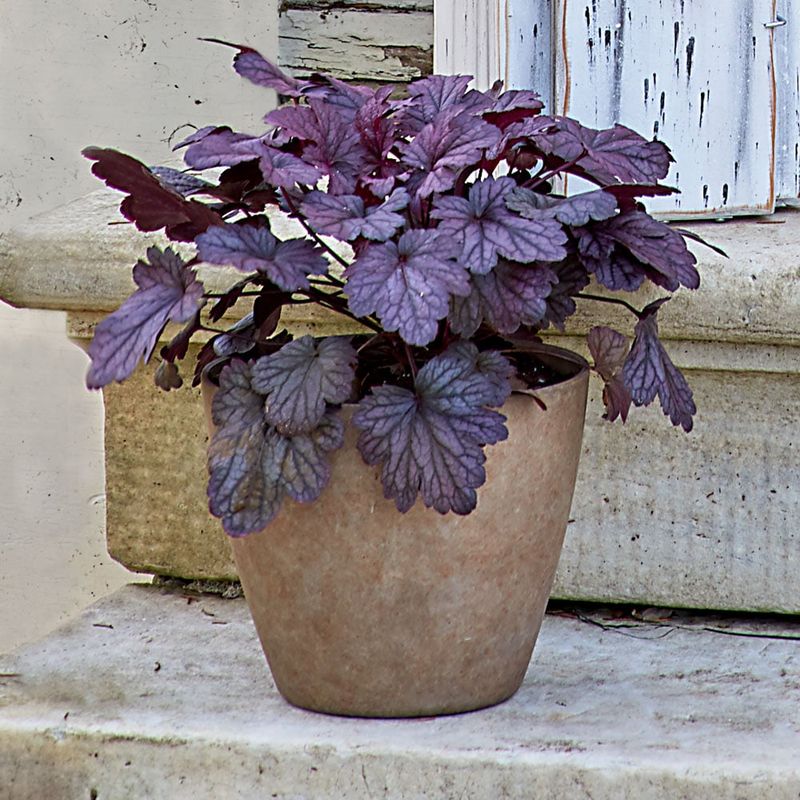
Heuchera, commonly known as Coral Bells, is treasured for its stunning foliage rather than its flowers. The leaves come in a variety of colors, including purple, lime, and bronze, offering endless design possibilities. These plants prefer well-draining soil and should not be overwatered to prevent root rot. Their compact, mounding growth habit makes them perfect for pots or borders in shaded areas. Heuchera’s vibrant foliage adds a dynamic visual element to gardens, providing depth and texture that complements both modern and traditional garden settings.
11. Hellebore (Lenten Rose)
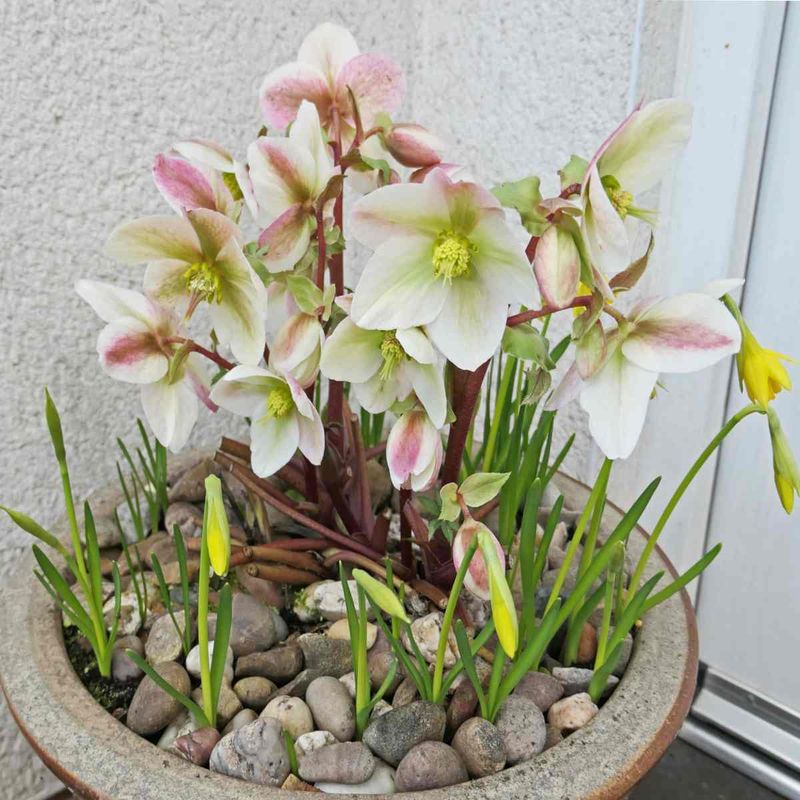
Hellebores, or Lenten Roses, offer early spring blooms that bring a touch of elegance to deep shade gardens. Once established, they are drought-tolerant, making them low-maintenance additions to shaded areas. Their delicate flowers range in shades of white, pink, and purple, providing a subtle beauty against their rich, evergreen foliage. Hellebores are excellent for woodland gardens or shaded borders, where their long-lasting blooms can be appreciated during the cooler months. Their resilience and understated charm make them a beloved choice among shade-loving plants.
12. Brunnera (Siberian Bugloss)
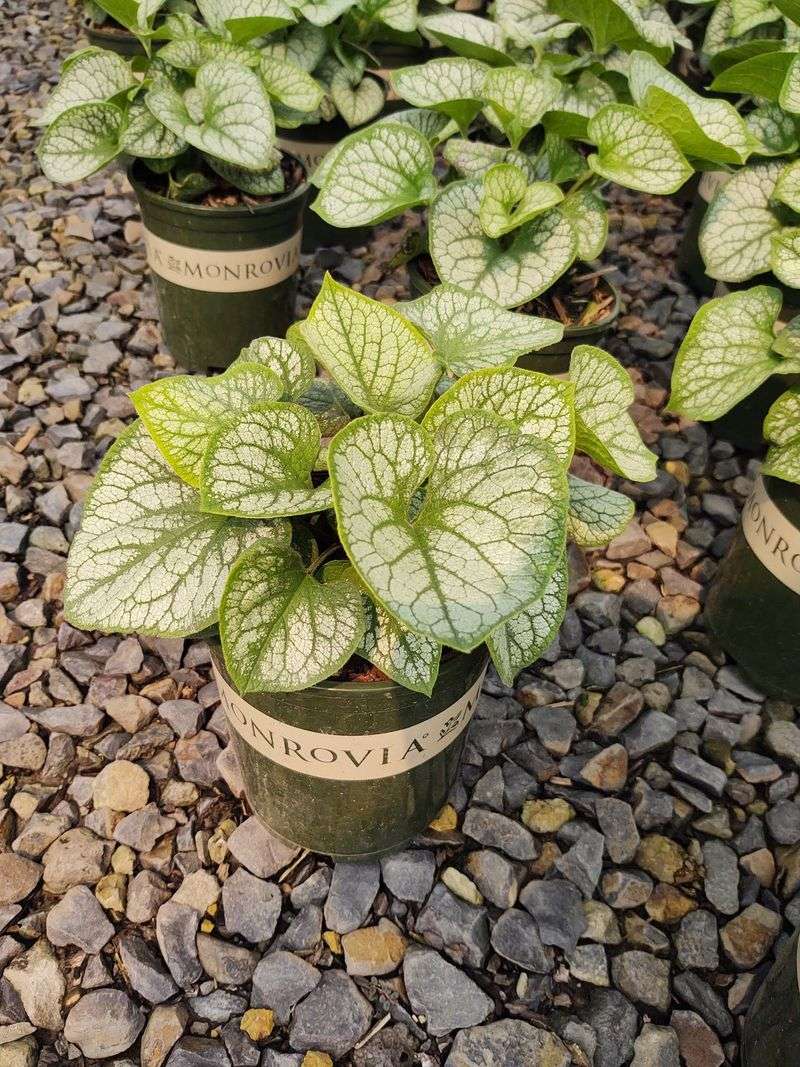
Brunnera, or Siberian Bugloss, is cherished for its heart-shaped, silver-speckled leaves and tiny blue flowers that resemble forget-me-nots. Preferring rich, moist soil, these plants flourish in shaded areas where they can create a lush, ground-covering carpet. Their ability to brighten up dark corners with their shimmering foliage is unmatched. Brunnera’s delicate flowers add a gentle touch of color in spring, making them a versatile choice for enhancing the beauty of shaded borders or woodland gardens. Their understated elegance is a testament to their enduring appeal.
13. Bleeding Heart (Dicentra)
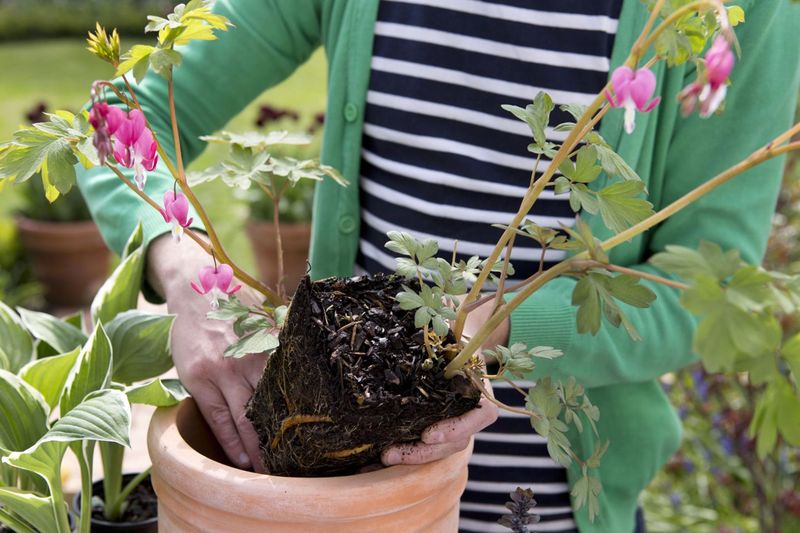
Bleeding Hearts are known for their romantic, heart-shaped flowers that dangle gracefully from arching stems. Available in shades of pink or white, these flowers thrive in shade and add a touch of whimsy to gardens. It’s important to remember that Bleeding Hearts go dormant in summer, so they should be planted among other shade-loving perennials that will fill the space. Their ability to bring a fairytale-like quality to gardens makes them a cherished choice for adding interest and charm. Bleeding Hearts’ nostalgic beauty captures the imagination of gardeners everywhere.
14. Japanese Forest Grass (Hakonechloa)
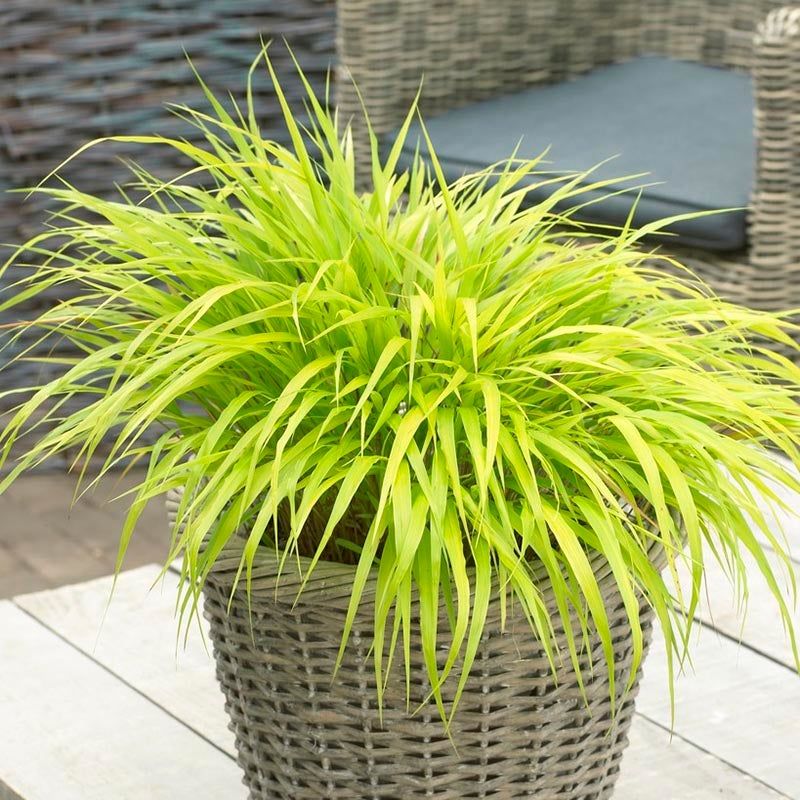
Japanese Forest Grass, or Hakonechloa, is prized for its flowing, golden-green foliage that adds texture and movement to shaded gardens. It thrives in consistently moist soil and prefers a shaded environment to maintain its vibrant color. The graceful arching habit of this grass makes it an ideal choice for borders or woodland gardens, where it can softly sway in the breeze. Its ability to blend seamlessly with other shade-loving plants while providing contrast in texture makes it a must-have for those seeking a harmonious garden design.
15. Lamium (Dead Nettle)
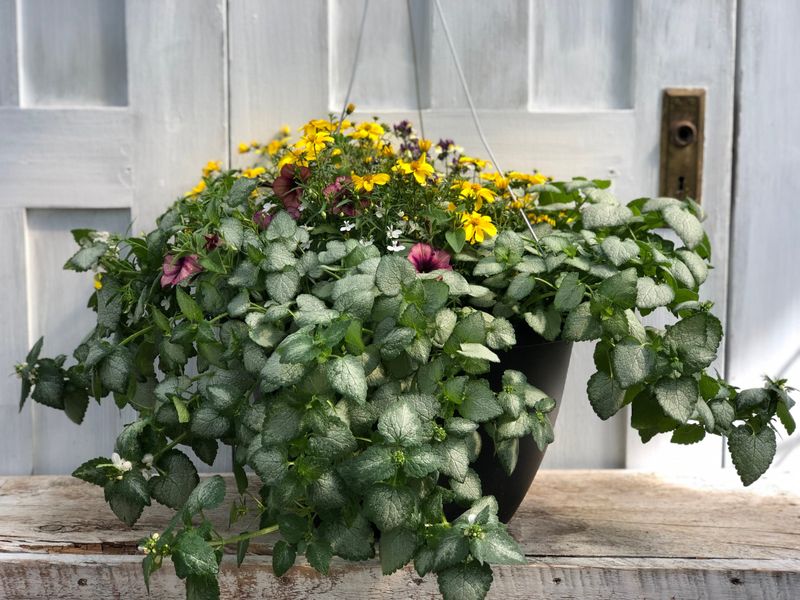
Lamium, or Dead Nettle, is a hardy ground cover known for its silver-variegated leaves and small, delicate blooms in pink or white. These plants are drought-tolerant and excel in dry shade, making them a practical choice for challenging garden spots. Their spreading habit helps suppress weeds, providing a low-maintenance solution for gardeners. Lamium’s ability to brighten up shaded areas with its reflective leaves and subtle flowers makes it a popular choice for adding texture and interest to garden beds and borders. Its resilience is truly remarkable.
16. Ajuga (Bugleweed)
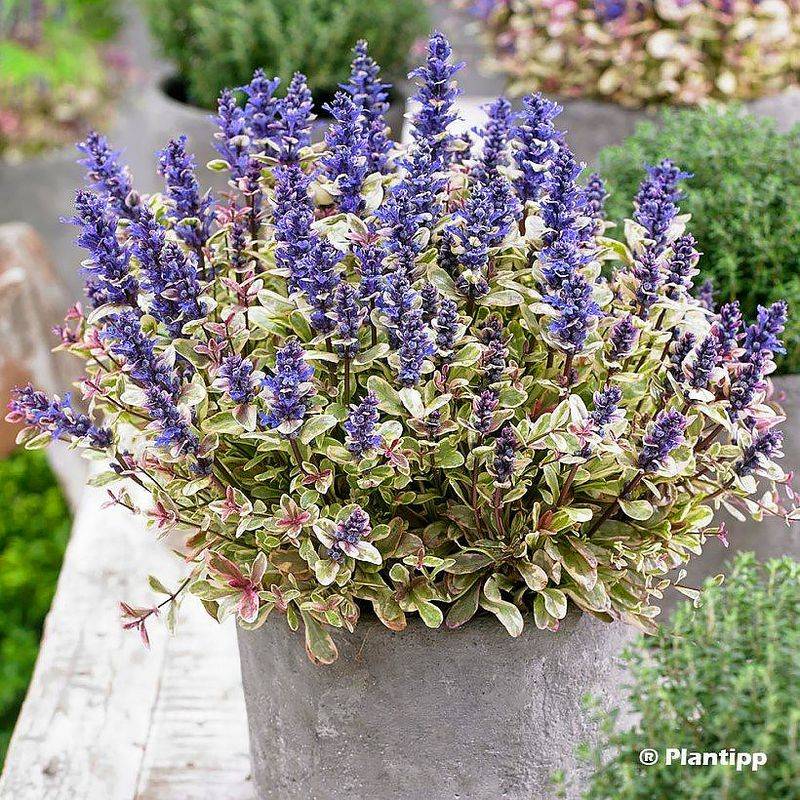
Ajuga, or Bugleweed, is known for its vigorous growth and striking purple foliage, accented by spikes of blue flowers. This ground cover spreads quickly, making it ideal for filling gaps in shaded garden areas. To maintain its spread, regular trimming is recommended. Ajuga’s vibrant colors and ability to thrive in shade make it a favorite for adding a bold statement to garden borders or woodland settings. Its adaptability and striking appearance make Ajuga an excellent choice for gardeners looking to make a statement with minimal effort.
17. Bletilla (Ground Orchid)
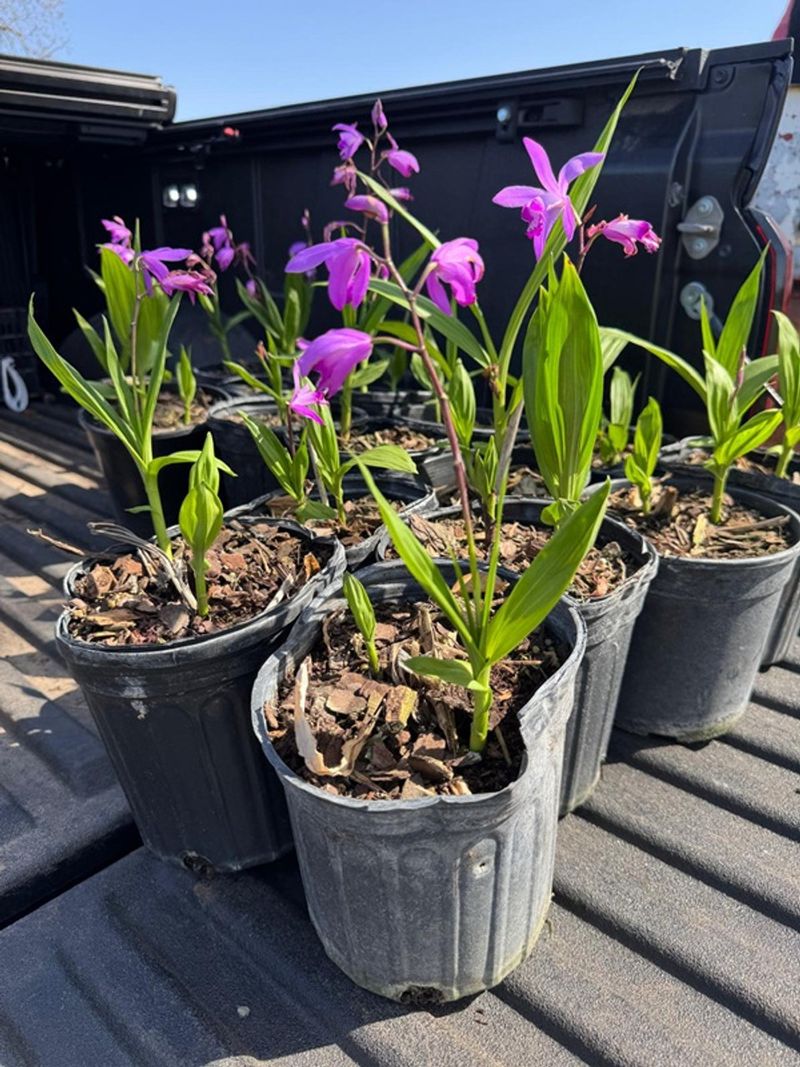
Bletilla, commonly referred to as Ground Orchids, brings an exotic touch to shaded pots with its orchid-like flowers. These plants require protection from frost and benefit from mulching in winter to maintain their health. Bletilla’s unique blooms in shades of pink and white add a touch of elegance and intrigue to any garden. Their ability to thrive in shade while providing an exotic flair makes them a captivating choice for gardeners. The elegance and resilience of Bletilla add a touch of sophistication and charm to any shaded area.
18. Tiarella (Foamflower)
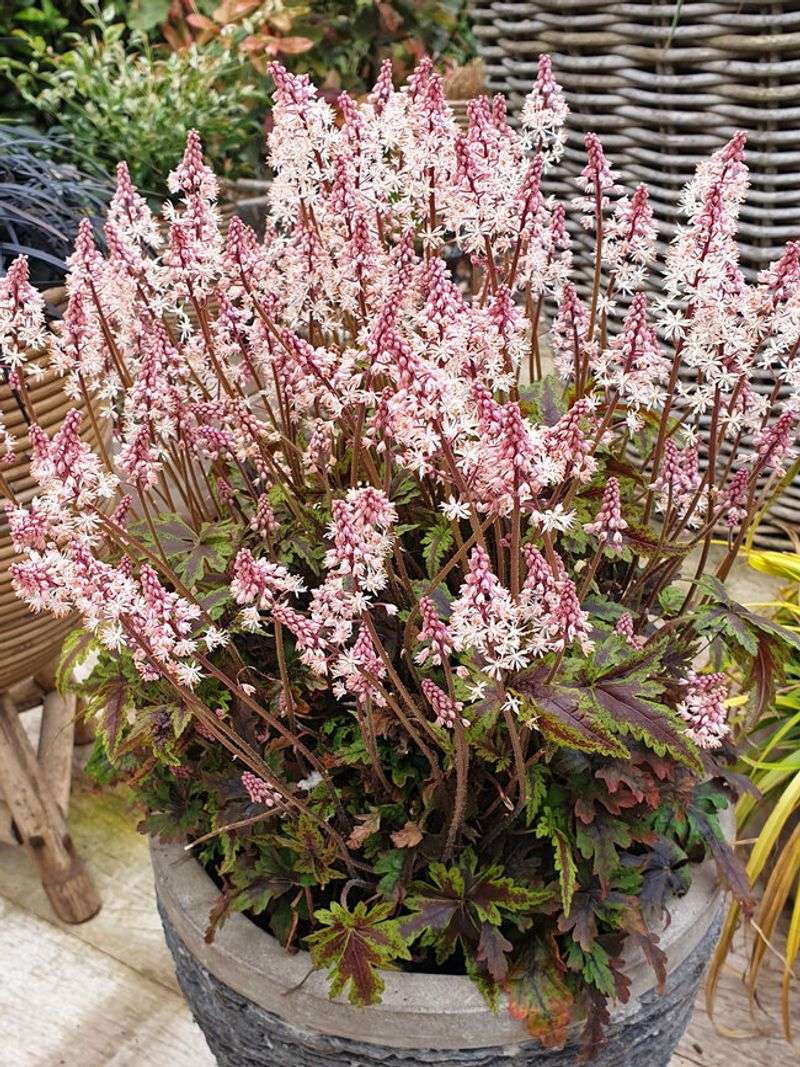
Tiarella, or Foamflower, captivates with its delicate spikes of white or pink flowers. Preferring acidic, well-draining soil, these plants are well-suited for shaded gardens where they can provide a soft, airy appearance. Their mounding habit and attractive foliage make them perfect for woodland gardens or shaded borders. Tiarella’s ability to complement a variety of garden styles while adding subtle beauty makes it a versatile choice for enhancing shady areas. Their gentle charm and ease of care endear them to gardeners looking for low-maintenance elegance.
19. Solomon’s Seal
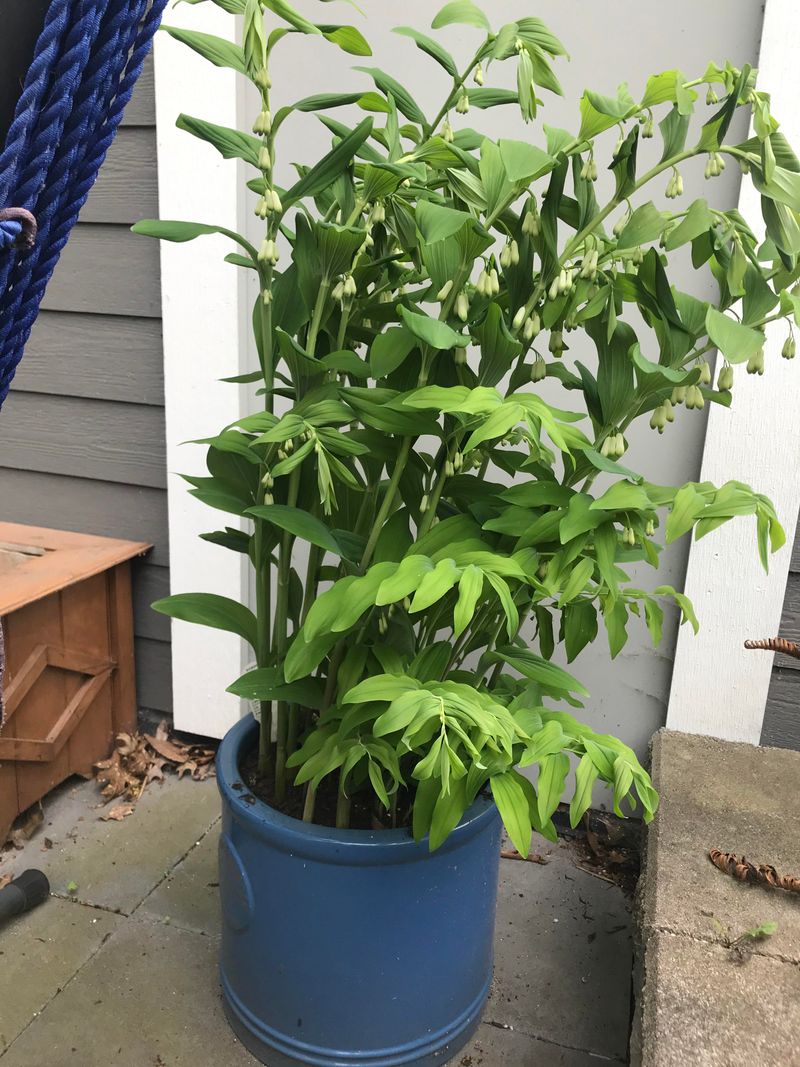
Solomon’s Seal is admired for its arching stems adorned with dangling white flowers. This plant is slow-growing but long-lived, making it a reliable choice for shaded woodland gardens. Its graceful foliage and understated blooms add a touch of elegance and movement to garden settings. Solomon’s Seal thrives in moist, well-drained soil, and its ability to form colonies over time makes it a valued addition to long-term garden plans. Its timeless beauty and adaptability make Solomon’s Seal a cherished favorite among shade-loving plants.
20. Ligularia
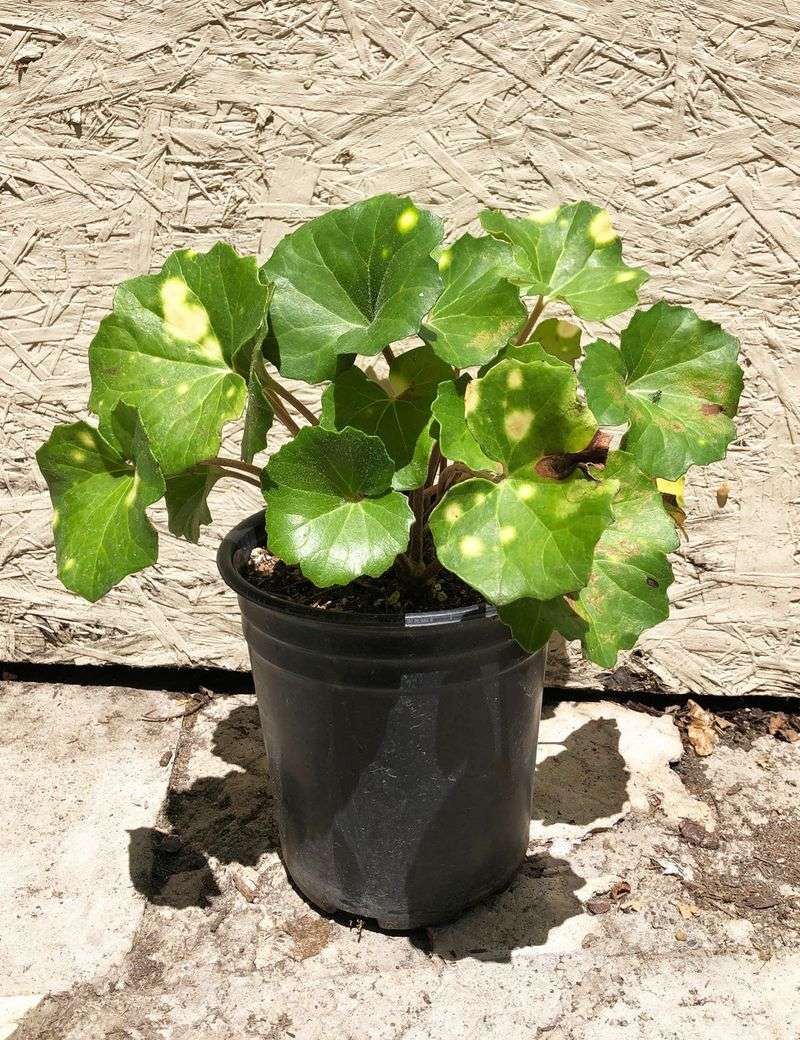
Ligularia stands out with its bold foliage and striking yellow flower spikes, thriving in consistently moist conditions. These plants prefer shaded areas where their vibrant colors can add a dramatic flair to garden designs. Ligularia’s large leaves provide a lush backdrop for its bright blooms, making it a standout feature in any garden setting. Their preference for moisture and ability to brighten up shady spaces make them a valuable addition to garden enthusiasts looking to create impact. Ligularia’s bold presence is both eye-catching and elegant.
21. Cyclamen
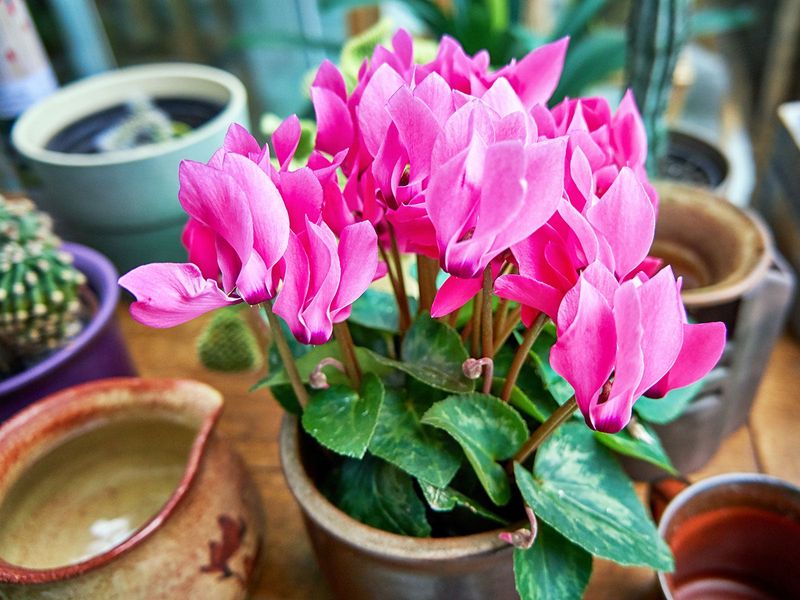
Cyclamen brings a burst of color to winter gardens with its blooms in shades of pink, red, and white. These flowers thrive in cool, shaded areas, adding brightness during the colder months. Cyclamen prefer well-drained soil and should be watered sparingly to prevent root rot. Their distinctive, heart-shaped leaves complement the vibrant blooms, creating a striking contrast. Cyclamen’s ability to provide winter interest and their elegant simplicity make them a popular choice for adding warmth and color to shaded garden spots during the colder seasons.
22. Ferns (Maidenhair, Japanese Painted, etc.)
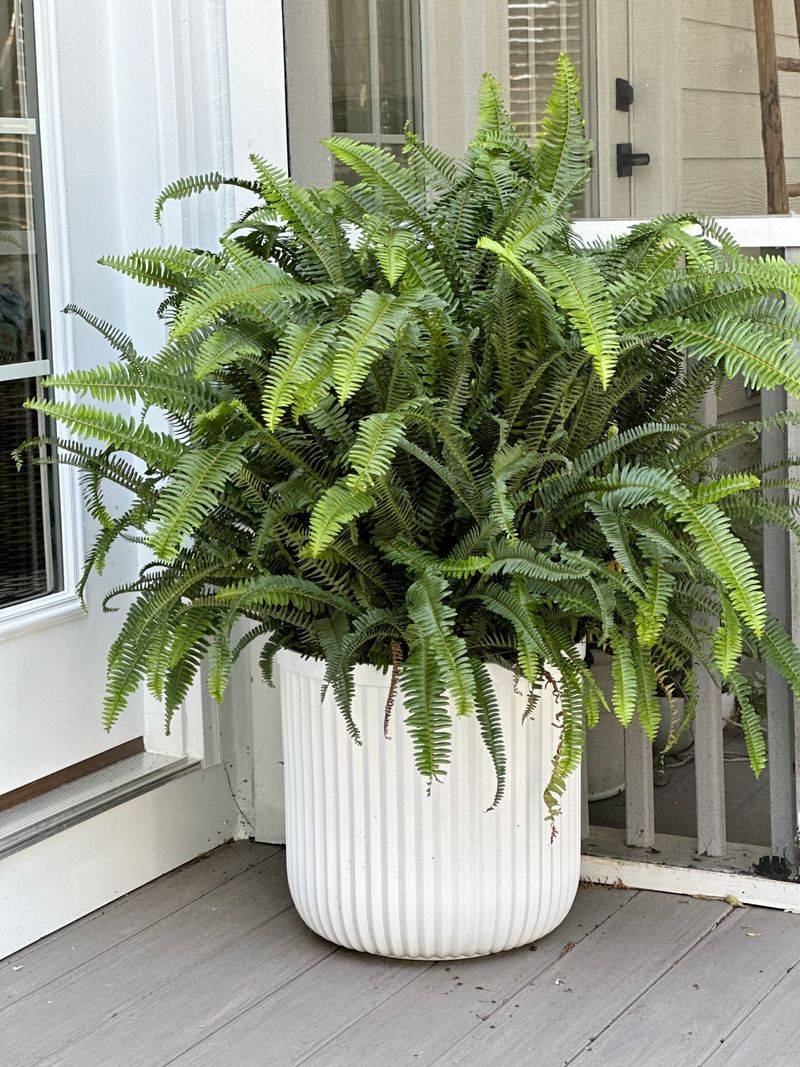
Ferns are beloved for their lush, textured foliage that brings a sense of tranquility to deep shade gardens. Varieties like Maidenhair and Japanese Painted offer unique leaf patterns and colors, adding depth and interest. Regular misting helps maintain the necessary humidity for their growth. Ferns thrive in shady conditions, making them perfect for creating a verdant, peaceful garden atmosphere. Their graceful, arching fronds and ability to complement a wide range of plantings make ferns a timeless choice for enhancing any shaded garden setting.
1. Petunias
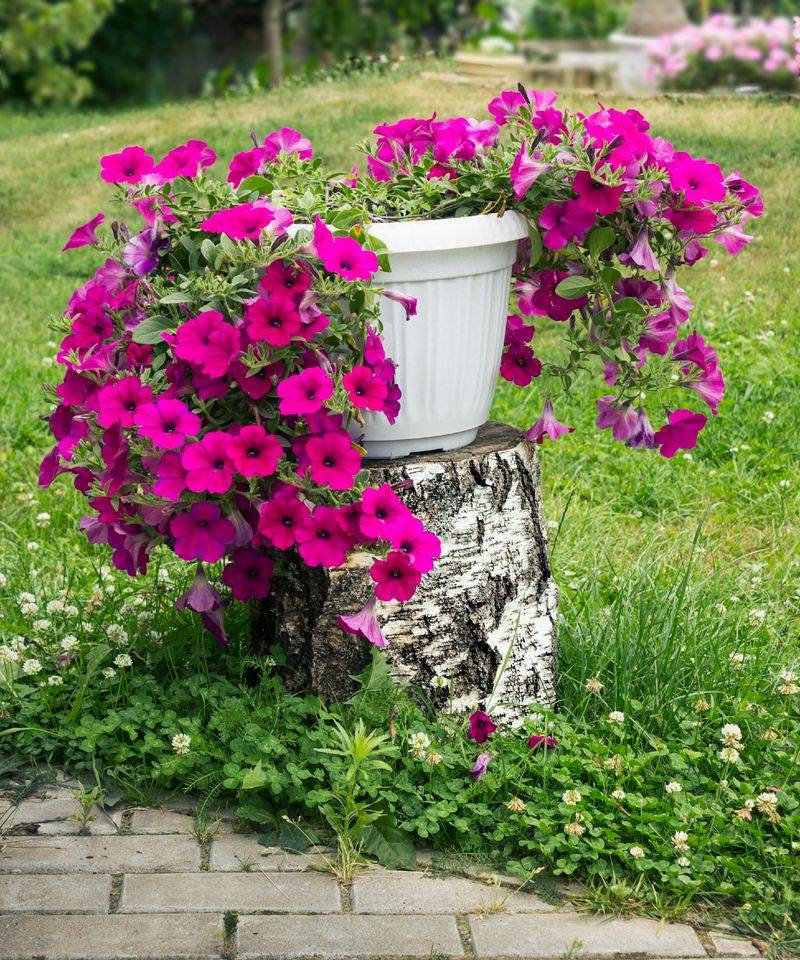
Petunias are known for their vibrant blooms but struggle without ample sunlight. In shaded areas, they tend to become leggy with fewer flowers. These sun-loving plants require at least six hours of direct sunlight each day to bloom profusely. In the absence of full sun, Petunias may not reach their full potential, resulting in sparse growth and a lack of vibrant blooms. Their bright colors are best enjoyed in sunny spots where they can thrive. Petunias’ need for sunlight makes them less suitable for shaded garden areas.
2. Marigolds
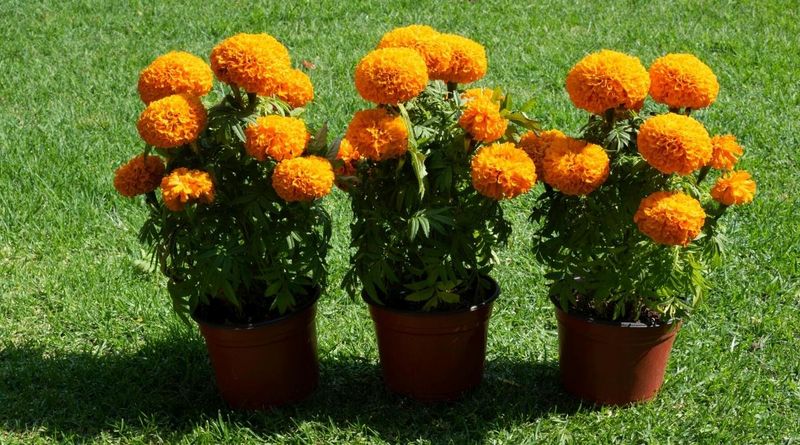
Marigolds are celebrated for their bright, cheerful blooms but do not perform well in shaded environments. Without adequate sunlight, their stems may become weak, and flower production significantly decreases. These plants require full sun to thrive and should be placed in locations where they receive plenty of light. Marigolds’ vibrant colors are best showcased in sunny garden beds or pots, where their resilience against pests and ease of care can be fully appreciated. Their preference for sunlight makes them a popular choice for sunny gardens but unsuitable for shade.
3. Zinnias
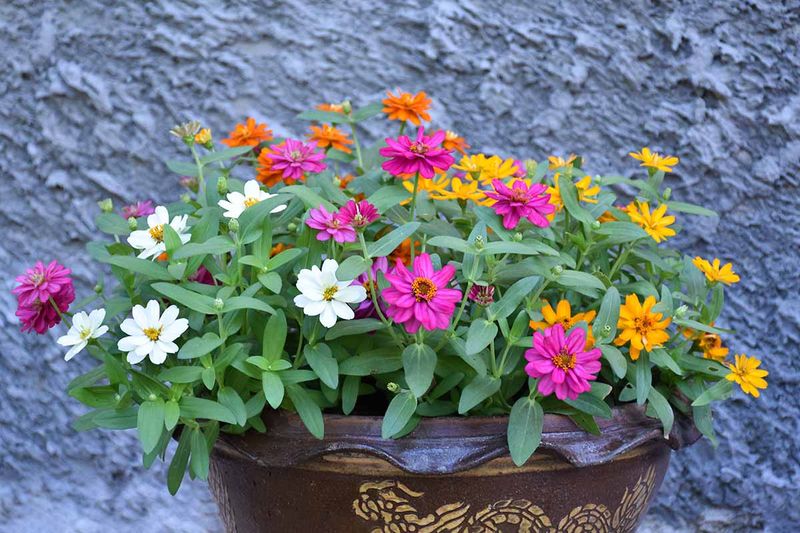
Zinnias are known for their bold, bright blooms but require full sunlight to maintain their vibrant appearance. In shaded conditions, they are prone to mildew and reduced flowering. These sun-seeking plants flourish in environments where they can soak up the rays, producing an abundance of colorful flowers. Without adequate sun, Zinnias struggle to thrive, making them less ideal for shaded gardens. Their striking blooms and ease of care in sunny locations make Zinnias a popular choice for adding color to summer gardens but unsuitable for shade.
4. Geraniums
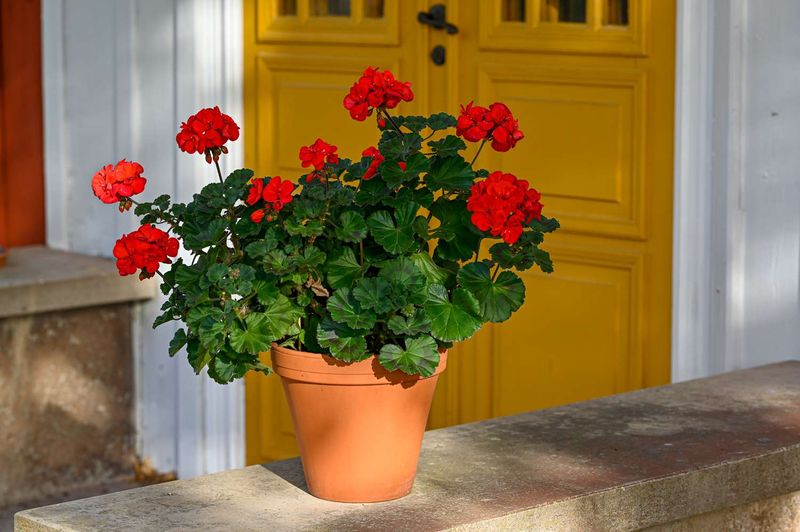
Geraniums are popular for their vibrant blooms and hardy nature, but they don’t thrive in shaded areas. In the absence of full sun, their leaves become pale and stretchy, with fewer blooms. These plants require ample sunlight to produce the full, lush growth they are known for. Geraniums perform best in bright, sunny locations where their colorful flowers can flourish. Their adaptability to various conditions, provided there is enough sun, makes them a favorite among gardeners. However, their need for light excludes them from shaded garden spaces.
5. Sunflowers
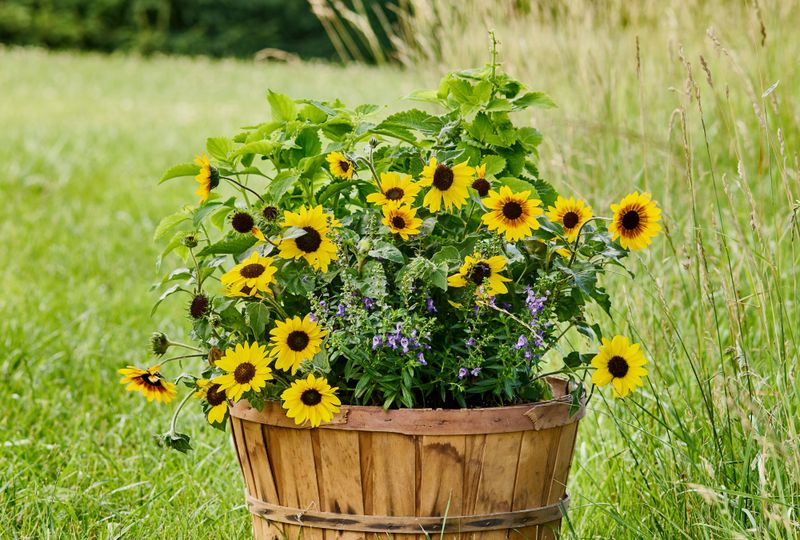
Sunflowers are iconic for their towering stems and large, cheerful blooms but require direct sunlight to reach their full potential. In shaded areas, they struggle to grow tall and produce fewer flowers. These plants are sun lovers and need plenty of light to thrive. Without adequate sunlight, Sunflowers may not bloom well, missing the opportunity to showcase their full beauty. They are best suited for open, sunny spaces where they can stretch towards the sun with their bright, sunny faces. Sunflowers’ sunlight dependency limits their use in shaded gardens.
6. Lavender
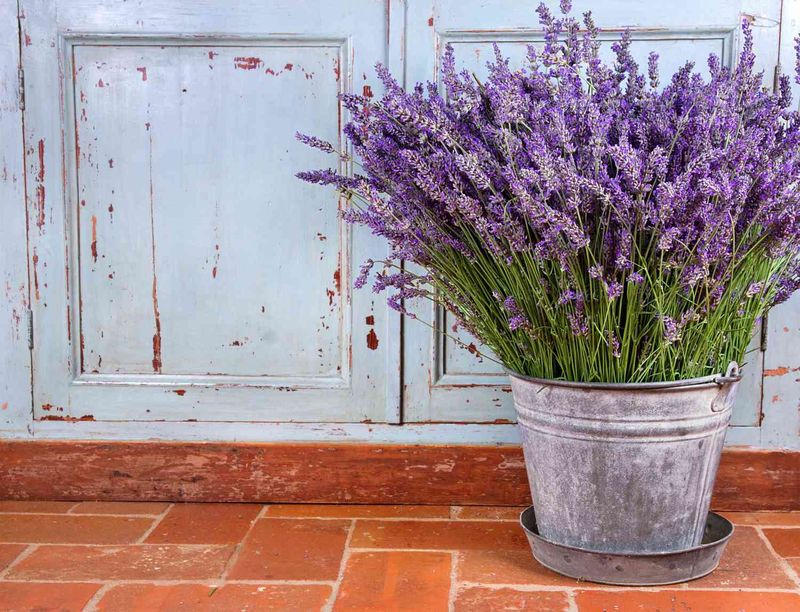
Lavender is adored for its fragrant blooms and calming presence but does not perform well in shade. Without ample sunlight, it becomes leggy and prone to rot. These aromatic herbs flourish in full sun, where they can produce their signature purple flowers and soothing scent. Lavender prefers well-drained soil and should be placed in sunny locations to prevent moisture-related issues. Their ability to thrive in bright conditions makes Lavender a favored choice for sunny gardens, where their beauty and fragrance can be fully appreciated.
7. Cosmos
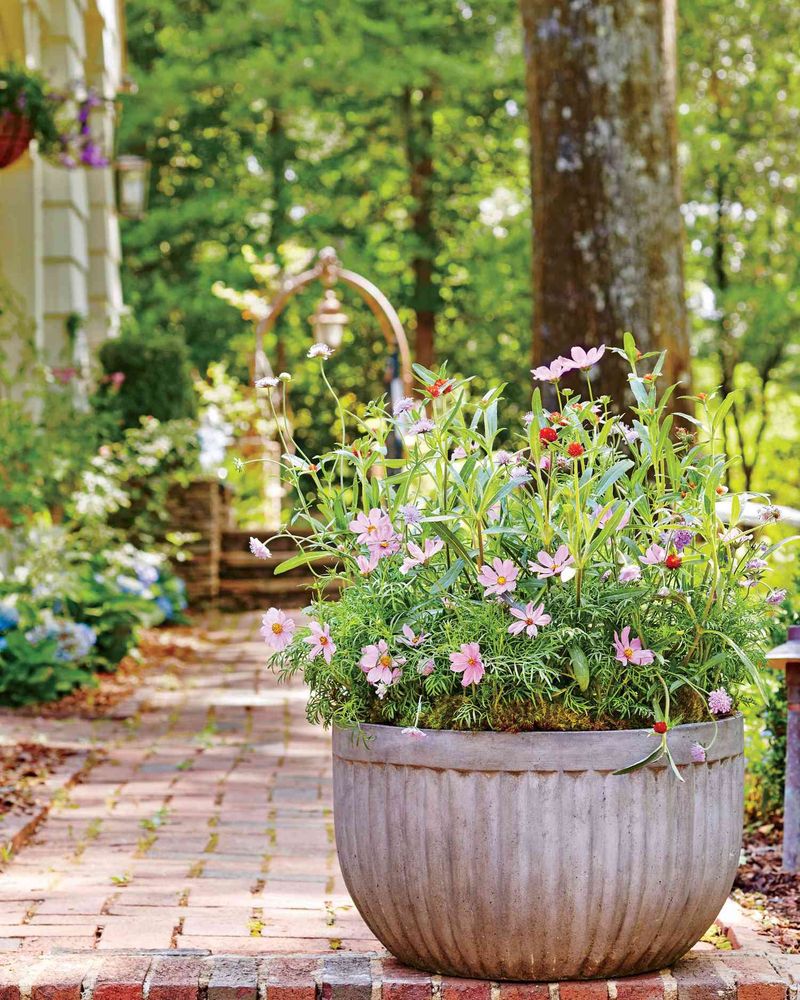
Cosmos flowers are admired for their delicate, daisy-like blooms but require full sun to thrive. In shaded conditions, their stems become floppy, and flower production declines. These plants prefer open, sunny areas where they can grow tall and produce an abundance of colorful blooms. Cosmos’ ability to attract pollinators and their easy cultivation in sunlit spaces make them a popular choice for summer gardens. However, their dependency on sunlight for optimal growth makes them unsuitable for shaded gardens. Cosmos’ vibrant presence shines brightest in the sun.
8. Gazanias
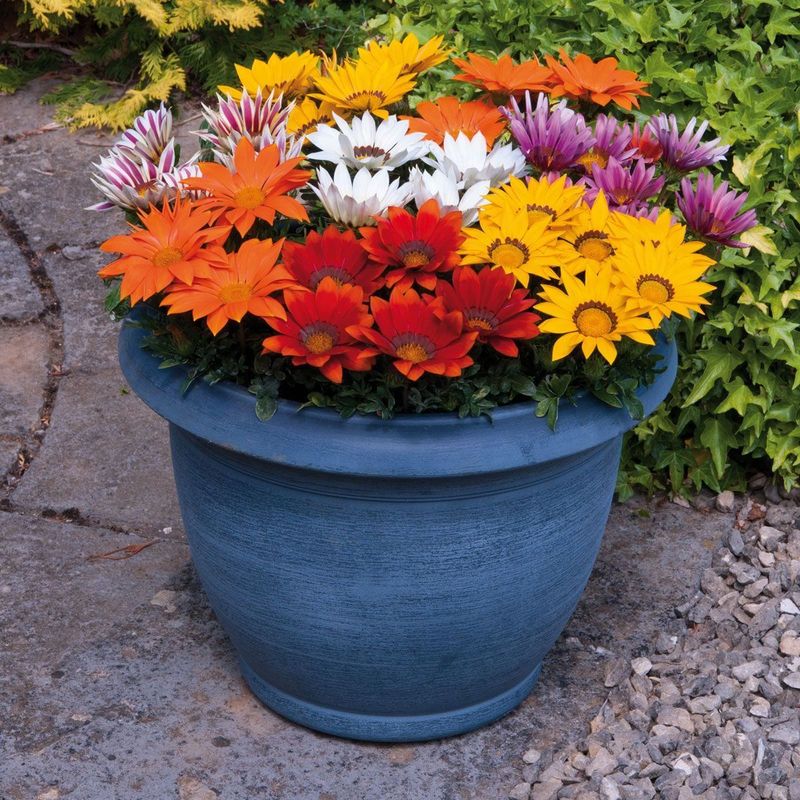
Gazanias are known for their bright, daisy-like blooms that close in the shade. They require full sunlight to display their vibrant colors fully. In shaded conditions, Gazania flowers may not open completely, reducing their visual impact. These sun-loving plants thrive in well-drained soil and should be placed in sunny spots to maximize their flowering potential. Their resilience and low maintenance make Gazanias an excellent choice for sunny gardens, but their need for light means they are best avoided in shaded areas. Gazanias’ full beauty is revealed under the sun.