
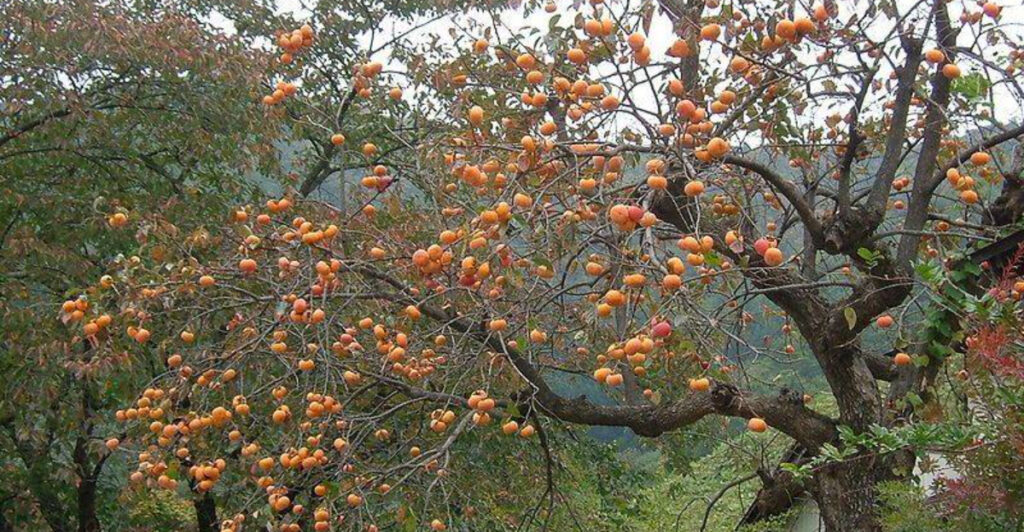
Explore the fascinating world of fruit trees that can thrive and bear fruit for over a century. From the familiar apple and pear to the exotic persimmon and quince, these trees are not only a testament to nature’s resilience but also a source of delicious bounty for generations. Discover the secrets of their longevity and how to cultivate them in your own backyard garden.
1. Apple Trees (Malus domestica)
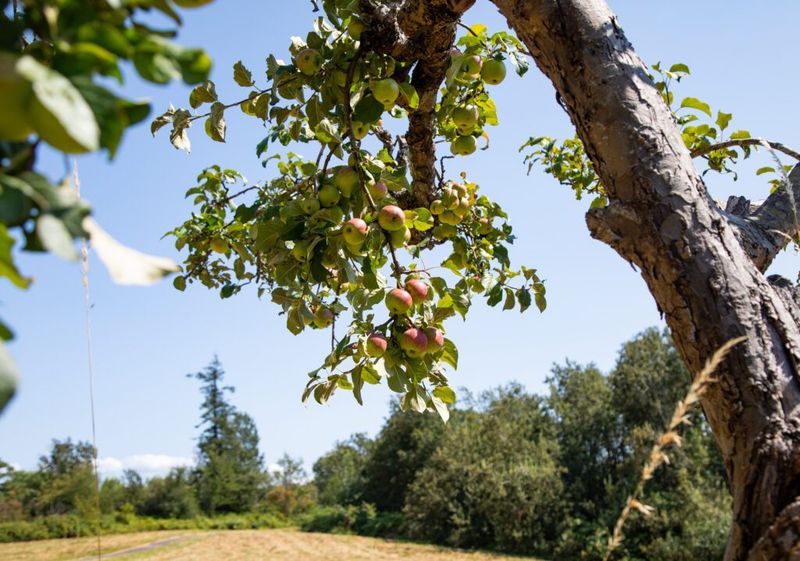
Apple trees have an enchanting legacy, with some historic orchards still producing from trees over 150 years old. These trees, especially hardy types like ‘Arkansas Black,’ endure through sheer tenacity, surviving various climates. Their resilience to disease contributes to their long lifespan, making them a reliable source of fruit for decades. Imagine biting into a crisp apple from a tree planted by your ancestors – a true living history. They symbolize not only sustenance but also a connection to generations past, making them more than just a tree in your backyard.
2. Pear Trees (Pyrus communis)
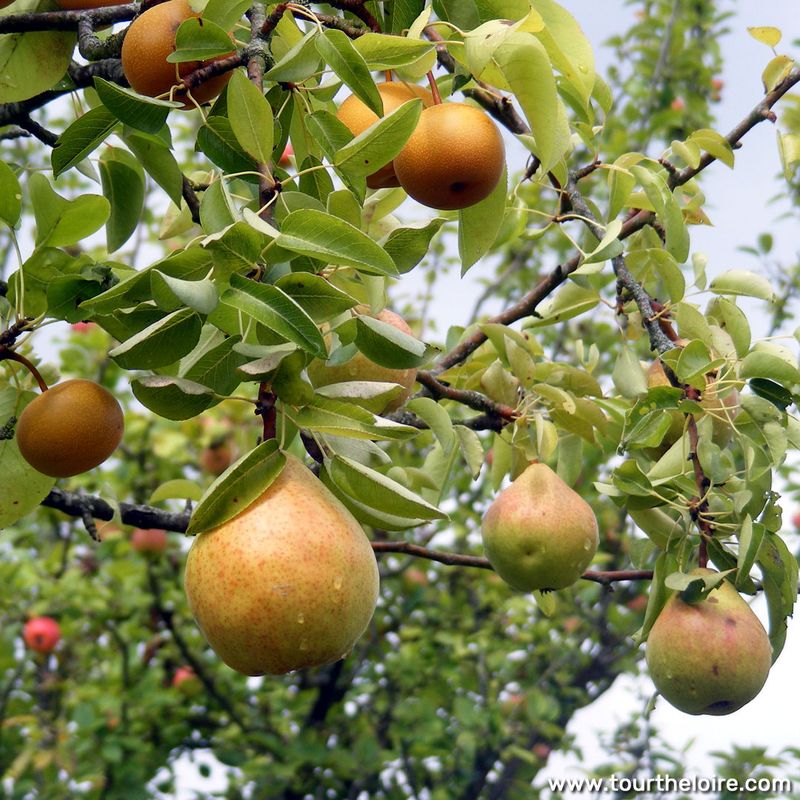
Pear trees, with their elegant form, have been beloved for their exceptional longevity, often surpassing a century. European varieties like ‘Bartlett’ and ‘Doyenné du Comice’ thrive when grafted onto hardy rootstock, extending their fruitful years. The sight of a pear tree in your garden evokes an old-world charm, a nod to the past. Cultivating such a tree is like preserving a piece of history, as some have stood witness to centuries of change yet still bear fruit. Their resilience and beauty make them a cherished addition to any landscape.
3. Fig Trees (Ficus carica)
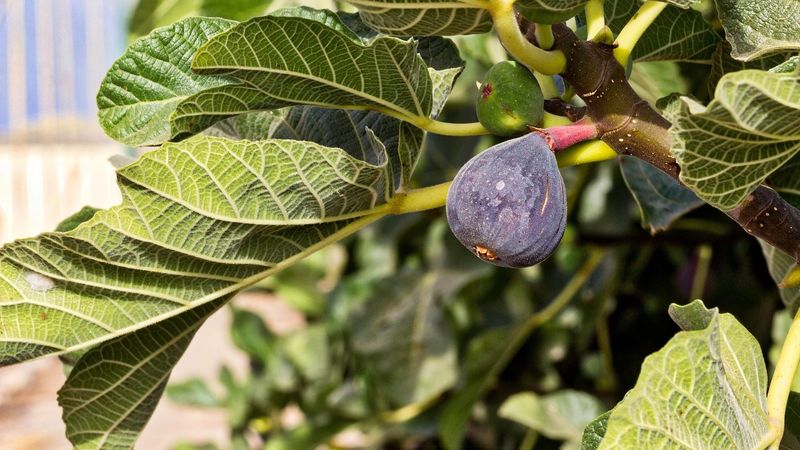
Fig trees, iconic in Mediterranean landscapes, are celebrated for their ability to endure and thrive for over 200 years. Their deep roots and drought tolerance allow them to flourish in challenging environments. A mature fig tree is a living sculpture, offering sweet, honey-flavored fruits that are a favorite in many cultures. Despite their age, these trees remain productive, a testament to their adaptability and strength. Inviting a fig tree into your garden is like welcoming a piece of Mediterranean heritage that will continue to give for generations.
4. Olive Trees (Olea europaea)
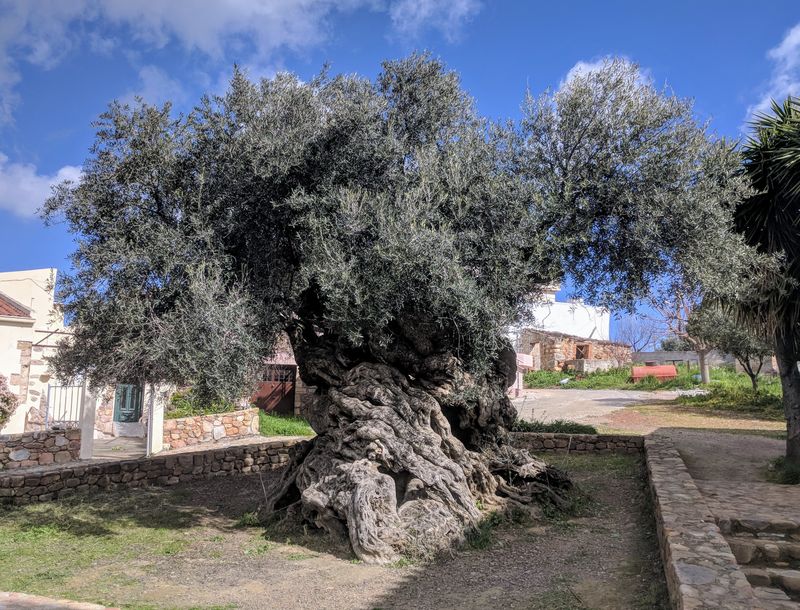
Olive trees are legendary for their extraordinary longevity, with some in Europe still producing after a millennium. These trees are marvels of nature, thriving in arid conditions with their deep-rooted resilience. Their silvery foliage and gnarled trunks are iconic, each tree telling stories of past eras. An olive tree in your backyard is more than a source of fruit; it’s a symbol of peace and endurance. Its ability to withstand the test of time and continue to bear abundance is a humbling reminder of nature’s wonders.
5. Mulberry Trees (Morus spp.)
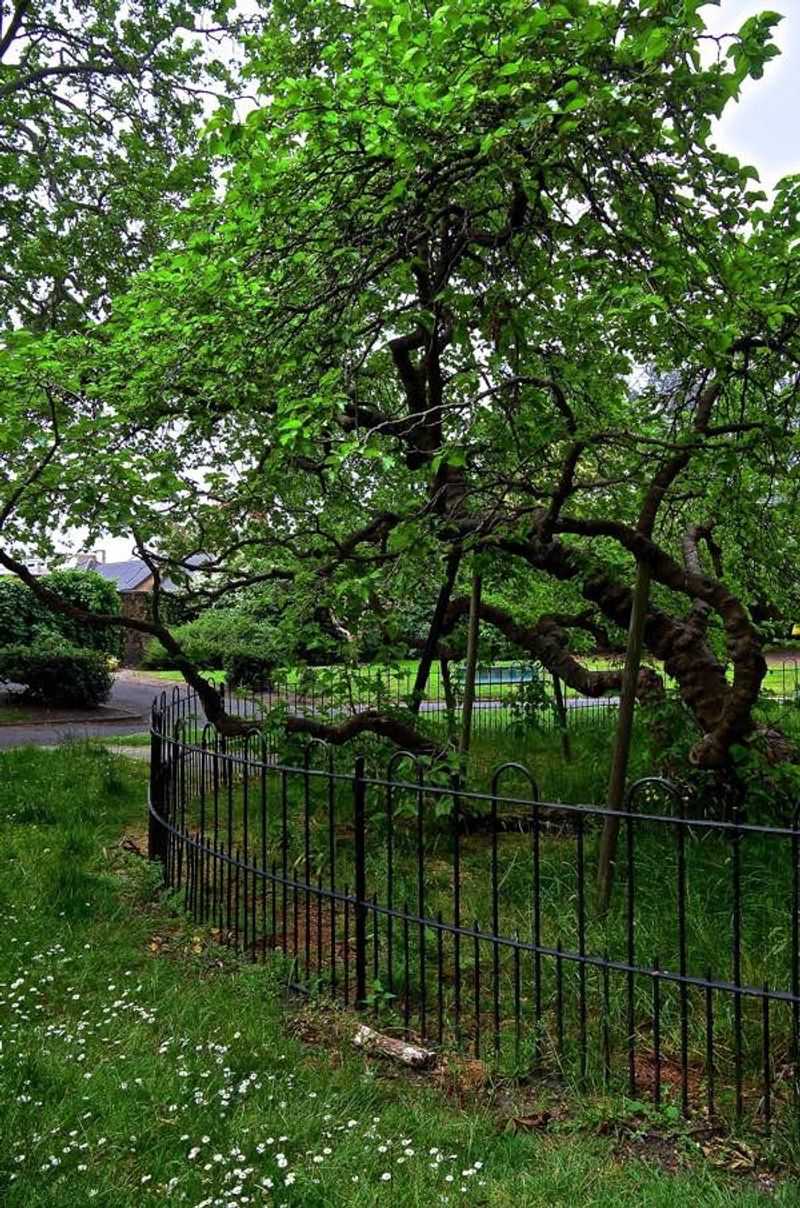
Mulberry trees, with their robust nature, are fast-growing and remarkably hardy, often living beyond a century. Known for their luscious berries, these trees have a history of cultivation across continents. In some regions, white mulberries have been known to survive for several hundred years. Their resilience and adaptability make them a popular choice for gardeners seeking longevity and fruitfulness. As you pick berries from a mulberry tree, you partake in a tradition that spans generations, linking you to the past through this living legacy.
6. Persimmon Trees (Diospyros kaki)
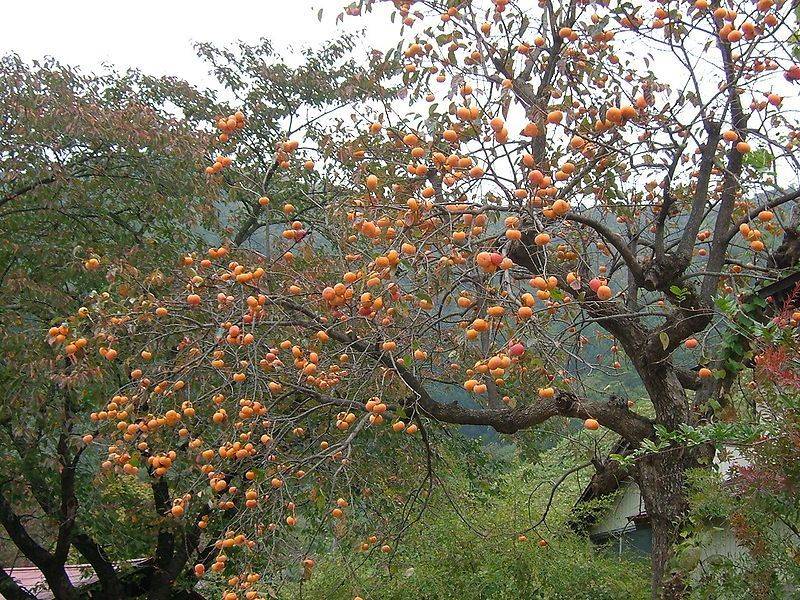
Persimmon trees captivate with their vibrant fruits and long-lasting vitality, living up to 150 years. American varieties like ‘Meader’ are particularly hardy, thriving through seasons with grace. Their honey-like fruit becomes a cherished treat, especially when fully ripe. These trees bring a splash of color and sweetness to any garden, continuing to bear fruit through the decades. Keeping a persimmon tree is akin to nurturing a tradition of abundance, where each harvest is a celebration of nature’s generous spirit and enduring beauty.
7. Cherry Trees (Prunus avium & Prunus cerasus)
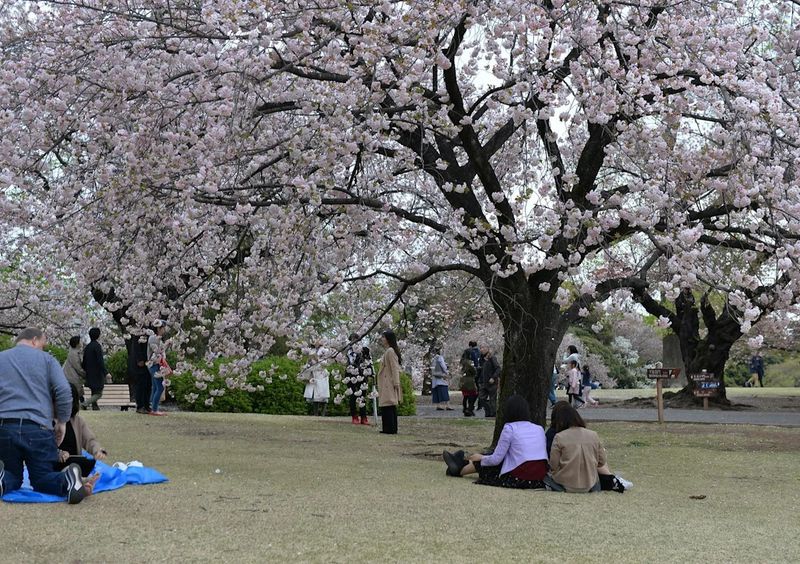
Cherry trees, renowned for their stunning blossoms, can also surprise with their longevity. While often appreciated for their flowers, varieties like ‘Montmorency’ provide both beauty and fruit, living over a century. These trees are a symbol of life’s fleeting beauty and enduring joy. In Japan, some cherry trees are planted not just for their aesthetics, but also for their historical significance, lasting centuries. Having a cherry tree in your garden is like hosting a seasonal festival, where each bloom and fruit is a tribute to nature’s cycles.
8. Walnut Trees (Juglans regia)
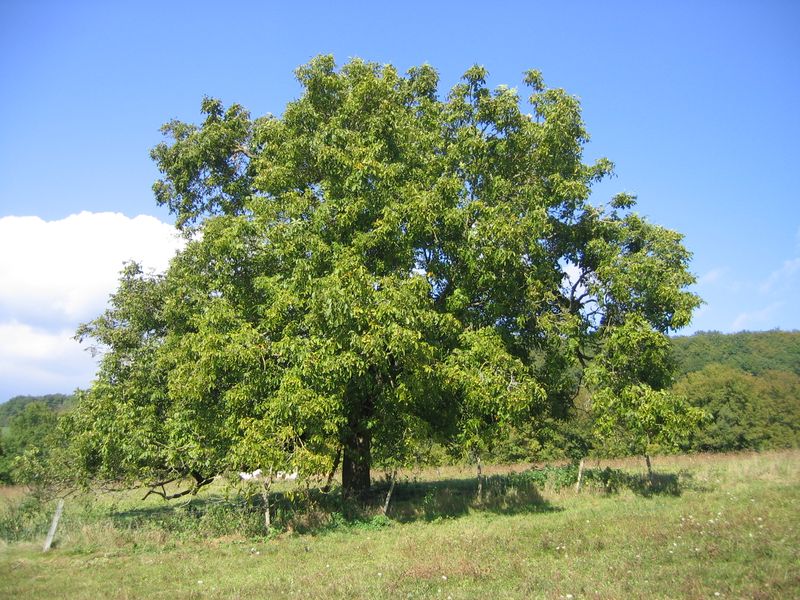
Walnut trees stand out with their imposing stature and ability to produce nuts for over 250 years. Known for their nutritious yield, these trees are more than just a part of the landscape. They are a legacy, offering both sustenance and shade. The presence of a walnut tree is commanding, yet it shares its space generously, providing a gathering spot for family and friends. However, gardeners should note the juglone compound in its roots, which can affect nearby plants. Its grandeur and productivity make it a treasured heirloom for future generations.
9. Chestnut Trees (Castanea spp.)
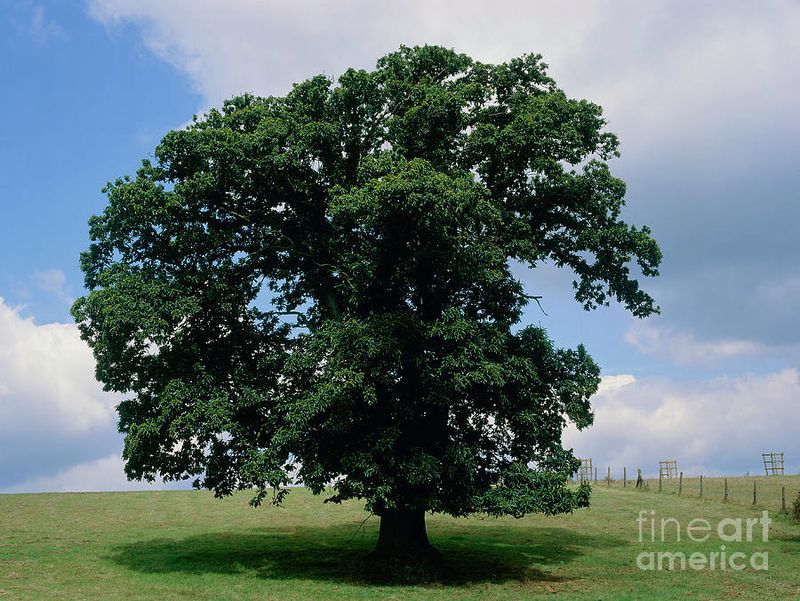
Chestnut trees, before the devastation of blight, were the giants of North American forests, living for centuries. New hybrids like ‘Dunstan’ aim to restore this majestic presence, offering hope for future forests. These trees are a testament to resilience and adaptation, capable of surviving hundreds of years with proper care. Their bountiful chestnuts have been a staple in culinary traditions. By planting a chestnut tree, you contribute to a legacy of restoration and abundance, nurturing a connection to the land and its rich history.
10. Quince Trees (Cydonia oblonga)
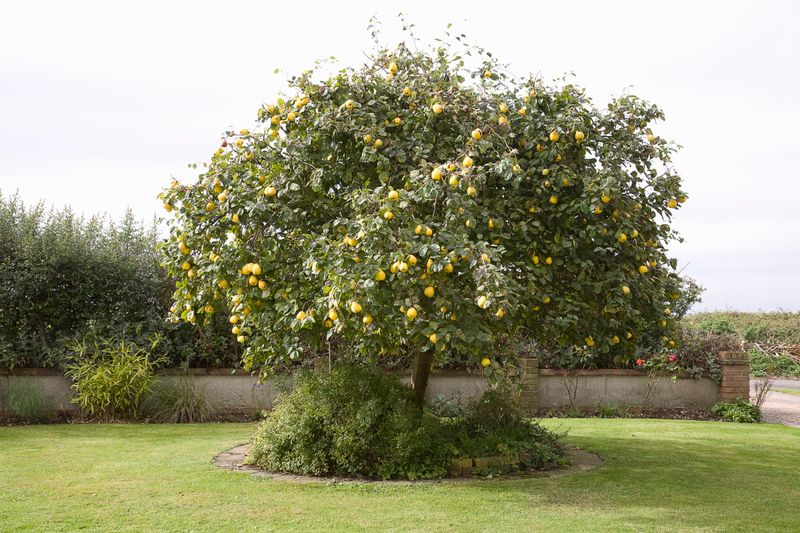
Quince trees, with their distinctive fruit and aroma, have enchanted gardeners for centuries. Known for their resilience against pests, these trees can thrive for over 100 years. Turkish quinces, in particular, have a legendary reputation, with some trees exceeding two centuries. The fruit, often used in jellies and preserves, adds a unique flavor to culinary creations. A quince tree in your garden is a nod to the past, offering a fragrant and fruitful presence. It stands as a testament to the enduring beauty of nature and the timeless joy of nurturing life.