
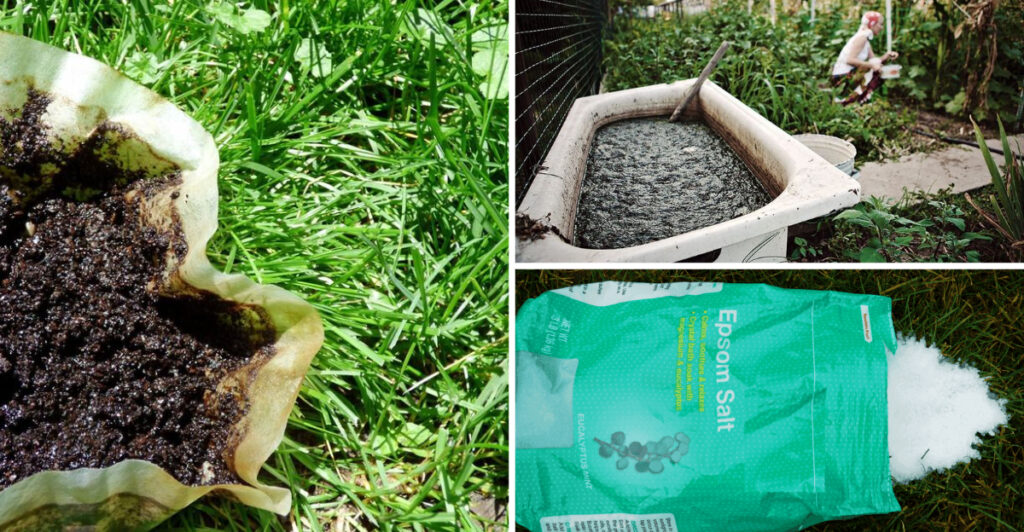
Taking care of your lawn doesn’t have to drain your wallet. Store-bought fertilizers can be expensive, but nature provides plenty of alternatives that work just as well. With a few simple ingredients from your kitchen or garden, you can create effective DIY fertilizers that keep your grass green and healthy while saving money.
1. Coffee Grounds Magic
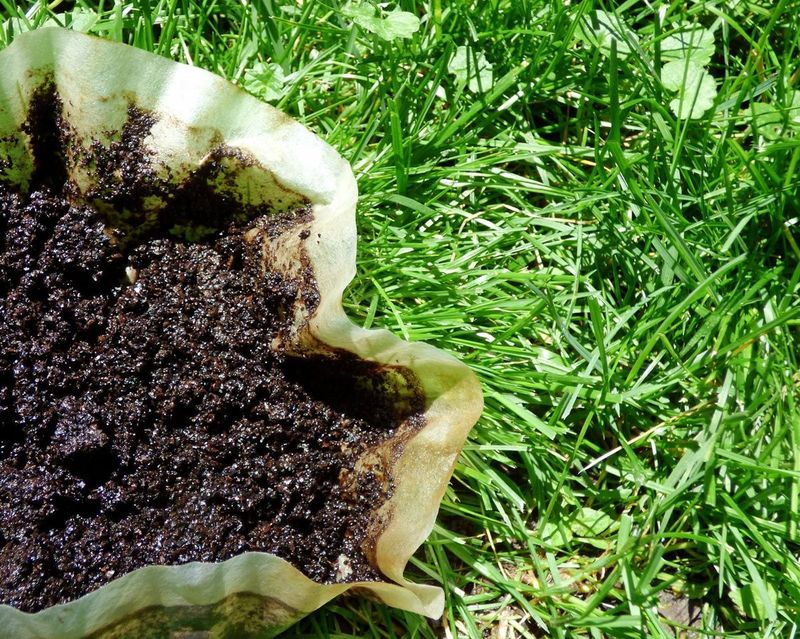
Used coffee grounds are nitrogen powerhouses for your lawn. After brewing your morning cup, collect the grounds and sprinkle them directly onto your grass or mix with water for a liquid feed.
Coffee grounds improve soil structure while slowly releasing nutrients. Your grass will respond with deeper green color within weeks. As a bonus, many garden pests dislike the smell of coffee, giving you natural pest protection.
2. Banana Peel Boost

Don’t toss those banana peels! They’re packed with potassium, phosphorus, and calcium—nutrients your lawn craves. Simply chop peels into small pieces and mix them into your soil before seeding or scatter them around existing grass.
For faster results, create banana peel tea by soaking chopped peels in water for three days. The resulting liquid makes an exceptional lawn tonic that promotes root development and disease resistance.
3. Epsom Salt Solution
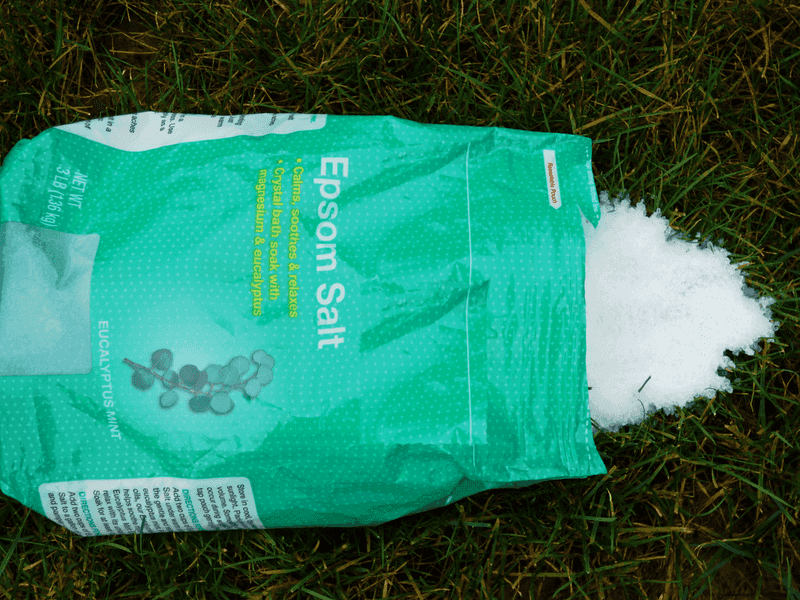
Magnesium sulfate, commonly known as Epsom salt, works wonders for grass health. Mix 2 tablespoons with a gallon of water and spray over your lawn monthly during growing season.
The magnesium promotes chlorophyll production, giving your grass a vibrant green color. Your lawn will grow thicker and more resilient against drought stress. For best results, apply on a cool morning when grass can absorb nutrients efficiently.
4. Grass Clipping Gold

Your mower’s clippings are free fertilizer! Leave short clippings right on the lawn where they quickly break down, returning valuable nitrogen to the soil. For longer clippings, collect and compost them first.
A thin layer of clippings acts as mulch, helping soil retain moisture during hot weather. Research shows lawns that receive their own clippings require up to 25% less commercial fertilizer annually, creating a sustainable fertilizing cycle.
5. Eggshell Calcium Boost
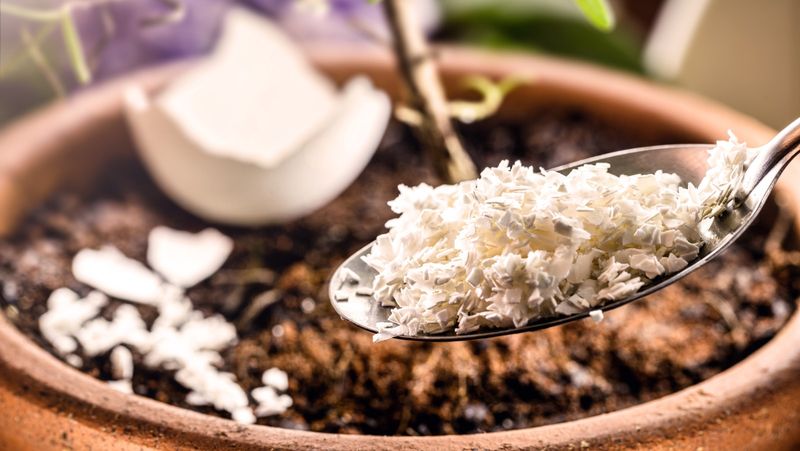
Crushed eggshells deliver calcium that strengthens grass cell walls and improves soil structure. Rinse shells after use, dry them completely, then grind into a fine powder using a coffee grinder or mortar and pestle.
Sprinkle the powder directly onto your lawn or mix with water for easier application. The calcium helps neutralize soil acidity while providing essential nutrients. Regular applications can reduce moss growth and encourage stronger, more disease-resistant turf.
6. Molasses Microbe Meal
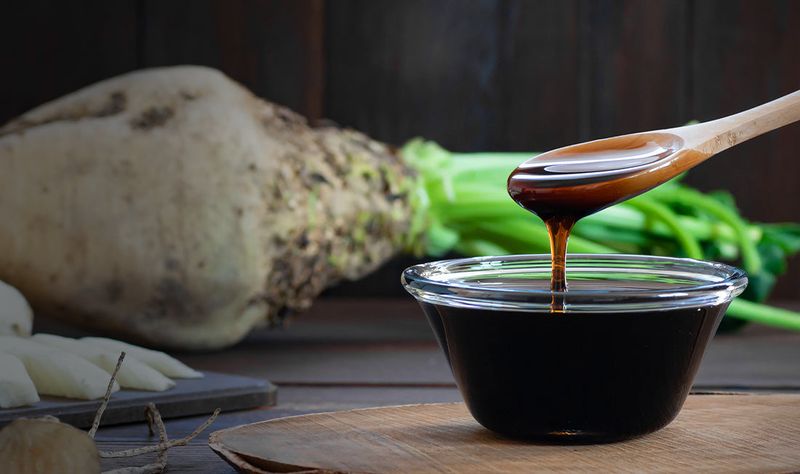
Unsulfured molasses feeds beneficial soil microorganisms that break down organic matter into plant-available nutrients. Mix 1-2 tablespoons with a gallon of water and apply to your lawn monthly during growing season.
The simple sugars in molasses energize soil bacteria and fungi that form symbiotic relationships with grass roots. Your lawn develops enhanced drought tolerance and disease resistance. This sweet treatment works especially well when combined with other organic fertilizers.
7. Fish Emulsion Fertilizer

Fish waste products create powerful nitrogen-rich fertilizer. While you can buy commercial versions, making your own saves money. Combine fish scraps with water in a sealed bucket, add a tablespoon of molasses, and let ferment for two weeks.
Dilute the resulting liquid at a 1:10 ratio with water before applying to your lawn. The amino acids and micronutrients promote exceptional grass growth. Just be prepared for the strong smell that fortunately dissipates within a day.
8. Compost Tea Tonic
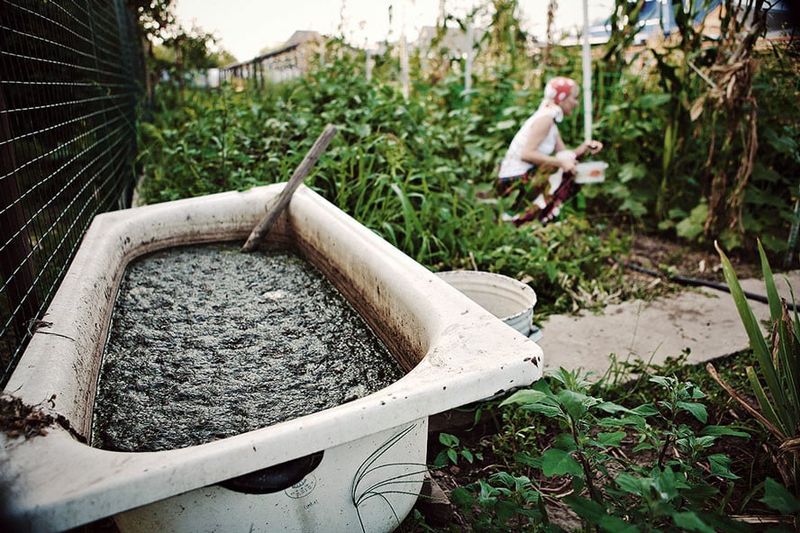
Compost tea amplifies the benefits of regular compost by creating a nutrient-rich liquid. Fill a burlap sack with finished compost, suspend it in a bucket of water, and let steep for 24-48 hours, stirring occasionally.
The resulting brown liquid contains beneficial microorganisms and soluble nutrients. Apply monthly with a sprayer or watering can. Your lawn receives immediate nutrient access while building long-term soil health. Many gardeners report reduced pest problems after regular applications.
9. Beer Lawn Revival

Flat beer contains valuable carbohydrates, proteins, and B vitamins that feed soil microbes. Mix one can of flat beer with a gallon of water and spray over your lawn for a quick green-up effect.
The fermented sugars provide immediate energy to soil microorganisms. For best results, apply beer solution monthly during active growing seasons. Combine with other DIY fertilizers like molasses or Epsom salt for enhanced benefits that commercial products can’t match.
10. Seaweed Solution
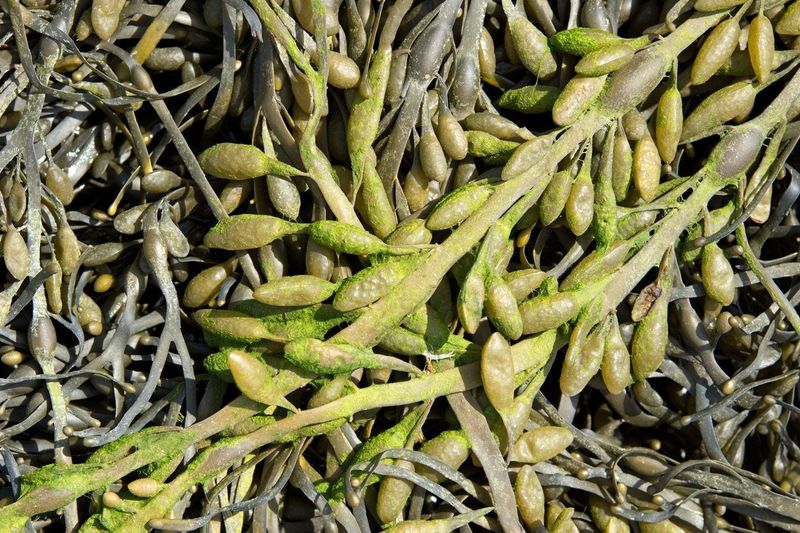
Seaweed contains over 60 trace minerals and growth hormones that promote exceptional lawn health. Collect seaweed from beaches (where legal), rinse thoroughly to remove salt, then soak in water for several days.
The resulting liquid makes an excellent foliar spray. Apply monthly during growing season for best results. Seaweed solution improves root development and stress tolerance in grass. Your lawn will maintain better color during drought periods and recover faster from heavy foot traffic.
11. Vinegar Vigor Boost

Apple cider vinegar provides acetic acid that helps release nutrients locked in soil. Mix 1 ounce with a gallon of water and spray on your lawn monthly during growing season.
The mild acid breaks down mineral deposits and improves nutrient availability. This treatment works especially well for alkaline soils or lawns showing signs of iron deficiency. Your grass will respond with deeper green color within days of application.
12. Wood Ash Amendment
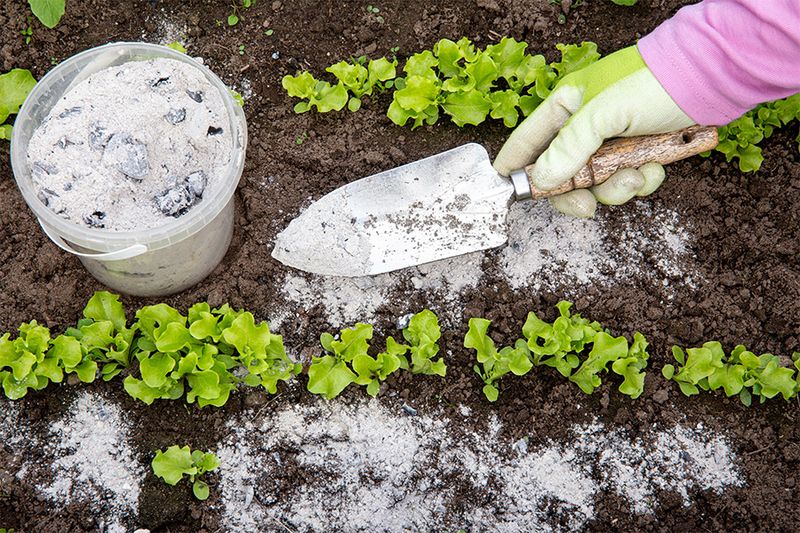
Hardwood ashes from your fireplace contain potassium and lime that benefit grass growth. Apply a thin layer (about 1/4 inch) over your lawn in early spring before rain.
The alkaline nature of wood ash helps neutralize acidic soils while providing essential minerals. Your lawn will show improved disease resistance and color. Never use ashes from treated wood or charcoal briquettes, which contain harmful chemicals.
13. Weed Tea Fertilizer
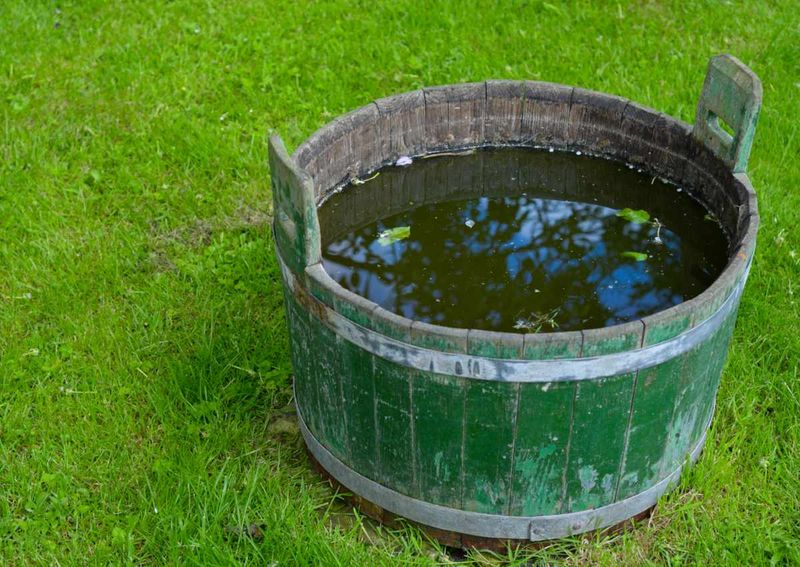
Turn pesky weeds into valuable fertilizer by brewing them into nutrient-rich tea. Fill a bucket with weeds (before they’ve gone to seed), cover with water, and let ferment for 1-2 weeks with occasional stirring.
Dilute the resulting liquid at a 1:10 ratio with water before applying to your lawn. Weeds concentrate minerals from soil, making this tea particularly rich in micronutrients. The fermentation process kills weed seeds while preserving valuable nutrients.
14. Human Urine Solution
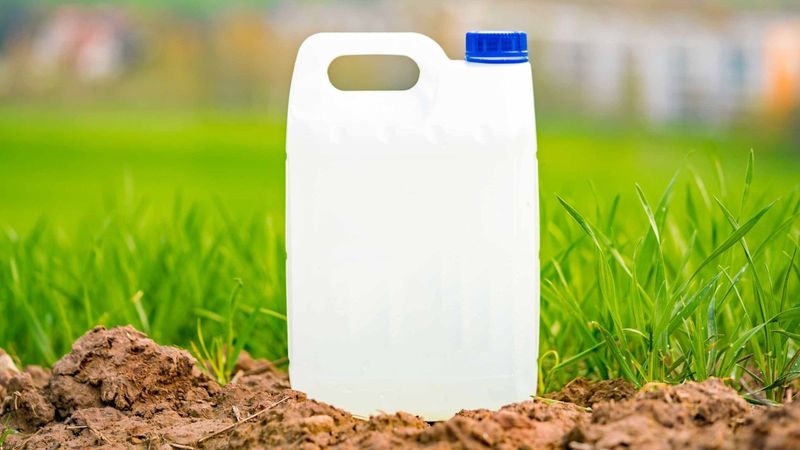
Surprising but effective—diluted urine makes excellent nitrogen-rich fertilizer. Mix fresh urine with water at a 1:10 ratio and apply immediately to your lawn for best results.
Urine contains nitrogen, phosphorus, and potassium—the primary nutrients in commercial fertilizers. A family of four produces enough urine annually to fertilize a typical suburban lawn. For those comfortable with this approach, it’s among the most sustainable fertilizer options available.
15. Cornmeal Gluten Feed

Cornmeal gluten serves double duty as fertilizer and weed preventer. Apply 20 pounds per 1,000 square feet of lawn in early spring before weed seeds germinate.
The natural proteins in cornmeal provide nitrogen while inhibiting root formation in newly germinating seeds. Your established grass gets nutrition while new weeds can’t take hold. Apply when soil is moist and grass is dry for maximum effectiveness.
16. Milk Meadow Magic

Diluted milk delivers calcium, proteins, and beneficial bacteria to your lawn. Mix one part milk with five parts water and spray over grass monthly during growing season.
The proteins break down into nitrogen while calcium strengthens cell walls. Milk contains natural growth hormones that stimulate grass development. For best results, use whole milk rather than skim, as the fat content helps nutrients adhere to grass blades longer.