
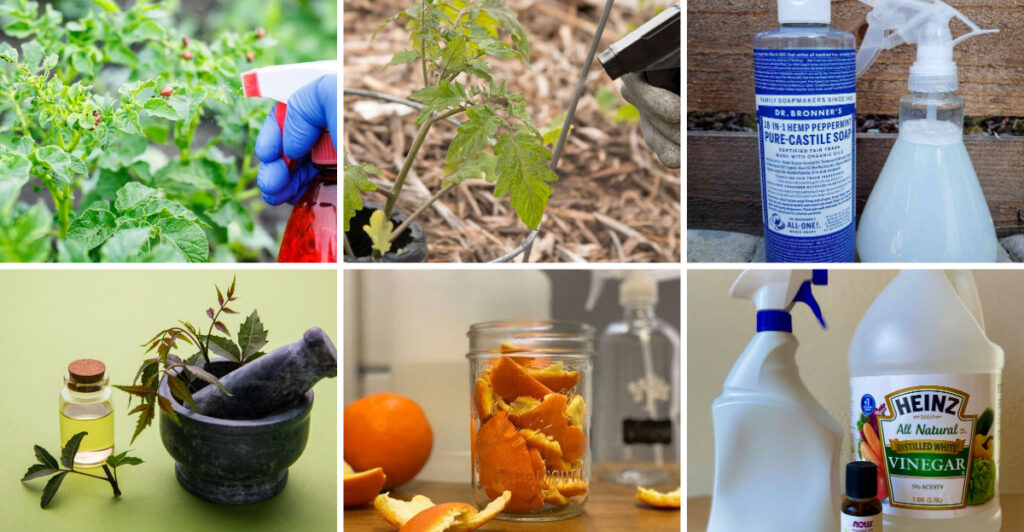
Battling bugs doesn’t have to mean harsh chemicals or expensive store-bought solutions. Homemade pest sprays offer an eco-friendly way to protect your garden and home from unwanted visitors. Using ingredients you likely already have in your kitchen, these DIY sprays can effectively deter or eliminate common pests while keeping your family, pets, and plants safe.
1. Garlic Pepper Spray

Crush six cloves of garlic and mix with one tablespoon of hot pepper flakes in two cups of water. Let this mixture steep overnight, then strain and add a drop of biodegradable dish soap.
The powerful smell drives away aphids, caterpillars, and beetles while the capsaicin in peppers burns insect bodies on contact. Spray directly on affected plants, but test on a small leaf area first to ensure no damage occurs.
2. Neem Oil Solution

Mix two teaspoons of neem oil with one teaspoon of mild liquid soap and one quart of warm water. Shake well before each use as the oil separates naturally.
Neem disrupts insect hormones, preventing larvae from maturing while deterring adults from feeding. Apply to plants in the evening to avoid leaf burn and to give beneficial insects like bees time to return home. Reapply weekly or after rain.
3. Citrus Peel Spray

Save peels from oranges, lemons, or grapefruits and place them in a quart jar. Cover with water and let sit for 24 hours or up to a week for stronger potency.
The natural oils in citrus peels contain d-limonene, which dissolves the waxy coating on insect exoskeletons. This simple spray works wonders on ants, cockroaches, and spiders. For extra strength, boil the peels in water for 10 minutes before cooling and straining.
4. Vinegar Ant Deterrent
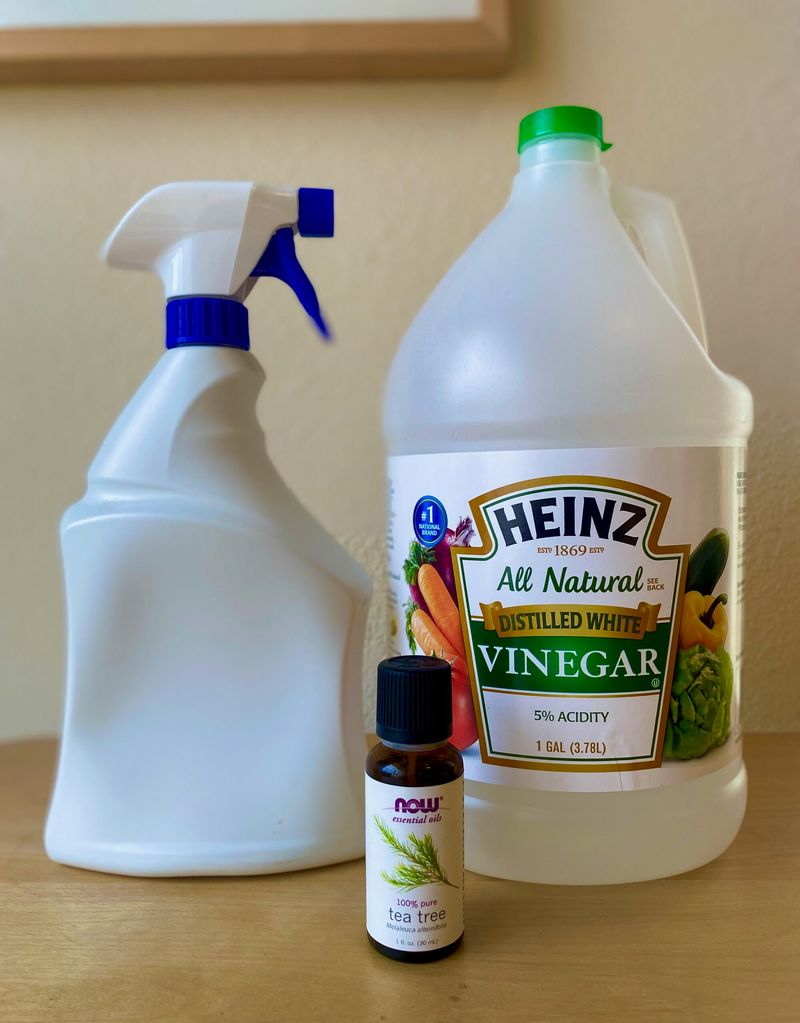
Mix equal parts white vinegar and water in a spray bottle. For stubborn ant problems, add 10-15 drops of peppermint or tea tree essential oil to boost effectiveness.
Vinegar’s acidic nature erases ant pheromone trails they use for navigation. Spray directly on ant trails, entry points, and around food preparation areas. The strong smell also repels them from returning. For kitchen use, wipe down counters daily with this solution to prevent ant invasions.
5. Soap and Oil Spray
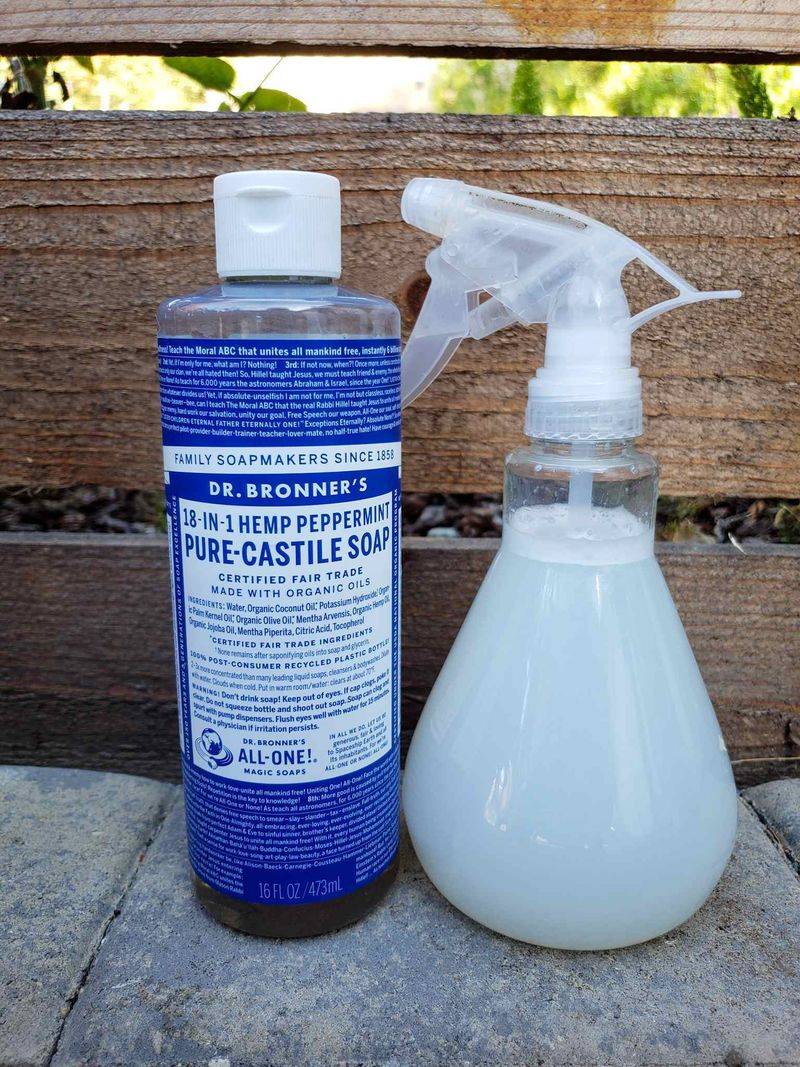
Combine one tablespoon of mild liquid soap and one cup of vegetable oil. When ready to use, mix two teaspoons of this concentrate with one quart of water in a spray bottle.
The soap breaks down insects’ protective coatings while the oil suffocates them by blocking breathing pores. This mixture works especially well on aphids, mites, and whiteflies that have soft bodies. Apply in early morning or evening to prevent leaf burn in hot sun.
6. Hot Pepper Wax Spray
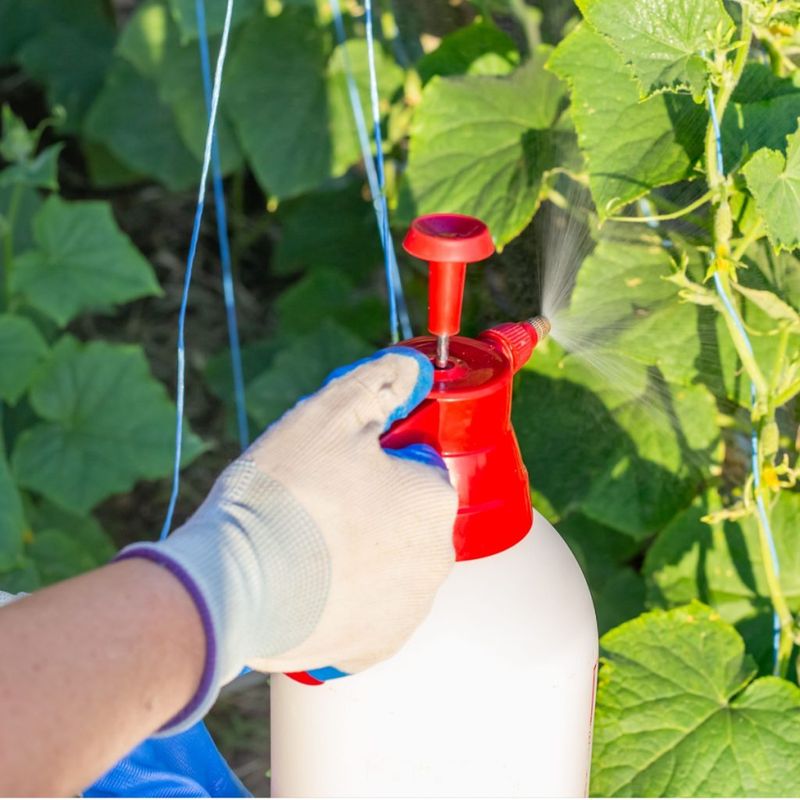
Blend six hot peppers (like cayenne or habanero) with one quart of water and boil for 15 minutes. Let cool, strain, then add two drops of dish soap.
The capsaicin creates a waxy coating on leaves that insects hate to crawl across or eat. Unlike some sprays, this one holds up well in rainy conditions. Always wear gloves when preparing and applying this spray – what hurts insects can irritate human skin too!
7. Tomato Leaf Insect Repellent

Chop two cups of tomato leaves and soak overnight in two cups of water. Strain the mixture and spray directly on plants affected by aphids and other small insects.
Tomato plants belong to the nightshade family and contain alkaloids that naturally repel certain pests. Many gardeners plant tomatoes specifically as companion plants for this reason. The spray works best when applied every few days during peak insect season.
8. Diatomaceous Earth Spray
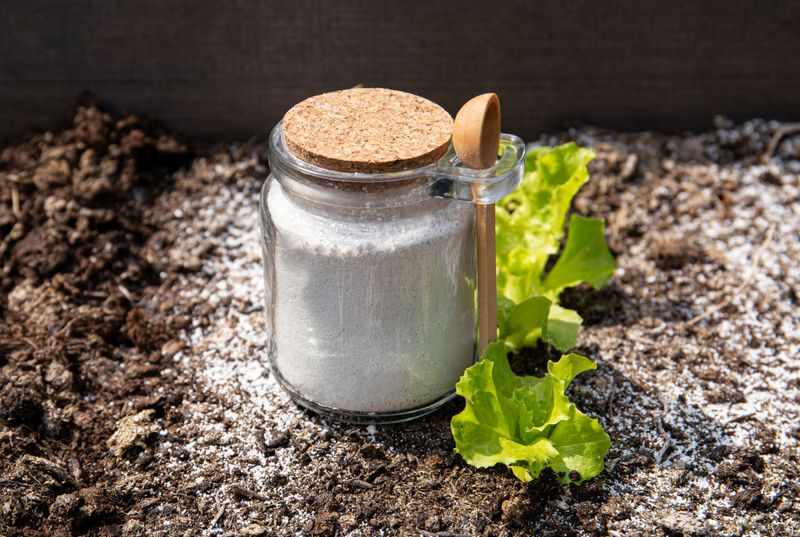
Mix two tablespoons of food-grade diatomaceous earth with one quart of water. Shake vigorously before each application as the powder settles quickly.
This spray deposits microscopic sharp particles that cut through insect exoskeletons and cause dehydration. It’s particularly effective against crawling insects like ants, beetles, and slugs. The spray form helps the powder adhere to vertical surfaces better than dry application alone.
9. Chrysanthemum Tea Spray
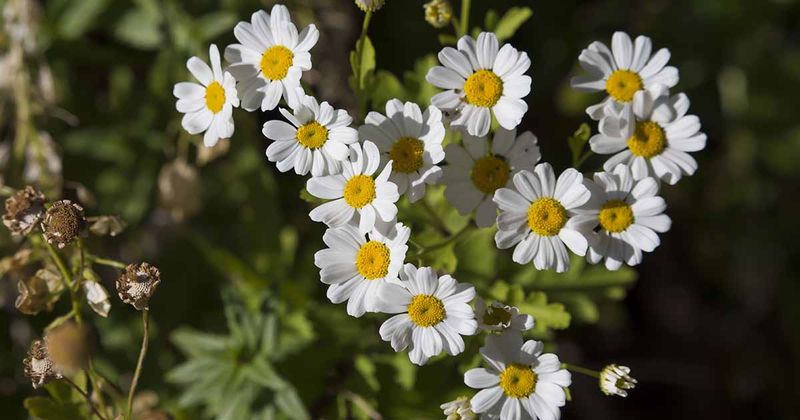
Steep one cup of dried chrysanthemum flowers in one gallon of boiling water for 20 minutes. Cool completely, strain, and add a few drops of dish soap.
Chrysanthemums contain pyrethrum, a natural insecticide that attacks insects’ nervous systems. Commercial pyrethrin products are based on this same compound. This gentle spray works on aphids, whiteflies, and spider mites while being relatively safe around beneficial insects when dry.
10. Onion and Garlic Spray
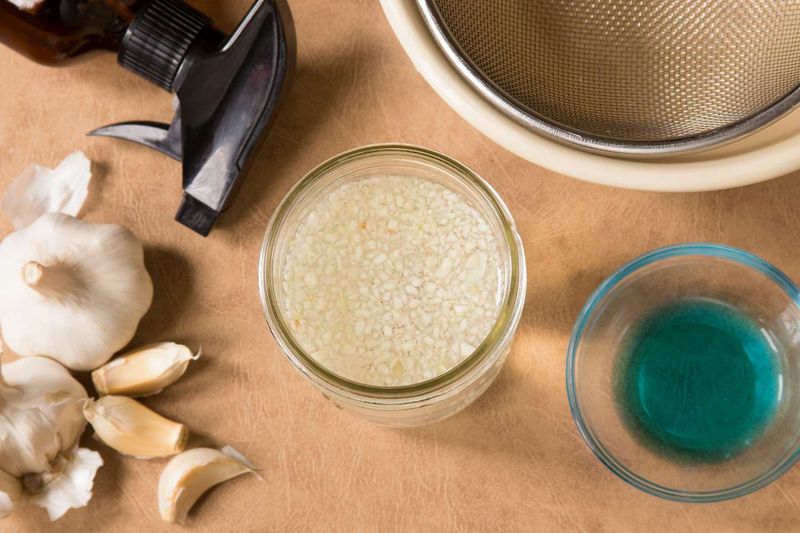
Puree one onion and one bulb of garlic with two cups of water. Let sit for a few hours, strain, and add a teaspoon of mild liquid soap.
The sulfur compounds in these pungent vegetables repel a wide variety of insects. Many commercial organic sprays use garlic oil as their active ingredient. This homemade version costs pennies to make and works just as well on soft-bodied pests like aphids and caterpillars.
11. Mint Deterrent Spray
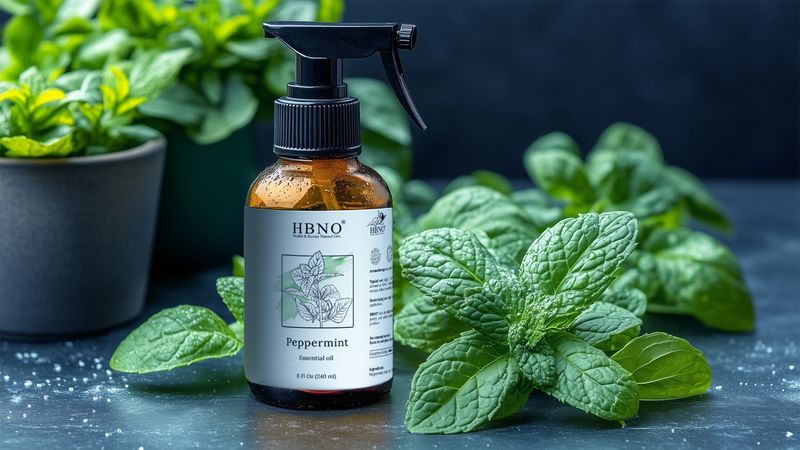
Steep one cup of fresh mint leaves in two cups of boiling water for 30 minutes. Cool, strain, and transfer to a spray bottle.
Mint contains menthol, which most insects find overwhelming and avoid at all costs. This refreshing spray works particularly well against ants, mosquitoes, and flies. As a bonus, many humans find the scent pleasant! For extra strength, add a few drops of peppermint essential oil to the cooled mixture.
12. Beer Slug Trap Spray
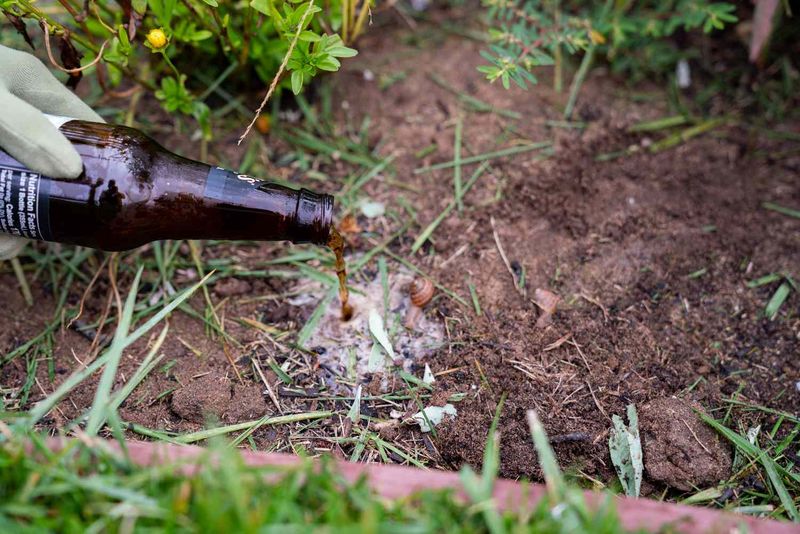
Mix equal parts flat beer and water in a spray bottle. Apply directly to soil around plants that slugs and snails target.
The yeast in beer attracts slugs and snails while the alcohol content helps eliminate them. Unlike beer traps that drown pests, this spray creates an attractive toxic surface that slugs will cross and consume. Apply in the evening when these nocturnal pests become active.
13. Epsom Salt Solution
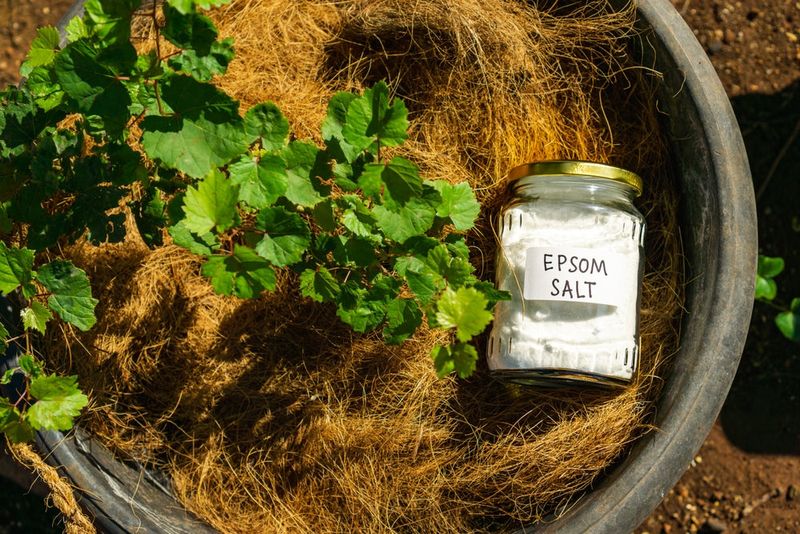
Dissolve two tablespoons of Epsom salt in one gallon of water. Add a teaspoon of mild liquid soap to help the solution stick to plants.
The magnesium sulfate in Epsom salt strengthens plants while creating an environment many pests avoid. This dual-purpose spray both fertilizes plants and deters certain soft-bodied insects. For best results, apply early in the morning when dew is still present on leaves.
14. Cucumber Peel Anti-Ant Spray
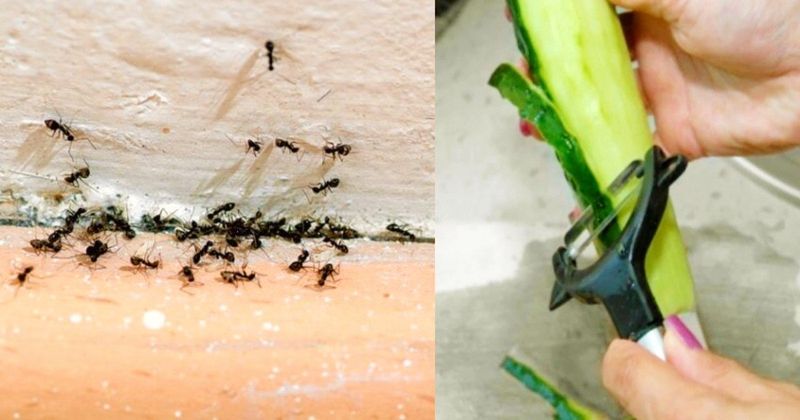
Place cucumber peels in a quart jar and fill with water. Let sit overnight, then strain and add to a spray bottle.
Cucumber contains compounds that ants find repulsive. Unlike vinegar sprays that can have a strong odor, cucumber spray leaves a nearly undetectable scent to humans. This makes it perfect for indoor use around food preparation areas and dining spaces where stronger-smelling deterrents would be unpleasant.
15. Baking Soda Fungus Spray
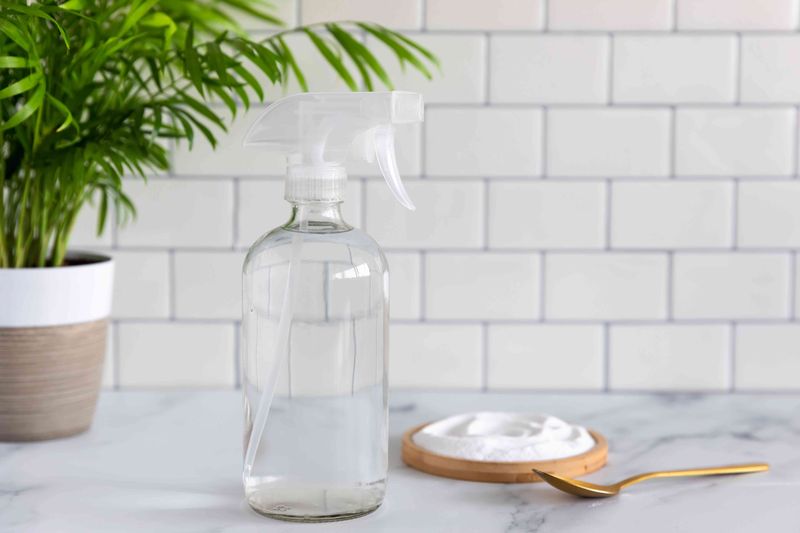
Mix one tablespoon of baking soda, one teaspoon of mild liquid soap, and one gallon of water. Use immediately as effectiveness decreases over time.
While not strictly a pest spray, this solution prevents powdery mildew and other fungal issues that attract pests. The alkaline nature of baking soda creates an environment where fungal spores cannot thrive. Apply weekly to susceptible plants like squash, cucumbers, and roses during humid weather.
16. Coffee Grounds Spray

Steep half cup of used coffee grounds in two cups of hot water for several hours. Strain thoroughly and transfer to a spray bottle.
The caffeine and diterpenes in coffee are toxic to many insects while being beneficial to plants as a nitrogen source. This spray works particularly well on slugs, snails, and ants. The bitter compounds create a barrier that crawling insects avoid crossing.
17. Basil Leaf Fly Repellent

Crush one cup of fresh basil leaves and steep in one cup of boiling water. Once cooled, strain and add one cup of vodka as a preservative.
Basil contains essential oils that flies and mosquitoes strongly dislike. This potent spray can be used on patio areas or sprayed around doorways to keep flying insects at bay. The alcohol helps extract more oils from the leaves and makes the spray last longer without refrigeration.
18. Kaolin Clay Spray
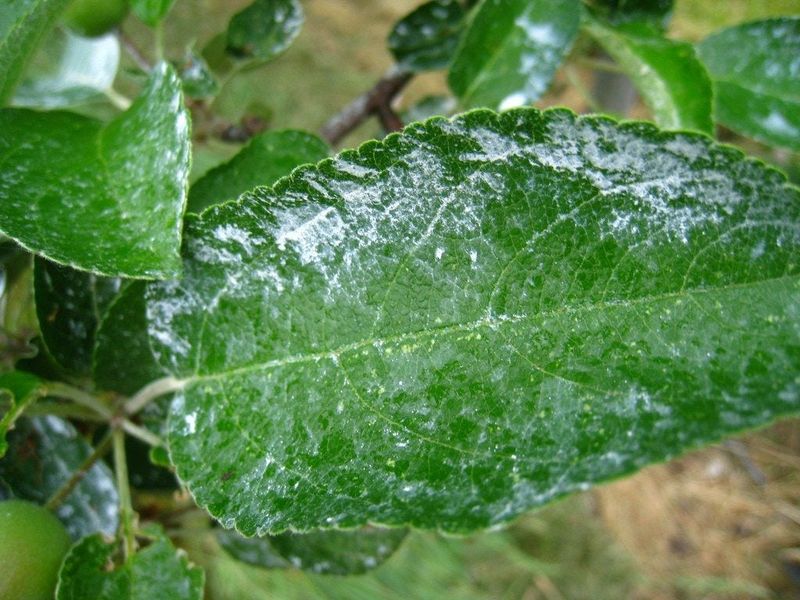
Mix three tablespoons of kaolin clay powder with one gallon of water. Add one teaspoon of mild liquid soap to help it stick to plants.
This spray creates a fine particle film on plants that insects find irritating to crawl across. It also confuses pests visually and masks plant scent cues they use to find hosts. Commercial versions of this spray are sold as Surround WP. The white coating washes off easily at harvest time.
19. Cinnamon Fungus Fighter
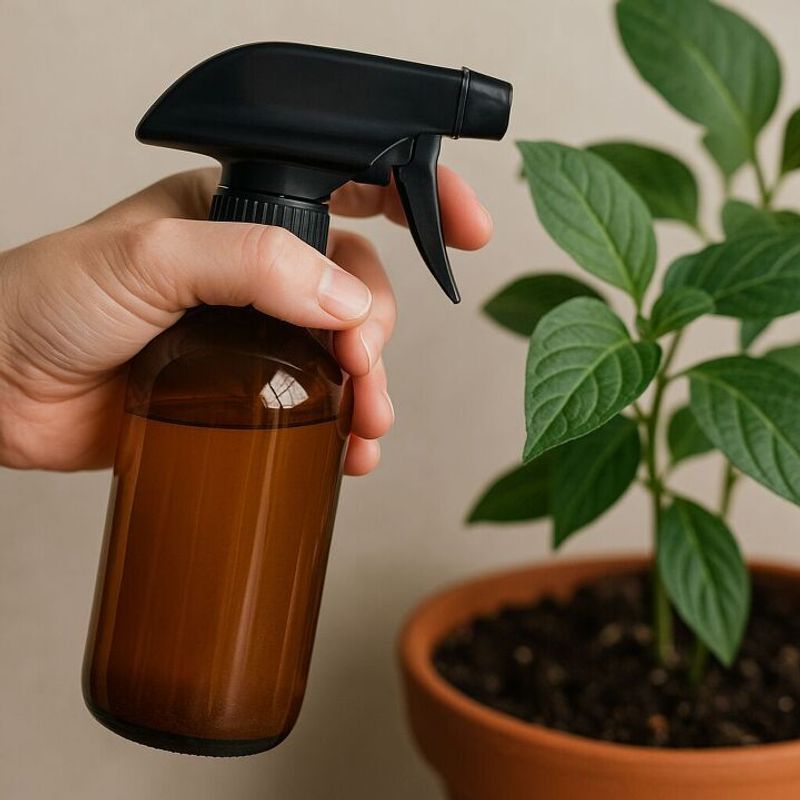
Simmer one tablespoon of cinnamon powder in two cups of water for 15 minutes. Cool, strain, and transfer to a spray bottle.
Cinnamon contains cinnamaldehyde, a compound with powerful antifungal properties. This spray prevents damping off disease in seedlings and deters fungus gnats in houseplants. The pleasant smell makes it ideal for indoor use. Spray soil surface weekly to maintain protection against fungal issues.
20. Rosemary Oil Tick Spray
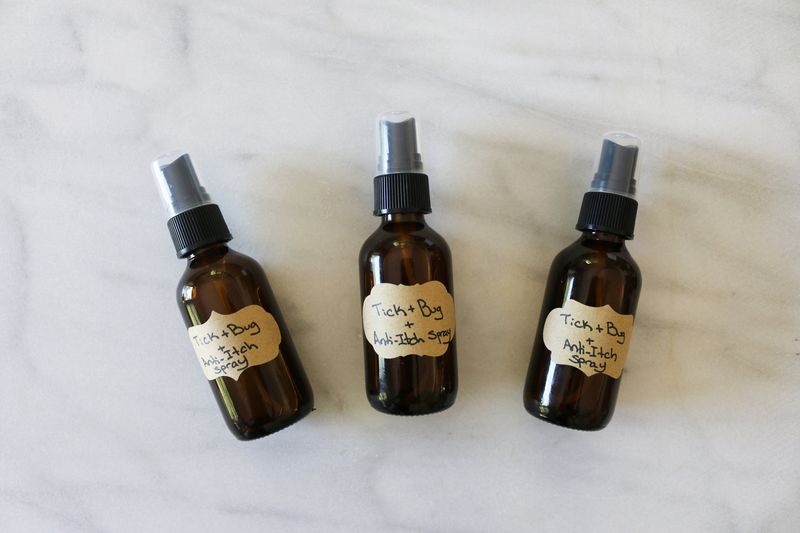
Mix 10-15 drops of rosemary essential oil with two cups of water and one tablespoon of witch hazel. Shake well before each use.
Rosemary contains compounds that repel ticks and fleas naturally. This spray can be used on garden paths, outdoor furniture, and even lightly on pet bedding. The witch hazel helps disperse the oil evenly in water and adds its own mild pest-repelling properties.