
Your kitchen trash might be hiding gardening gold! While most people know about composting fruit and vegetable scraps, there’s a whole world of unexpected kitchen waste that can transform your compost pile into super-rich soil. These overlooked items break down into amazing plant food that could save you money on fertilizers and help the environment. Ready to discover the secret scraps that can revolutionize your garden?
1. Coffee Grounds and Filters
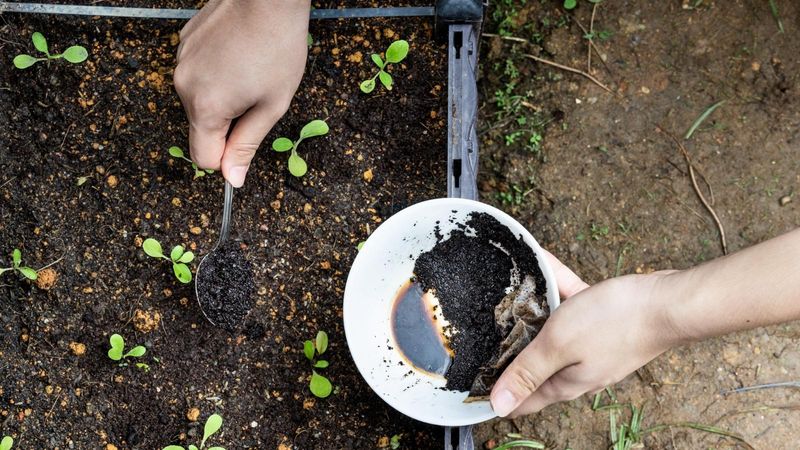
Coffee grounds add nitrogen to your compost pile while improving soil structure. They attract earthworms that help break down organic material faster.
Used paper filters can go right in with the grounds—they’ll decompose along with everything else. Some gardeners even sprinkle grounds directly around acid-loving plants like blueberries and azaleas for an extra boost.
2. Eggshells Crushed to Powder
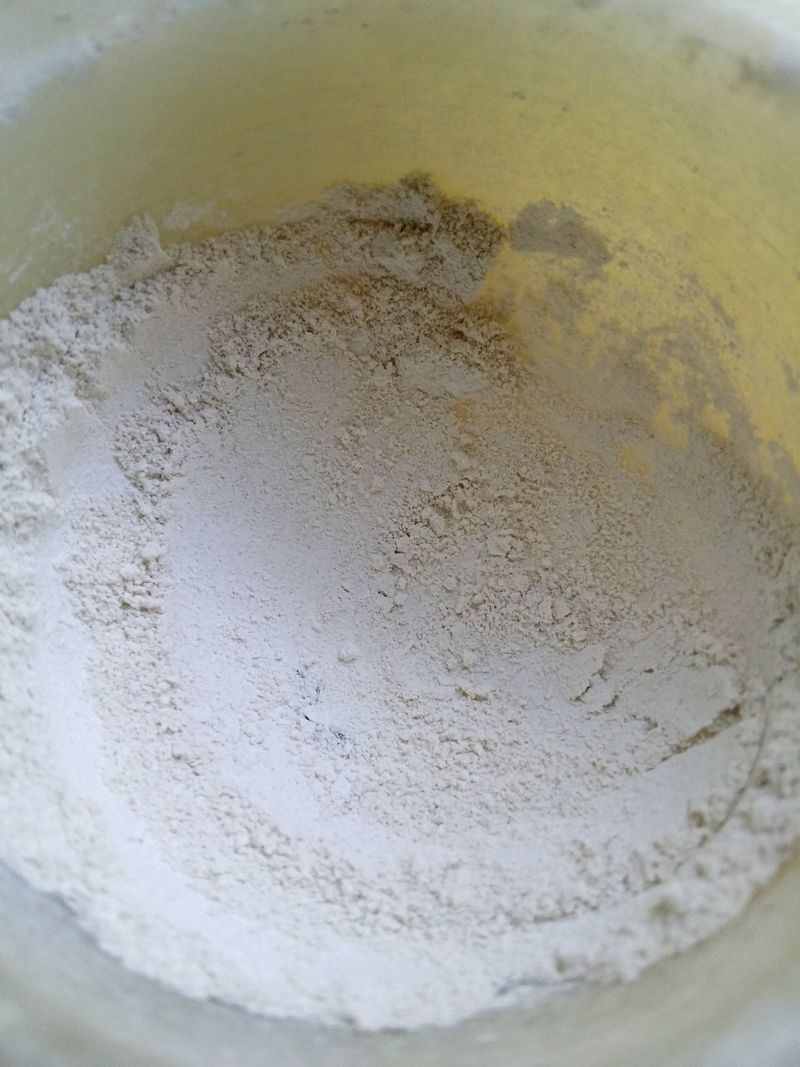
Most folks toss eggshells into compost whole, but here’s the game-changer: crush them into powder first! Pulverized shells decompose much faster than intact ones that might hang around for years.
The calcium-rich powder helps prevent blossom end rot in tomatoes and strengthens plant cell walls. For maximum benefit, dry shells in the oven before crushing with a rolling pin or coffee grinder.
3. Stale Bread and Crackers
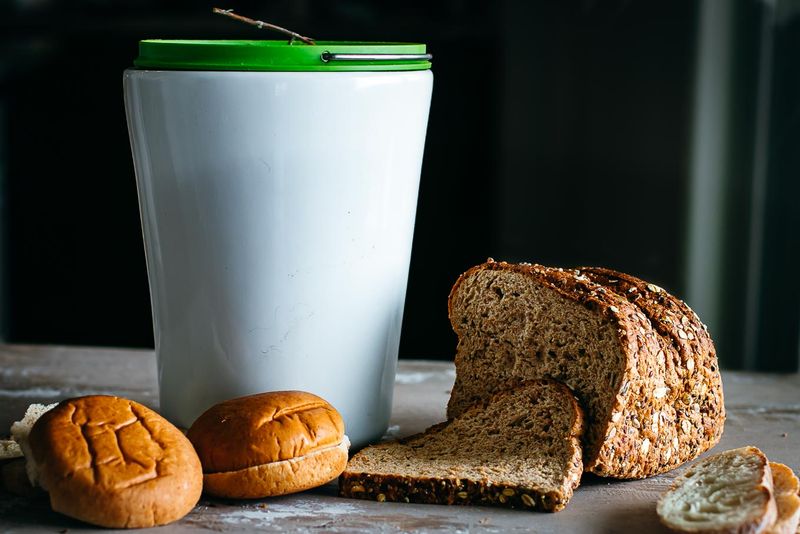
Found rock-hard bread or stale crackers hiding in your pantry? Don’t trash them! These carbohydrate-rich foods feed beneficial microorganisms in your compost pile, speeding up decomposition.
Break larger pieces into smaller chunks to prevent attracting pests. The yeast in bread can actually kick-start a sluggish compost pile by introducing more microbes. Just bury these items in the center of your pile to avoid unwanted visitors.
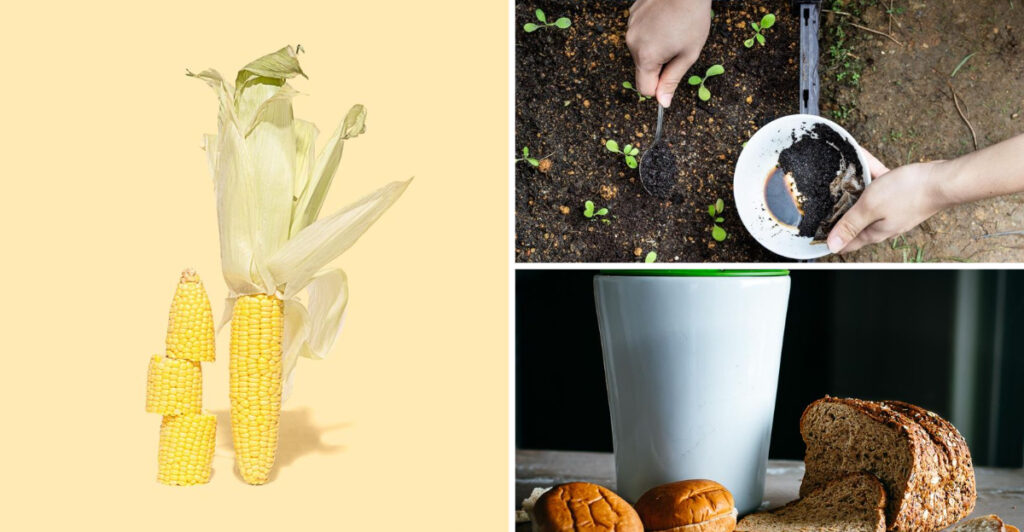
4. Corn Cobs Cut Into Rings
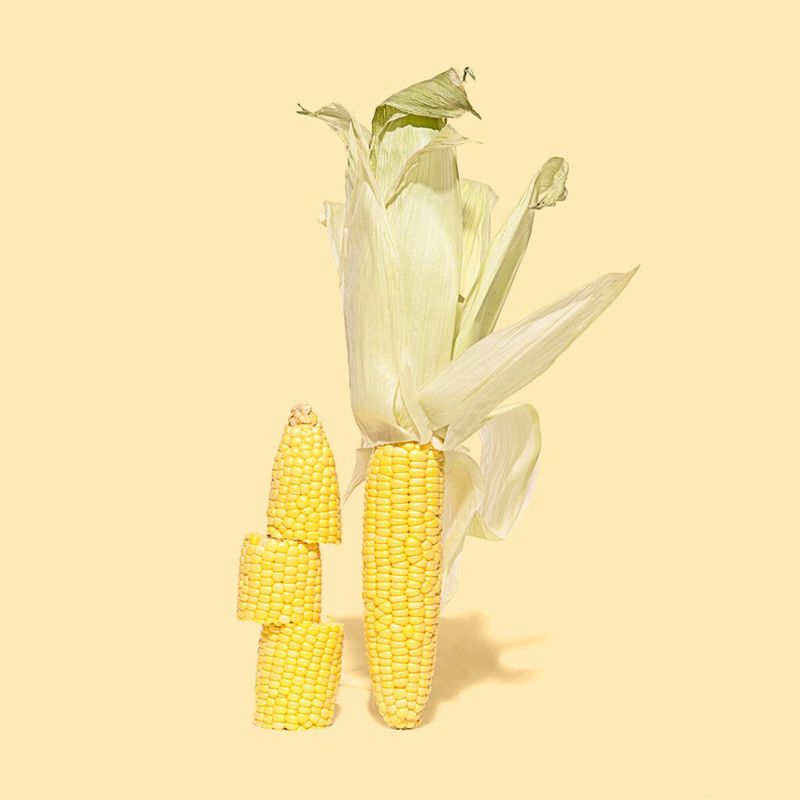
After enjoying sweet corn, those leftover cobs have hidden potential! Slice them into 1-inch rings before adding to your compost—this simple step speeds up breakdown dramatically.
Corn cobs create air pockets in your pile, improving oxygen flow for faster decomposition. Their fibrous structure also absorbs excess moisture during rainy periods, helping maintain that perfect compost dampness.
5. Wine Cork Crumbles
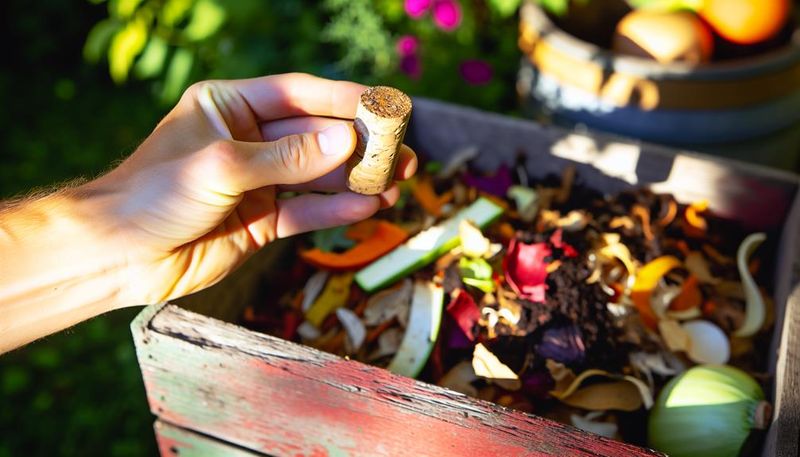
Natural wine corks (not plastic ones) make fantastic compost additions when broken into small pieces. They’re made from tree bark that’s naturally resistant to rot, meaning they break down slowly while creating valuable air pockets.
Cork contains suberin, a waxy substance that helps retain moisture in your compost pile. Gardeners with sandy soil particularly benefit from cork’s water-retention properties that transfer to finished compost. Just be sure they’re real cork, not synthetic!
6. Avocado Pits (Shredded)
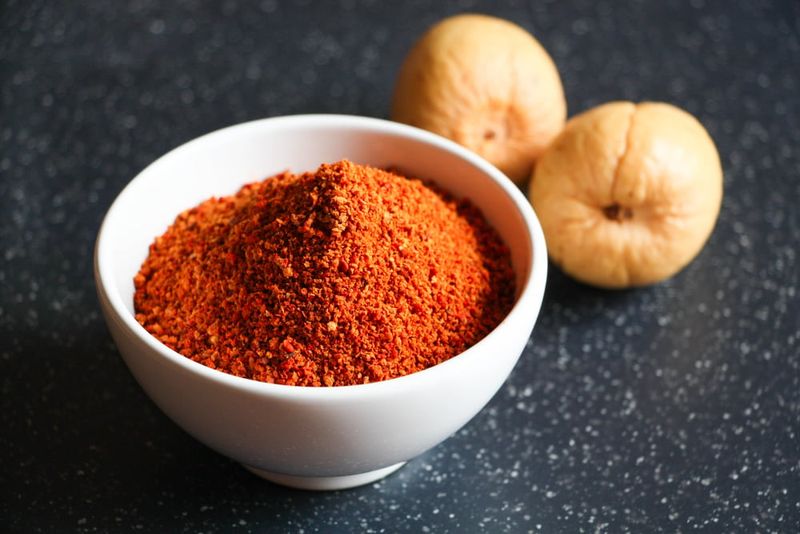
Those rock-hard avocado pits shouldn’t go to waste! When shredded in a food processor or smashed with a hammer, they transform from compost troublemakers to decomposition helpers.
Broken-down pits contain healthy fats and nutrients that feed beneficial microbes. They’re particularly high in potassium, which helps plants develop strong root systems. The trick is breaking them down first—whole pits can take years to decompose!
7. Expired Flour and Baking Mixes
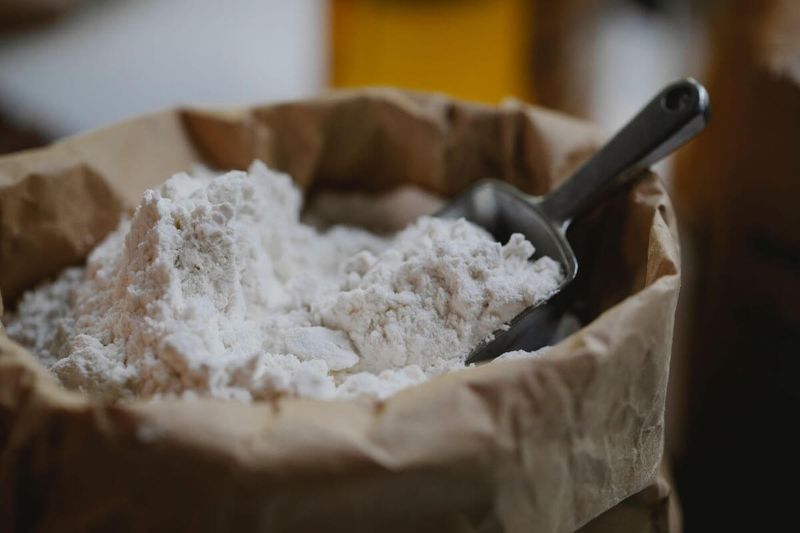
Found ancient pancake mix or flour past its prime? Instead of tossing it, sprinkle it throughout your compost pile as a nitrogen booster.
These grain-based products break down quickly and feed beneficial bacteria. The fine powder increases surface area for microbes to work on, speeding up the entire composting process. For best results, mix flour products with coarser materials like leaves to prevent clumping.
8. Leftover Cooked Rice
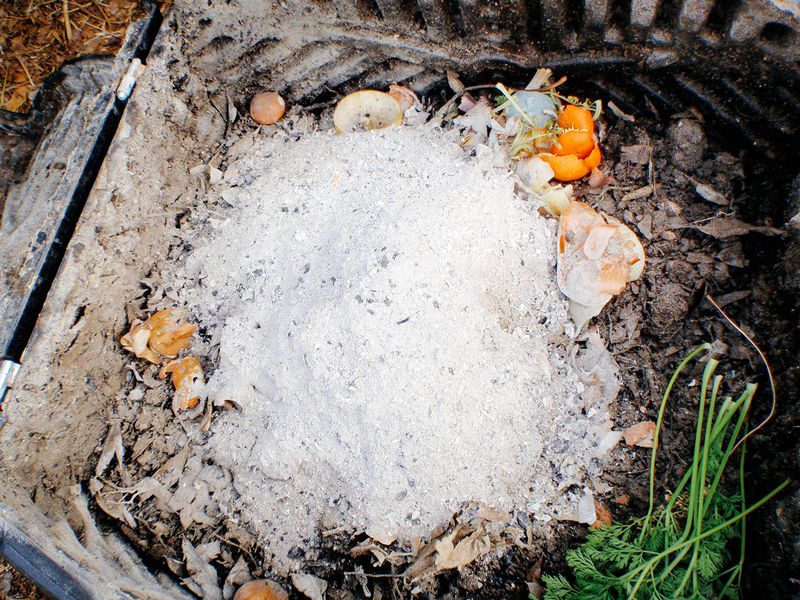
Forgotten rice containers hiding in the back of your fridge deserve a second life in your compost bin. Rice provides quick energy for microorganisms that break down tougher materials.
The starchy grains create ideal conditions for beneficial bacteria to multiply. Spread rice thinly throughout your pile rather than dumping it in one spot to prevent matting. This simple distribution technique helps maintain proper airflow while still utilizing rice’s decomposition benefits.
9. Paper Towel Tubes (Shredded)
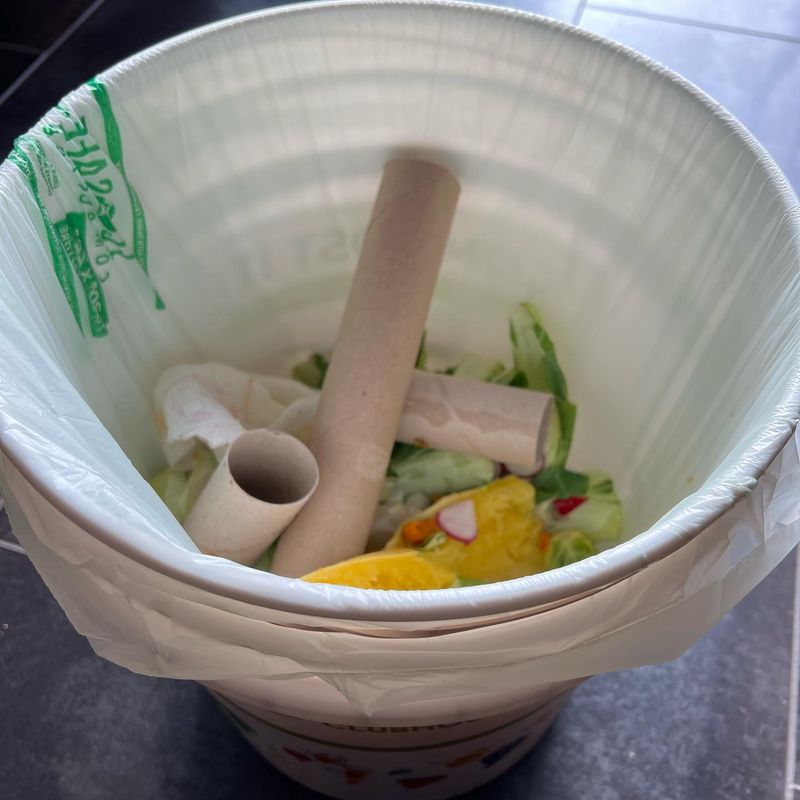
Those cardboard tubes from paper towel rolls are compost gold when torn into small pieces! They add crucial carbon to balance kitchen scraps’ nitrogen content.
Shredded tubes create air pockets that allow oxygen to reach decomposing materials. Unlike whole tubes that can create dry spots, torn pieces distribute evenly and absorb moisture. Pro tip: soak them in water before adding to speed up the breakdown process.
10. Nut Shells (Crushed)
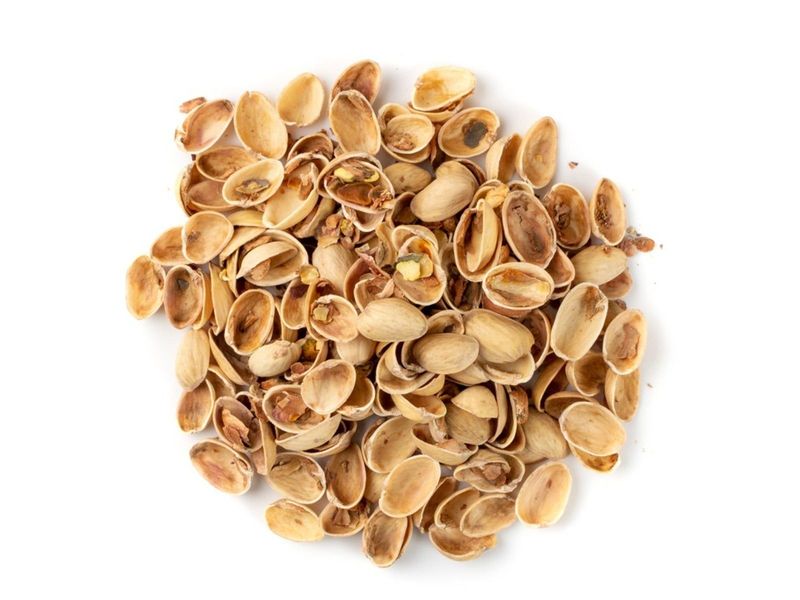
Walnut, pecan, and pistachio shells make excellent compost additions when crushed first. Their hard structure creates long-lasting air pockets that improve oxygen flow throughout your pile.
The lignin in nut shells eventually breaks down into humic acid, which helps plants absorb nutrients more efficiently. Avoid whole shells that take forever to decompose. Black walnut shells contain juglone, so use those sparingly or age compost longer before using.
11. Pickle Juice
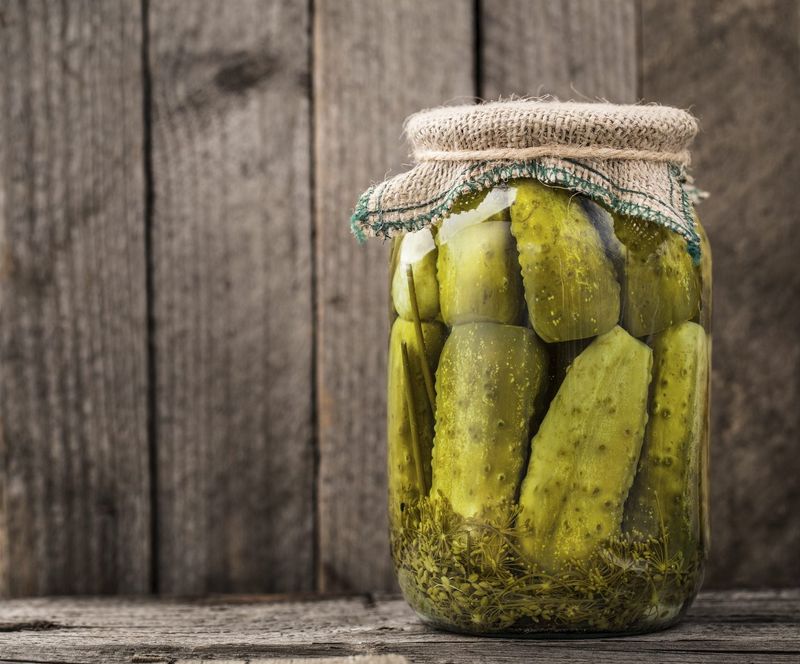
Finished that jar of pickles? Pour the leftover brine directly onto your compost pile for a microbial boost! The acidic juice helps break down alkaline materials and balances pH levels.
Pickle juice contains beneficial bacteria from the fermentation process. These microorganisms jump-start decomposition when introduced to your pile. Use in moderation though—too much can throw off your compost’s pH balance and slow things down.
12. Used Cooking Oil (Small Amounts)
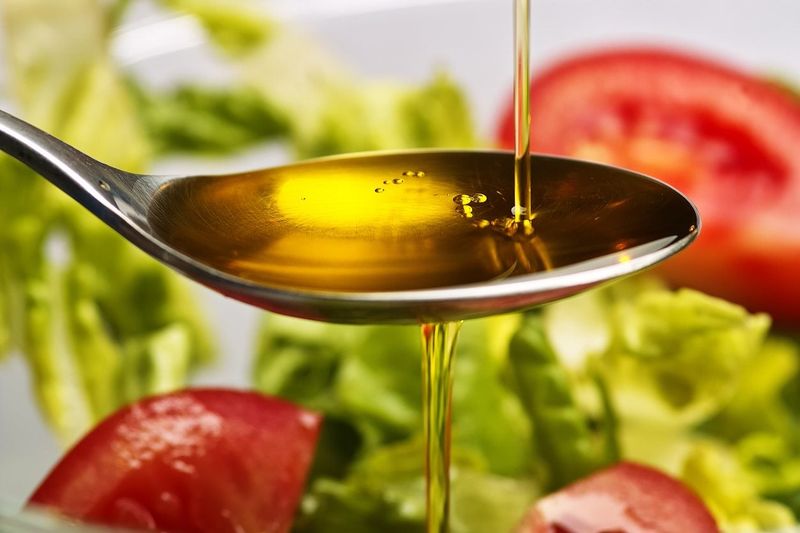
Contrary to popular advice, small amounts of used cooking oil can benefit your compost. The key word is small—a few tablespoons mixed throughout, not cups dumped in one spot!
Oils provide energy for microorganisms and help break down woody materials faster. They also make the finished compost slightly water-resistant, which improves soil structure. Mix oil with sawdust or dry leaves first to prevent clumping before adding to your pile.
13. Aquarium Water
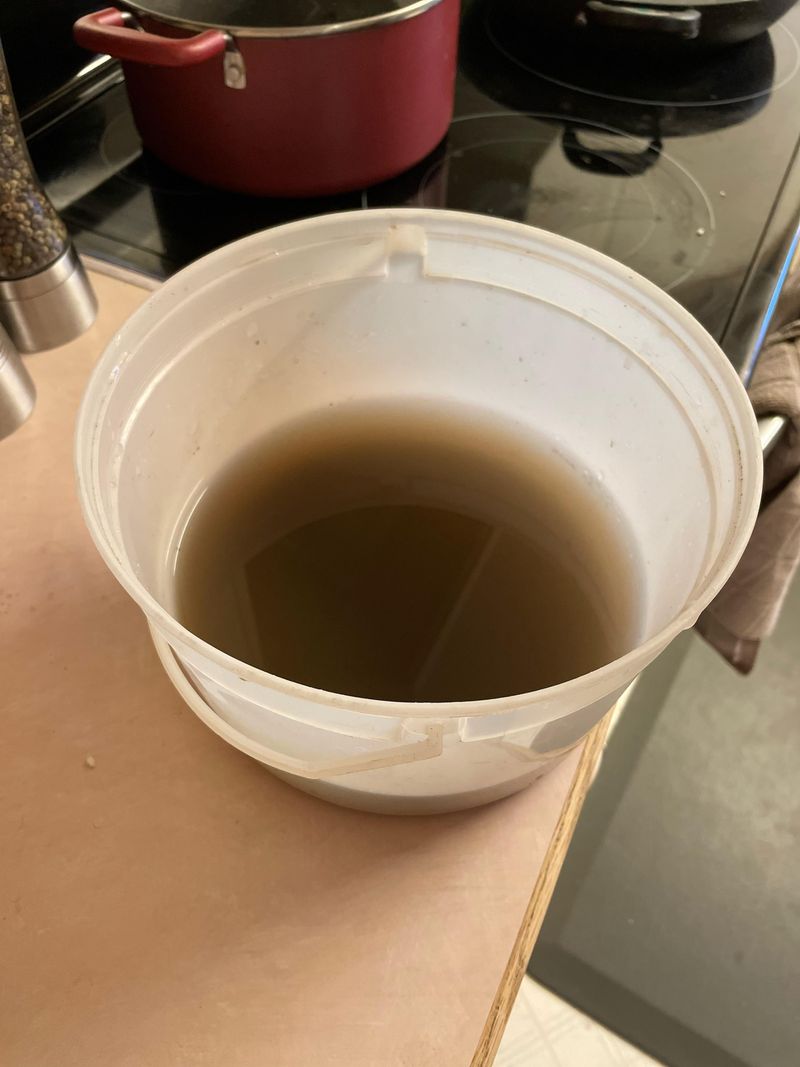
Fish tank cleaning day just became garden boosting day! The nutrient-rich water removed during aquarium maintenance contains nitrogen, phosphorus, and beneficial microorganisms perfect for your compost pile.
Pour this fish-friendly water directly onto dry areas of your compost to add moisture and nutrients simultaneously. Freshwater tanks only—saltwater can harm your compost’s microbial balance. Consider it free liquid fertilizer that would otherwise go down the drain!
14. Moldy Cheese Rinds

Found fuzzy cheese lurking in your refrigerator? Those moldy rinds are compost accelerators in disguise! The existing mold contains spores that spread throughout your pile, speeding up decomposition.
Cheese adds calcium and proteins that feed beneficial bacteria. Cut or break cheese into small pieces before adding to prevent clumping. Bury it deep in the center of your pile to deter pests while still harnessing its decomposition power.
15. Pasta Cooking Water
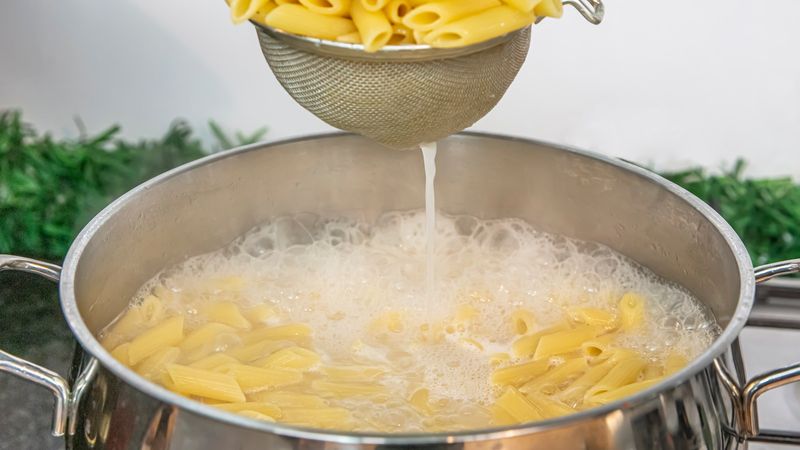
Next time you drain pasta, capture that starchy water! This nutrient-rich liquid contains minerals leached from the pasta during cooking, including calcium, potassium, and phosphorus.
Allow the water to cool completely before pouring it onto dry areas of your compost pile. The starch feeds beneficial bacteria while adding moisture. For maximum benefit, use unsalted pasta water, as too much salt can inhibit microbial activity in your compost.
16. Old Spices and Herbs
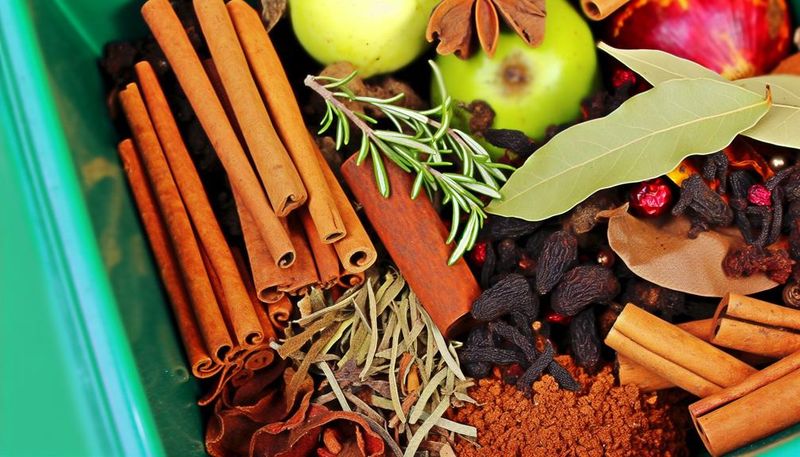
Those ancient spice jars with barely any flavor left still have purpose in your compost bin! Expired herbs and spices add trace minerals and aromatic compounds that stimulate microbial activity.
Many herbs contain natural antimicrobial properties when fresh, but once expired, they simply add organic matter. Cinnamon is particularly beneficial as it can help suppress fungal diseases in your finished compost. Empty those old spice cabinet inhabitants guilt-free!
17. Bamboo Skewers (Broken)
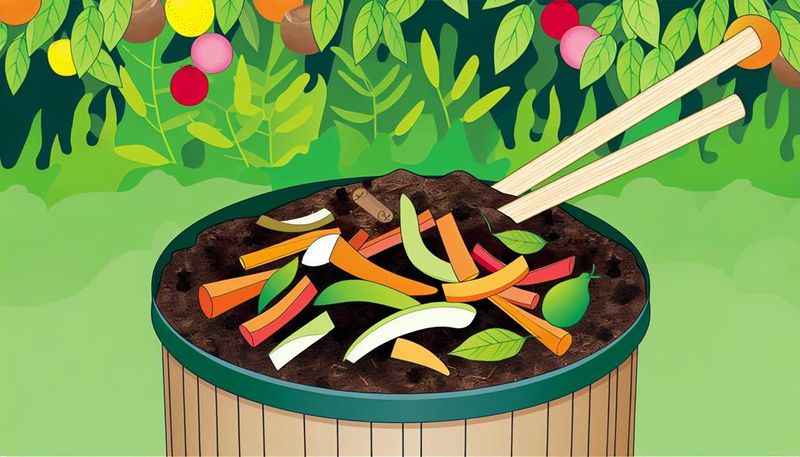
Used bamboo skewers from your summer barbecues deserve a second life in your compost bin! Break them into 1-2 inch pieces first to speed decomposition.
These broken bits create valuable air channels throughout your pile while slowly breaking down. Bamboo contains silica that strengthens plant cell walls when it eventually becomes part of your garden soil. Avoid skewers with food remnants still attached to prevent attracting pests.
18. Hair and Nail Clippings

Human hair and nail clippings are nitrogen powerhouses for your compost pile! These protein-rich materials break down slowly, providing a steady nutrient release.
Hair also creates air pockets as it decomposes, improving oxygen flow throughout your pile. Pet hair works just as well, especially after grooming sessions. Scatter these materials thinly rather than clumping them together for fastest decomposition and to prevent matting.
19. Vacuum Cleaner Dust
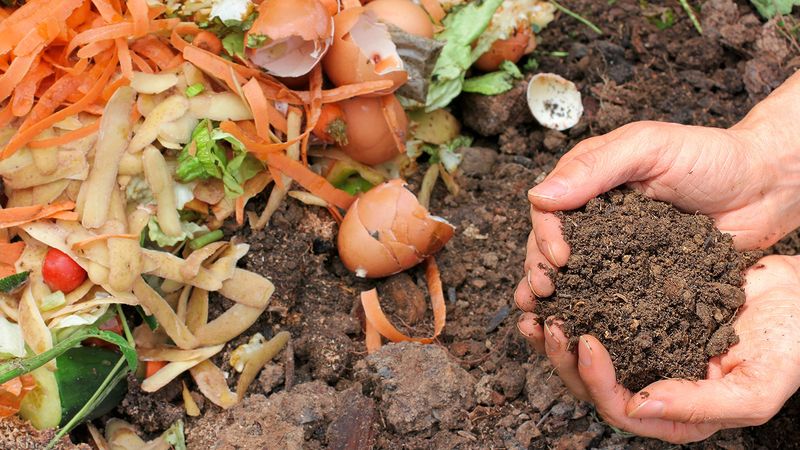
Empty your vacuum canister directly into your compost bin! This fine dust contains organic matter like skin cells, hair, and plant particles—all valuable nitrogen sources for your pile.
The fine texture increases surface area for microbes to work on, speeding decomposition. Only use vacuum dust from natural flooring areas like wood or tile, avoiding carpets that might contain synthetic fibers. This often-overlooked resource puts household dust to productive use!