
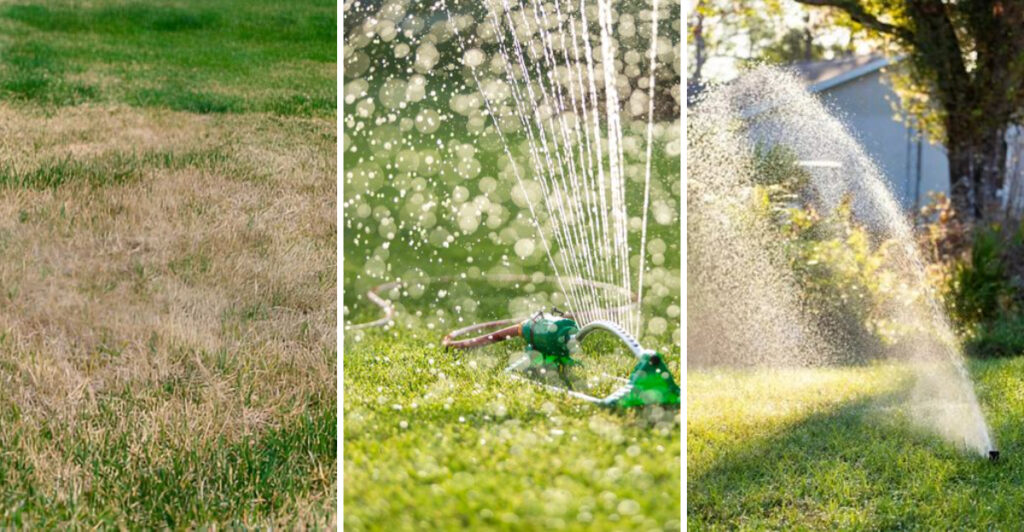
A lush, green lawn requires proper watering techniques that many homeowners get wrong. Whether you’re battling brown patches or simply want to maintain your yard’s health, understanding common watering mistakes can save both your grass and your water bill. Let’s explore the biggest lawn watering errors and discover professional techniques that will transform your lawn care routine.
1. Watering During Peak Sunshine Hours
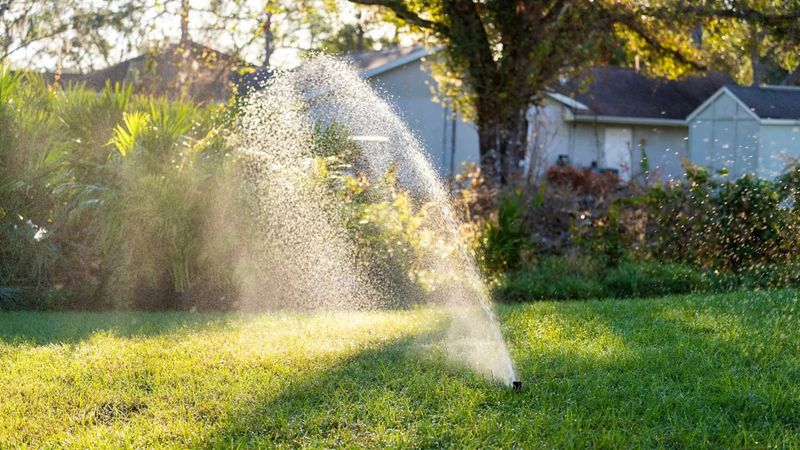
Spraying water on your lawn when the sun blazes overhead wastes precious resources. Up to 30% of water can evaporate before it even reaches the roots! The hot sun essentially cooks your grass when water droplets magnify the rays.
Schedule watering sessions for early morning (5-9 AM) when temperatures are cooler and winds are calmer. Your grass will thank you with deeper, healthier root systems.
2. Frequent Shallow Watering
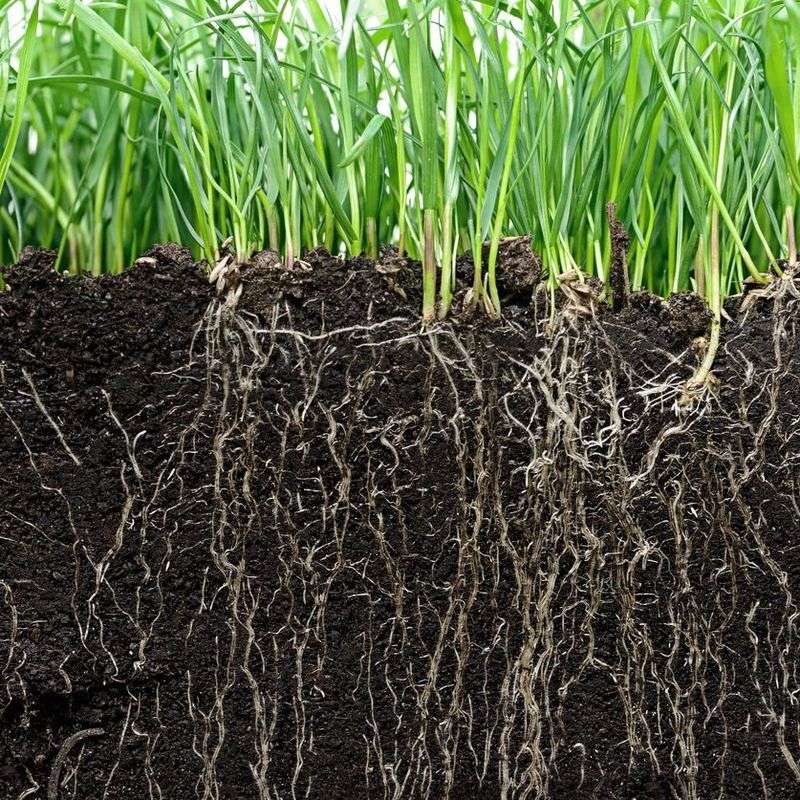
Many homeowners make the critical error of giving their lawns daily light sprinkles. This approach encourages shallow root systems that can’t withstand drought or stress. Grass becomes dependent on constant moisture at the surface.
Shallow roots mean weaker grass that’s more susceptible to disease and pest damage. Your lawn needs deep watering sessions that soak 6-8 inches into the soil to develop robust, drought-resistant root systems.
3. Ignoring Soil Type
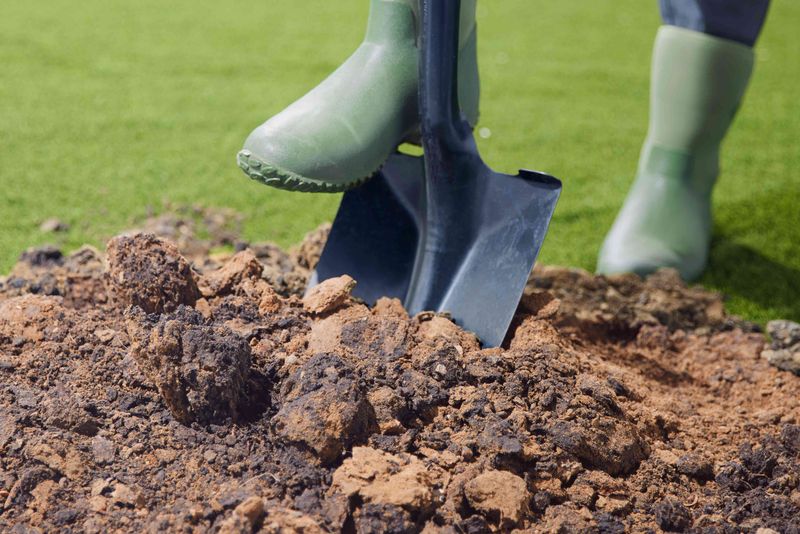
Sandy soil drains quickly while clay retains moisture for days. Treating all lawns with the same watering schedule creates problems regardless of your soil composition. Water runs right through sandy soil, while clay becomes waterlogged.
Test your soil by digging a small hole after watering. If it’s dry an inch down in sandy soil, you need more water. For clay soil, check that water has absorbed properly before watering again to prevent root rot.
4. Overwatering Your Lawn
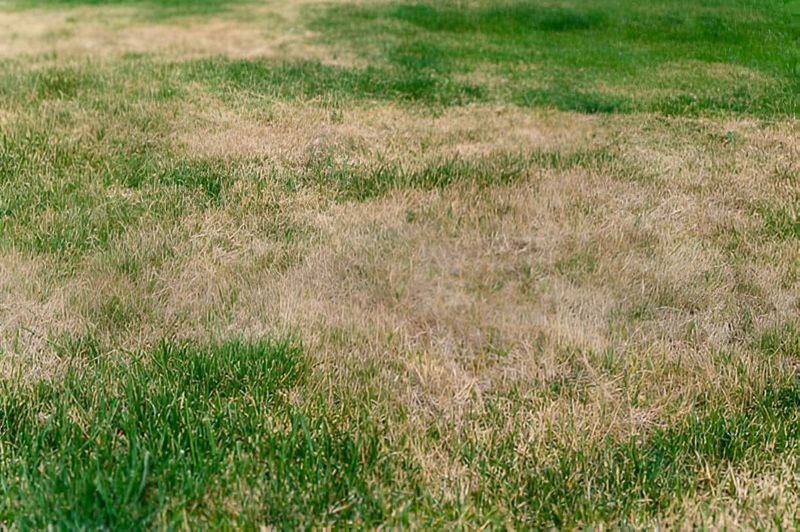
Drowning your grass with excessive water creates the perfect environment for fungal diseases and shallow root systems. Soggy lawns become breeding grounds for mosquitoes and other pests while encouraging thatch buildup.
Most established lawns need only 1-1.5 inches of water weekly, including rainfall. Use a rain gauge or tuna can to measure how much water your lawn actually receives. When footprints remain visible after walking across your lawn, it’s time to water.
5. Evening Watering Sessions
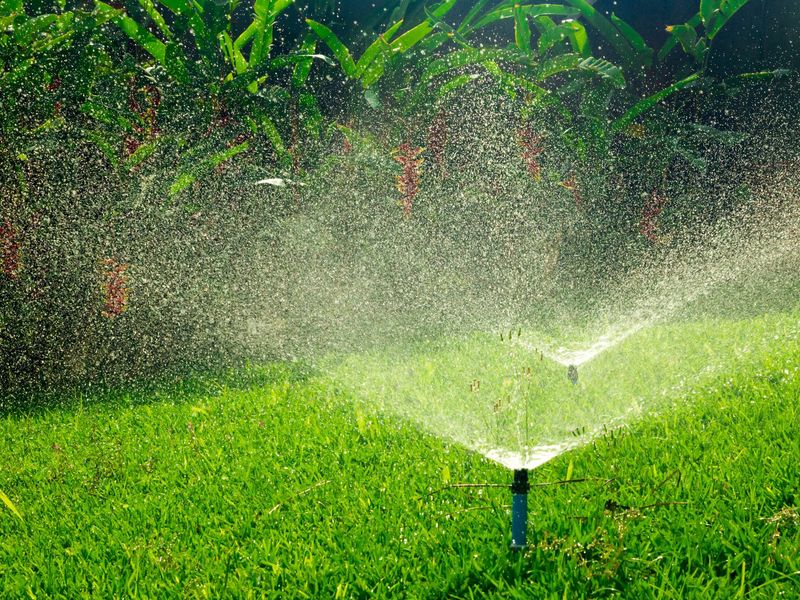
Night watering creates the perfect storm for lawn diseases. When grass remains wet overnight, fungal spores thrive in the cool, damp conditions. Brown patch, dollar spot, and other lawn diseases often begin this way.
Morning watering gives grass blades time to dry throughout the day. If evening watering is your only option, finish early enough (before 6 PM) to allow foliage to dry before nightfall. Your lawn will develop stronger disease resistance.
6. Using Inconsistent Watering Patterns
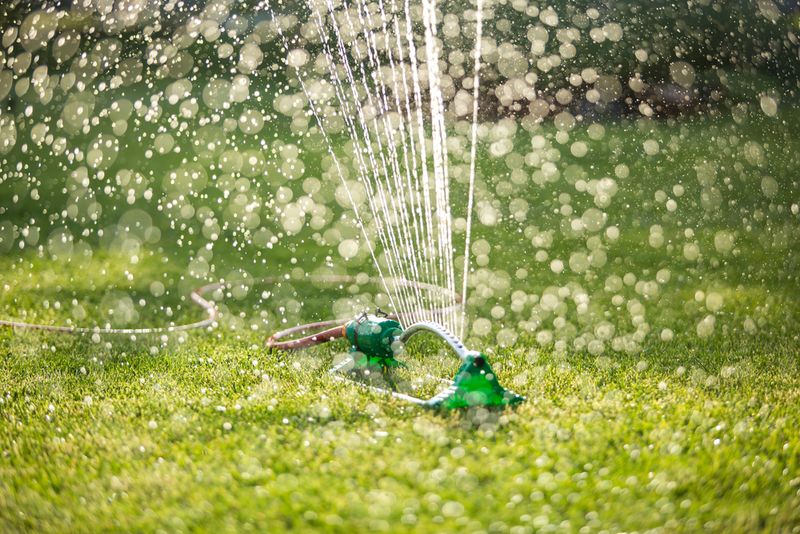
Random watering schedules confuse your lawn’s growth patterns. Grass develops best with consistent moisture levels that allow roots to establish proper depth. Erratic watering leads to stressed grass that’s more vulnerable to weeds.
Create a regular watering schedule based on your climate and grass type. Consistent deep watering sessions encourage roots to grow downward seeking moisture. Your lawn will develop better drought tolerance when it knows what to expect.
7. Forgetting to Adjust for Seasons
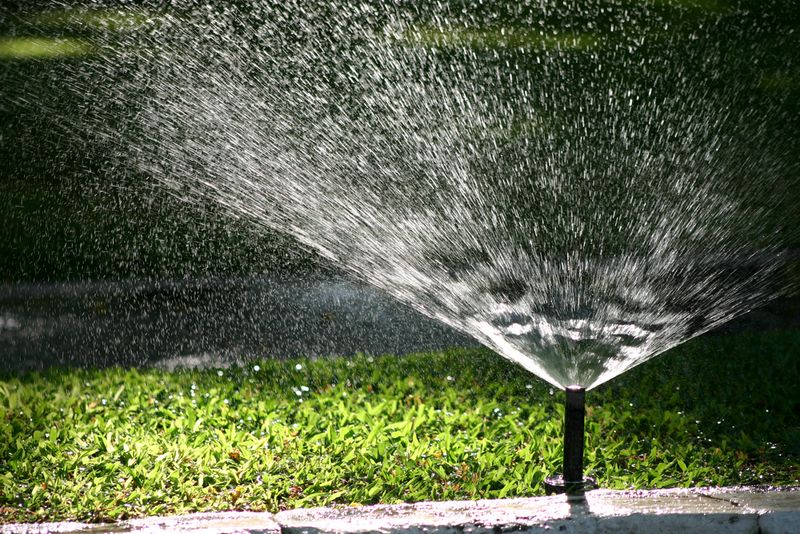
Using the same watering routine year-round ignores your lawn’s changing needs. Cool-season grasses need more water in summer heat, while warm-season varieties go dormant in winter and require less moisture.
Adjust your watering schedule seasonally. Spring and fall typically need less water than summer months. During active growth periods, increase watering depth while maintaining proper frequency. Remember that dormant grass still needs occasional moisture.
8. Watering the Entire Lawn Equally
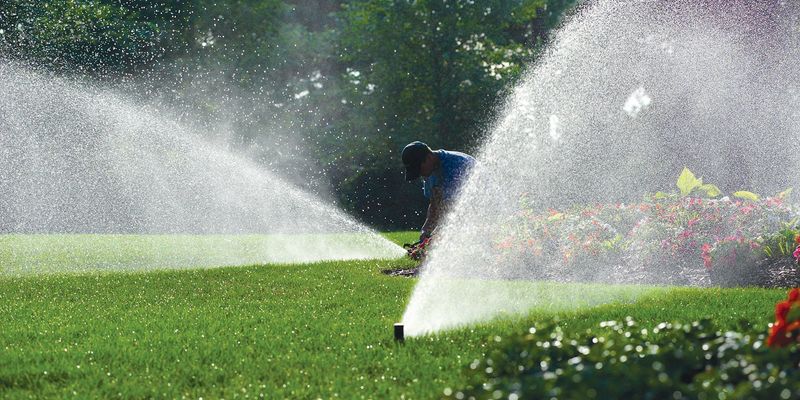
Not all areas of your yard have identical watering needs. Sloped sections lose water to runoff while shaded spots retain moisture longer. South-facing areas dry out faster than northern exposures.
Create watering zones based on your yard’s microclimate variations. Use different sprinkler heads or run times for sunny versus shady areas. Slopes might need multiple short watering sessions to prevent runoff while allowing proper absorption.
9. Neglecting Sprinkler Maintenance
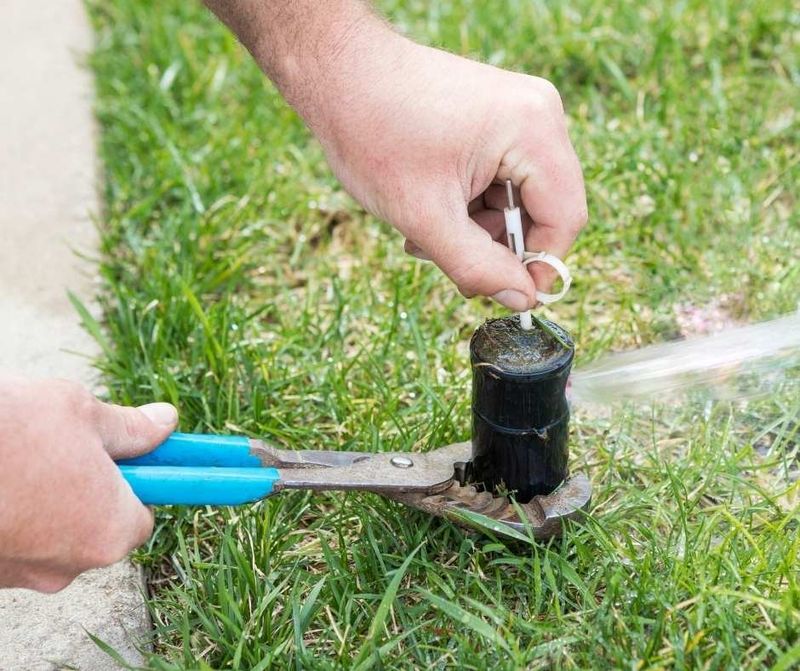
Faulty sprinkler systems waste water and create uneven coverage. Broken heads spray sidewalks instead of grass, while clogged nozzles create dry spots. Leaky connections waste gallons while undermining your lawn care efforts.
Run a sprinkler audit monthly during watering season. Replace broken heads, clean clogged nozzles, and adjust spray patterns for proper coverage. Check for leaks around connections and valves. Proper maintenance ensures your grass receives the water you’re paying for.
10. Ignoring Rainfall Amounts
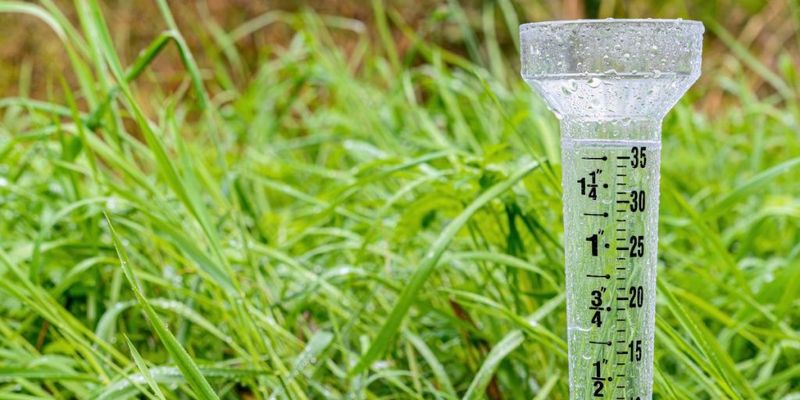
Running sprinklers after a good rain shower wastes water and oversaturates your lawn. Many homeowners follow rigid watering schedules regardless of natural precipitation, leading to root rot and fungal problems.
Install a simple rain gauge in your yard to track natural moisture. Most controllers now offer rain sensors that automatically skip scheduled waterings after sufficient rainfall. Your lawn needs approximately 1-1.5 inches of water weekly from all sources combined.
11. Using Outdated Sprinkler Technology
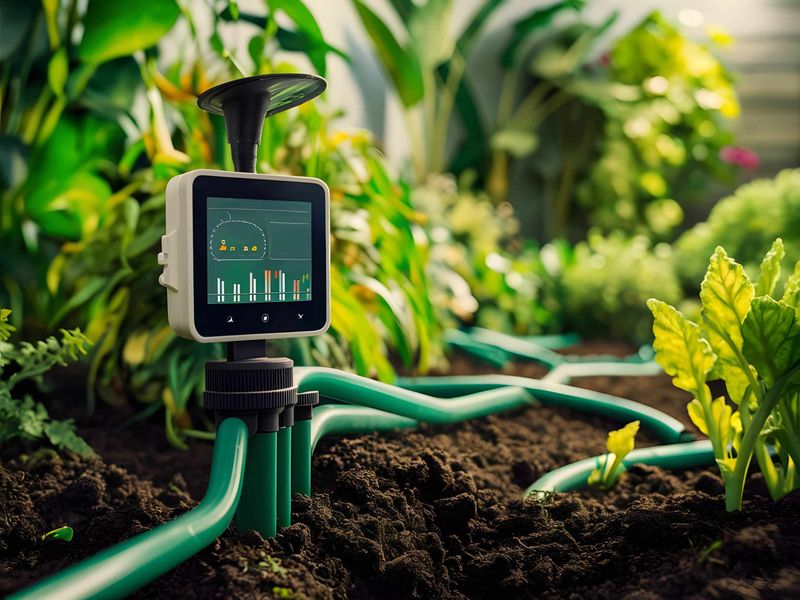
Old-fashioned sprinklers spray water indiscriminately, wasting up to 50% through evaporation and runoff. These systems often create mist that blows away before reaching the soil where it’s needed.
Modern irrigation technology like drip systems, rotary nozzles, and smart controllers dramatically improve efficiency. Water-saving sprinkler heads deliver larger water droplets that resist wind drift. Smart controllers adjust watering based on weather conditions, saving both water and money.
12. Watering Too Quickly
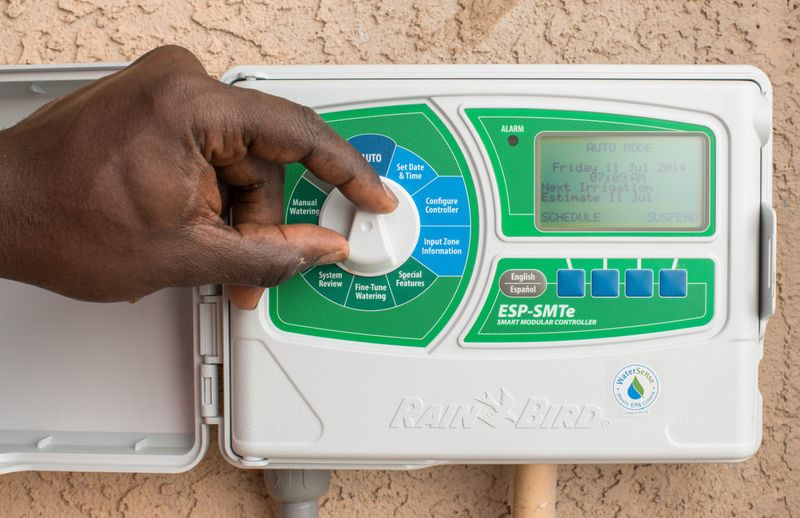
Clay soils can’t absorb water as fast as many sprinklers deliver it. When water is applied too quickly, it pools on the surface and runs off rather than soaking in where roots need it.
Use cycle-and-soak watering methods for better absorption. Program your controller to water in short bursts with rest periods between cycles. This gives water time to penetrate the soil profile. Your grass will develop deeper roots with this patient approach.
13. Forgetting to Water New Seed or Sod
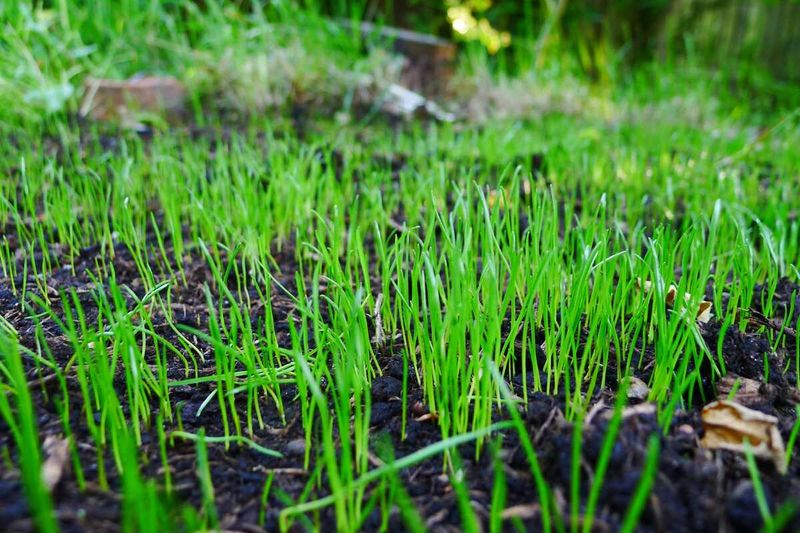
Newly installed lawns have different moisture requirements than established turf. Fresh seed needs constant surface moisture to germinate, while new sod requires frequent watering to establish roots in native soil.
Water new seed lightly multiple times daily to keep the surface consistently moist. For fresh sod, water deeply enough to soak through the sod and into the soil beneath. Gradually reduce watering frequency as roots establish, typically within 2-3 weeks.
14. Ignoring Water Restrictions
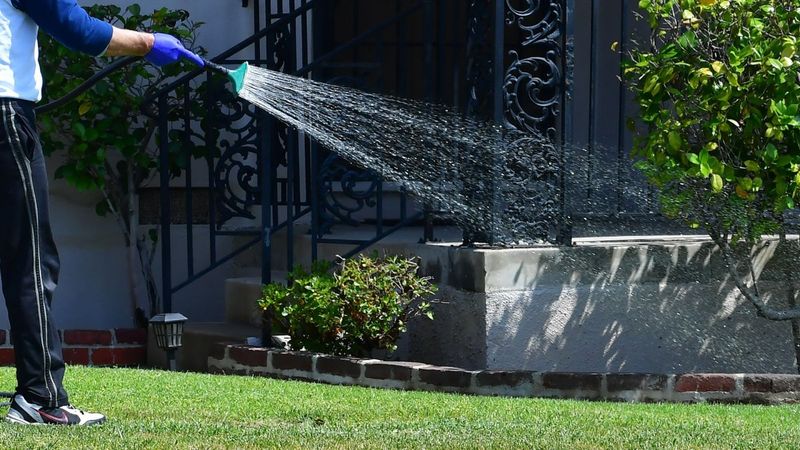
Municipal water restrictions exist for good reason, yet many homeowners ignore them. These regulations help manage community water supplies during shortages and prevent system overloads during peak usage times.
Check local watering guidelines and adjust your schedule accordingly. Many restrictions still allow adequate lawn watering if done efficiently. Consider collecting rainwater in barrels for supplemental watering during restriction periods.
15. Failing to Account for Different Grass Types
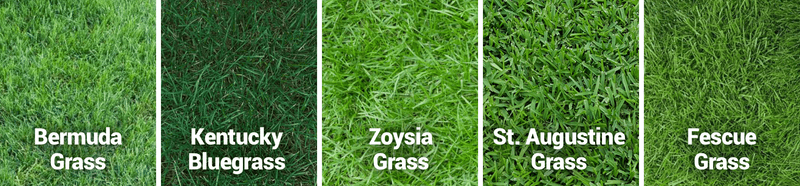
Kentucky bluegrass has different water needs than Bermuda or zoysia grass. Treating all varieties identically leads to either drought stress or overwatering problems.
Research your specific grass type’s water requirements. Cool-season grasses typically need more frequent watering than warm-season varieties. Adjust your irrigation schedule based on grass species, not just appearance. Native and drought-resistant varieties require significantly less supplemental water.
16. PRO TIP: Install a Smart Irrigation Controller

Smart controllers take the guesswork out of lawn watering by automatically adjusting schedules based on weather conditions. These systems use real-time data to determine when your lawn actually needs moisture.
Many models connect to local weather stations or use on-site sensors to measure rainfall, temperature, and soil moisture. The investment pays for itself through water savings within 1-2 seasons. Some municipalities even offer rebates for installing water-saving irrigation technology.
17. PRO TIP: Collect Rainwater for Lawn Use
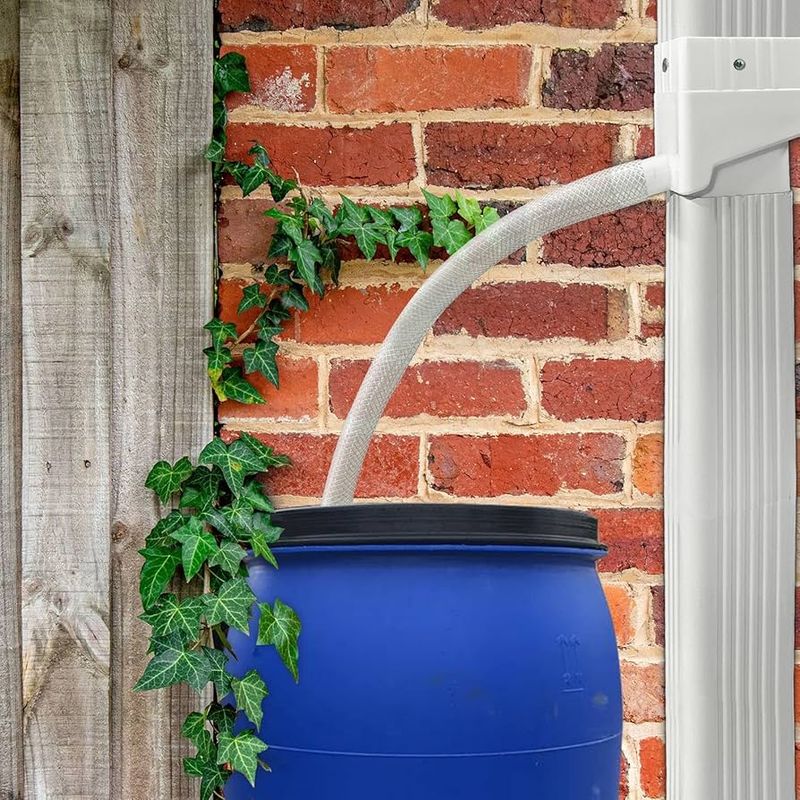
Rainwater harvesting provides free, chemical-free water perfect for lawn irrigation. A single 1-inch rainfall on a 1,000 square foot roof yields approximately 600 gallons of usable water!
Install rain barrels beneath downspouts to capture this valuable resource. More advanced systems can store thousands of gallons underground. The collected water contains natural nitrogen that actually fertilizes your lawn while reducing stormwater runoff from your property.
18. PRO TIP: Perform the Screwdriver Test
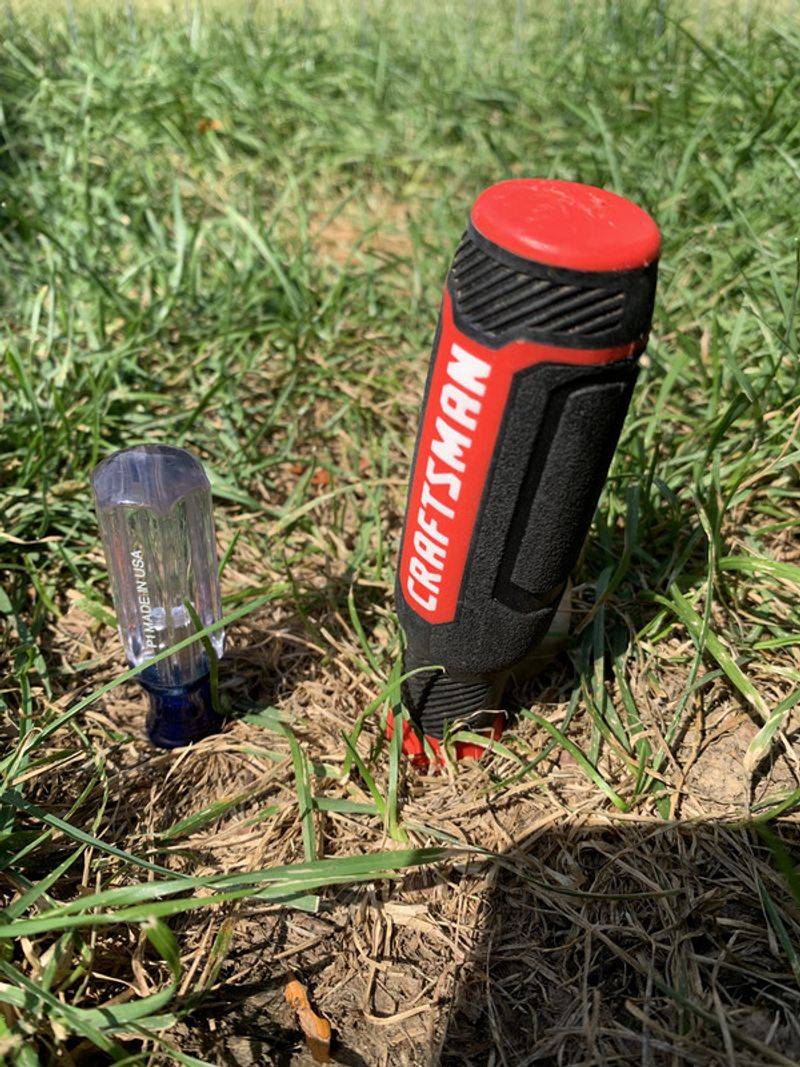
Professional landscapers use a simple technique to determine if lawns need watering. The screwdriver test provides immediate feedback about soil moisture levels without special equipment.
Push a 6-inch screwdriver into your lawn. If it slides in easily, the soil has adequate moisture. If you meet resistance, it’s time to water. This quick check prevents both over and under-watering by revealing actual soil conditions rather than relying on surface appearance.
19. PRO TIP: Water Deeply But Infrequently
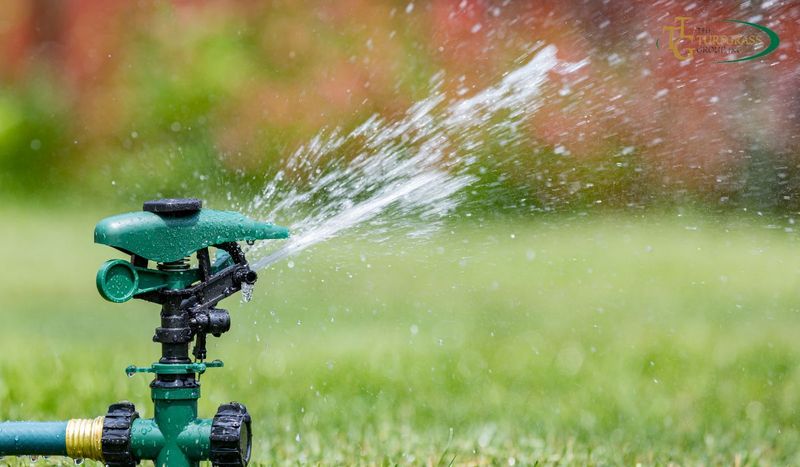
Professional turf managers prioritize deep, infrequent watering over frequent light sprinkles. This approach forces grass roots to grow deeper searching for moisture, creating drought-resistant lawns.
Apply 1-1.5 inches of water in a single session, then wait until the soil dries several inches down before watering again. In most climates, this means watering just 2-3 times weekly during summer. Your grass will develop stronger root systems and better resistance to drought stress.
20. PRO TIP: Aerate Compacted Soil Before Watering
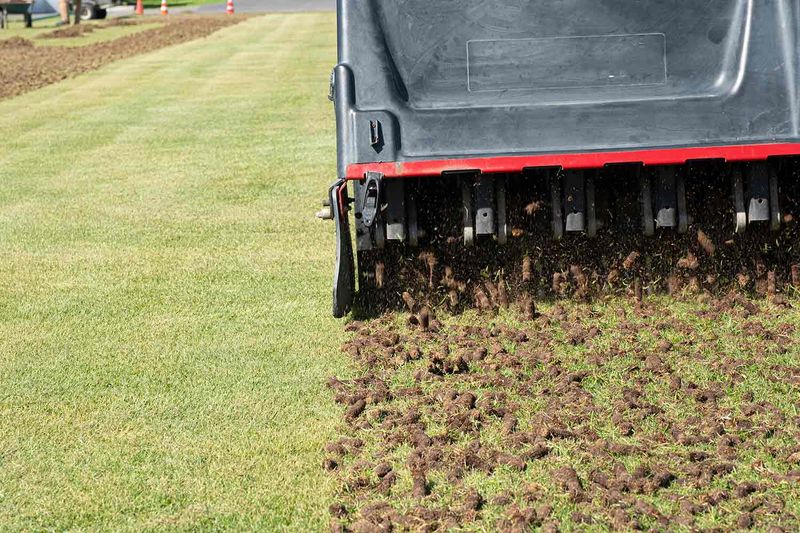
Compacted soil prevents water from reaching grass roots effectively. Core aeration removes small plugs of soil, creating channels for water, air, and nutrients to penetrate deeper into the root zone.
Aerate your lawn yearly, preferably during the growing season. Water absorption improves dramatically after aeration, reducing runoff and ensuring moisture reaches roots where it’s needed most. The process also helps break down thatch that can repel water.
21. PRO TIP: Mow Higher During Hot Weather
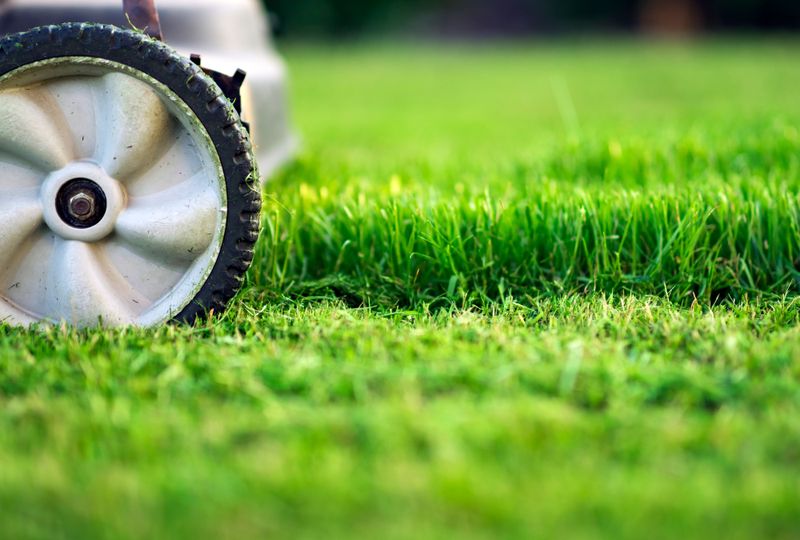
Raising your mower blade during summer heat reduces water requirements significantly. Taller grass shades soil, keeping it cooler and reducing evaporation rates by up to 30%.
Set your mower to 3-4 inches for cool-season grasses during summer months. The extra leaf surface provides more photosynthesis area while protecting roots from heat stress. Taller grass also develops deeper root systems naturally, improving drought tolerance without additional watering.
22. PRO TIP: Add Organic Matter to Improve Water Retention
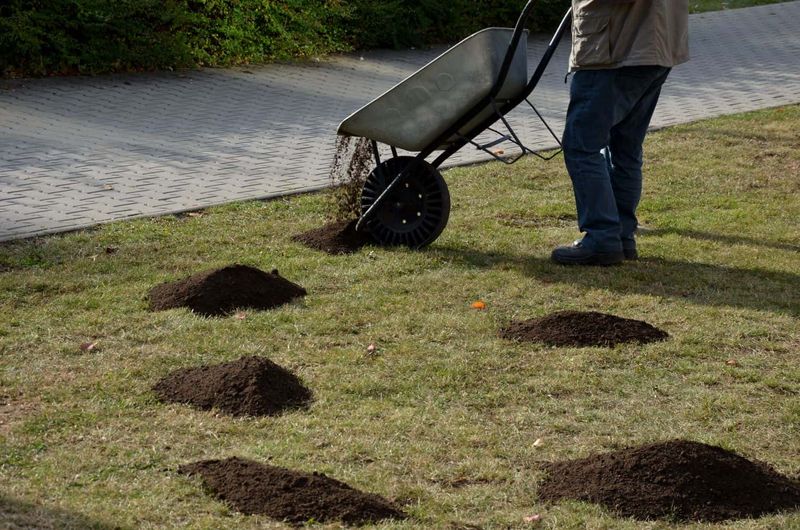
Sandy soils drain too quickly while clay retains water but becomes compacted. Professional landscapers remedy both problems by adding organic matter that improves soil structure and water-holding capacity.
Apply a thin layer (¼ inch) of compost annually through topdressing. The organic material works into the soil profile over time, creating ideal growing conditions. Compost helps sandy soil retain moisture longer while improving drainage in clay soils.
23. PRO TIP: Use Wetting Agents for Hydrophobic Soils
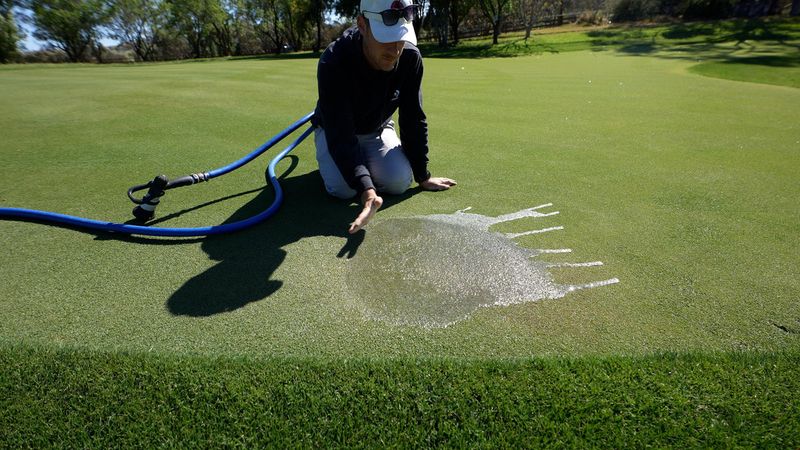
Lawns sometimes develop water-repellent conditions where moisture beads up and runs off instead of soaking in. This hydrophobic soil often results from excessive thatch or organic compounds that coat soil particles.
Apply a quality soil wetting agent according to package directions. These products reduce water’s surface tension, allowing it to penetrate resistant soils. A single application can improve water absorption by up to 50% in problem areas.
24. PRO TIP: Embrace Drought-Tolerant Grass Varieties

Forward-thinking homeowners are switching to grass varieties specifically bred for reduced water requirements. These drought-tolerant options maintain acceptable appearance with significantly less irrigation.
Consider tall fescue, buffalograss, or newer hybrid bermudagrass varieties when renovating your lawn. These grasses require 30-50% less water than traditional varieties while still providing an attractive landscape. Some newer cultivars stay green with just 1/2 inch of water weekly.