
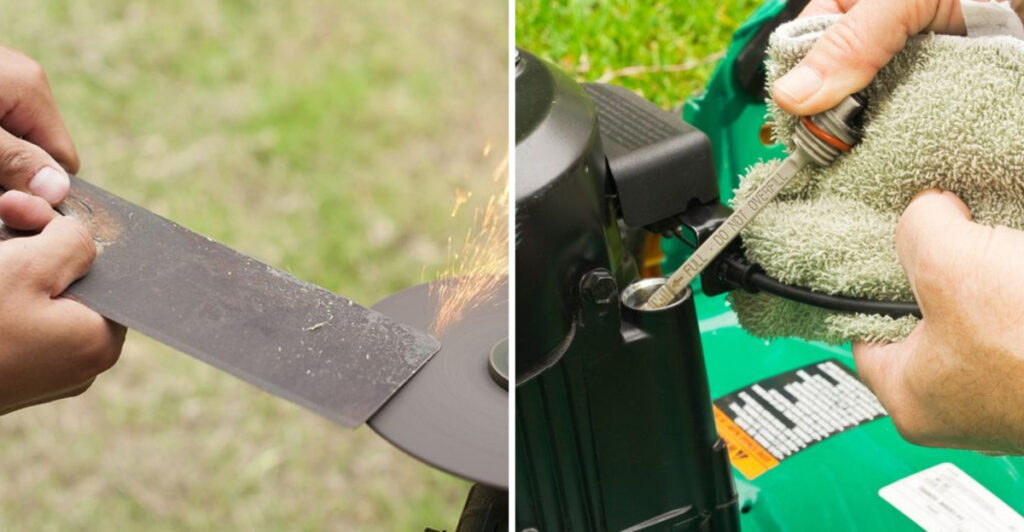
Maintaining your lawn mower is essential for keeping your garden pristine and ensuring your mower’s longevity. Explore these 17 tips to make sure your mower stays in top shape, providing you with clean cuts and efficient performance season after season.
1. Regular Blade Sharpening
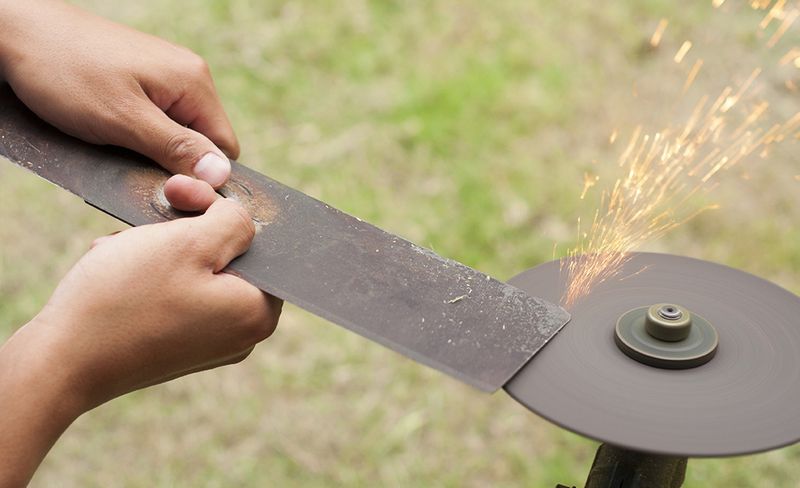
A sharp blade is crucial for a clean cut. Blunt blades tear grass, leading to uneven lawns and potential grass disease. Regular sharpening ensures efficiency and keeps your lawn healthy.
Blades should be sharpened after every 25 hours of use. Removing and sharpening at home can save time and money.
Always prioritize safety by wearing gloves and eye protection while sharpening the blades.
2. Check Oil Levels
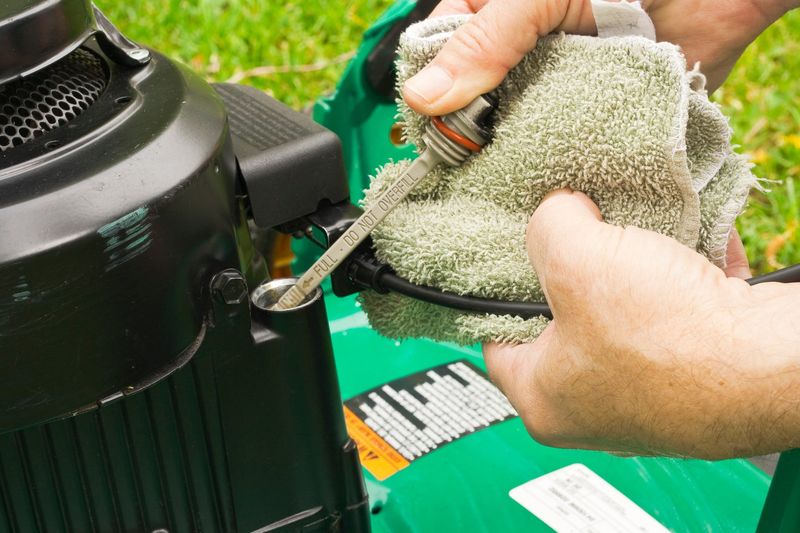
Just like a car, your lawn mower requires regular oil checks to perform optimally. Low oil can lead to engine damage, while excessive oil might cause leaks.
Check the oil level before each mow session, especially after long storage periods. Use the dipstick to ensure accuracy.
Opt for the right type of oil for your mower, as specified by the manufacturer, to avoid complications.
3. Clean Air Filters
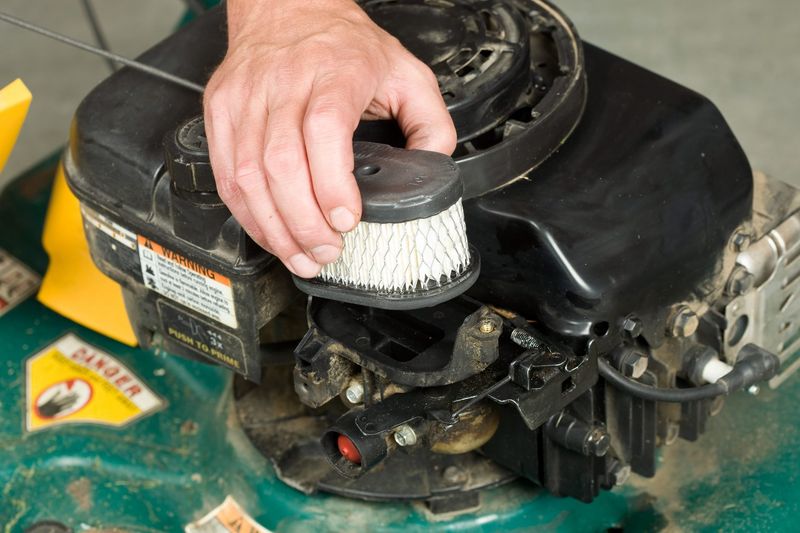
A clean air filter is the unsung hero of an efficient lawn mower. Dirty filters can choke the engine, reducing power and efficiency.
Inspect the filter every few months. If it’s clogged, replace it immediately to ensure proper airflow.
Reusable filters can be cleaned with soap and water, while disposable ones should be replaced as per the manufacturer’s instructions.
4. Inspect Spark Plugs
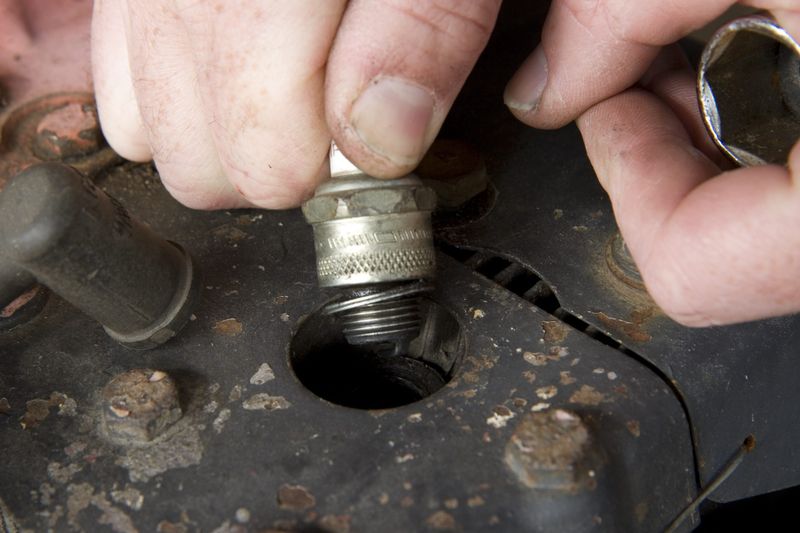
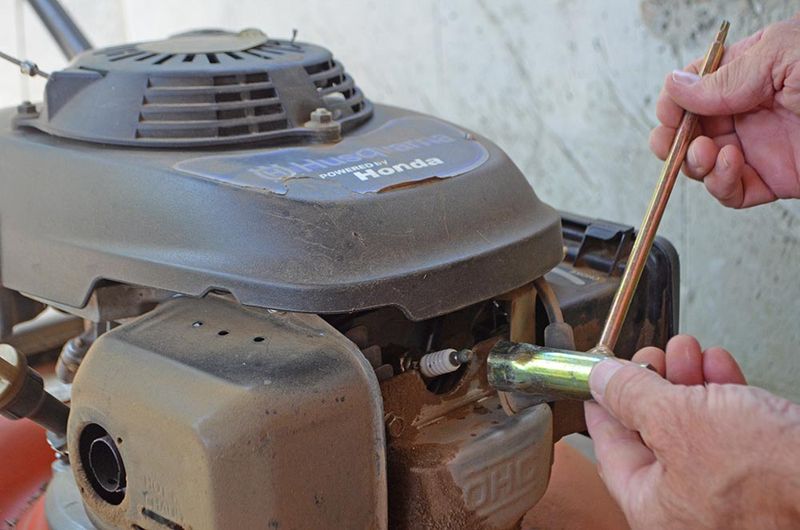
Spark plugs are vital for starting your lawn mower. A faulty plug can result in a frustrating no-start situation.
Check the spark plug annually. Replace it if it’s worn or damaged to ensure a smooth start.
Using the correct plug type is crucial. Refer to your mower’s manual for specifications.
5. Regular Cleaning
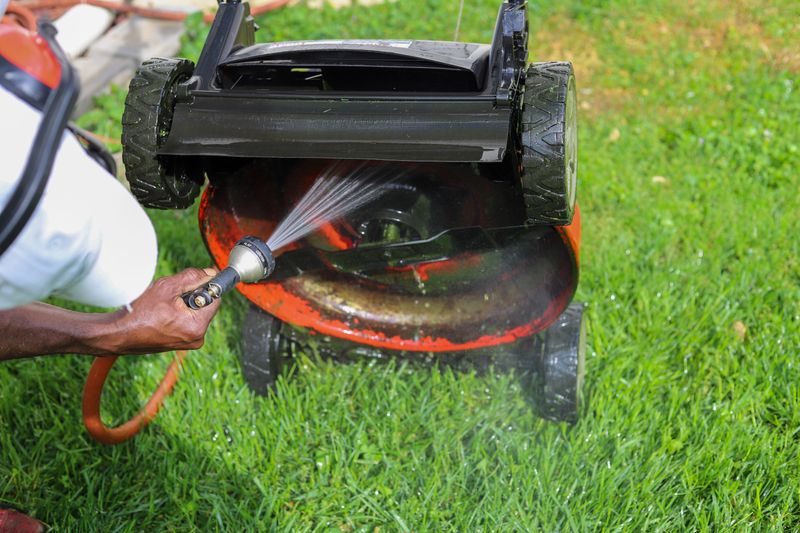
Grass clippings and debris can build up under your mower, affecting performance. Regular cleaning prevents corrosion and ensures optimal operation.
After each use, remove accumulated grass from the deck and blade area. A hose can be effective for a thorough clean.
Ensure the engine is off, and spark plug disconnected before cleaning to avoid any accidents.
6. Check Tire Pressure
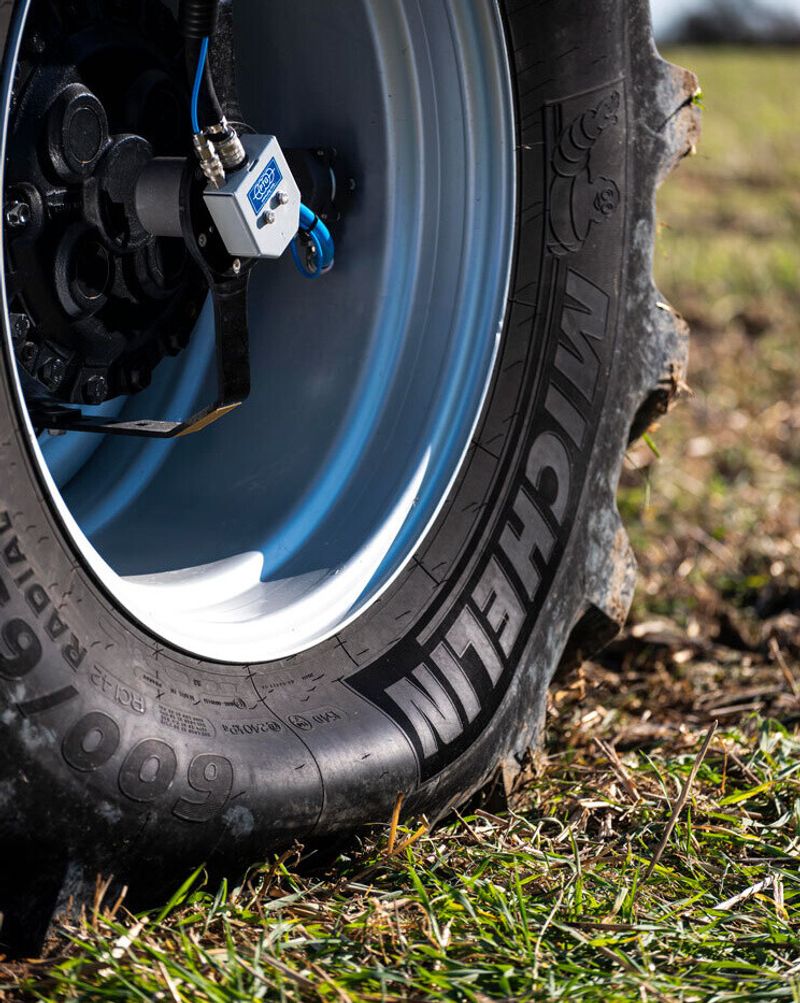
Proper tire pressure ensures even cutting and smooth operation. Under-inflated tires can lead to uneven lawns and increased fuel consumption.
Check tire pressure monthly, especially if you notice uneven cuts. Refer to your mower’s manual for the recommended pressure.
Adjust pressure using a reliable gauge for accuracy and ensure a smoother mow next time.
7. Fuel Management
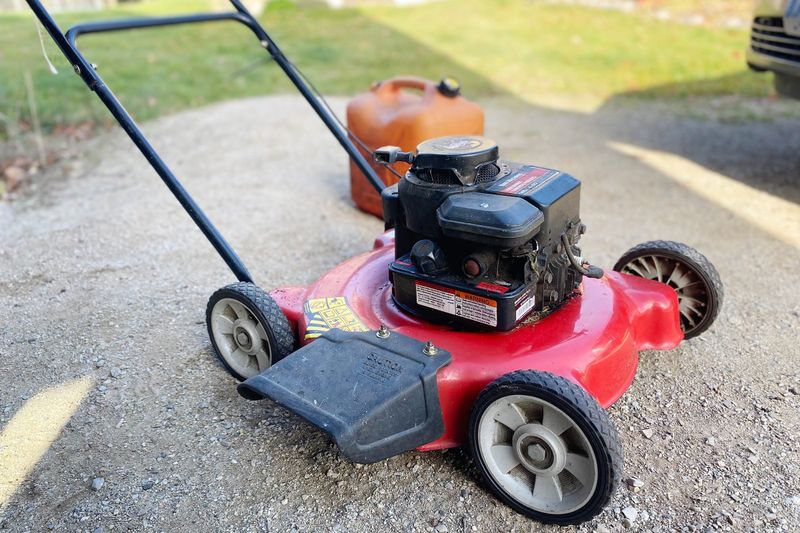
Using fresh fuel is critical for your mower’s engine. Old or stale fuel can cause starting problems and affect performance.
Drain fuel before winter storage to prevent gum deposits in the fuel system.
Always use the fuel type recommended by the manufacturer for optimal performance and longevity of your mower’s engine.
8. Belt Inspection and Replacement
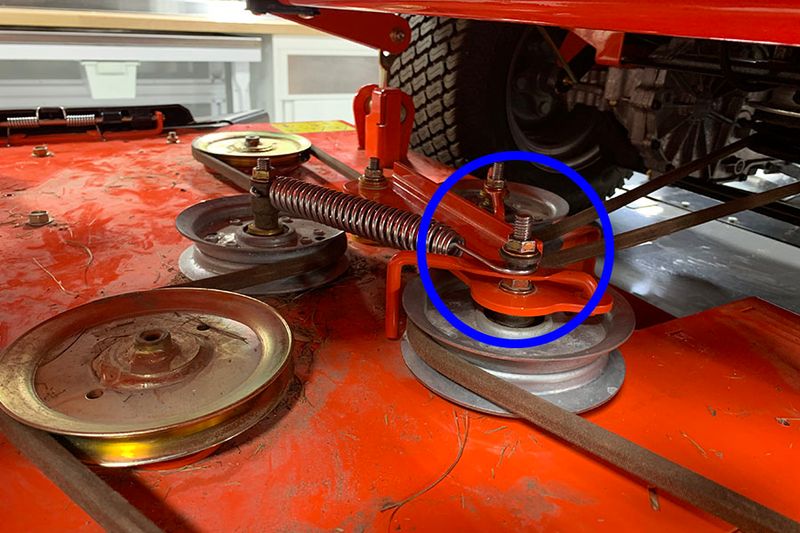
Belts transfer power to the mower’s blades. A worn or loose belt can slip, causing reduced performance and uneven cuts.
Inspect belts annually for wear or damage. Replace them if they show signs of cracking or fraying.
Ensure that replacements are compatible with your mower model for effective performance.
9. Regular Engine Service
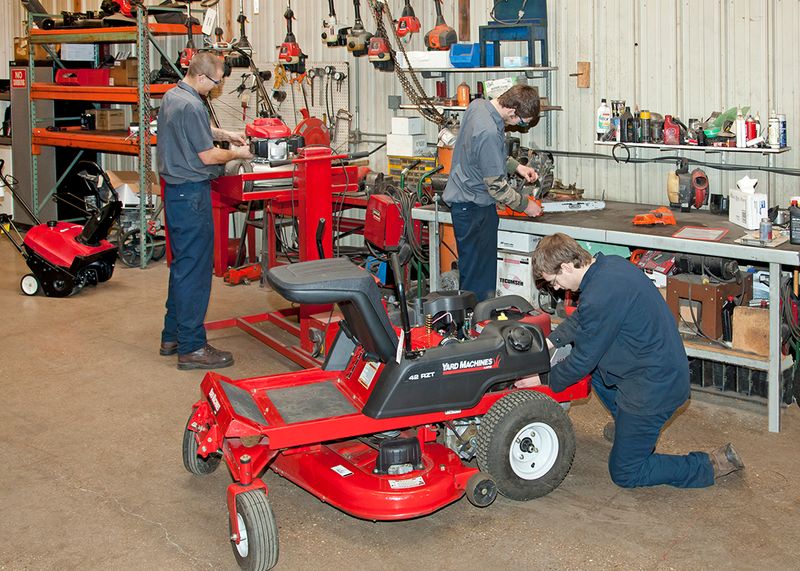
Engines are the heart of your lawn mower. Regular servicing ensures longevity and optimal performance.
Schedule a professional service annually, especially before the mowing season kicks in. This includes oil changes, filter replacements, and more.
A well-maintained engine reduces the risk of unexpected breakdowns and costly repairs.
10. Clean Undercarriage
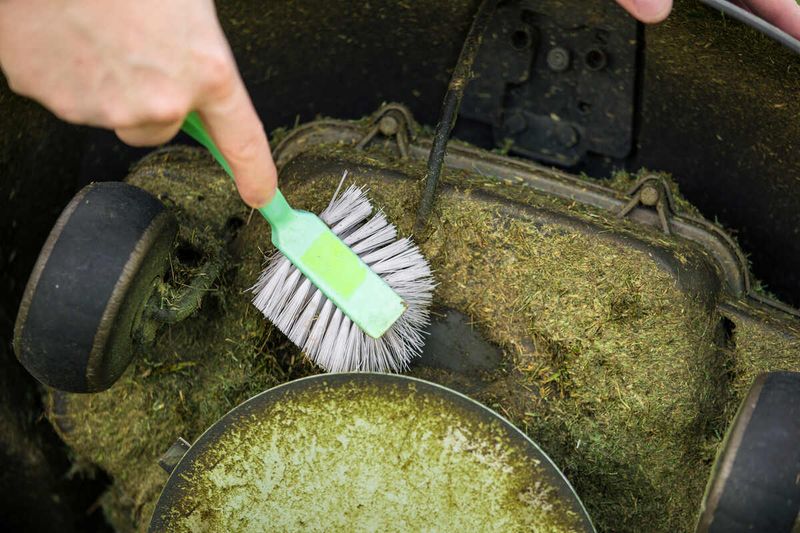
The undercarriage can accumulate grass and mud, affecting the mower’s efficiency. Regular cleaning keeps it in top condition.
After each mowing session, remove debris from the undercarriage with a brush or hose.
Ensure the mower is turned off and unplugged to prevent accidents during cleaning.
11. Winterize Your Mower
Winterizing prevents damage during cold months. Proper storage can extend your mower’s lifespan.
Drain fuel and oil, and remove the battery if applicable. Clean the mower thoroughly before storing it.
Store in a dry, protected area to avoid rust and corrosion during the off-season.
12. Adjust Cutting Height
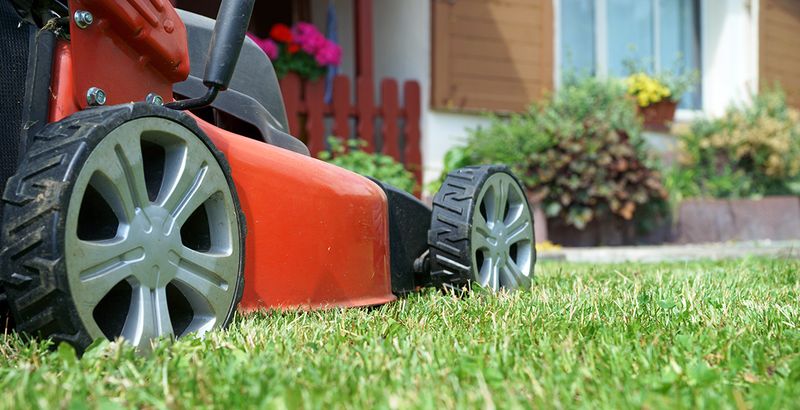
Different grass types require different cutting heights. Adjusting the mower to the right height ensures a healthy lawn.
Check your grass type and adjust the mower’s height accordingly before each mow.
Regularly adjusting the height can prevent scalping and promote robust grass growth.
13. Battery Maintenance
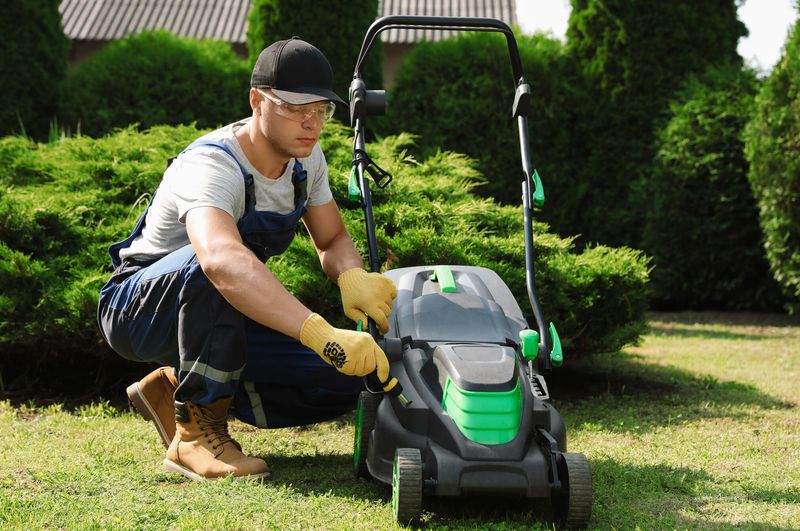
For electric mowers, battery health is crucial. Proper maintenance ensures the mower runs efficiently and extends battery life.
Charge the battery fully before storage and periodically during the off-season.
Avoid complete discharges to prolong battery life and keep it performing at its best.
14. Check for Loose Parts
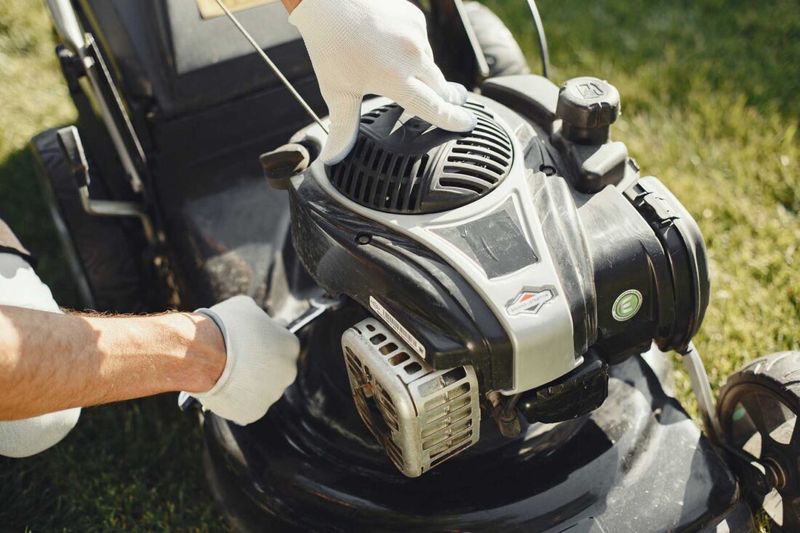
Loose parts can cause rattling noises and affect performance. Regular checks ensure everything is secure and functioning correctly.
Inspect the mower for any loose bolts or screws before each use. Tighten them to prevent damage.
This simple act can prevent accidents and ensure a smoother mowing experience.
15. Replace Worn Out Wheels
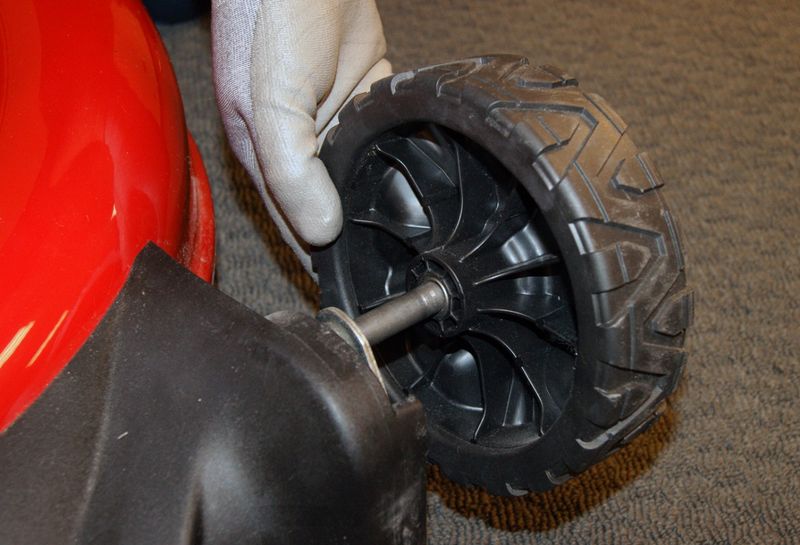
Worn wheels can affect the mower’s balance, leading to uneven cutting. Replacing them ensures smooth operation and even lawns.
Check the wheels for wear, especially if the mower pulls to one side.
Replace with compatible wheels to maintain performance and ease of use.
16. Grease and Lubricate
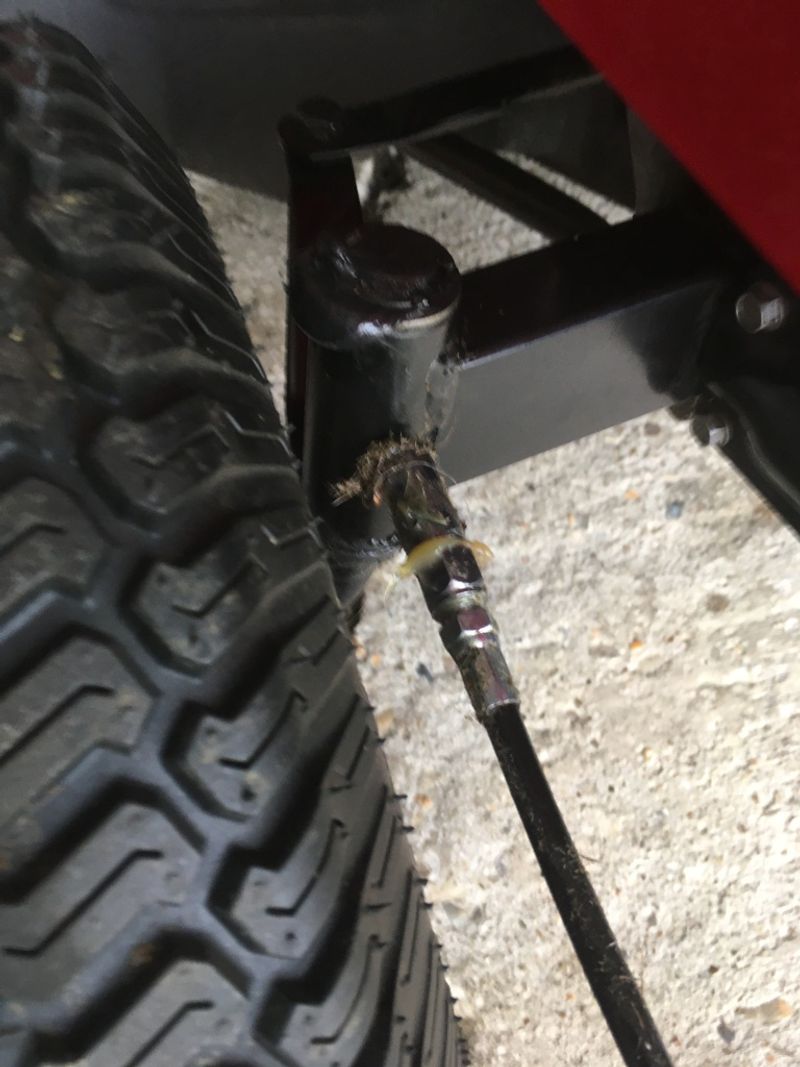
Lubrication reduces friction, preventing wear and tear on moving parts. Regular greasing extends the lifespan of your mower.
Apply grease to all moving parts regularly, especially before each mowing season.
Refer to your mower’s manual for specific lubrication points and grease types.
17. Regular Safety Checks
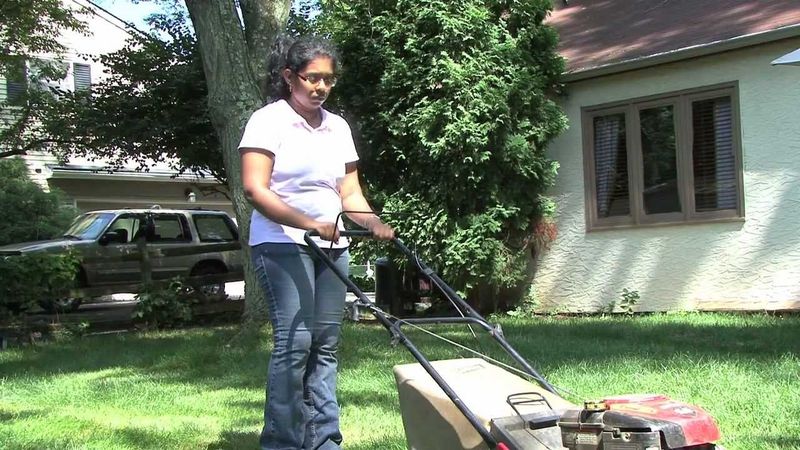
Safety checks protect you and your mower. Regular inspections can prevent potential hazards.
Ensure safety guards are in place and functioning. Check for any worn-out safety features.
A well-maintained mower is not only efficient but also safe to use, preventing accidents and injuries.