
Fruits are delightful and nutritious, yet many are covered in pesticides. Proper washing techniques can help you enjoy fruits safely. Discover effective methods to cleanse your beloved fruits from harmful residues.
1. Baking Soda Soak
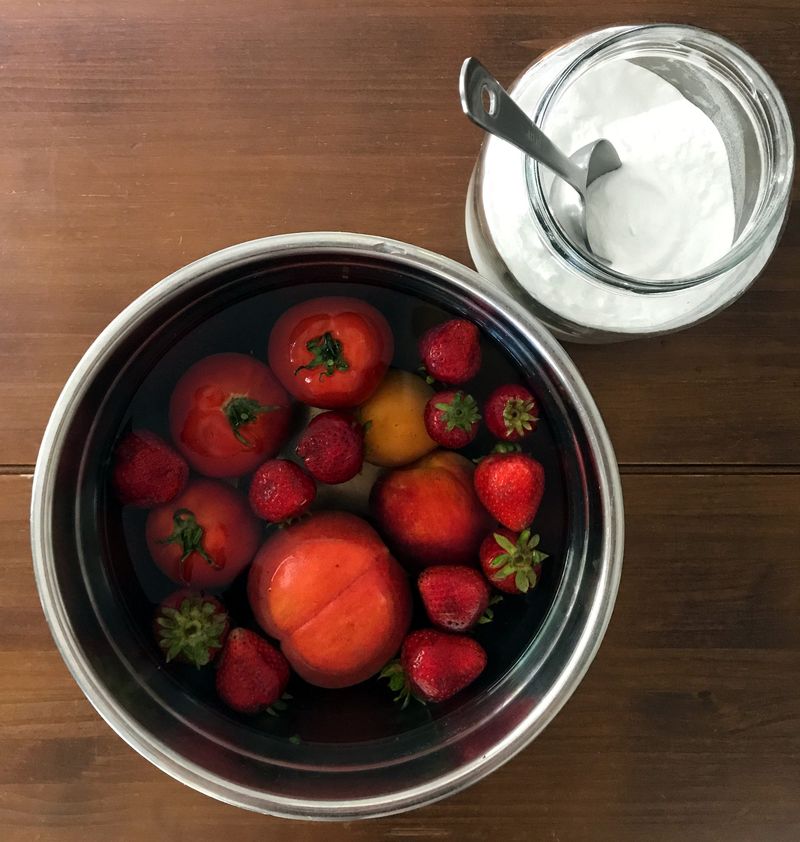
Who would’ve thought that a pantry staple could be your fruit’s best friend? Baking soda, a common household item, can effectively remove pesticide residues.
Start by mixing a teaspoon of baking soda in two cups of water. Submerge your fruits for about 15 minutes, ensuring they are entirely covered.
Rinse thoroughly under running water to remove any remaining residues. This method not only cleans your fruits but also preserves their natural flavors. Baking soda’s cleaning prowess is both economical and environmentally friendly, offering peace of mind with every bite.
2. Vinegar Rinse
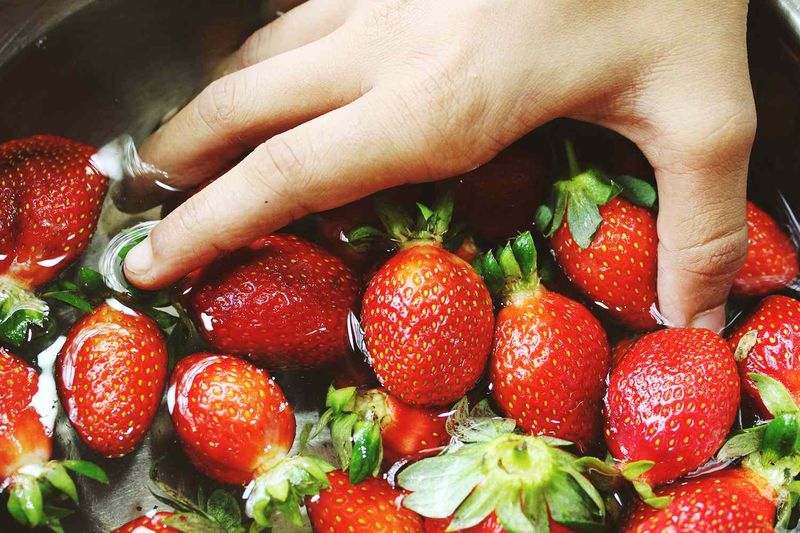
Vinegar rinses have long been a favorite for cleaning produce. The acidity in vinegar helps break down pesticide residues and bacteria.
To prepare, mix one part white vinegar with three parts water. Soak your fruits for 10-20 minutes, gently swishing them around.
Rinse with cold water to remove the vinegar smell and taste. Not only does this method clean, but it also helps in prolonging the freshness of your fruits. Vinegar’s natural acidity makes it a potent cleaner, leaving your fruits fresh and safe to eat.
3. Salt Water Solution
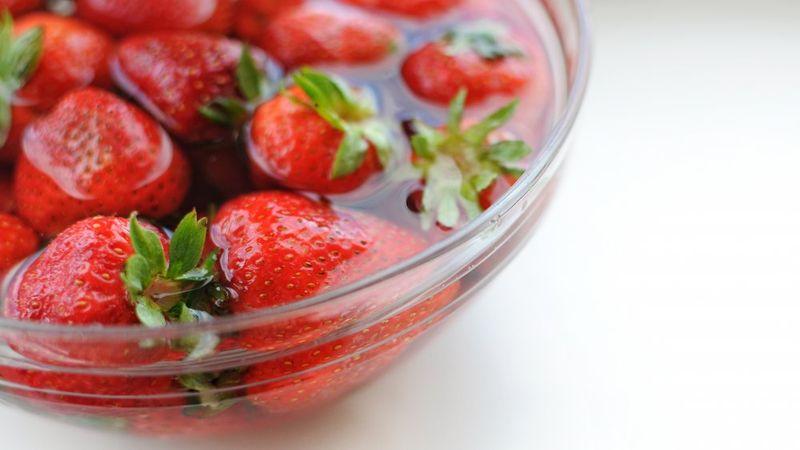
Salt water is another simple yet effective solution for cleaning fruits. It’s a natural disinfectant that can reduce pesticide residues.
Dissolve two tablespoons of salt in a bowl of warm water. Add your fruits and let them soak for about 5-10 minutes.
Rinse them thoroughly under fresh water to wash away any saltiness. This age-old method is not only accessible but also reliable. It’s a straightforward approach that ensures your fruits are clean and ready to eat.
4. Lemon Juice Mixture
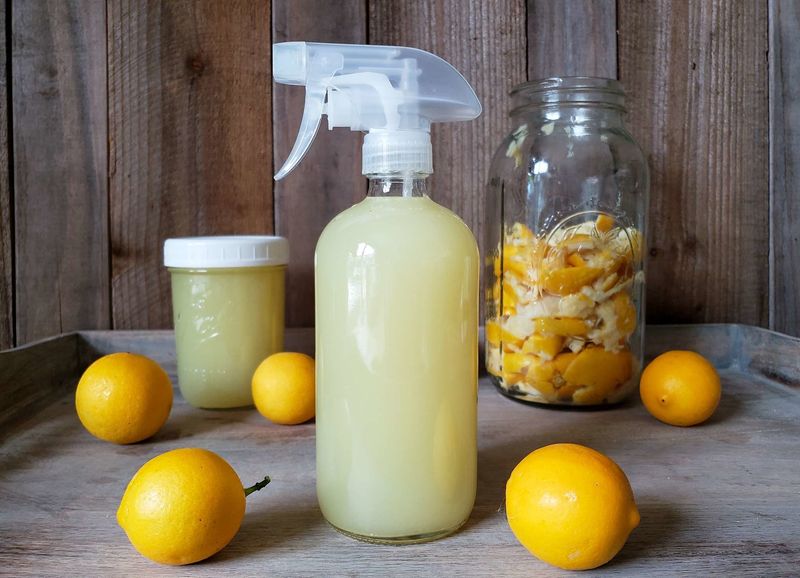
Lemon juice is not just for culinary delights; it also serves as a natural cleaning agent.
Combine lemon juice with water, using about one tablespoon of juice per cup of water. Soak the fruits for 5-10 minutes, allowing the citric acid to do its magic.
Rinse well to eliminate any lemony taste. This citrus solution not only cleans but also imparts a refreshing aroma. It’s an invigorating way to ensure your fruits are free from unwanted chemicals. The natural zest of lemon provides a delightful touch to your cleansing routine.
5. Commercial Fruit Wash
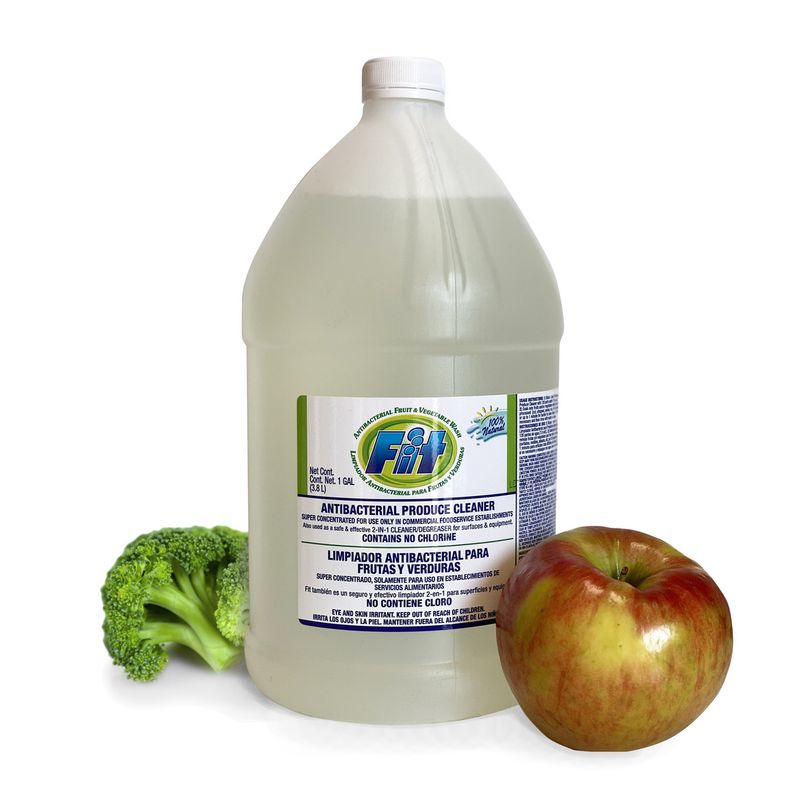
For those who prefer convenience, commercial fruit washes are available. These specially formulated solutions are designed to remove surface pesticides effectively.
Follow the instructions on the label, typically requiring you to spray or soak your fruits.
Rinse thoroughly to ensure no residue from the wash remains. While this method might not be as natural as others, it offers ease and efficiency, especially for those with busy lifestyles. Commercial washes provide a practical alternative, ensuring your fruits are clean with minimal effort. Your peace of mind is just a spray away.
6. Activated Charcoal Scrub
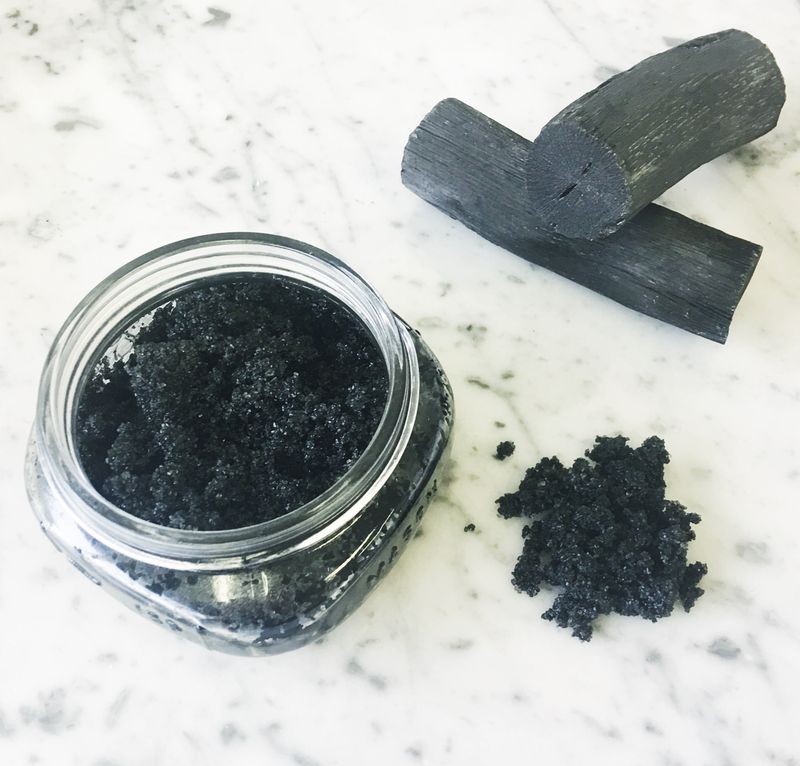
Many are familiar with activated charcoal’s detoxifying properties, but did you know it can also help cleanse fruit? Mixing a small spoonful of activated charcoal with water creates a potent scrub that can be gently applied to the skin of fruits. This technique effectively binds to pesticide residues, making it easier to rinse them away. As an added bonus, activated charcoal is safe and natural, posing no risk of harmful chemical exposure. Consider trying this method for a thorough, natural cleanse. The results might surprise you—clean, refreshing, and residue-free fruits await.
7. Hydrogen Peroxide Bath
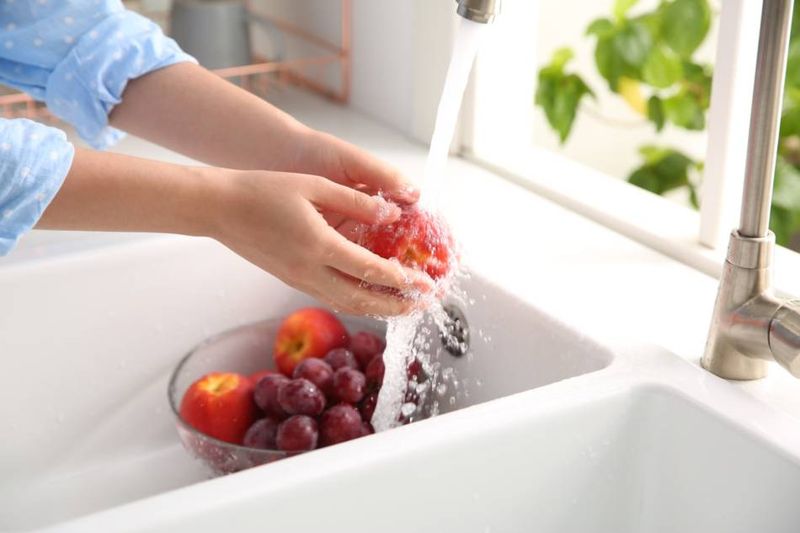
Hydrogen peroxide is a common household disinfectant that can serve as a safe fruit cleaner. By diluting food-grade hydrogen peroxide with water, you create an effective bath for fruits. Soak the fruits for a few minutes to let the peroxide break down pesticide residues. This method not only cleanses but also disinfects, reducing microbial presence. After soaking, a quick rinse with clean water ensures no peroxide remains. It’s a simple, yet efficient approach to achieving cleaner, safer fruits for your family.
8. Microwave Steam Treatment
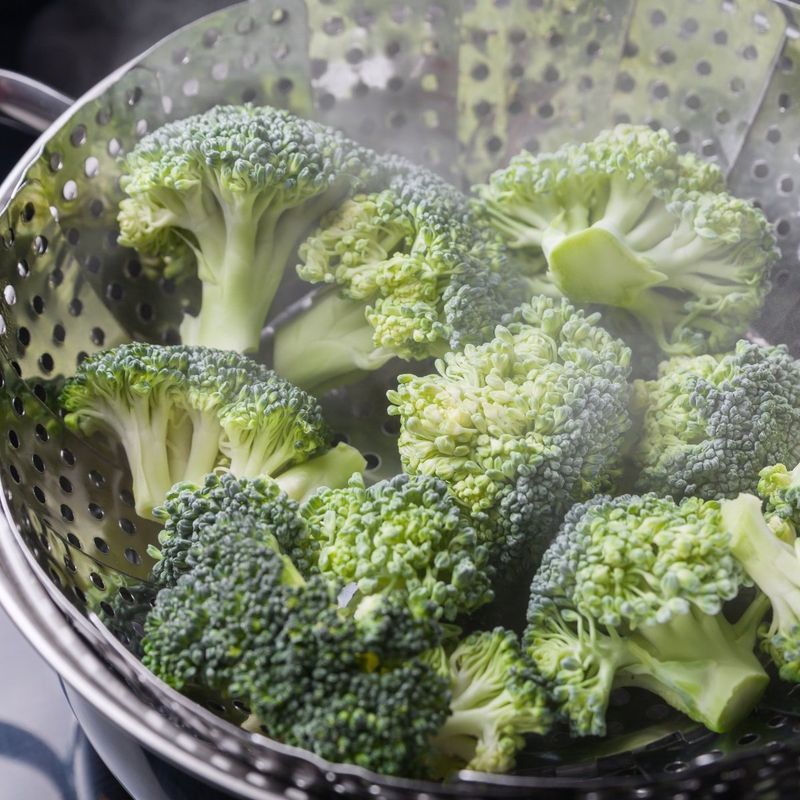
Harnessing the power of steam can significantly reduce pesticide residues on fruit. Using a microwave to create steam is both quick and effective. Simply place your fruits in a microwave-safe bowl with a little water and heat for a short period. The steam works to loosen and lift residue from the fruit’s surface. While not suitable for all fruit types, this method is perfect for berries and other small fruits. Remember to let them cool before handling. This method offers an innovative use of household appliances for healthier eating.
9. Ozone Generator Cleaning

Ozone generators are becoming popular for their ability to purify air and water, but they can also cleanse fruit. An ozone generator produces ozone gas, which can break down pesticides on fruit surfaces. By immersing your fruits in water treated with ozone, you ensure a thorough clean. This method not only removes residues but can also extend the fruit’s shelf life. As ozone is a natural and powerful oxidizer, it provides an environmentally friendly way to enjoy cleaner fruits. Consider this method for high-tech fruit preparation.
10. Ultrasonic Cleaner Method
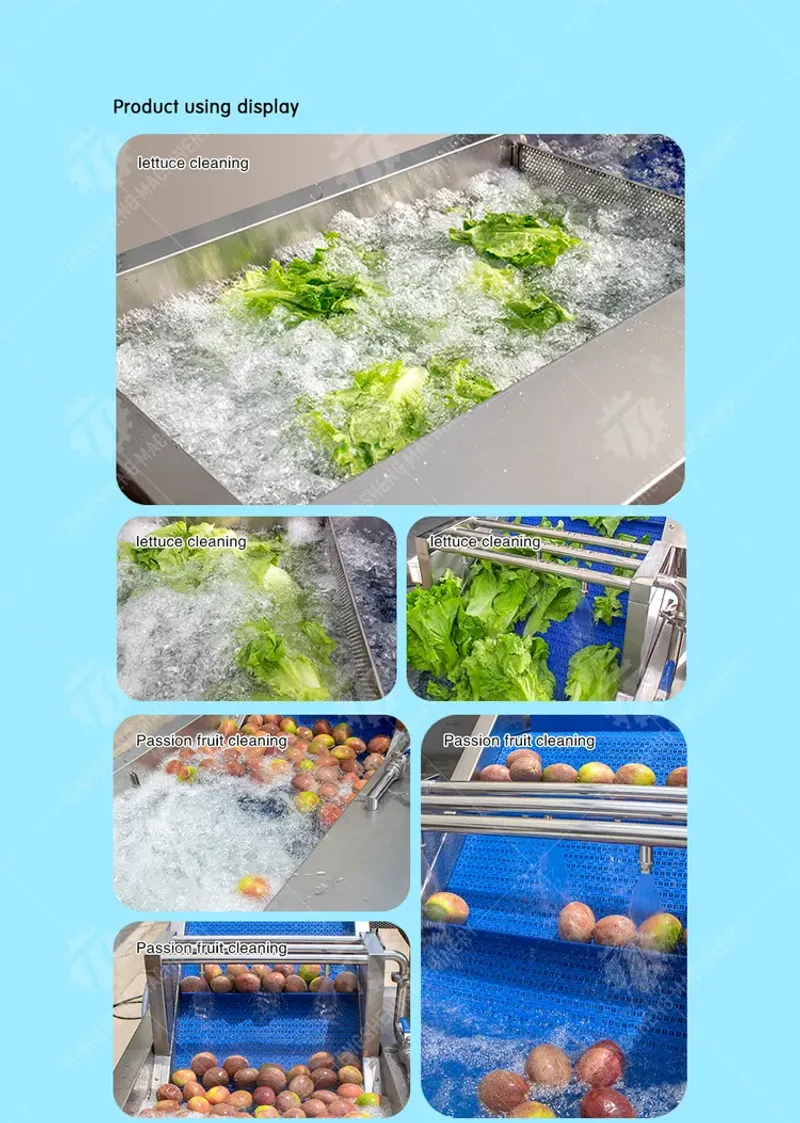
Ultrasonic cleaners, often used for jewelry, can also clean fruits. These devices send ultrasonic waves through water, creating microbubbles that agitate and remove residues. Place your fruits in the cleaner’s basin, add water, and let the machine work its magic. The ultrasonic waves ensure deep cleaning, even reaching tiny crevices. This method is particularly useful for grapes, apples, and other fruits with uneven surfaces. It’s a high-tech solution that marries convenience with thorough cleaning, providing reassurance in every bite.
11. Carbonated Water Rinse
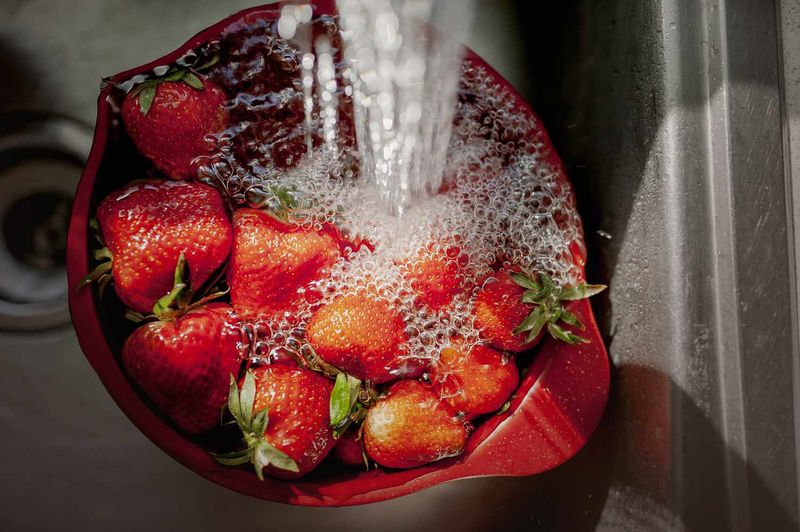
Carbonated water isn’t just for drinking! Its effervescence can help cleanse fruits by lifting residues from their skin. Pour carbonated water over your fruits and watch as the bubbles agitate the surface, loosening dirt and pesticides. This gentle method is particularly effective for delicate fruits like strawberries and raspberries. After a thorough rinse, your fruits will feel fresher and cleaner, ready for consumption. It’s a fun, fizzy way to ensure your fruits are as pure as they are delicious.
12. Essential Oil Spray
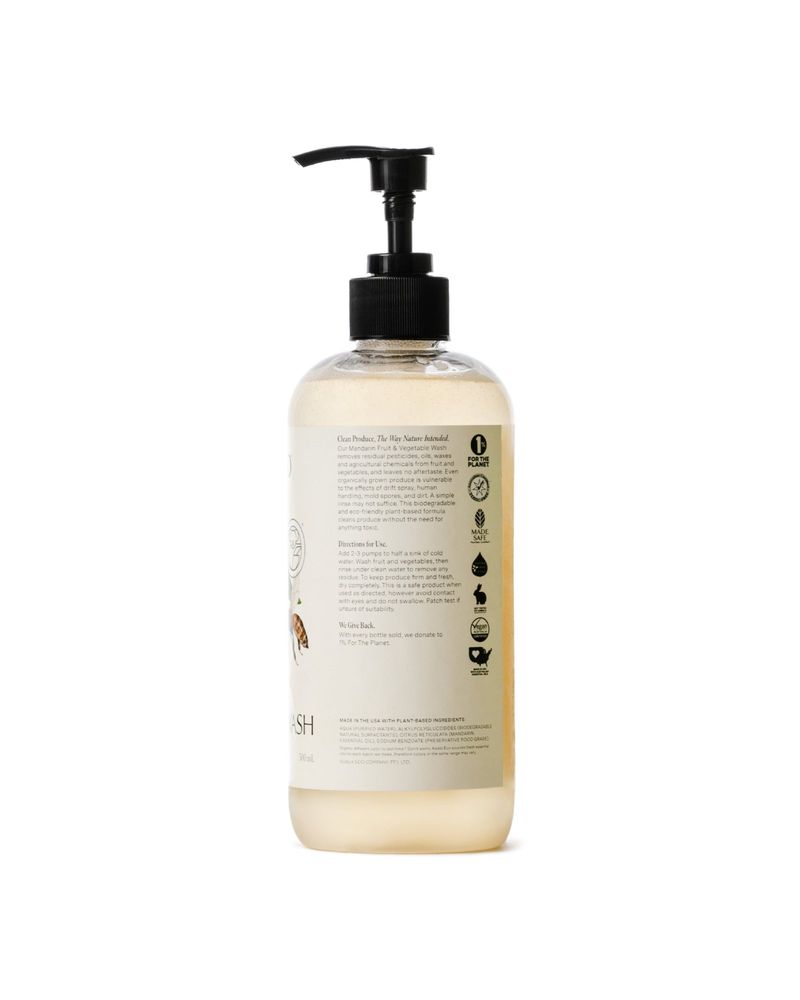
Essential oils are renowned for their aromatic properties, but they can also be used to clean fruits. Create a spray by diluting a few drops of food-grade essential oil in water. Mist the solution over your fruits, allowing the natural compounds to interact with and break down residues. This method not only cleans but also imparts a subtle, pleasant fragrance. Remember to rinse the fruits thoroughly afterward. It’s a fragrant and effective approach to achieving clean, healthy produce.
13. Rice Water Soak
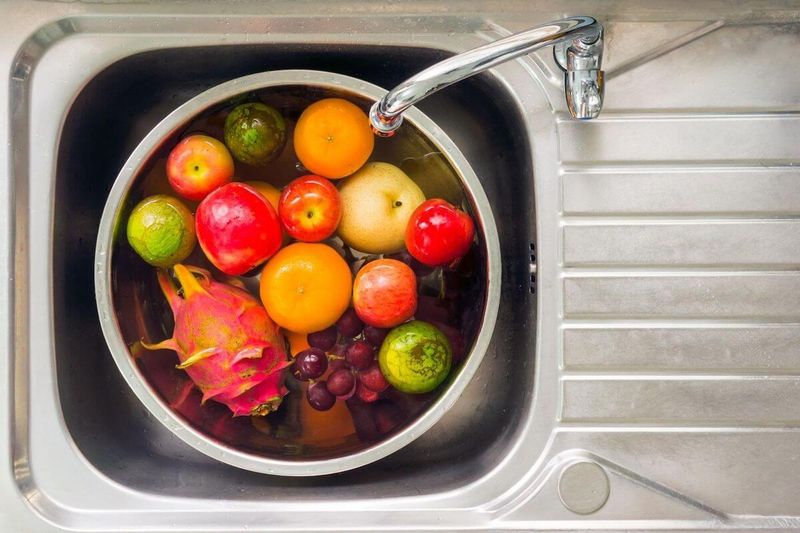
The milky water left after rinsing rice is not waste—it’s a gentle cleaning agent for fruits. Submerge your fruits in rice water for a few minutes, allowing its natural starches to lift away pesticide residues. This traditional method, often used in Asian households, offers a sustainable way to clean fruits. Plus, it’s an excellent use of a natural byproduct that would otherwise be discarded. After soaking, rinse the fruits with fresh water to ensure all residues are removed.
14. Grapefruit Seed Extract Solution
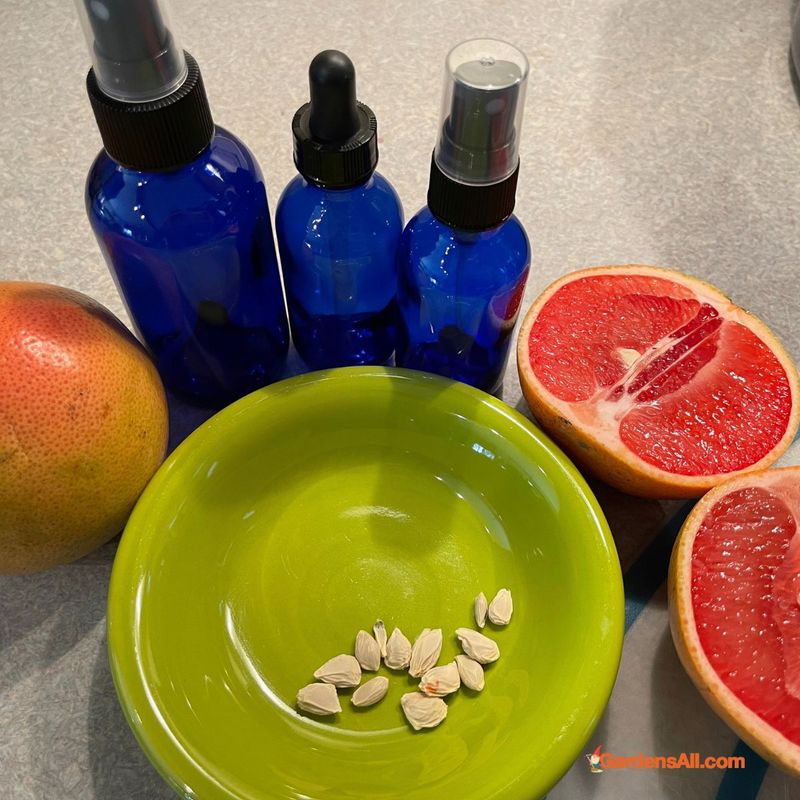
Grapefruit seed extract is a powerful natural antiseptic, perfect for cleaning fruits. By mixing a few drops with water, you create a solution that can break down pesticides and kill bacteria. Soak your fruits in this mixture for a few minutes to ensure thorough cleaning. This method is particularly beneficial for citrus fruits, enhancing both safety and freshness. Always rinse well with clean water after soaking. Embrace this method for a clean that’s both effective and naturally derived.
15. Clay Powder Rinse
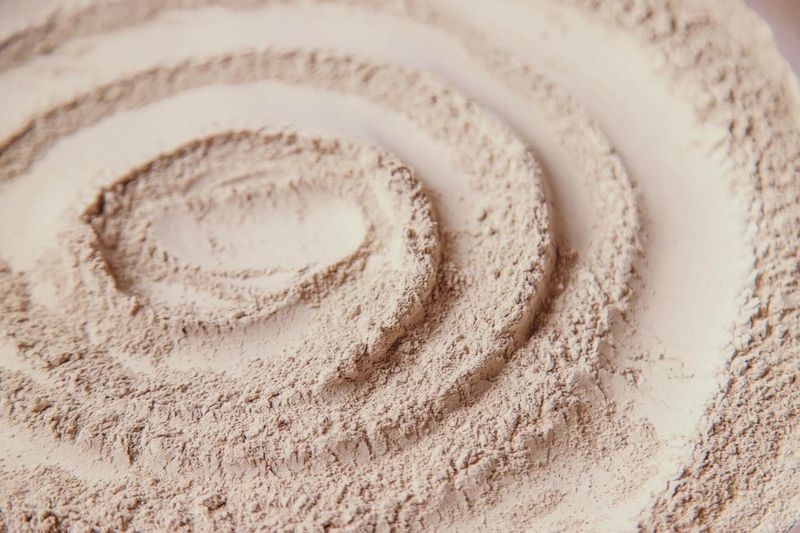
Clay powder, known for its absorbing abilities, can be used to clean fruits. By mixing clay powder with water, you form a paste that adheres to fruit surfaces, drawing out impurities and pesticides. Gently rub this paste onto your fruits, allowing it to dry slightly before rinsing. The clay’s natural properties make it a safe and effective cleanser. This unique method not only cleans but also enriches the fruit with trace minerals, offering a holistic approach to fruit hygiene.