
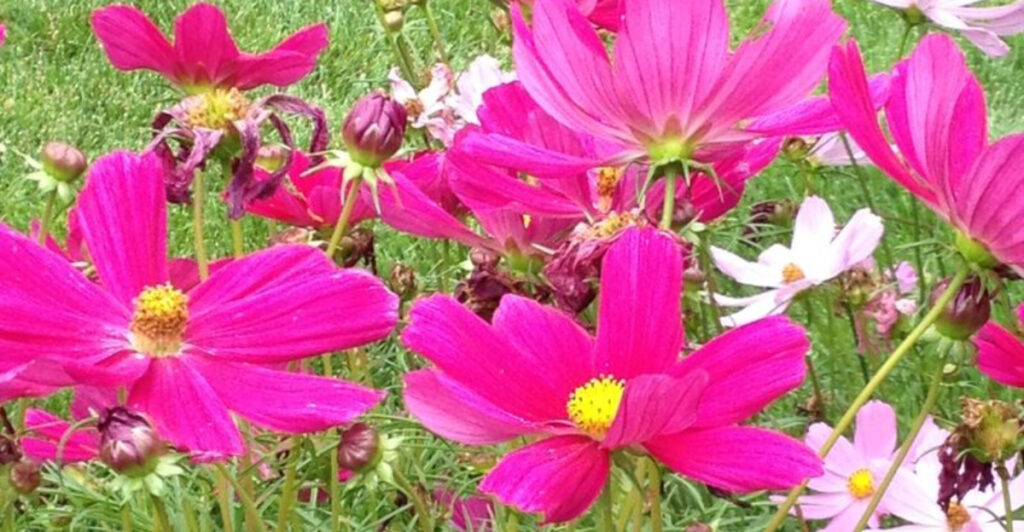
Adding flowers to your vegetable garden isn’t just about making it look pretty.
Certain blooms can actually help your vegetables grow better by attracting helpful insects, keeping pests away, and improving soil health.
Smart gardeners know that the right flowers can turn an ordinary vegetable patch into a thriving ecosystem that produces more food with less work.
1. Marigolds
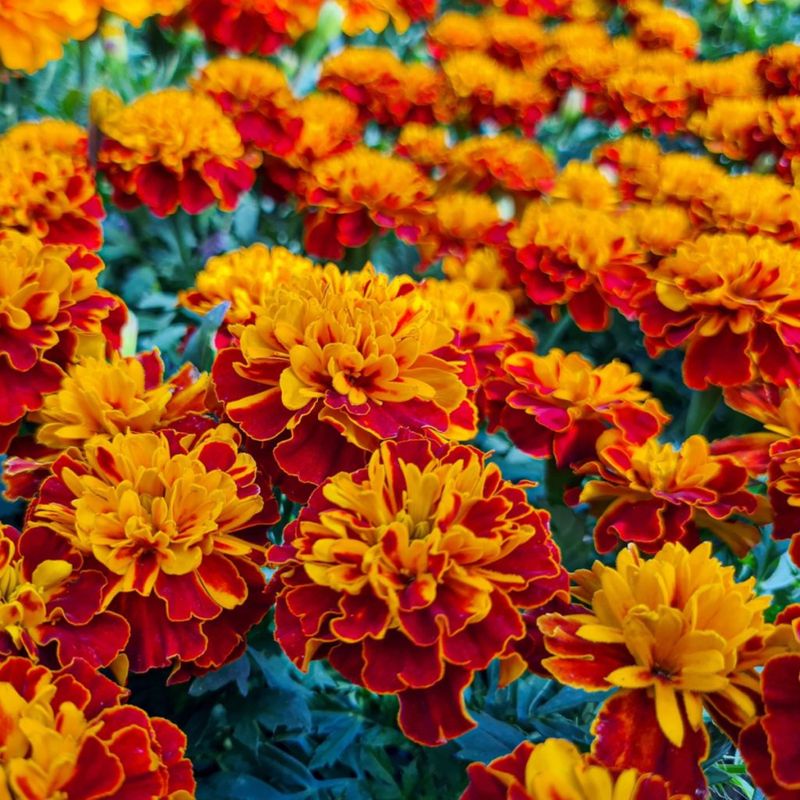
French marigolds pack a powerful punch against garden pests with their strong scent. These bright orange and yellow flowers naturally repel aphids, whiteflies, and even harmful nematodes in the soil.
Plant them around tomatoes, peppers, and eggplants for best results. Their compact size makes them perfect border plants that won’t compete with your vegetables for space or nutrients.
2. Nasturtiums
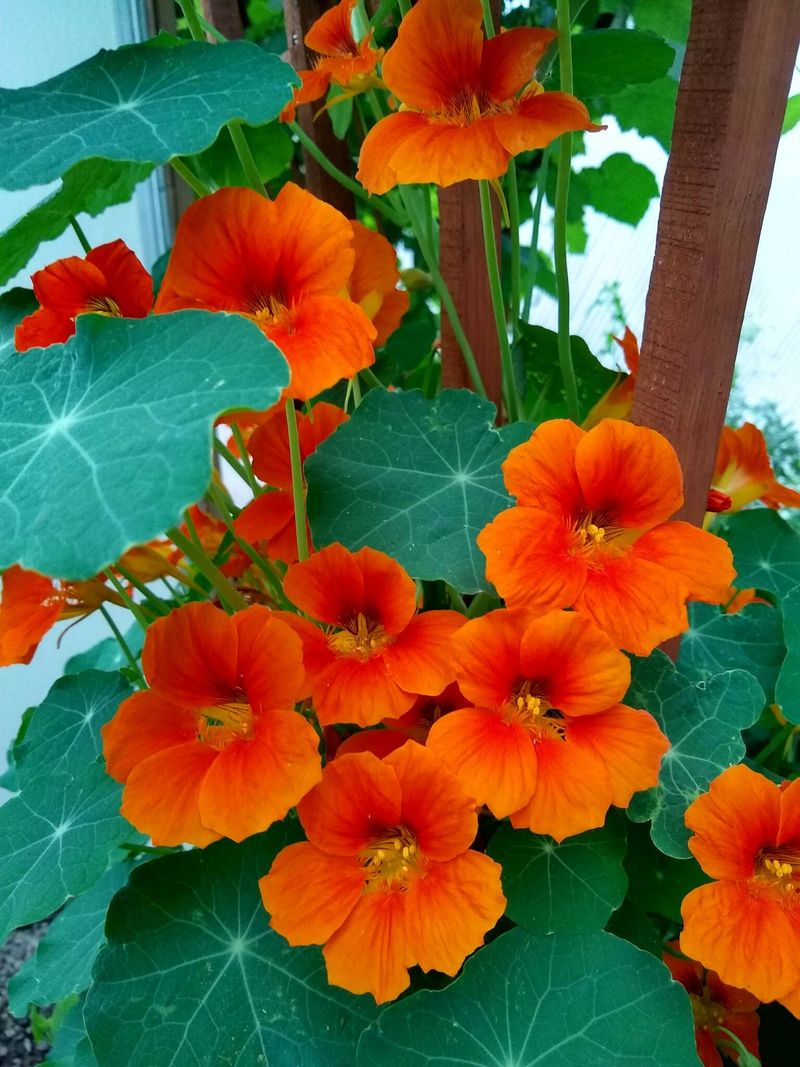
Climbing nasturtiums serve double duty as both pest deterrents and edible additions to your salads. Their peppery leaves and colorful flowers taste great while keeping cucumber beetles and squash bugs away from your crops.
These fast-growing vines also act as living mulch, covering bare soil and preventing weeds. Plus, their vibrant red, orange, and yellow blooms attract beneficial predatory insects.
3. Sunflowers
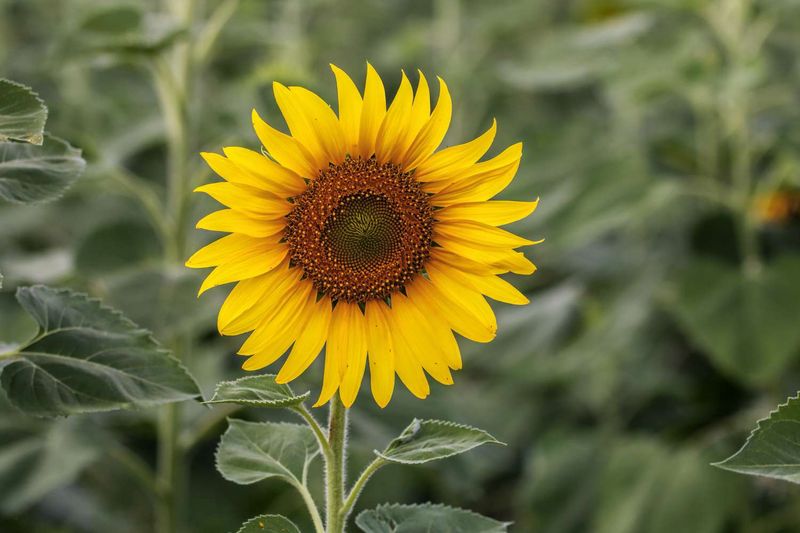
Towering sunflowers create natural support structures for climbing beans and peas while their massive flower heads attract pollinators from miles around. Native Americans traditionally used this planting method called the “Three Sisters.”
Choose shorter varieties for smaller gardens, or plant tall ones along the north side to avoid shading other crops. Their deep roots also help break up compacted soil naturally.
4. Calendula
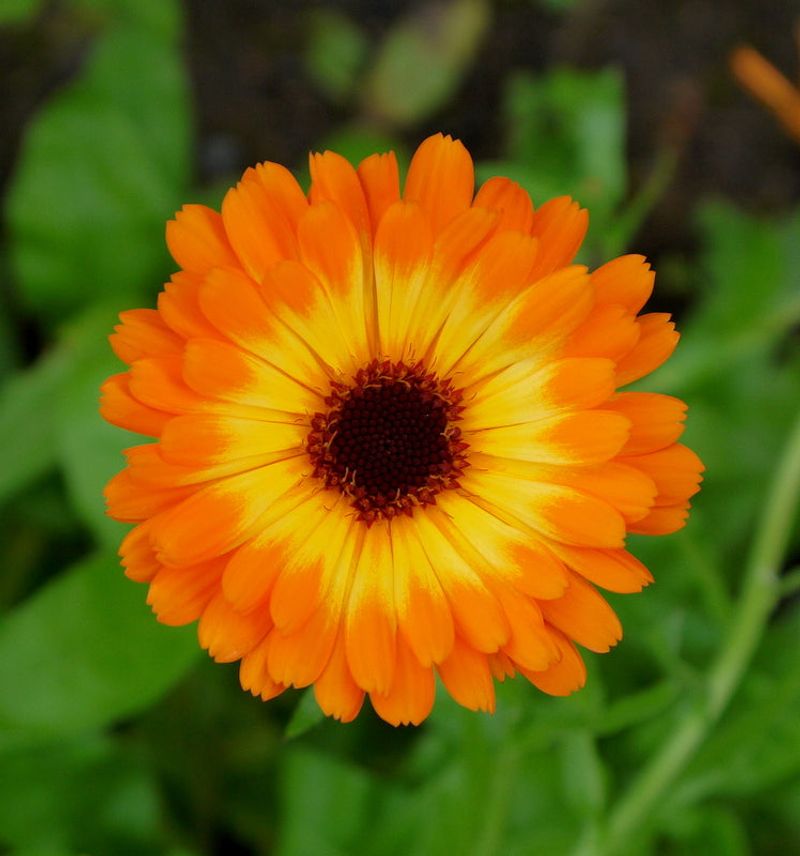
Calendula’s cheerful orange and yellow petals hide a secret weapon against garden pests. These flowers release compounds that repel aphids, thrips, and tomato hornworms while attracting beneficial ladybugs and lacewings.
Harvest the petals for soothing skin remedies or colorful salad garnishes. Calendula blooms continuously from spring until frost, providing season-long protection and beauty for your vegetable beds.
5. Cosmos
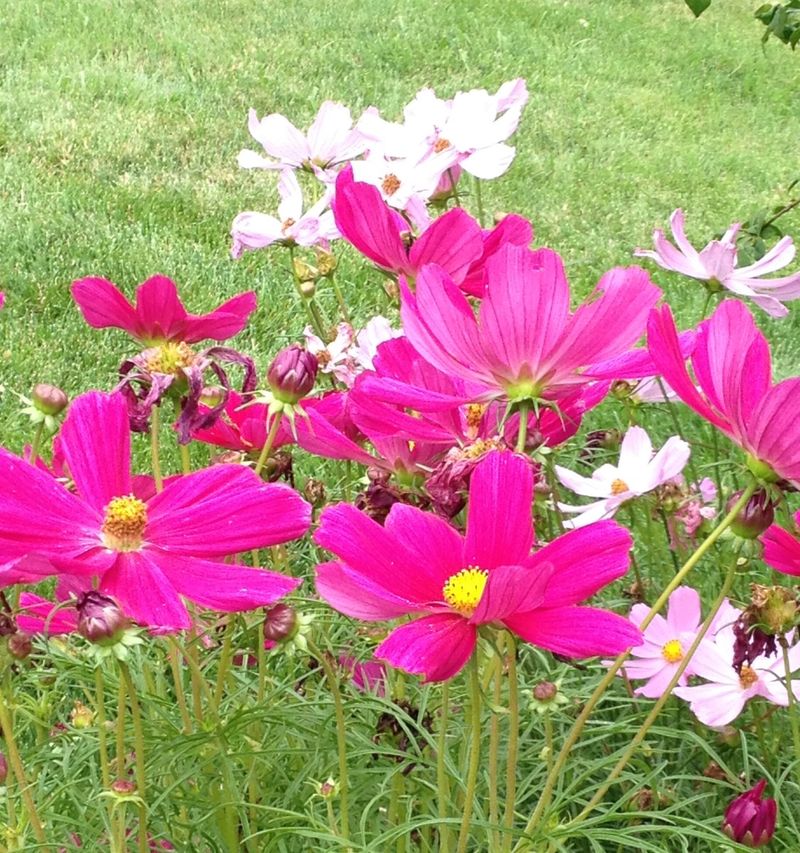
Delicate cosmos flowers might look fragile, but they’re tough enough to thrive in poor soil where vegetables struggle. Their feathery foliage and daisy-like blooms in pink, white, and orange create perfect landing pads for beneficial insects.
Plant cosmos around the edges of your garden beds to attract parasitic wasps and hoverflies. These helpful bugs will patrol your vegetables, hunting down harmful pests naturally.
6. Zinnias
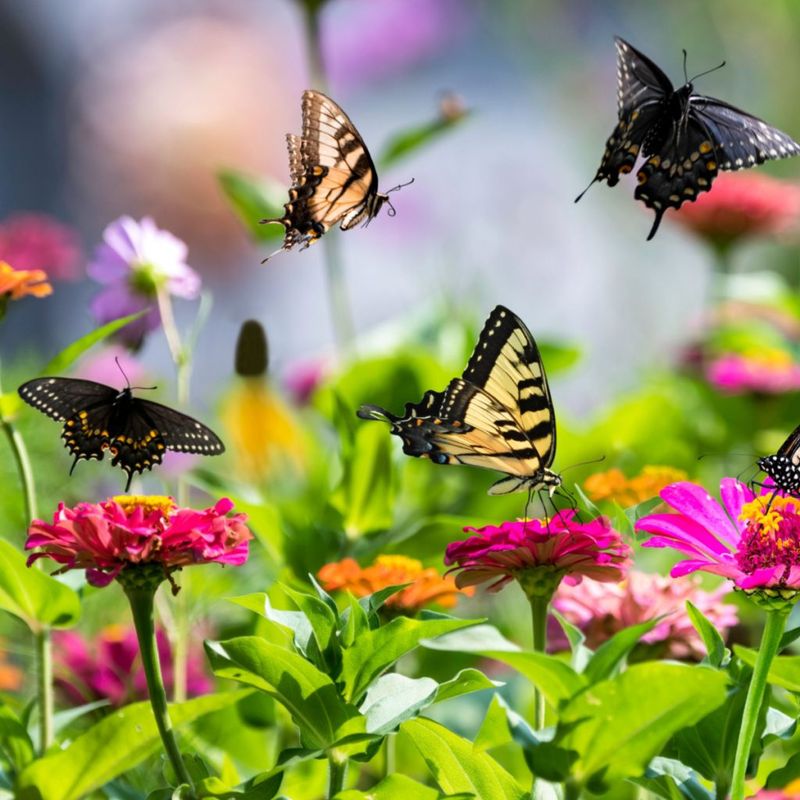
Bright zinnias work overtime to support your vegetable garden’s ecosystem. Their flat, colorful flower heads serve as perfect landing strips for butterflies, bees, and other pollinators that your squash, cucumbers, and melons desperately need.
Choose disease-resistant varieties and plant them in full sun for best results. Zinnias bloom all season long with minimal care, making them ideal for busy gardeners who want maximum impact.
7. Sweet Alyssum
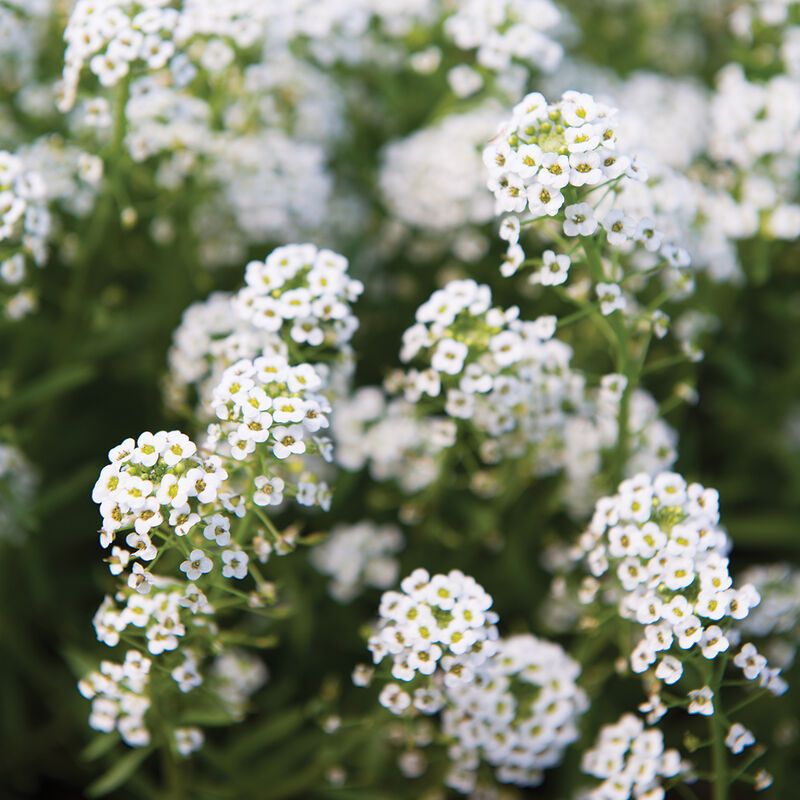
Tiny sweet alyssum flowers create a living carpet that beneficial insects absolutely love. This low-growing annual produces clusters of small white, pink, or purple blooms that smell like honey and attract tiny parasitic wasps.
Use alyssum as ground cover between larger vegetables or along pathway edges. Its shallow roots won’t compete with your crops, and it helps retain soil moisture while suppressing weeds naturally.
8. Borage
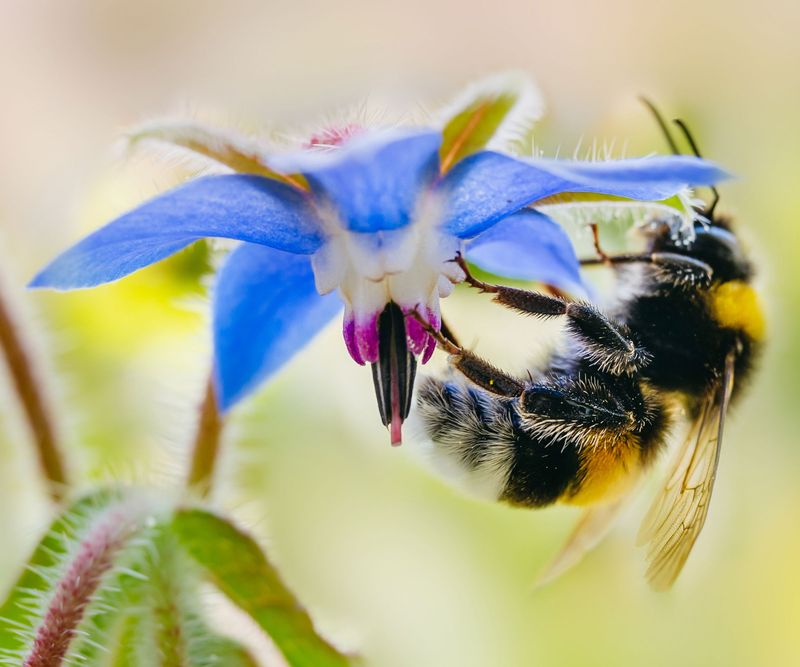
Borage earns its nickname “bee bread” by attracting more pollinators than almost any other garden flower. The star-shaped blue blooms contain nectar that bees find irresistible, making it essential for gardens with fruiting vegetables.
This herb also improves the flavor of nearby tomatoes and strawberries according to many gardeners. Borage self-seeds readily, so you’ll have natural pest control returning year after year without replanting.
9. Lavender
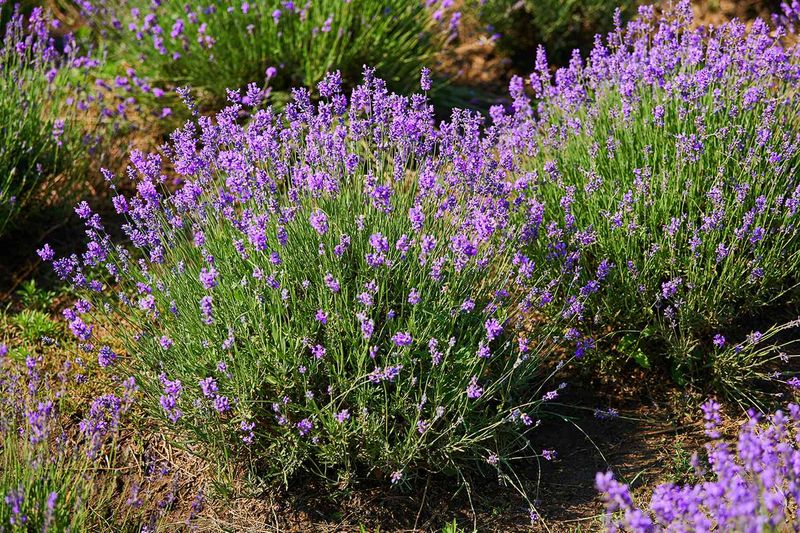
Fragrant lavender creates a natural barrier against many common garden pests while attracting beneficial pollinators with its purple flower spikes. Deer, rabbits, and most insects avoid its strong scent, protecting nearby vegetables.
Plant lavender along garden borders or in containers that can be moved around as needed. Its drought tolerance makes it perfect for water-wise gardens, and you can harvest the flowers for cooking or crafts.
10. Dill
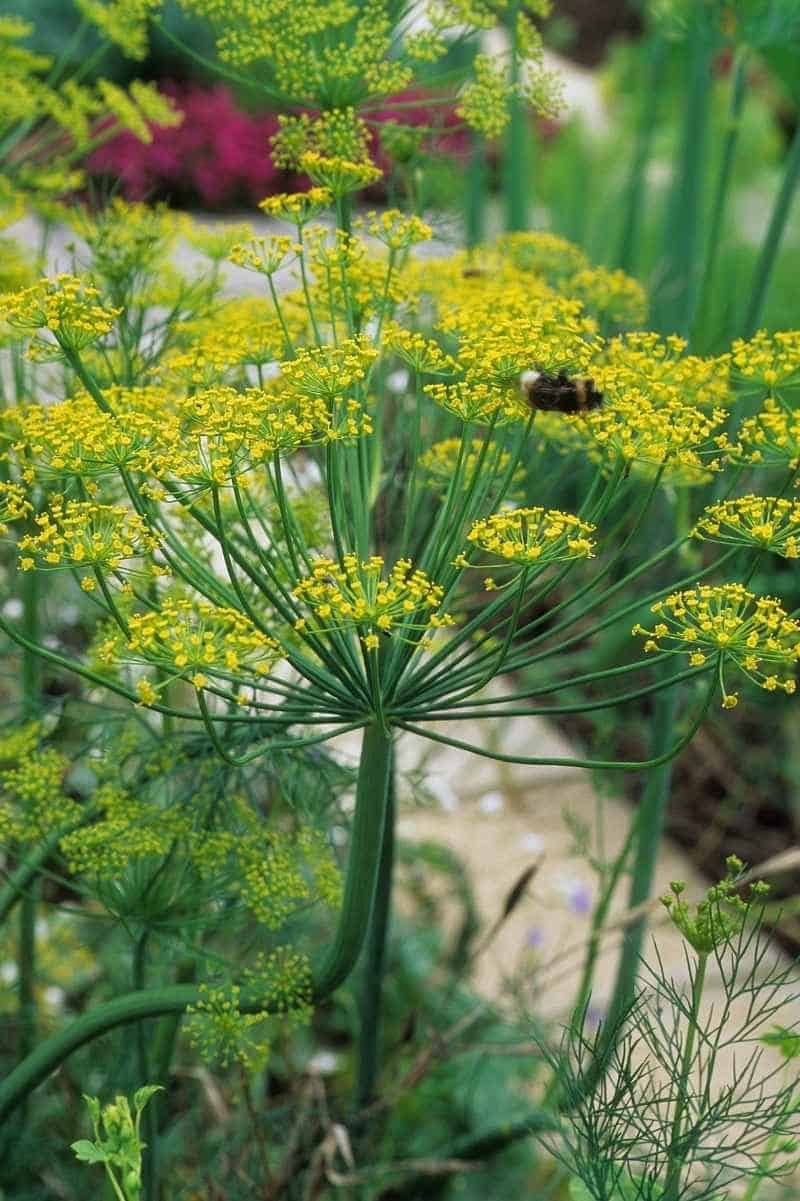
Feathery dill flowers might look delicate, but they’re powerhouses for attracting beneficial insects to your vegetable garden. The umbrella-shaped yellow blooms draw predatory wasps, ladybugs, and lacewings that hunt harmful pests.
Let some dill plants go to flower instead of harvesting all the leaves for cooking. Position them near brassicas like cabbage and broccoli, where they’ll help control cabbage worms and aphids naturally.
11. Petunias
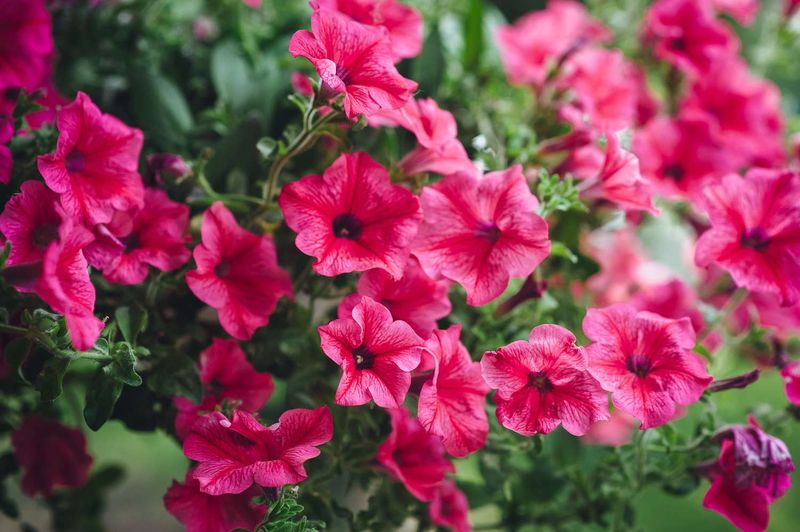
Colorful petunias do more than just brighten up your garden beds. These popular annuals naturally repel aphids, tomato hornworms, and squash bugs with compounds in their leaves and flowers.
Plant petunias around tomatoes, peppers, and squash for natural pest protection. Choose varieties in purple, pink, white, or red that bloom continuously all season. Their trumpet-shaped flowers also attract hummingbirds and beneficial insects to your garden.
12. Four O’Clocks
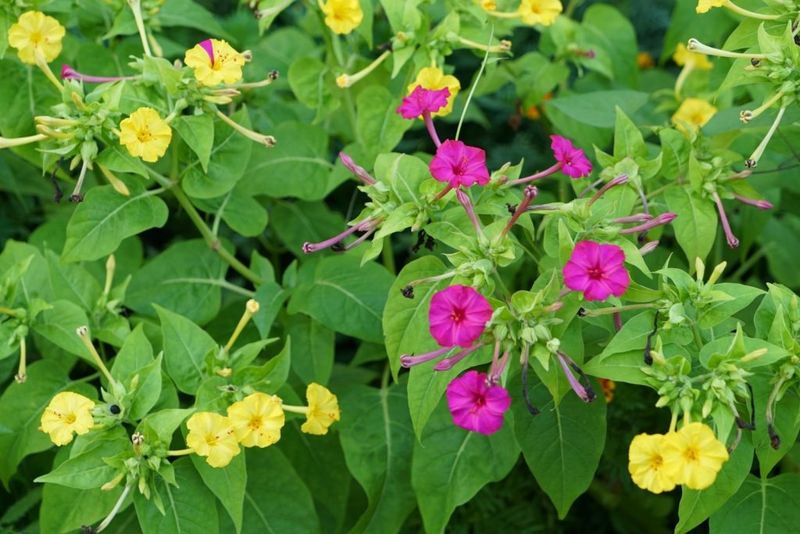
Four o’clocks open their fragrant flowers in late afternoon, just when many beneficial night-flying insects become active. These colorful blooms in pink, yellow, white, and red attract sphinx moths and other pollinators.
Japanese beetles find four o’clocks irresistible but toxic, making them excellent trap plants to protect your beans and roses. Plant them away from vegetables you want to protect, and they’ll lure pests to their doom.
13. Celosia
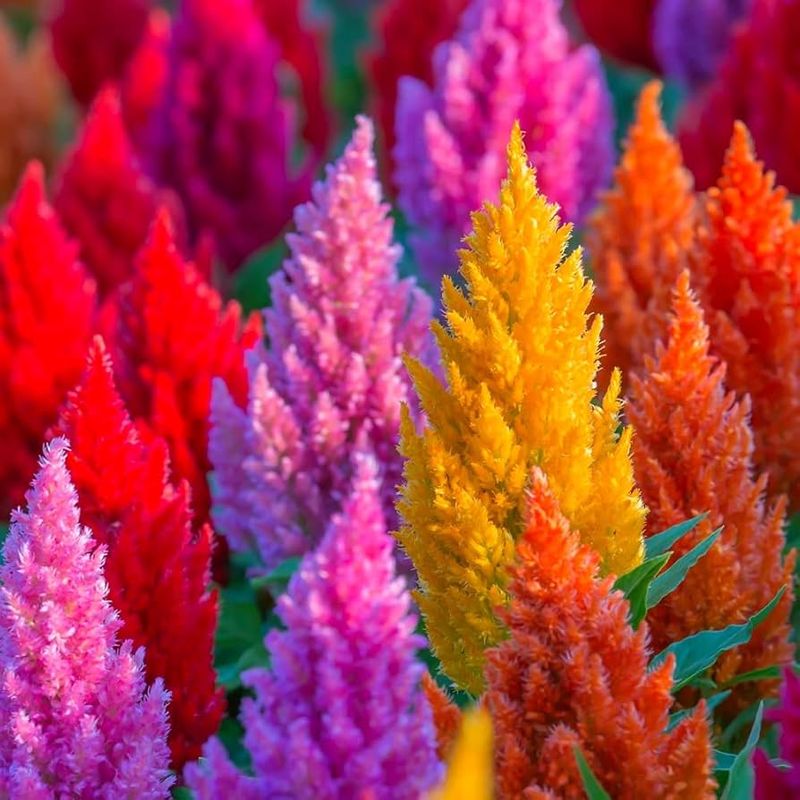
Vibrant celosia flowers come in unique shapes that look like flames or rooster combs, adding dramatic color to vegetable gardens. Their dense flower heads attract beneficial insects while their sturdy stems won’t flop over in storms.
Choose celosia varieties in red, orange, yellow, or pink to create stunning combinations with green vegetables. These heat-loving annuals thrive in the same hot conditions that tomatoes, peppers, and eggplants prefer.
14. Bachelor’s Buttons
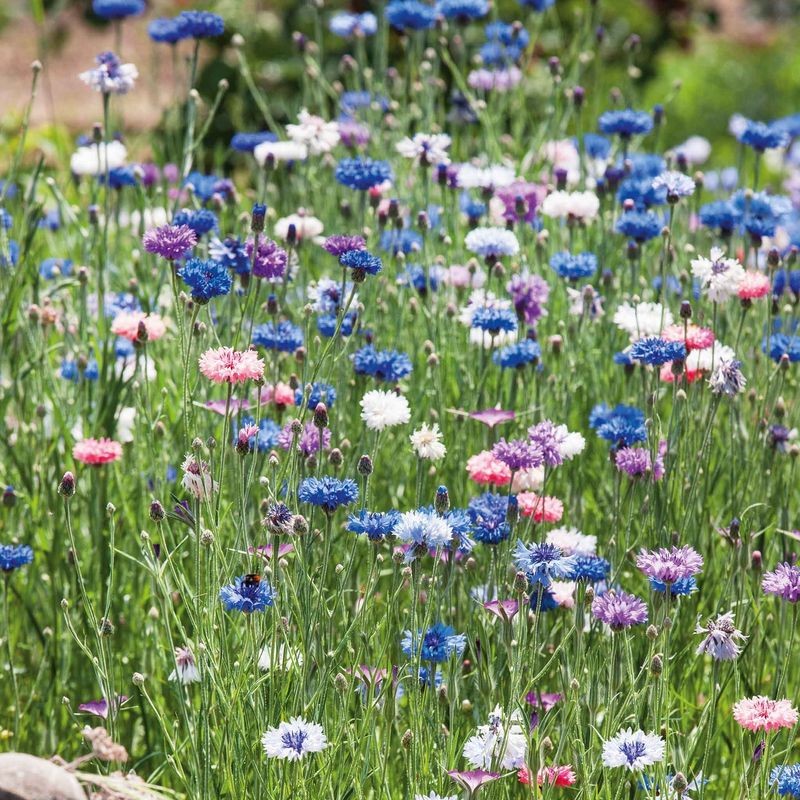
Cornflower blue bachelor’s buttons bring old-fashioned charm while attracting beneficial insects that help control garden pests. These hardy annuals self-seed readily, creating natural colonies that return each year.
Plant bachelor’s buttons around corn, beans, and peas for a classic cottage garden look. Their deep taproot helps break up clay soil, and the flowers make excellent cuts for indoor bouquets without harming the plant’s pest-fighting abilities.
15. Cleome
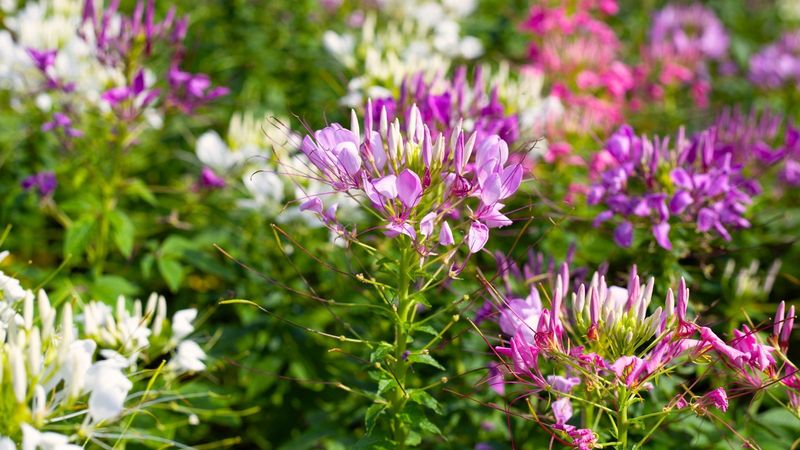
Spider flower cleome creates dramatic height in vegetable gardens with its tall stems topped by clusters of pink, white, or purple blooms. The unusual flowers attract beneficial insects while the plant’s strong scent deters many pests.
Use cleome as a natural backdrop for shorter vegetables like lettuce and radishes. Its deep roots won’t compete with shallow-rooted crops, and the flowers bloom continuously until frost despite heat and drought.
16. Ageratum
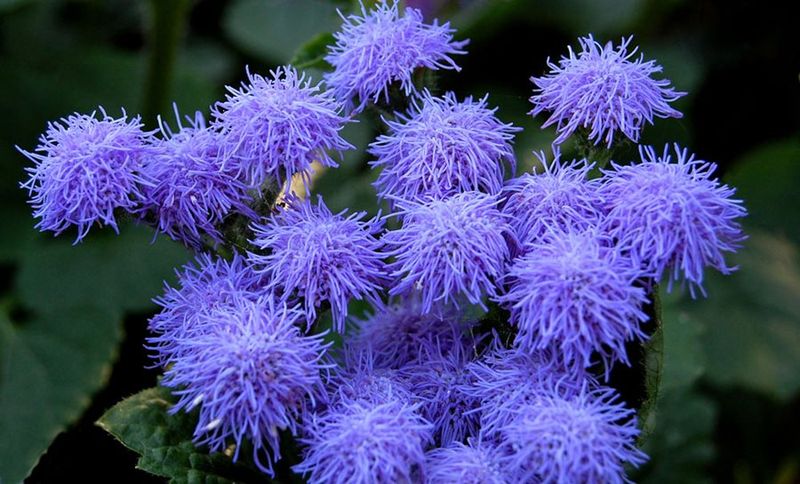
Fluffy ageratum flowers in blue, purple, or white create perfect landing pads for tiny beneficial insects that larger flowers can’t accommodate. These compact annuals stay low and won’t shade nearby vegetables.
Plant ageratum along pathways or as edging around raised beds where its continuous blooms can attract helpful predatory mites and minute pirate bugs. These microscopic allies hunt thrips, spider mites, and other tiny pests that damage vegetable crops.
17. Salvia
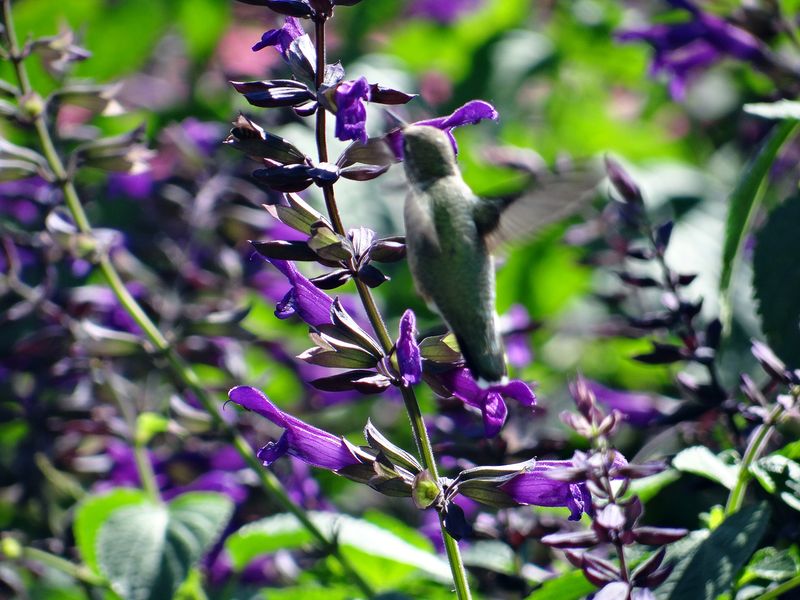
Spiky salvia flowers in red, purple, or blue attract hummingbirds and beneficial insects while their aromatic foliage repels many garden pests. These drought-tolerant perennials come back year after year in most climates.
Position salvias near the edges of vegetable beds where their vertical flower spikes create structure and color. Bees and butterflies love the tubular blooms, ensuring good pollination for your squash, cucumbers, and melons throughout the growing season.
18. Nicotiana
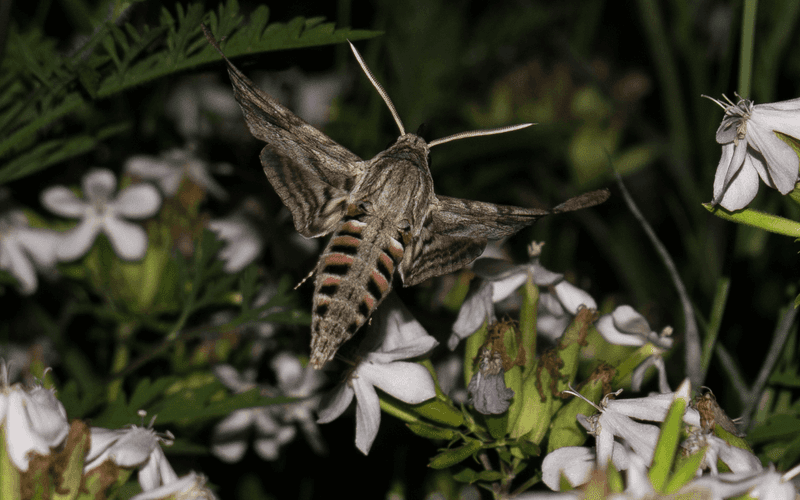
Evening-scented nicotiana opens its trumpet-shaped flowers at dusk, releasing an intoxicating fragrance that attracts night-flying beneficial insects. These tall annuals come in white, pink, red, and lime green varieties.
Plant nicotiana where you can enjoy its perfume during evening garden walks. The flowers attract sphinx moths and other nocturnal pollinators that help with late-blooming vegetables. Choose shorter varieties for containers or taller ones for dramatic backdrops.
19. Alyssum Montanum
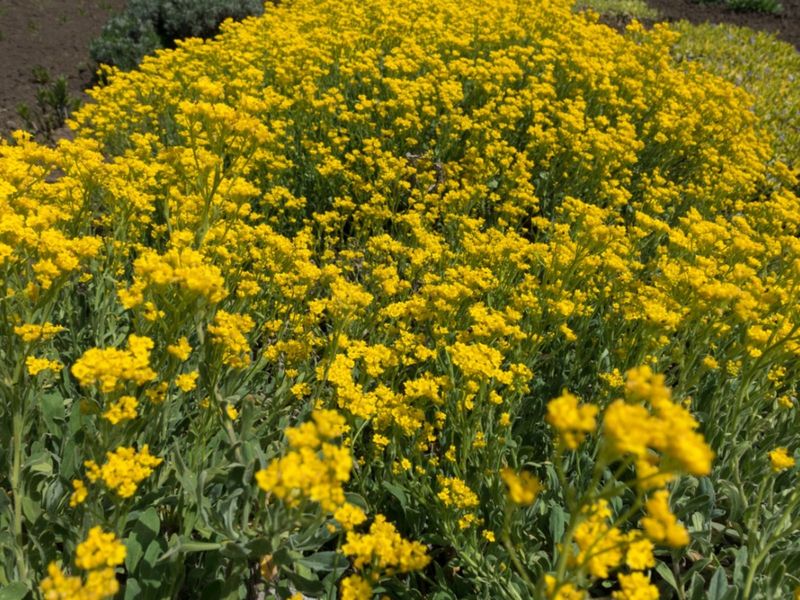
Perennial mountain alyssum forms spreading mats of tiny yellow flowers that bloom early in spring when few other flowers are available. This hardy groundcover provides nectar for emerging beneficial insects when they need it most.
Plant mountain alyssum around permanent crops like asparagus and rhubarb where it can spread naturally. Its early blooms help establish populations of helpful predatory insects before pest problems develop, giving your garden a head start on natural pest control.
20. Amaranth
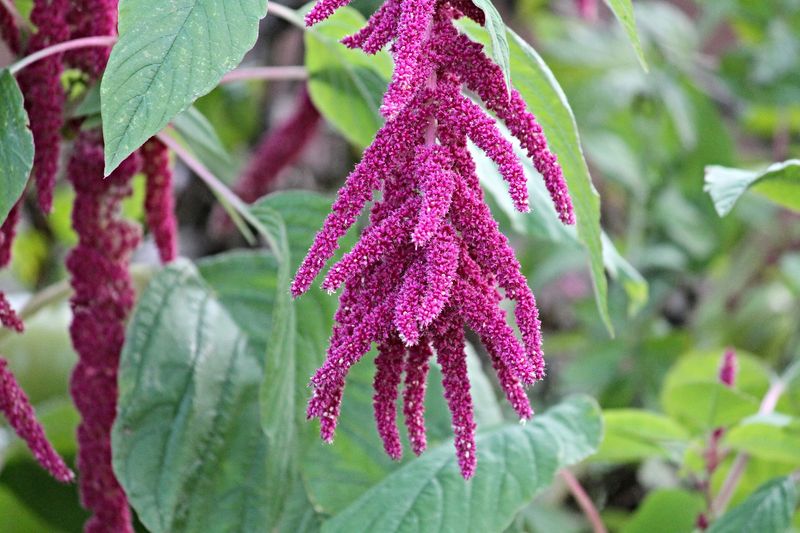
Dramatic amaranth produces cascading flower heads in deep red, purple, or green that attract beneficial insects while providing edible leaves and seeds. These heat-loving plants thrive in the same conditions as warm-season vegetables.
Use tall amaranth varieties as living screens or windbreaks for tender crops. The protein-rich seeds can be harvested for cooking, while the colorful flower heads attract predatory beetles and other beneficial insects that patrol your vegetable garden.