 Complete Gardening
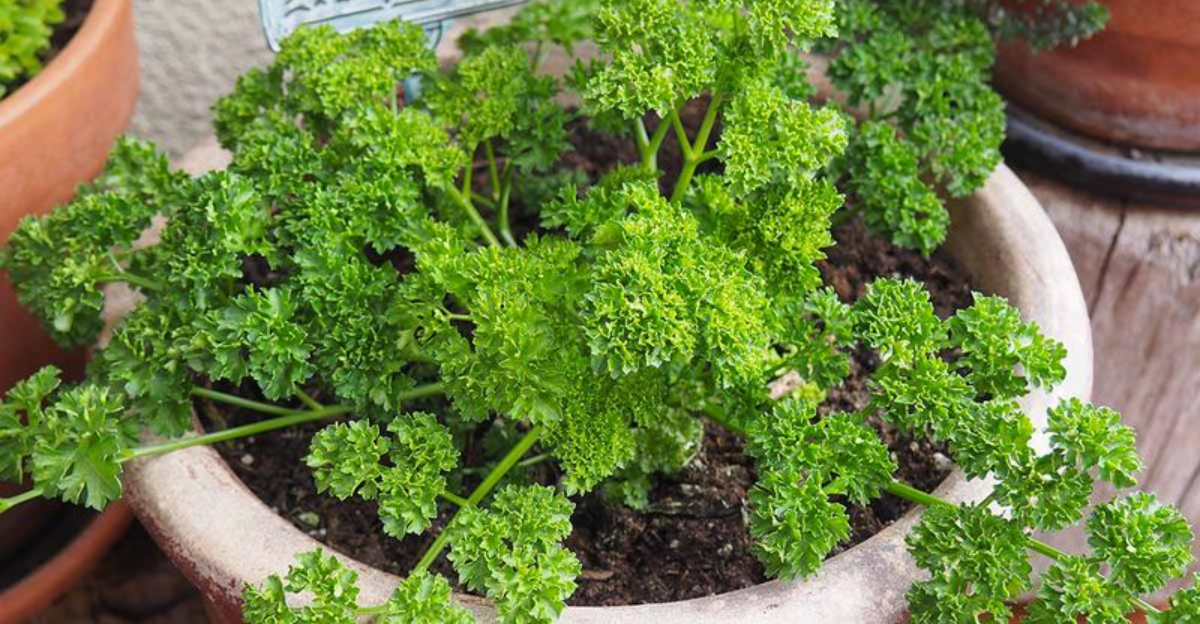
Summer’s winding down, but your container garden doesn’t have to stop producing fresh vegetables.
Many cool-season crops actually prefer the milder temperatures of late summer and fall, giving you a second chance at homegrown goodness.
These twenty vegetables will thrive in pots and planters, providing you with fresh harvests well into autumn and sometimes even winter.
1. Lettuce
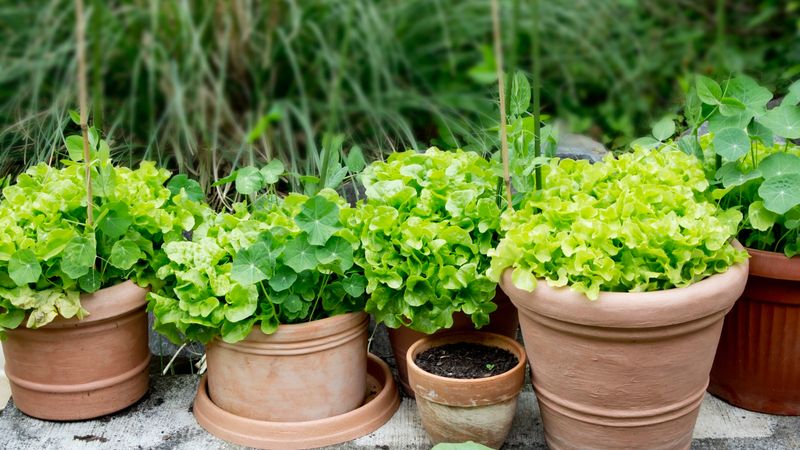
Cool weather brings out lettuce’s best qualities, making late summer the perfect planting time. Hot temperatures cause lettuce to bolt and turn bitter, but fall’s gentle climate produces crisp, sweet leaves.
Choose loose-leaf varieties like Red Sails or Buttercrunch for continuous harvesting. Plant seeds every two weeks for a steady supply of fresh greens throughout autumn.
2. Spinach
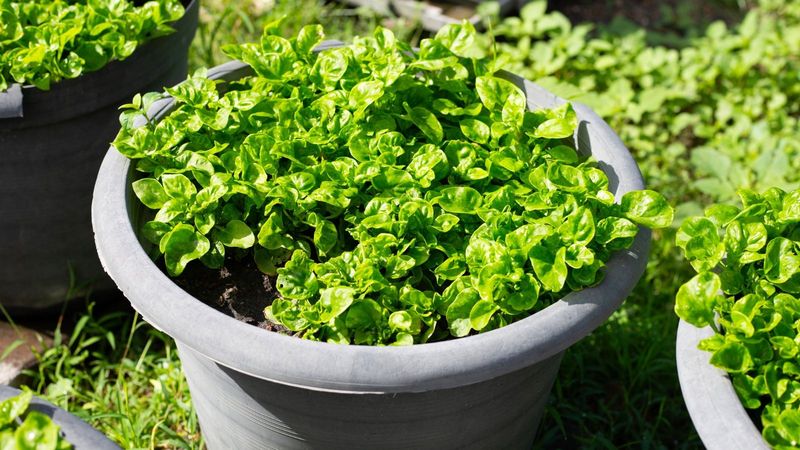
Spinach absolutely loves cool weather and will reward your late-summer planting with tender, flavorful leaves. Unlike spring plantings that quickly bolt in rising temperatures, fall spinach grows slowly and stays sweet.
Space plants about four inches apart in wide, shallow containers. Baby spinach leaves are ready in just thirty days, perfect for salads and smoothies.
3. Radishes
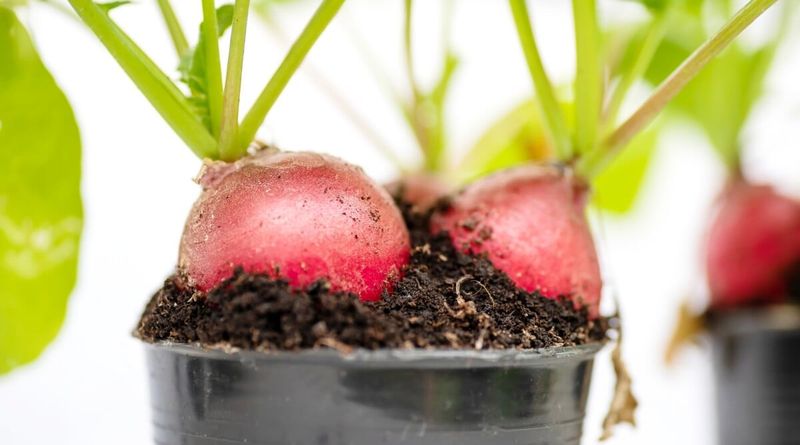
Fast-growing radishes are the instant gratification of container gardening. Most varieties mature in just twenty-five to thirty days, making them perfect for impatient gardeners.
Plant seeds directly in containers at least six inches deep. Cool fall weather produces the crispest, mildest radishes with less of that sharp bite you get from summer-grown ones.
4. Carrots
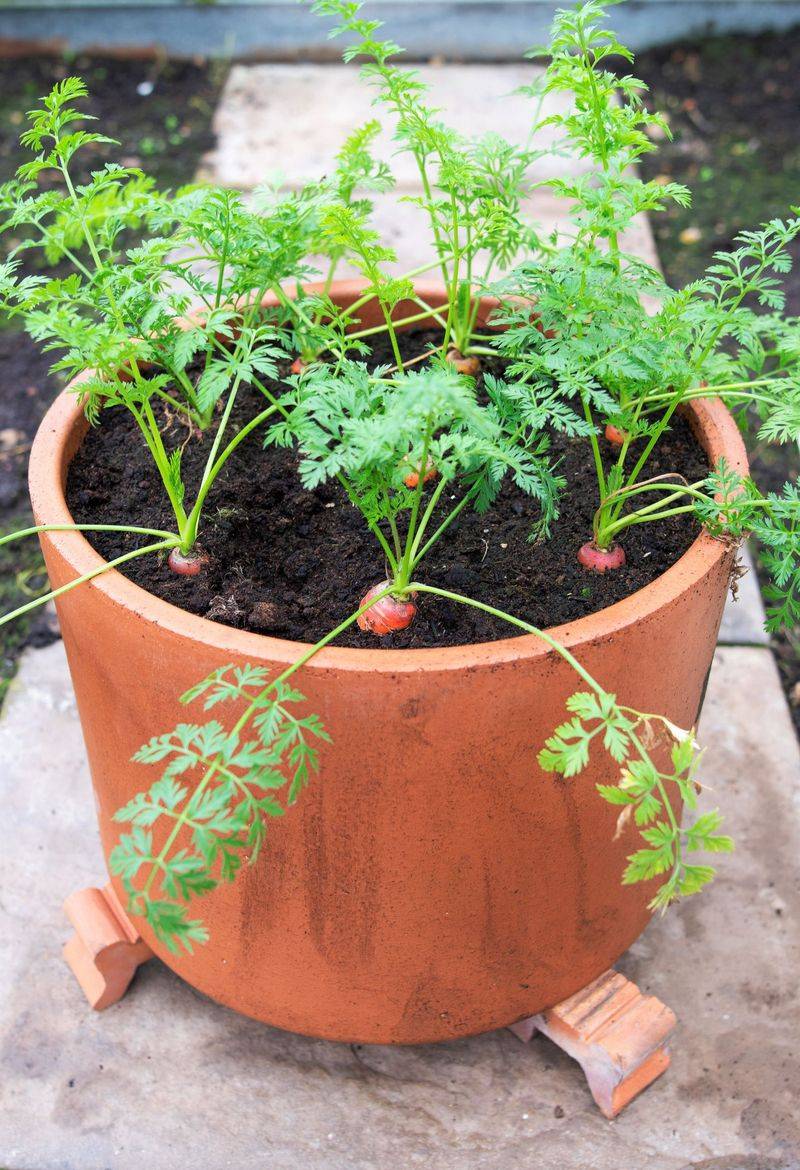
Container carrots need deep pots but reward you with incredibly sweet roots. Fall-grown carrots are actually sweeter than spring ones because cool weather converts starches to sugars.
Choose shorter varieties like Paris Market or Thumbelina for containers. Thin seedlings to prevent crowding, and keep soil consistently moist for straight, tender roots that taste amazing.
5. Kale
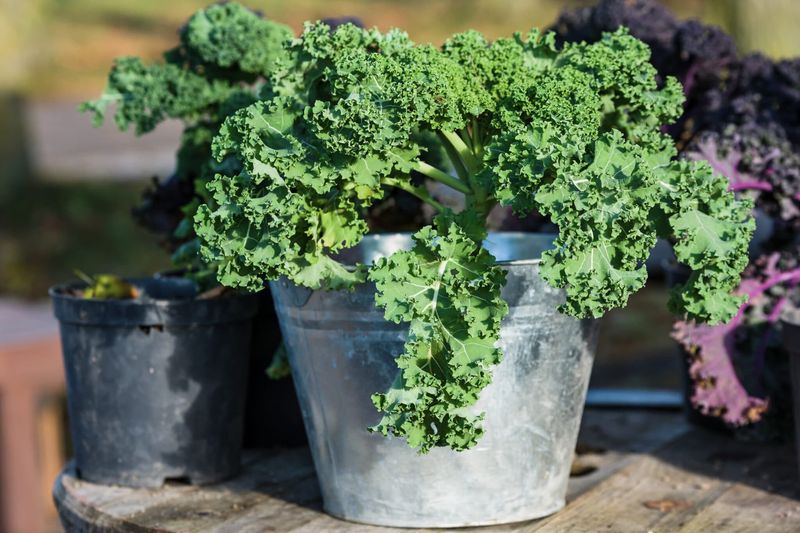
Frost actually improves kale’s flavor, making it sweeter and less bitter. This superfood green thrives in cool weather and can handle light freezes without protection.
Plant transplants or seeds in late summer for harvests that continue through winter. Pick outer leaves regularly to encourage new growth, and you’ll have fresh kale for months of healthy meals.
6. Arugula
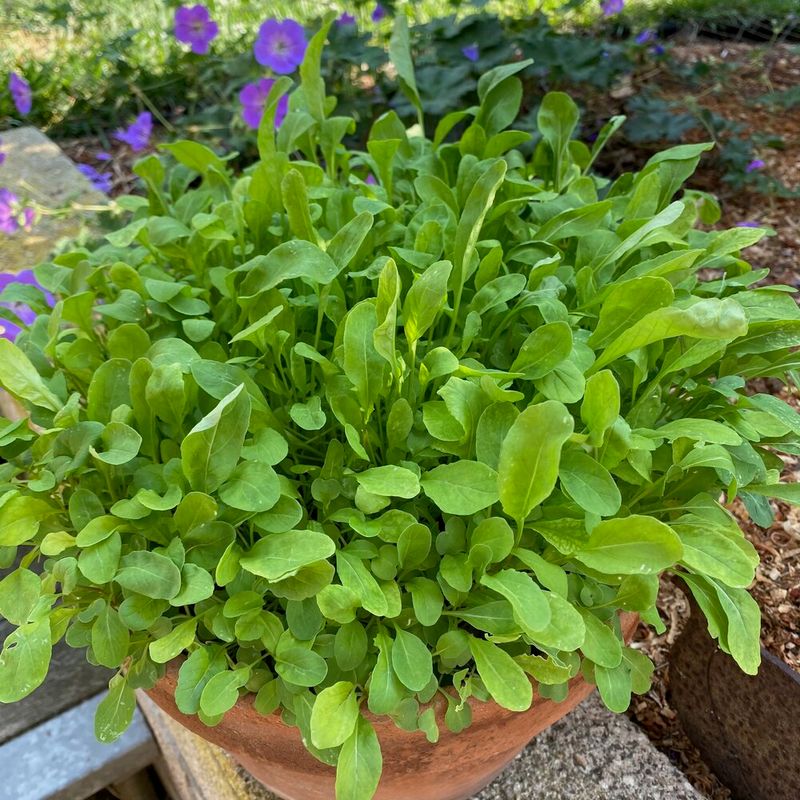
Peppery arugula grows quickly and adds gourmet flavor to salads and sandwiches. Hot weather makes arugula unbearably spicy, but cool fall temperatures create mild, nutty leaves.
Sow seeds directly in containers and start harvesting baby leaves in just three weeks. Plant new seeds every two weeks for continuous harvests of this restaurant-quality green.
7. Beets
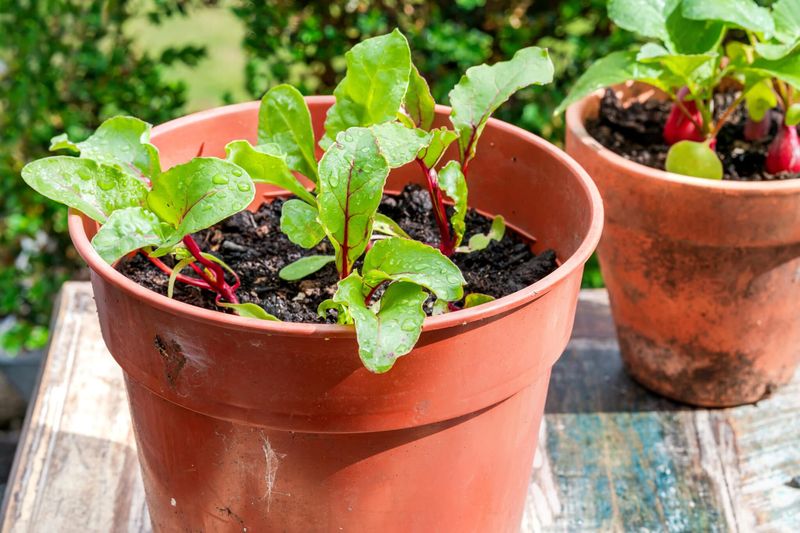
Both beet roots and greens are edible, giving you double value from container space. Cool weather produces the sweetest, most tender beets without the woody texture that heat can cause.
Plant seeds in containers at least eight inches deep. Thin seedlings and use the baby greens in salads while the remaining plants develop plump, colorful roots for roasting.
8. Swiss Chard
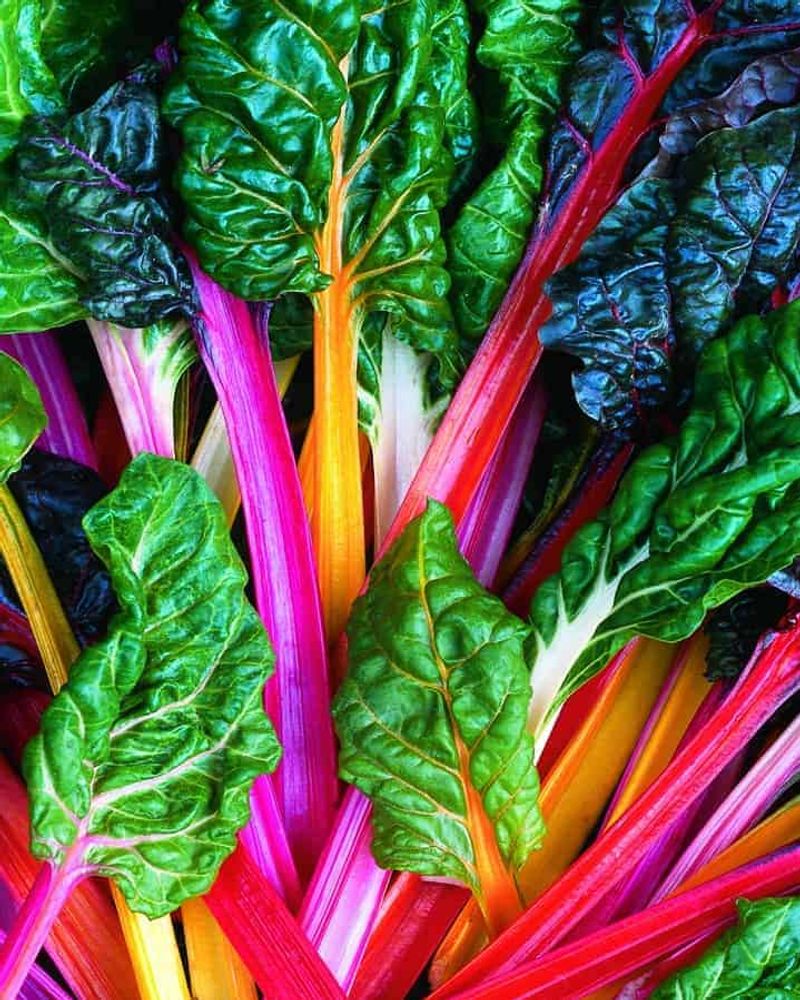
Colorful Swiss chard brings beauty and nutrition to container gardens. Rainbow varieties with red, yellow, and orange stems look stunning while providing vitamin-packed leaves.
Plant transplants for quicker results, spacing them six inches apart. Harvest outer leaves regularly, and plants will continue producing through multiple frosts, giving you months of gorgeous, edible landscaping.
9. Turnips
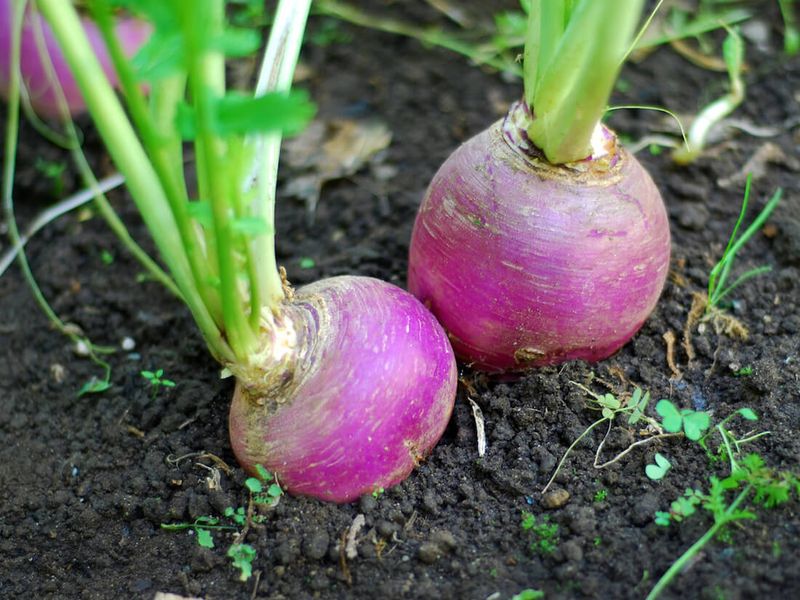
Often overlooked, turnips are incredibly easy to grow and provide both roots and greens. Fall-grown turnips are milder and sweeter than spring varieties, perfect for roasting or adding to soups.
Sow seeds directly in deep containers, thinning to three inches apart. Young turnip greens taste similar to mustard greens and can be harvested while roots develop.
10. Bok Choy
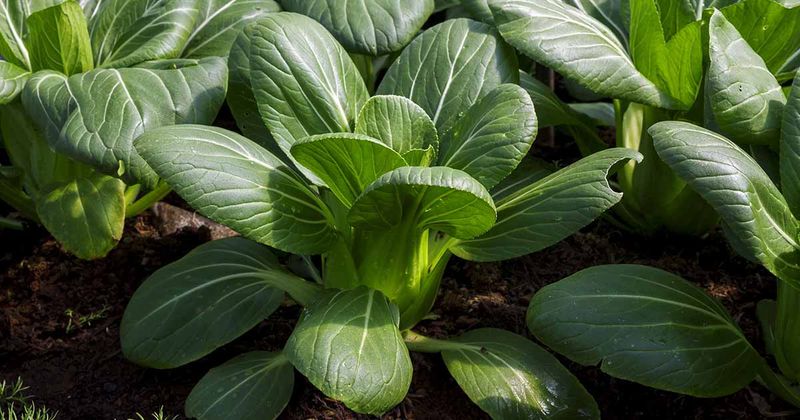
Asian greens like bok choy prefer cool weather and bolt quickly in heat. Late summer planting ensures tender, mild-flavored plants perfect for stir-fries and soups.
Choose baby varieties for containers, spacing plants four to six inches apart. Harvest entire plants when they reach desired size, or cut individual leaves for continuous production throughout fall.
11. Mustard Greens
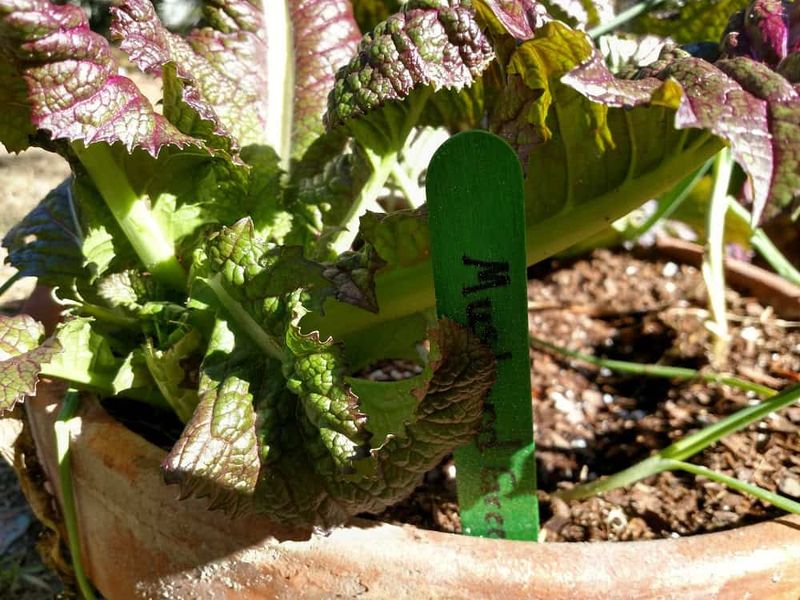
Spicy mustard greens mellow out in cool weather, developing complex flavors perfect for southern-style cooking. These fast-growing plants tolerate frost and actually taste better after exposure to cold.
Direct seed in containers and thin to four inches apart. Young leaves are mild enough for salads, while mature leaves add kick to cooked dishes and braised preparations.
12. Broccoli
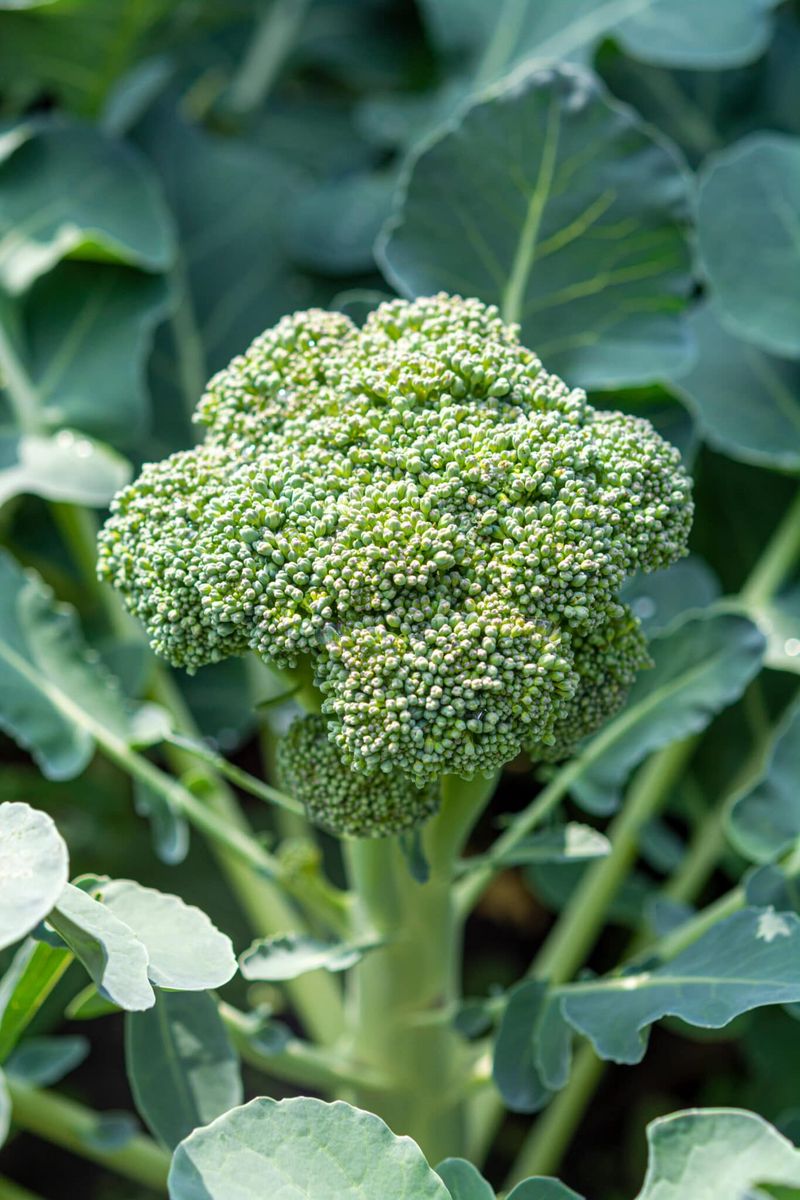
Cool-season broccoli struggles in summer heat but thrives when planted in late summer for fall harvest. Container-grown broccoli produces smaller but perfectly sized heads for family meals.
Start with transplants for best results, choosing compact varieties bred for containers. Provide consistent moisture and harvest main heads promptly to encourage side shoot production for extended harvests.
13. Cabbage
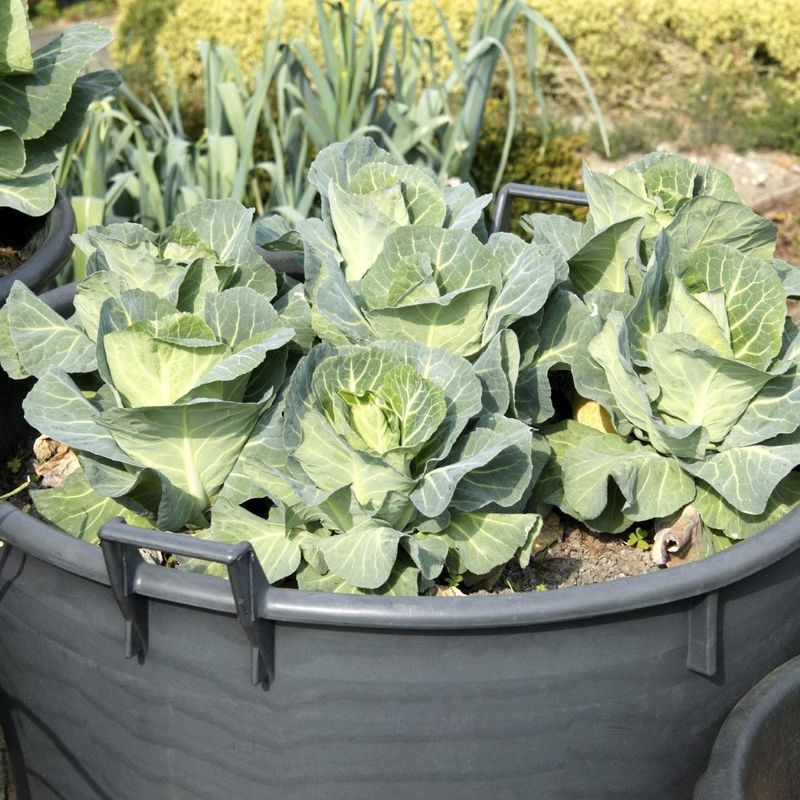
Fall cabbage develops sweeter flavor and denser heads than spring-grown varieties. Cool weather prevents splitting and bolting, common problems with summer-grown cabbage.
Plant transplants in large containers, giving each plant plenty of space to develop. Choose smaller varieties like Early Jersey Wakefield for container growing, and harvest before hard freezes for best quality.
14. Brussels Sprouts
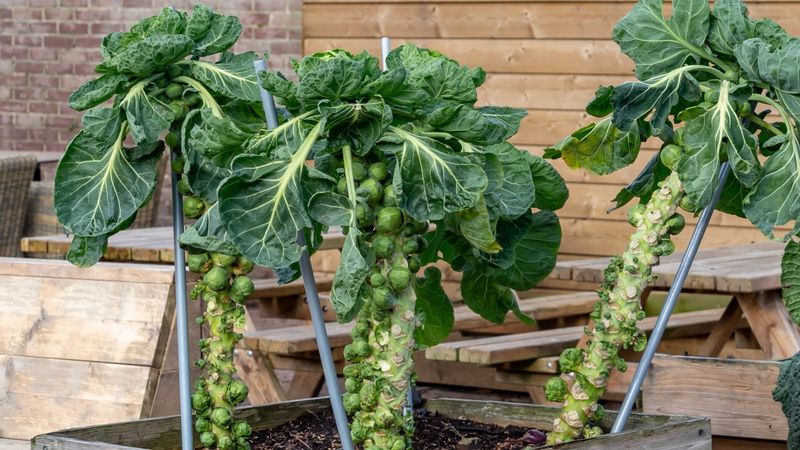
These mini cabbages actually need cool weather to develop properly and taste best after frost exposure. Fall-planted Brussels sprouts avoid summer pests and diseases that plague spring plantings.
Use large, deep containers and stake tall varieties for support. Harvest sprouts from bottom up when they’re firm and bright green, leaving top leaves to continue feeding the plant.
15. Cauliflower
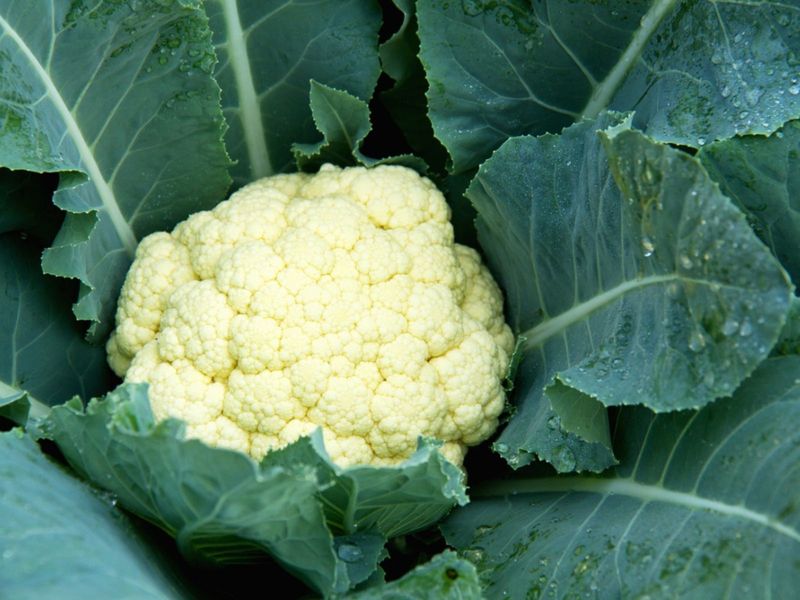
Temperamental cauliflower performs much better in fall’s stable temperatures than spring’s unpredictable weather. Cool conditions produce tight, white heads without the loose, ricey texture heat can cause.
Start with quality transplants and choose varieties bred for fall growing. Blanch developing heads by tying outer leaves over them to maintain white color and prevent sun damage.
16. Peas
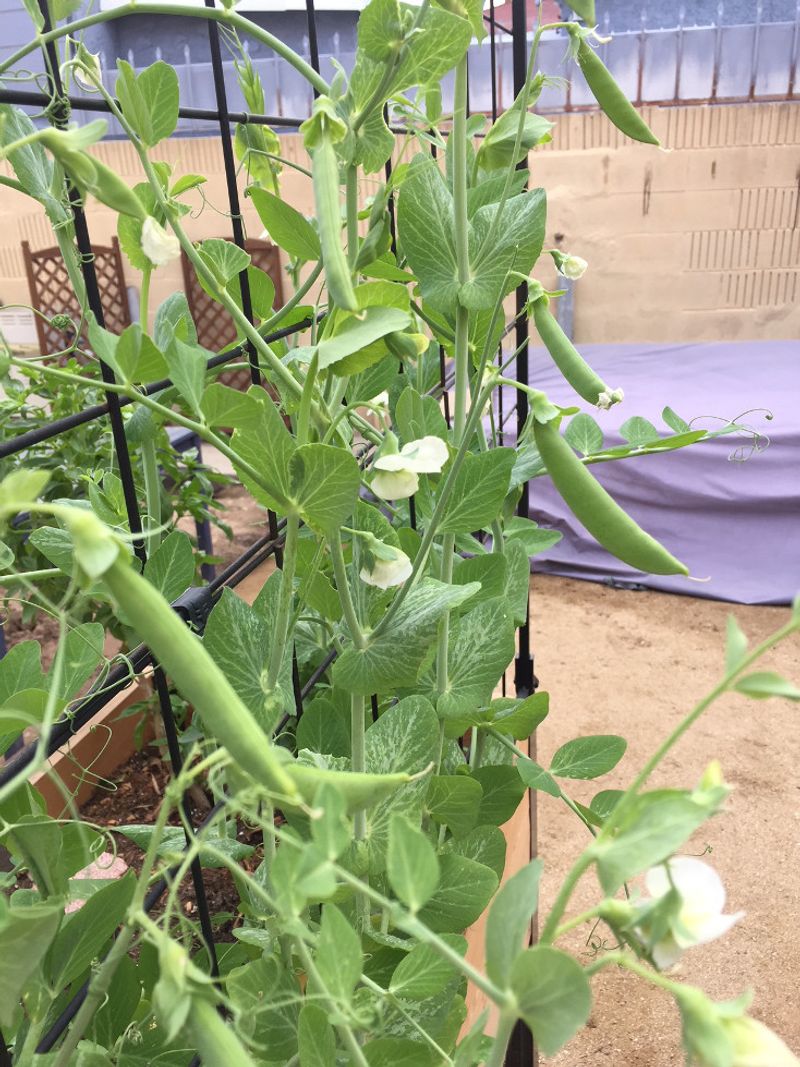
Sweet peas hate hot weather but love cool fall temperatures. Sugar snap and snow peas are particularly well-suited to container growing with proper support structures.
Plant seeds directly in containers with trellises or stakes for climbing. Fall peas often produce longer than spring crops because temperatures stay consistently cool rather than heating up quickly.
17. Kohlrabi
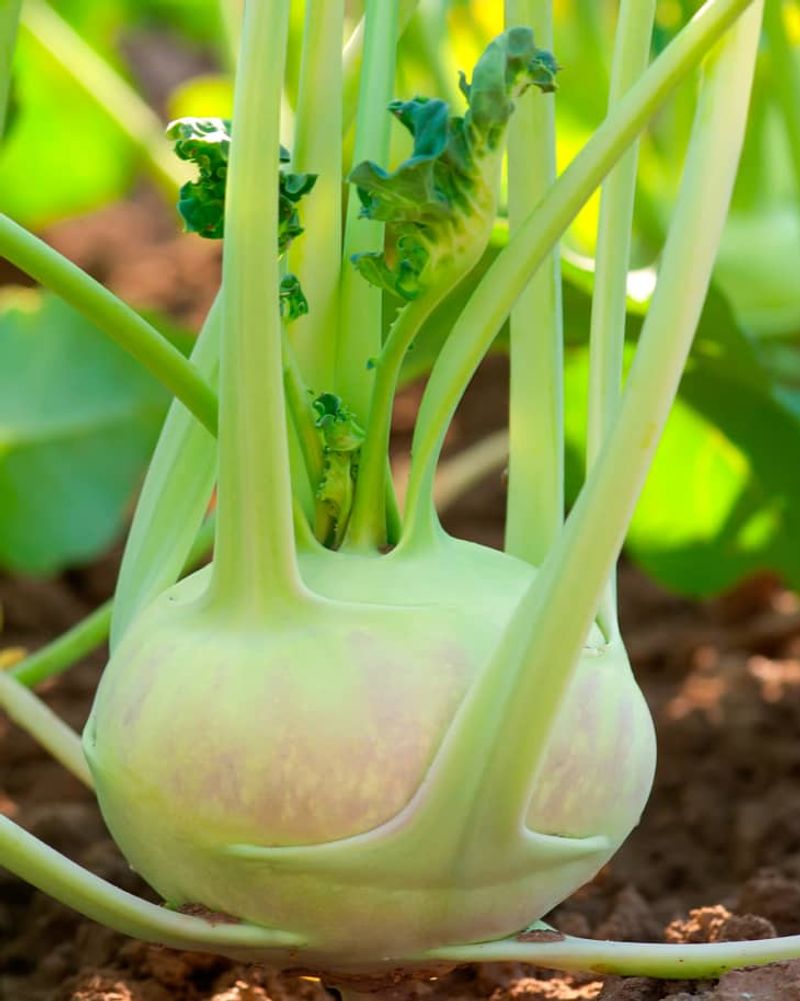
This unusual vegetable looks like a spaceship but tastes like mild, sweet cabbage. Cool weather prevents kohlrabi from becoming woody and bitter, producing tender, crisp bulbs.
Direct seed in containers, thinning to four inches apart. Harvest when bulbs reach tennis ball size for best texture and flavor, and don’t forget the leaves are edible too.
18. Cilantro
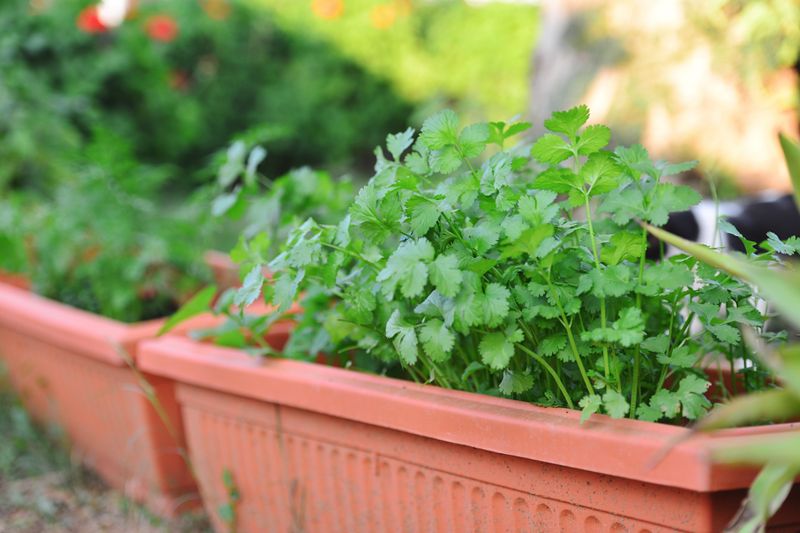
Heat makes cilantro bolt immediately, but cool fall weather allows slow, steady growth of flavorful leaves. Fall-planted cilantro often overwinters in mild climates for early spring harvests.
Sow seeds directly in containers every few weeks for continuous harvests. Cut stems regularly to prevent flowering, and consider letting some plants go to seed for fresh coriander spice.
19. Parsley
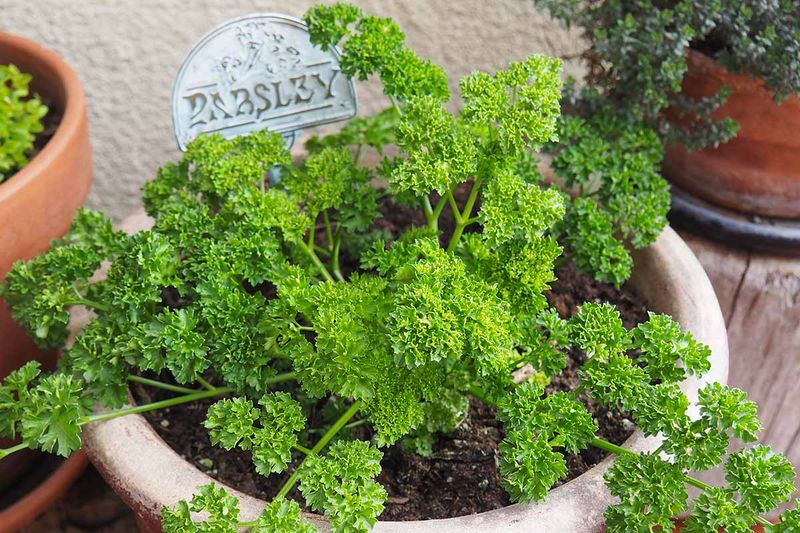
Both flat-leaf and curly parsley thrive in cool weather and can survive light frosts. Fall-planted parsley often overwinters and provides fresh herbs when grocery store prices are highest.
Start with transplants for quicker establishment, or soak seeds overnight before planting. Harvest outer stems regularly to encourage new growth, and cover with row covers during harsh weather.
20. Mache (Corn Salad)
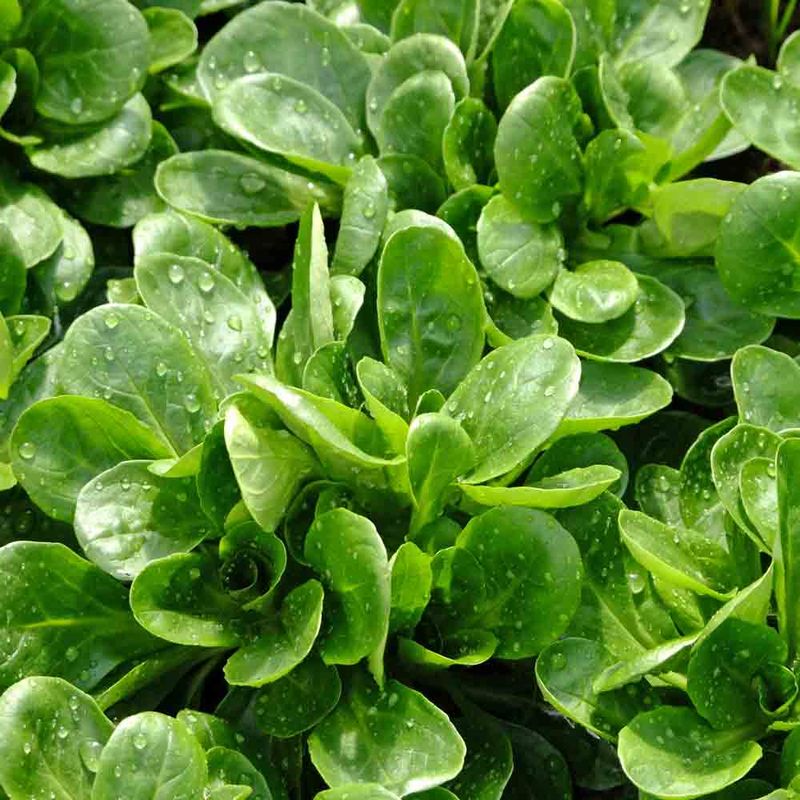
This gourmet green is virtually unknown to many gardeners but incredibly easy to grow in cool weather. Mache’s buttery, nutty flavor commands high prices at specialty stores.
Scatter seeds in shallow containers and barely cover with soil. Plants form small rosettes perfect for harvesting as baby greens, and they’re so cold-hardy they often survive under snow.