
Many homeowners take pride in creating beautiful outdoor spaces, only to discover their favorite garden features violate neighborhood rules.
HOA regulations can be surprisingly strict about seemingly innocent landscaping choices. Understanding these hidden restrictions can save you from costly removal orders and potential fines.
1. Fencing That Exceeds Height Limits
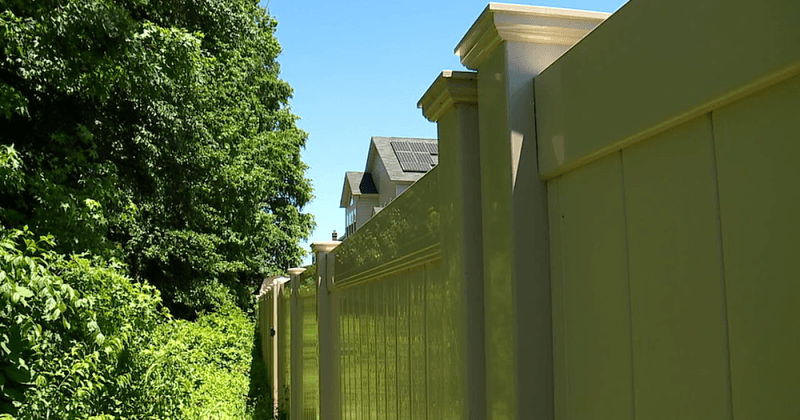
Privacy fences often become problematic when they tower above HOA height restrictions. Most communities limit fence heights to six feet, though some allow only four feet in front yards.
Exceeding these limits, even by inches, can trigger violation notices. Before installing any fencing, check your community’s specific height requirements and measurement guidelines to avoid expensive modifications later.
2. Unapproved Garden Sheds or Structures
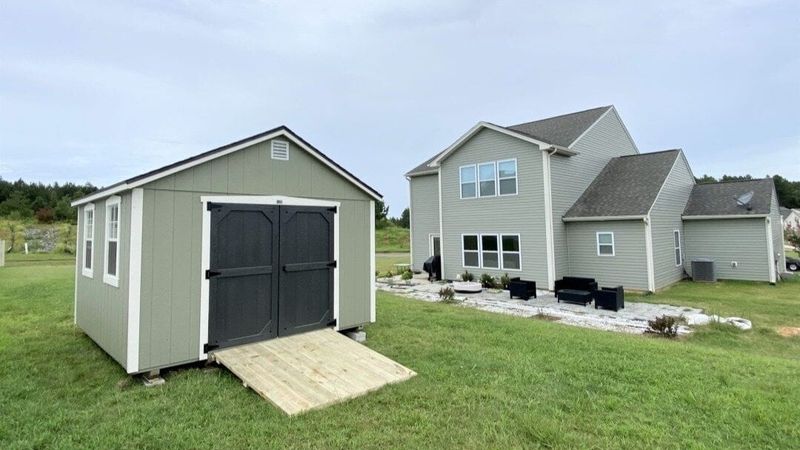
Garden sheds seem like practical additions until HOA enforcement comes knocking. Many communities require pre-approval for any permanent structures, regardless of size or purpose.
Even small tool sheds or greenhouse structures need architectural review committee approval. Submit detailed plans showing placement, materials, and colors before purchasing or building any garden structure to ensure compliance with community standards.
3. Bright or Colored Outdoor Lighting
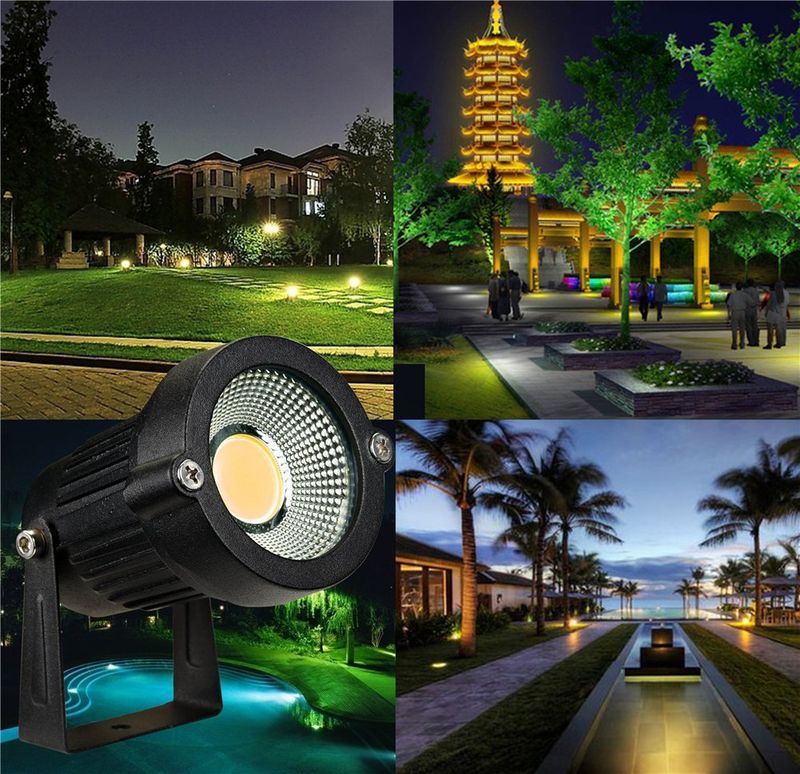
Colorful landscape lighting creates magical garden atmospheres but often violates HOA lighting restrictions. Many communities prohibit colored bulbs, flashing lights, or overly bright illumination that disturbs neighbors.
String lights and decorative fixtures must typically use warm white bulbs only. Review your HOA’s lighting guidelines before installing any outdoor electrical features to avoid forced removal of expensive lighting systems.
4. Large Water Features or Fountains
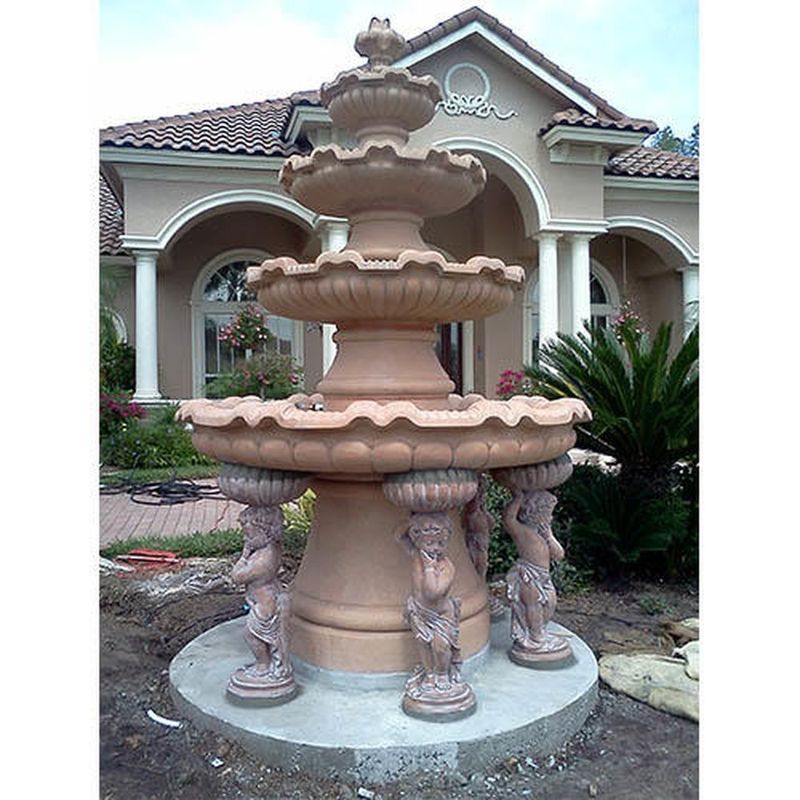
Elaborate fountains and water features can transform gardens into peaceful retreats. However, these installations frequently require HOA approval due to noise concerns and aesthetic guidelines.
Size restrictions, noise levels, and architectural compatibility all factor into approval decisions. Water features visible from streets often face stricter scrutiny, so consult your architectural review committee before investing in expensive fountain installations.
5. Unpermitted Raised Beds or Terracing
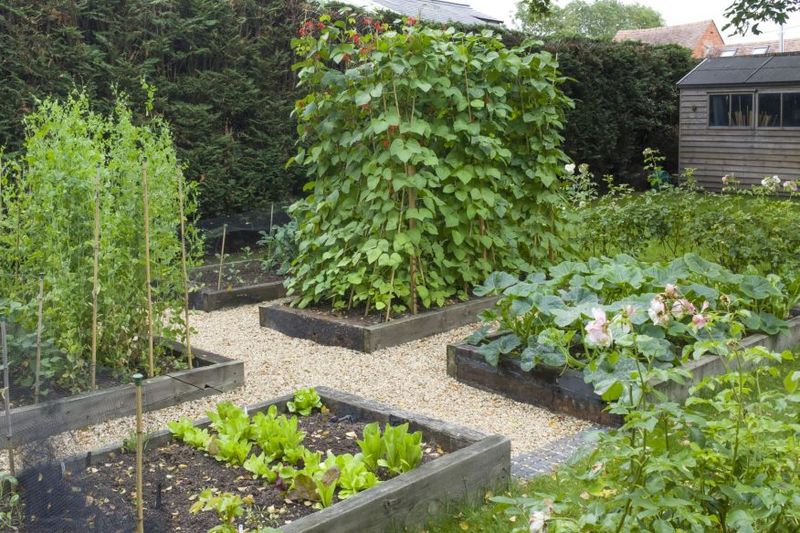
Raised garden beds offer excellent growing conditions but may violate HOA landscaping rules. Many communities restrict the height, materials, and placement of raised structures without prior approval.
Terracing and retaining walls often require engineering reviews for safety compliance. Even small raised beds might need architectural committee approval, especially in front yards where they’re visible to neighbors and passersby.
6. Artificial Turf or Fake Plants
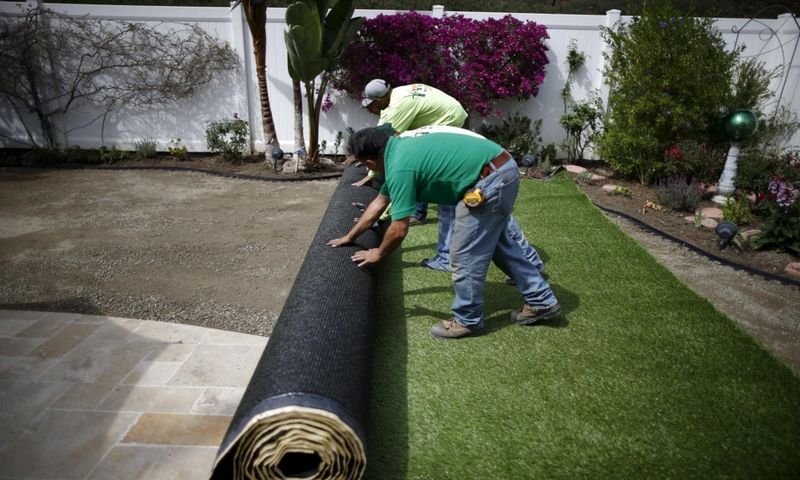
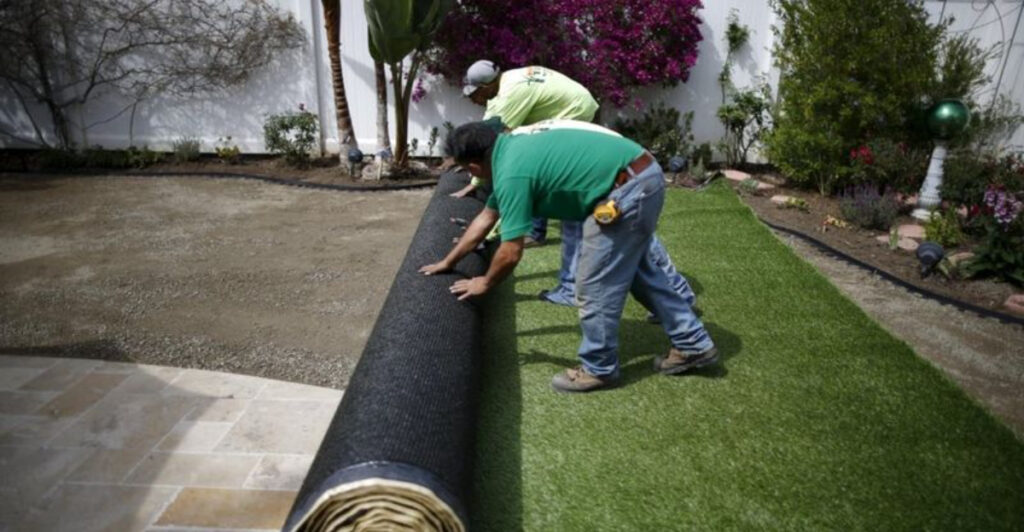
Synthetic grass seems like a water-saving solution until HOA rules intervene. Many communities prohibit artificial turf due to aesthetic concerns and neighborhood appearance standards.
Fake plants and artificial landscaping elements often violate natural appearance requirements. Some HOAs allow synthetic materials only in specific areas or require high-quality products that closely mimic natural vegetation for approval consideration.
7. Wind Chimes or Noisy Garden Decor
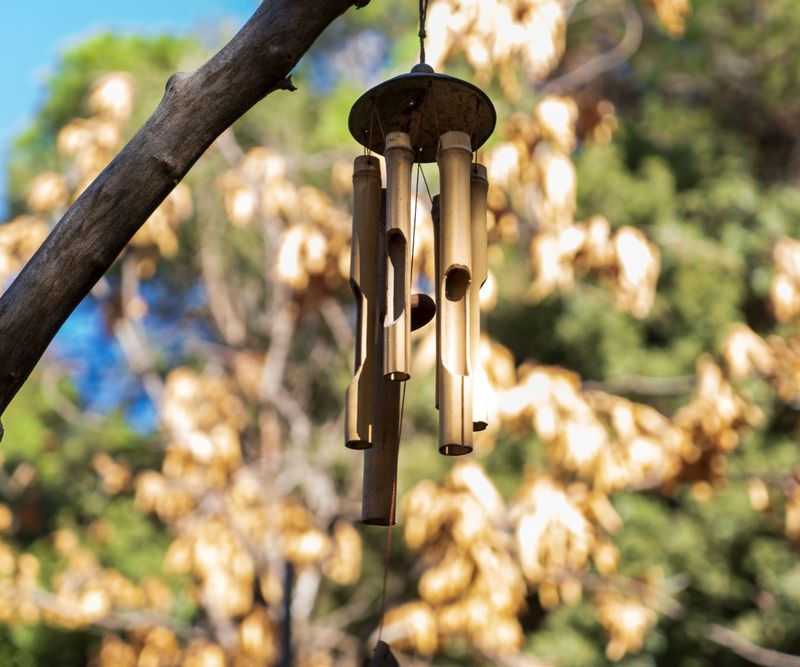
Wind chimes create soothing garden sounds but often violate HOA noise ordinances. Communities frequently prohibit items that create continuous or excessive noise, regardless of how pleasant homeowners find them.
Large metal chimes, spinning decorations, and musical garden elements typically face restrictions. Consider silent decorative alternatives or check if your HOA allows smaller, quieter chimes in less visible garden areas.
8. Composting Bins
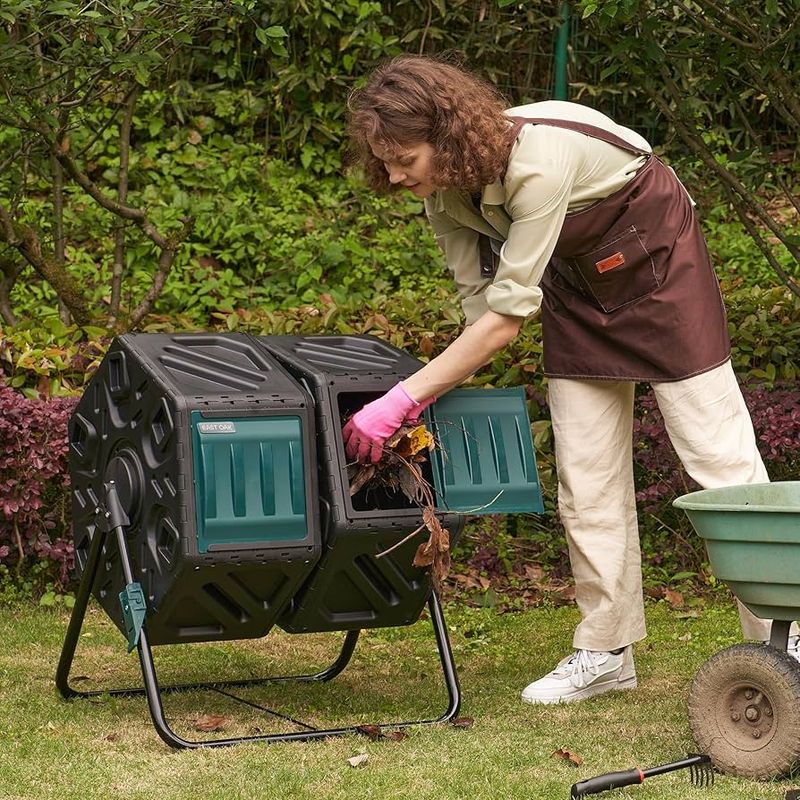
Composting bins promote environmental responsibility but may violate HOA sanitation and appearance rules. Many communities prohibit visible composting structures due to odor concerns and pest attraction potential.
Even enclosed tumbler composters might require approval or specific placement guidelines. Check if your HOA allows composting in designated areas or requires screened locations away from property lines and neighboring homes.
9. Vegetable Gardens in Front Yards
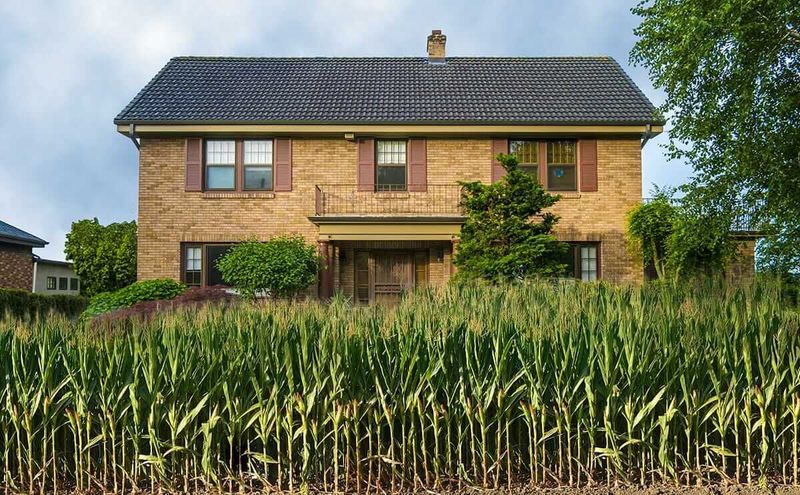
Front yard vegetable gardens maximize growing space but commonly violate HOA aesthetic guidelines. Most communities require front yards to maintain ornamental landscaping rather than functional food production areas.
Tomatoes, peppers, and other edible plants might be restricted to backyards only. Some HOAs allow herbs or attractive edible plants mixed with traditional landscaping, so review specific guidelines before planting vegetables in visible areas.
10. Clotheslines or Hanging Racks
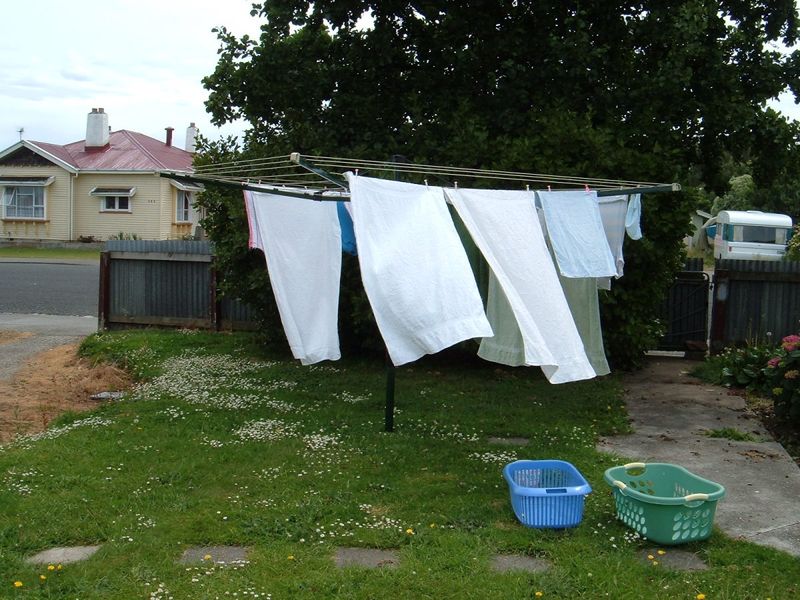
Outdoor clotheslines offer energy-efficient drying solutions but frequently violate HOA appearance standards. Many communities prohibit visible laundry lines due to aesthetic concerns and neighborhood uniformity requirements.
Retractable lines and fold-down racks might be acceptable if they’re not permanently visible. Some states have right-to-dry laws that override HOA restrictions, so research local regulations before removing existing clothesline installations.
11. Sculptures or Yard Art Visible from the Street
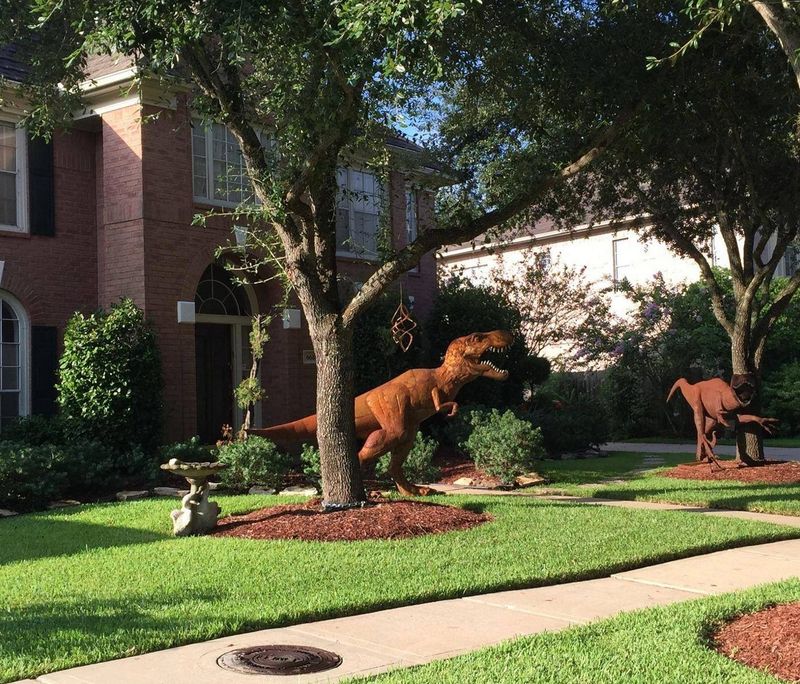
Garden sculptures add personality to outdoor spaces but often clash with HOA aesthetic guidelines. Many communities restrict the size, style, and placement of decorative art pieces, especially those visible from public areas.
Religious statues, abstract sculptures, and colorful art installations frequently require approval. Consider placing meaningful art pieces in private backyard areas or choosing subtle decorative elements that complement your community’s architectural style.
12. Unapproved Tree Removal or Planting
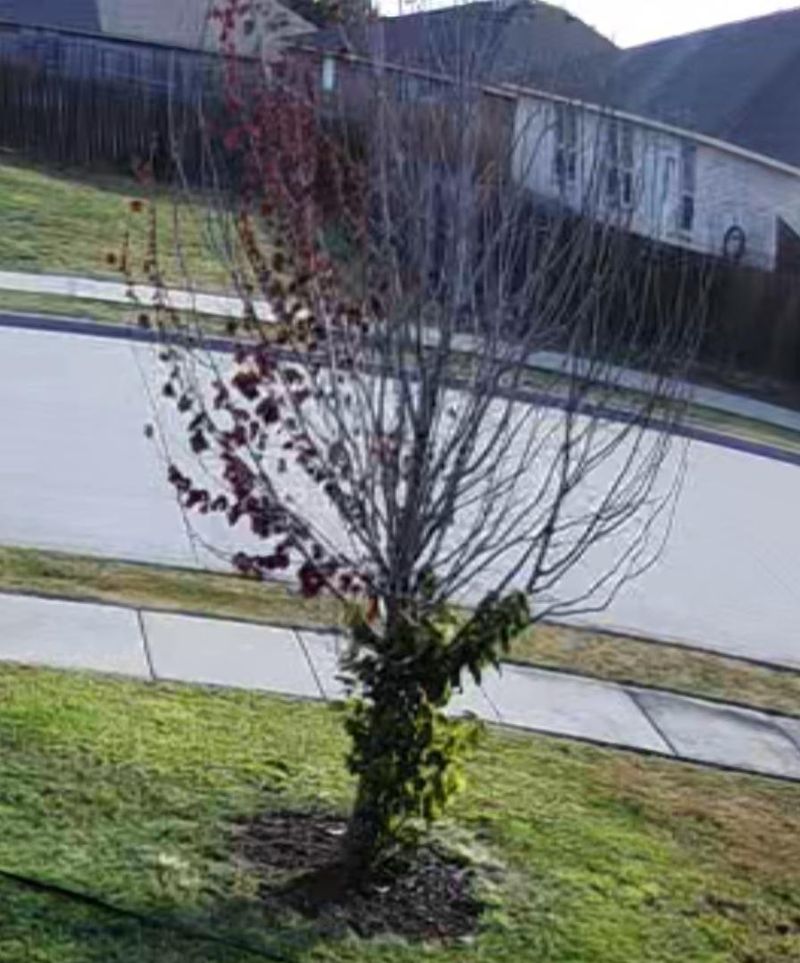
Tree modifications often require HOA approval, even on your own property. Many communities protect mature trees and regulate new plantings to maintain neighborhood character and environmental standards.
Removing diseased trees or planting fruit trees might need architectural committee review. Tree species, mature size, and placement all factor into approval decisions, so consult your HOA before making any significant tree-related changes to your landscape.
13. Unscreened Trash or Recycling Bins in Garden Area
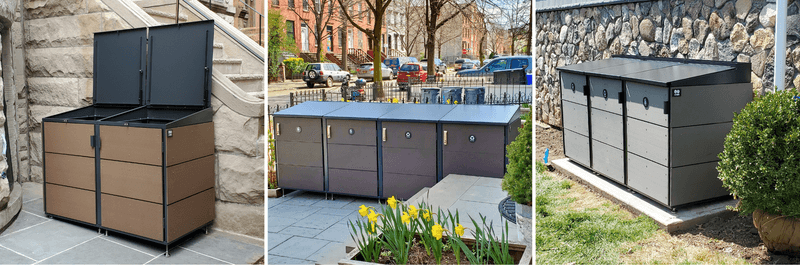
Utility storage in garden areas often violates HOA appearance standards. Many communities require trash bins, recycling containers, and utility equipment to be screened from view or stored in designated areas only.
Decorative screens, enclosed storage areas, or strategic plant placement might satisfy screening requirements. Check your HOA’s specific guidelines for utility storage and consider attractive screening solutions that maintain garden aesthetics while meeting compliance requirements.
14. Overly Decorative Mailbox Gardens
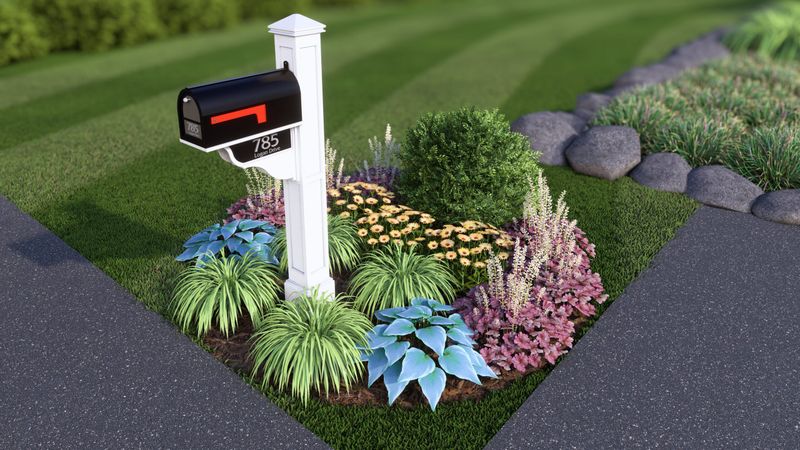
Elaborate mailbox landscaping creates welcoming curb appeal but may violate HOA uniformity standards. Many communities regulate mailbox designs, surrounding plantings, and decorative elements to maintain consistent neighborhood appearance.
Colorful flower displays, decorative borders, and themed plantings might exceed allowable guidelines. Review your HOA’s mailbox landscaping rules and choose subtle enhancements that complement rather than overwhelm the standard mailbox design approved for your community.
15. Wildflower or Pollinator Meadows
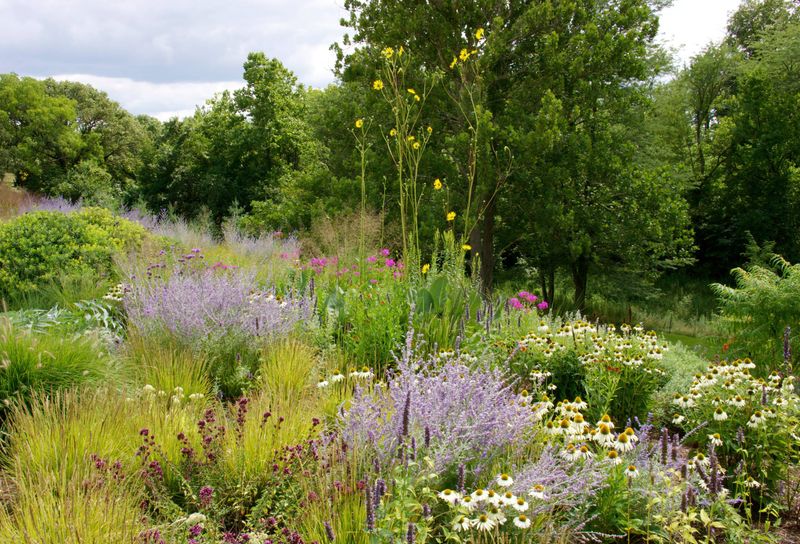
Natural wildflower meadows support local ecosystems but often violate HOA lawn maintenance requirements. Many communities mandate regularly mowed grass and prohibit areas that appear unmaintained or overgrown to neighbors.
Native plant gardens and pollinator-friendly landscapes might be considered weedy or unkempt under strict landscaping guidelines. Consider creating structured native plant beds rather than meadow-style plantings to satisfy both environmental goals and community appearance standards.