
Bird feeding is a delightful hobby that brings nature right to your doorstep. However, many secrets about bird feeders remain undiscovered by the casual enthusiast. This blog post unveils 21 hidden truths that will transform your bird-feeding experience. From choosing the right type of feeder to understanding bird behavior, these insights will not only attract more birds but also ensure their safety and happiness. Whether you’re a seasoned bird watcher or a curious beginner, these secrets will enhance your appreciation of the feathered friends visiting your backyard.
1. The Mysterious Location Choice
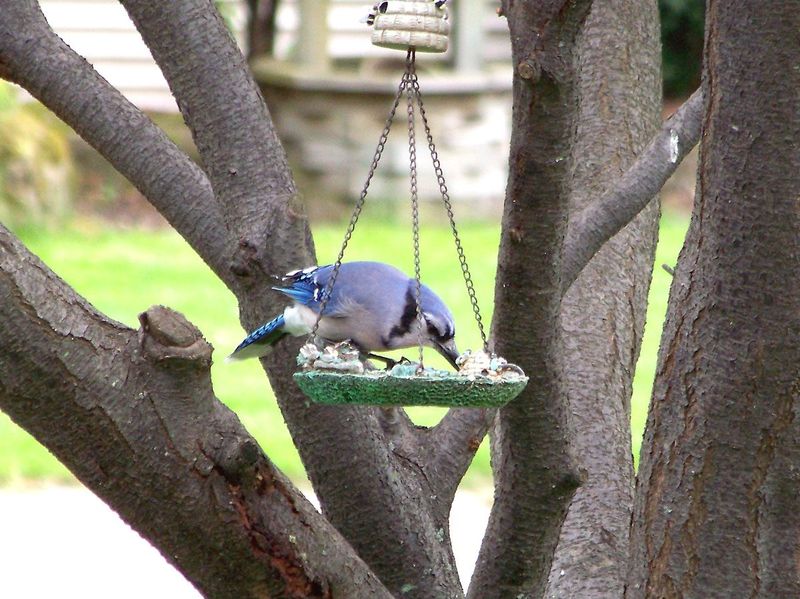
Did you know the location of your bird feeder can make or break your bird-watching experience? Birds are sensitive to their surroundings, and a poorly placed feeder might be ignored.
Consider placing feeders near natural cover like trees or shrubs. This provides birds with a sense of security and protection from predators.
Experiment with different locations to see where birds feel most comfortable. Once you find the perfect spot, you’ll notice an increase in feathered visitors, each bringing their unique charm to your garden.
2. Secret of Seasonal Food
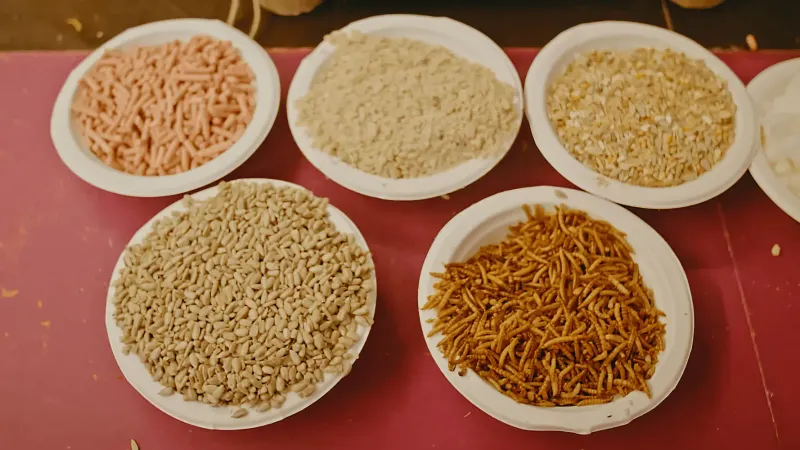
Birds’ dietary needs change with the seasons, a fact often overlooked by many. In the winter, high-fat seeds like sunflower seeds can provide the energy they need to stay warm.
During spring and summer, offering fruits and insects can cater to their breeding needs. Variety is key, and understanding this can significantly increase your feeder’s popularity.
Experimenting with different foods will attract a wider range of species, each with unique feeding habits. This seasonal approach ensures a dynamic and vibrant bird-watching experience.
3. The Unseen Dangers of Dirty Feeders
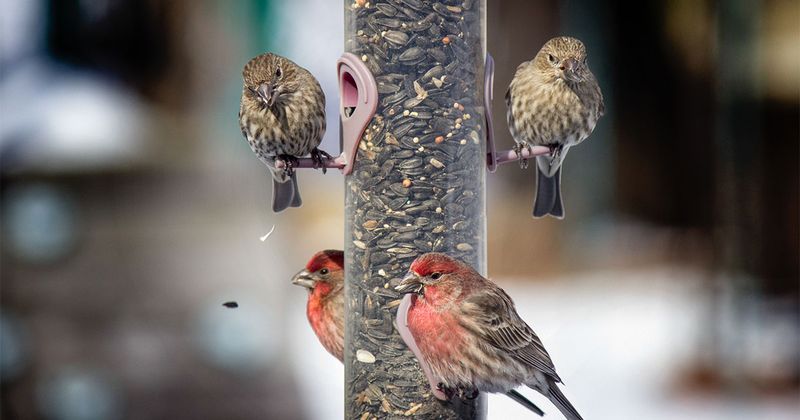
A dirty bird feeder is not just unsightly; it poses real health risks to birds. Moldy seeds and unclean surfaces can spread diseases.
Regular cleaning with mild soap and water helps maintain a hygienic feeding environment. Consider more frequent cleanings during wet weather, as moisture accelerates mold growth.
Keeping feeders clean ensures the safety of your feathered visitors, maintaining a healthy bird population in your backyard. It’s a simple practice with profound benefits, safeguarding the well-being of the birds you cherish.
4. DIY Bird Feeder Innovations
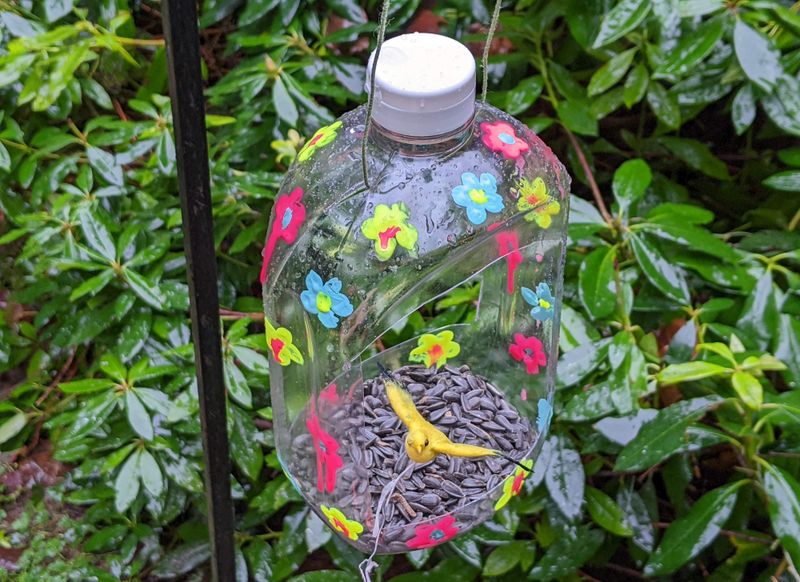
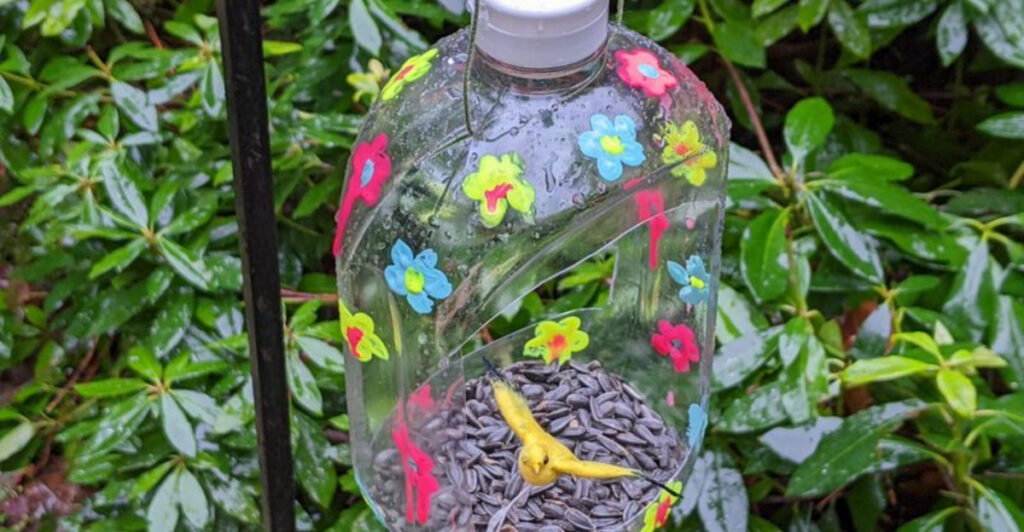
Crafting your bird feeders can be an enriching experience, blending creativity with sustainability. Using recycled materials like plastic bottles or wooden scraps can create unique designs.
These feeders not only reduce waste but also add a personal touch to your garden. They can be customized to cater to specific bird species, enhancing your bird-watching adventures.
DIY feeders offer an opportunity to engage children in environmental conservation, fostering a love for nature. This creative outlet can turn any garden into a haven for wildlife.
5. The Art of Patience in Bird Feeding
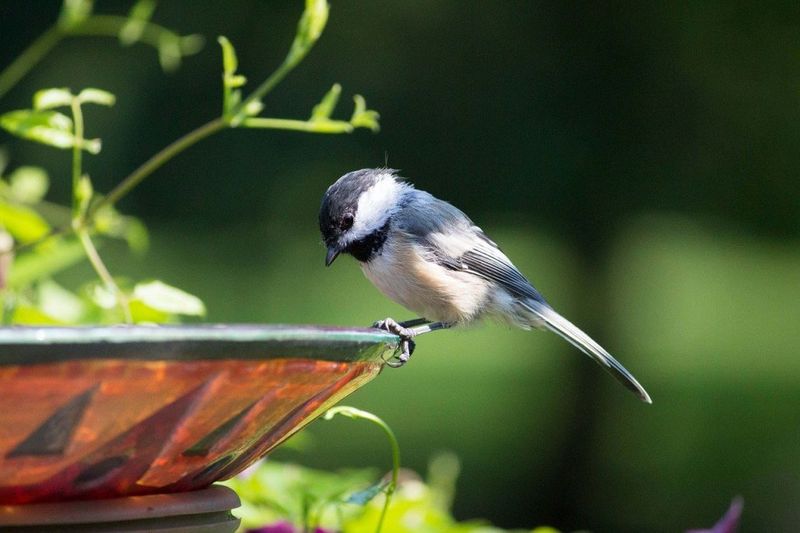
Bird feeding requires patience, a virtue that rewards with unforgettable moments. Birds may take time to discover and trust a new feeder, testing your resolve.
Consistent feeding schedules can build trust over time, encouraging regular visits. Observing birds requires stillness, allowing you to appreciate their natural behavior without intrusion.
This patience cultivates a deeper connection with nature, turning each sighting into a cherished memory. Embrace the stillness, and you’ll find peace and joy in the simple act of watching birds.
6. Understanding Bird Social Hierarchy
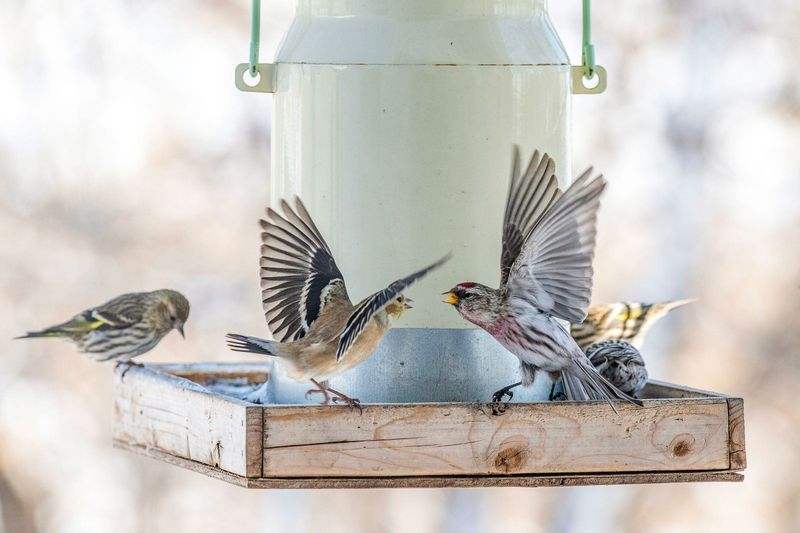
Bird feeders are microcosms of avian society, where social hierarchies play a significant role. Larger or more aggressive birds often dominate, sometimes deterring smaller species.
Providing multiple feeders can mitigate this, spreading out the competition. Different types of feeders can cater to various species, ensuring harmonious coexistence.
Observing these interactions offers insights into bird behavior, fostering a deeper appreciation for their complex social dynamics. It’s a fascinating aspect of bird feeding that adds an educational layer to your hobby.
7. The Magic of Water Features
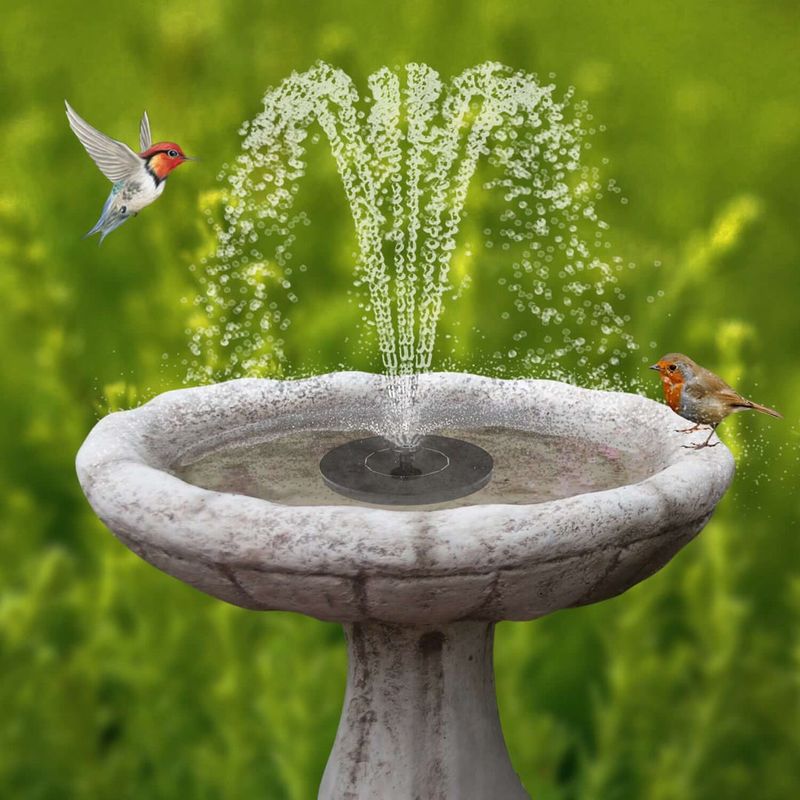
Water features like bird baths can significantly enhance your bird feeder setup. Birds are drawn to the sound and sight of water, offering them a place to drink and bathe.
Flowing water or drip systems can attract even more birds, adding a dynamic element to your garden. Regular cleaning is essential to prevent algae growth and ensure a healthy environment.
Incorporating water features creates a more inviting space for birds, transforming your backyard into a vibrant sanctuary. It’s a simple addition with magnificent results.
8. Strategic Color Choices
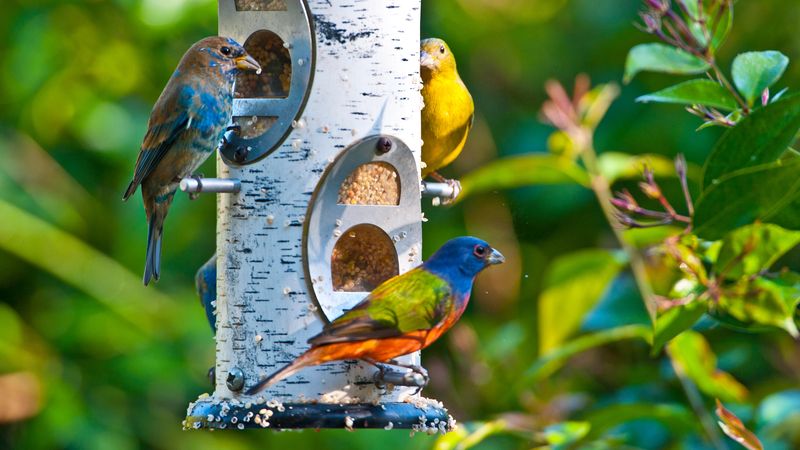
Colors play a vital role in attracting specific bird species to your feeder. Bright colors like red, yellow, and orange can draw the attention of hummingbirds and orioles.
However, subtle shades such as blues and greens might attract more serene species like finches and sparrows. Each color choice can create a different avian clientele, transforming your garden into a vibrant birdwatching haven.
Experimenting with colors can also add aesthetic beauty to your garden, making it a delightful space for both birds and humans alike.
9. The Importance of Feeder Shape
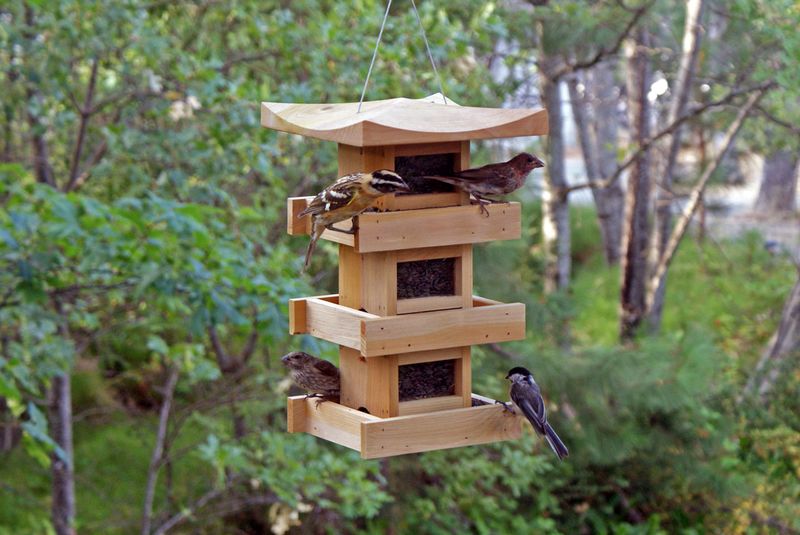
The shape of your bird feeder can significantly influence the types of birds you attract. Tube feeders are perfect for small birds like finches and chickadees.
Hopper feeders, on the other hand, attract a broader range of birds, including larger species like cardinals. Platform feeders offer accessibility for ground-feeding birds such as doves and juncos.
Selecting the right feeder shape is a subtle art that can bring diverse birdlife to your backyard, enhancing your birdwatching experience.
10. Sound to Lure Birds
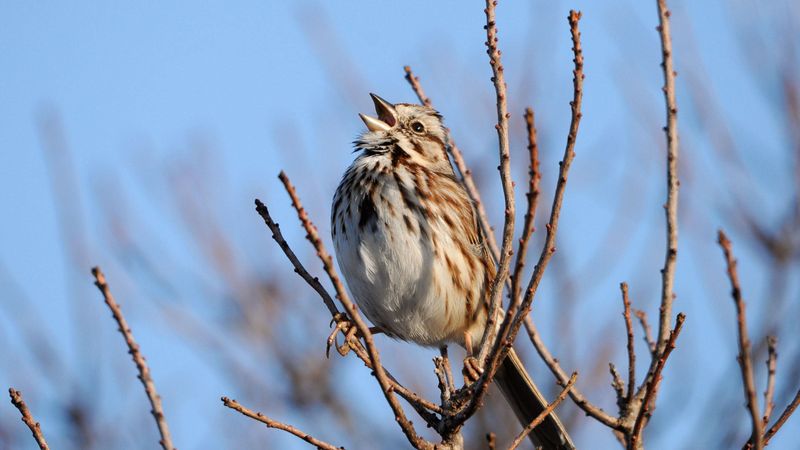
Sound can be an unexpected ally in attracting birds to your feeders. Playing bird calls, such as the songs of chickadees or robins, can coax curious birds to investigate the source.
This auditory invitation is particularly effective during migration seasons, as it piques the interest of passing birds.
Integrating sound into your bird feeding strategy adds an engaging dimension, creating a multisensory experience that delights both the ears and eyes.
11. Feeder Placement for Safety
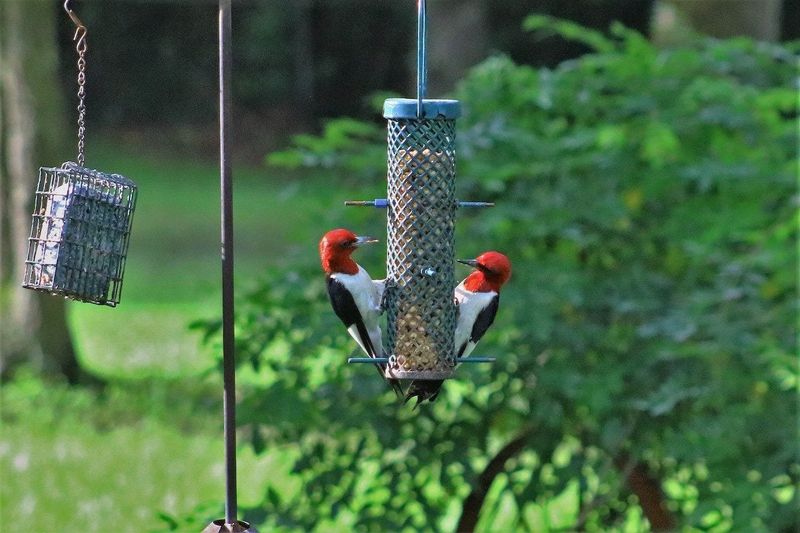
Placing feeders near shrubs or trees can provide essential cover for birds, protecting them from predators like cats and hawks.
This strategic positioning also offers birds a quick escape route, enhancing their sense of security. But ensure that feeders are not too close to branches, preventing crafty squirrels from raiding them.
By considering feeder placement, you foster a safe haven where birds can feed without fear, encouraging frequent visits.
12. Adding Variety with Suet Feeders
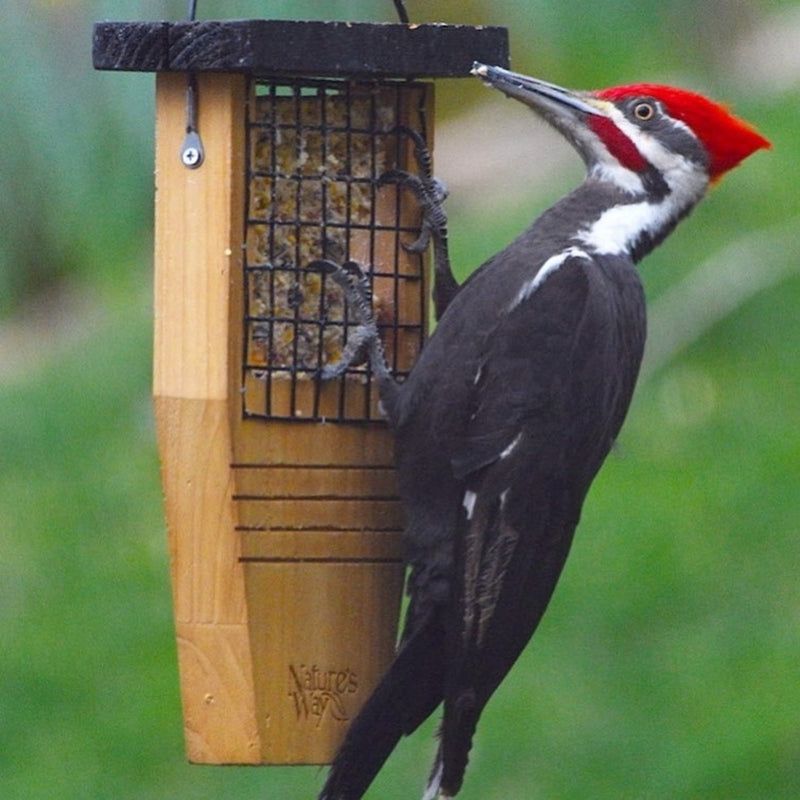
Suet feeders offer a unique way to attract insect-eating birds like woodpeckers and nuthatches. These high-energy blocks are especially appealing during colder months when natural food sources are scarce.
Unlike seed feeders, suet can bring an entirely different set of birds to your yard, enriching your birdwatching experience.
Providing this variety ensures a constant flow of activity, keeping your garden lively and entertaining throughout the seasons.
13. The Role of Mirrors
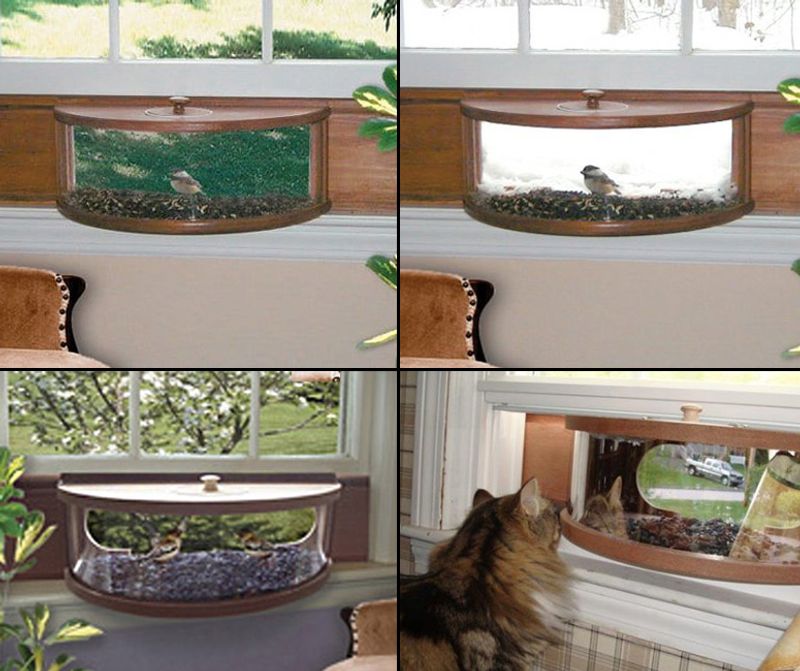
Mirrors can add an intriguing element to bird feeders, reflecting light and drawing the attention of passing birds. This simple addition can spark curiosity and encourage closer inspection.
Placed strategically, mirrors can create the illusion of space and movement, captivating birds from afar. However, use them sparingly to avoid confusing or alarming wildlife.
This playful touch adds a dynamic visual aspect to your garden, inviting an array of feathered visitors.
14. Creating a Bird Buffet
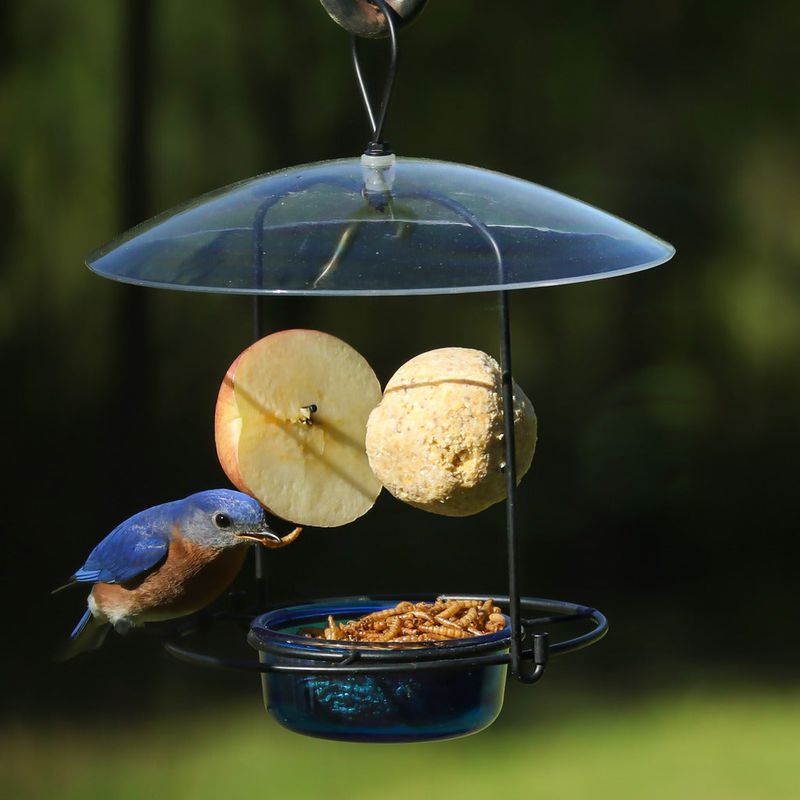
Offering a buffet of seeds and suet can attract a wide range of bird species. By providing multiple feeders with different food options, you cater to varying dietary preferences.
Sunflower seeds, millet, and suet can appeal to various birds, from finches to woodpeckers.
This diversity not only enriches the birdwatching experience but also ensures a steady stream of avian visitors, making your garden a bustling hub of activity.
15. The Magic of Night Feeders
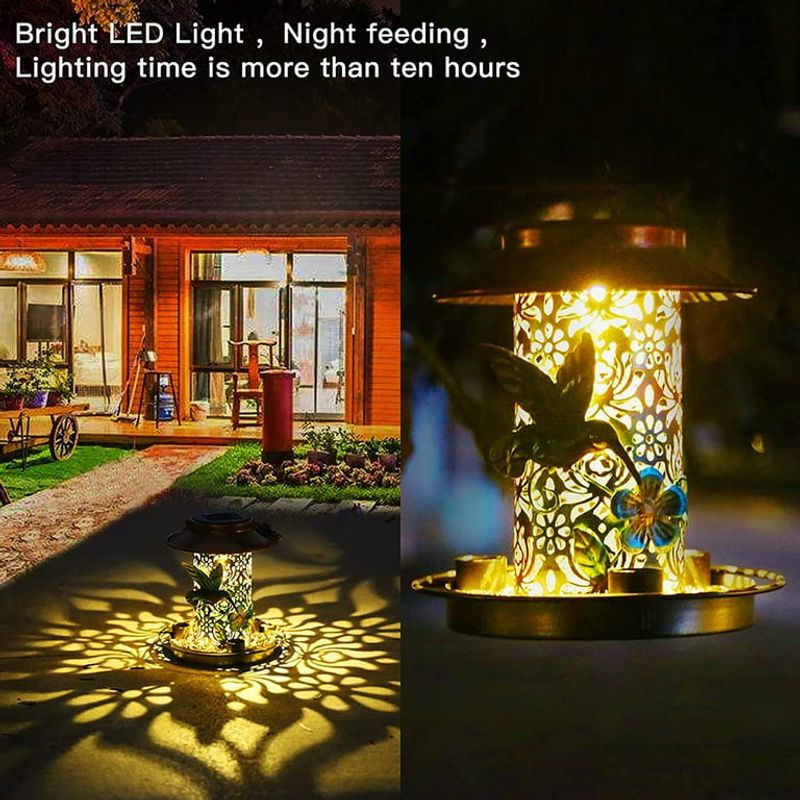
Night feeders illuminated by gentle lights can attract nocturnal birds such as owls and nightjars. This unconventional approach opens a window to the mysterious world of night-time birdwatching.
Setting up feeders specifically for the night encourages a unique set of visitors, often unseen by day.
The enchanting glow of night feeders transforms your garden into an ethereal space, where the magic of the night unfolds.
16. Using Natural Materials
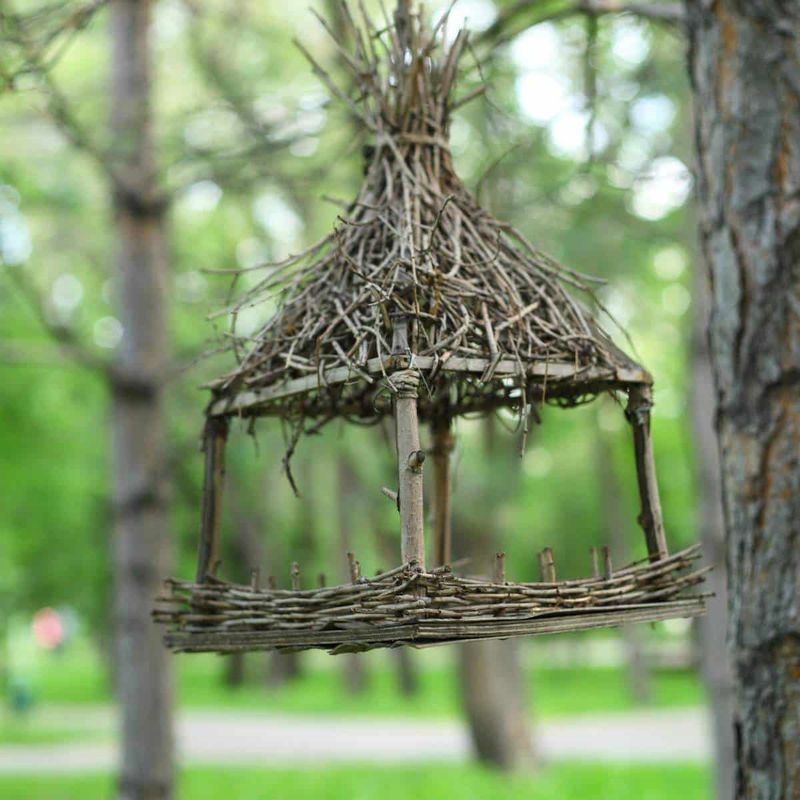
Bird feeders crafted from natural materials like bamboo or wood blend seamlessly into garden settings, creating a harmonious environment.
These eco-friendly options not only enhance the aesthetic appeal but also reduce environmental impact. Birds often feel more comfortable and secure around natural materials.
Choosing sustainable feeders contributes to conservation efforts, reflecting a commitment to preserving nature while enjoying its beauty.
17. The Allure of Moving Water
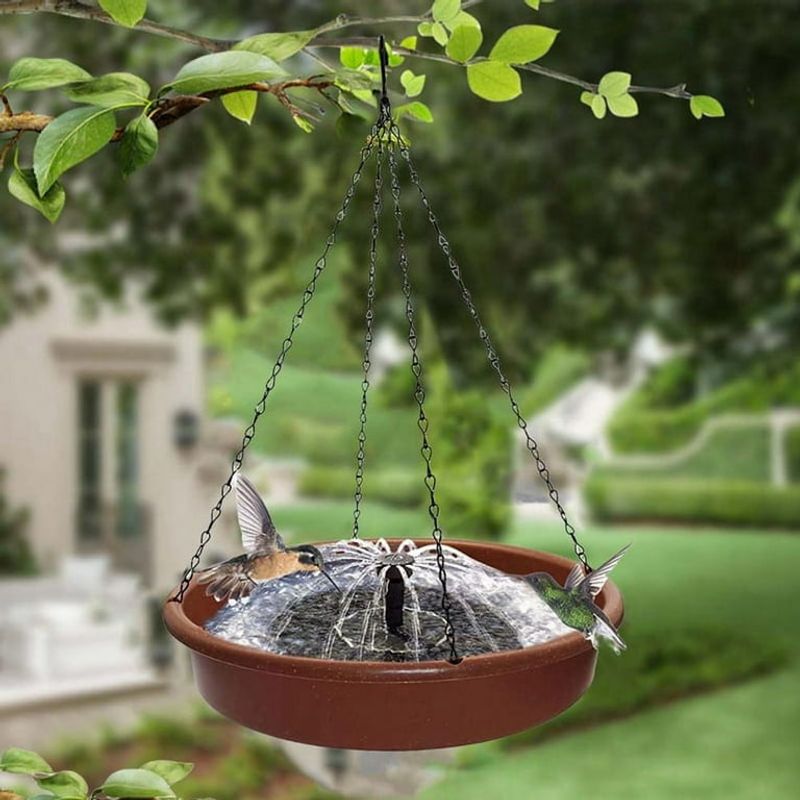
Moving water near feeders can have an irresistible draw for birds. The sound and sight of flowing water attract birds seeking a refreshing drink or bath.
Integrating a small fountain or waterfall near your feeders enhances the sensory appeal of your garden.
This feature not only supports bird hydration but also creates a tranquil atmosphere, inviting both avian visitors and human relaxation.
18. Feeding Birds with Fruit
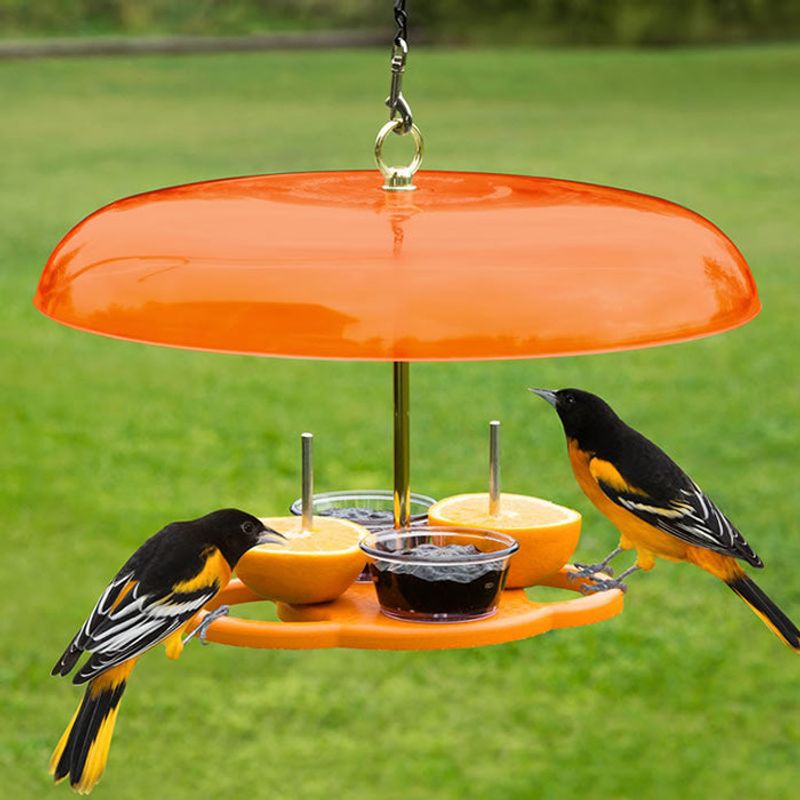
Fruit feeders provide an alternative food source for birds like orioles and tanagers. Slices of apples, berries, or grapes can entice these fruit-loving species.
Introducing fruit into your feeding routine adds variety and attracts birds that might overlook seed feeders.
Fruit feeders contribute to a diverse ecosystem, encouraging a wider array of species to visit your garden.
19. Seasonal Feeder Adjustments
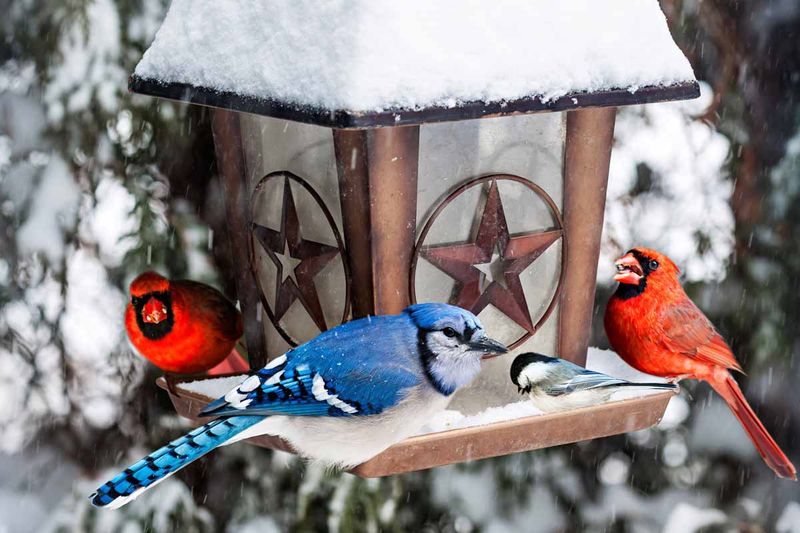
Adjusting feeders and food types with the seasons can significantly impact bird visits. In winter, high-fat foods like suet provide much-needed energy.
During spring, seeds and insect-rich foods support breeding birds. This adaptability ensures that your garden remains a vital resource year-round.
By aligning with seasonal changes, you create a dynamic habitat that nurtures birds through all stages of their annual cycle.
20. The Attraction of Aromas
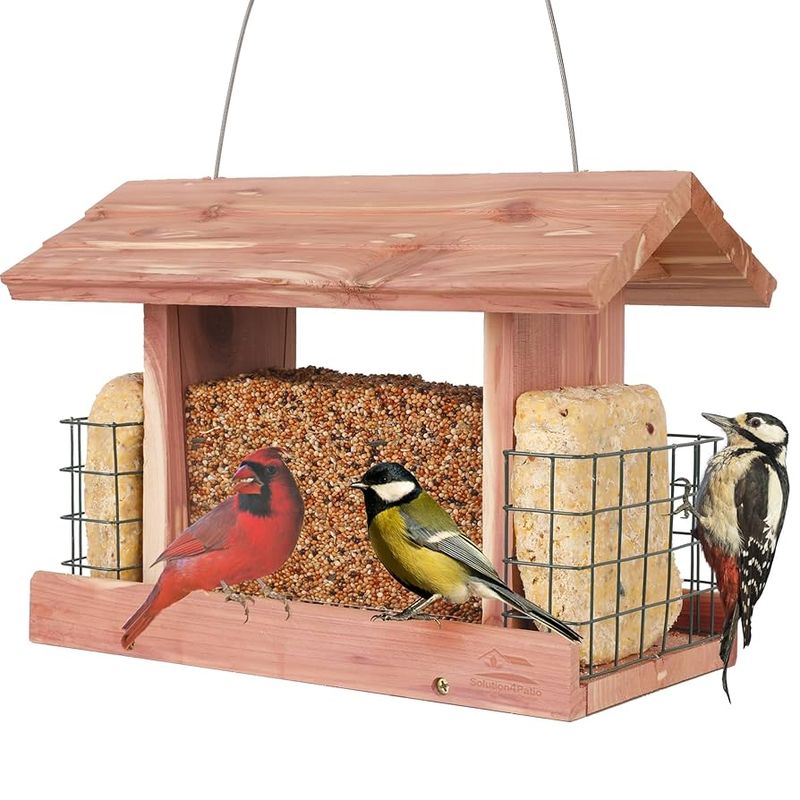
Aromas can be a subtle yet effective way to attract birds. Scents from natural sources like flowers or herbs can pique the curiosity of nearby birds.
This olfactory element adds another layer to the bird feeding experience, drawing birds closer to investigate the source.
Using aroma as an attraction tool enhances the multisensory appeal, making your garden a fragrant and lively sanctuary for birds.
21. Birdhouses as Feeder Companions
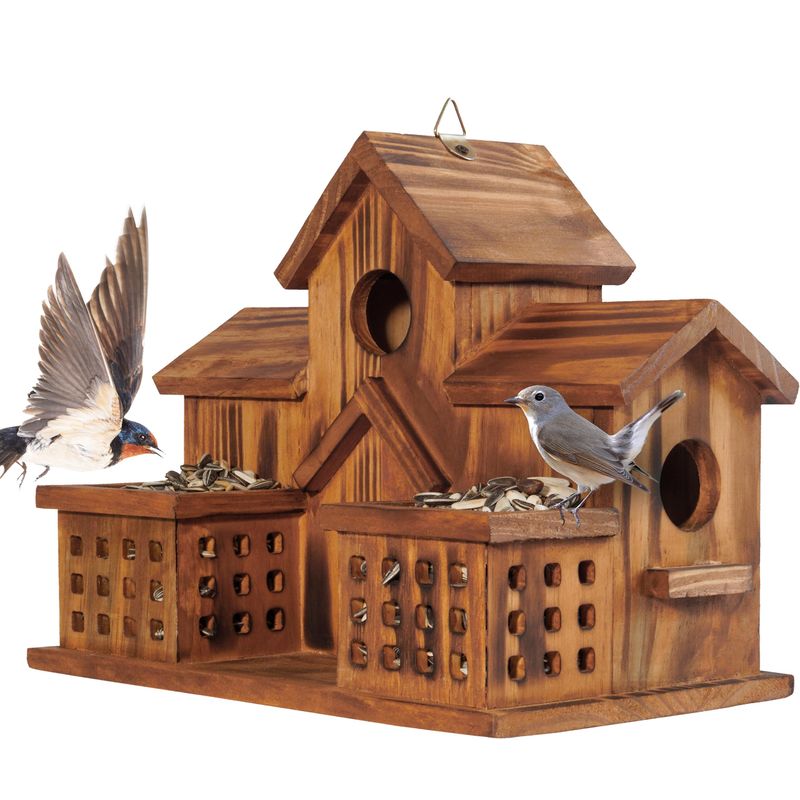
Combining birdhouses with feeders creates an inviting environment for birds to both feed and nest. This dual approach attracts birds seeking food and shelter.
Offering a complete habitat can encourage birds to stay longer, enriching your birdwatching experience.
Birdhouses complement feeders by providing safety and raising young, turning your garden into a thriving ecosystem.