 Complete Gardening
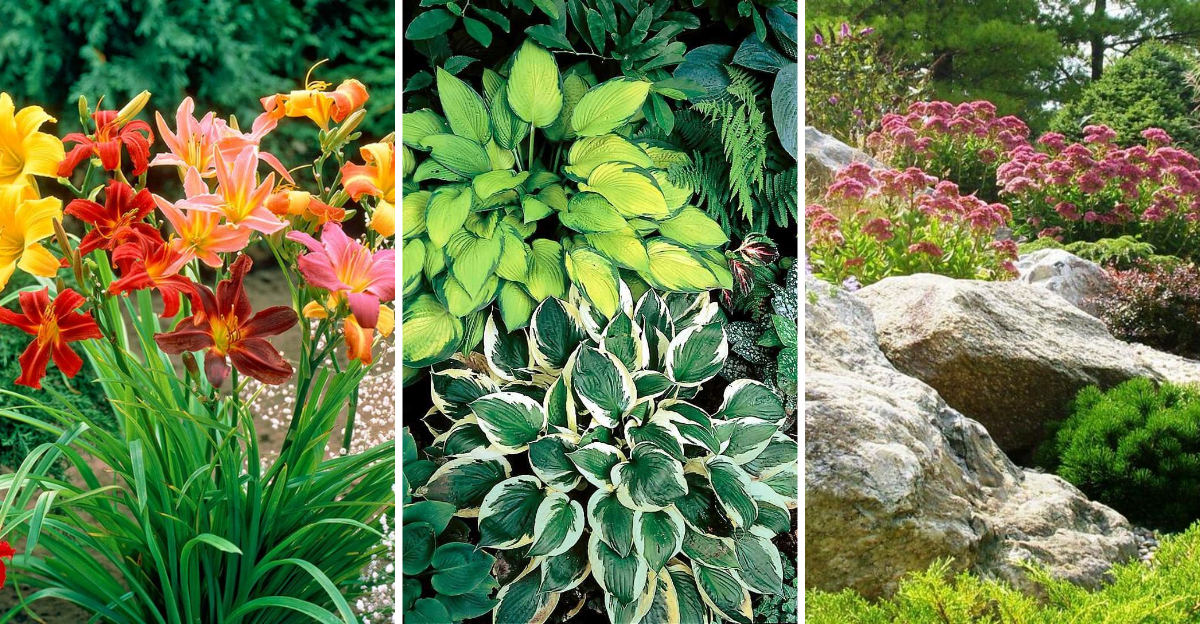
Perennial plants are a gardener’s delight, offering vibrant blooms that return year after year. However, not all perennials are created equal. While some thrive with little effort, others demand constant attention and can still fail to impress. This blog post explores ten perennials that will reliably brighten your garden, along with five that might just not be worth the struggle.
1. Daylily
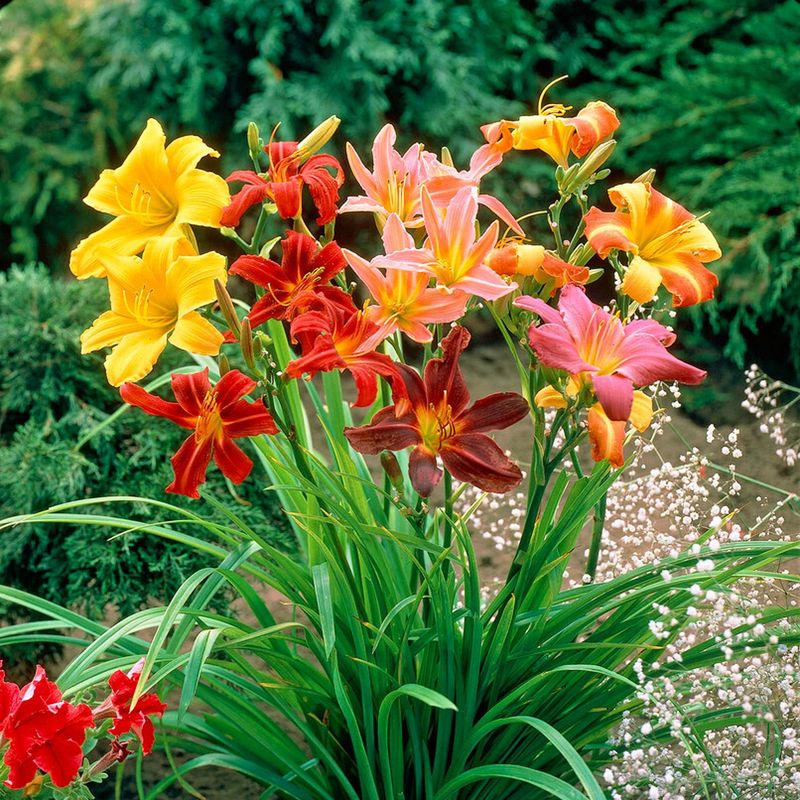
Daylilies are true garden stalwarts, known for their resilience and colorful blooms. Each flower lasts only a day, but the plant produces a plethora of blossoms throughout the season.
Daylilies require minimal care, thriving in various soil types and climates. They adapt to sunny and partially shaded spots, making them versatile garden companions. With their ability to spread and fill spaces, they create a lush, vibrant display.
Fun fact: Hybridizers have developed over 80,000 varieties of daylilies, offering an endless rainbow of colors and patterns.
2. Hosta
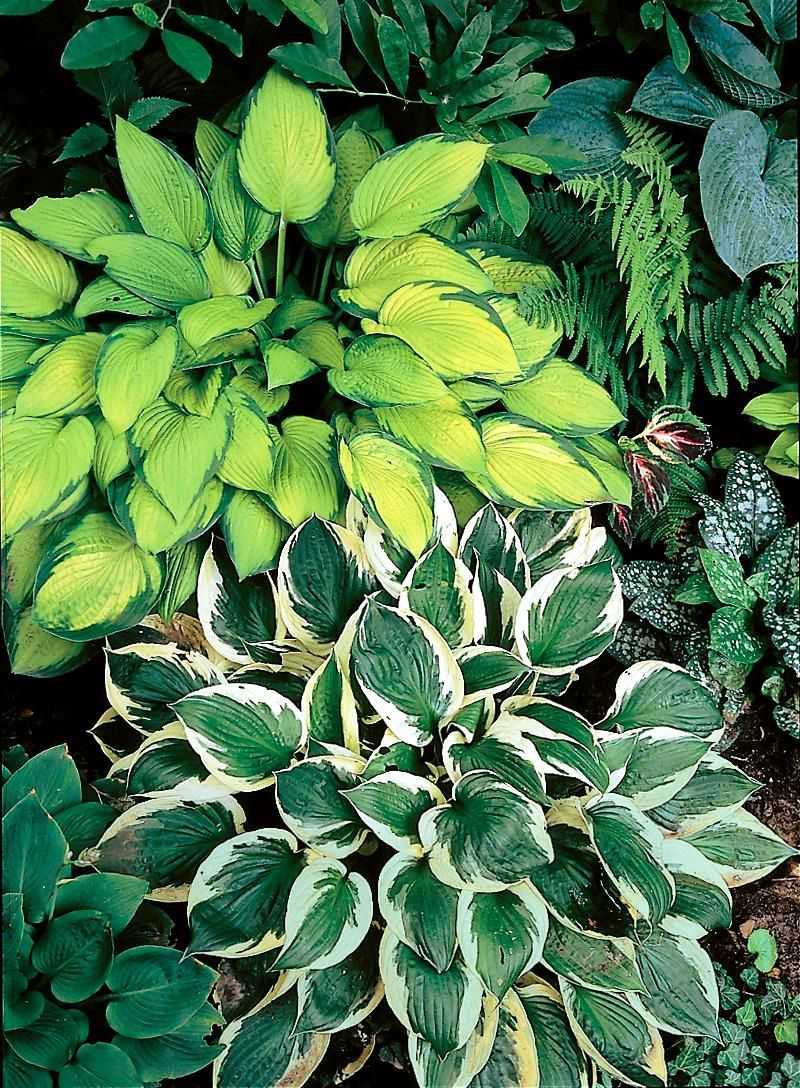
Hostas bring a touch of elegance to any garden with their lush foliage. Ideal for shady or partially shaded areas, they come in various sizes, colors, and textures.
Hostas are low-maintenance, requiring little more than occasional watering and protection from slugs. They are perfect for borders and underplanting trees where they can spread and thrive.
Did you know? Hostas are native to Northeast Asia and were first introduced to Europe in the 18th century, quickly becoming a gardener’s favorite.
3. Sedum
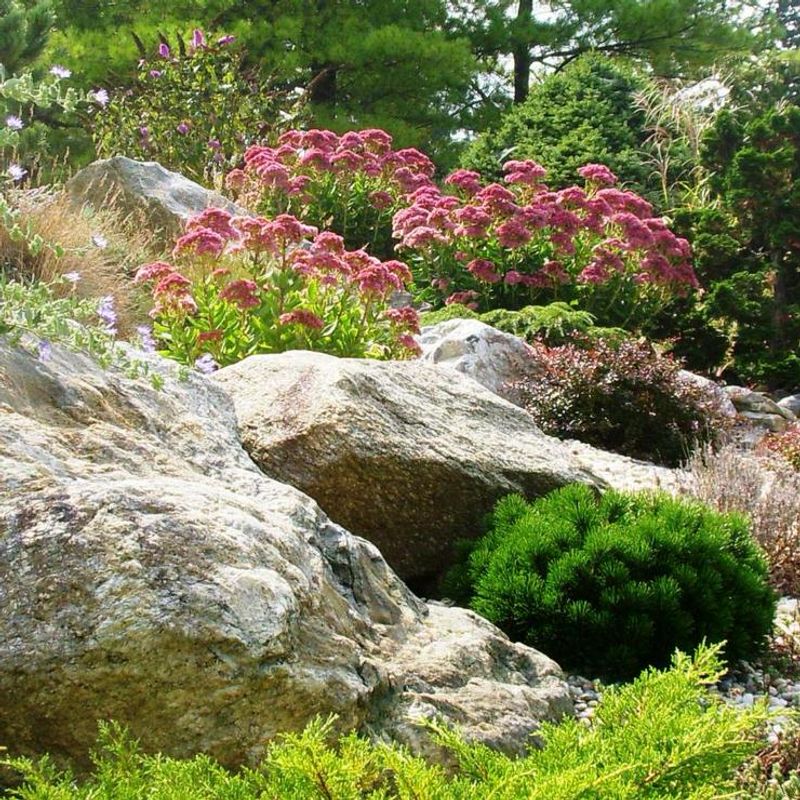
Sedums are tough, drought-resistant perennials that thrive in poor soil. Their succulent leaves store water, making them ideal for rock gardens and dry areas.
They require little care, thriving in full sun and well-drained soil. Sedums are incredibly versatile, offering vibrant blooms and interesting foliage textures.
Interesting tidbit: Known as “stonecrops,” sedums have been used traditionally in folk medicine for their healing properties.
4. Black-eyed Susan
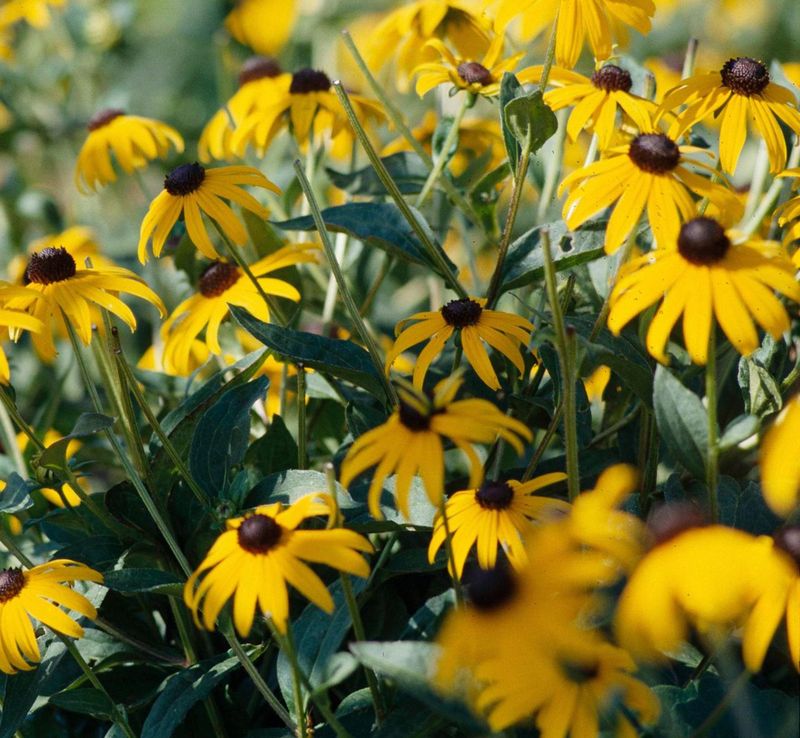
Black-eyed Susans are cheerful perennials that bring a pop of color to any landscape. With bright yellow petals surrounding a dark center, they attract butterflies and bees.
These hardy plants are easy to grow, requiring little more than plenty of sunlight and occasional watering. They are drought-tolerant and can thrive in average soil conditions.
Curious note: Black-eyed Susans are often associated with good luck and are the state flower of Maryland.
5. Coneflower
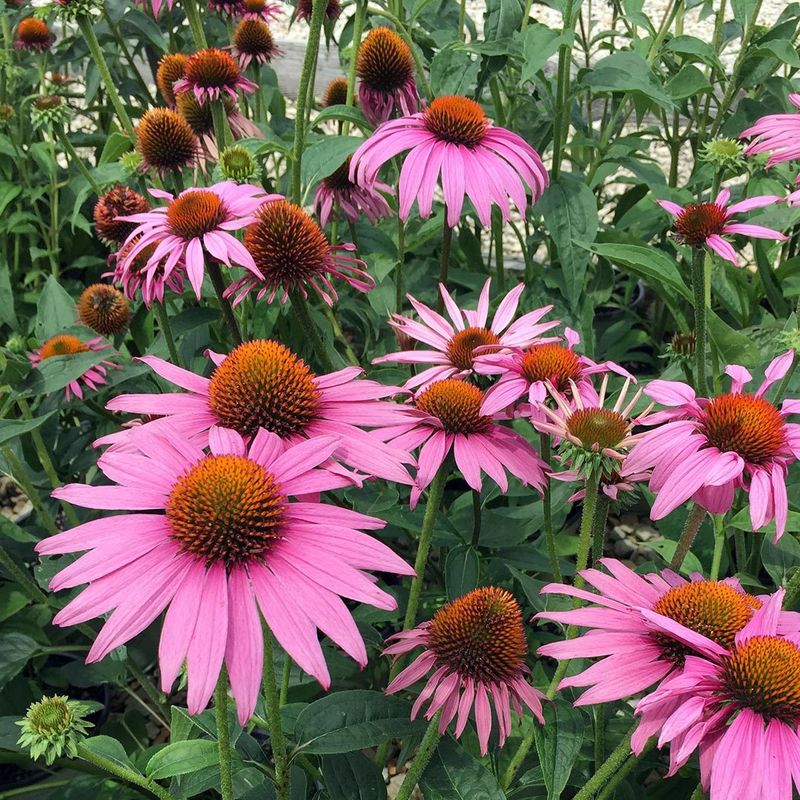
Coneflowers offer vibrant blooms and are a favorite among pollinators. Known for their resilience, they thrive in sunny locations with well-drained soil.
These striking perennials are drought-tolerant and require minimal maintenance, making them a staple in cottage gardens. Their long flowering season ensures a colorful display for months.
Did you know? Coneflowers, or Echinacea, are also used in herbal remedies believed to boost the immune system.
6. Peony
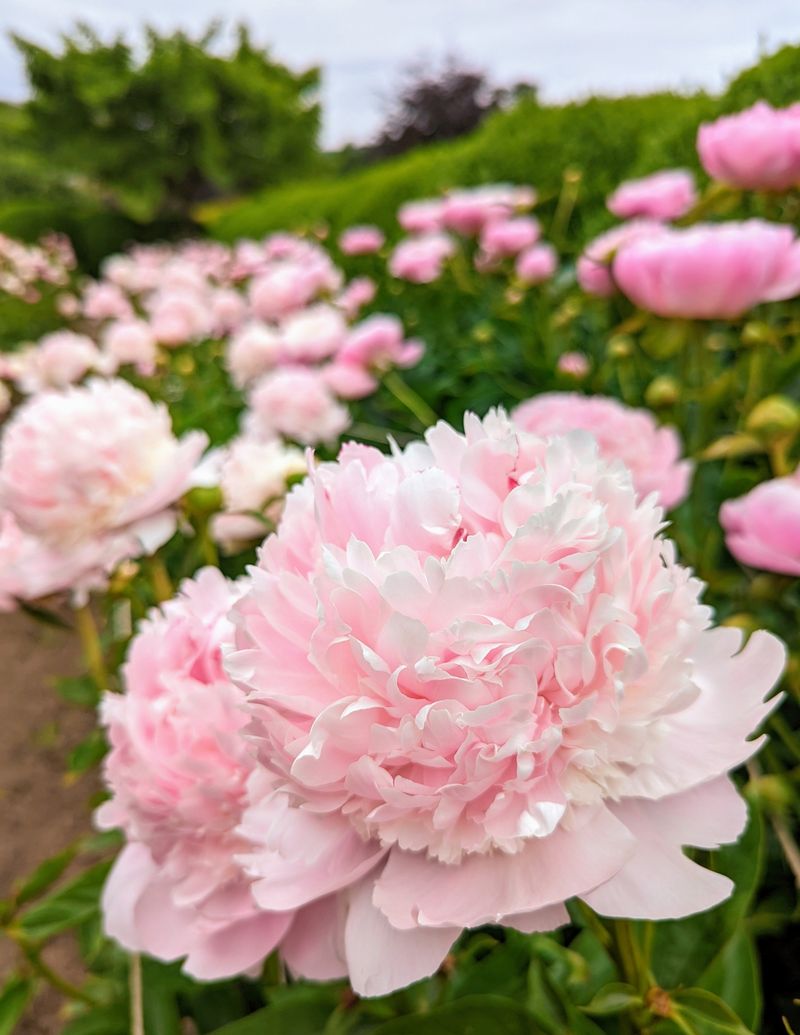
Peonies are famed for their large, fragrant blooms and longevity. Once established, they can thrive for decades with minimal intervention.
These perennials prefer sunny spots and well-drained soil. Although they may take a couple of years to settle, their stunning blooms are worth the wait, adding elegance to any garden.
Fun fact: Peonies are often associated with romance and prosperity, frequently featured in wedding bouquets.
7. Lavender
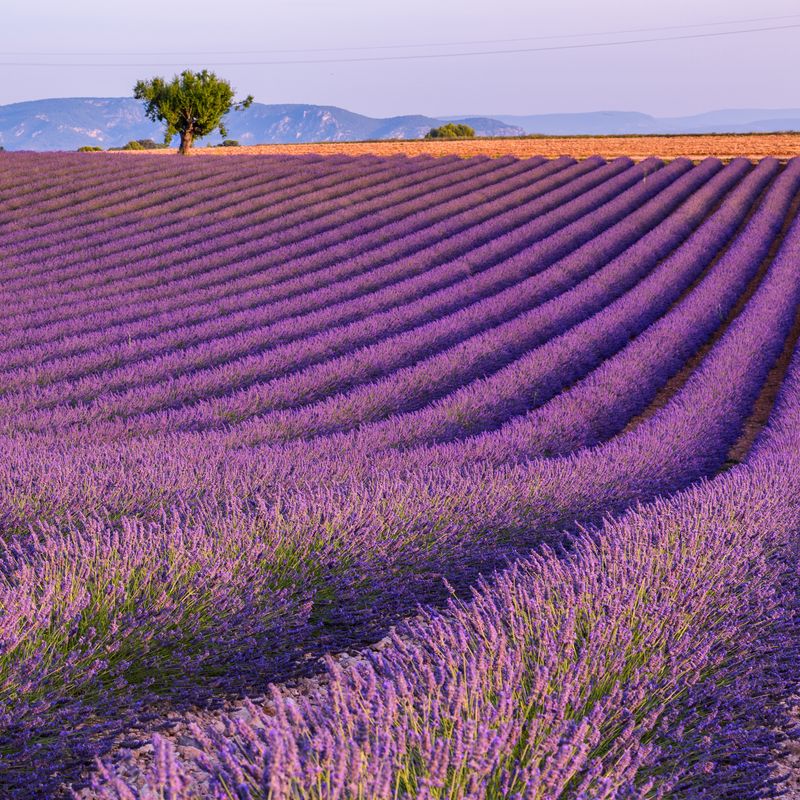
Lavender is cherished for its calming scent and striking purple flowers. It thrives in sunny, well-drained areas and is remarkably drought-resistant.
This perennial is perfect for borders and pollinator gardens, attracting bees with its fragrant blooms. Lavender’s aromatic leaves add a sensory experience to any garden.
Quirky tidbit: Lavender has been used for centuries in aromatherapy and was a favorite of Queen Elizabeth I for its scent and flavor.
8. Shasta Daisy
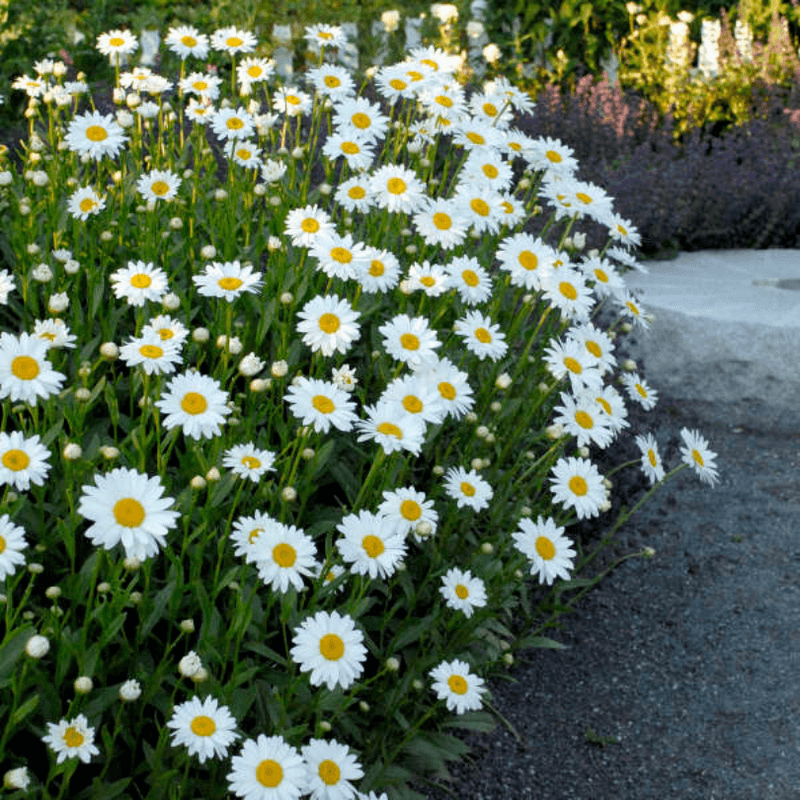
Shasta daisies bring timeless charm with their crisp white petals and sunny yellow centers. These perennials are easy to grow, requiring sunny spots with well-drained soil.
They are drought-tolerant and bloom prolifically, providing a classic garden look. Shasta daisies work well in borders, adding height and brightness.
Did you know? The Shasta daisy was bred by plant pioneer Luther Burbank, who combined several daisy species to create this iconic flower.
9. Salvia
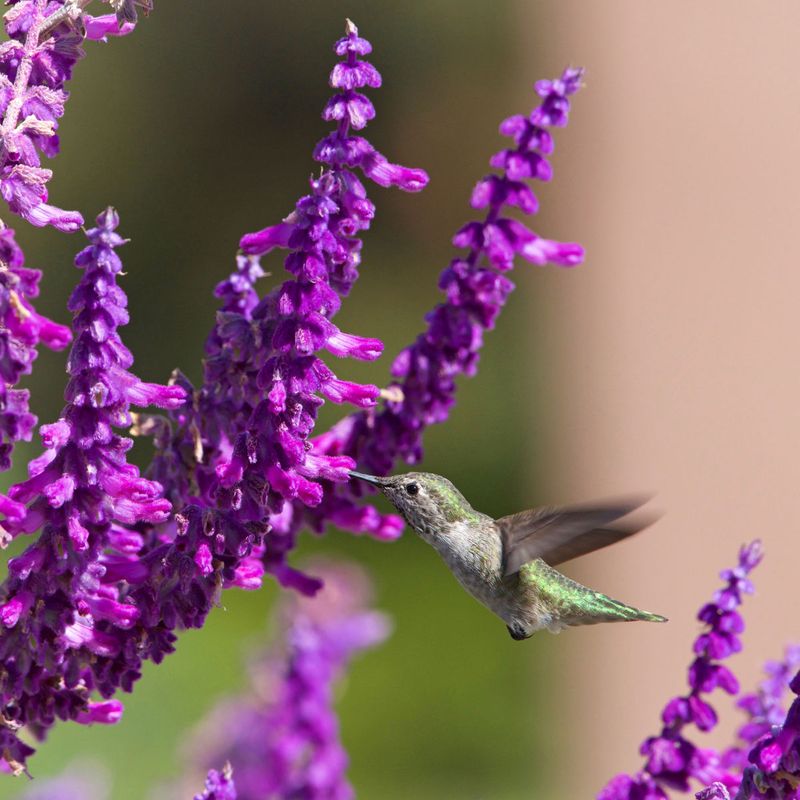
Salvia, with its spiky blooms, adds drama and color to any garden. These perennials thrive in full sun and are drought-tolerant once established.
Their flowers attract hummingbirds and bees, making them a valuable addition to wildlife gardens. Salvias are versatile, available in various colors and sizes for different garden styles.
Fun fact: Salvia is part of the mint family and has been used in traditional medicine for its purported healing properties.
10. Catmint
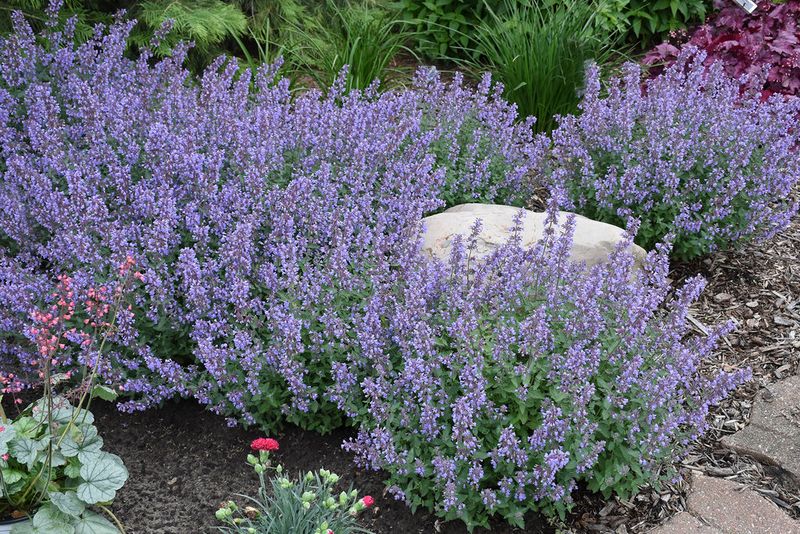
Catmint is a perennial known for its aromatic, silvery foliage and abundant clusters of purple flowers. It’s low-maintenance, thriving in sunny, well-drained spots.
This plant attracts pollinators, making it a great choice for wildlife gardens. It can be used as a border plant, offering a soft, flowing look to garden edges.
Interesting fact: Catmint is closely related to catnip, and while it’s not as potent, cats still find it intriguing.
11. Delphinium
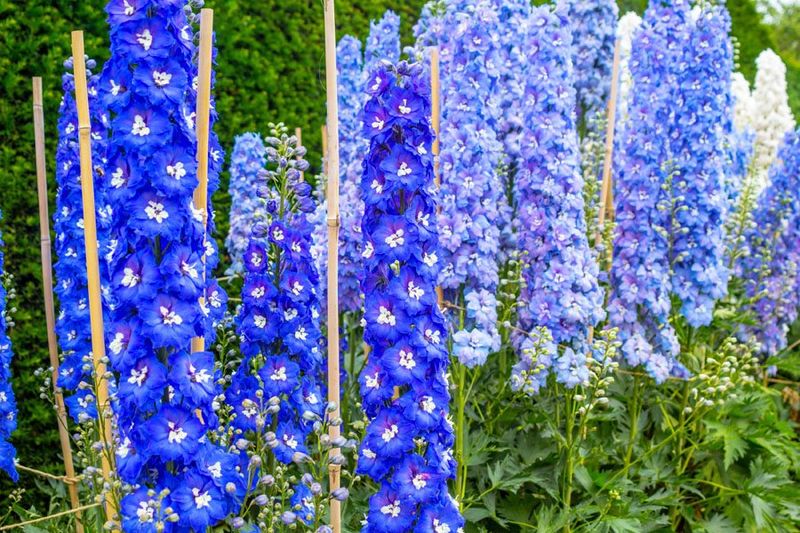
Delphiniums are known for their striking, tall flower spikes and vibrant colors. They flourish in full sun with rich, well-drained soil.
These perennials require some care, such as staking to prevent collapse and protection from strong winds. Despite their needs, they offer dramatic vertical interest in gardens.
Did you know? Delphiniums have a rich history in folklore, symbolizing boldness and creativity. Their beauty has adorned many traditional English gardens.
12. Bleeding Heart
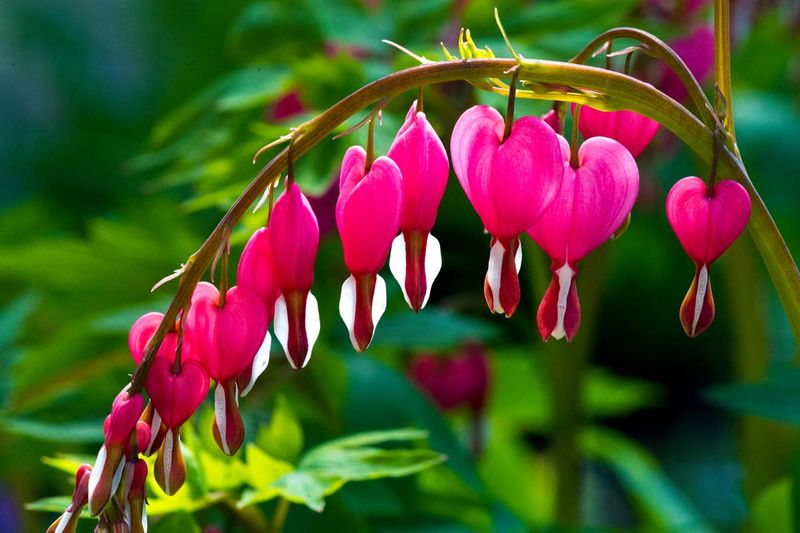
Bleeding hearts captivate with their unique, heart-shaped blooms that dangle from arching stems. They thrive in shaded areas with moist, well-drained soil.
These perennials add a whimsical touch to woodland gardens but require regular watering to maintain their lush appearance. Their enchanting presence is worth the effort.
Curious fact: Bleeding hearts are native to Eastern Asia and North America, and their delicate form has inspired countless poems and artworks.
13. Lupine
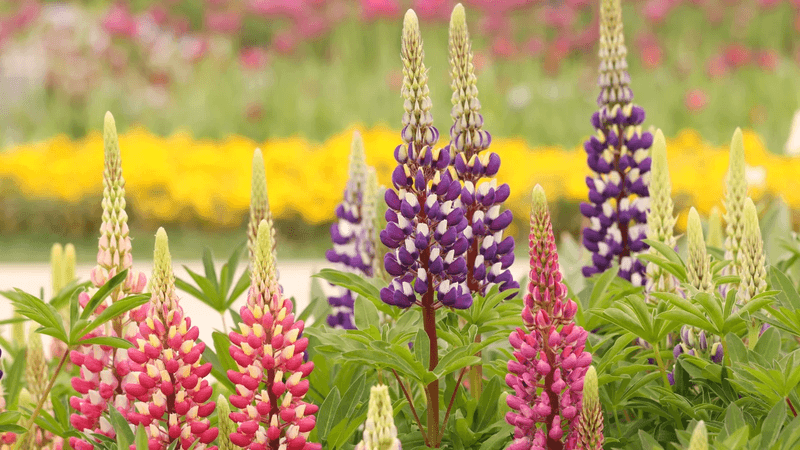
Lupines offer tall, colorful flower spikes that add drama to any landscape. These perennials thrive in sunny locations with well-drained soil.
While they can self-seed and spread, lupines require some maintenance, such as deadheading to promote further blooming. Their striking appearance makes them a worthwhile addition.
Interesting note: Native to North America, lupines have been used by indigenous peoples for their edible seeds and nitrogen-fixing abilities.
14. Astilbe
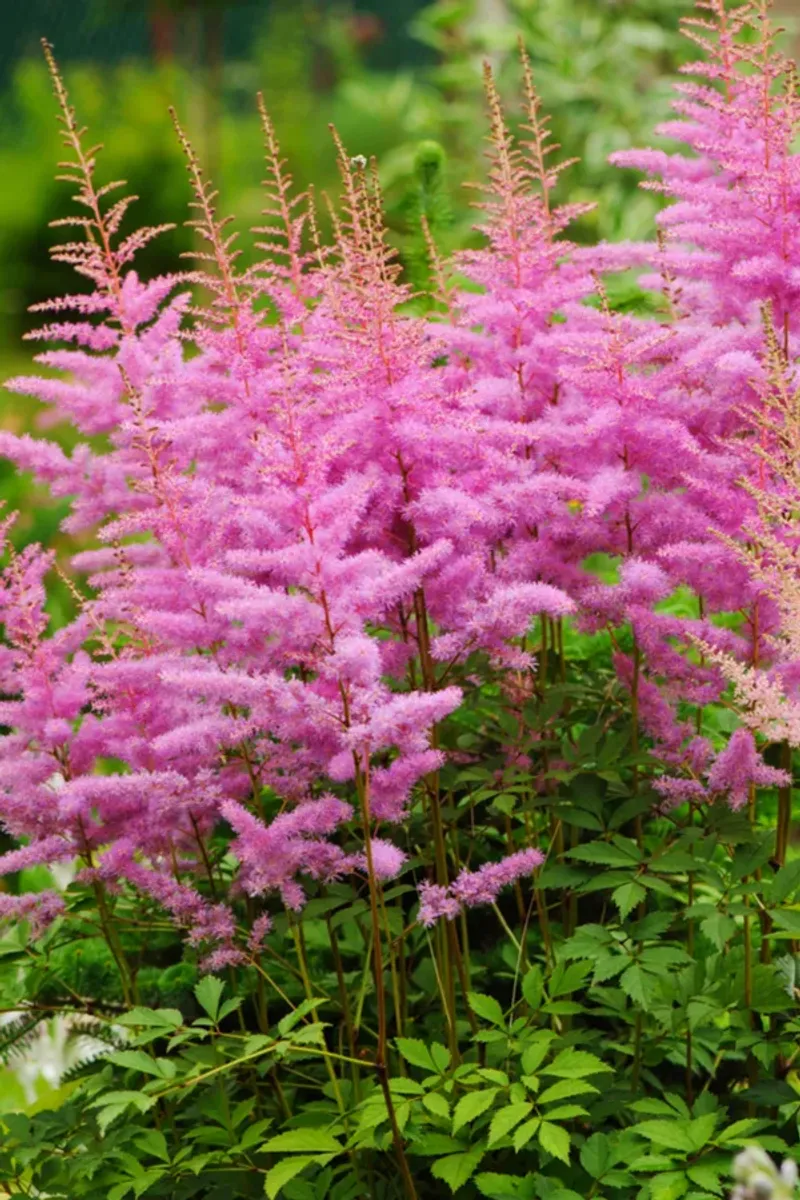
Astilbes are known for their feathery plumes and lush foliage, thriving in shaded or partially shaded areas with moist soil.
These perennials require regular watering to maintain their vibrant appearance. Despite needing more care, their long-lasting blooms add elegance to garden beds and borders.
Did you know? Astilbes are native to Asia and North America and have become popular in gardens for their ability to brighten shaded areas.
15. Russian Sage
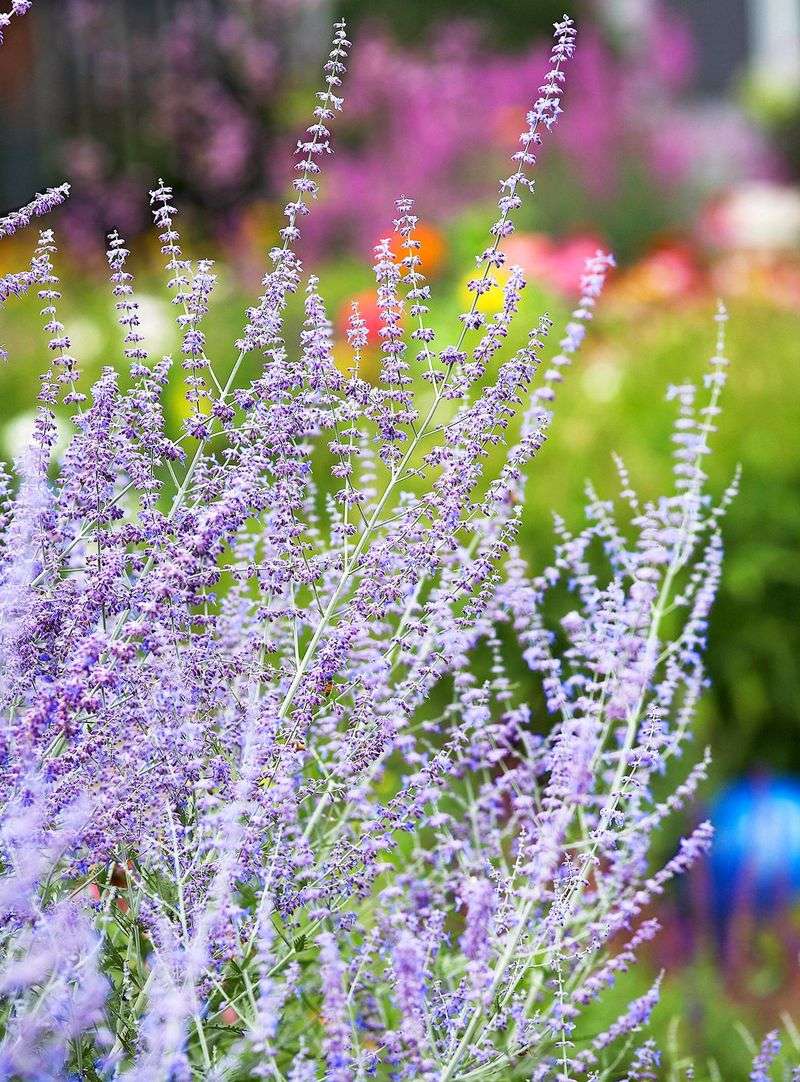
Russian Sage is a beacon of resilience and beauty in any garden. Its silver-gray foliage and striking lavender-blue flowers bring a sense of calm and elegance.
Not only does it thrive in full sun, but its drought tolerance makes it a perfect choice for low-maintenance landscapes. This perennial’s airy structure adds a decorative touch without overwhelming surrounding plants.
Often mistaken for lavender, Russian Sage stands out with its unique aromatic scent and ability to attract pollinators. Pair it with ornamental grasses for a picturesque garden scene.