
Maintaining a perfectly manicured lawn can be time-consuming and environmentally taxing. Reducing the frequency of mowing your lawn offers numerous benefits, from enhancing biodiversity to saving time and resources. This guide explores twenty compelling reasons to embrace a more relaxed approach to lawn care, ensuring your outdoor space remains vibrant and eco-friendly.
1. Boosts Biodiversity
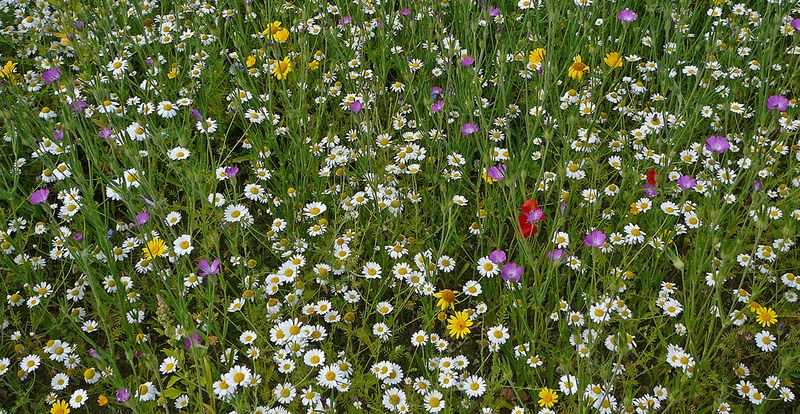
An overgrown lawn becomes a sanctuary for a variety of plant and animal species. Allowing grass to grow longer provides a habitat for insects, birds, and small mammals, enhancing local biodiversity. This vibrant ecosystem supports pollinators like bees and butterflies, crucial for the health of surrounding gardens and crops.
Longer grass also allows wildflowers to flourish, adding color and diversity to your yard. This natural beauty reduces the need for chemical fertilizers and pesticides, making your lawn a haven for wildlife and a delight for human visitors.
2. Saves Water
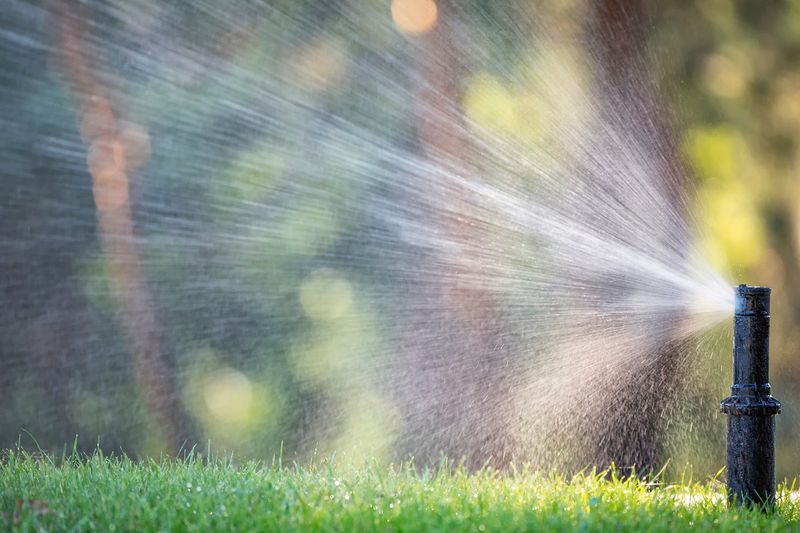
Frequent mowing often necessitates excessive watering to maintain a green appearance. By mowing less, grass roots grow deeper, accessing underground water sources and reducing the need for supplemental watering.
This practice not only conserves water but also cuts down on your water bill. During drought conditions, a less frequently mowed lawn fares better, staying resilient and healthy with less intervention. Allowing the grass to grow longer also helps retain soil moisture, providing a natural buffer against dry spells.
3. Improves Soil Health
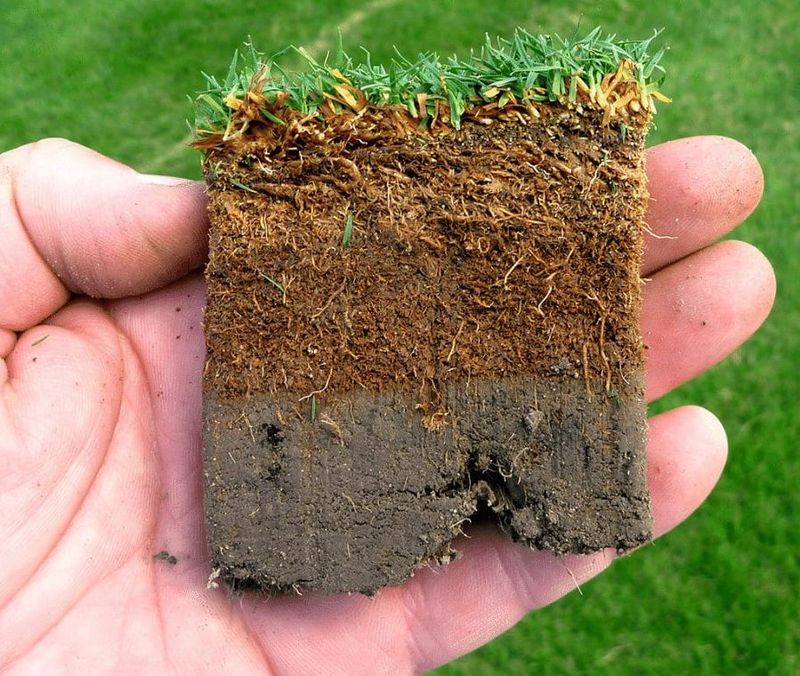
Healthy soil is the foundation of a robust lawn. When you reduce mowing frequency, organic matter builds up, enriching the soil with nutrients. Longer grass means more photosynthesis, which feeds soil-dwelling microbes and earthworms.
These organisms break down organic material, improving soil structure and fertility. Over time, your lawn becomes more self-sustaining, requiring fewer chemical interventions. Rich, healthy soil not only supports a lush lawn but also contributes to the overall health of your garden ecosystem.
4. Reduces Carbon Footprint
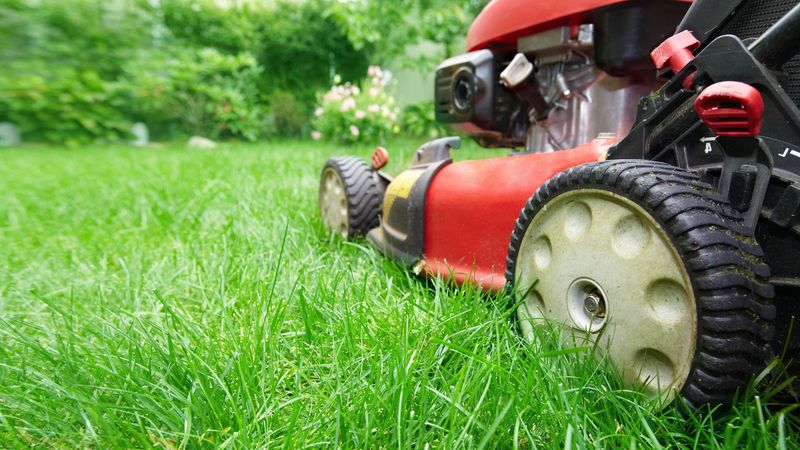
Lawn mowers, especially gas-powered ones, are significant contributors to carbon emissions. By mowing less frequently, you reduce fuel usage and emissions, thereby lowering your carbon footprint. This small change contributes to a larger effort to combat climate change.
Electric mowers, while less polluting, also benefit from reduced use. Beyond emissions, manufacturing, maintaining, and disposing of mowers contribute to environmental impacts, all of which are minimized by cutting back on mowing.
5. Promotes Lawn Resilience
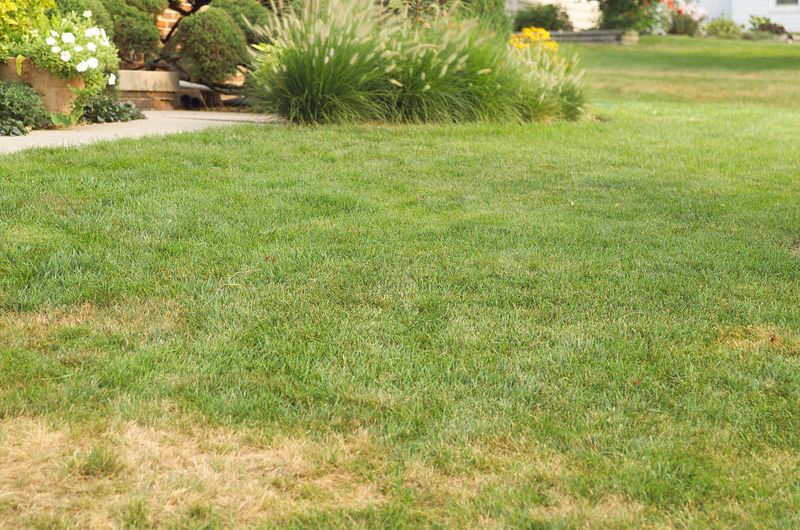
A less frequently mowed lawn tends to be more resilient. Longer grass helps shade the soil, keeping it cooler and reducing evaporation. This resilience is particularly beneficial during hot summers or dry spells.
A stronger lawn can better withstand foot traffic and environmental stresses, maintaining its vibrant appearance longer. Deep-rooted grass also competes more effectively with weeds, reducing their presence naturally, and ensuring a dense, healthy lawn year-round.
6. Encourages Natural Lawn Appearance
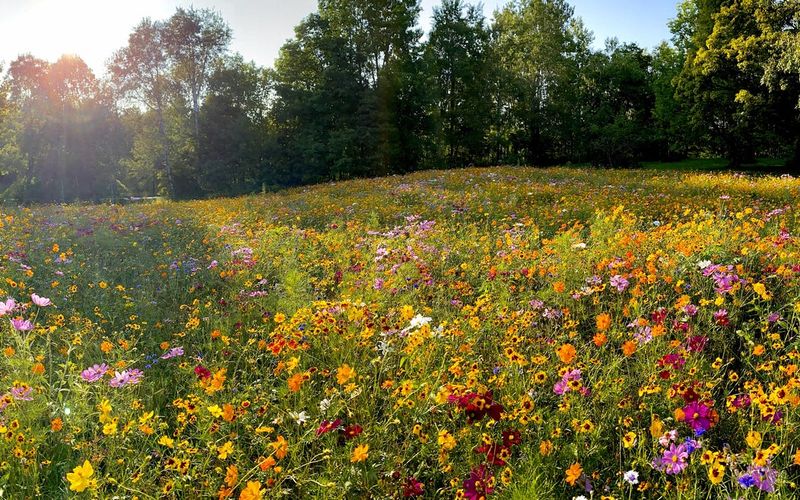
A natural lawn, with its varied grass heights and wildflowers, provides a rustic charm often lost in perfectly manicured lawns. This less uniform approach enhances the aesthetic appeal, creating a serene landscape that more closely resembles nature.
Wildflowers add seasonal color and interest, inviting wildlife to your garden. This approach requires less intervention, allowing you to enjoy a beautiful, evolving yard without the constant upkeep associated with frequent mowing.
7. Increases Leisure Time

Reducing mowing frequency frees up valuable time for leisure activities. Instead of spending weekends behind a mower, you can relax, pursue hobbies, or spend time with family and friends.
The time saved allows you to enjoy your outdoor space in a more meaningful way, enhancing your well-being and life satisfaction. This shift from maintenance to enjoyment transforms how you interact with your garden, creating a more relaxing and fulfilling experience.
8. Supports Pollinator Populations
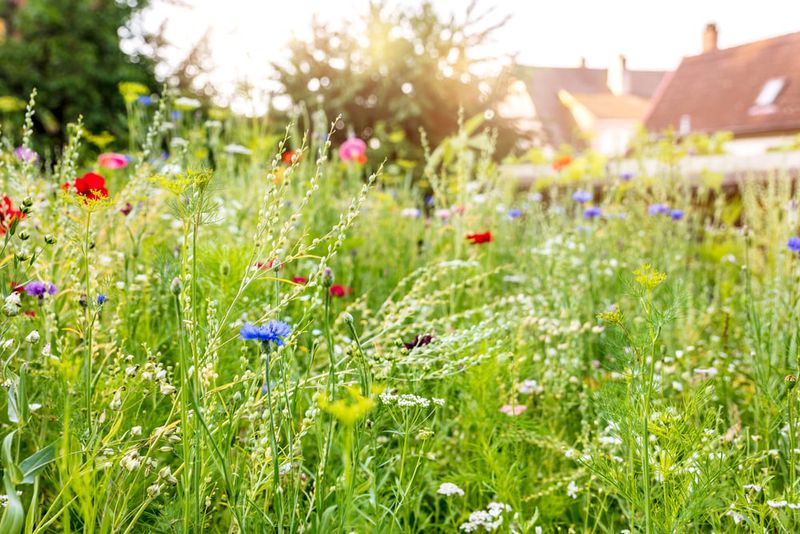
Pollinators, such as bees and butterflies, thrive in environments with diverse plant life, often lacking in over-manicured lawns. Allowing grass to grow longer with wildflowers enhances pollinator habitats, supporting these crucial creatures.
Pollinators are vital for the reproduction of many plants, including those in your garden. By creating a welcoming environment, you help sustain their populations, contributing to biodiversity and the health of your local ecosystem.
9. Reduces Noise Pollution
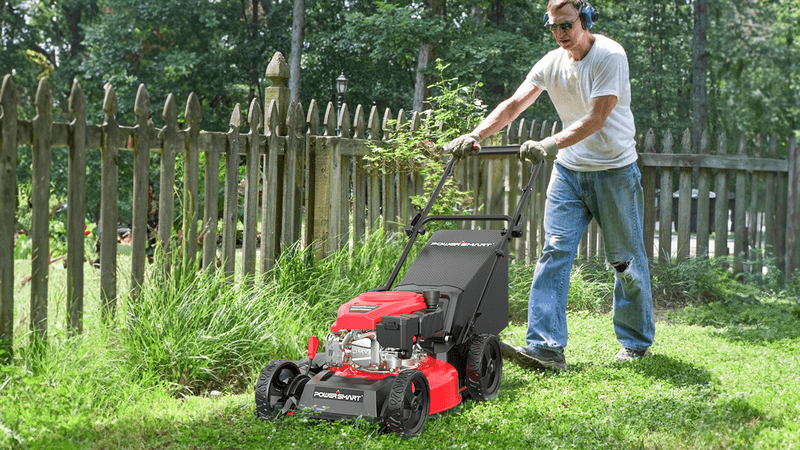
Gas-powered lawn mowers are notoriously loud, contributing to noise pollution in neighborhoods. By mowing less frequently, you significantly decrease the noise, creating a more peaceful environment for yourself and your neighbors.
This tranquility enhances the enjoyment of outdoor spaces, allowing for relaxation without the constant interruption of machinery. A quieter garden can become a haven from the hustle and bustle of daily life, promoting mental well-being and relaxation.
10. Minimizes Chemical Use
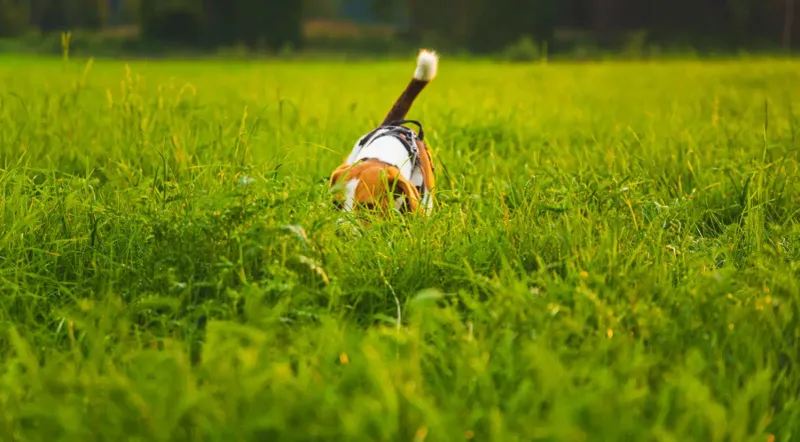
Frequent mowing often leads to increased reliance on chemical fertilizers and pesticides to maintain a perfect lawn appearance. By mowing less, you allow natural processes to thrive, minimizing the need for chemicals.
This approach is healthier for the environment, pets, and children, reducing exposure to potentially harmful substances. A chemical-free lawn is also more sustainable, promoting natural growth cycles and improving soil health over time.
11. Reduces Soil Compaction
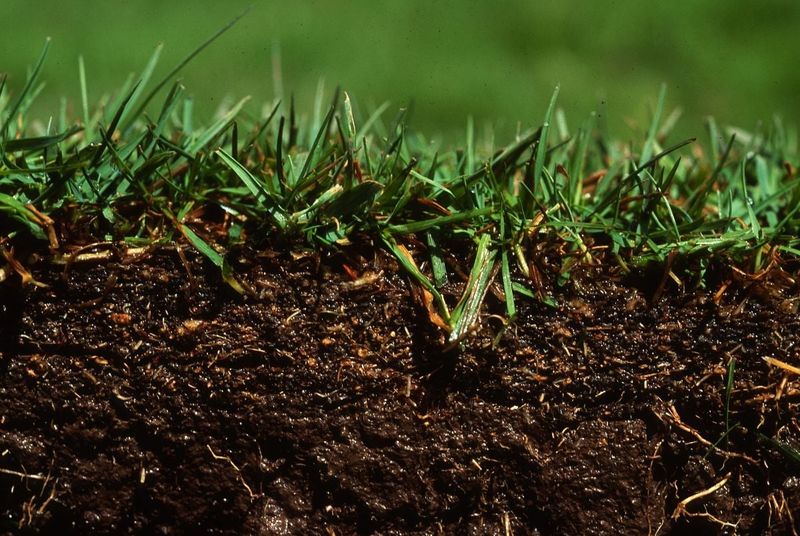
Constant mowing compacts the soil, reducing its ability to absorb water and nutrients. By mowing less, you allow the soil to remain aerated and healthy. This improves grass growth and overall lawn vitality.
Compacted soil can lead to runoff and erosion, damaging your lawn and garden. Less frequent mowing reduces these risks, ensuring a robust lawn capable of sustaining itself naturally. Your garden thrives as soil structure improves, benefiting plants and the environment.
12. Encourages Deeper Root Growth
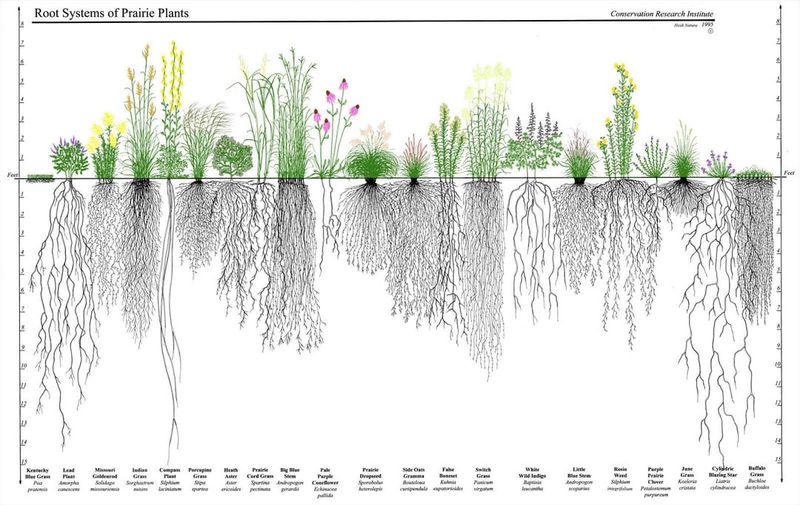
Longer grass promotes deep root growth, which is essential for a healthy lawn. Deep roots access water and nutrients more efficiently, supporting robust growth.
This not only enhances the lawn’s appearance but also its resilience to drought and other stresses. A deeply rooted lawn requires less maintenance, naturally deterring weeds and pests, and maintaining its lushness with minimal intervention.
13. Enhances Aesthetic Variety
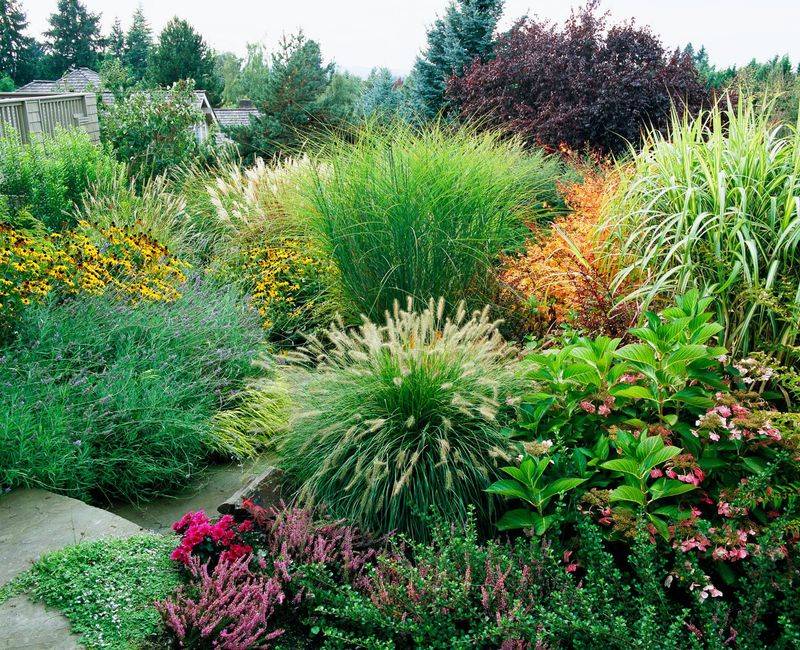
A lawn with varied textures and heights is visually intriguing, offering a dynamic alternative to the conventional flat, uniform look. This aesthetic variety creates a unique landscape that stands out.
Different grass types and lengths can highlight garden features, add depth, and create focal points in your yard. This artistic approach celebrates natural beauty, transforming your garden into a sophisticated outdoor space.
14. Promotes Wildlife Habitats
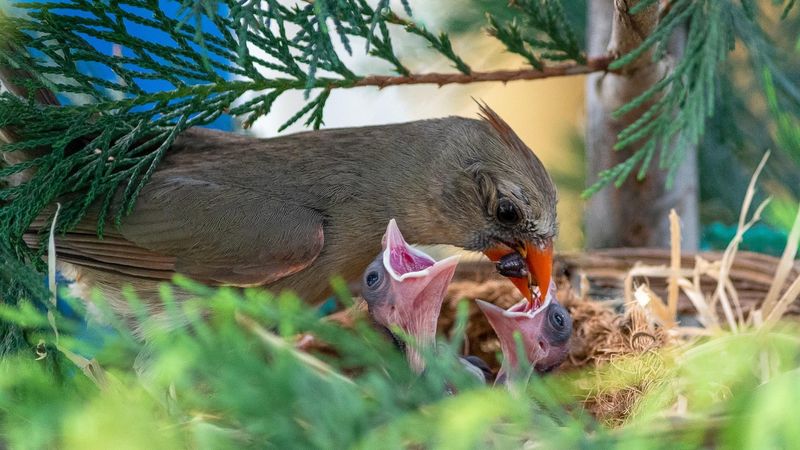
Tall grass provides shelter and nesting sites for various wildlife, including birds and small mammals. A less frequently mowed lawn supports these creatures by offering a safe and nurturing habitat.
This focus on wildlife conservation enriches your garden’s ecosystem, encouraging a balance of nature. Observing wildlife in your yard enhances your connection to the environment, offering educational and leisure opportunities for the whole family.
15. Fosters Natural Fertilization
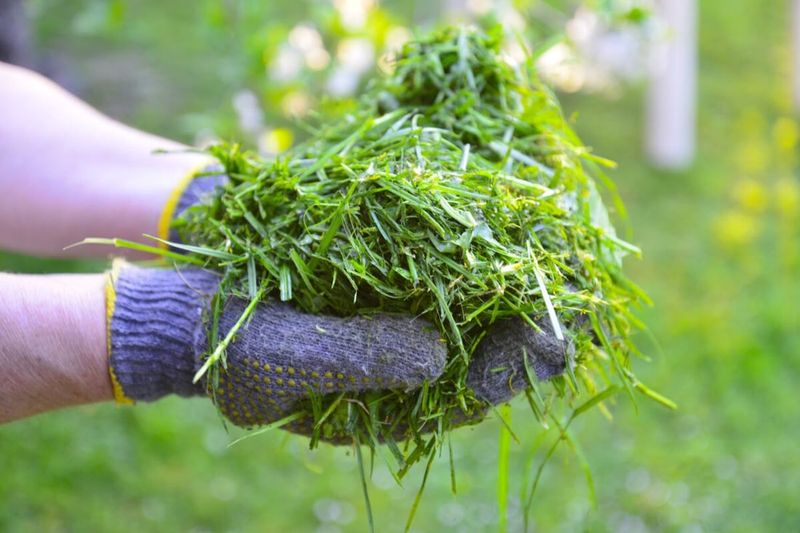
Allowing grass clippings to decompose naturally on the lawn acts as a green fertilizer, returning essential nutrients to the soil. This organic process reduces the need for synthetic fertilizers, promoting a healthier lawn.
Natural fertilization supports microbial activity, enhancing soil fertility and structure. Over time, this leads to a more sustainable lawn, lush and vibrant without chemical inputs. Embracing natural cycles transforms maintenance into a more holistic approach.
16. Reduces Lawn Equipment Wear
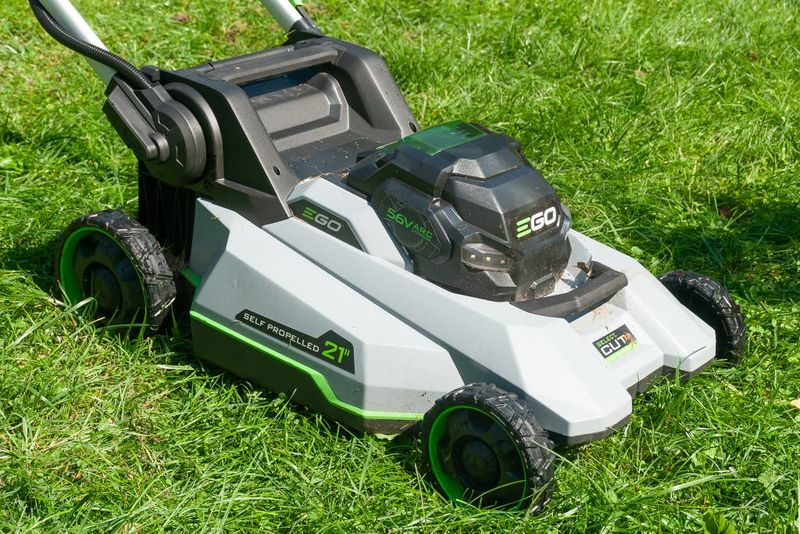
Mowing less frequently means your lawn equipment experiences less wear and tear, extending its lifespan. This reduces maintenance costs and the need for replacement parts or equipment.
By minimizing mower usage, you also decrease the environmental impact associated with manufacturing and disposing of lawn equipment. This mindful approach not only saves money but also supports sustainability efforts, aligning with eco-friendly practices.
17. Preserves Local Flora
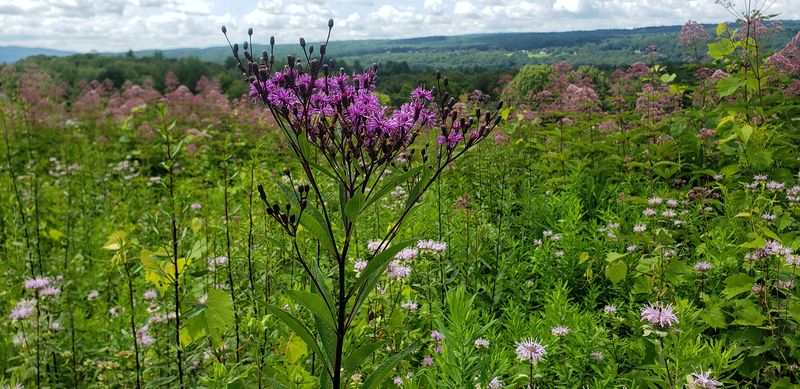
Allowing your lawn to grow naturally supports the growth of native flora, which can be overshadowed by frequent mowing. Indigenous plants are adapted to local conditions, requiring less water and care.
Supporting local plant species contributes to biodiversity, providing food and shelter for native wildlife. This practice fosters a more resilient and self-sustaining garden, celebrating the unique botanical heritage of your area.
18. Encourages Eco-friendly Landscaping
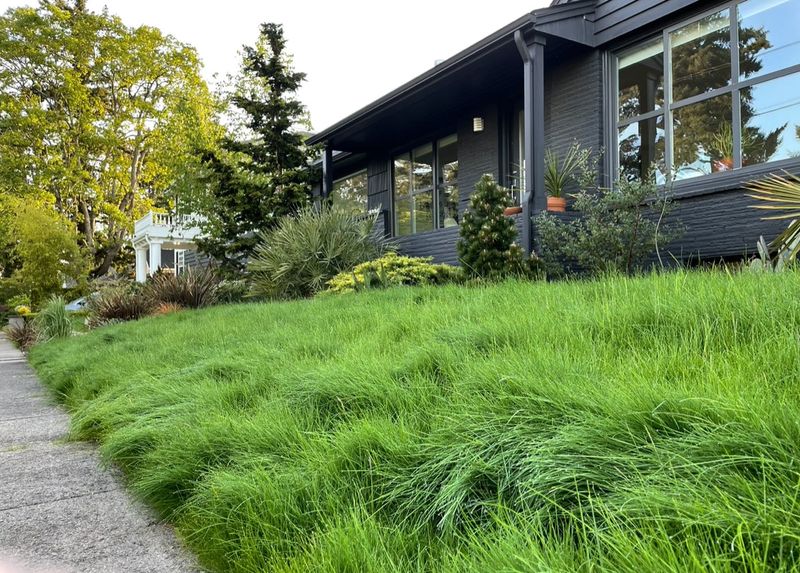
Mowing less often aligns with principles of eco-friendly landscaping, encouraging a more sustainable and environmentally conscious garden design. This approach reduces reliance on fossil fuels, chemicals, and non-renewable resources.
Eco-friendly landscaping promotes biodiversity, water conservation, and soil health, creating a balanced and harmonious outdoor space. Adopting these practices contributes to a healthier planet and provides a model for responsible garden stewardship.
19. Reduces Stress on Plants
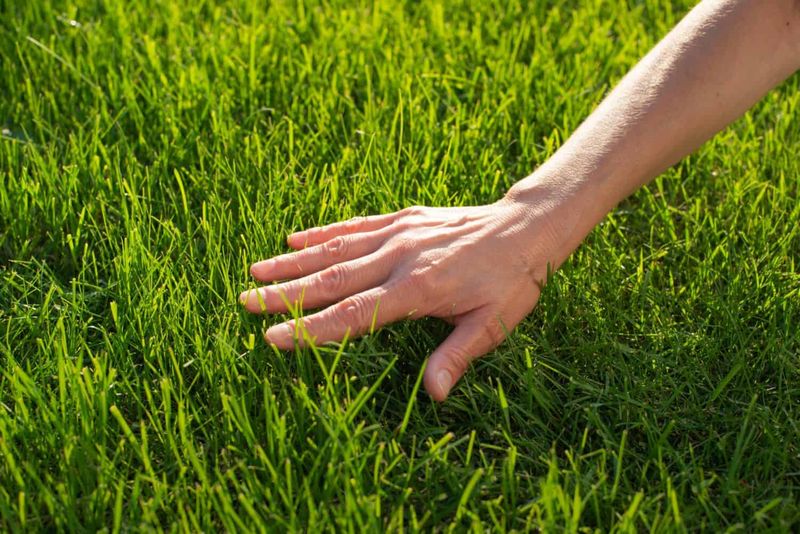
Frequent mowing can stress grass plants, weakening them and making them more susceptible to disease and pests. By mowing less, you allow grass to grow and recover, improving its health and resilience.
A stress-free lawn is more vibrant, requiring less intervention to maintain its beauty. Embracing a gentler approach to lawn care fosters a thriving garden, full of life and vigor, reducing the time and effort needed for upkeep.
20. Fosters Natural Insect Balance
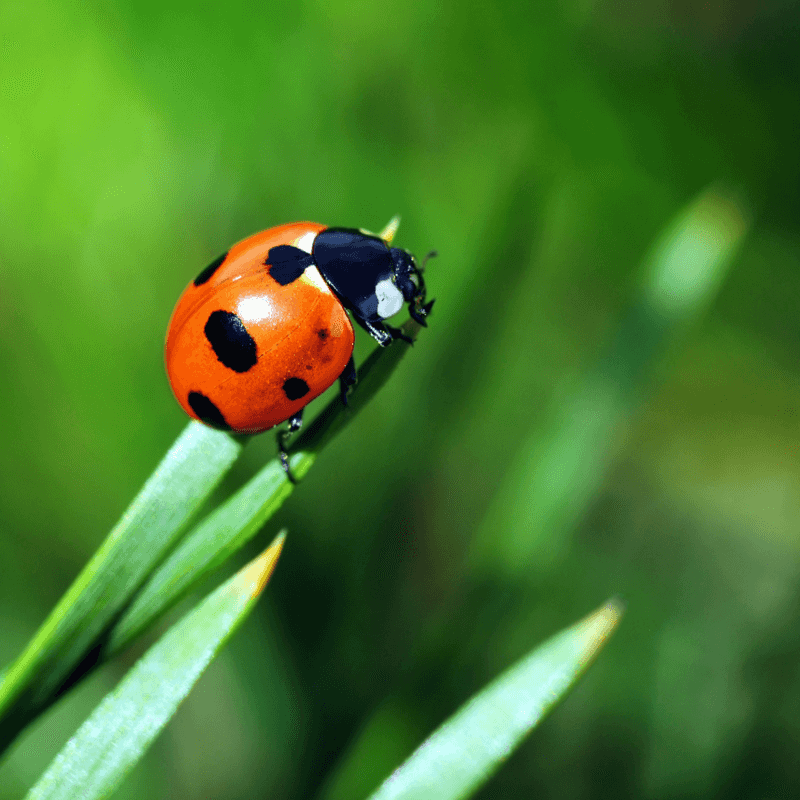
Have you ever noticed how vibrant a garden becomes with a little neglect? Allowing your lawn to grow longer creates a sanctuary for helpful insects. Longer grass supports a balanced ecosystem, where beneficial insects like ladybugs and spiders thrive.
These small creatures naturally control pest populations, reducing the need for chemical pesticides. Imagine fewer pests without the harsh chemicals. It’s nature’s way of maintaining balance.
Embrace the wild side of your lawn and discover the unseen army working tirelessly to keep your yard healthy. It’s a fascinating world worth exploring.