 Complete Gardening
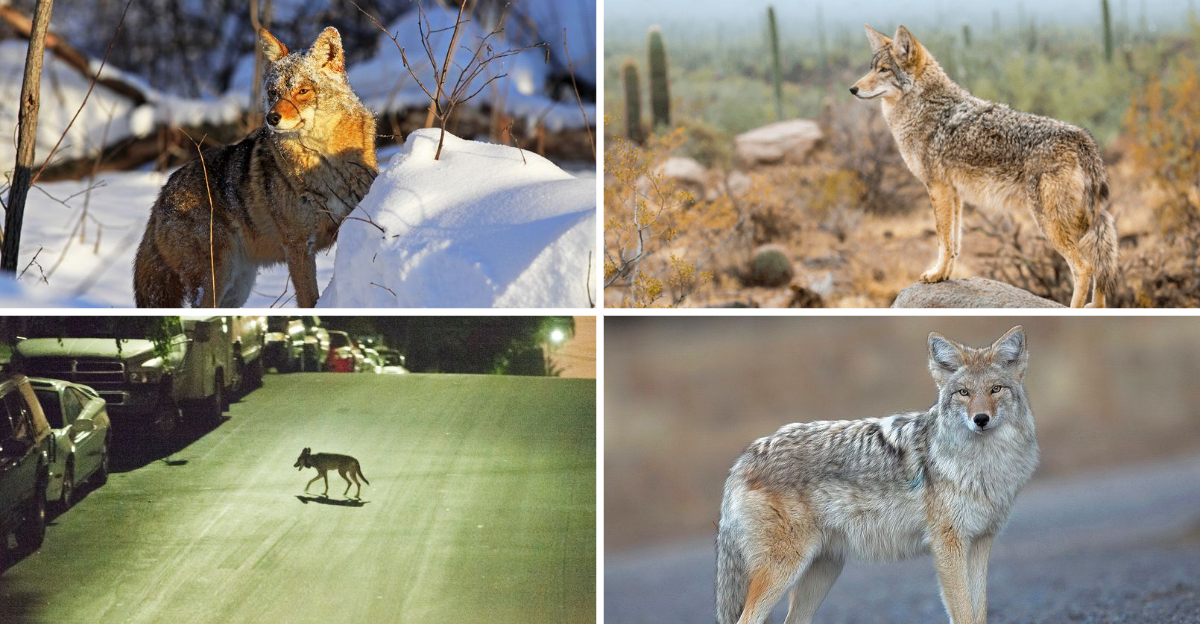
Coyotes are spreading across America faster than ever before, showing up in places they’ve never lived. These smart predators are adapting to city life and finding new ways to survive near humans. Understanding their behavior patterns can help keep your family and pets safe from dangerous encounters.
1. California’s Urban Coyote Explosion

California leads the nation in coyote-human conflicts, with Los Angeles reporting over 16,000 coyote sightings annually. These urban predators have learned to navigate city streets and suburban neighborhoods with remarkable skill.
Homeowners should secure garbage cans with tight-fitting lids and remove fallen fruit from trees. Never leave pet food outside, as it attracts coyotes looking for easy meals in residential areas.
2. Texas Ranch Land Invasions
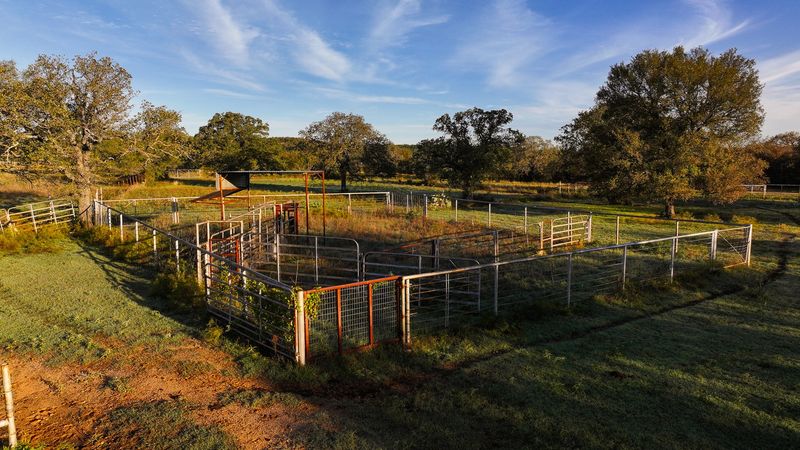
Texas ranchers face constant pressure from expanding coyote populations that threaten livestock and family pets. Rural properties provide perfect hunting grounds for these adaptable predators seeking water and shelter.
Install motion-activated lights around barns and animal enclosures to deter nighttime visits. Consider building higher fences around chicken coops and small animal areas, as coyotes can jump surprisingly high distances when motivated by hunger.
3. Arizona Desert Adaptation Success
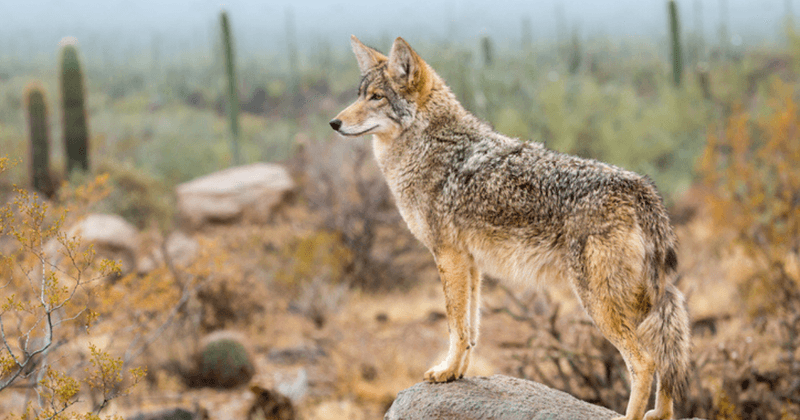
Arizona’s desert coyotes have mastered survival in extreme heat, often venturing into residential areas seeking water sources during drought periods. Swimming pools and pet water bowls become magnets for thirsty predators.
Cover pools when not in use and bring pet water dishes indoors overnight. Landscape with native plants that require less irrigation, reducing the artificial water sources that attract coyotes to your property during dry seasons.
4. New Mexico Pack Behavior Changes
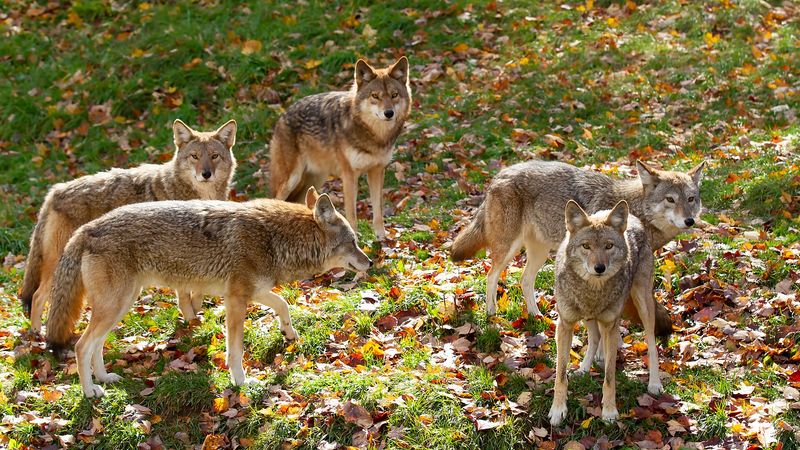
New Mexico wildlife officials report unusual pack hunting behaviors as coyotes adapt to suburban environments. Groups of three to five animals coordinate attacks on larger prey, including medium-sized dogs.
Walk dogs on leashes during dawn and dusk hours when coyote activity peaks. Carry a whistle or air horn to scare away approaching coyotes, and teach children to make themselves appear large and back away slowly from any coyote encounter.
5. Colorado Mountain Migration Patterns
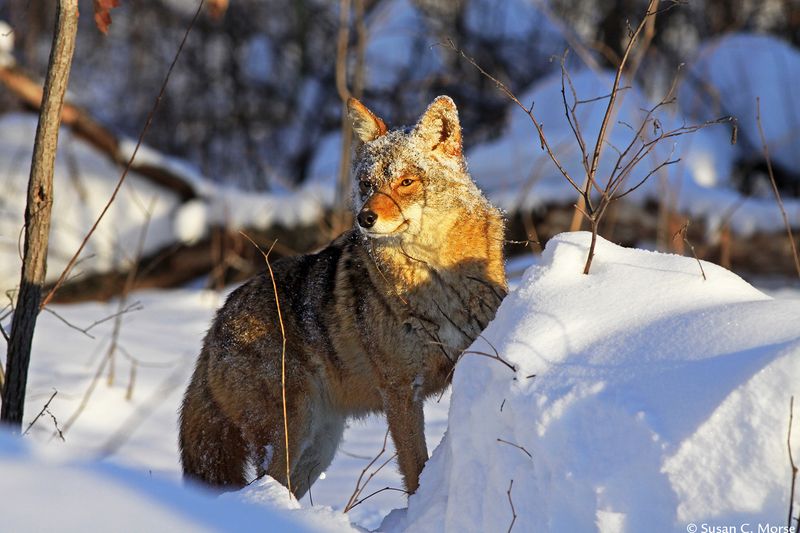
Colorado’s mountain communities experience seasonal coyote invasions as snow forces predators to lower elevations. Ski towns and mountain neighborhoods become temporary hunting grounds during harsh winter months.
Store garbage in secure containers inside garages until pickup day. Clear brush and dense vegetation from around your home, as coyotes use these areas for cover when stalking prey or establishing temporary dens.
6. Nevada Suburban Denning Habits
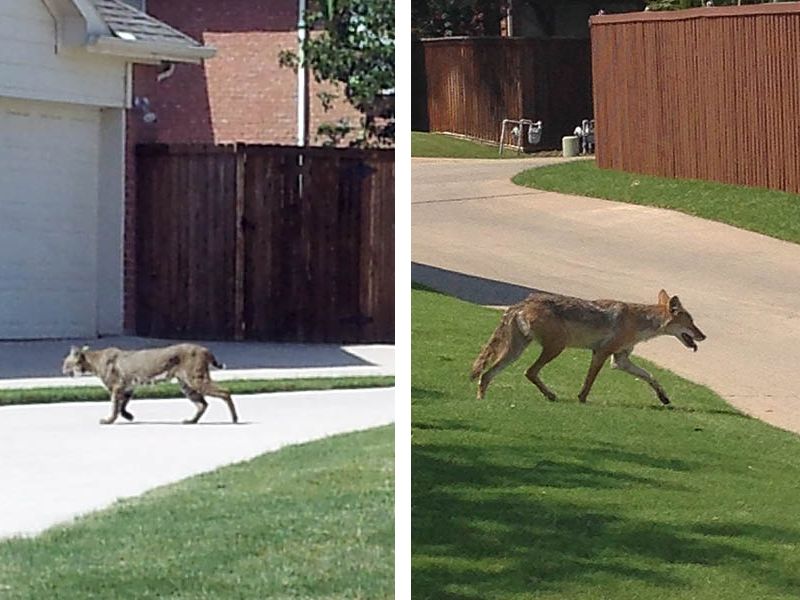
Nevada homeowners discover coyote dens in unexpected places like under decks, sheds, and abandoned structures. Female coyotes choose suburban locations for protection from larger predators and weather extremes.
Inspect your property regularly for signs of digging or den construction, especially during spring breeding season. Block access to crawl spaces and seal openings under structures where coyotes might establish temporary or permanent dens.
7. Utah Family Pet Targeting
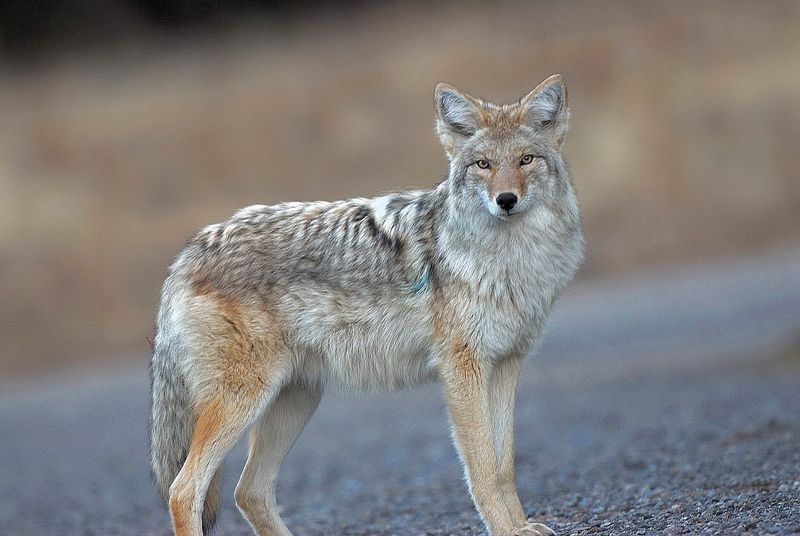
Utah reports increasing incidents of coyotes specifically targeting small dogs and cats in residential neighborhoods. These predators learn daily routines and wait for opportunities when pets are left unattended.
Install coyote-proof fencing at least six feet high with rollers on top to prevent climbing. Create a secure outdoor run for cats and small dogs, allowing them fresh air while protecting them from aerial and ground predators.
8. Oregon Urban Forest Expansion
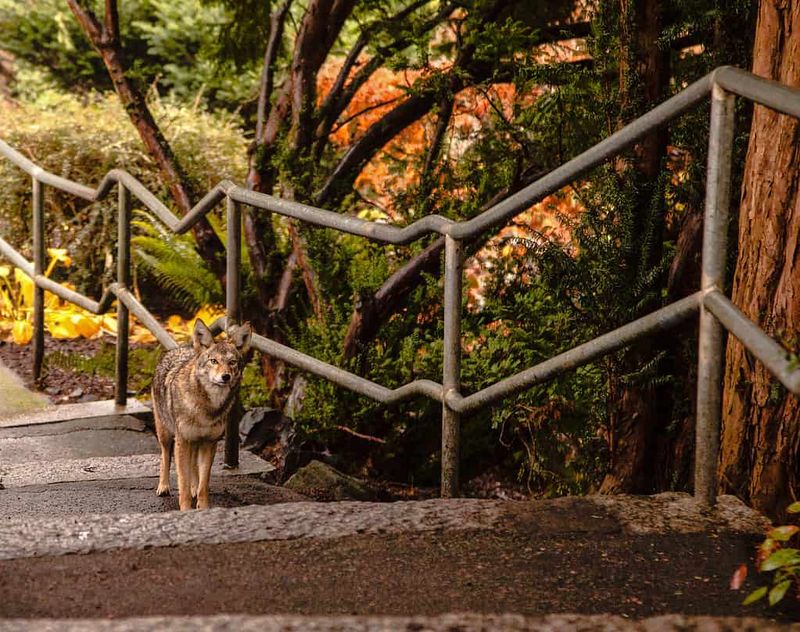
Oregon’s urban forests provide perfect corridors for coyote movement between wilderness areas and city neighborhoods. These green spaces offer hunting opportunities and safe passage routes through metropolitan areas.
Avoid jogging alone in wooded areas during early morning or evening hours when coyotes are most active. Keep cats indoors permanently, as they’re particularly vulnerable to coyote attacks in forested suburban environments throughout the Pacific Northwest.
9. Washington State Coastal Behavior
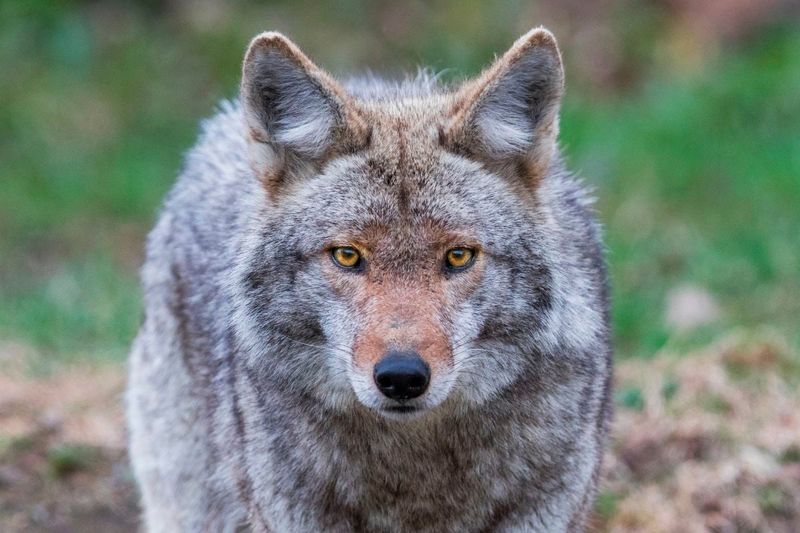
Washington’s coastal coyotes exhibit unique behaviors, including scavenging along beaches and hunting in tide pools. These adaptable predators supplement their diet with marine life and beachside garbage.
Secure beach house garbage and avoid leaving food scraps on decks or patios. Clean barbecue grills thoroughly after use, as food odors can attract coyotes from considerable distances, especially in coastal communities with limited natural prey.
10. Idaho Agricultural Threat Patterns
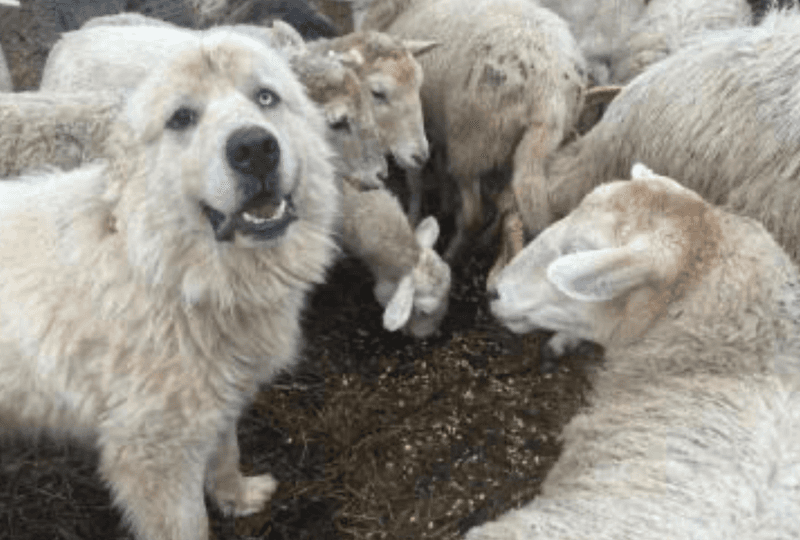
Idaho farmers face increasing coyote pressure on livestock operations, with predators learning to target newborn calves and lambs. Agricultural areas provide abundant food sources and minimal human interference.
Use guardian animals like llamas or specially trained dogs to protect livestock herds. Install solar-powered strobe lights around pastures and birthing areas, as sudden bright lights can deter coyotes from approaching vulnerable animals during nighttime hours.
11. Montana Winter Survival Strategies

Montana’s harsh winters force coyotes to become more aggressive and bold in their search for food sources. Suburban areas offer easier hunting opportunities than frozen wilderness terrain.
Provide heated shelters for outdoor pets and bring them inside during extreme cold snaps. Stack firewood away from your house, as small mammals seeking shelter in wood piles can attract hungry coyotes to your immediate living area.
12. Wyoming Open Range Challenges
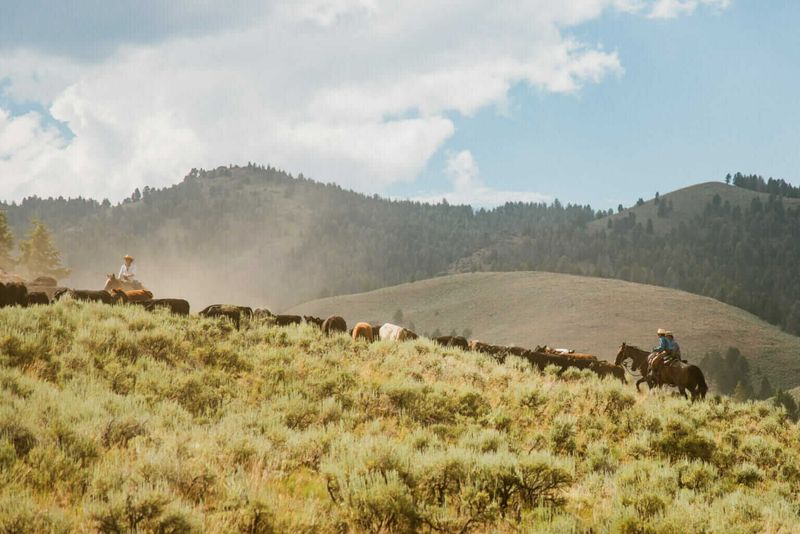
Wyoming’s vast open spaces allow coyote populations to flourish unchecked, creating pressure on both wildlife and domestic animals. Ranch properties become hunting grounds for these expanding predator populations.
Maintain clear sight lines around your property by trimming tall grass and brush where coyotes might hide. Consider installing game cameras to monitor coyote activity patterns and adjust your outdoor routines accordingly for maximum safety.
13. North Dakota Farmland Expansion

North Dakota’s agricultural expansion creates new habitat edges where coyotes thrive, hunting along field borders and near farm buildings. These transition zones provide perfect ambush opportunities for patient predators.
Remove brush piles and debris from around farm structures where coyotes might establish temporary shelters. Keep small animals in secure enclosures, especially during harvest season when increased human activity can push coyotes toward easier prey targets.
14. South Dakota Prairie Adaptation

South Dakota’s prairie coyotes have adapted to hunt in open grasslands, developing pack strategies for taking down larger prey. These coordinated hunting techniques make them more dangerous to livestock and pets.
Use reflective tape or streamers on fencing to create movement that deters coyotes from approaching. Schedule outdoor activities during midday hours when coyotes are typically resting, avoiding dawn and dusk periods when pack hunting activity reaches its peak.
15. Nebraska Crop Field Hunting
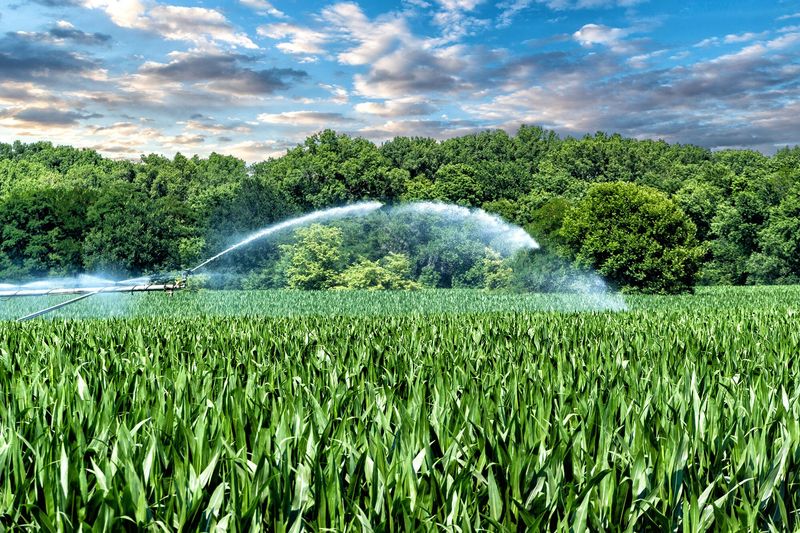
Nebraska’s extensive crop fields provide year-round hunting opportunities for coyotes, who follow irrigation systems and prey on small mammals attracted to agricultural areas. Cornfields offer perfect cover for stalking.
Harvest crops promptly to eliminate cover where coyotes might hide near your property. Install perimeter lighting around barns and animal housing, as coyotes often use farm structures as landmarks when navigating through unfamiliar agricultural territory at night.
16. Kansas Suburban Spillover Effects
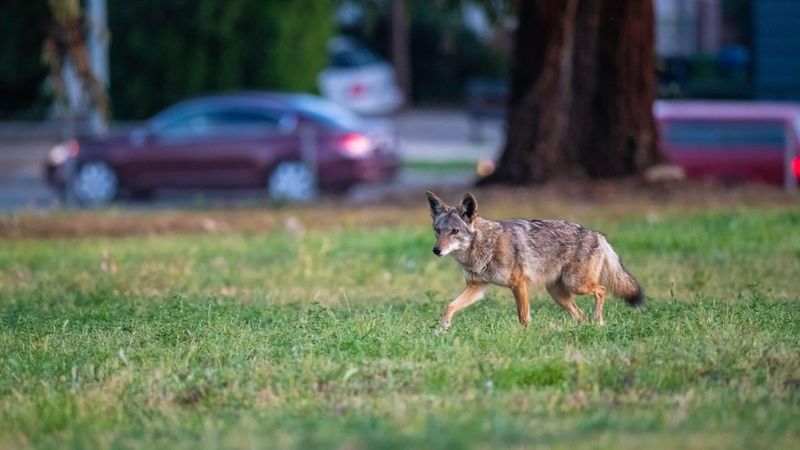
Kansas suburbs experience spillover effects from rural coyote populations seeking new territories. Young coyotes dispersing from family groups often end up in residential neighborhoods, creating unexpected encounters with homeowners.
Educate neighbors about coyote safety to create community awareness and coordinated response strategies. Report coyote sightings to local wildlife authorities, as tracking population movements helps predict and prevent dangerous encounters in suburban residential areas.
17. Oklahoma Oil Field Opportunities

Oklahoma’s oil field developments create new habitat corridors that coyotes use for movement and hunting. Industrial activities inadvertently provide water sources and attract prey species to these areas.
Secure industrial sites and temporary housing areas where workers might leave food scraps. Implement waste management protocols that prevent attracting coyotes to work sites, as habituated predators often follow these corridors into nearby residential communities seeking additional food sources.