
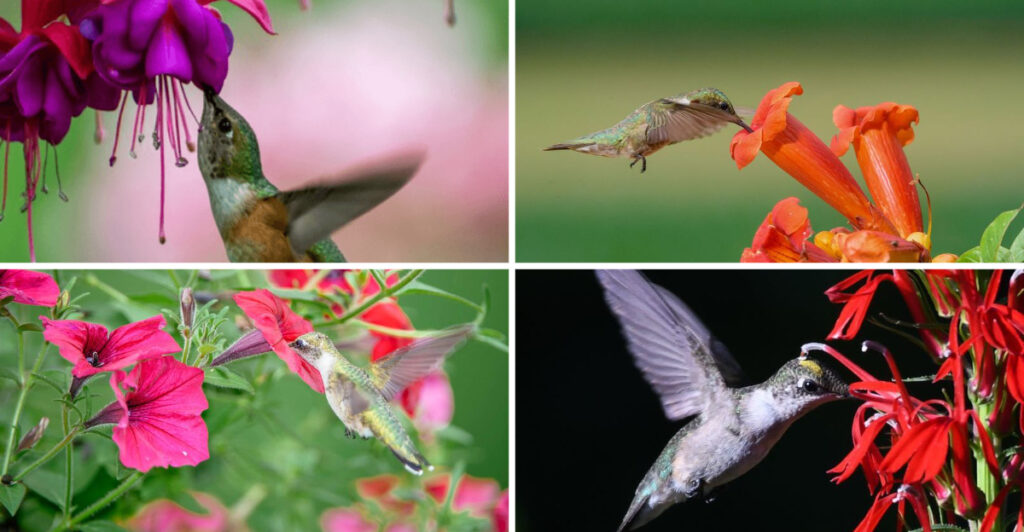
Watching hummingbirds dart and hover around your garden brings pure magic to any outdoor space. These tiny jeweled creatures need nectar-rich flowers to fuel their incredible energy, and the right plants can transform your yard into a hummingbird paradise. Summer offers the perfect opportunity to create a buzzing sanctuary that will attract these amazing birds all season long.
1. Bee Balm
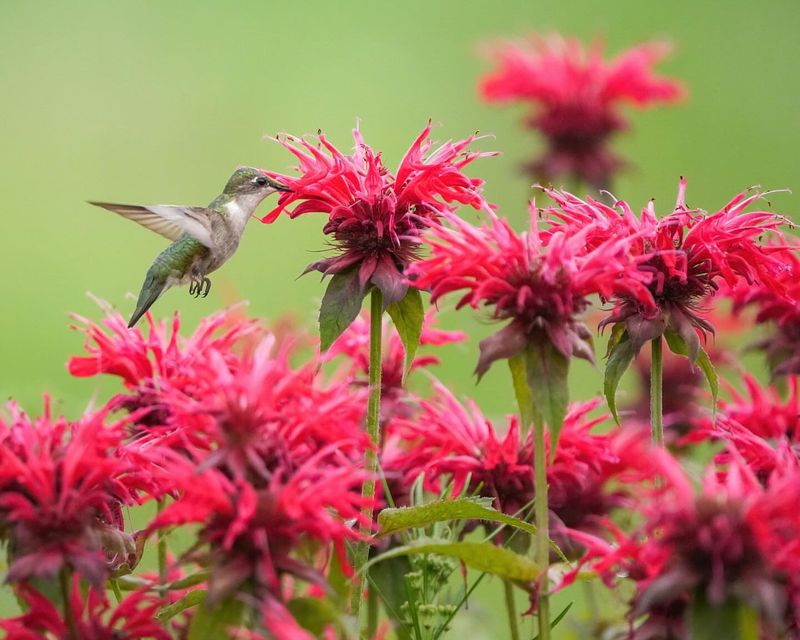
Red tubular flowers make this native wildflower absolutely irresistible to hummingbirds. Bee balm blooms from midsummer through early fall, providing a reliable nectar source when birds need it most.
Plant in full sun to partial shade with moist, well-draining soil. The bright scarlet blooms also attract butterflies and beneficial insects to your garden.
This hardy perennial spreads naturally, creating larger patches each year for maximum hummingbird appeal.
2. Cardinal Flower
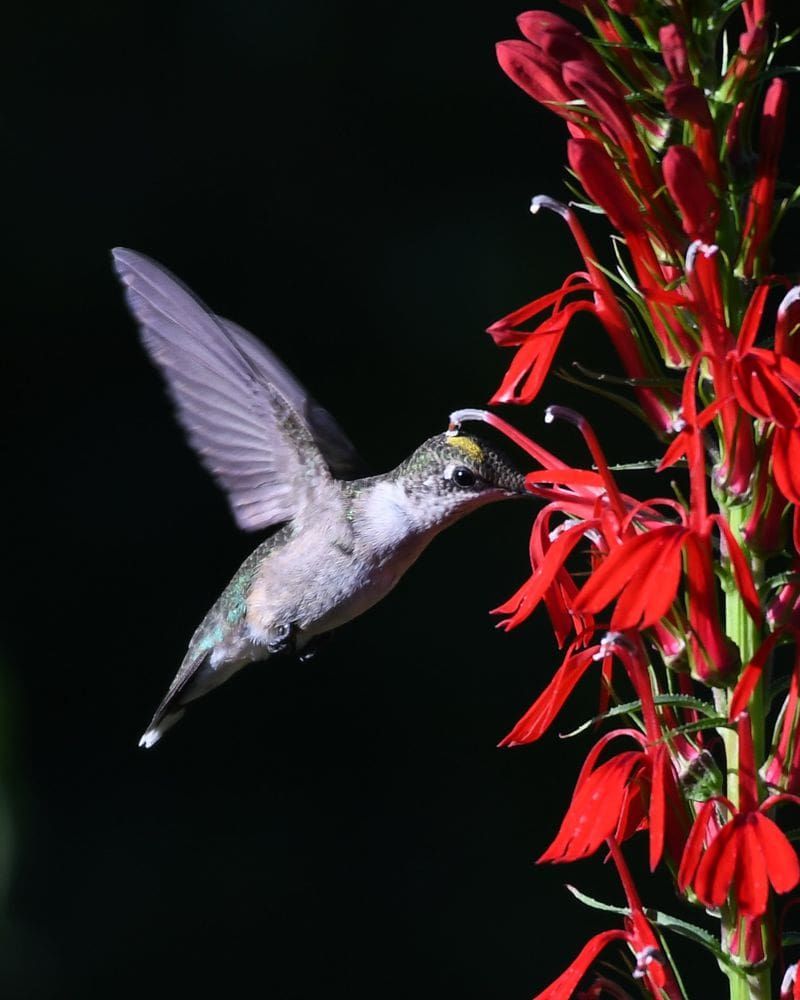
Nothing beats the intense scarlet spikes of cardinal flower for stopping hummingbirds in their tracks. This native beauty thrives in moist conditions and blooms late summer into fall.
Perfect for rain gardens, pond edges, or consistently damp areas where other flowers struggle. The brilliant red color acts like a beacon for hungry hummingbirds.
Plant in partial shade to full sun, keeping soil consistently moist for best flowering performance and longest bloom time.
3. Trumpet Vine
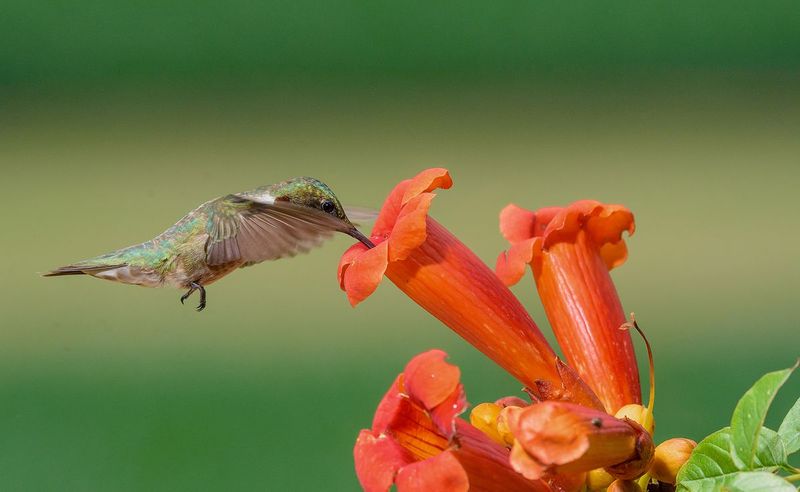
Fast-growing and incredibly vigorous, trumpet vine produces masses of orange-red trumpet-shaped flowers that hummingbirds absolutely love. This climbing vine can quickly cover fences, arbors, or unsightly structures.
Be warned – trumpet vine spreads aggressively through underground runners. Plant only where you want permanent coverage or use barriers to contain growth.
Blooms continuously from summer through first frost, providing reliable nectar when other flowers fade.
4. Salvia
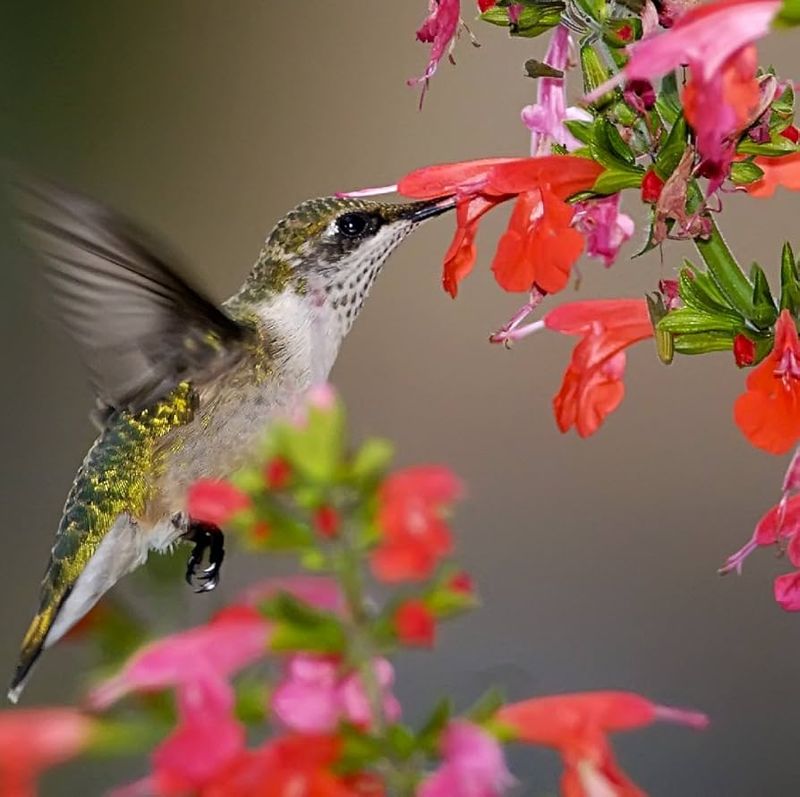
Spiky flower clusters in red, purple, or pink create perfect landing platforms for hummingbirds. Annual salvias bloom nonstop from spring until frost with minimal care required.
Plant in full sun with well-draining soil for best performance. Deadhead spent flowers regularly to encourage continuous blooming throughout the growing season.
Choose red varieties like ‘Lady in Red’ or ‘Bonfire’ for maximum hummingbird attraction and consistent nectar production all summer long.
5. Fuchsia
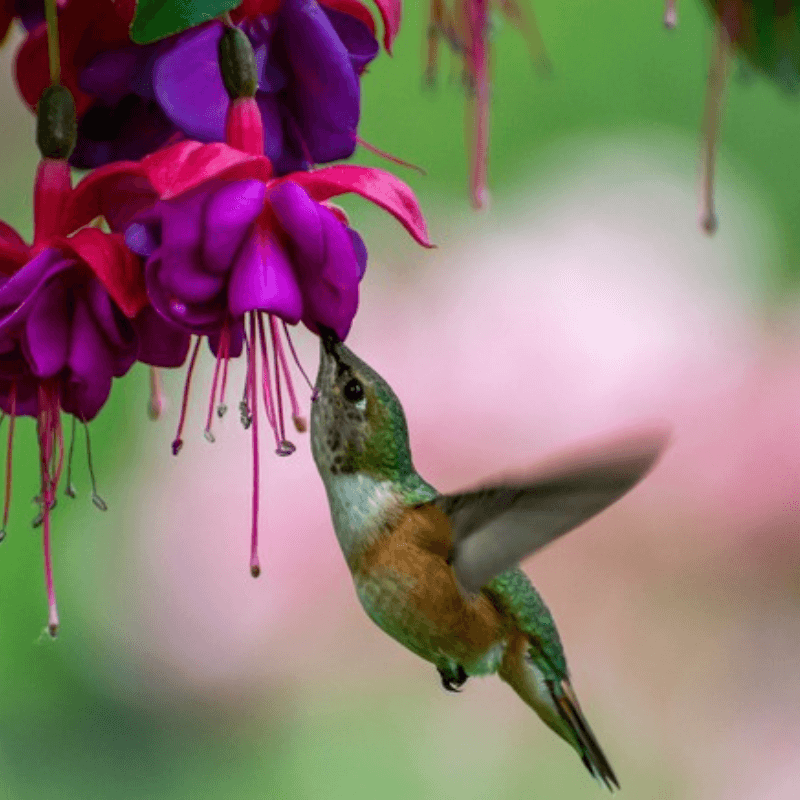
Dangling bell-shaped flowers in vibrant pink, purple, and red combinations create an irresistible buffet for hummingbirds. These elegant plants thrive in hanging baskets or shaded garden spots.
Prefer cool, humid conditions with morning sun and afternoon shade. Keep soil consistently moist but not waterlogged for optimal flowering.
Trailing varieties work beautifully in containers, while upright forms make stunning border plants that bloom continuously through summer.
6. Petunias
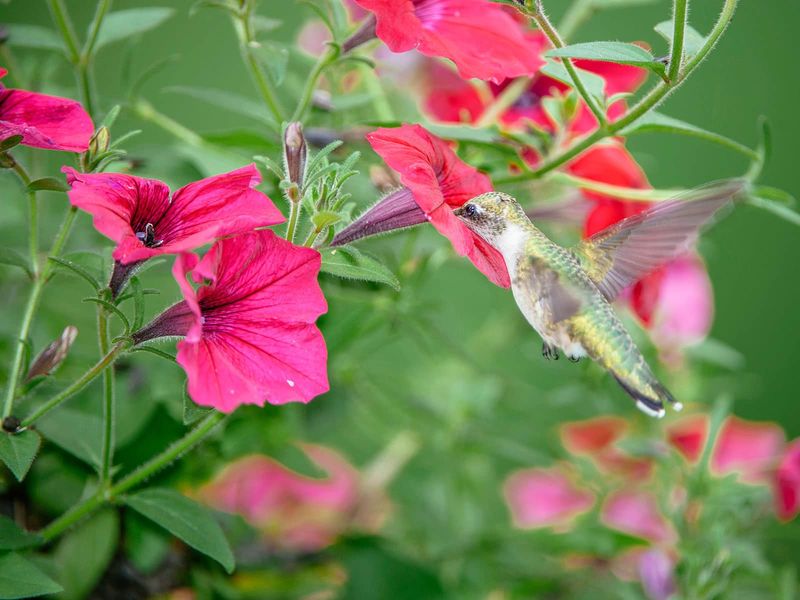
Surprisingly effective hummingbird magnets, especially red and deep pink varieties with their trumpet-shaped blooms. These popular annuals provide consistent nectar from spring through fall.
Plant in full sun with regular watering and monthly fertilizing. Wave petunias spread naturally, creating carpets of color that attract multiple hummingbirds simultaneously.
Choose single-flowered varieties over doubles, as hummingbirds can access nectar more easily from the simpler flower forms.
7. Zinnia
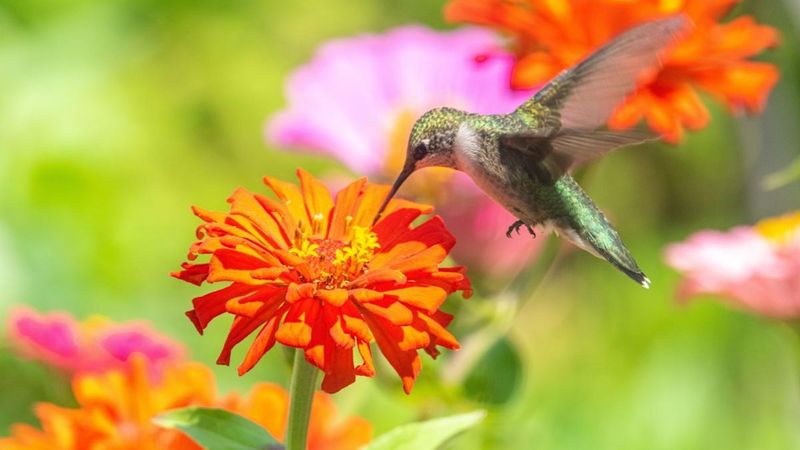
Bright, cheerful flowers in every color imaginable make zinnias essential for any hummingbird garden. These easy-care annuals bloom from summer until frost with minimal maintenance required.
Plant seeds directly in warm soil after last frost date. Choose tall varieties like ‘State Fair Mix’ for maximum impact and nectar production.
Deadhead regularly to encourage continuous blooming, and plant in full sun with well-draining soil for best results.
8. Honeysuckle
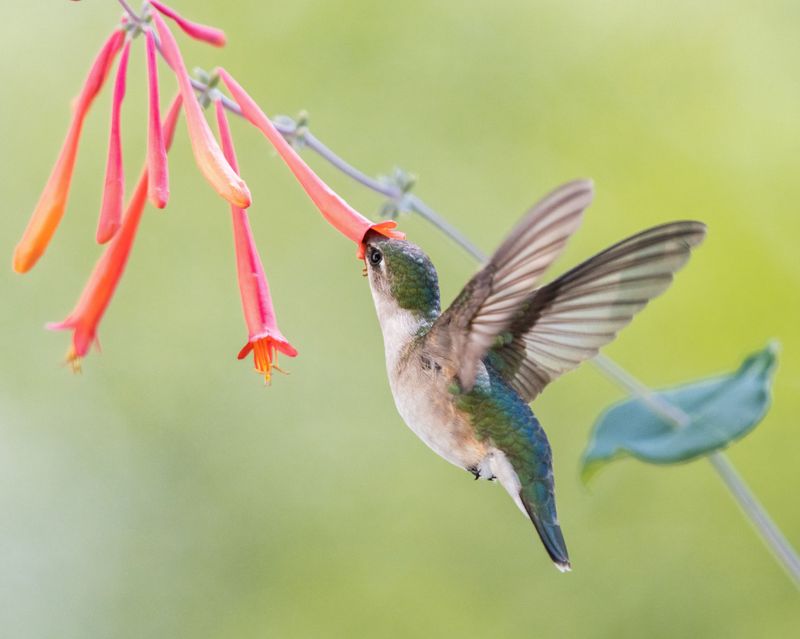
Sweet-scented tubular flowers provide abundant nectar that hummingbirds find irresistible. Native honeysuckle varieties bloom repeatedly throughout summer and support local ecosystems.
Avoid invasive Japanese honeysuckle in favor of native trumpet honeysuckle with its orange-red flowers. Plant in full sun to partial shade.
This vigorous vine needs sturdy support and regular pruning to maintain shape and encourage maximum flower production for visiting hummingbirds.
9. Impatiens
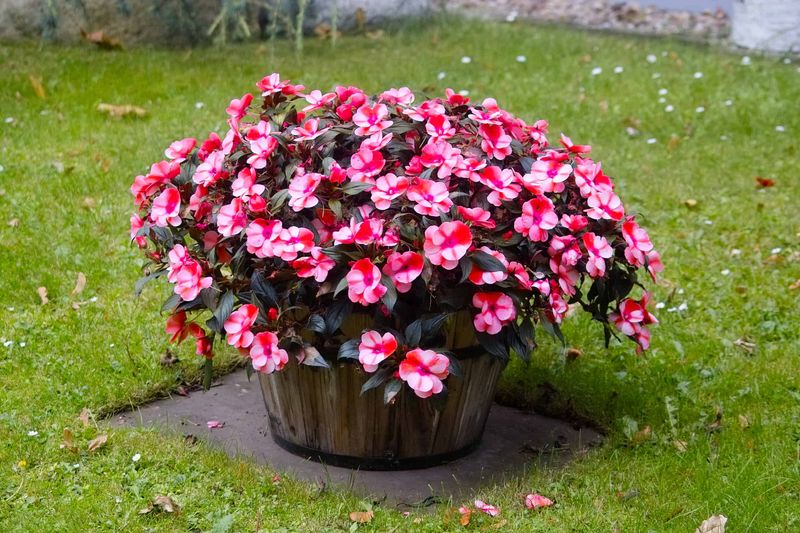
Shade-loving annuals that bloom continuously in areas where sun plants struggle. Red and pink varieties particularly attract hummingbirds with their abundant nectar production.
Perfect for containers, hanging baskets, or shaded garden beds. Keep soil consistently moist but not soggy for optimal flowering performance.
New Guinea impatiens offer larger flowers and better heat tolerance than traditional varieties, making them ideal for summer hummingbird gardens.
10. Lantana
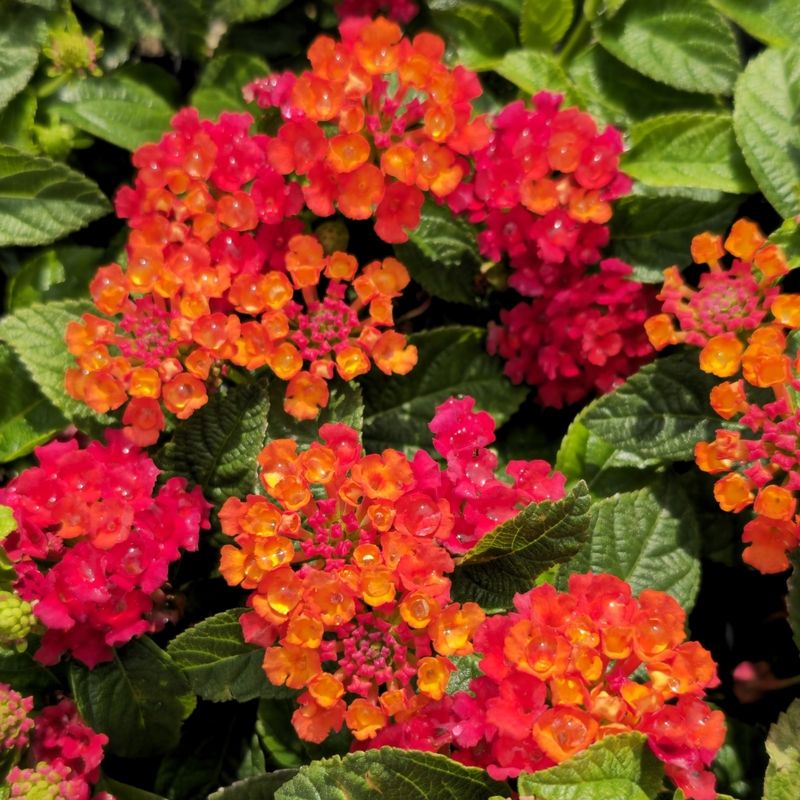
Heat-loving clusters of tiny flowers create landing platforms perfect for hummingbirds. These drought-tolerant plants bloom nonstop in hot summer conditions when other flowers wilt.
Choose red, orange, or pink varieties for maximum hummingbird appeal. Plant in full sun with well-draining soil and minimal watering once established.
Deadhead spent flower clusters regularly to encourage continuous blooming and prevent unwanted self-seeding in colder climates where lantana acts as annual.
11. Nasturtium
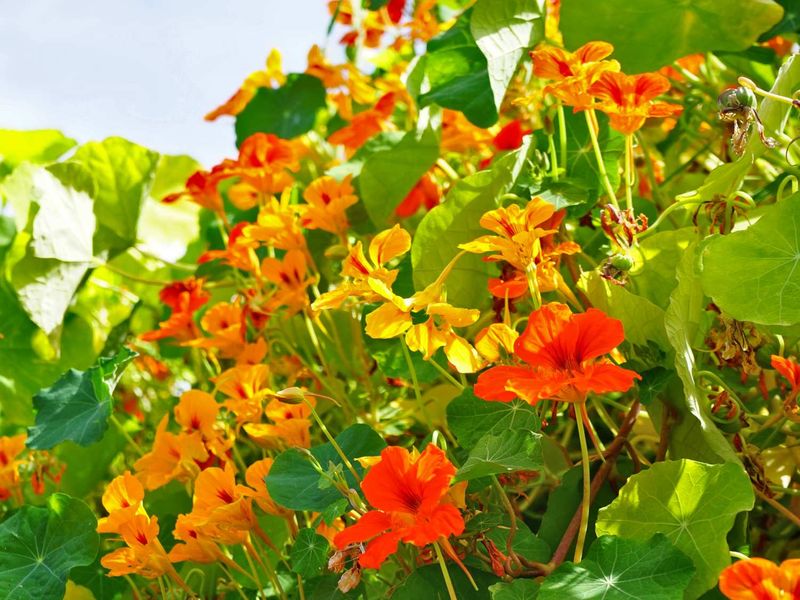
Edible flowers with a peppery taste that hummingbirds love, especially in bright orange and red varieties. These easy-care annuals thrive in poor soil conditions.
Plant seeds directly in garden after frost danger passes. Too much fertilizer produces leaves at expense of flowers, so avoid rich soils.
Climbing varieties work well on trellises, while bush types make excellent border plants that bloom continuously throughout the growing season.
12. Penstemon
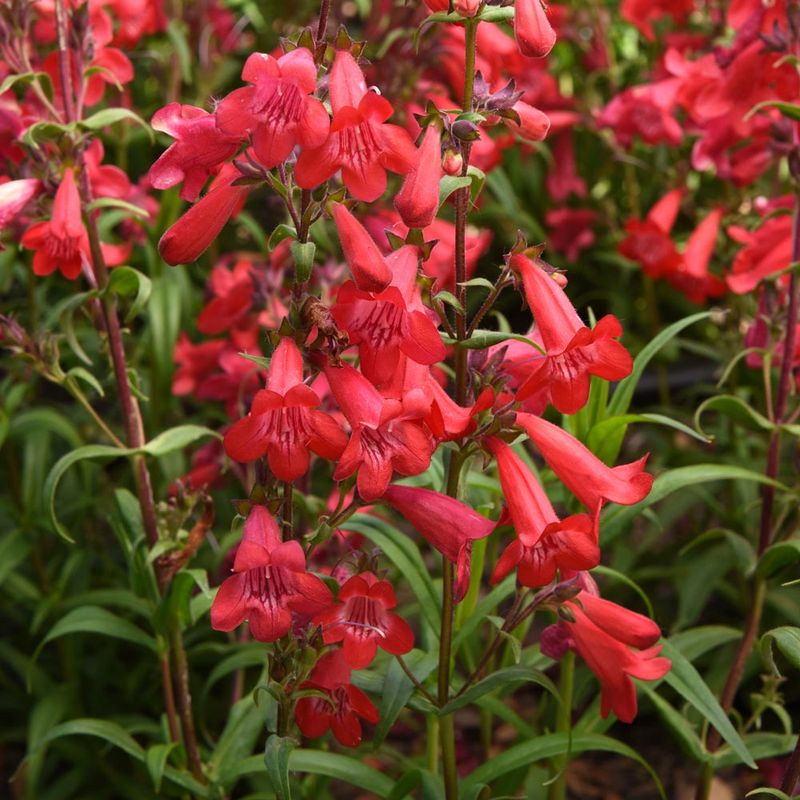
Native wildflowers with tubular blooms perfectly designed for hummingbird beaks. These drought-tolerant perennials bloom from early summer through fall with minimal care.
Plant in full sun with well-draining soil, as wet conditions can cause root rot. Red and pink varieties provide the most nectar appeal.
Deadhead spent flower spikes to encourage reblooming, and divide clumps every few years to maintain vigorous growth and maximum flower production.
13. Cleome
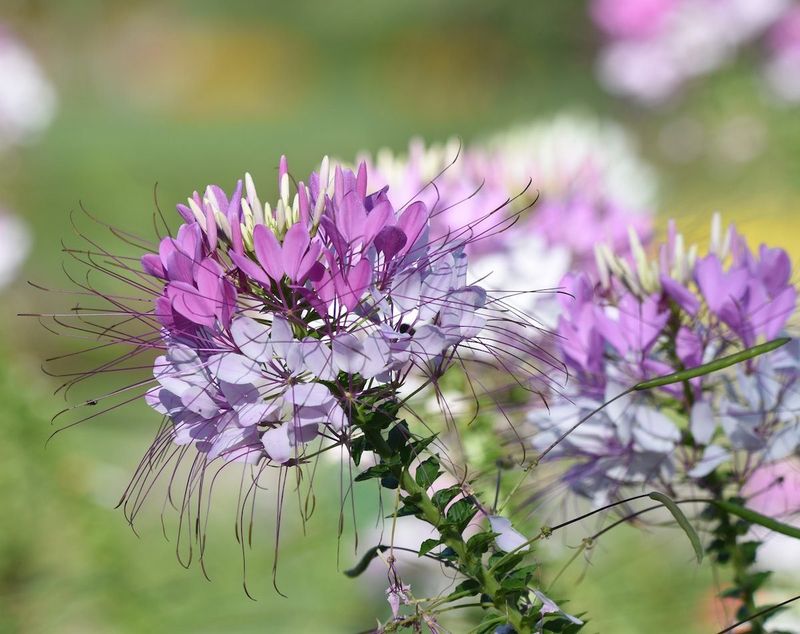
Spider-like flowers in pink, purple, and white create unique landing spots that hummingbirds find fascinating. These tall annuals bloom continuously from summer until frost.
Self-seeds readily, so you’ll likely have volunteers next year. Plant in full sun with average soil and minimal watering once established.
Grows 3-4 feet tall, making excellent background plants that provide nectar at different heights for various hummingbird feeding preferences.
14. Butterfly Bush
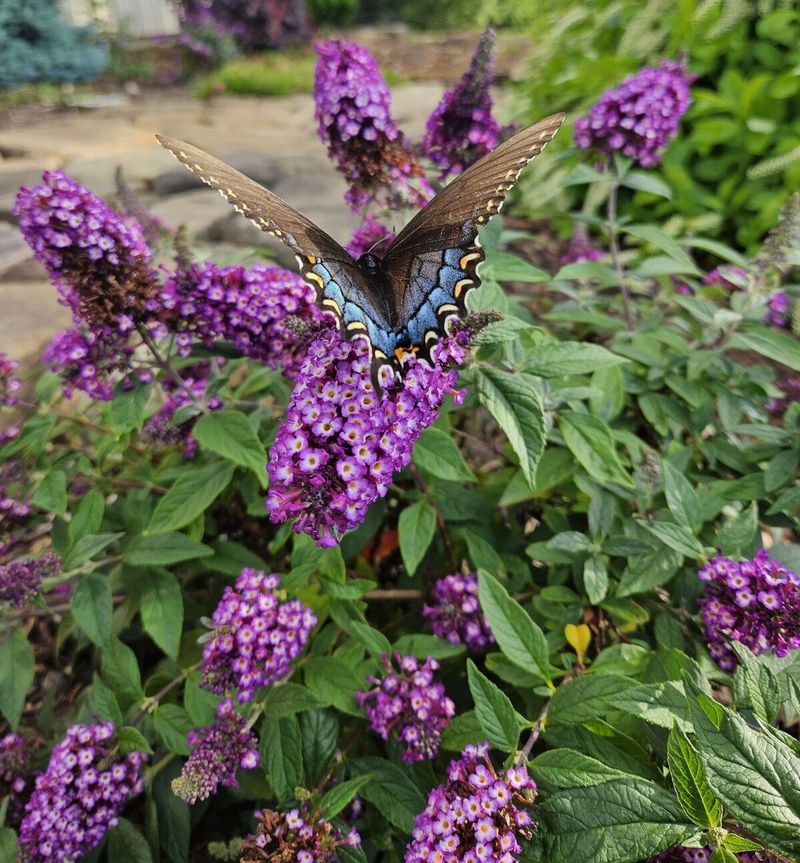
Fragrant flower spikes attract both hummingbirds and butterflies to your garden. These fast-growing shrubs bloom repeatedly throughout summer with regular deadheading.
Plant in full sun with well-draining soil. Choose sterile varieties to prevent invasive spreading in natural areas near your garden.
Prune hard in late winter to encourage vigorous new growth and maximum flower production for the upcoming hummingbird season.
15. Flowering Tobacco
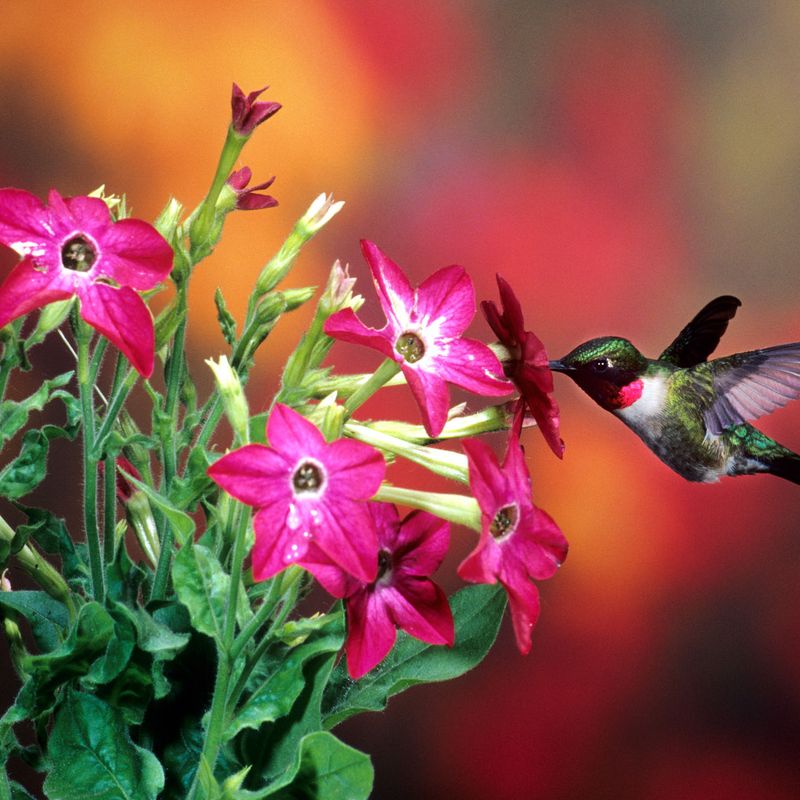
Evening-scented tubular flowers open wide to welcome hummingbirds during their active feeding times. These annuals bloom from summer through frost in various colors.
Plant in full sun to partial shade with moist, well-draining soil. Taller varieties like ‘Sylvestris’ provide dramatic height and abundant nectar.
Flowers open in evening and stay open through morning, perfectly timed for hummingbird feeding schedules and providing reliable nectar sources.
16. Four O’Clock
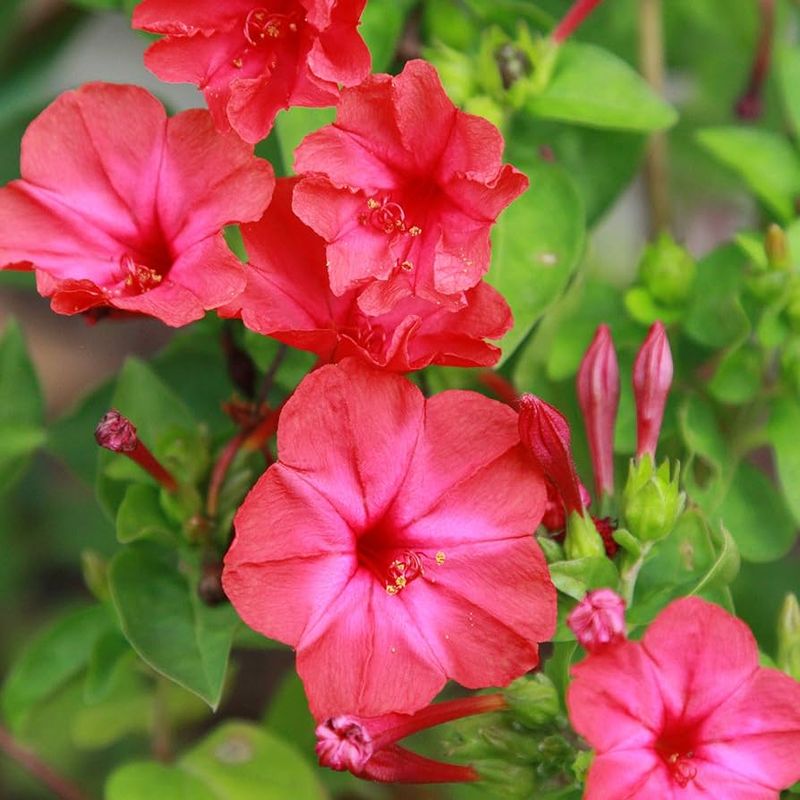
Magical flowers that open late afternoon just as hummingbirds become most active. These old-fashioned annuals bloom in bright colors until frost arrives.
Plant seeds directly in warm soil after last frost. Four o’clocks self-seed readily and form tuberous roots in warmer climates.
Choose red, pink, or yellow varieties for maximum hummingbird attraction, and plant where you can enjoy the synchronized opening spectacle each evening.
17. Jewels of Opar
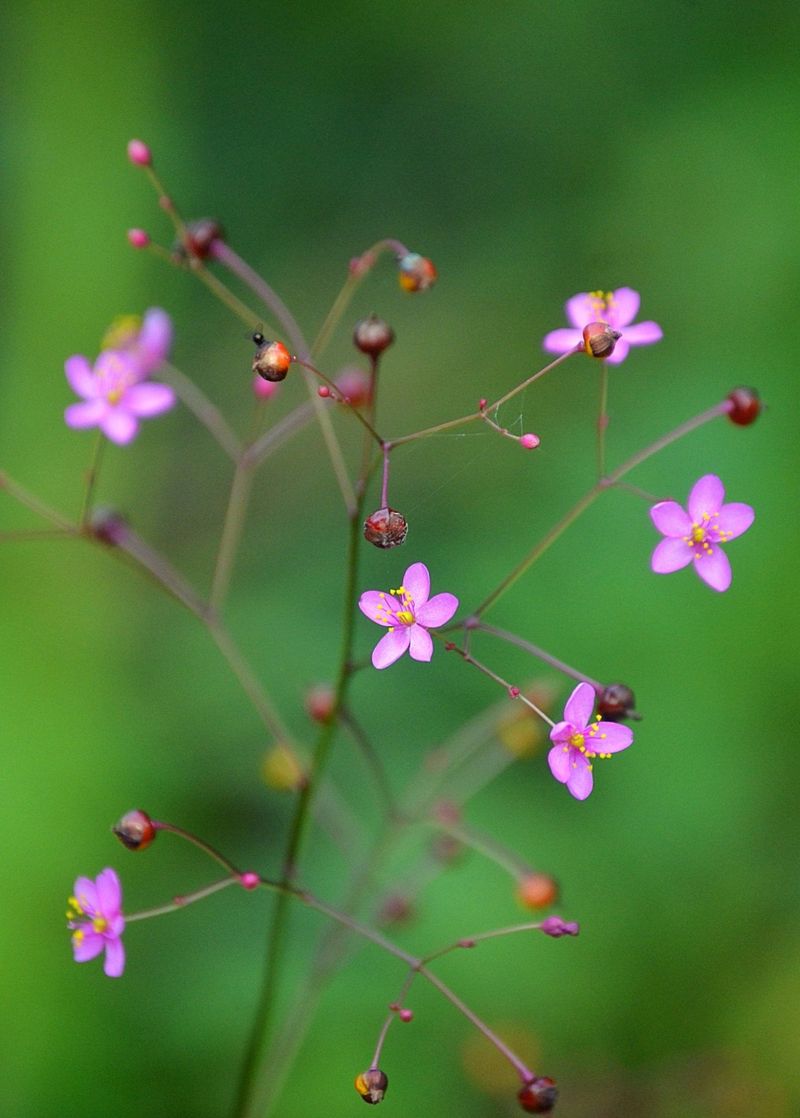
Tiny pink flowers on airy stems create delicate feeding stations that hummingbirds navigate with ease. This heat-tolerant annual thrives in challenging summer conditions.
Self-seeds prolifically, creating natural drifts of color and nectar sources. Plant in full sun with well-draining soil and minimal watering.
Provides textural contrast in garden beds while offering abundant small flowers that produce consistent nectar throughout the hottest summer months.
18. Mandevilla
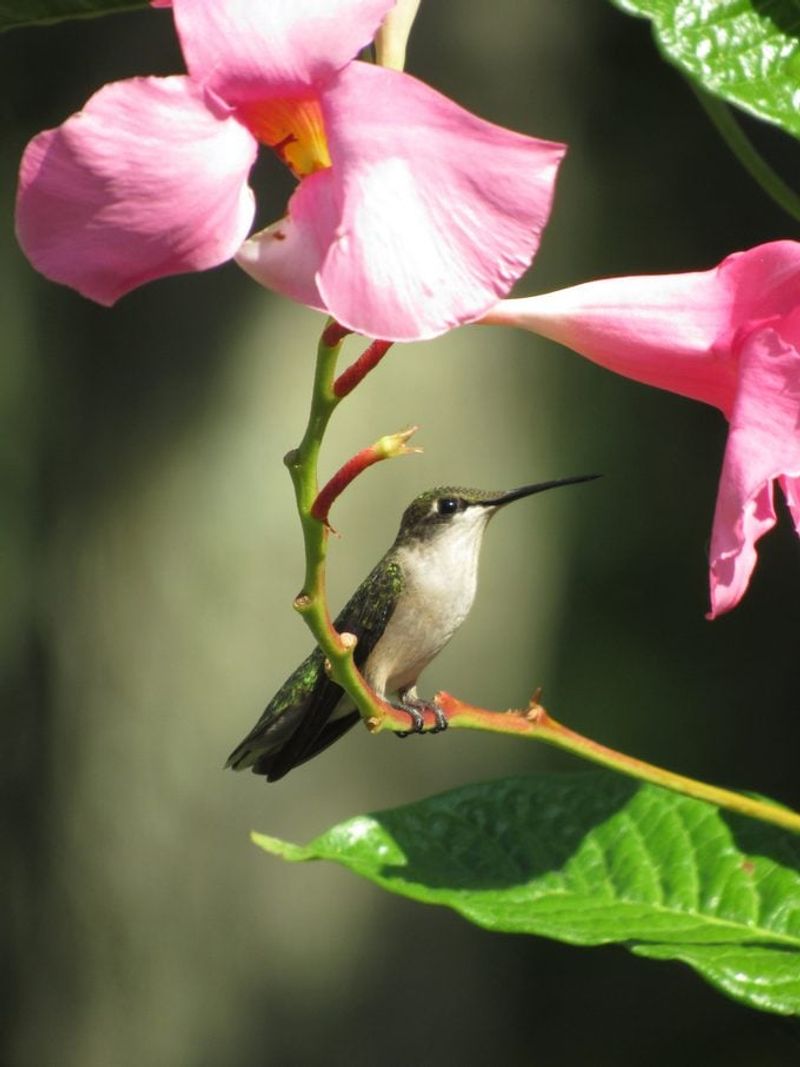
Tropical vines with large trumpet flowers in pink, red, or white that hummingbirds find irresistible. These heat-loving plants bloom continuously in warm weather.
Grow in containers in colder climates, bringing indoors before frost. Plant in full sun with rich, well-draining soil and regular watering.
Provide sturdy support for climbing growth, and fertilize monthly during growing season for maximum flower production and hummingbird appeal.
19. Scarlet Runner Bean
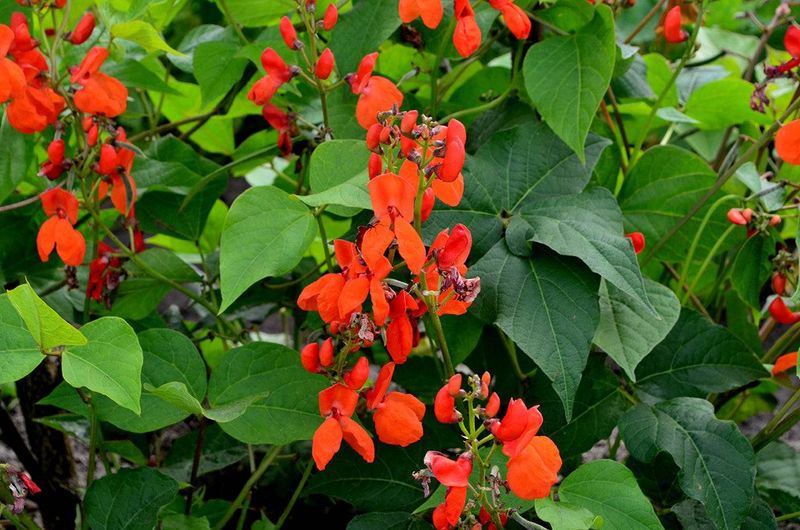
Edible climbing beans with brilliant red flowers that hummingbirds love. This dual-purpose plant provides both nectar and fresh vegetables for your kitchen.
Plant after soil warms in spring, providing tall support for vigorous climbing growth. Harvest young beans regularly to encourage continued flowering.
Blooms continuously throughout summer, and the bright red flowers are perfectly shaped for hummingbird feeding while producing nutritious beans for harvest.
20. Coleus
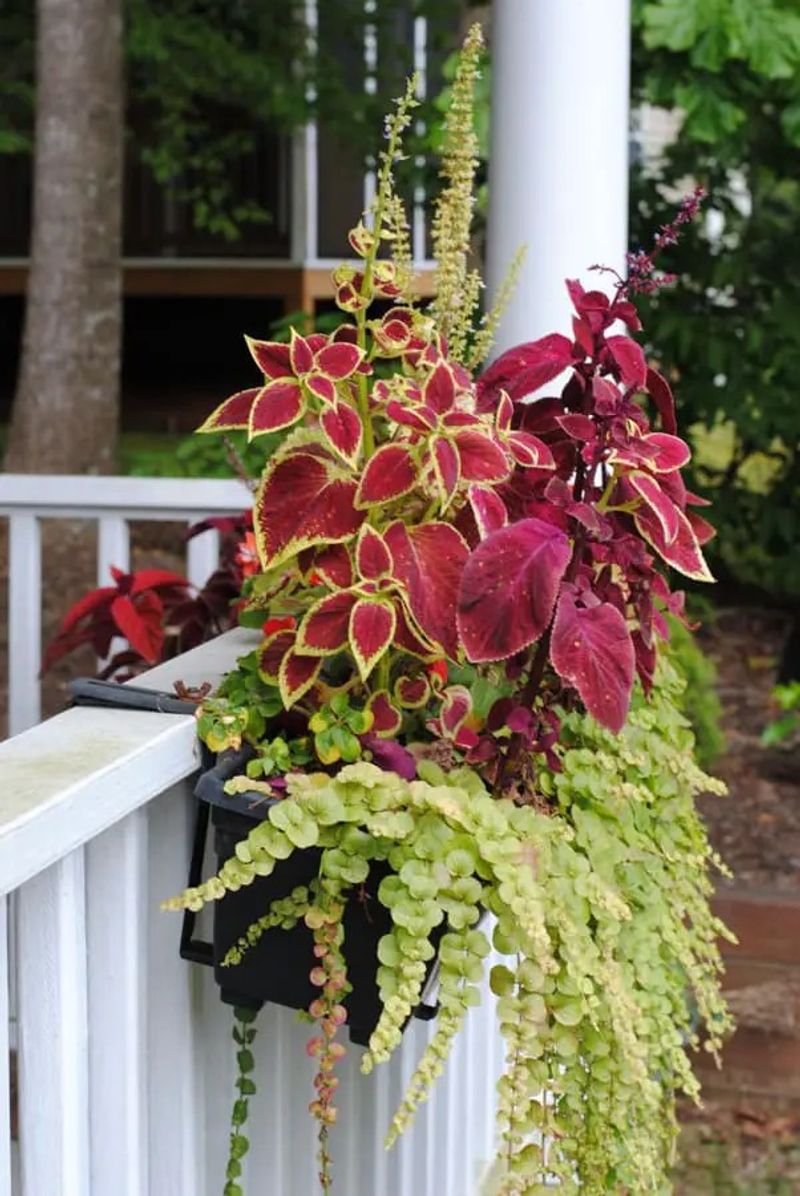
While grown primarily for colorful foliage, coleus flower spikes provide excellent nectar sources that hummingbirds discover quickly. These shade-tolerant plants thrive in difficult areas.
Pinch flowers regularly to maintain foliage color, but allow some to bloom for hummingbirds. Plant in partial shade with moist soil.
Blue or purple flower spikes contrast beautifully with colorful leaves while providing valuable nectar in shaded areas where few other flowers bloom.
21. Weigela
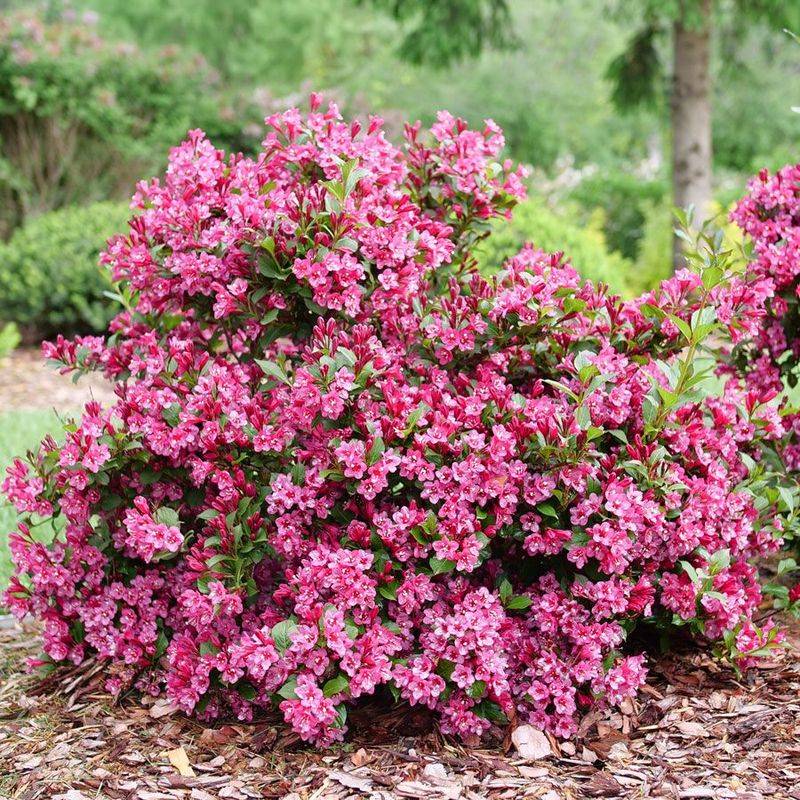
Spring-blooming shrub with tubular flowers in pink, red, or white that hummingbirds visit repeatedly. This hardy perennial provides early season nectar when few other sources exist.
Plant in full sun to partial shade with well-draining soil. Prune immediately after flowering to maintain shape and encourage next year’s blooms.
Compact varieties work well in small spaces, while larger forms create substantial nectar sources that support multiple hummingbirds simultaneously during peak blooming.
22. Agastache
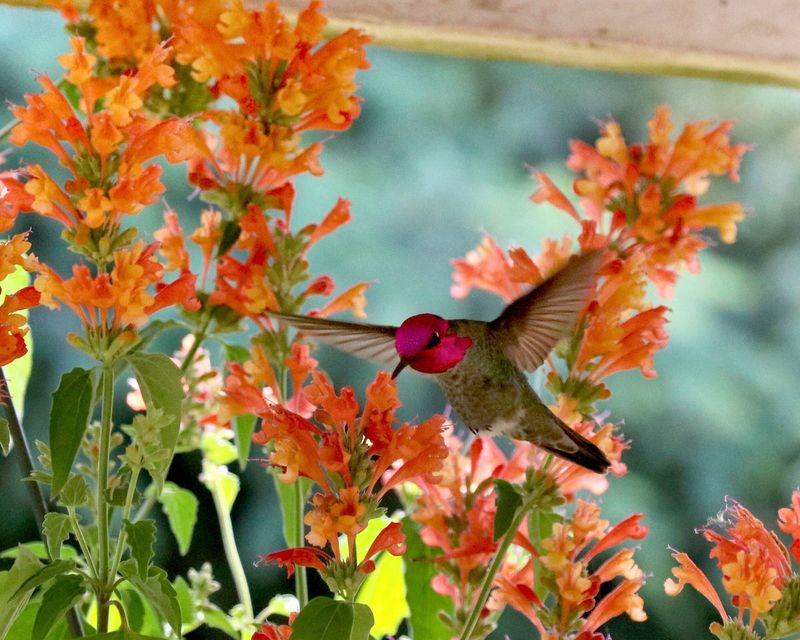
Spiky flowers with intense fragrance that hummingbirds detect from great distances. These drought-tolerant perennials bloom for months with minimal care required.
Plant in full sun with well-draining soil, as wet conditions cause root problems. Choose varieties like ‘Firebird’ or ‘Kudos Red’ for maximum appeal.
Deadhead spent flower spikes regularly to encourage continuous blooming, and leave some seed heads for winter interest and beneficial insects.
23. Beebalm
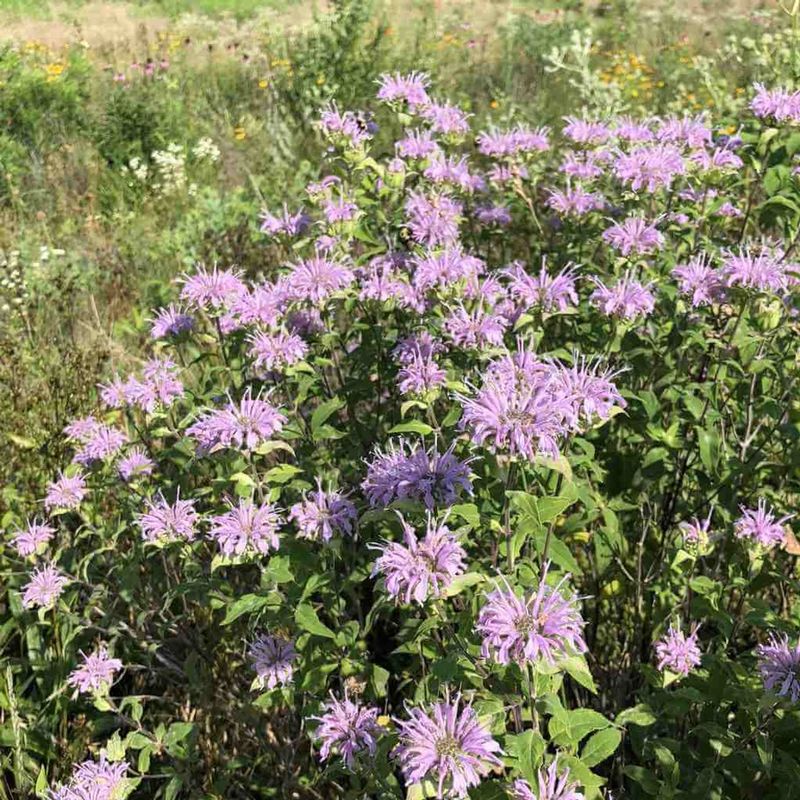
Wild bergamot creates natural meadow-like conditions that hummingbirds prefer over formal garden settings. This native perennial spreads to form large colonies over time.
Plant in full sun with average soil and minimal watering once established. Purple flowers bloom for weeks in midsummer heat.
Attracts beneficial insects alongside hummingbirds, creating a balanced ecosystem that supports various wildlife while providing consistent nectar sources throughout summer months.
24. Lobelia
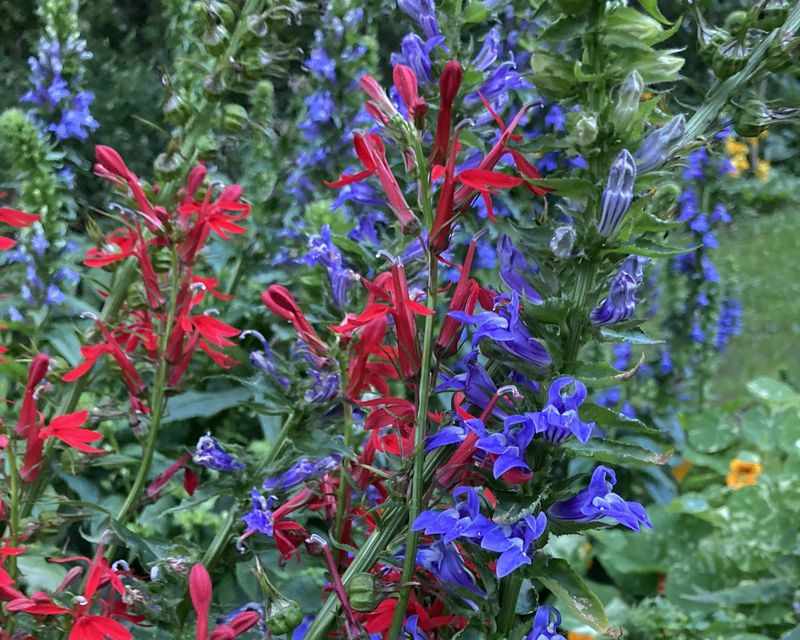
Cascading annual with tiny flowers in brilliant blue, red, or white that hummingbirds visit frequently. These cool-weather lovers bloom best in spring and fall.
Plant in partial shade with consistently moist soil. Hot summer weather may cause flowering to slow until cooler temperatures return.
Excellent for containers, hanging baskets, or border edges where trailing growth creates colorful carpets that provide easily accessible nectar sources.
25. Mimosa Tree
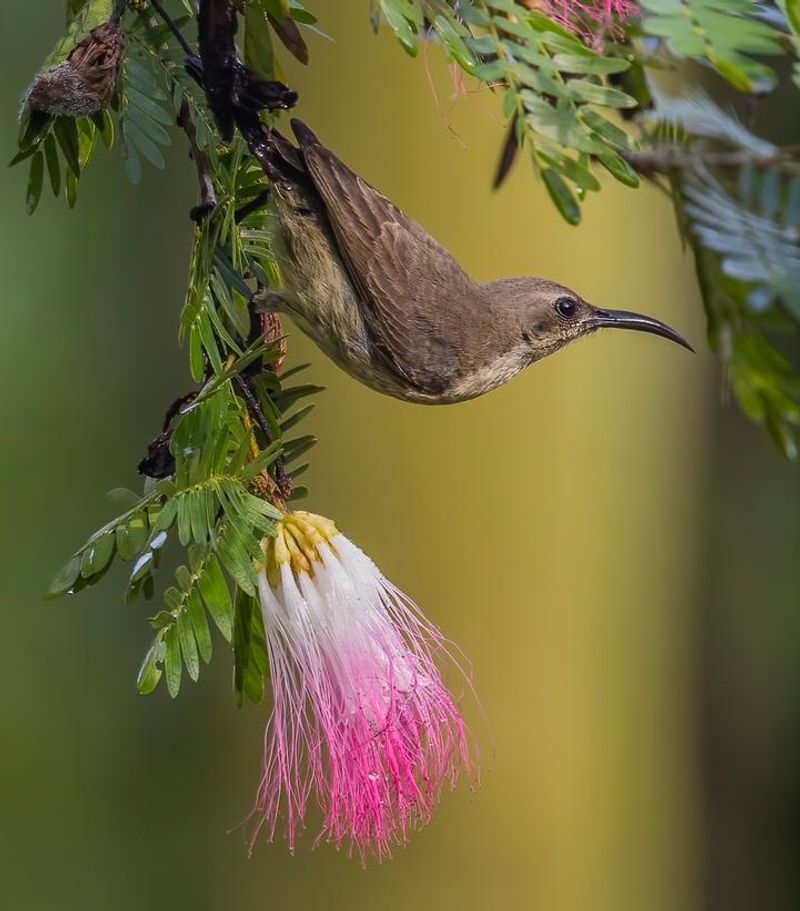
Feathery pink flowers create unique feeding opportunities that hummingbirds explore with curiosity. These fast-growing trees provide nectar at canopy level during summer blooming.
Plant in full sun with well-draining soil. Be aware that mimosa can be invasive in some regions, so check local recommendations.
Fragrant flowers attract hummingbirds to upper garden levels, creating vertical feeding zones that maximize garden space utilization for wildlife support.
26. Turk’s Cap
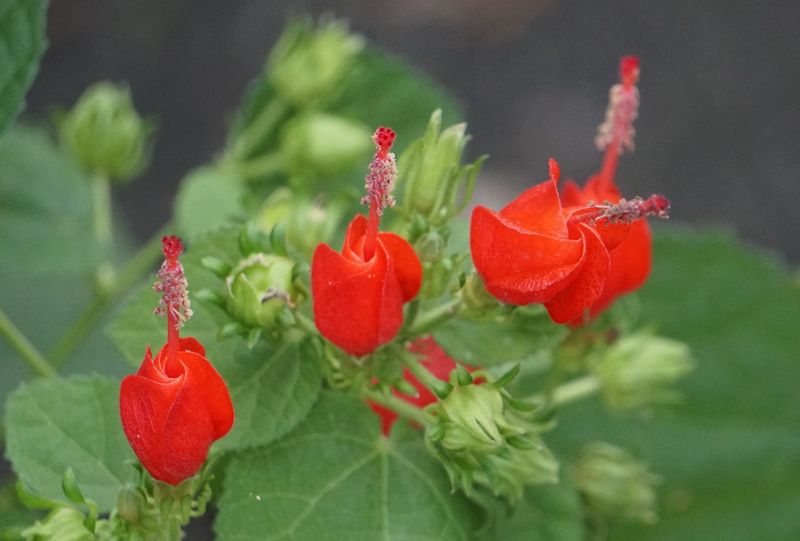
Native wildflower with red turban-shaped blooms that never fully open, creating perfect hummingbird feeding stations. This shade-tolerant perennial thrives in woodland conditions.
Plant in partial shade with moist, rich soil. Spreads slowly through underground rhizomes to form natural colonies over time.
Blooms from late summer through fall, providing nectar when many other flowers have finished, making it invaluable for migrating hummingbirds.
27. Crossvine
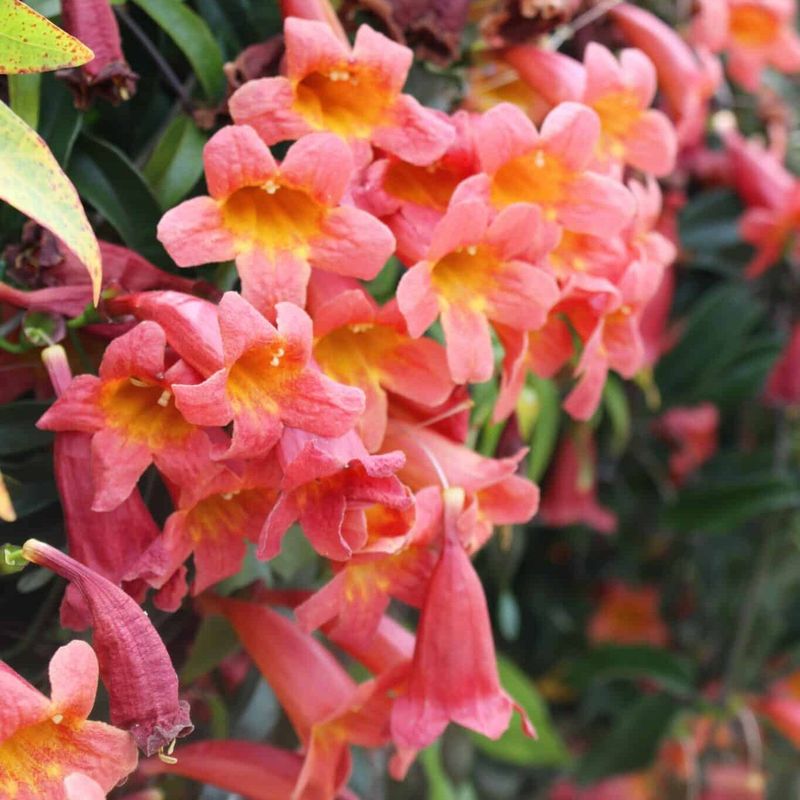
Native climbing vine with orange-red trumpet flowers that bloom in spring and sporadically through summer. This evergreen vine provides year-round structure with seasonal nectar.
Plant in full sun to partial shade with well-draining soil. Provides excellent coverage for fences, arbors, or unsightly structures.
Semi-evergreen foliage turns bronze in winter, maintaining garden interest while trumpet-shaped flowers provide reliable nectar during peak hummingbird activity periods.
28. Pineapple Sage
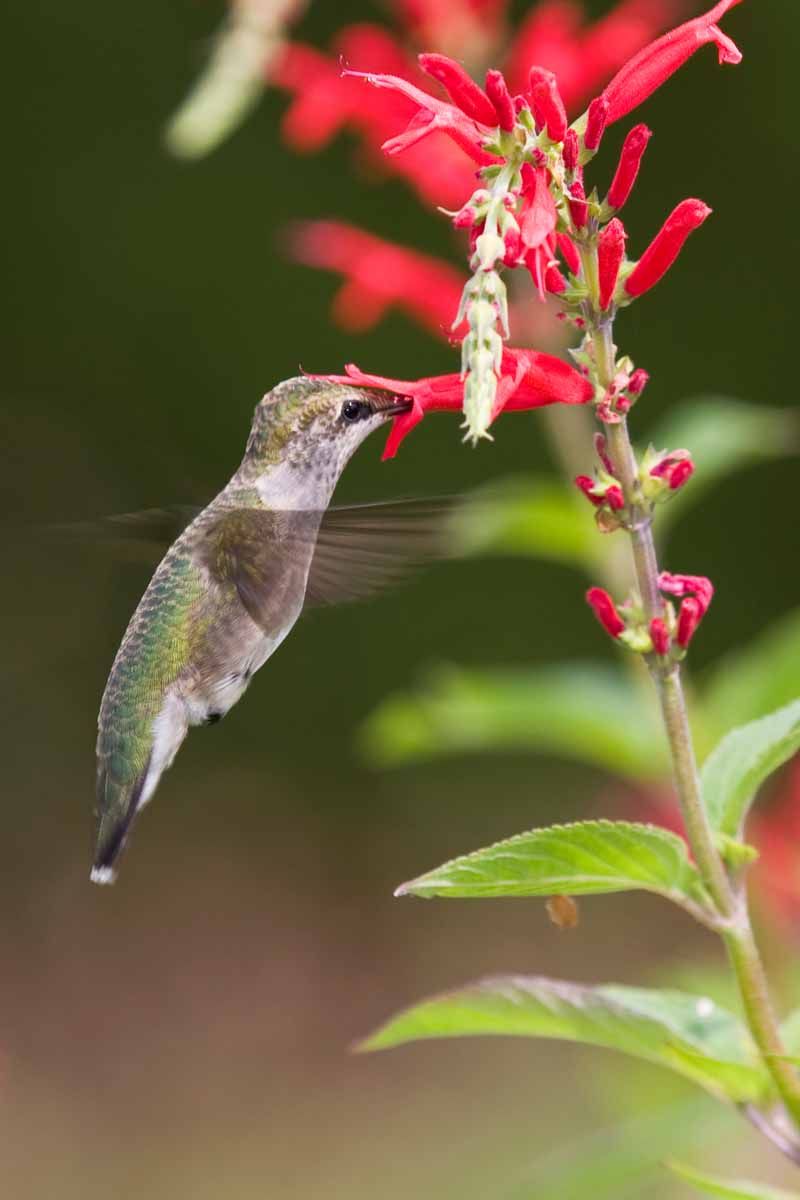
Aromatic herb with bright red tubular flowers that bloom in fall just as hummingbirds prepare for migration. This tender perennial provides late-season nectar when needed most.
Plant in full sun with well-draining soil. In colder climates, grow in containers and bring indoors before frost arrives.
Pineapple-scented leaves make excellent culinary herb while late-blooming flowers provide crucial fuel for hummingbirds during their energy-demanding migration journey south.
29. Coral Bells
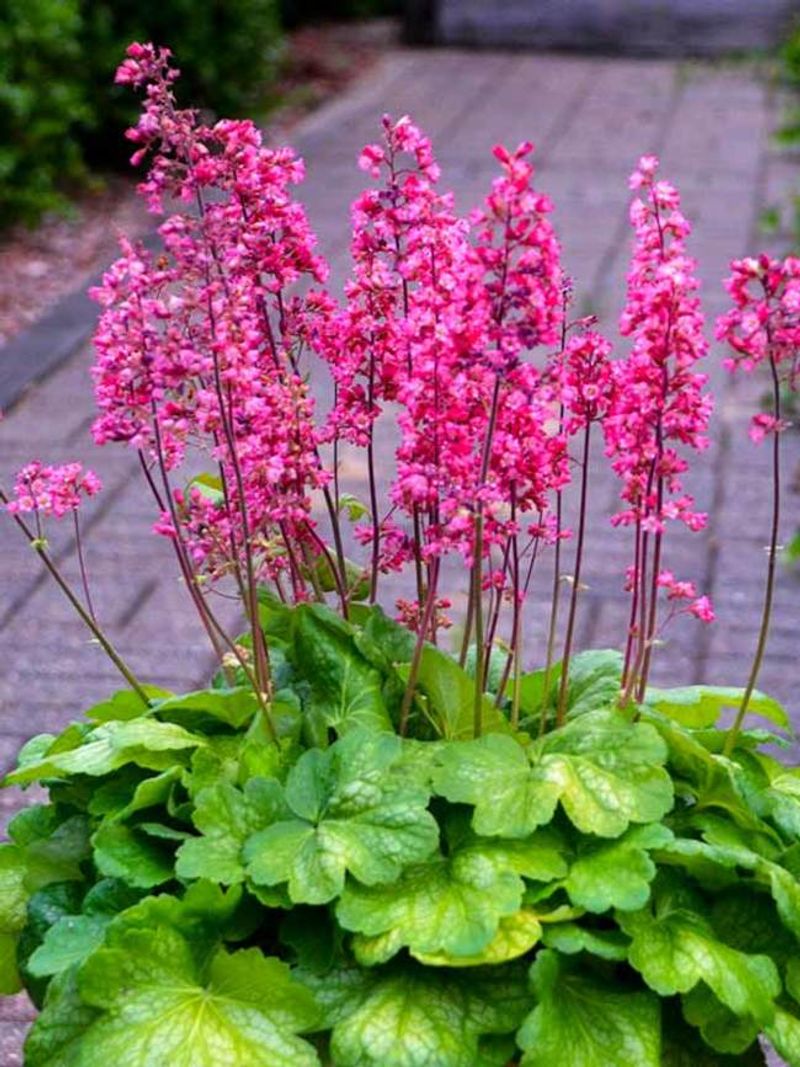
Delicate flower spikes rise above colorful foliage to provide nectar at perfect hummingbird height. These shade-tolerant perennials bloom repeatedly throughout growing season.
Plant in partial shade with well-draining soil rich in organic matter. Deadhead spent flower spikes to encourage additional blooming cycles.
Colorful foliage provides year-round interest while airy flower spikes offer easily accessible nectar sources that hummingbirds can navigate with precision and ease.
30. Cuphea
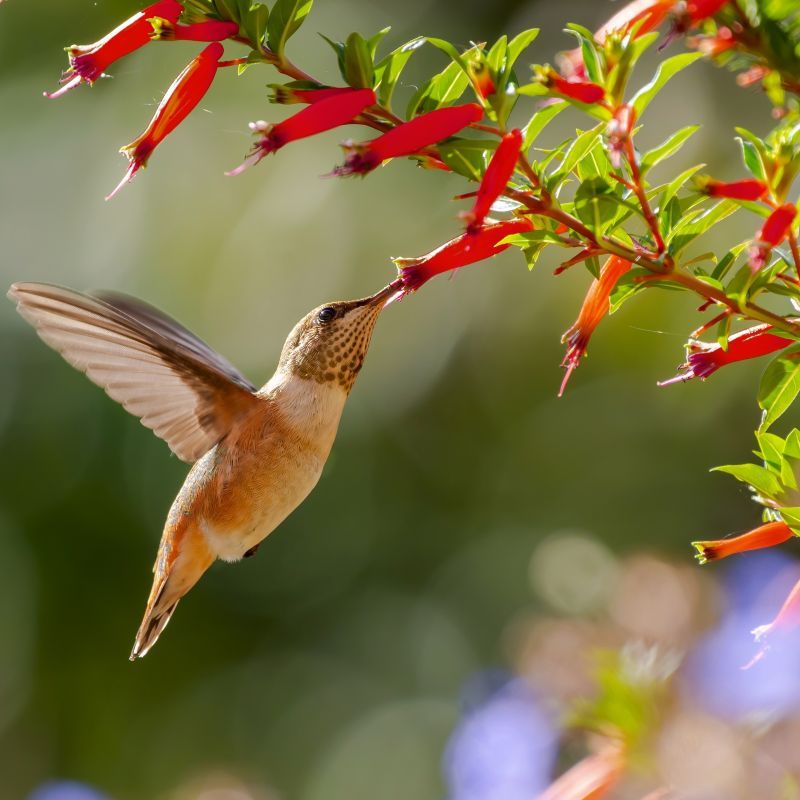
Tiny tubular flowers in bright colors bloom continuously from spring until frost, creating reliable nectar sources that hummingbirds visit daily. These heat-tolerant annuals thrive in summer conditions.
Plant in full sun with well-draining soil and minimal watering once established. Deadhead spent flowers to encourage maximum blooming.
Compact size makes cuphea perfect for containers, border edges, or small spaces where larger plants won’t fit but hummingbird nectar is desired.
31. Tithonia
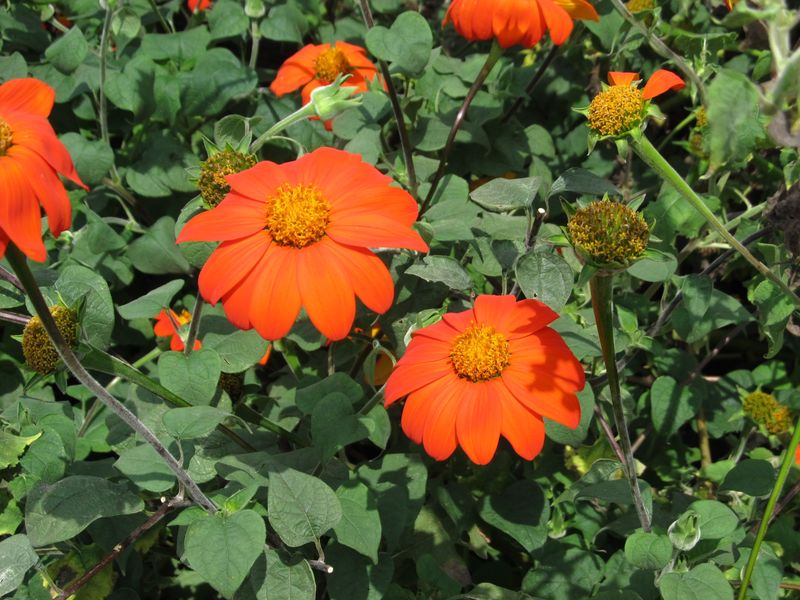
Mexican sunflower creates dramatic height with brilliant orange flowers that hummingbirds spot from far distances. These heat-loving annuals bloom continuously in hot summer weather.
Plant in full sun with well-draining soil after danger of frost passes. Grows 4-6 feet tall, providing nectar at various heights.
Drought-tolerant once established, making tithonia perfect for low-maintenance gardens where reliable hummingbird nectar sources are needed without constant watering or care.