
Spring pruning seemed like a simple task until I watched sixteen of my beloved plants struggle to survive after what I thought were harmless cuts. Some plants are incredibly sensitive to timing, technique, and tool cleanliness. Learning which plants can handle aggressive pruning and which need gentle care saved my remaining garden from disaster.
1. Japanese Maple
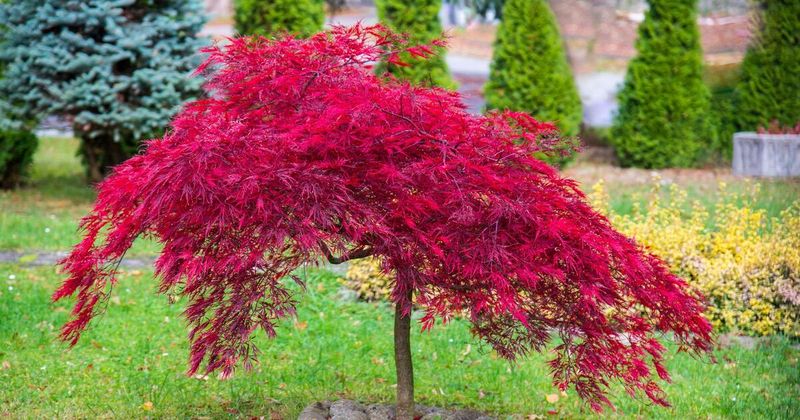
Beautiful red leaves turned brown within days of my enthusiastic spring pruning session. Japanese maples bleed heavily when cut during active growth periods, losing vital sap that weakens the entire tree.
The best time to prune these delicate trees is during dormancy in late fall or winter. Heavy spring cuts can cause permanent damage to branch structure and overall health.
2. Bleeding Heart
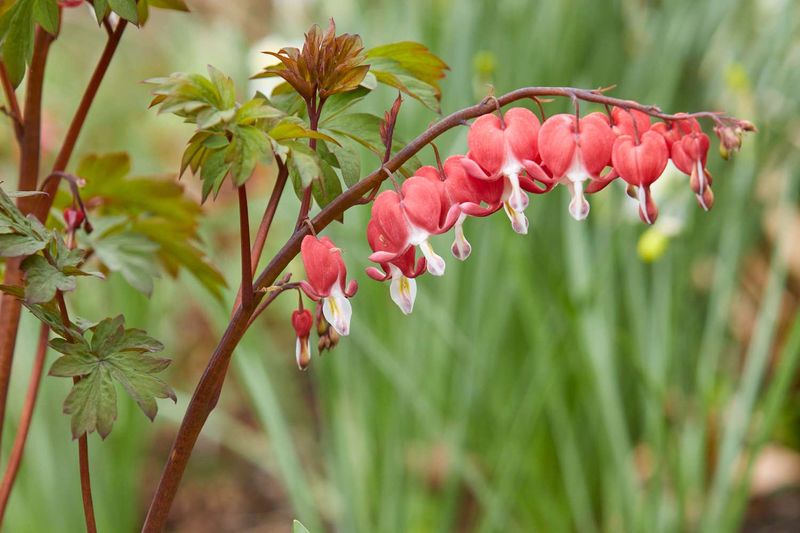
My grandmother’s heirloom bleeding heart nearly vanished after I trimmed back emerging shoots in March. These perennials put all their energy into early spring growth, making any cuts devastating to their delicate system.
Cutting back new growth essentially starves the plant of its photosynthesis capacity. Wait until after blooming ends to remove spent flowers and yellowing foliage for best results.
3. Birch Tree
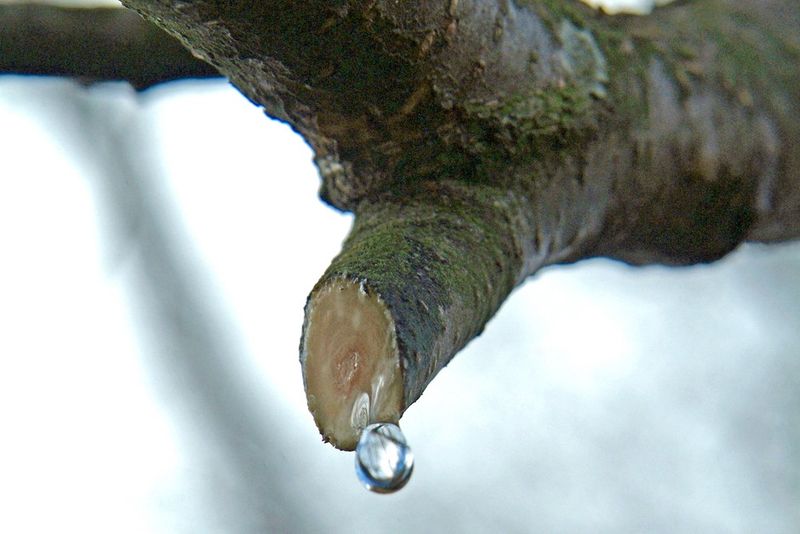
One careless cut on my paper birch created a waterfall of sap that attracted every insect in the neighborhood. Birch trees are notorious bleeders that lose massive amounts of fluid when pruned during spring sap flow.
The constant sap loss weakened my tree significantly, making it vulnerable to pests and diseases. Prune birches only during late summer or early fall when sap flow has stopped completely.
4. Lilac Bush
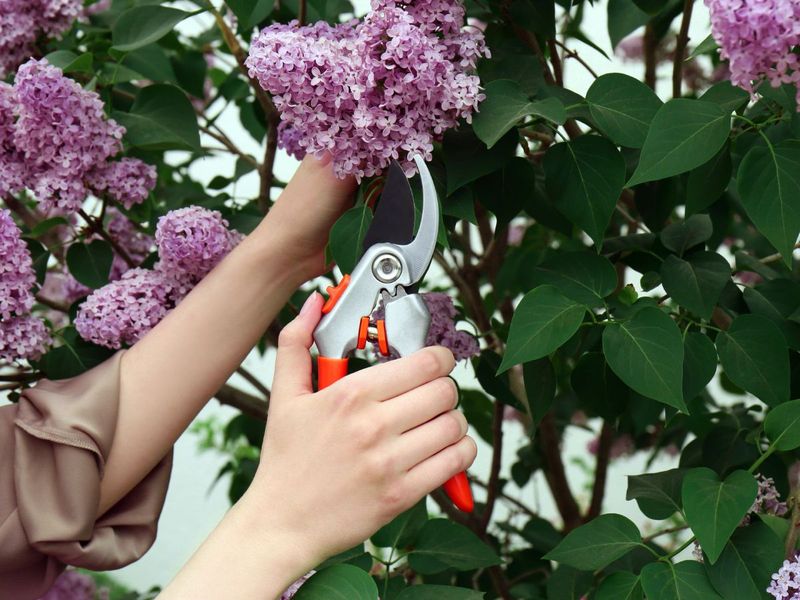
Aggressive pruning removed all the flower buds my lilac had carefully prepared over winter. Lilacs set their blooms on old wood, meaning this year’s flowers develop on last year’s growth.
My hasty spring trim eliminated an entire season of fragrant purple blooms. Prune lilacs immediately after flowering ends to preserve next year’s bud formation and maintain healthy flowering cycles.
5. Clematis Vine
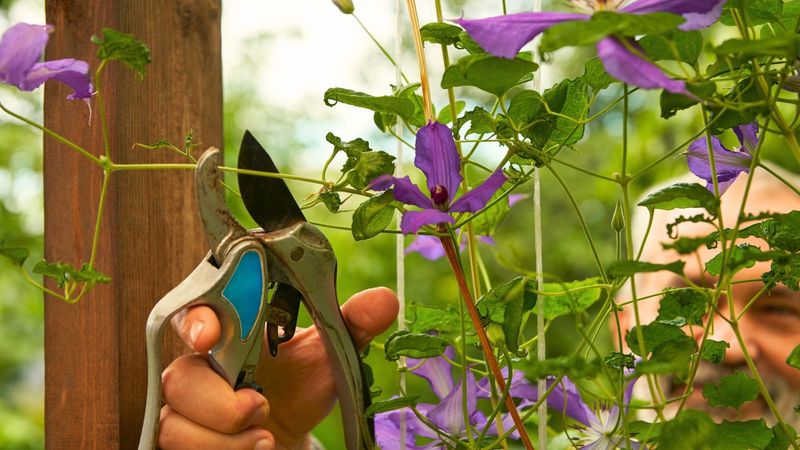
My climbing clematis looked like a disaster after I cut it back thinking it needed shaping. Different clematis varieties have completely different pruning requirements based on their blooming habits and growth patterns.
Some bloom on old wood and should never be cut in spring, while others can handle aggressive pruning. Research your specific variety before making any cuts to avoid killing established vines.
6. Azalea
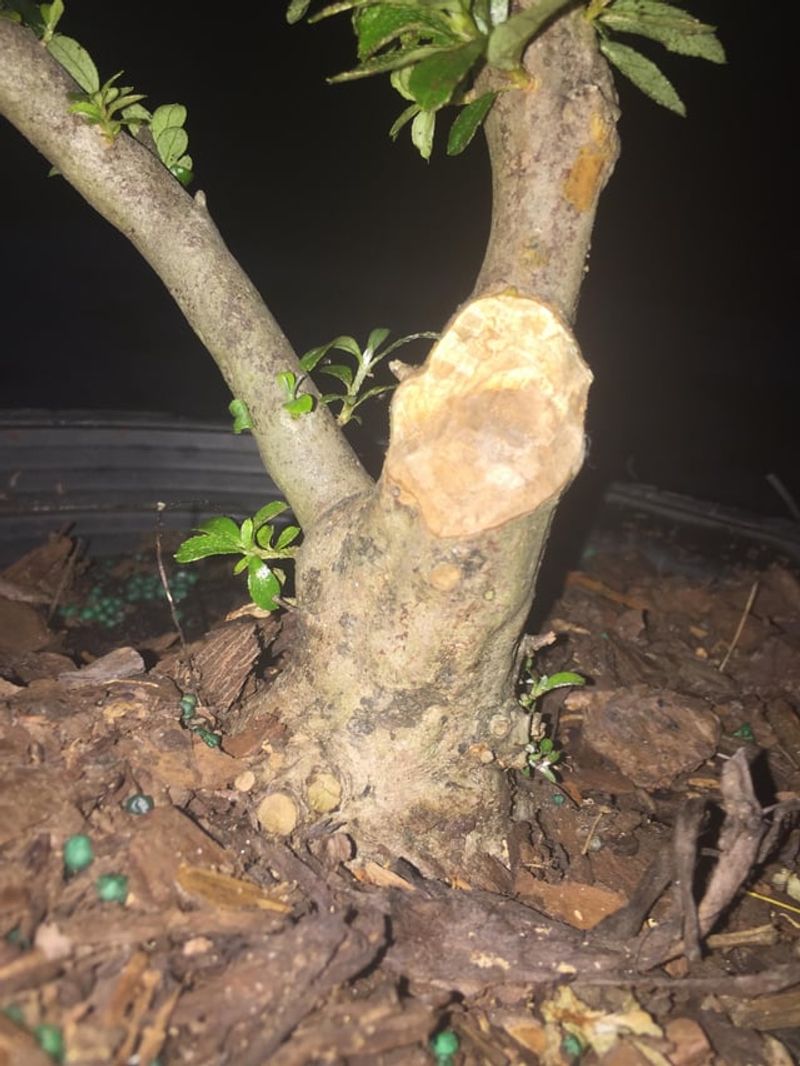
Spring pruning turned my blooming azalea into a leafless stick that barely recovered by summer’s end. Azaleas develop flower buds shortly after blooming, making late spring cuts particularly damaging to next year’s display.
These acid-loving shrubs also have shallow root systems that struggle to support recovery from heavy pruning. Trim azaleas immediately after flowers fade for healthiest growth and abundant blooms.
7. Rhododendron
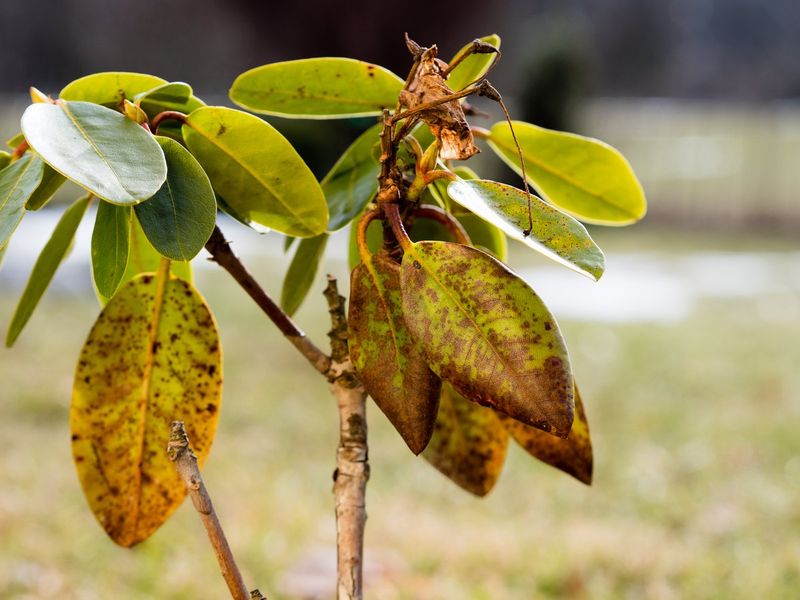
My prize rhododendron’s glossy leaves turned yellow and dropped after I removed several large branches in April. These evergreen shrubs have extremely shallow root systems that can’t support aggressive pruning during active growth.
Rhododendrons also compartmentalize wounds poorly, making them susceptible to disease entry through fresh cuts. Light deadheading after blooming is usually sufficient for maintaining healthy, attractive plants.
8. Peony
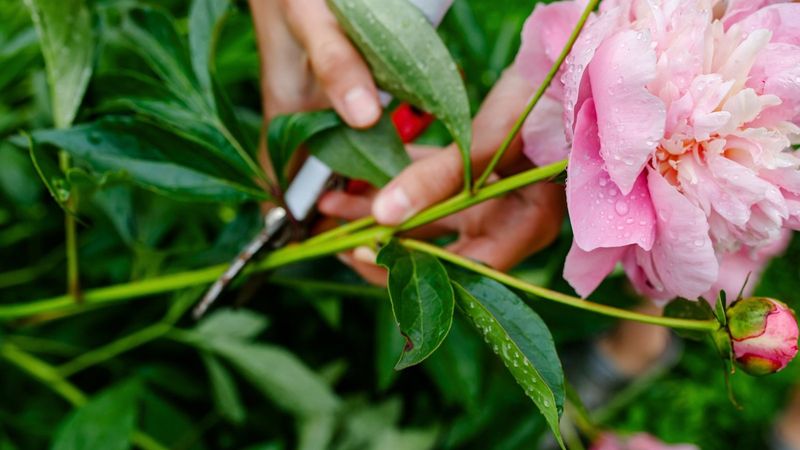
Cutting back emerging peony shoots seemed logical until I realized these perennials store energy in their crowns all winter long. Early spring pruning removes the plant’s entire photosynthesis system when it needs energy most.
My peonies struggled to produce any blooms and looked weak all season. Wait until fall to cut back brown foliage, allowing plants to store energy for next year’s spectacular flower display.
9. Forsythia
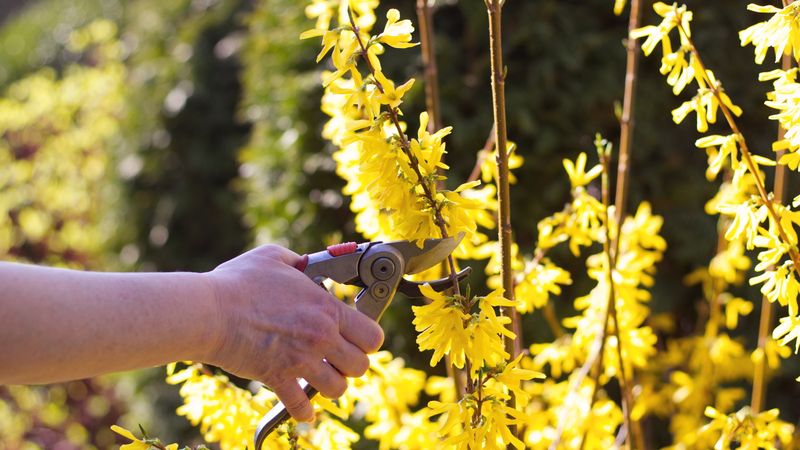
Yellow forsythia blooms disappeared when I pruned before the flowering period ended completely. Forsythia blooms on old wood, developing next year’s flower buds on this year’s new growth throughout the summer months.
Spring pruning eliminates both current flowers and future blooming potential. Prune forsythia immediately after the last flowers fade to maintain the natural arching shape and ensure abundant yellow blooms next spring.
10. Hydrangea
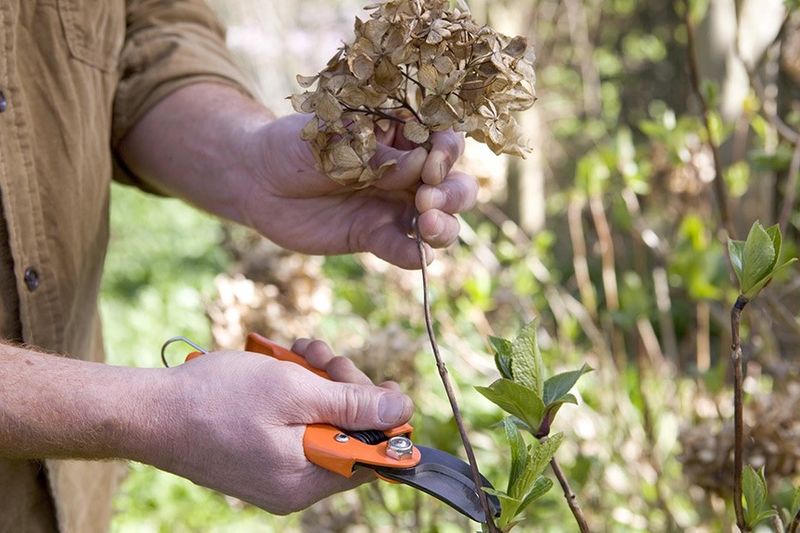
My beautiful hydrangea produced no flowers after I cut it back thinking it would encourage new growth. Different hydrangea types have varying pruning needs based on whether they bloom on old or new wood.
Bigleaf hydrangeas bloom on old wood and can’t recover from spring pruning. Research your specific variety before cutting to avoid eliminating an entire season of gorgeous blooms and potentially damaging the plant.
11. Magnolia Tree
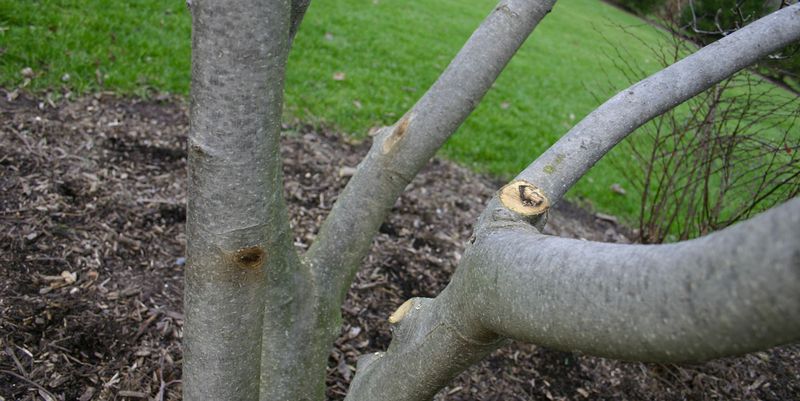
Fresh cuts on my magnolia tree refused to heal properly, creating entry points for diseases and pests throughout the growing season. Magnolias have thin bark and compartmentalize wounds poorly compared to other trees.
Spring pruning also removes flower buds that form the previous year. Magnolias rarely need pruning, but if necessary, make cuts immediately after blooming ends to minimize stress and disease risk.
12. Butterfly Bush
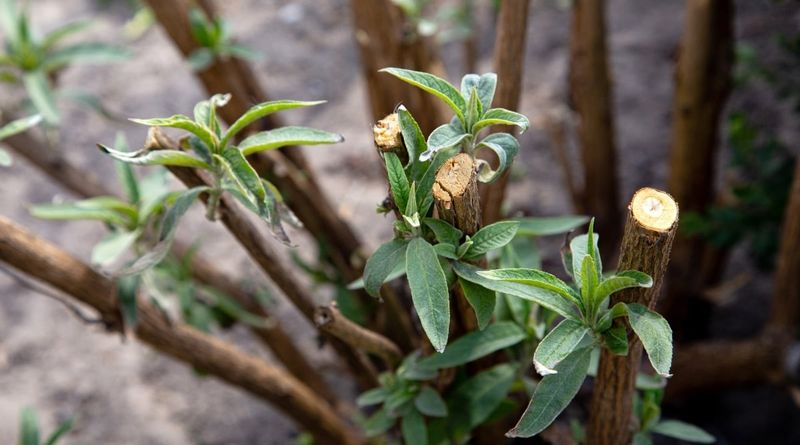
Cutting my butterfly bush too early in spring removed all the protective dead wood that shields tender new growth from late frosts. New shoots emerged after pruning but got damaged by unexpected cold snaps.
Wait until you see strong new growth beginning before pruning butterfly bushes. The old stems provide frost protection for developing buds, and premature cutting can set back growth significantly in colder climates.
13. Rose Bush
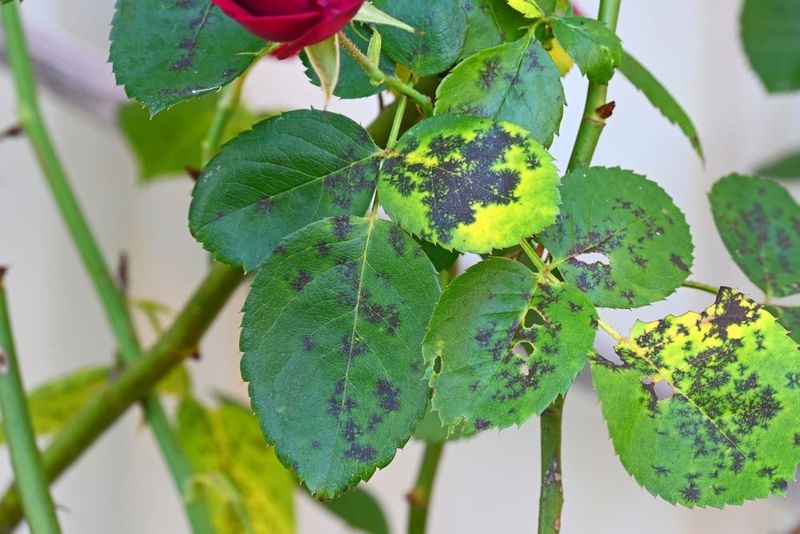
My hybrid tea roses developed black spot and other diseases after spring pruning with tools I hadn’t properly cleaned. Roses are particularly susceptible to fungal infections that spread through contaminated pruning equipment.
Fresh cuts create perfect entry points for pathogens. Always sterilize tools between plants and avoid pruning roses during wet weather when disease spores spread easily through moisture and wind currents.
14. Camellia
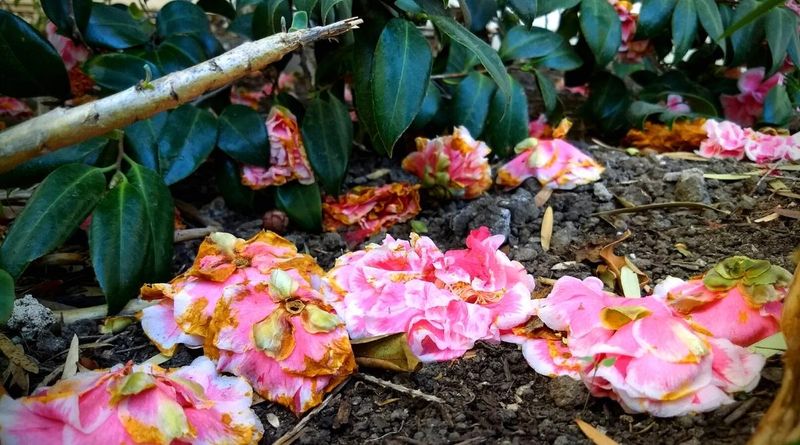
Spring pruning shocked my camellia into dropping both flowers and leaves, leaving bare branches that took months to recover. Camellias are extremely sensitive to pruning stress and prefer minimal intervention.
These evergreen shrubs set flower buds early and don’t respond well to aggressive cutting. Light shaping after blooming ends is usually sufficient, as camellias naturally maintain attractive forms without heavy pruning interventions.
15. Dogwood Tree
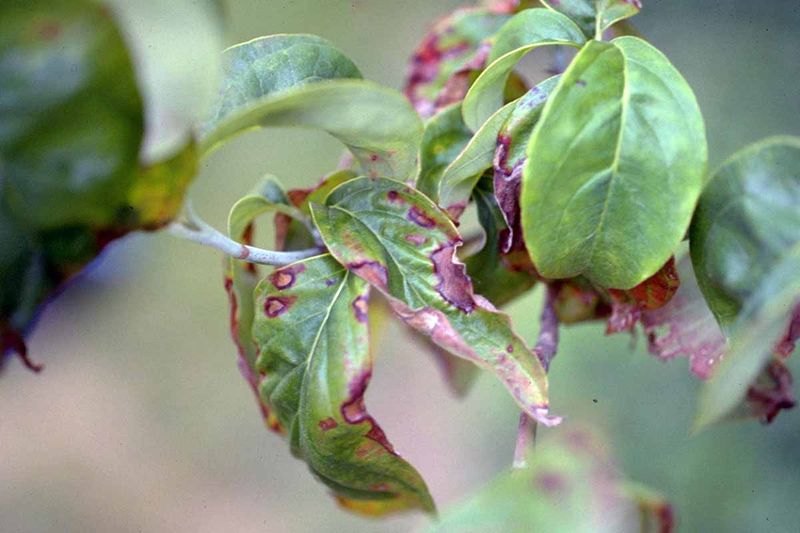
My flowering dogwood developed anthracnose after spring pruning created wounds that couldn’t heal properly in cool, wet weather. Dogwoods are particularly vulnerable to this fungal disease when stressed by pruning.
The combination of fresh cuts and spring moisture created perfect conditions for infection. Prune dogwoods only during dry weather in late fall or winter when disease pressure is lowest and trees can heal properly.
16. Weeping Cherry
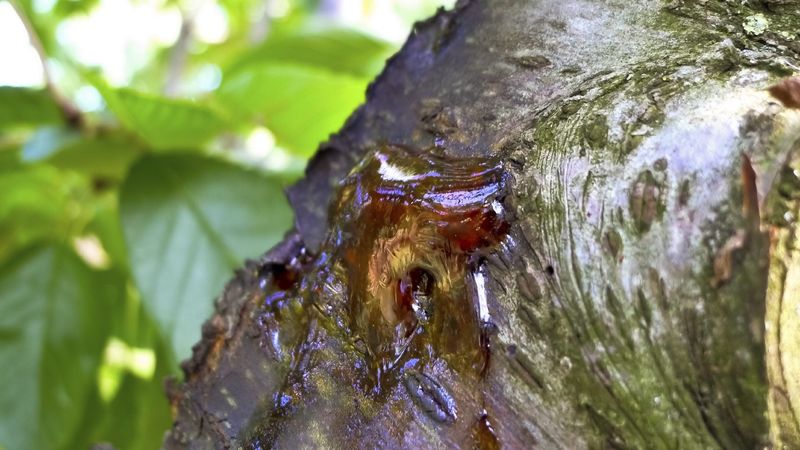
Heavy sap flow from my weeping cherry’s pruning cuts attracted boring insects that caused additional damage throughout the growing season. Ornamental cherries are heavy bleeders that lose significant energy through spring wounds.
The sap loss weakened the tree’s natural defenses against pests and diseases. Prune ornamental cherries during dormancy in late winter before sap begins flowing to minimize bleeding and reduce insect attraction to fresh cuts.