
Growing a garden that fills itself year after year sounds like a dream, but it’s totally possible with self-seeding perennials. These amazing plants drop their seeds naturally, creating new plants without any help from you. Once established, they’ll spread throughout your garden, creating beautiful displays that get better with time. Say goodbye to replanting every spring and hello to a garden that practically takes care of itself!
1. Black-Eyed Susan (Rudbeckia)
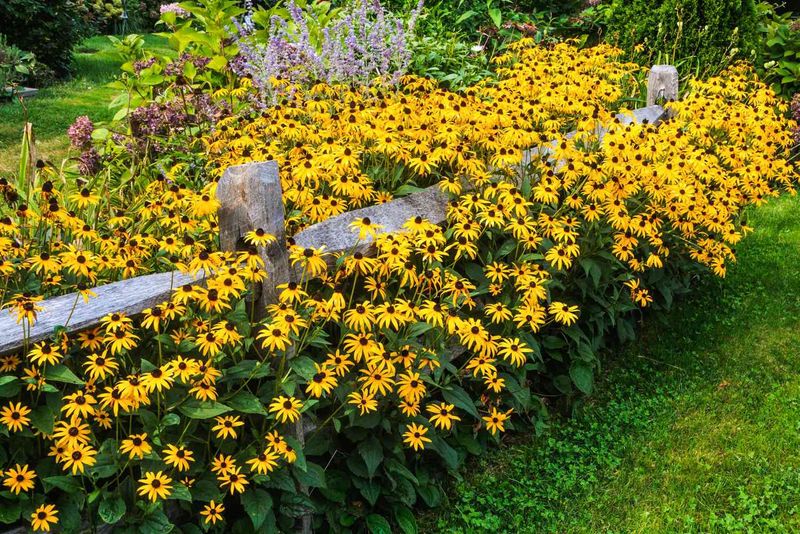
Bright golden petals surrounding dark centers make this wildflower a garden favorite that keeps on giving. Once bloomed, seed heads develop and scatter freely in fall winds.
New plants pop up in unexpected places, creating natural-looking clusters. These hardy flowers thrive in poor soil and full sun, making them perfect for low-maintenance gardens.
Leave spent flowers on plants through winter to encourage maximum seed dispersal and provide food for birds.
2. Purple Coneflower (Echinacea)
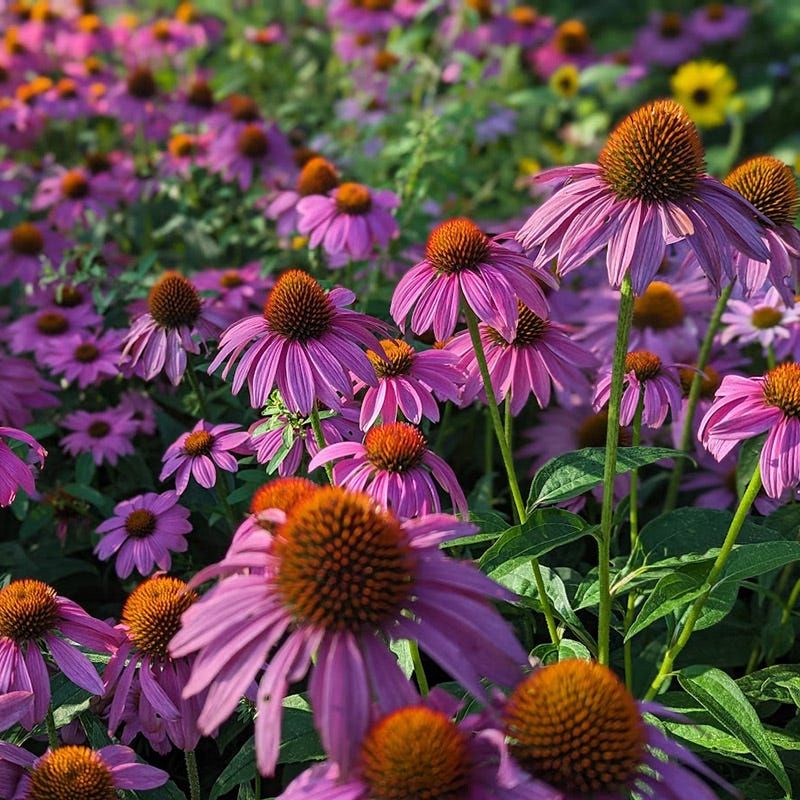
Did you know these purple beauties were once used as medicine by Native Americans? Their spiky seed heads are like natural salt shakers, dispersing seeds everywhere.
Goldfinches absolutely love eating the seeds, helping spread them around your yard. The plants form sturdy clumps that gradually expand, filling empty spaces with colorful blooms.
Allow some flowers to go to seed while deadheading others to extend blooming season and encourage spreading.
3. Columbine (Aquilegia)
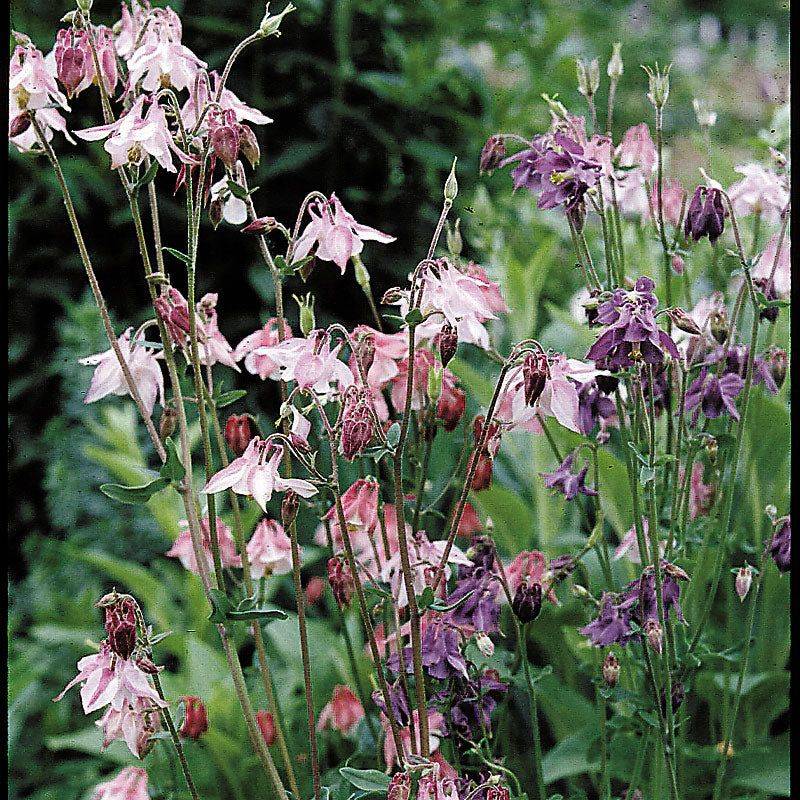
Delicate spurred flowers dance in spring breezes, hiding a secret weapon for garden expansion. Tiny black seeds explode from papery pods when ripe, shooting several feet away.
Baby columbines often appear in sidewalk cracks and unexpected nooks, creating magical surprises. They readily cross-pollinate, producing exciting new color combinations each year.
Different species will hybridize naturally, giving you unique flowers you won’t find in any catalog.
4. Foxglove (Digitalis)
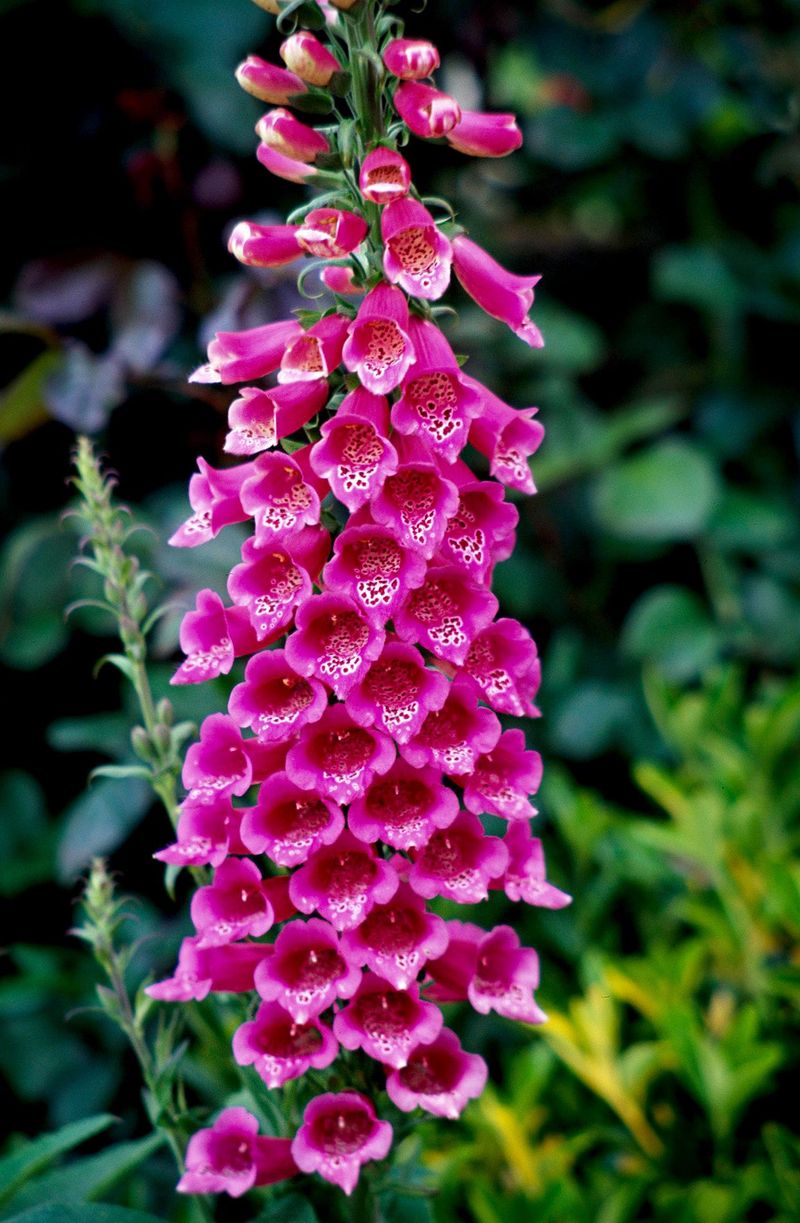
Towering spikes of tubular flowers create dramatic vertical interest while secretly planning their garden takeover. After blooming, tall stems produce thousands of dust-like seeds.
Wind carries these tiny seeds far and wide, establishing new colonies in suitable spots. Foxgloves prefer partial shade and will naturalize beautifully in woodland gardens.
Remember that all parts of this plant are toxic, so plant away from areas where children play regularly.
5. Forget-Me-Not (Myosotis)
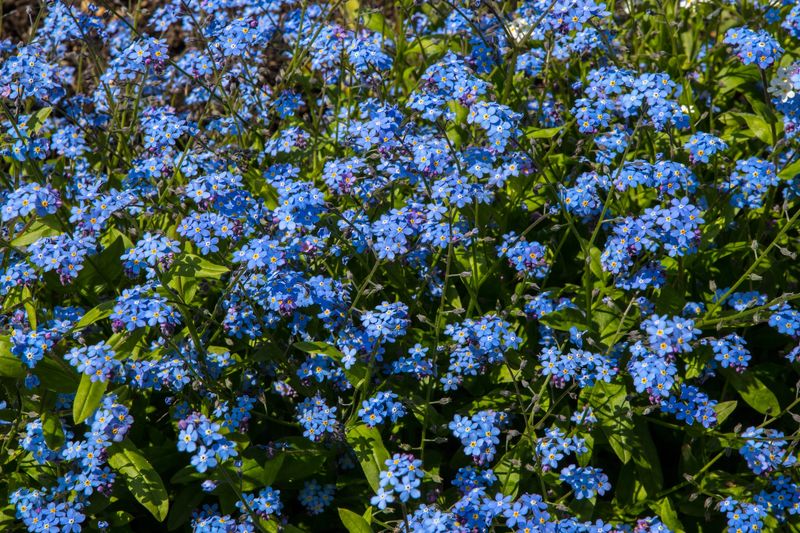
Tiny blue flowers create carpets of color that seem to appear magically each spring. These charming plants have earned their name by never truly leaving your garden.
Seeds stick to clothing, pet fur, and garden tools, traveling to new locations effortlessly. They prefer moist, shady spots and will quickly fill in bare areas under trees.
Once established, expect waves of forget-me-nots to bloom earlier each year, creating stunning spring displays.
6. Hollyhock (Alcea rosea)
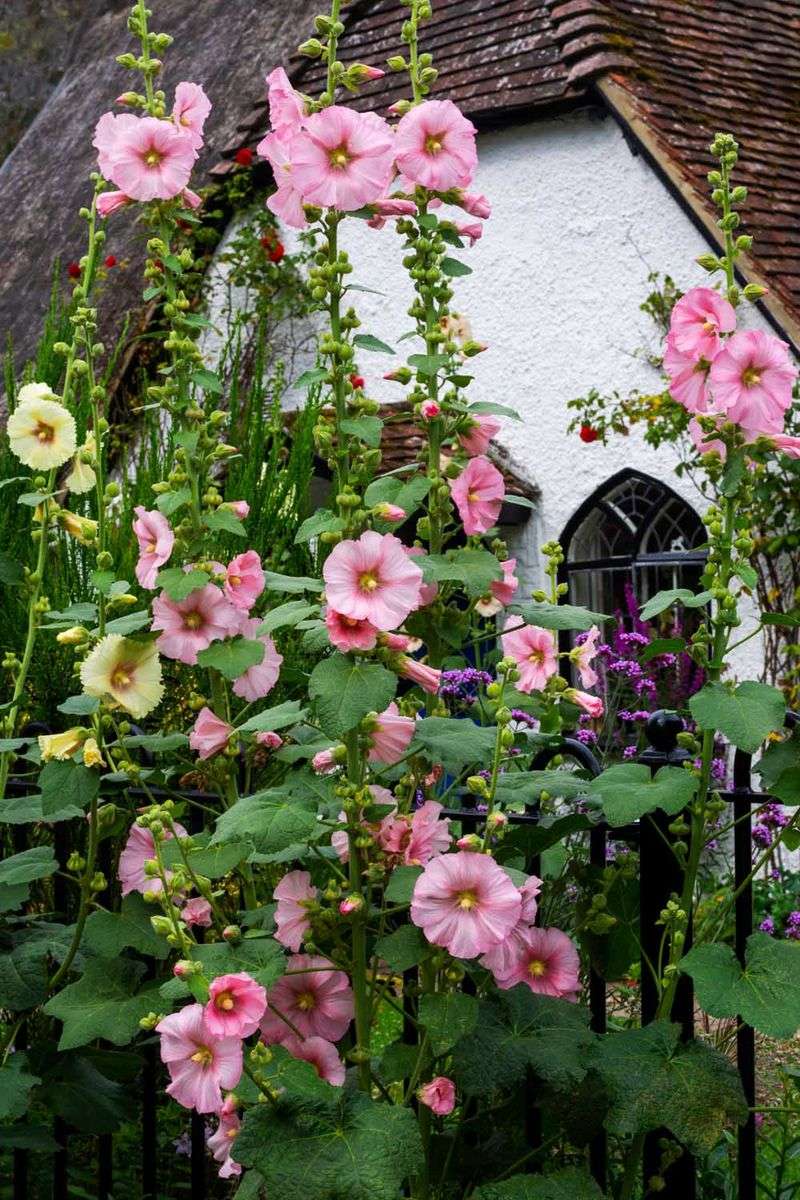
Cottage garden classics that tower above other plants, dropping seeds like generous giants sharing their wealth. Round seed pods split open to reveal flat, kidney-shaped seeds.
These seeds germinate easily wherever they land, often creating impressive stands along fences and walls. Hollyhocks prefer full sun and well-draining soil but adapt to various conditions.
Single-flowered varieties self-seed more reliably than double forms, producing traditional cottage garden charm year after year.
7. Johnny Jump-Up (Viola tricolor)
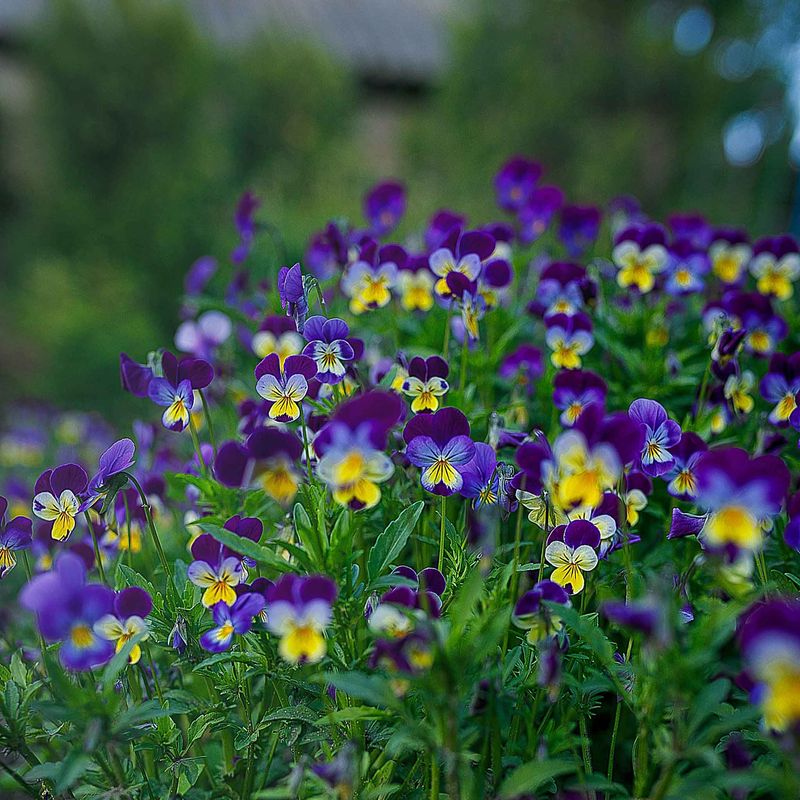
Cheerful little faces peer up from the ground, living up to their name by jumping up everywhere. These miniature pansies are prolific self-seeders with explosive seed pods.
When ripe, pods literally pop open and fling seeds several feet away with surprising force. They bloom almost continuously in cool weather, producing seeds throughout the season.
Expect to find these delightful volunteers in pathways, containers, and tucked between larger plants throughout your garden.
8. Larkspur (Delphinium elatum)
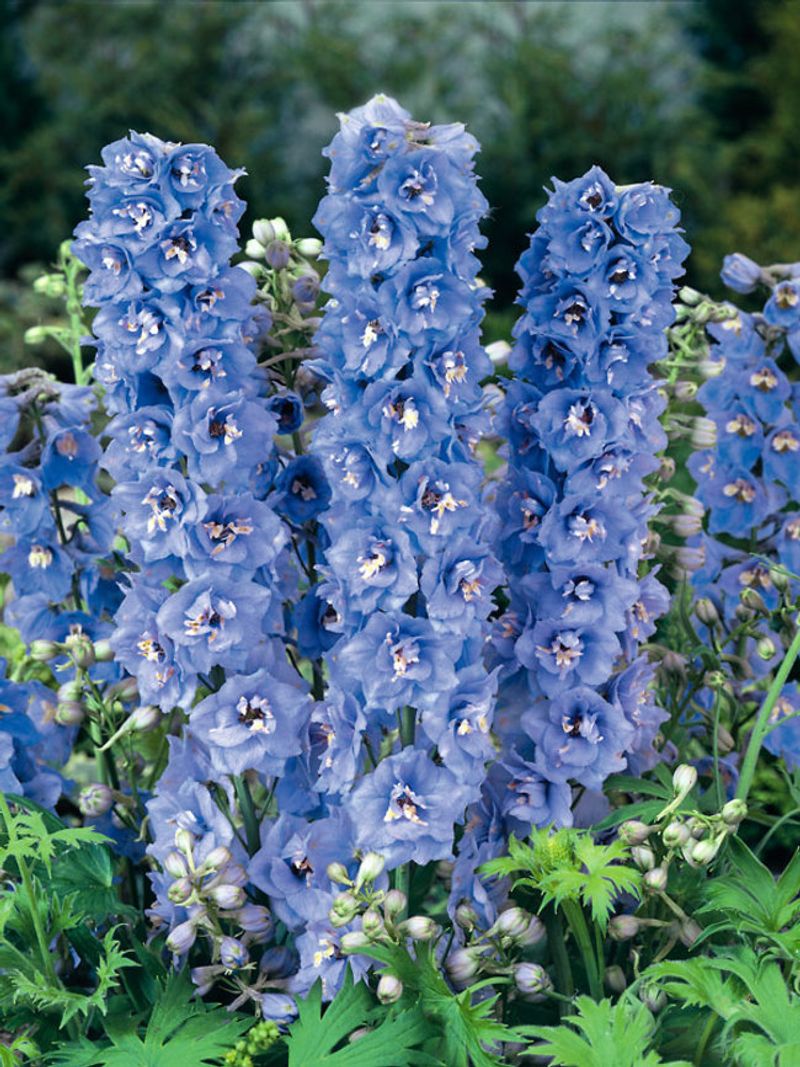
Spikes of intense blue flowers reach toward the sky, then generously scatter their future generations below. Seed pods develop along the tall stems, releasing seeds when mature.
These plants prefer cool, moist conditions and will establish colonies in suitable microclimates. Young seedlings often appear in fall and overwinter as small rosettes.
Annual larkspur varieties are particularly good self-seeders, creating stunning displays that improve with each passing year.
9. Love-in-a-Mist (Nigella damascena)
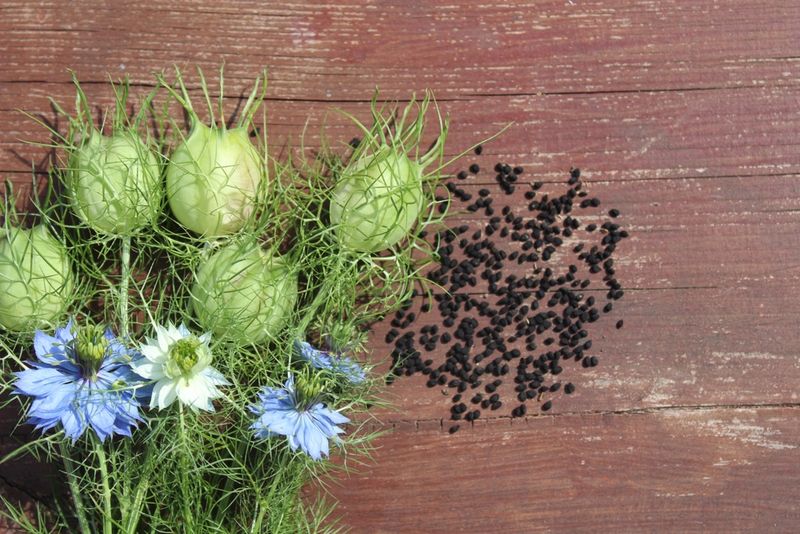
Feathery foliage surrounds delicate flowers that transform into inflated, striped seed pods resembling tiny hot air balloons. These ornamental pods are as beautiful as the flowers themselves.
Seeds rattle inside the papery pods until they split open, releasing numerous black seeds. Plants readily self-seed in loose, well-draining soil and full sun.
Both flowers and seed pods make excellent additions to fresh and dried flower arrangements.
10. Lunaria (Honesty Plant)
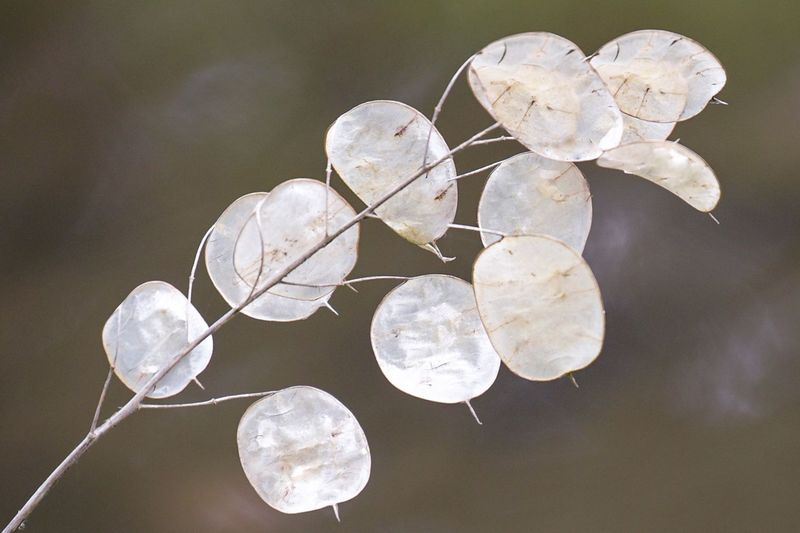
Heart-shaped leaves give way to clusters of purple flowers, but the real magic happens afterward. Flat, round seed pods develop that look like silver coins when dried.
These translucent pods eventually split to reveal dark seeds that scatter naturally. Plants often skip a year between major flowering, but scattered seedlings ensure continuous presence.
Dried seed pods are treasured for winter arrangements, earning this plant the nickname “money plant” or “silver dollars.”
11. Nicotiana (Flowering Tobacco)
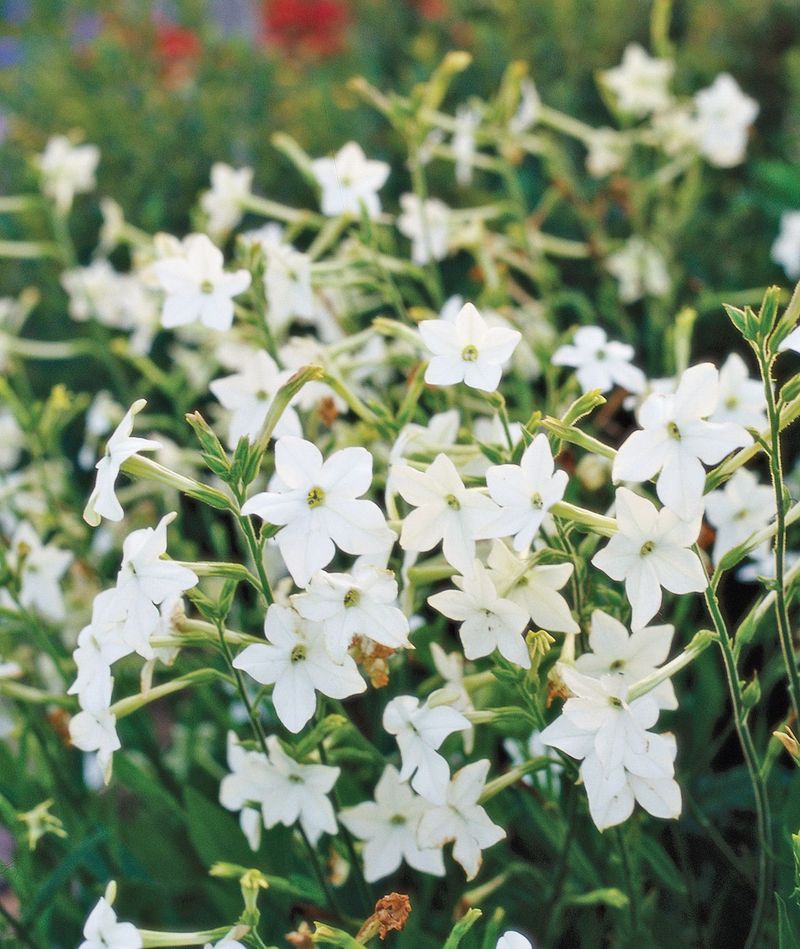
Evening brings out the incredible fragrance of these trumpet-shaped flowers, while daylight reveals their seed-making prowess. Tiny capsules packed with numerous seeds develop after flowering.
Seeds are so small they’re almost dust-like, allowing wind to carry them throughout the garden. Plants often self-seed in the most unexpected places, including containers and cracks.
White varieties are especially fragrant and tend to be the most reliable self-seeders in the garden.
12. Poppies (Papaver)
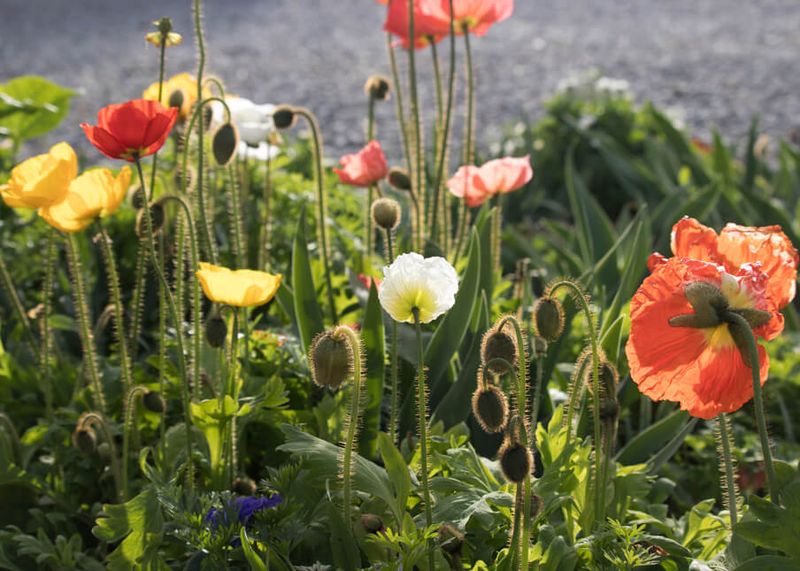
Papery petals unfurl to reveal silky flowers that seem too delicate to be such determined spreaders. Distinctive pepper-shaker seed pods develop after blooms fade.
Wind shakes seeds through tiny holes in the pod tops, dispersing them naturally. Iceland poppies and Oriental poppies are particularly good at establishing new colonies.
Seeds often remain dormant until soil conditions are perfect, sometimes surprising gardeners years later with unexpected blooms.
13. Rose Campion (Lychnis coronaria)
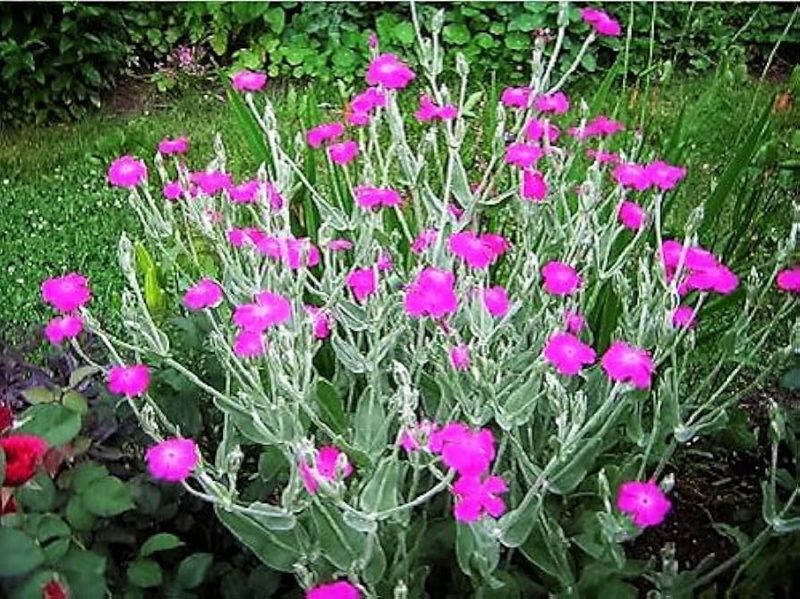
Silvery-gray foliage creates a stunning backdrop for shocking magenta flowers that practically glow in the garden. This drought-tolerant plant produces abundant seeds in small capsules.
Seeds scatter naturally when pods split open, often germinating in gravel paths and poor soil. Plants form attractive rosettes that overwinter and bloom the following year.
The contrast between silvery leaves and bright flowers makes this an outstanding choice for hot, sunny locations.
14. Sweet Alyssum (Lobularia maritima)
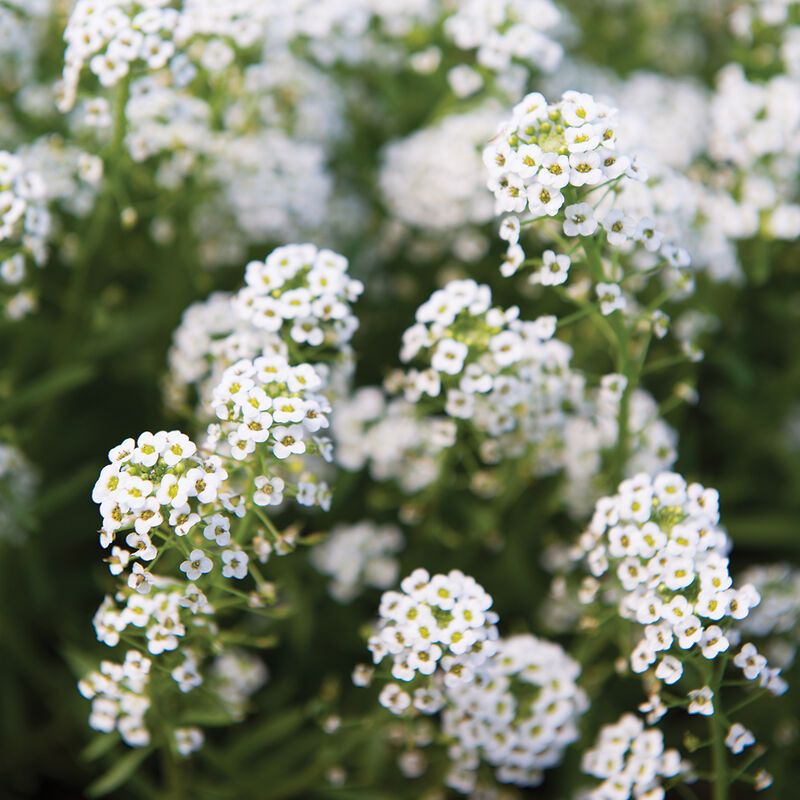
Honey-scented clouds of tiny white flowers attract beneficial insects while quietly planning garden expansion. Miniature seed pods develop along the stems throughout the growing season.
Seeds are released continuously, creating waves of new plants that bloom within weeks. This low-growing plant fills gaps between larger perennials and softens hard edges.
Cool weather triggers the heaviest blooming, making this perfect for spring and fall color that maintains itself.
15. Verbena bonariensis (Purpletop Vervain)
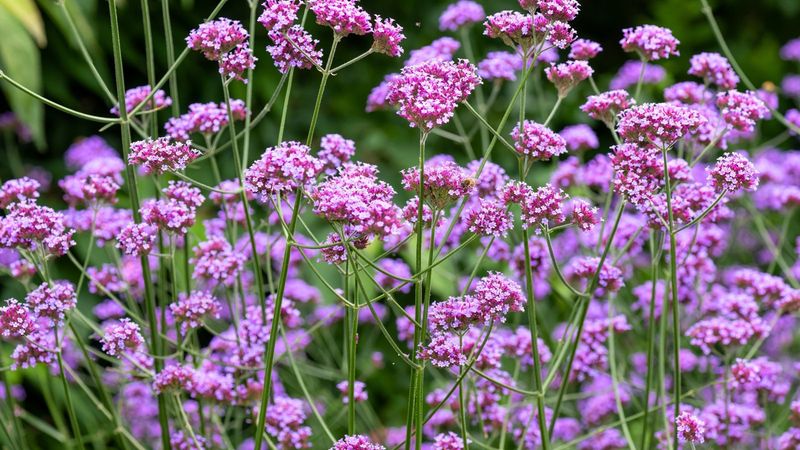
Tall, airy stems topped with clusters of purple flowers create a see-through effect that adds height without blocking views. Butterflies can’t resist these nectar-rich blooms.
After flowering, tiny seeds develop and scatter easily in autumn winds. Plants often appear in unexpected places, creating natural-looking drifts throughout the garden.
This architectural plant works beautifully in modern gardens and pairs wonderfully with ornamental grasses for textural contrast.
16. Wild Bergamot (Monarda fistulosa)
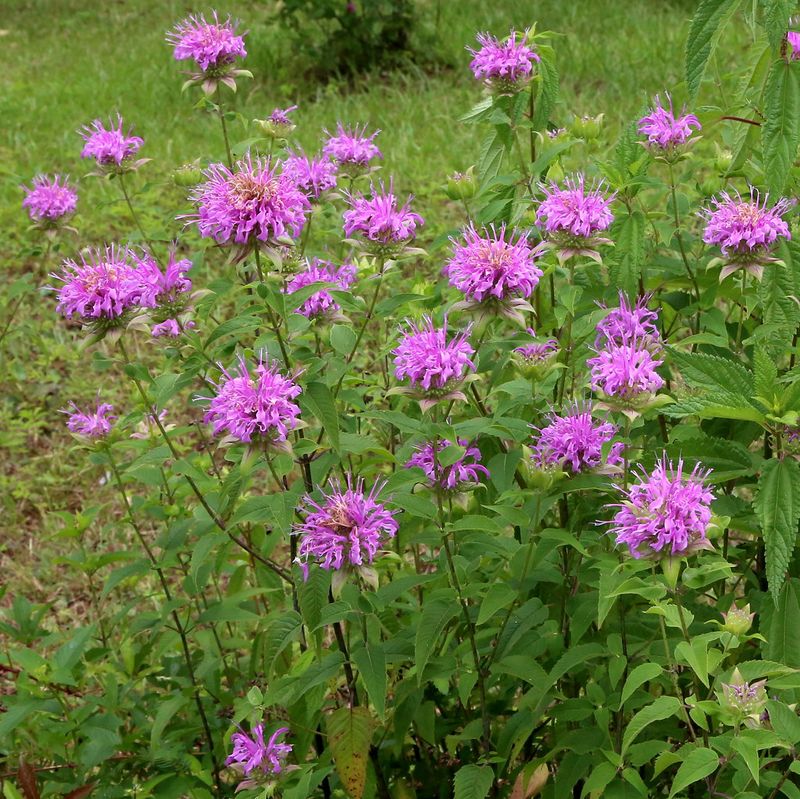
Aromatic leaves release a delightful fragrance when brushed against, while shaggy flower heads attract bees and hummingbirds. Seeds develop in the dried flower heads after blooming.
Plants spread both by underground runners and self-seeding, creating expanding colonies over time. They prefer full sun to partial shade and adapt to various soil conditions.
Native plant enthusiasts love this species for its wildlife value and low-maintenance spreading habit in naturalized areas.
17. Yarrow (Achillea millefolium)
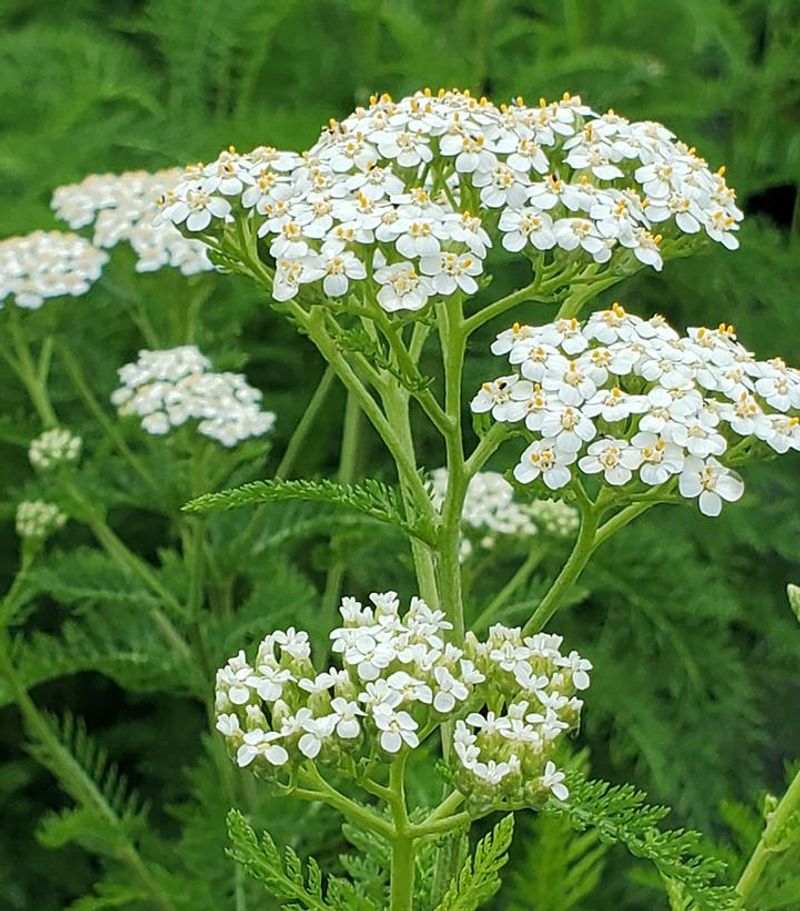
Feathery foliage and flat-topped flower clusters make this drought-tolerant perennial both beautiful and practical. Flowers dry naturally on the plant, releasing seeds gradually.
Seeds germinate easily in disturbed soil and quickly establish new plants. Yarrow spreads by underground rhizomes as well, creating dense colonies over time.
This tough plant thrives in poor soil and full sun, making it perfect for low-maintenance areas that need reliable color.
18. Catmint (Nepeta)
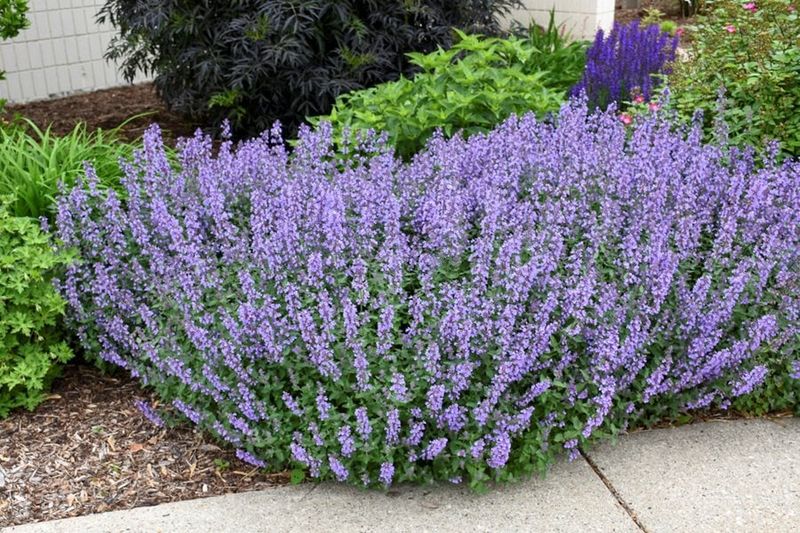
Fuzzy gray-green leaves and spikes of lavender-blue flowers create a soft, romantic garden presence that cats absolutely adore. Spent flower spikes produce small nutlets containing seeds.
Seeds scatter naturally when dried flower heads are disturbed by wind or animals. Plants also spread by underground stems, forming attractive clumps.
Regular shearing after flowering encourages fresh growth and prevents excessive self-seeding while maintaining the plant’s neat appearance.
19. Shasta Daisy (Leucanthemum x superbum)
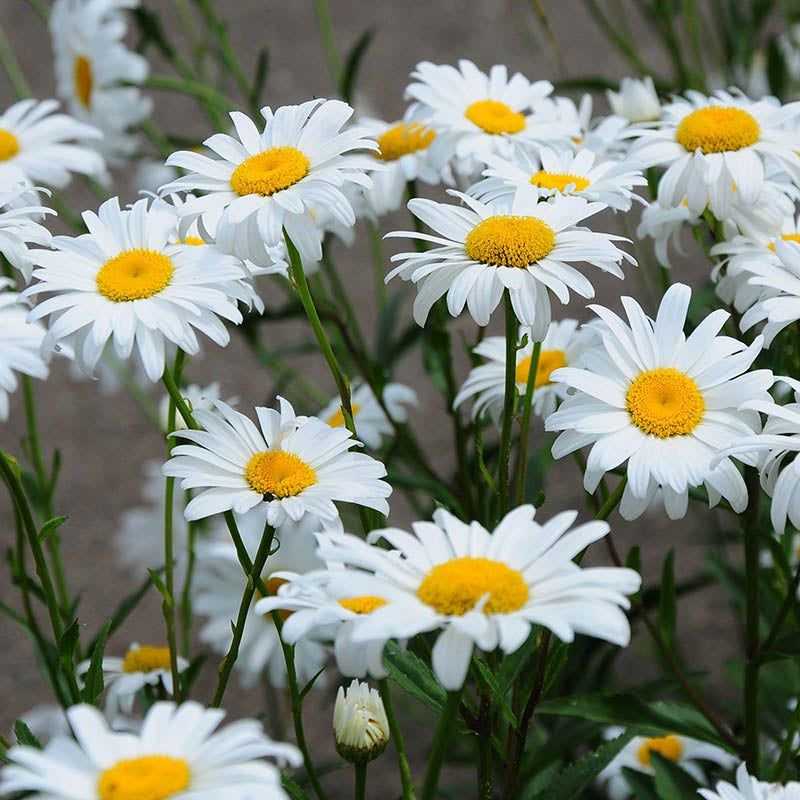
Classic white petals radiating from golden centers embody the essence of traditional garden daisies. After blooming, seed heads develop that eventually release numerous seeds.
These cheerful flowers readily self-seed in sunny locations with well-draining soil. New plants often appear around the parent clumps, gradually expanding the colony.
Deadheading spent blooms encourages continued flowering while allowing some to go to seed ensures future generations of these beloved garden stalwarts.