
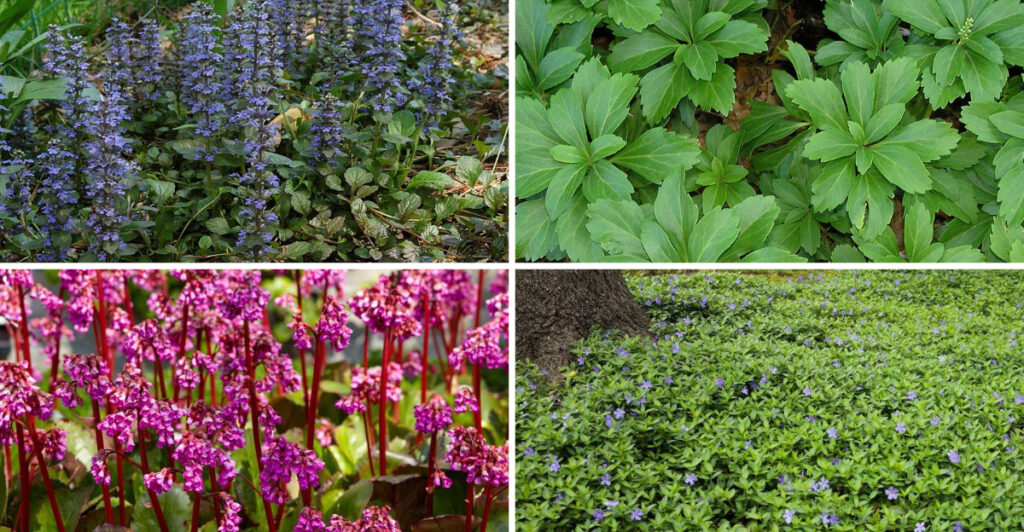
Clay soil can feel like a gardener’s worst nightmare, but it doesn’t have to be. Many beautiful ground covers actually thrive in heavy clay conditions when you know their secret. The key lies in choosing plants that naturally love dense, moisture-retentive soil rather than fighting against your garden’s natural conditions.
1. Ajuga reptans (Bugleweed)
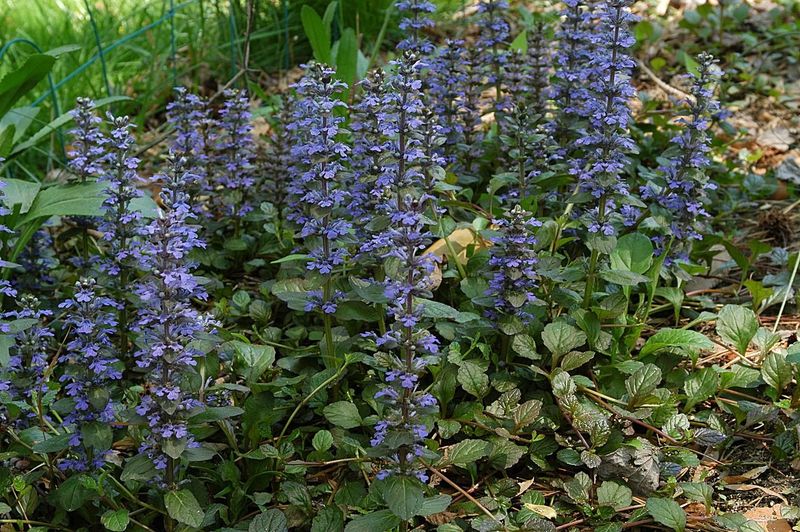
Purple flower spikes dance above glossy leaves each spring, creating carpet-like beauty that clay soil gardeners adore. This tough perennial spreads quickly through runners, forming dense mats that suppress weeds effectively.
Clay’s moisture retention perfectly matches bugleweed’s water needs. The dense soil structure provides excellent anchor points for the spreading root system, preventing erosion on slopes while creating stunning seasonal displays.
2. Vinca minor (Periwinkle)
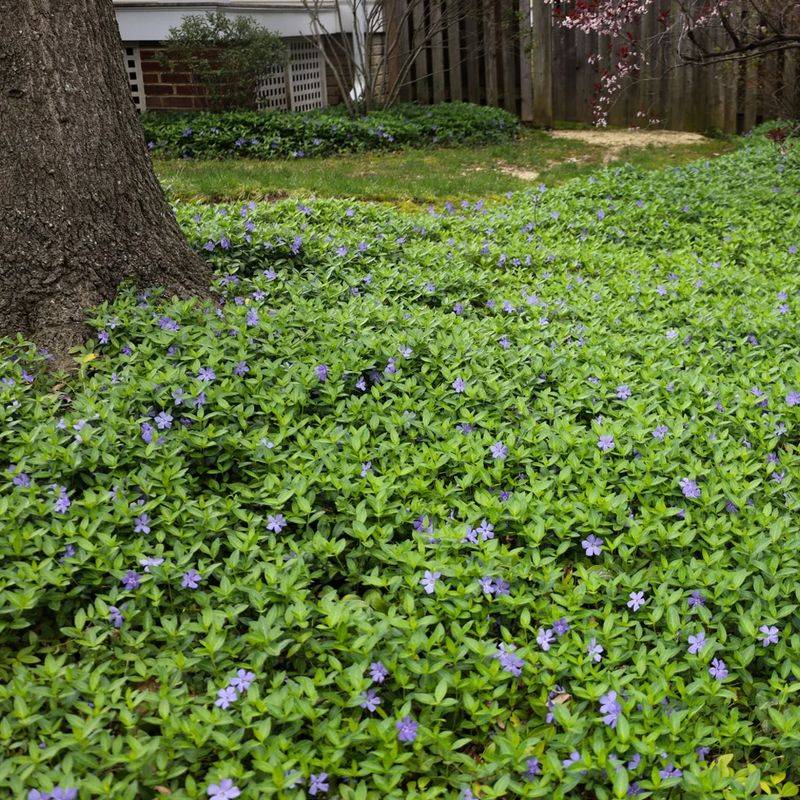
Glossy evergreen leaves create year-round interest while delicate blue flowers appear in spring. This vigorous spreader tolerates deep shade and heavy clay conditions that challenge other plants.
Clay soil’s compact nature actually helps contain vinca’s aggressive growth habits. The dense earth provides consistent moisture levels that keep foliage lush and green throughout challenging weather conditions, making maintenance surprisingly simple.
3. Pachysandra terminalis (Japanese Spurge)
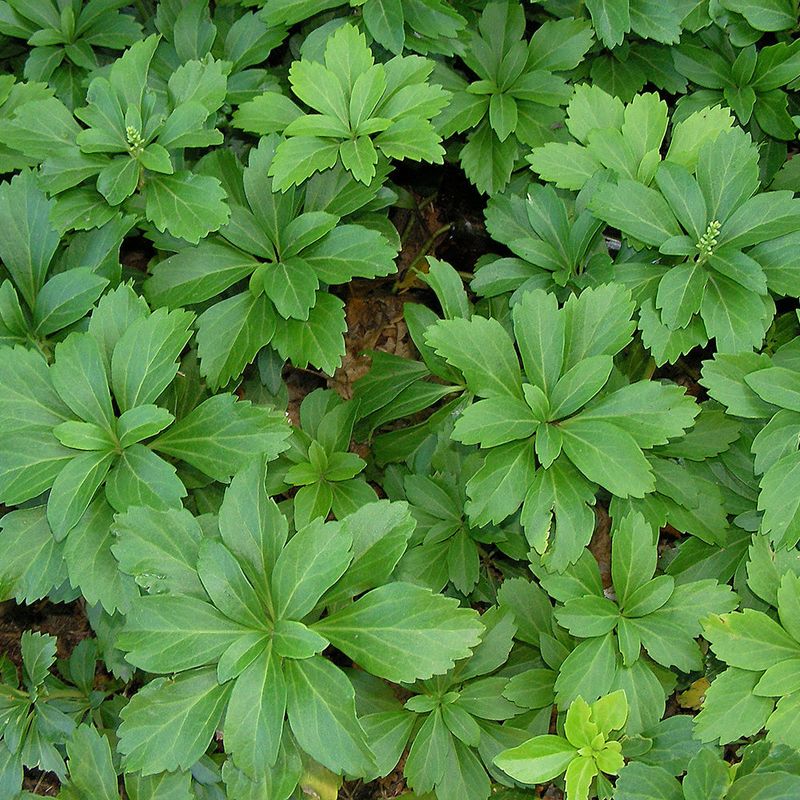
Whorled leaves create architectural interest in shaded areas where grass struggles to grow. This evergreen groundcover forms dense colonies that remain attractive throughout all seasons.
Heavy clay provides the consistent moisture pachysandra craves for optimal growth. The soil’s density prevents rapid drainage, creating ideal conditions for this shade-loving plant to establish strong root systems and spread naturally across difficult terrain.
4. Heuchera (Coral Bells)
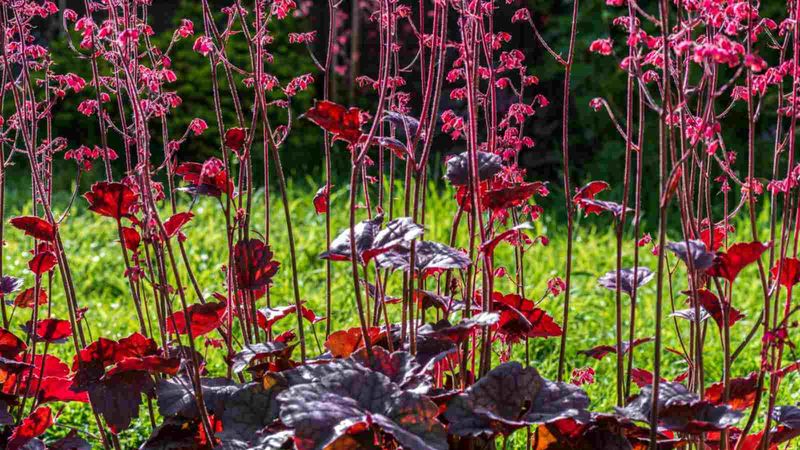
Colorful foliage ranging from lime green to deep burgundy adds vibrant interest to clay soil gardens. Delicate flower spikes emerge in summer, attracting beneficial pollinators to your landscape.
Clay’s moisture-holding capacity supports heuchera’s shallow root system perfectly. The dense soil structure prevents root rot while providing steady hydration that keeps colorful leaves looking fresh and vibrant throughout growing seasons.
5. Lamium maculatum (Spotted Deadnettle)
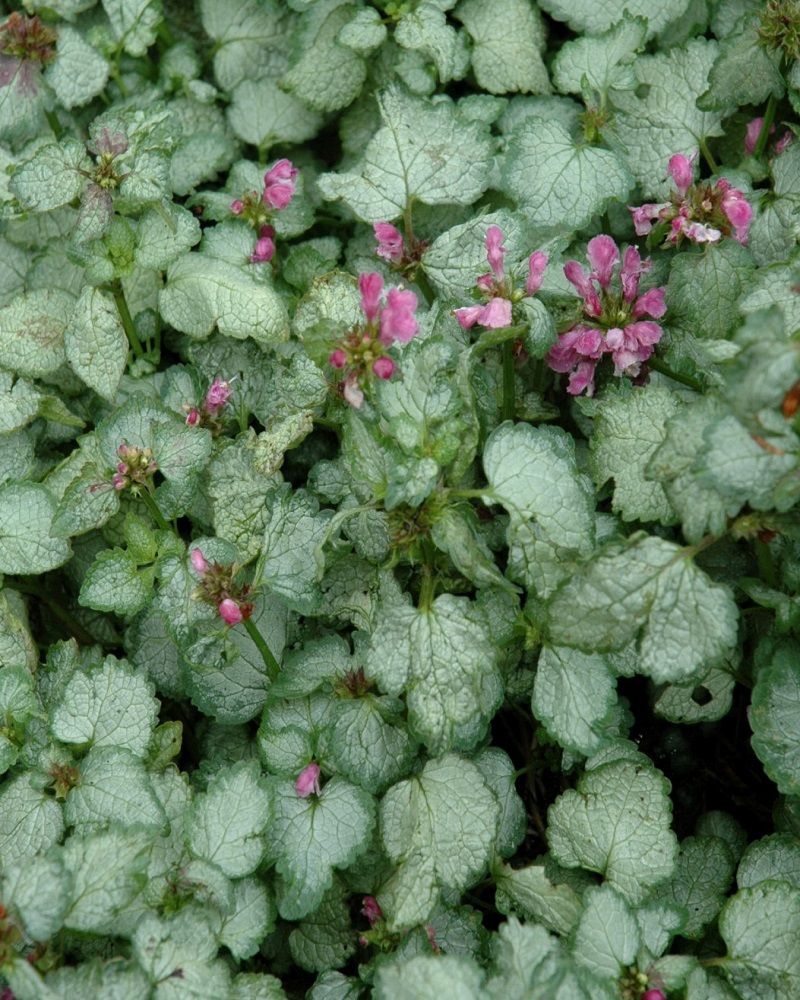
Silver-marked leaves brighten shady spots while pink, white, or purple flowers bloom from spring through fall. This spreading perennial thrives where other plants fail to establish.
Clay soil’s water retention matches lamium’s preference for consistent moisture levels. The heavy earth provides excellent growing conditions for this adaptable groundcover, supporting vigorous growth while preventing the root system from becoming waterlogged during wet periods.
6. Bergenia cordifolia (Heartleaf Bergenia)
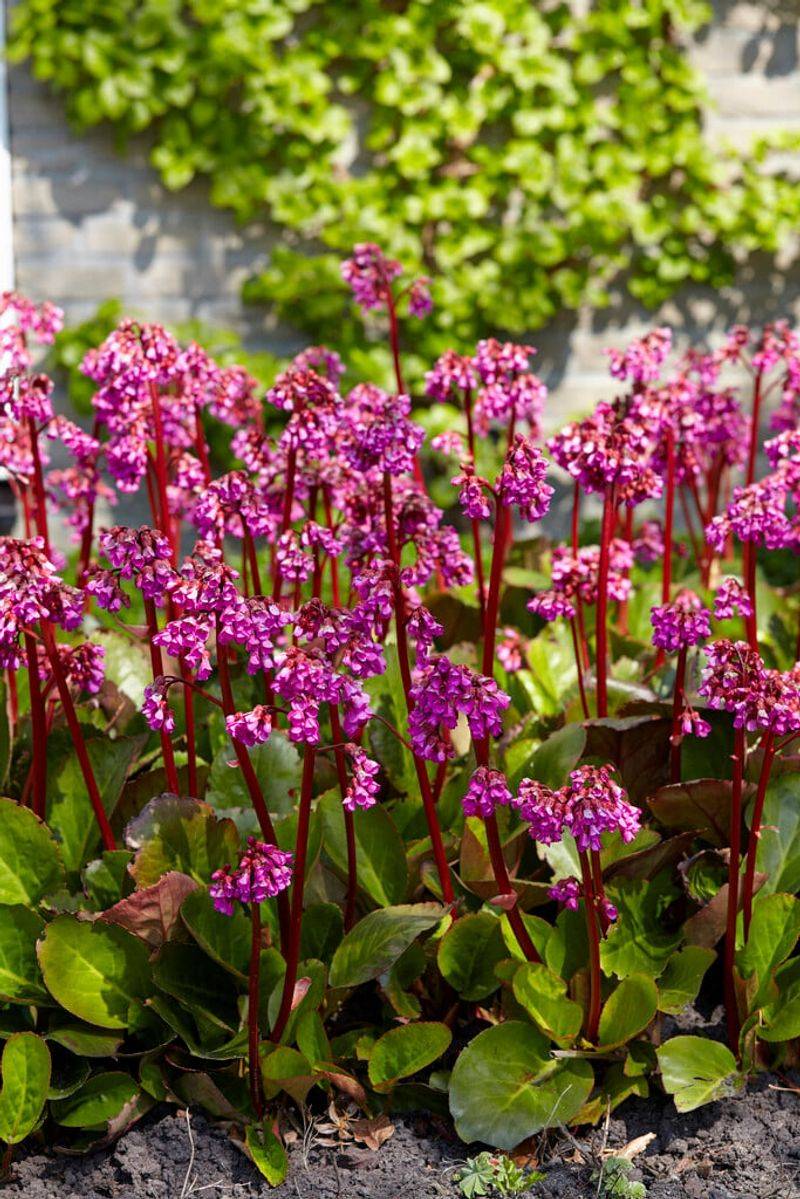
Large, heart-shaped leaves create bold texture while pink flower clusters emerge in early spring. This evergreen perennial offers year-round structure in challenging clay conditions.
Dense clay soil provides the stable foundation bergenia’s substantial root system requires. The moisture-retentive properties support healthy leaf development while preventing the crown rot that can occur in poorly draining soils with lighter textures.
7. Asarum canadense (Wild Ginger)
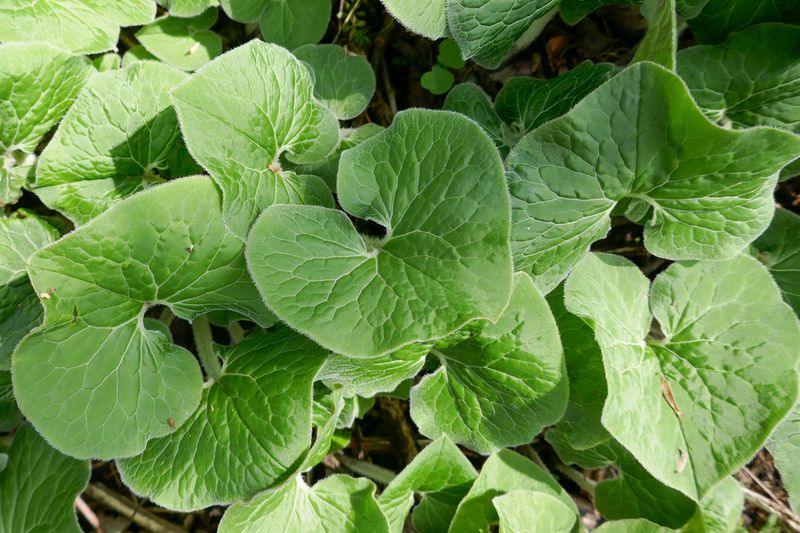
Heart-shaped leaves form lush carpets in woodland settings where clay soil naturally occurs. This native groundcover produces unusual burgundy flowers hidden beneath attractive foliage.
Clay’s natural moisture retention creates perfect growing conditions for wild ginger’s shallow root system. The dense soil structure mimics forest floor conditions, providing steady hydration while supporting the spreading rhizomes that create beautiful natural colonies.
8. Tiarella cordifolia (Foamflower)
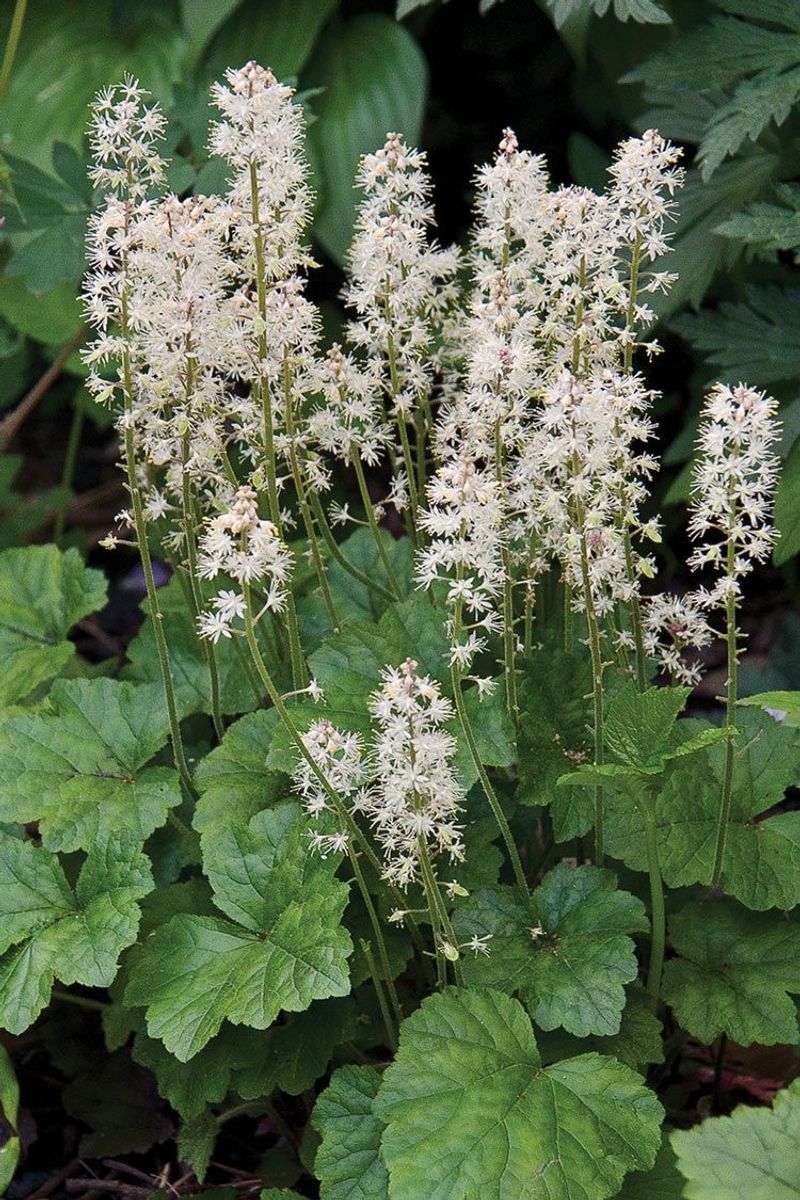
Delicate white flower spikes rise above maple-like leaves in spring, creating ethereal beauty in shaded clay gardens. This native perennial spreads gently through underground runners.
Clay soil’s consistent moisture levels support foamflower’s preference for evenly hydrated conditions. The dense earth provides excellent growing medium for establishing strong root systems while preventing the rapid drainage that can stress this moisture-loving groundcover.
9. Galium odoratum (Sweet Woodruff)
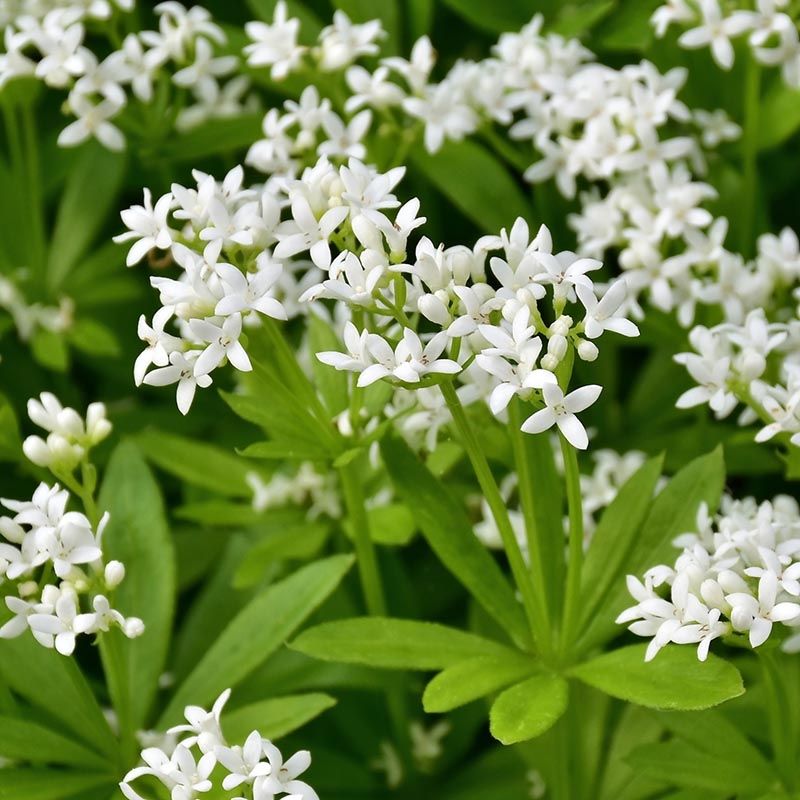
Whorled leaves create star-like patterns while tiny white flowers release sweet fragrance in late spring. This spreading groundcover naturalizes beautifully in clay soil conditions.
Heavy clay provides the moisture retention sweet woodruff needs for optimal growth and fragrance development. The soil’s density supports the delicate root system while preventing rapid water loss that can cause this aromatic groundcover to struggle in lighter soils.
10. Lysimachia nummularia (Creeping Jenny)
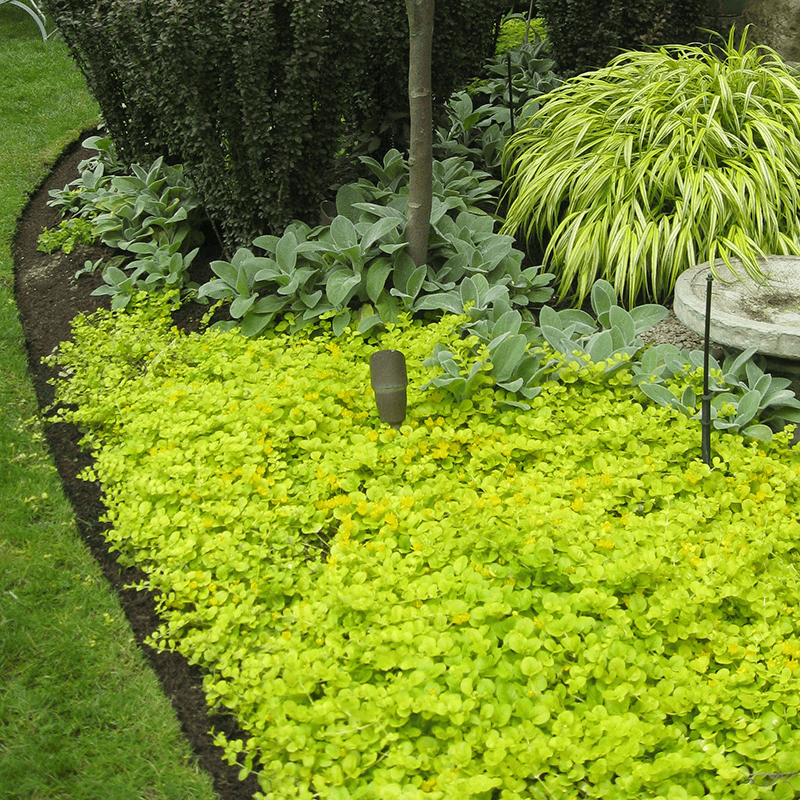
Bright yellow-green leaves create cheerful carpets that brighten shaded areas with persistent color. This vigorous spreader produces small yellow flowers throughout the growing season.
Clay’s water-holding capacity perfectly matches creeping jenny’s love for consistently moist conditions. The dense soil structure contains this aggressive spreader while providing ideal growing conditions that support lush foliage and abundant flowering throughout summer months.
11. Hosta (Plantain Lily)
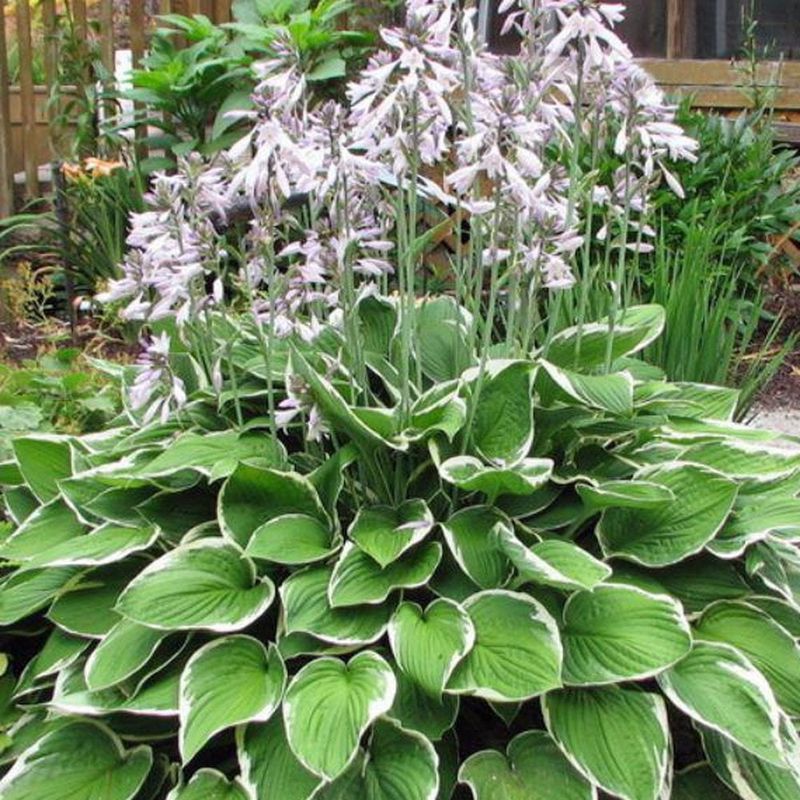
Dramatic foliage in countless sizes and colors creates stunning displays in clay soil gardens. Fragrant flower spikes emerge in summer, adding vertical interest to low-growing leaf mounds.
Clay soil’s moisture retention supports hosta’s substantial water needs during active growth periods. The dense earth provides excellent growing conditions for developing impressive leaf displays while preventing the root damage that can occur in constantly soggy conditions.
12. Pulmonaria (Lungwort)
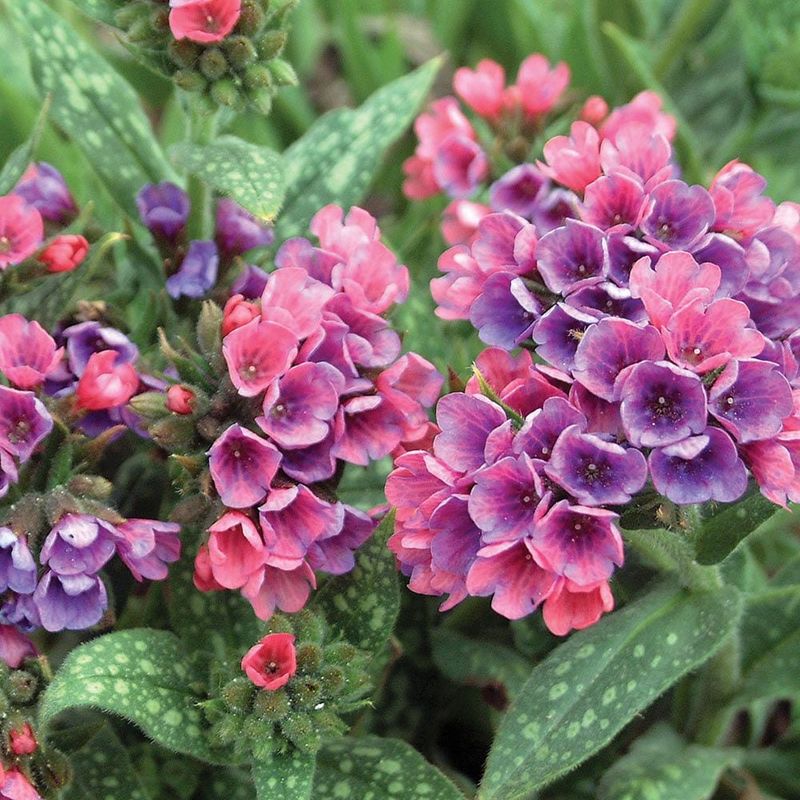
Spotted leaves provide interesting texture while pink, blue, or white flowers bloom in early spring. This shade-loving perennial creates attractive colonies in difficult clay conditions.
Heavy clay offers the consistent moisture pulmonaria requires for healthy leaf development and flower production. The soil’s density provides excellent growing medium while preventing the crown rot issues that can develop in poorly structured soils with inadequate drainage.
13. Sedum spurium (Two-Row Stonecrop)
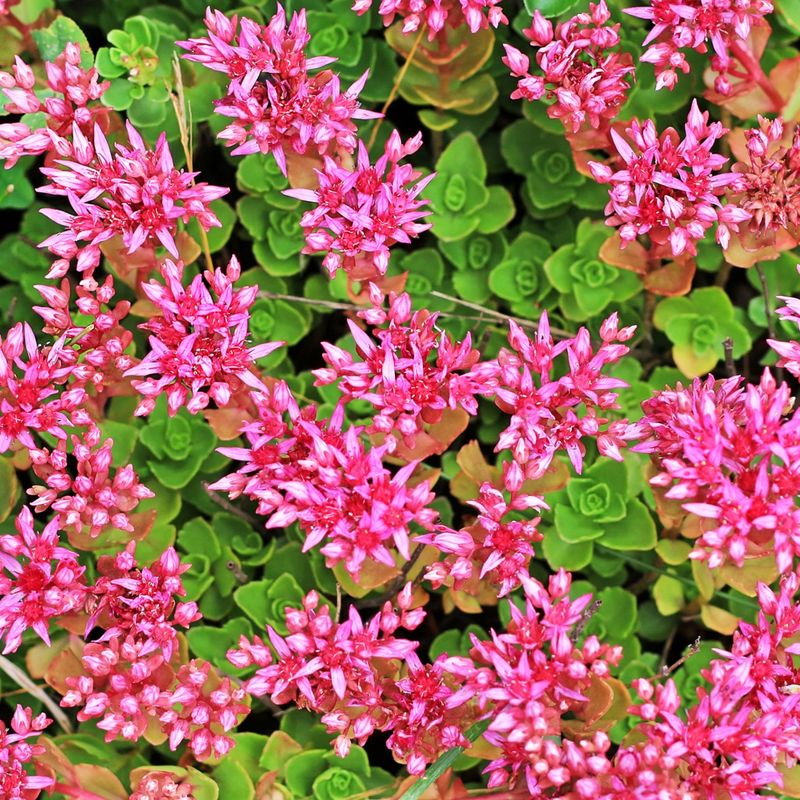
Succulent leaves form dense mats topped with pink or red flower clusters in summer. This drought-tolerant groundcover surprisingly adapts well to clay soil conditions.
Clay’s moisture retention prevents the rapid drying that can stress sedum during establishment periods. The dense soil structure provides stable growing conditions while supporting the spreading growth habit that creates attractive groundcover displays in challenging locations.
14. Astilbe chinensis (Chinese Astilbe)
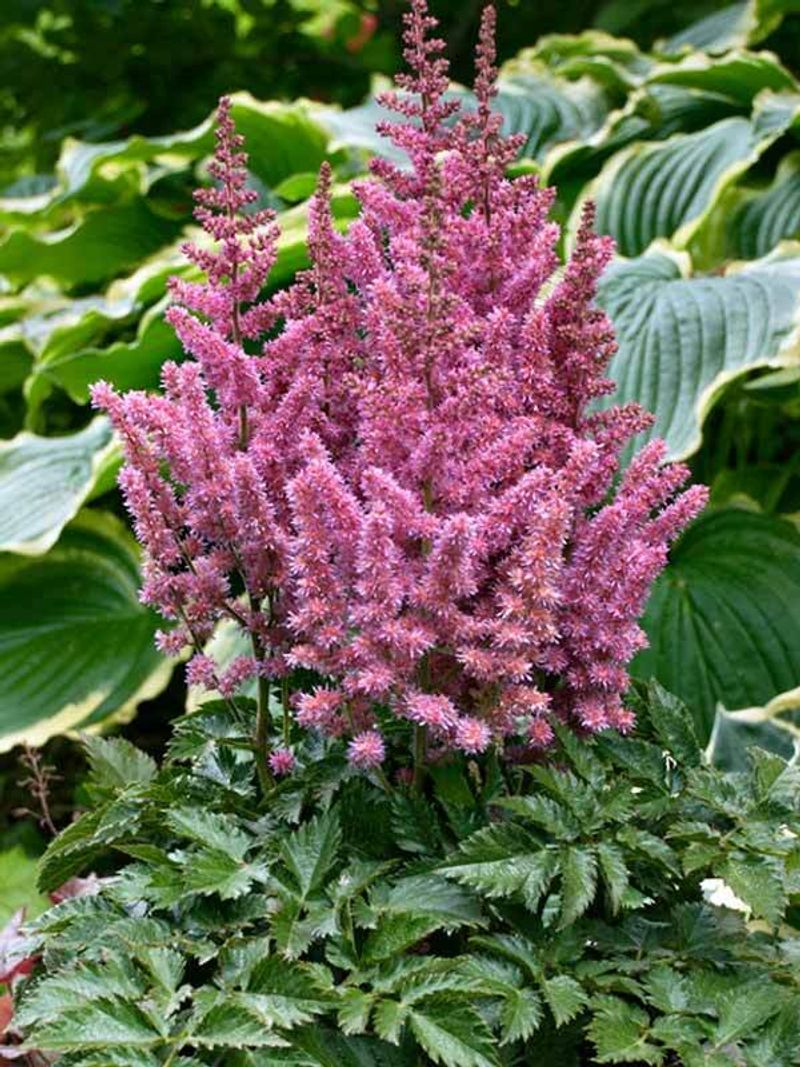
Feathery plumes in pink, white, or red rise above fern-like foliage in summer. This moisture-loving perennial creates dramatic displays in clay soil gardens.
Clay soil’s water-holding capacity supports astilbe’s substantial hydration needs during flowering periods. The dense earth provides excellent growing conditions for developing impressive plume displays while maintaining the consistent moisture levels this beautiful groundcover requires for optimal performance.
15. Gaultheria procumbens (Wintergreen)
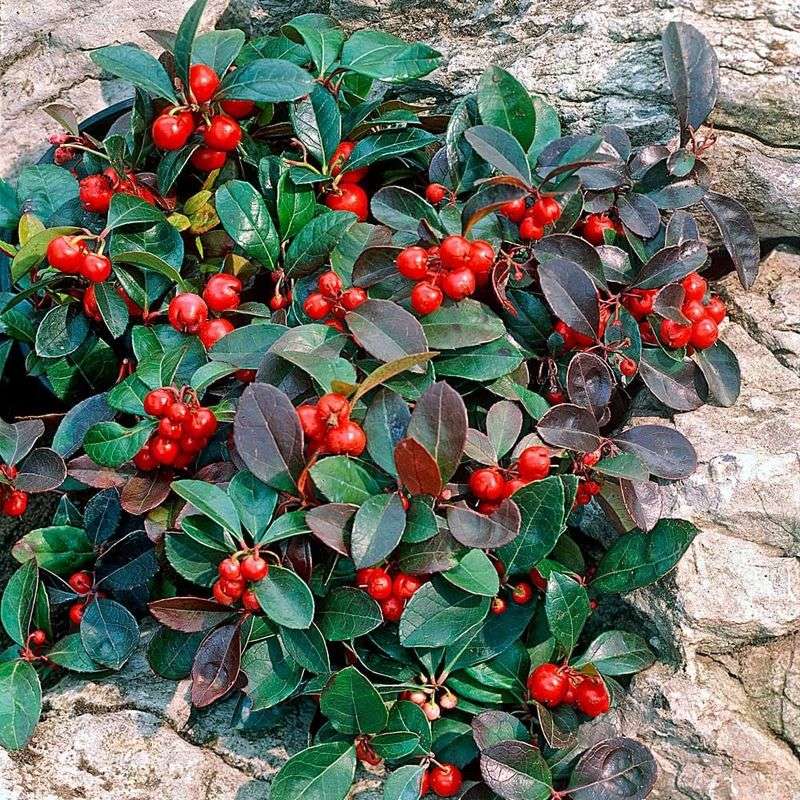
Glossy evergreen leaves produce red berries in fall while releasing minty fragrance when crushed. This native groundcover thrives in acidic clay soil conditions.
Clay’s moisture retention creates ideal growing conditions for wintergreen’s shallow root system. The dense soil structure supports berry production while providing the consistent hydration this aromatic groundcover needs for maintaining attractive evergreen foliage throughout challenging winter months.
16. Chrysogonum virginianum (Green and Gold)
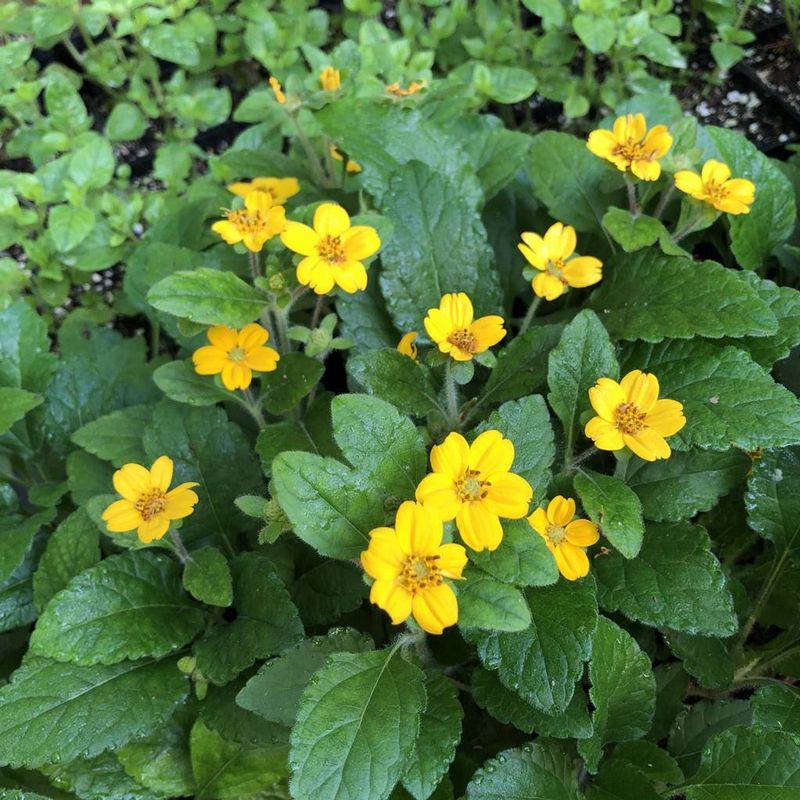
Bright yellow flowers bloom from spring through fall above heart-shaped leaves. This native groundcover creates cheerful displays in clay soil gardens.
Heavy clay provides the moisture retention green and gold requires for extended flowering periods. The soil’s density supports vigorous growth while preventing the rapid drainage that can interrupt this groundcover’s impressive blooming cycle throughout the growing season.
17. Mazus reptans (Creeping Mazus)
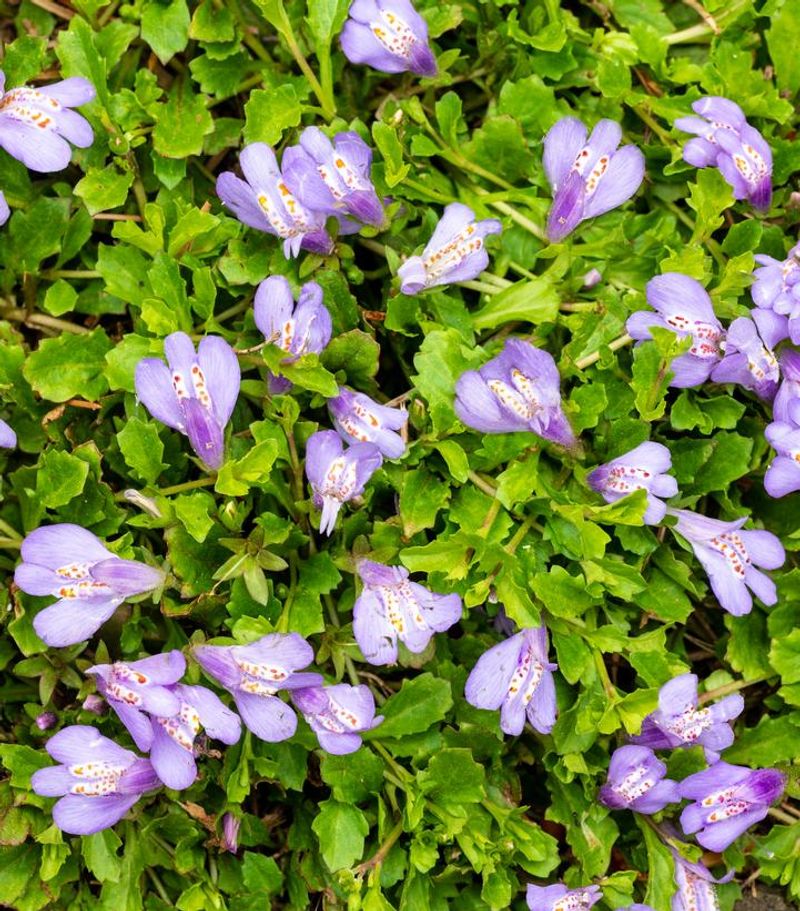
Tiny purple flowers with yellow throats create delicate carpets in spring. This low-growing groundcover spreads quickly through clay soil conditions.
Clay’s water-holding capacity supports mazus during establishment and flowering periods. The dense soil structure provides excellent growing conditions while containing the spreading growth habit that creates attractive groundcover displays in difficult locations where other plants struggle to establish.
18. Sagina subulata (Irish Moss)
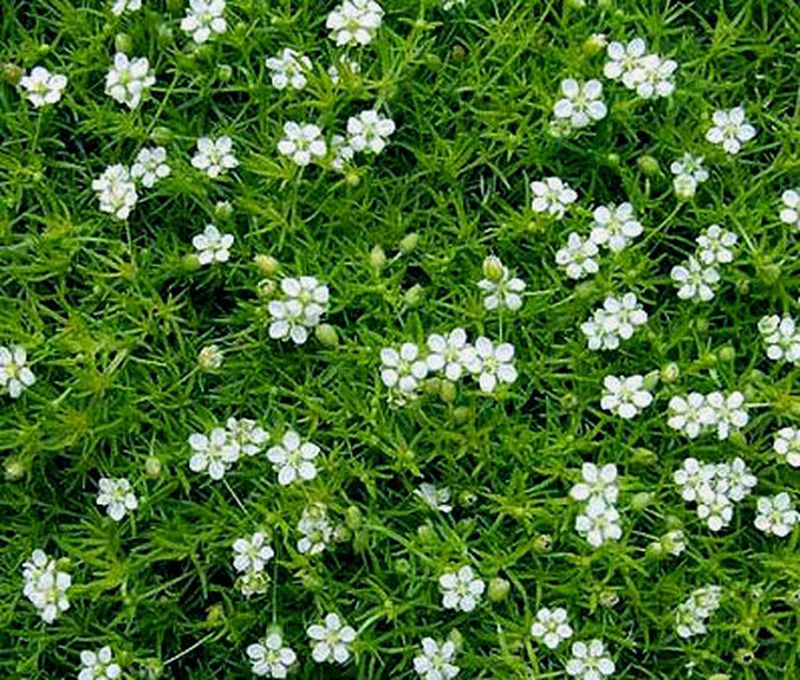
Moss-like foliage creates soft, cushioned carpets that feel wonderful underfoot. Tiny white flowers appear in summer above the dense green mats.
Clay soil’s moisture retention prevents the rapid drying that can damage irish moss during hot weather. The dense earth provides stable growing conditions while supporting the tight growth habit that creates attractive moss-like displays in challenging clay garden locations.
19. Ajuga genevensis (Geneva Bugleweed)
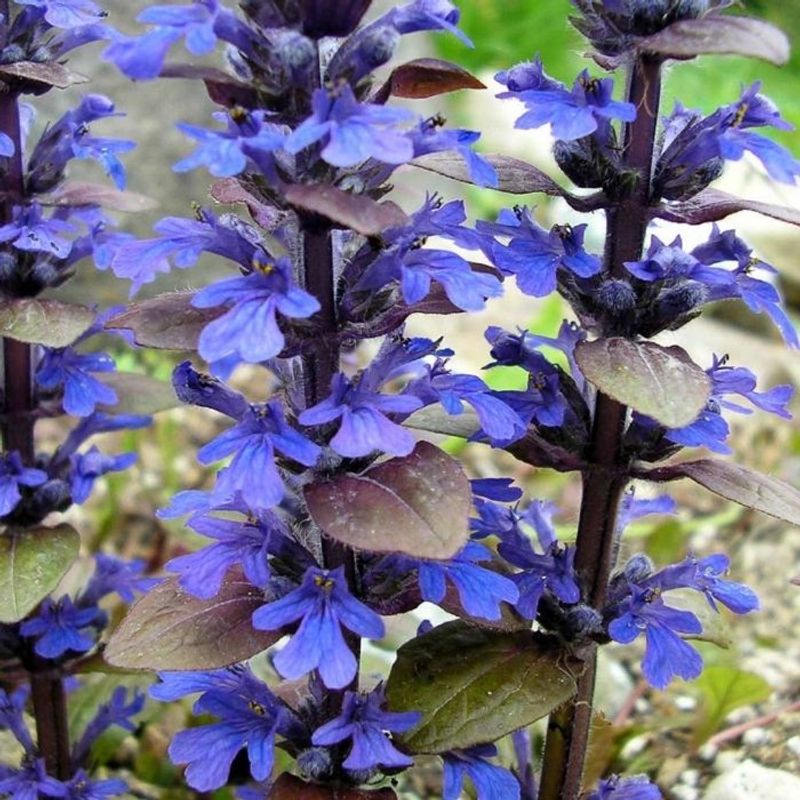
Bronze-tinted leaves create rich color while blue flower spikes emerge in spring. This compact groundcover forms dense colonies in clay soil conditions.
Heavy clay offers the consistent moisture geneva bugleweed needs for developing rich foliage colors. The soil’s density provides excellent growing medium while supporting the spreading growth habit that creates attractive groundcover displays without becoming overly aggressive in garden settings.
20. Convallaria majalis (Lily of the Valley)
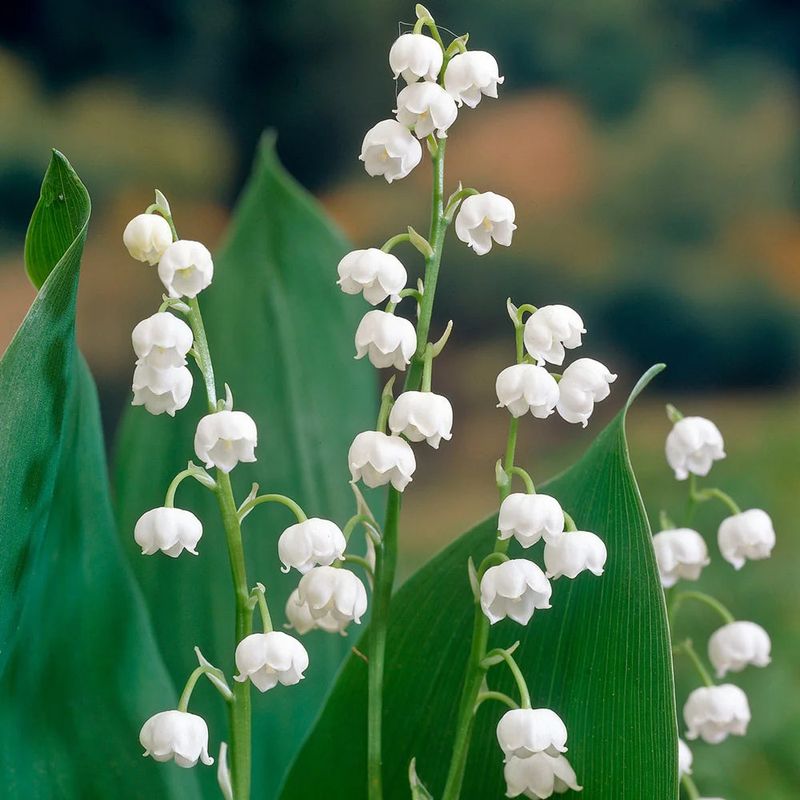
Fragrant white bell-shaped flowers dangle from arching stems in spring. This classic groundcover spreads through rhizomes in clay soil gardens.
Clay’s moisture retention supports lily of the valley’s preference for consistently hydrated conditions. The dense soil structure provides excellent growing medium for establishing strong rhizome systems while preventing the rapid drainage that can stress this fragrant groundcover during establishment periods.
21. Mentha requienii (Corsican Mint)
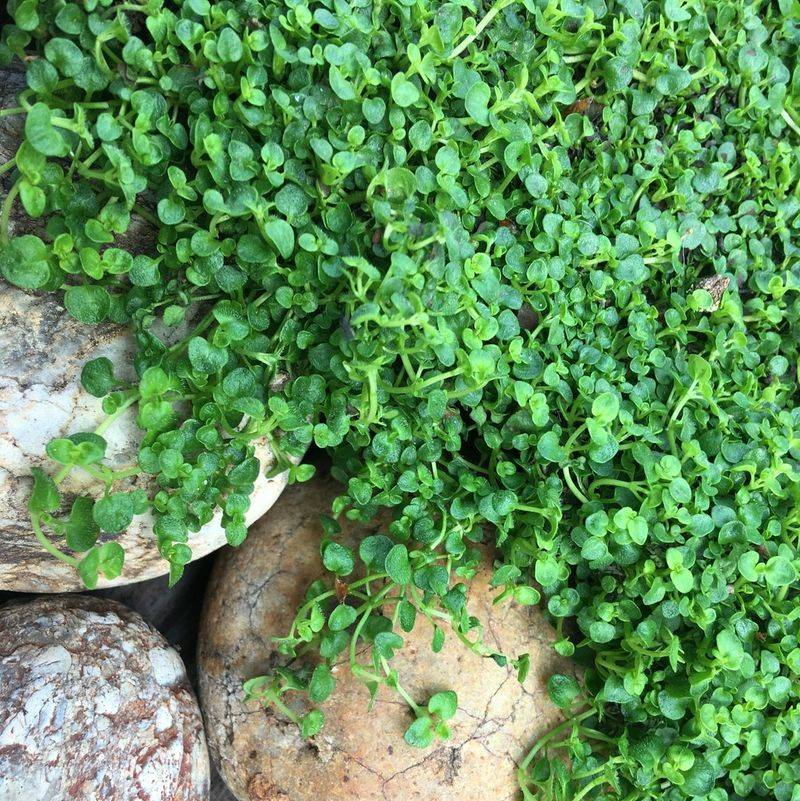
Tiny leaves release intense mint fragrance when stepped on, creating aromatic pathways. This creeping groundcover forms dense mats in clay soil conditions.
Clay soil’s water-holding capacity supports corsican mint’s preference for consistently moist growing conditions. The dense earth provides excellent medium for establishing the spreading growth habit while maintaining the moisture levels this aromatic groundcover requires for optimal fragrance development.
22. Ophiopogon japonicus (Mondo Grass)
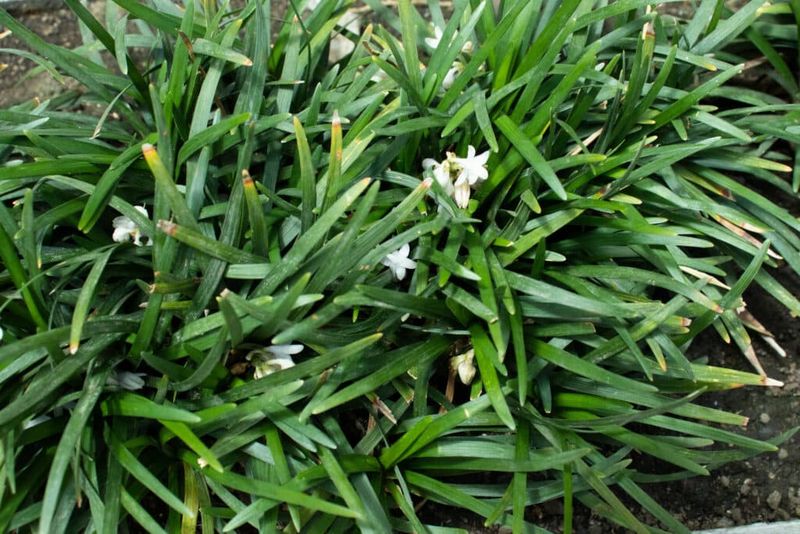
Grass-like foliage creates neat borders while small white flowers produce blue berries in fall. This evergreen groundcover tolerates clay soil conditions well.
Heavy clay provides the moisture retention mondo grass needs for maintaining attractive foliage throughout seasons. The soil’s density supports healthy root development while preventing the rapid drainage that can stress this groundcover during establishment and dry periods in challenging garden locations.
23. Waldsteinia fragarioides (Barren Strawberry)
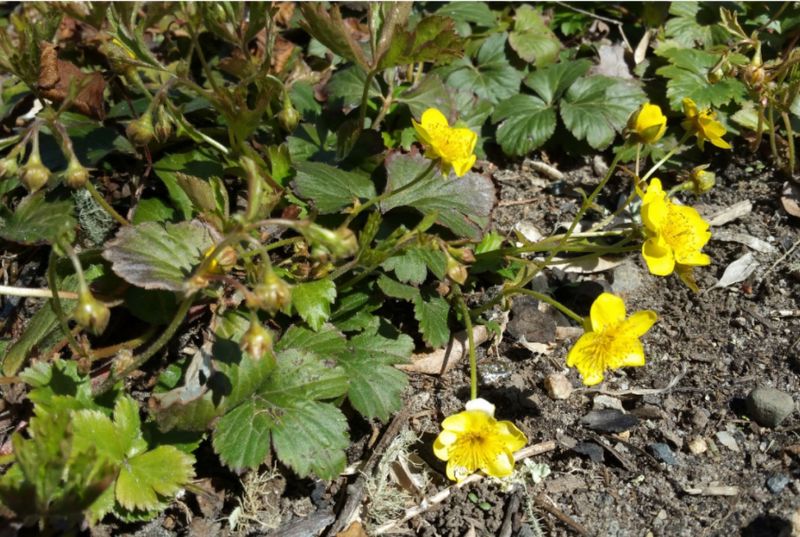
Three-leaflet foliage resembles strawberry plants while yellow flowers bloom in spring. This native groundcover spreads through runners in clay soil.
Clay’s moisture retention creates ideal growing conditions for barren strawberry’s runner system. The dense soil structure supports vigorous spreading while providing the consistent hydration this attractive groundcover needs for maintaining healthy foliage and reliable spring flowering displays in difficult locations.
24. Viola odorata (Sweet Violet)
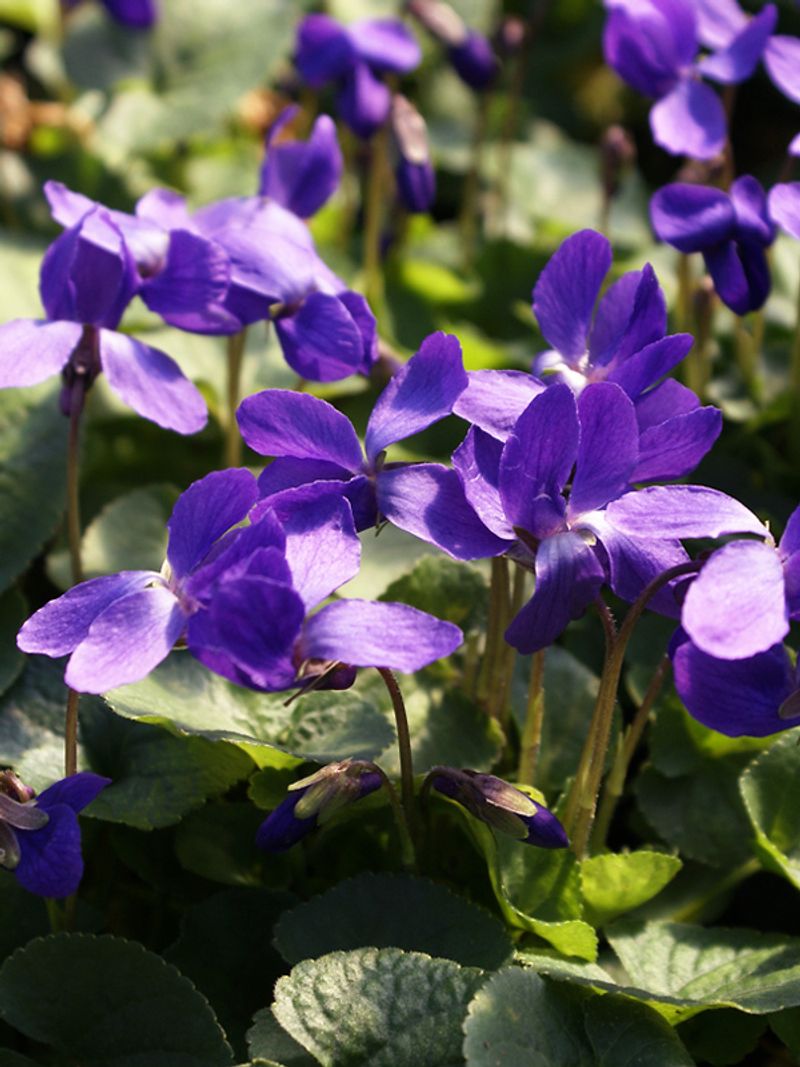
Heart-shaped leaves support fragrant purple flowers in early spring. This charming groundcover naturalizes beautifully in clay soil conditions.
Clay soil’s water-holding capacity supports sweet violet’s preference for consistently moist growing conditions. The dense earth provides excellent medium for establishing colonies while maintaining the moisture levels this fragrant groundcover requires for optimal flower production and natural spreading through garden areas.
25. Mitchella repens (Partridgeberry)
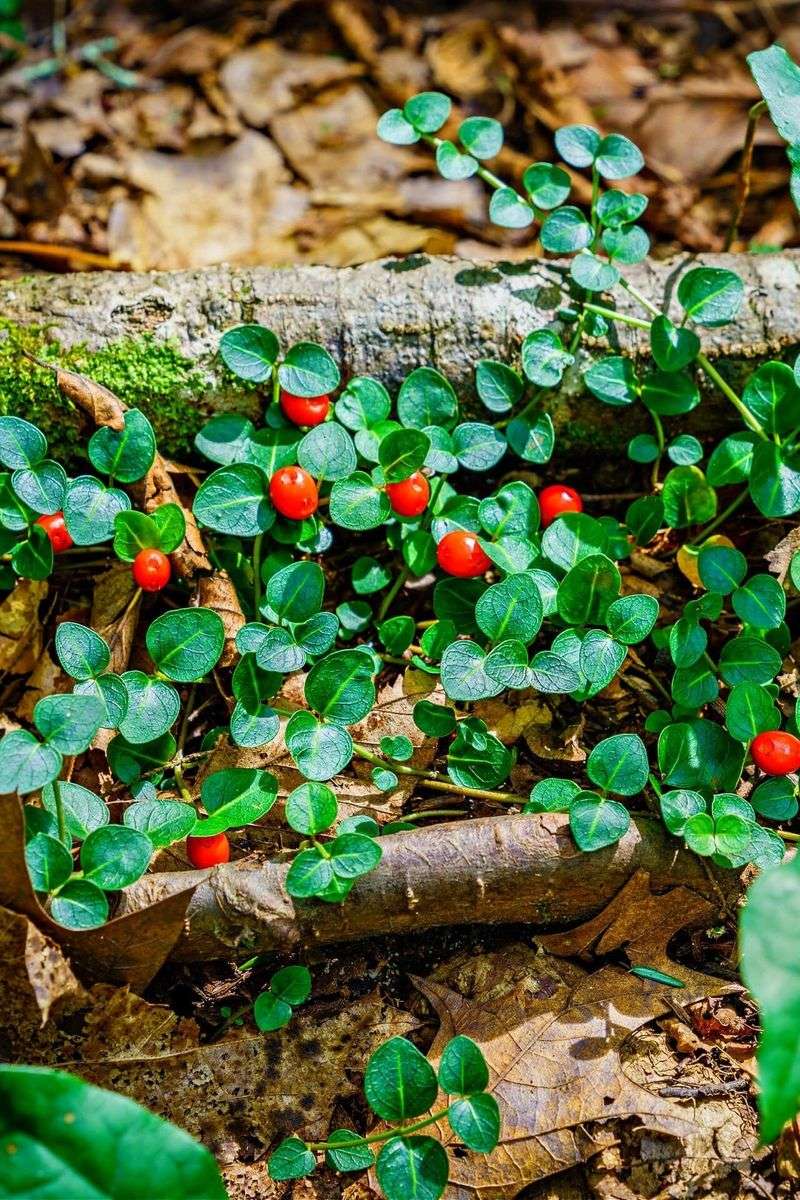
Glossy evergreen leaves create attractive carpets while red berries persist through winter. This native groundcover thrives in acidic clay soil conditions.
Heavy clay offers the consistent moisture partridgeberry needs for berry production and evergreen foliage maintenance. The soil’s density provides excellent growing conditions while supporting the creeping growth habit that creates attractive groundcover displays in challenging woodland garden locations.
26. Antennaria dioica (Pussy Toes)
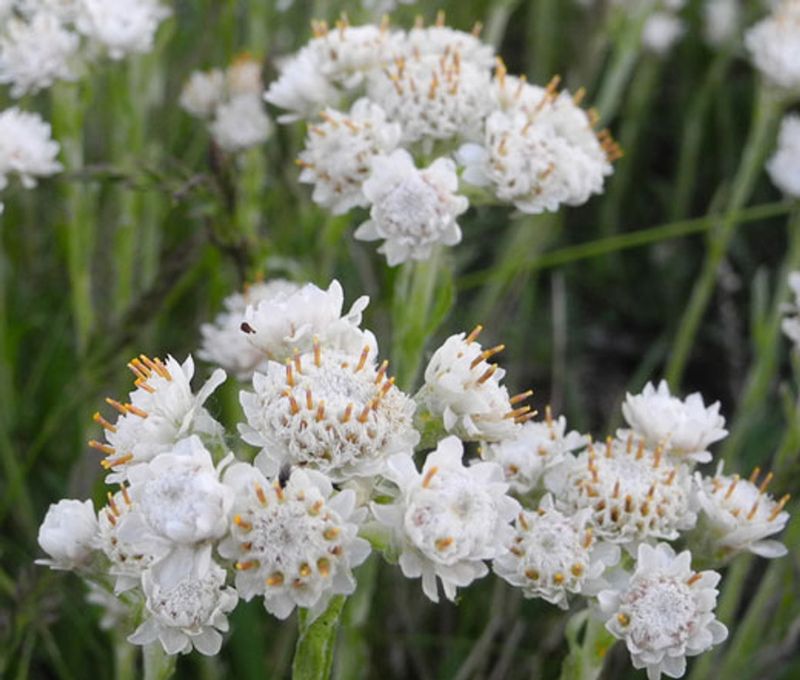
Silvery-gray foliage creates soft texture while fuzzy white flowers emerge in spring. This drought-tolerant groundcover adapts surprisingly well to clay soil.
Clay’s moisture retention prevents the rapid drying that can stress pussy toes during establishment periods. The dense soil structure provides stable growing conditions while supporting the mat-forming growth habit that creates attractive silvery displays in challenging garden locations where other groundcovers struggle.
27. Thymus serpyllum (Creeping Thyme)
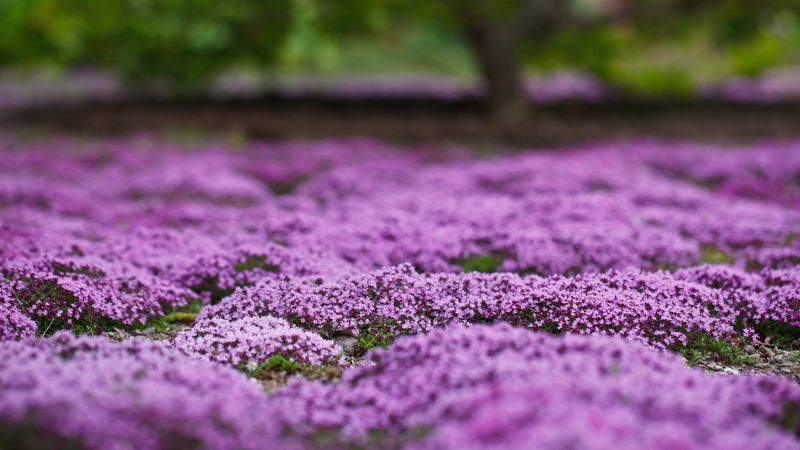
Aromatic foliage releases herbal fragrance when walked on while tiny flowers create colorful carpets. This Mediterranean groundcover surprisingly tolerates clay soil conditions.
Clay soil’s water-holding capacity supports creeping thyme during establishment while preventing the rapid drainage that can stress this aromatic groundcover. The dense earth provides stable growing conditions for developing the spreading growth habit that creates fragrant walking surfaces.
28. Fragaria chiloensis (Beach Strawberry)
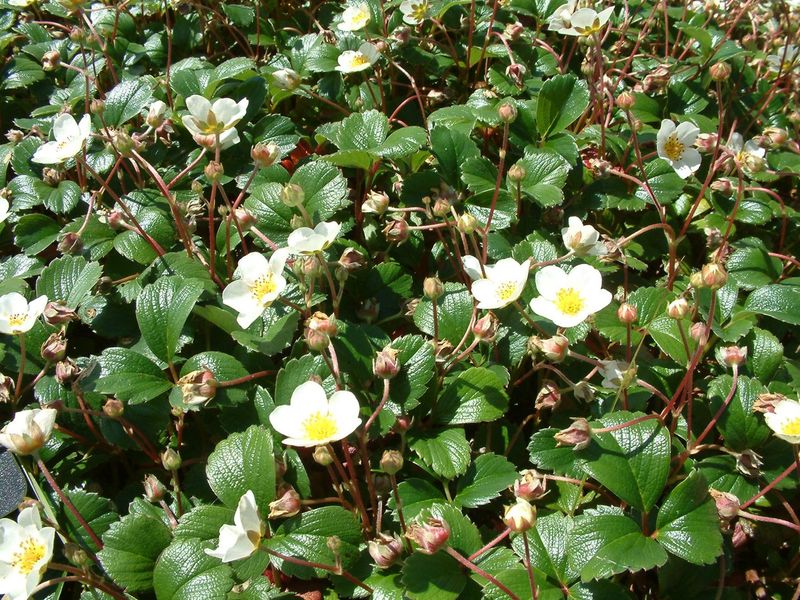
Glossy three-leaflet foliage supports white flowers followed by small red berries. This native groundcover creates edible landscapes in clay soil gardens.
Heavy clay provides the moisture retention beach strawberry needs for fruit production and healthy foliage development. The soil’s density supports runner establishment while maintaining consistent hydration levels this productive groundcover requires for optimal berry development and natural spreading through garden areas.
29. Leptinella squalida (Brass Buttons)
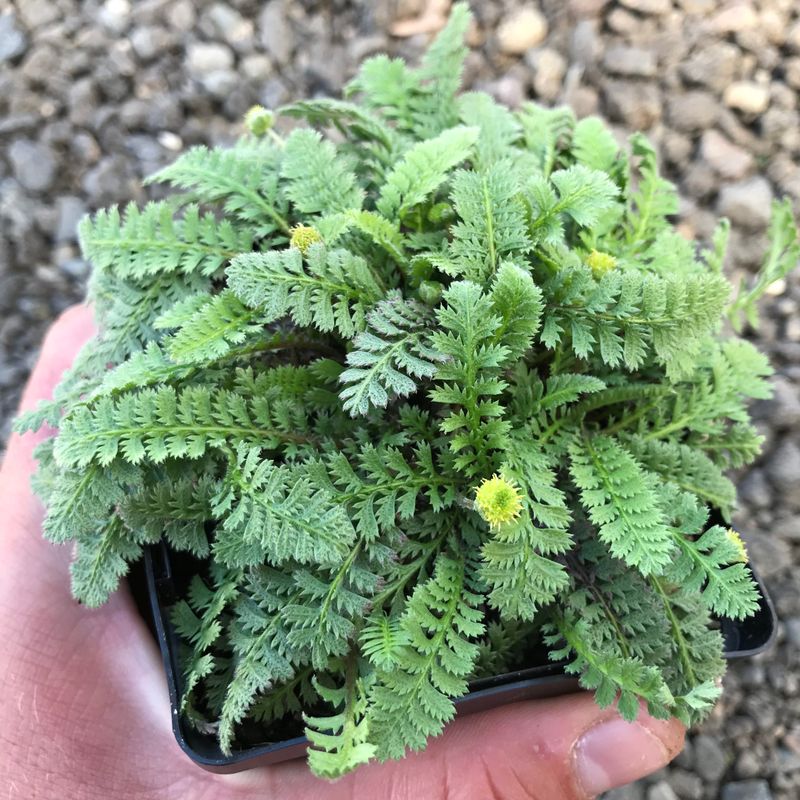
Finely divided foliage creates ferny texture while small yellow button flowers appear in summer. This tough groundcover tolerates foot traffic in clay soil.
Clay’s water-holding capacity supports brass buttons during active growth periods while preventing rapid drainage stress. The dense soil structure provides excellent growing conditions for establishing the spreading growth habit that creates attractive ferny displays in high-traffic garden areas.
30. Veronica repens (Creeping Speedwell)
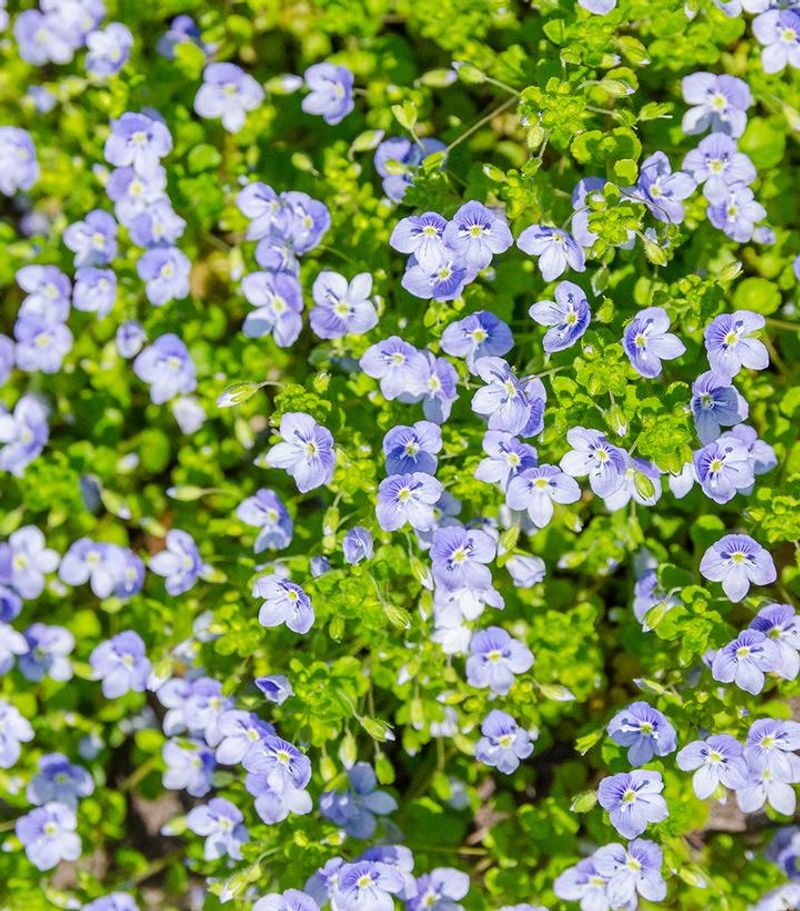
Small oval leaves form dense mats while blue flowers create spring color displays. This low-growing groundcover spreads reliably in clay soil conditions.
Clay soil’s moisture retention creates ideal growing conditions for creeping speedwell’s shallow root system. The dense earth provides excellent medium for establishing spreading colonies while maintaining the consistent hydration this attractive groundcover requires for reliable spring flowering and healthy foliage development throughout seasons.
31. Soleirolia soleirolii (Baby’s Tears)
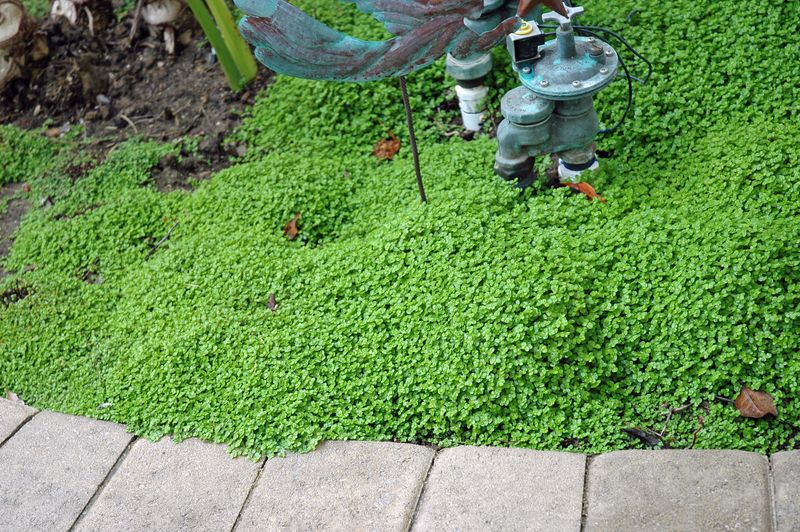
Tiny round leaves create moss-like carpets that feel soft underfoot. This delicate-looking groundcover proves surprisingly tough in clay soil conditions.
Heavy clay offers the consistent moisture baby’s tears needs for maintaining lush growth and attractive appearance. The soil’s density provides stable growing conditions while supporting the spreading growth habit that creates beautiful moss-like displays in shaded garden areas where other groundcovers struggle to establish successfully.