 Complete Gardening
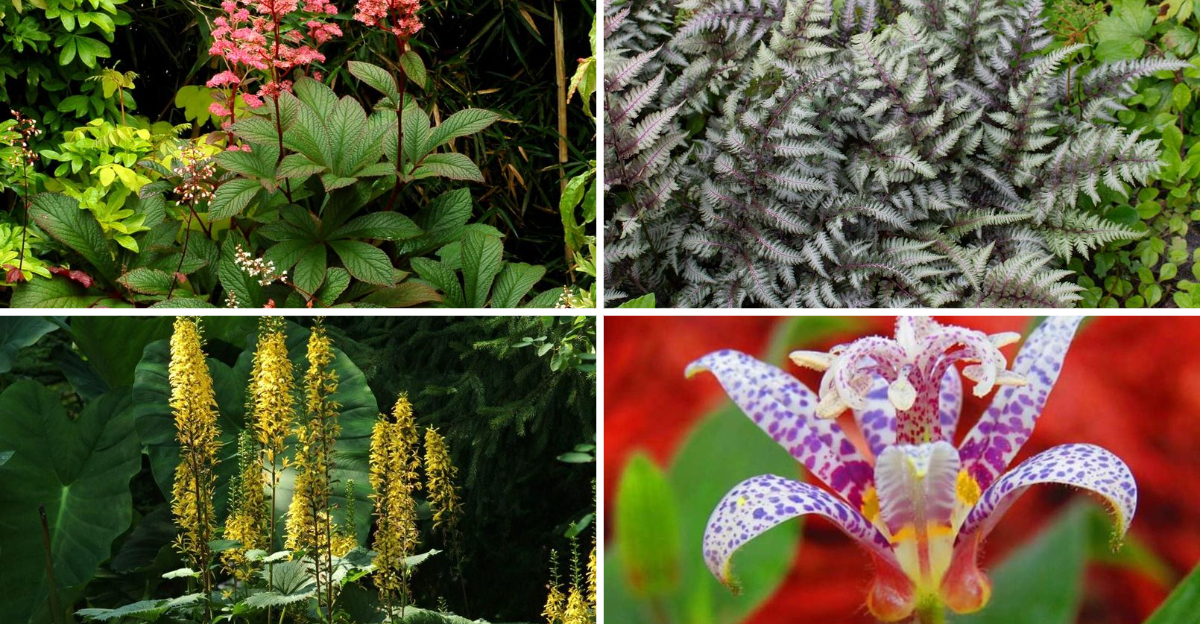
My backyard was a gardener’s nightmare – dark, shady, and seemingly impossible to transform. After trying countless plants that wilted and died, I decided to experiment with 23 different tall shade perennials. While some struggled, eleven of them absolutely exploded with growth and beauty. Here are the remarkable survivors that turned my gloomy space into a lush paradise.
1. Japanese Painted Fern (Athyrium niponicum)
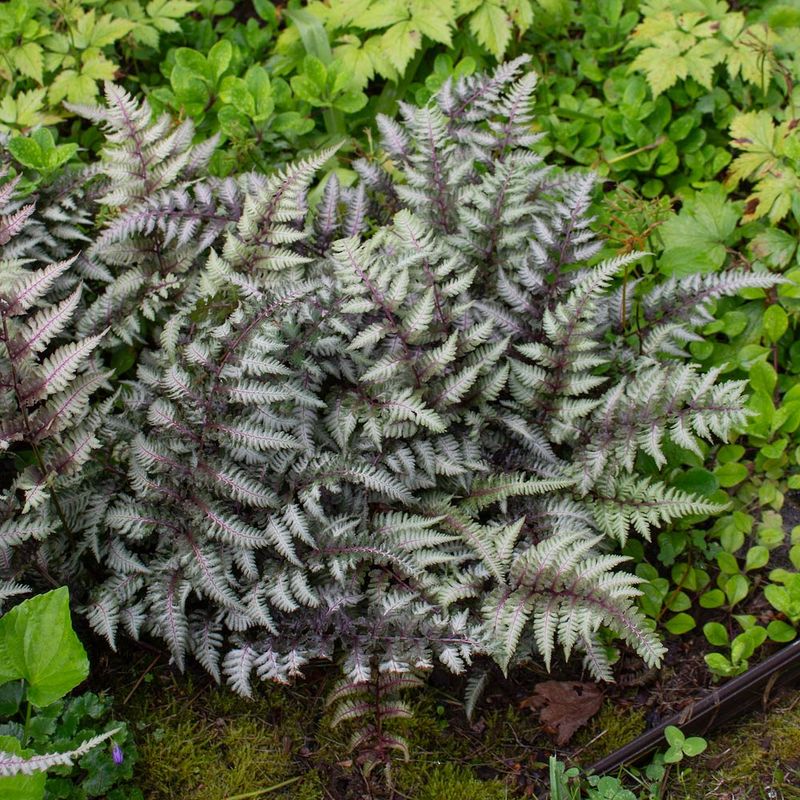
Silver leaves dancing in the breeze caught my attention first with this stunning fern. The metallic shimmer creates an almost magical glow even in the darkest corners of my yard.
Growing up to 18 inches tall, this fern spreads beautifully without becoming invasive. The purple stems add another layer of color that complements the silvery foliage perfectly throughout the growing season.
2. Astilbe ‘Bridal Veil’ (Astilbe chinensis)
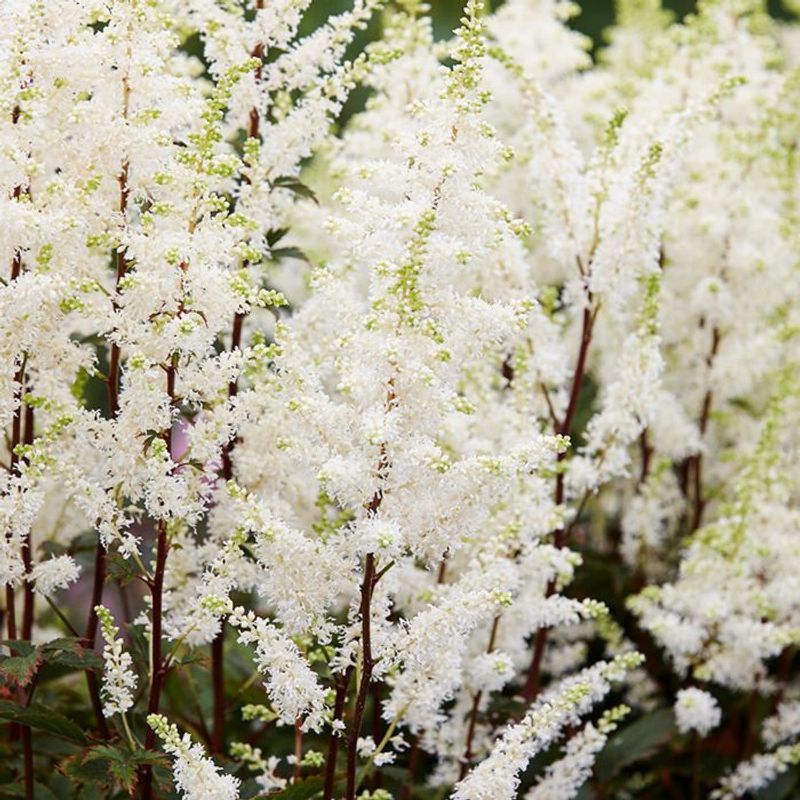
Feathery white plumes reaching 24 inches tall transformed my dark space into something ethereal. When these flowers bloom in late spring, they create a cloud-like effect that brightens even the gloomiest spots.
The ferny foliage stays attractive all season long, providing texture and interest. Even after the blooms fade, the seed heads add architectural beauty that lasts well into fall.
3. Goatsbeard (Aruncus dioicus)
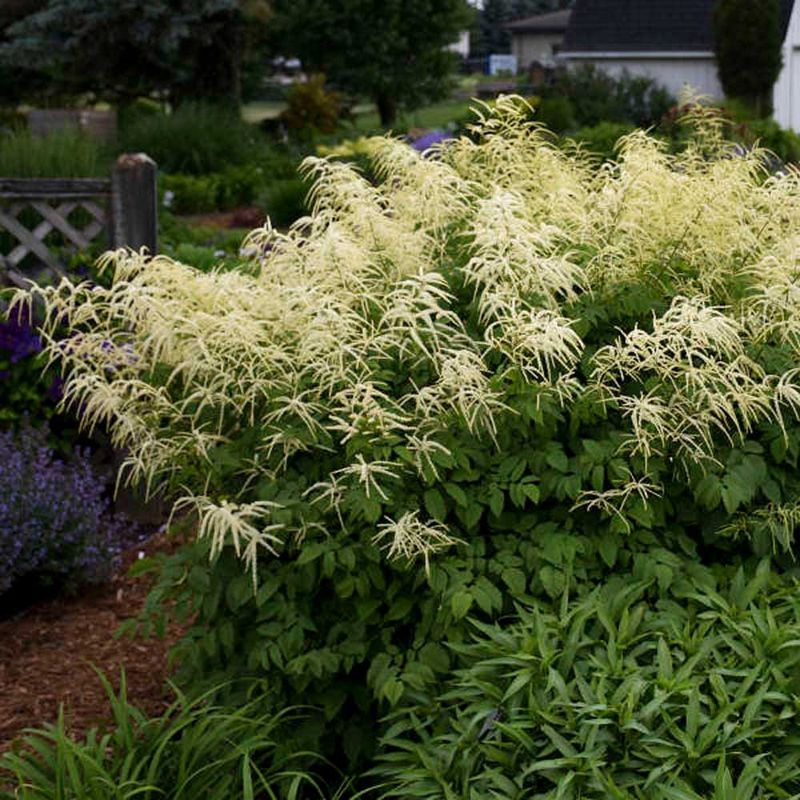
Standing proud at 4 feet tall, this powerhouse perennial became the backbone of my shade garden. Creamy white flower spikes rise like candles above deeply cut foliage, creating dramatic vertical interest.
What amazed me most was how quickly it established itself. By the second year, it formed an impressive clump that serves as a natural focal point in my landscape design.
4. Ligularia ‘The Rocket’ (Ligularia stenocephala)
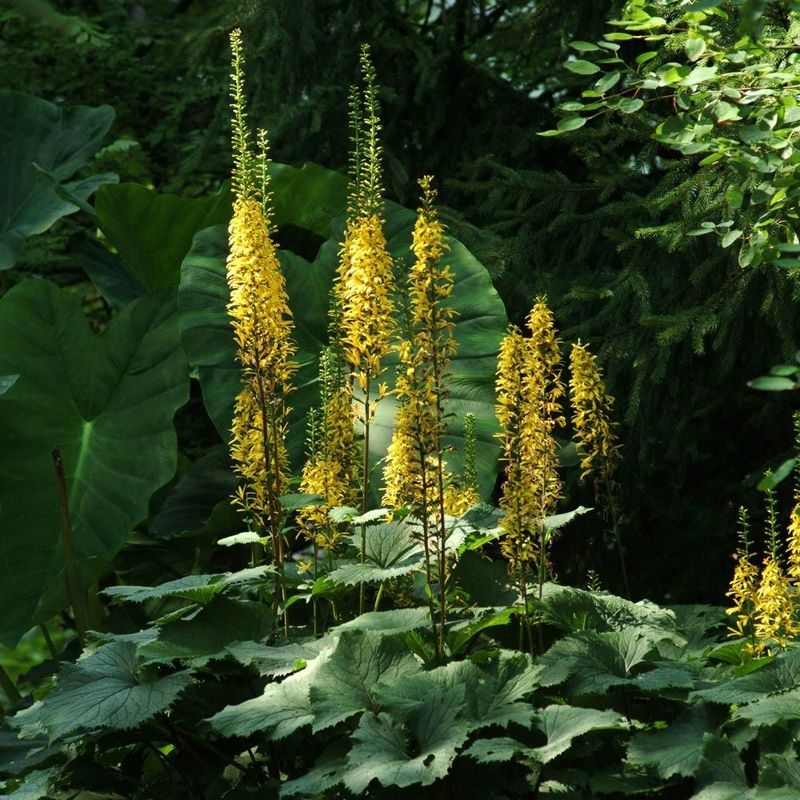
Bold yellow spikes shooting up to 5 feet tall made this plant an instant showstopper. The heart-shaped leaves create a tropical feel that seems impossible in a shady northern garden.
During hot summer days, the leaves might droop slightly but bounce back beautifully with evening moisture. This dramatic behavior actually adds character and reminds me that even tough plants have their moods.
5. Bugbane (Actaea racemosa)
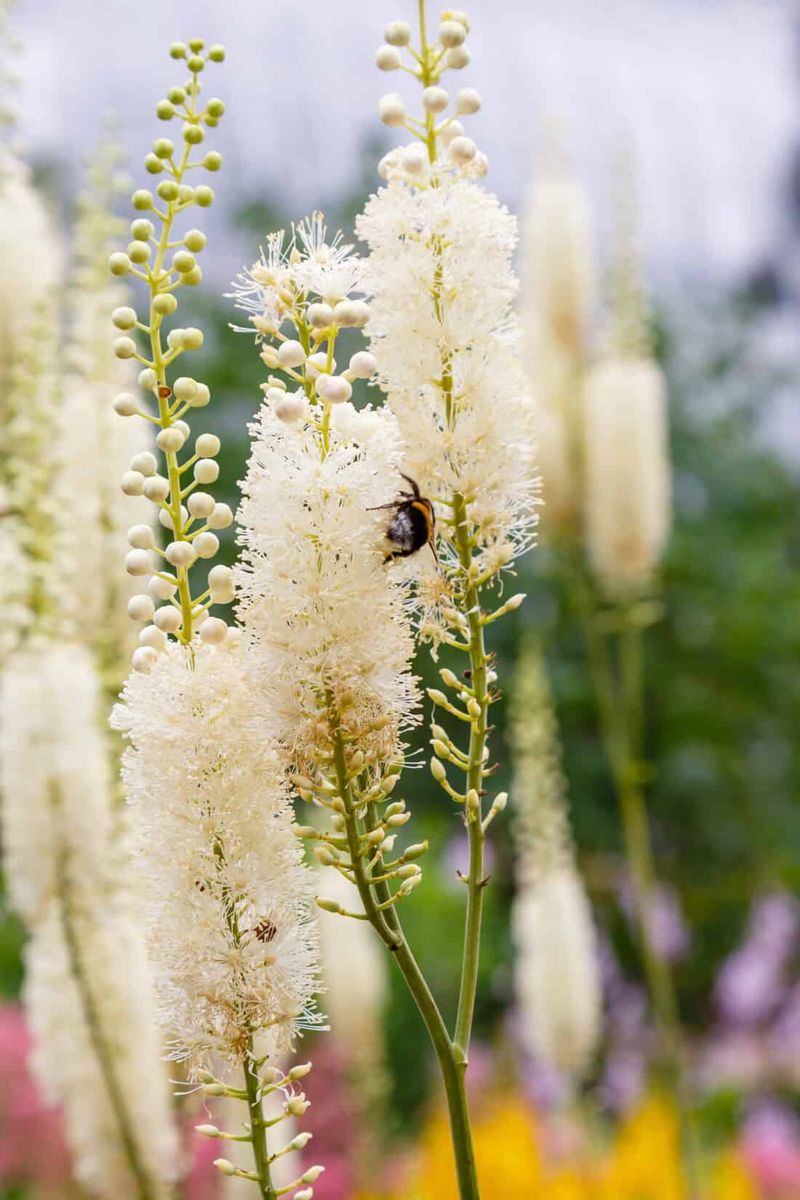
Towering white bottlebrush flowers at 6 feet tall created the most unexpected surprise in my garden. The sweet fragrance attracts butterflies and adds a delightful sensory element to evening walks.
Black cohosh, as it’s sometimes called, takes a few years to reach full glory. Patience pays off when these architectural spires finally emerge, creating a stunning backdrop for shorter plants below.
6. Rodgersia (Rodgersia pinnata)
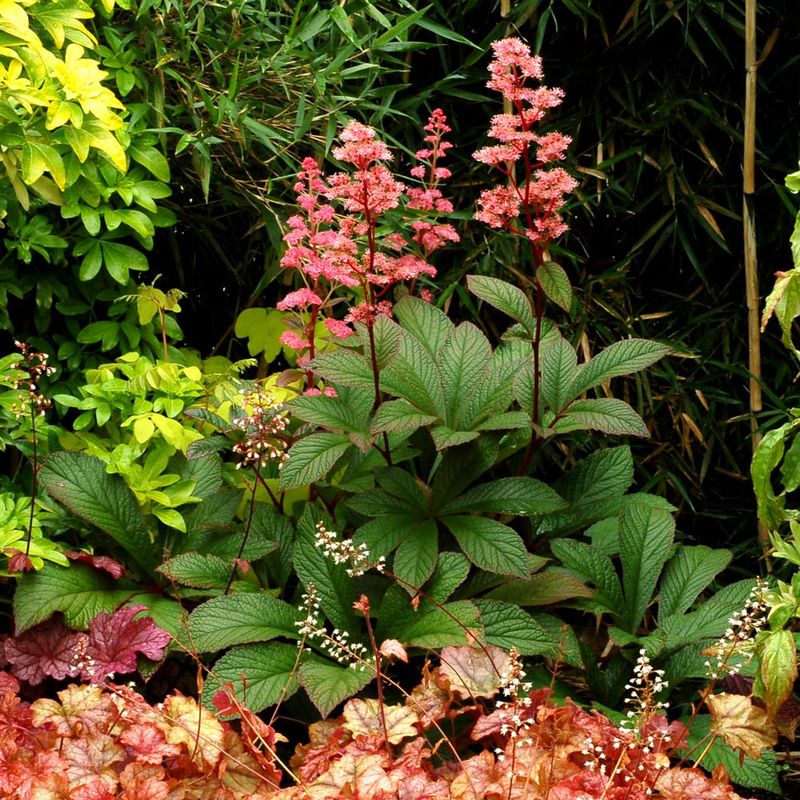
Massive bronze-tinged leaves resembling giant horse chestnuts created instant drama in my formerly boring space. Pink flower plumes rise above the foliage in summer, adding unexpected color to the shade palette.
This architectural beauty needs consistent moisture but rewards careful attention with bold presence. The leaves change color throughout the season, providing an ever-evolving display that keeps the garden interesting.
7. Meadowsweet (Filipendula rubra)
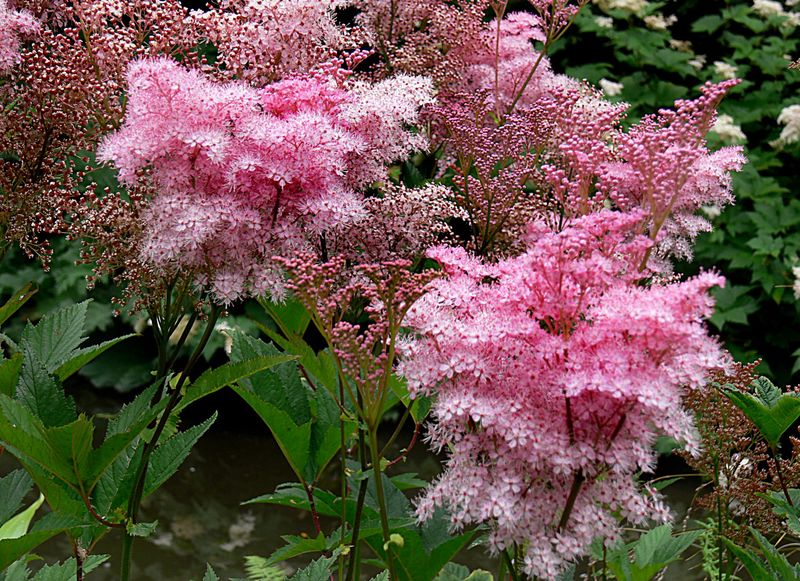
Fluffy pink clouds floating at 4 feet tall brought cotton candy dreams to my dark yard. The fragrant flowers bloom for weeks, creating a soft, romantic atmosphere that transforms the entire space.
Queen of the prairie, as it’s affectionately known, spreads gradually to form naturalistic drifts. The deeply lobed leaves provide excellent texture even when the plant isn’t flowering, making it a valuable foliage plant too.
8. Toad Lily (Tricyrtis hirta)
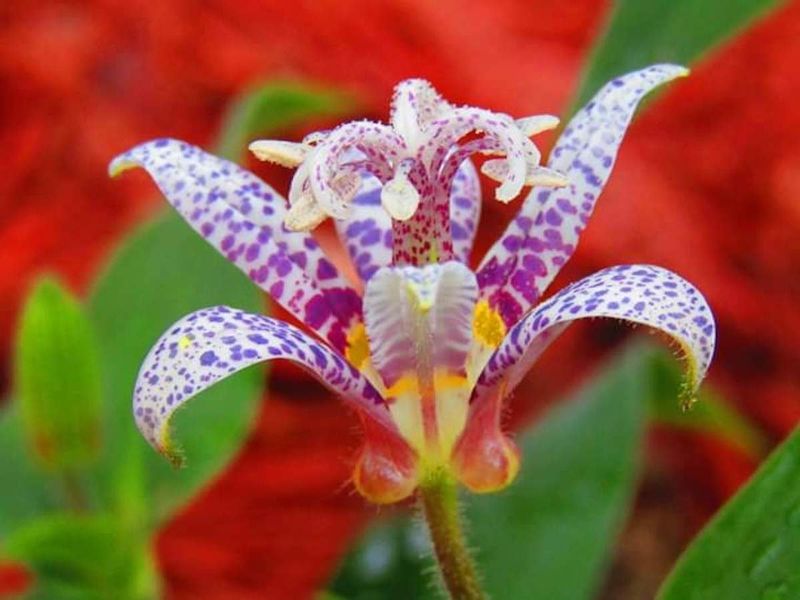
Orchid-like spotted flowers appearing in fall provided the perfect season finale for my shade garden. Purple spots on white petals create intricate patterns that demand close inspection and admiration.
Reaching 3 feet tall, these unique blooms open when most other perennials are shutting down. The late-season interest extends my garden’s beauty well into autumn, making every day a discovery.
9. Cardinal Flower (Lobelia cardinalis)
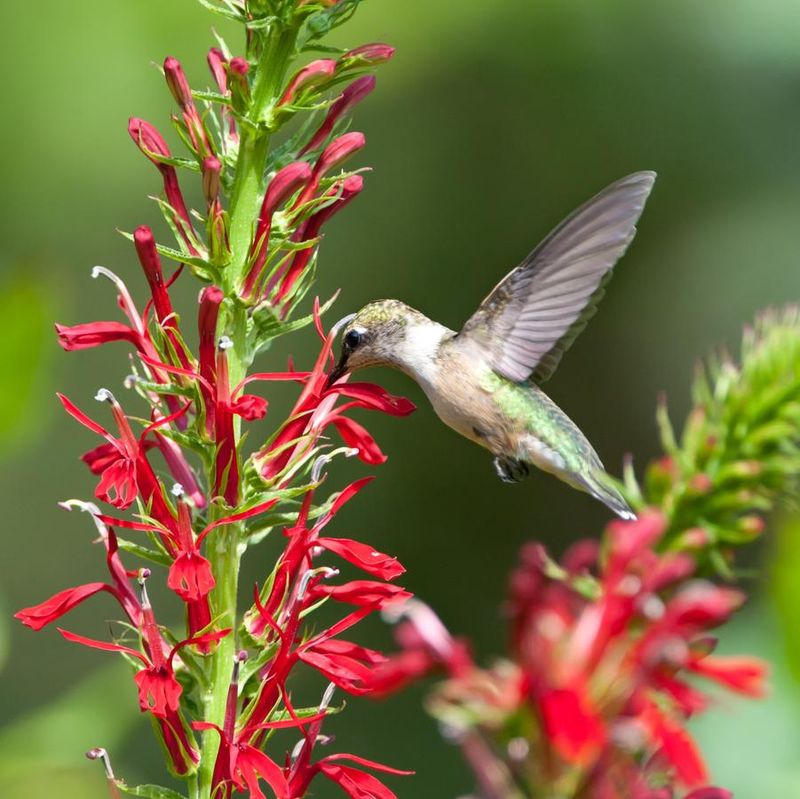
Brilliant red spikes blazing at 30 inches tall brought hummingbirds flocking to my shady retreat. The intensity of color seems almost impossible in such a dim location, yet it thrives magnificently.
Short-lived but self-seeding, this native wildflower ensures continuous generations of stunning blooms. Watching hummingbirds dart between the scarlet flowers has become my favorite summer entertainment, adding life and movement to the garden.
10. Cimicifuga (Actaea simplex)
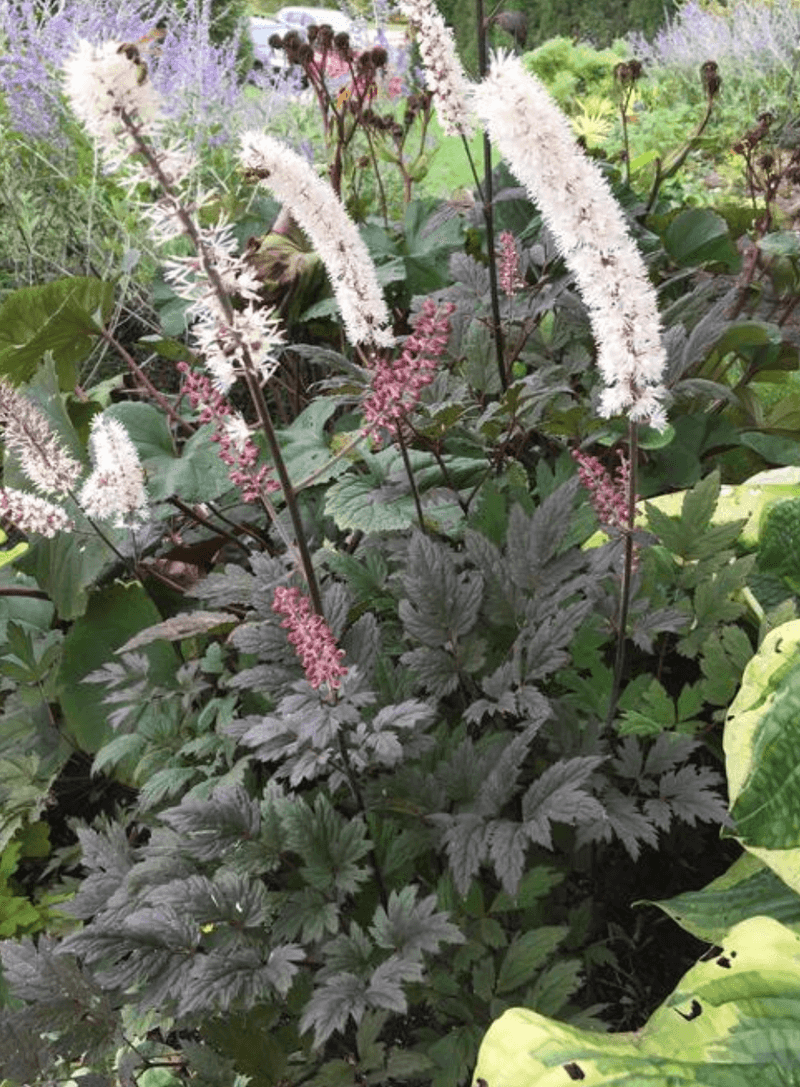
Fragrant white wands reaching 4 feet tall created the most elegant autumn display imaginable. The bottle-brush flowers emerge just when the garden needs a lift, providing late-season magic.
Purple-black foliage adds year-round interest, making this plant valuable beyond its spectacular blooming period. Bees absolutely love the flowers, creating a gentle buzz of activity that brings the quiet shade garden to life.
11. Joe Pye Weed (Eutrochium purpureum)
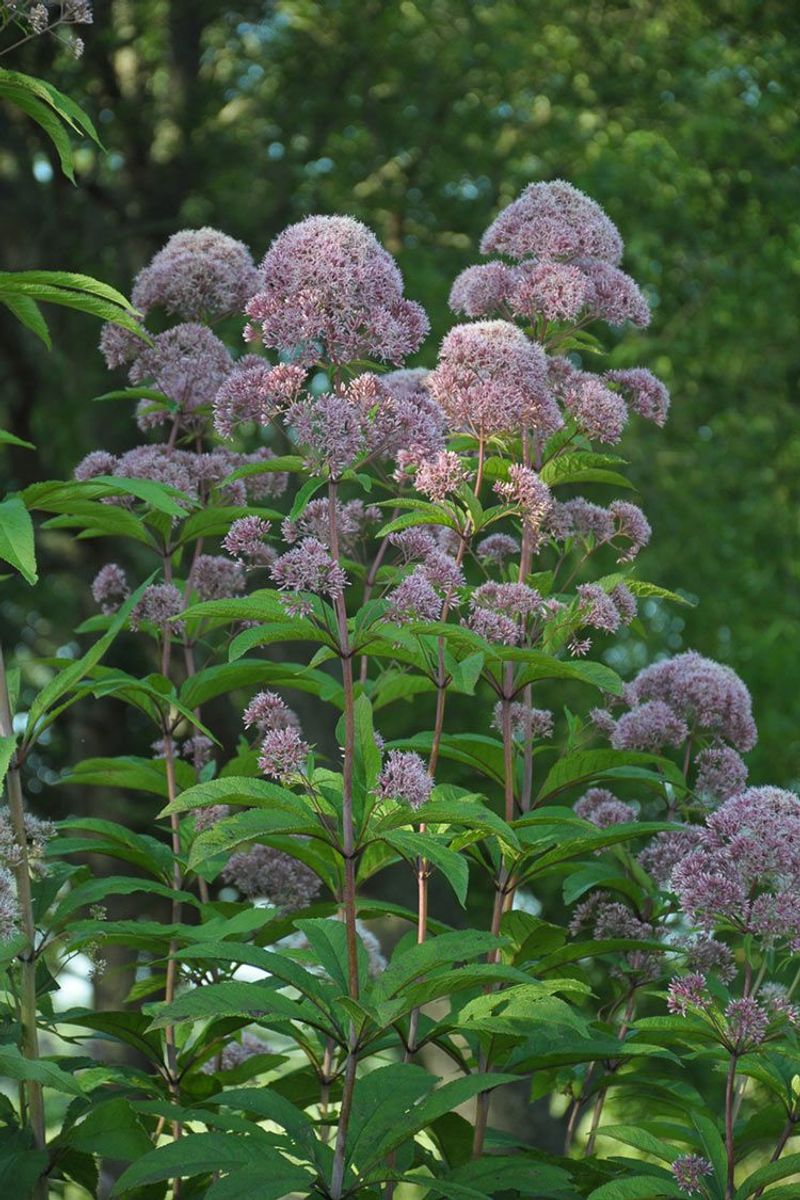
Mauve-pink flower clusters crowning 5-foot stems became the undisputed monarch of my shade border. Butterflies treat these blooms like an all-you-can-eat buffet, creating constant motion and color.
Native to eastern woodlands, this gentle giant naturalizes beautifully without becoming aggressive. The vanilla-scented flowers and sturdy stems make it perfect for cutting, bringing the garden’s beauty indoors throughout late summer.
12. Solomon’s Seal (Polygonatum biflorum)
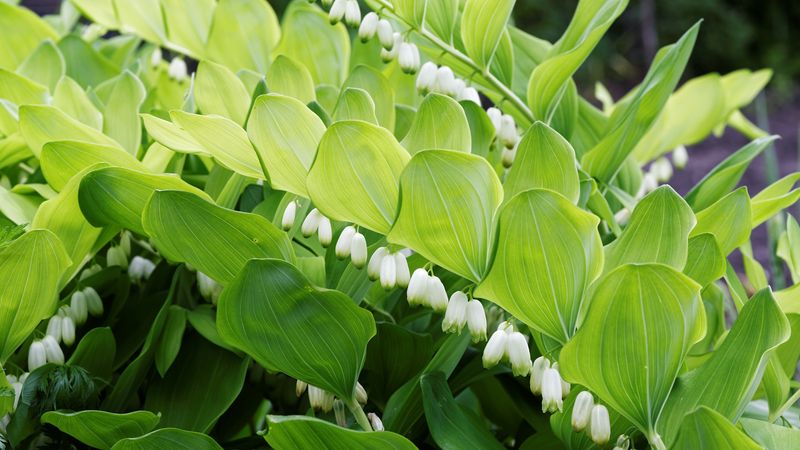
With an elegance reminiscent of a woodland fairy, Solomon’s Seal transforms any shady corner into an ethereal retreat. Its arching stems gracefully bow with clusters of white, bell-shaped flowers, conjuring a sense of mystery and allure.
These perennials thrive in rich, moist soils, making them a perfect choice for shaded gardens. Under the dappled light, their foliage remains vibrant, and the flowers attract pollinators, adding life to the dim corners.
Did you know? Early herbalists believed Solomon’s Seal had healing powers, adding an enchanting historical touch to this striking plant.
13. Hellebore (Helleborus spp.)
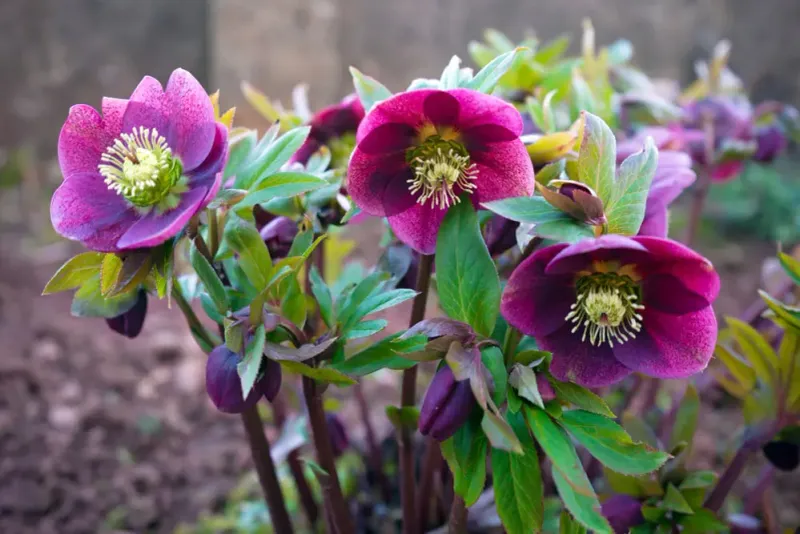
Imagine a plant that blooms in winter, defying the bleak season with vibrant colors. Hellebores, often called Christmas or Lenten Roses, bring this magic to life.
Their large, cup-shaped flowers in shades of pink, purple, and white are like jewels in a winter garden. These perennials prefer well-drained, humus-rich soil and can tolerate deep shade, making them a gardener’s delight in gloomier conditions.
Hellebores have been cultivated since ancient times for their beauty and resilience, adding both charm and history to any landscape.
14. Brunnera ‘Jack Frost’ (Brunnera macrophylla)
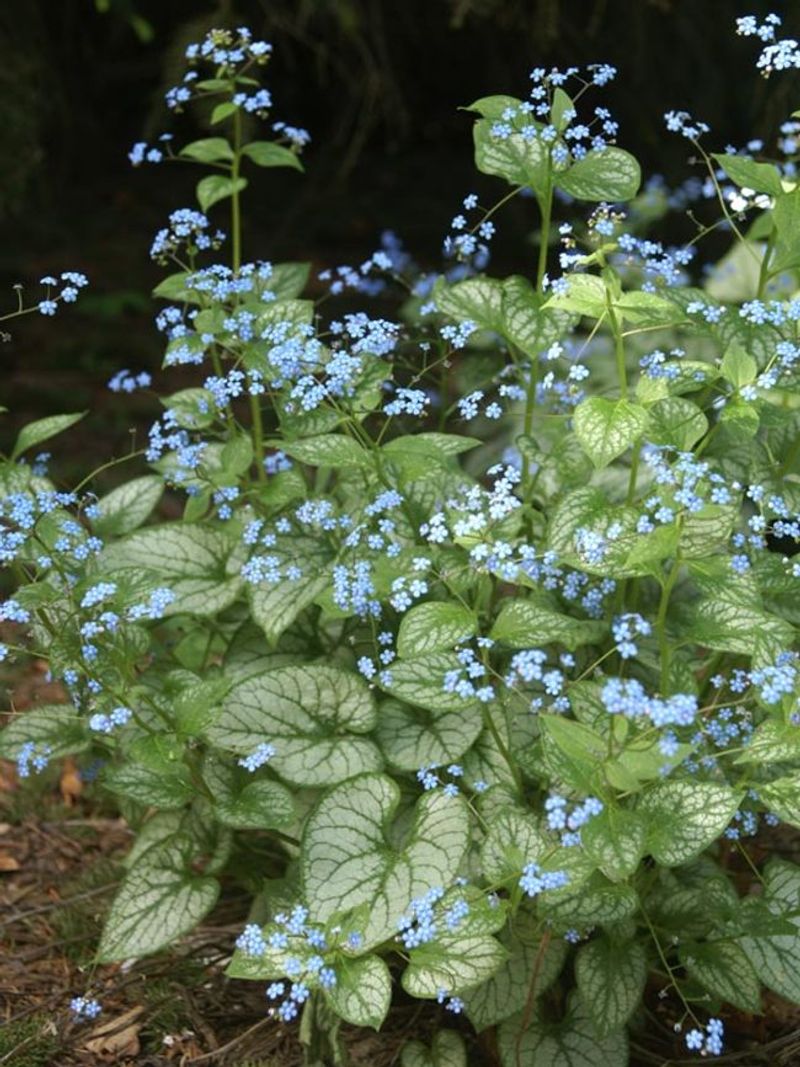
In the heart of a shaded garden, Brunnera ‘Jack Frost’ shines with its frosted silver leaves. The heart-shaped foliage is adorned with intricate patterns, catching light in a unique dance.
Small blue flowers, reminiscent of forget-me-nots, appear in spring, adding a delicate touch to the robust plant. It thrives in moist, well-drained soil and brings a cool elegance to dim gardens.
Often prized by gardeners for its low-maintenance nature, ‘Jack Frost’ provides a striking contrast to darker foliage, turning shade into a canvas of light and shadow.
15. Bleeding Heart (Dicentra spectabilis)
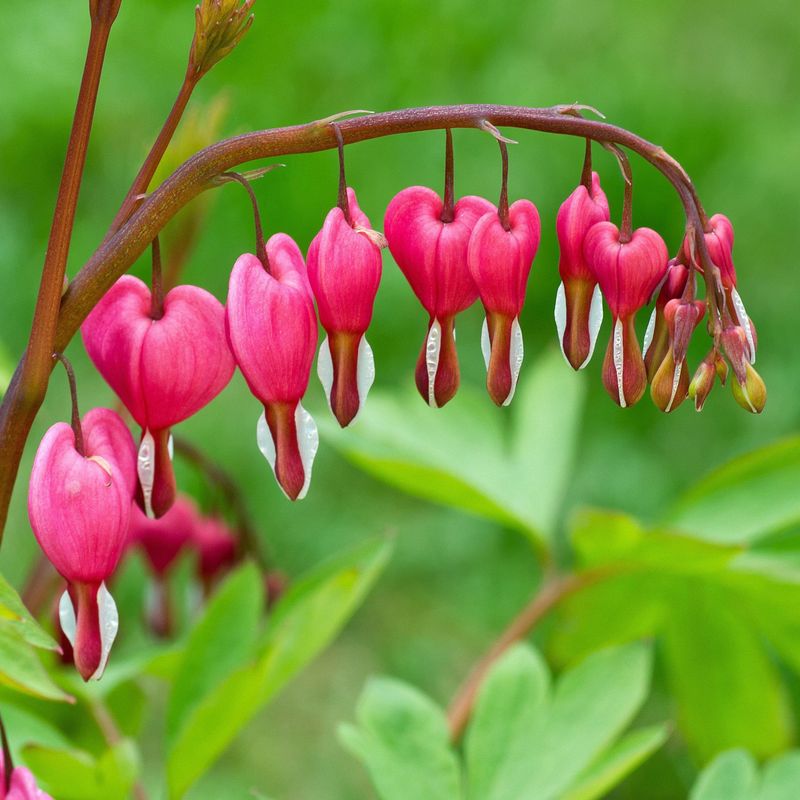
A splash of romance in a shaded garden, the Bleeding Heart captivates with its iconic heart-shaped flowers. Each bloom seems to tell a story as they dangle from slender, arching stems.
These perennials prefer well-drained soil and a cool, shady environment, thriving in conditions that mimic their native woodland habitats. Their delicate appearance belies their hardiness.
The Bleeding Heart’s beauty and unique form have inspired garden lovers for generations, making it a cherished addition to any garden seeking a touch of whimsy and grace.
16. Lungwort (Pulmonaria officinalis)
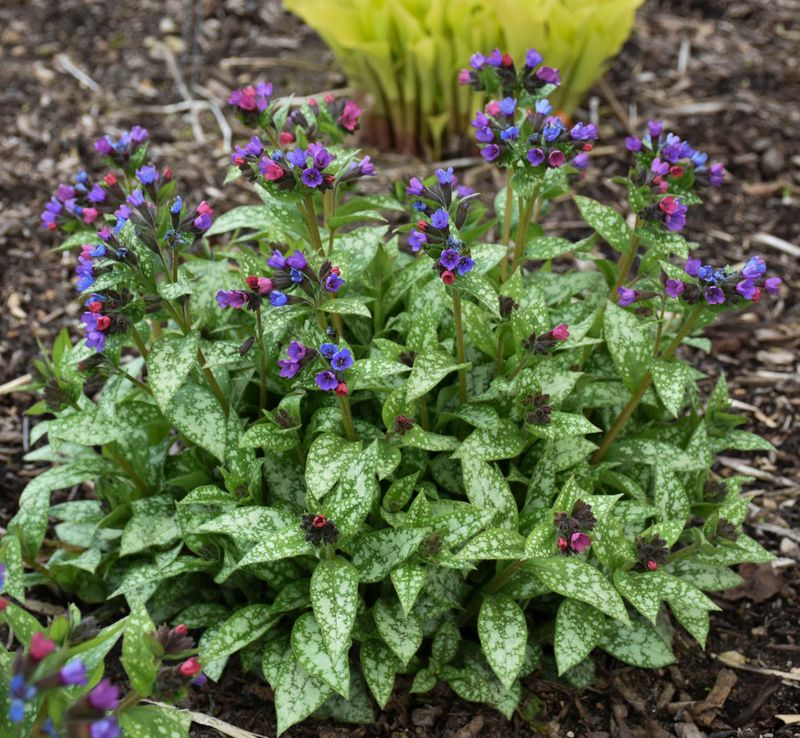
Lungwort, with its whimsical name and speckled leaves, is a hidden gem for shade gardens. The foliage alone, with its white spots, adds visual interest, but the real magic is in the flowers.
Clusters of tubular blooms shift from pink to blue as they mature, offering a changing palette throughout spring. Thriving in moist, well-drained soil, Lungwort is both ornamental and resilient.
Historically, Lungwort was believed to treat respiratory ailments, which explains its curious name. It remains a gardener’s favorite, blending historical lore with vibrant garden appeal.