
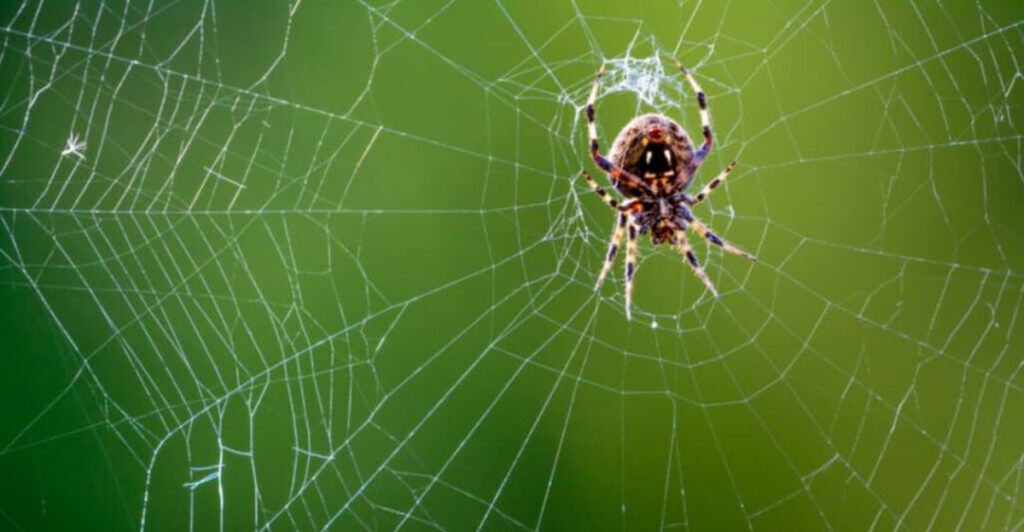
Your backyard is bustling with brilliant creatures that possess remarkable intelligence you probably never imagined.
From problem-solving crows to mathematical bees, these common garden visitors demonstrate cognitive abilities that rival some of the world’s most celebrated smart animals.
Many of these fascinating creatures are working behind the scenes to help your garden thrive while showcasing behaviors that will completely change how you view your outdoor space.
1. Crows: The Genius Garden Guardians
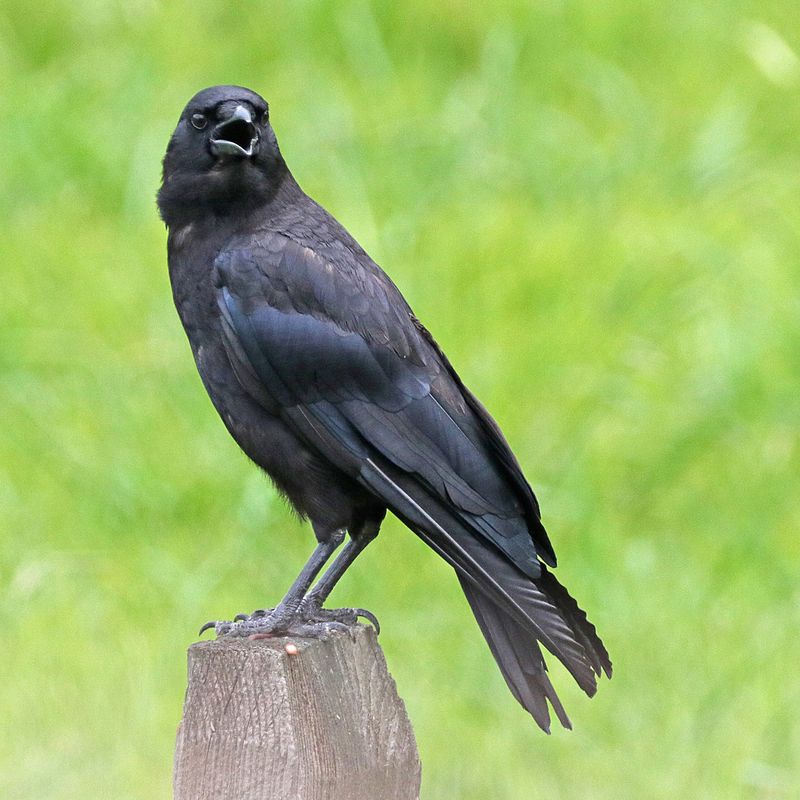
Meet your garden’s most sophisticated visitor – the crow, a bird with intelligence that rivals a seven-year-old child. These remarkable creatures possess photographic memories for human faces and can hold grudges for years.
Crows use tools, solve multi-step puzzles, and even understand water displacement physics. When thirsty, they’ll drop pebbles into birdbaths to raise water levels – pure genius at work!
Some crows bring shiny gifts to humans who treat them kindly. Plant sunflowers and leave occasional treats to earn their friendship and natural pest control services.
2. Bees: The Math Nerds of Your Flower Beds
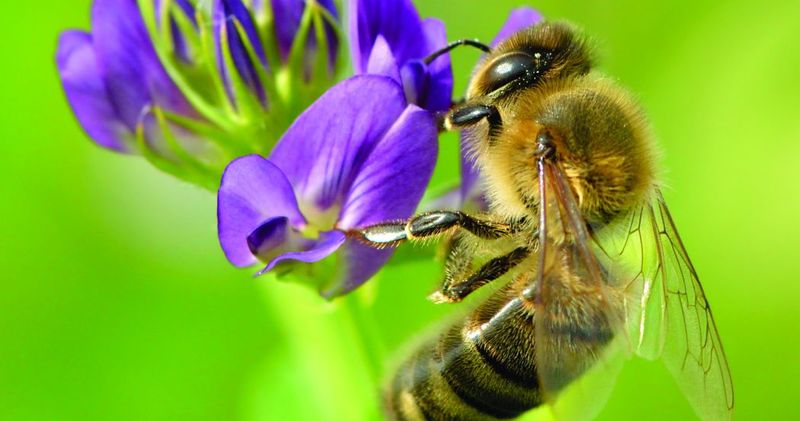
Your garden’s tiny mathematicians are buzzing with brainpower that would impress any professor. Bees can understand the concept of zero, perform basic arithmetic, and make complex calculations about flower rewards versus energy costs.
Each foraging trip involves sophisticated decision-making as they evaluate distance, nectar quality, and weather conditions. Their waggle dance communicates precise directions to other bees using angles and duration.
Support these pollinating geniuses by planting bee-friendly herbs like lavender, borage, and thyme. You’ll be nurturing nature’s most essential tiny scholars while boosting your garden’s productivity.
3. Earthworms: Underground Architects With Purpose
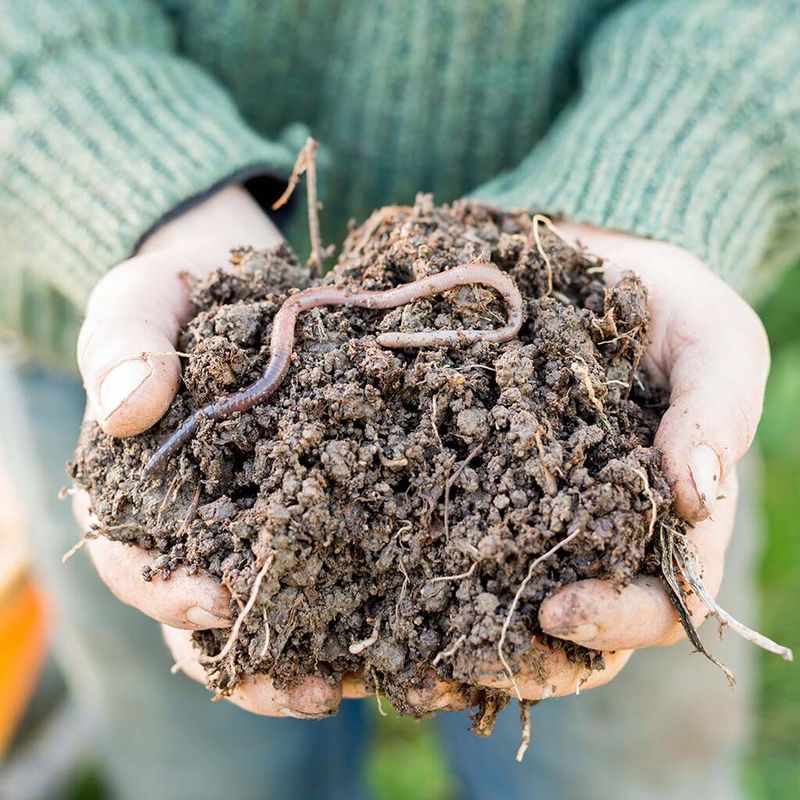
Beneath your feet lies an army of spineless engineers transforming your soil with remarkable intelligence. Earthworms don’t just randomly tunnel – they strategically regulate soil composition, improving drainage and aeration with purposeful precision.
Research shows these seemingly simple creatures can learn, remember, and even demonstrate basic emotional responses by moving away from painful stimuli. They process organic matter with the efficiency of living recycling plants.
Skip the pesticides and embrace these underground allies. Each worm processes its body weight in soil daily, creating nutrient-rich castings that make your plants thrive naturally.
4. Squirrels: Strategic Seed Planters
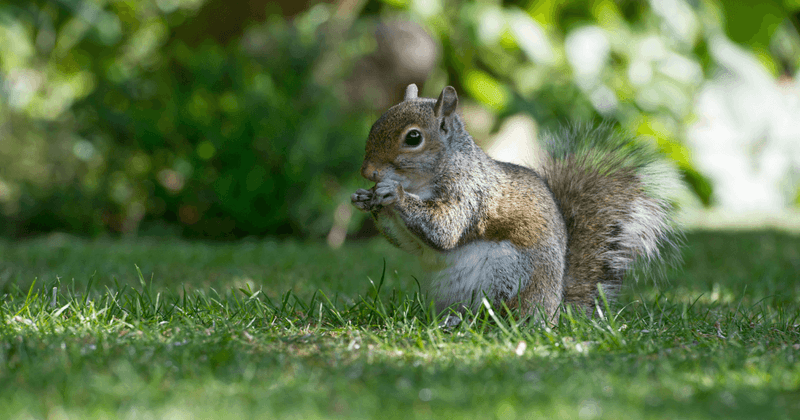
Those acrobatic bulb-diggers in your garden are actually brilliant long-term planners with impressive spatial memory. Squirrels create detailed mental maps of their territory, remembering hundreds of cache locations with GPS-like accuracy.
They practice deceptive caching, pretending to bury nuts while being watched, then secretly relocating them later. This strategic thinking accidentally reforests entire woodlands when forgotten seeds sprout into trees.
Outsmart these clever creatures by offering decoy feeding stations filled with nuts and seeds. Position them away from your prized plants to redirect their natural foraging instincts while appreciating their woodland intelligence.
5. Butterflies: Emotion in Fragile Wings
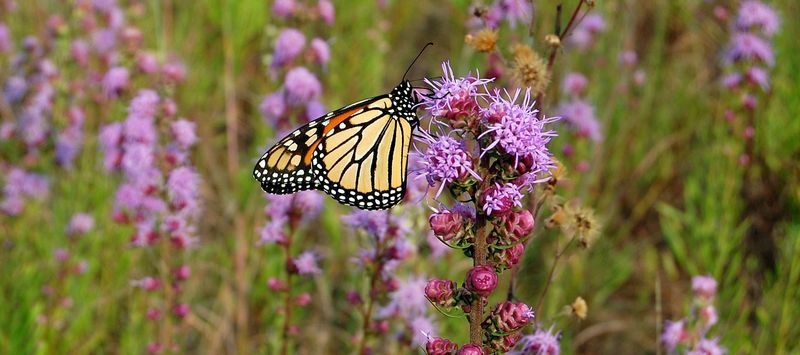
Behind their delicate beauty lies surprising cognitive sophistication that challenges everything we thought about insect intelligence. Butterflies remember specific flower locations, navigate thousands of miles during migration, and demonstrate clear preferences based on past experiences.
Research reveals they show stress responses and can learn from mistakes, adjusting their behavior accordingly. Their color and scent preferences represent genuine decision-making processes, not mere instinct.
Transform your garden into a butterfly sanctuary by planting milkweed, asters, and echinacea. You’ll witness firsthand how these fragile creatures make intelligent choices about where to feed, rest, and lay their precious eggs.
6. Dogs: Your Gardening Partner With Empathy

Your canine companion possesses emotional intelligence that extends far beyond basic obedience training. Dogs read human emotions with uncanny accuracy, mirroring your mood and responding to subtle changes in your gardening routine.
They recognize your stress levels, anticipate your needs, and can even detect health issues through scent. Many dogs develop preferences for specific garden areas, showing territorial intelligence and environmental awareness.
Train your dog to respect flower beds while providing them a shady supervision spot. Their protective instincts and emotional support make them perfect gardening partners who understand your connection to the outdoor space you’re nurturing together.
7. Spiders: Emotional Webmasters
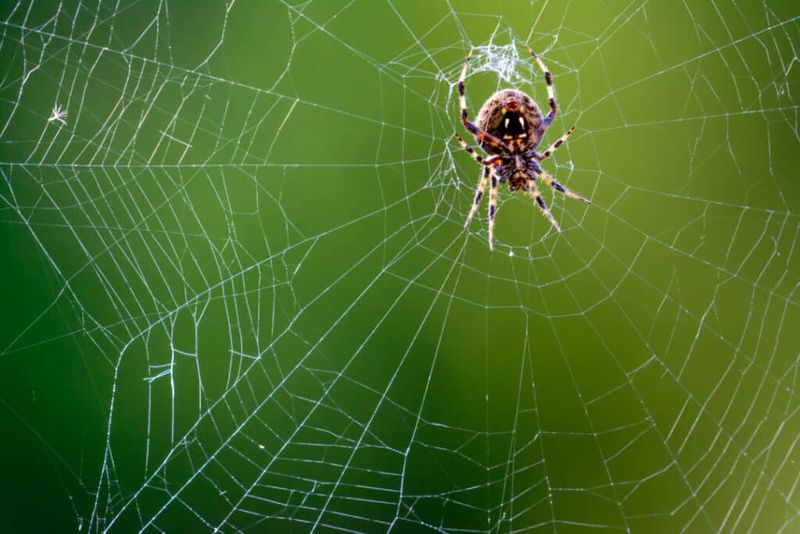
Your garden’s eight-legged architects display distinct personalities that range from boldly aggressive to cautiously shy. Individual spiders show consistent behavioral traits, suggesting complex emotional processing previously thought impossible in arachnids.
Orb weavers redesign their webs based on weather conditions, prey availability, and structural damage. They make real-time engineering decisions, adjusting tension and placement with remarkable precision.
Resist the urge to destroy every web you encounter. These skilled predators provide natural pest control while demonstrating problem-solving abilities that benefit your garden’s ecosystem. Their emotional complexity adds another layer of intelligence to your outdoor sanctuary.
8. Songbirds: Emotional Singers and Sharp Observers
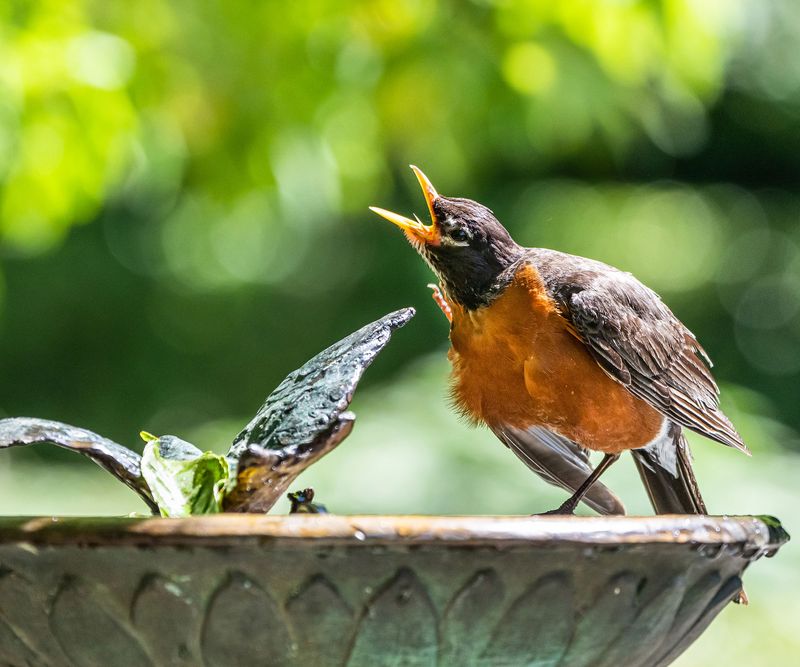
Your garden’s morning chorus represents far more than random chirping – it’s sophisticated emotional communication from highly intelligent creatures. Robins, finches, and other songbirds recognize garden layouts, adapt to feeding schedules, and modify their songs based on stress or joy.
They remember individual humans, adjust their behavior seasonally, and communicate danger through complex alarm calls. Each species has learned to thrive alongside human activity while maintaining their wild intelligence.
Install birdbaths and varied feeders to encourage these feathered visitors. You’ll develop genuine emotional connections while supporting creatures whose cognitive abilities continue to surprise researchers studying avian intelligence.
9. Ants: Social Engineers Beneath the Surface
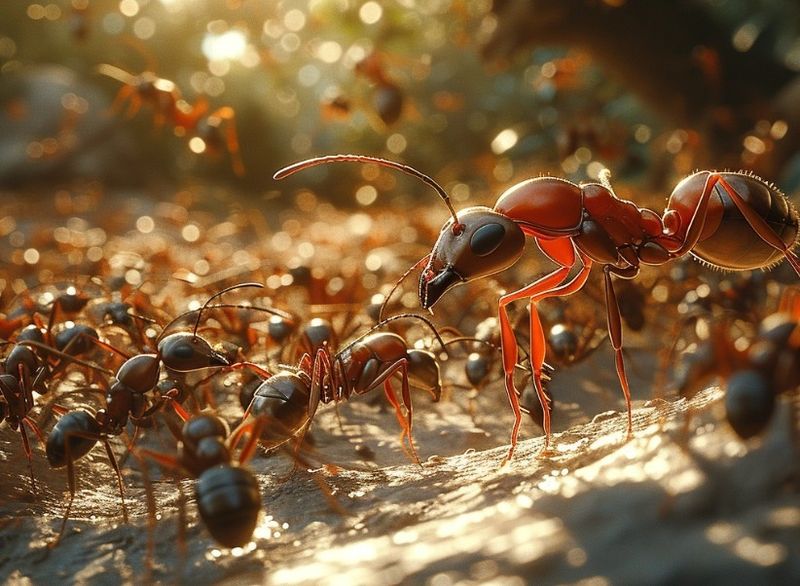
Beneath your garden lies a sophisticated civilization that puts human urban planning to shame. Ant colonies coordinate farming operations, build climate-controlled cities, and navigate using landmark recognition that rivals GPS technology.
They cultivate fungus gardens, maintain nurseries, and construct elaborate ventilation systems. Individual ants make sacrificial decisions for colony benefit, demonstrating social intelligence that spans generations.
Watch their activity patterns carefully – they often indicate underground issues like root rot or drainage problems. These tiny engineers serve as living sensors for your garden’s health while showcasing teamwork that human societies still struggle to achieve.
10. Frogs: Mood-Based Vocalizers and Pest-Eaters
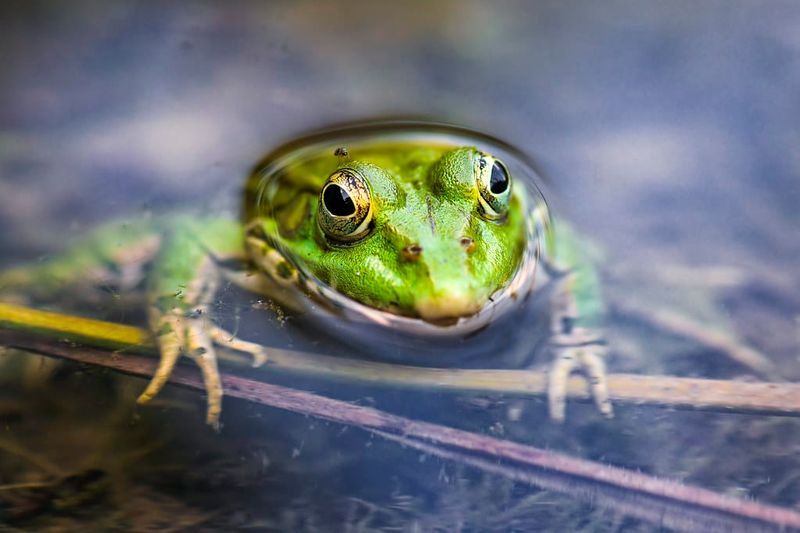
Your garden’s amphibious residents are emotional communicators whose croaks reveal sophisticated feelings and environmental awareness. Frogs adjust their vocalizations based on mood, stress levels, and social situations, creating complex soundscapes that reflect their inner states.
They’re incredibly sensitive to environmental changes, making them living barometers for your garden’s health. Their presence indicates clean water and balanced ecosystems, while their absence signals potential problems.
Create a small pond or maintain damp, shaded corners to attract these beneficial creatures. They’ll naturally control slug populations while providing you with evening serenades that reflect the emotional pulse of your thriving garden ecosystem.