 Complete Gardening
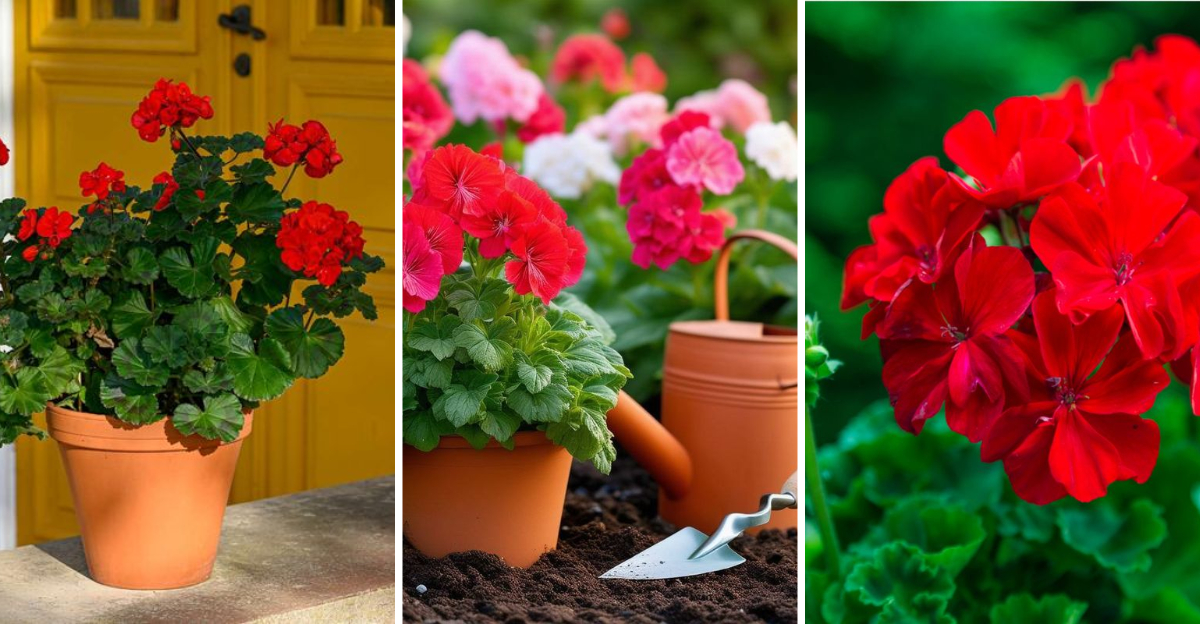
Geraniums are cherished for their vibrant blooms and are a favorite among gardeners. To ensure your geraniums thrive and produce breathtaking flowers, follow these essential tips. From proper planting techniques to understanding their watering needs, these insights will guide you in cultivating geraniums that truly stand out. Dive into the world of geranium care and watch your garden flourish with color and life.
1. Choose the Right Soil
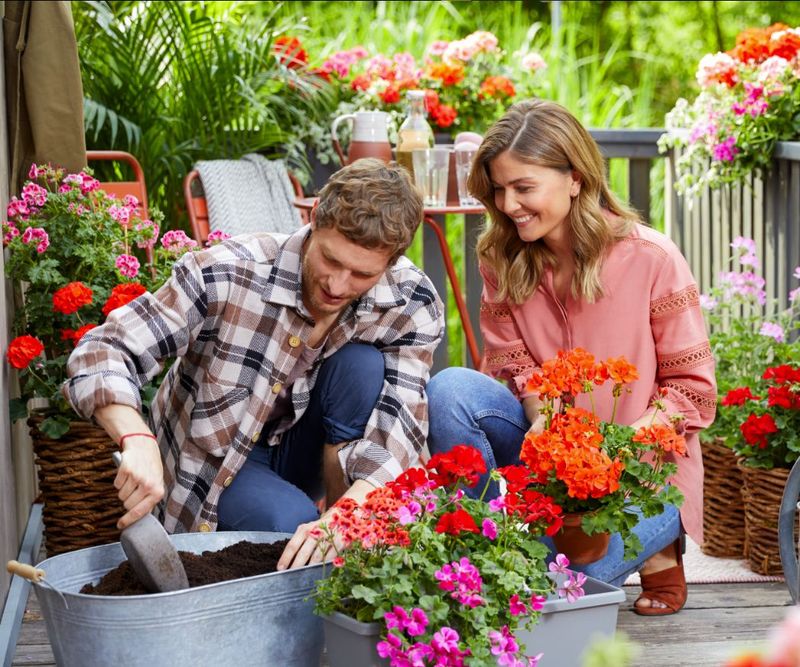
The foundation of flourishing geraniums starts with the right soil. Selecting well-draining soil is crucial, as geraniums detest soggy conditions. Picture a gardener carefully choosing a soil mix that offers excellent aeration. Mixing sand or perlite can enhance drainage, ensuring roots remain healthy and robust.
Consider the pH balance, aiming for slightly acidic to neutral. This aspect aids nutrient absorption, promoting vibrant blooms. Organically rich soil can improve overall plant health, leading to fuller foliage.
A well-prepared soil bed becomes the cornerstone for thriving geraniums, offering them a supportive environment to grow and blossom beautifully.
2. Water Wisely
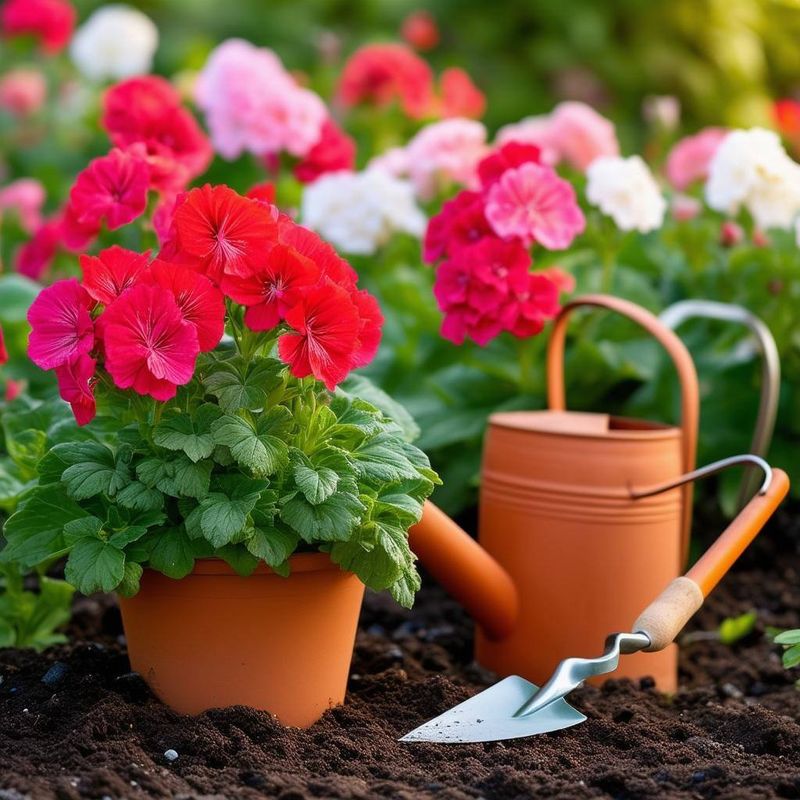
Watering geraniums requires a delicate balance. Imagine a gardener gently hydrating these plants, ensuring soil moisture without over-saturation. It’s best to water deeply and infrequently, allowing the topsoil to dry out between sessions.
This method prevents root rot and encourages deeper root growth. Observing weather conditions aids in adjusting watering routines; for instance, during hotter spells, geraniums might need more frequent attention.
Proper watering habits are key to nurturing geranium blooms that dazzle with their beauty. Hence, mastering the art of watering is essential for any geranium enthusiast.
3. Provide Adequate Sunlight

Sunshine is a geranium’s best friend. Visualize a garden bathed in sunlight, where geraniums thrive and flourish. Ideally, these plants need about six to eight hours of sunlight daily.
Placing them in a spot that receives ample morning sun can significantly boost their blooming potential. However, during scorching afternoons, providing light shade can prevent leaf burn.
Balancing sun exposure ensures your geraniums remain healthy and vibrant. By understanding their love for sunlight, gardeners can position them perfectly, making sure they receive optimal light for full, stunning blooms.
4. Prune Regularly
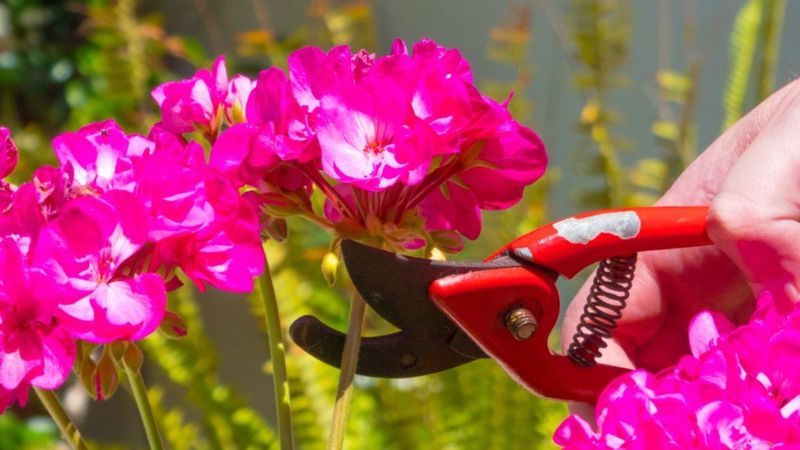
Pruning geraniums is both an art and a necessity. Imagine a gardener skillfully trimming back overgrown stems and pinching spent blossoms. This routine practice encourages new growth and ensures continuous blooming.
Regular pruning helps maintain the plant’s shape, promoting a bushier and more compact appearance. It also removes dead or diseased parts, preventing the spread of potential issues.
By dedicating time to regular pruning, geranium enthusiasts can enhance the plant’s health and aesthetics, resulting in vibrant flowers and lush foliage year-round.
5. Fertilize for Growth
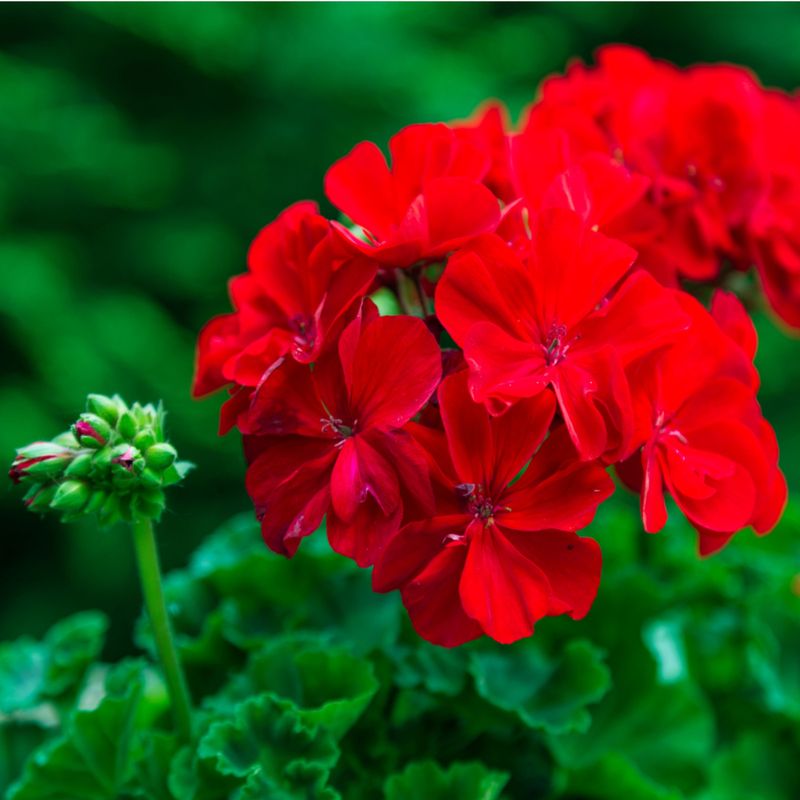
Feeding geraniums with the right nutrients is vital for their growth. Picture a gardener lovingly applying liquid fertilizer, ensuring each plant receives a balanced nutrient boost. Opt for a balanced fertilizer, high in phosphorus, to promote flowering.
During the growing season, feeding every four to six weeks supports vibrant bloom production. Exercising caution when fertilizing prevents nutrient burn, which can damage roots and foliage.
Feeding your geraniums correctly paves the way for stunning blooms, enhancing their beauty and ensuring they become the stars of any garden display.
6. Control Pests Naturally
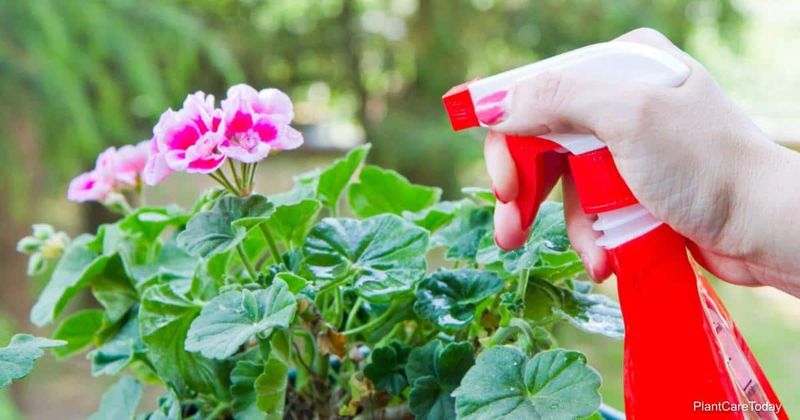
Pests can be pesky for geraniums. Imagine a gardener carefully examining leaves, spotting unwanted visitors, and using natural remedies to combat them. Neem oil or insecticidal soap can effectively manage common pests like aphids and whiteflies.
Encouraging beneficial insects, such as ladybugs, acts as a natural pest control method. Regularly checking for signs of infestation ensures early intervention, protecting the plants.
By adopting natural pest management strategies, gardeners can maintain healthy geraniums, allowing them to bloom without interference from pesky intruders.
7. Ensure Good Air Circulation
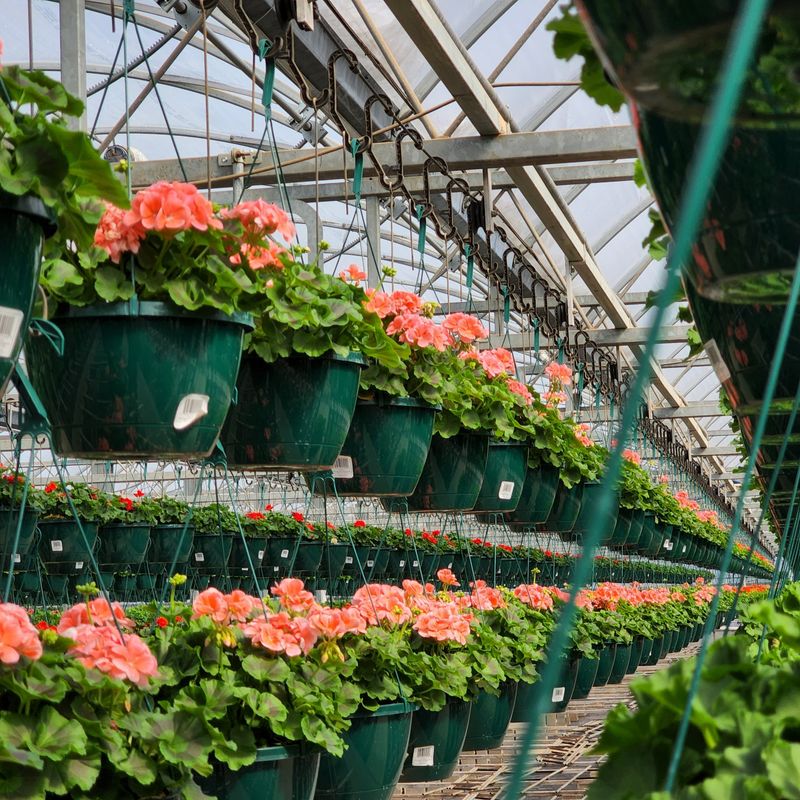
Air circulation is a critical factor for healthy geraniums. Envision a garden where plants are thoughtfully spaced, allowing air to flow freely around them. Proper spacing reduces humidity levels, which can otherwise foster fungal growth.
Ensuring good air movement minimizes the risk of diseases like powdery mildew. It’s beneficial to position geraniums in areas with gentle breezes, aiding in keeping foliage dry.
By prioritizing air circulation in the garden layout, geraniums are less susceptible to diseases, resulting in healthier plants and more bountiful blooms.
8. Mulch for Moisture Retention
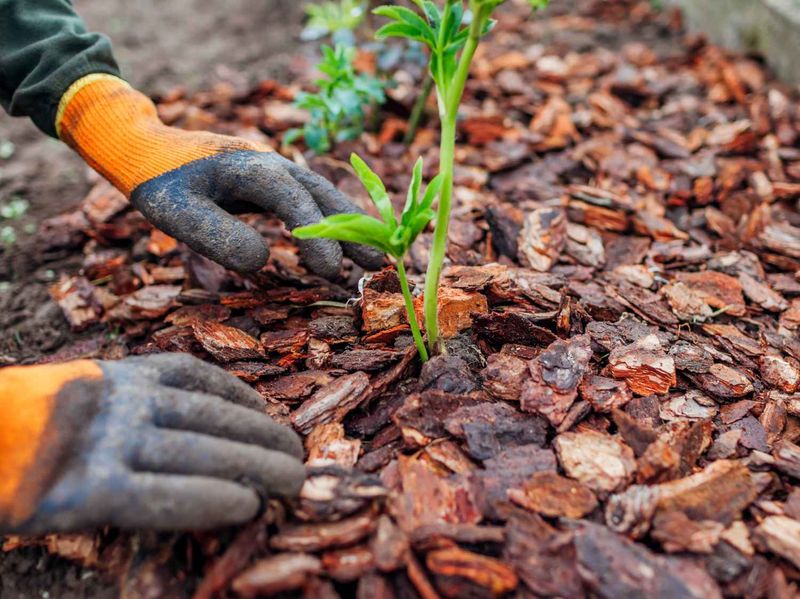
Mulching offers numerous benefits for geranium care. Picture a gardener spreading mulch around the base of these plants, helping retain soil moisture. Organic mulch, like shredded bark or straw, moderates soil temperature and reduces evaporation.
This practice conserves water and provides insulation against temperature fluctuations. Additionally, mulch suppresses weed growth, minimizing competition for nutrients.
By incorporating mulch into your geranium care routine, you can enhance soil conditions, improve plant health, and ensure vibrant, continuous blooms that captivate onlookers.
9. Rotate Plants Periodically
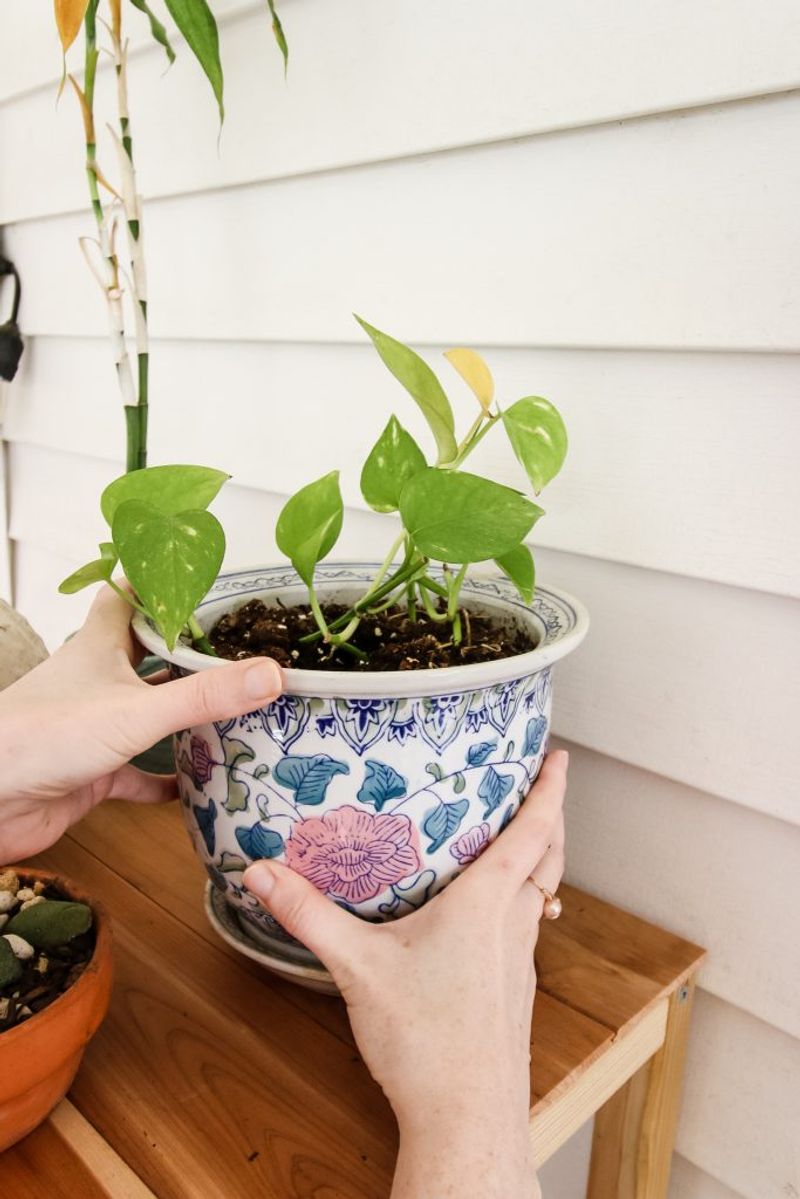
Rotating geranium pots offers fresh perspectives. Visualize a gardener strategically moving potted geraniums to new spots, invigorating their growth. This practice helps distribute sunlight and prevents soil nutrient depletion.
Changing locations can also minimize pest build-up, as pests struggle to relocate. Such periodic movement encourages plants to adapt, promoting resilience.
By periodically rotating geraniums, gardeners can optimize growth conditions, leading to healthier plants and more vibrant blooms that add dynamic beauty to any garden space.
10. Deadhead Spent Blooms
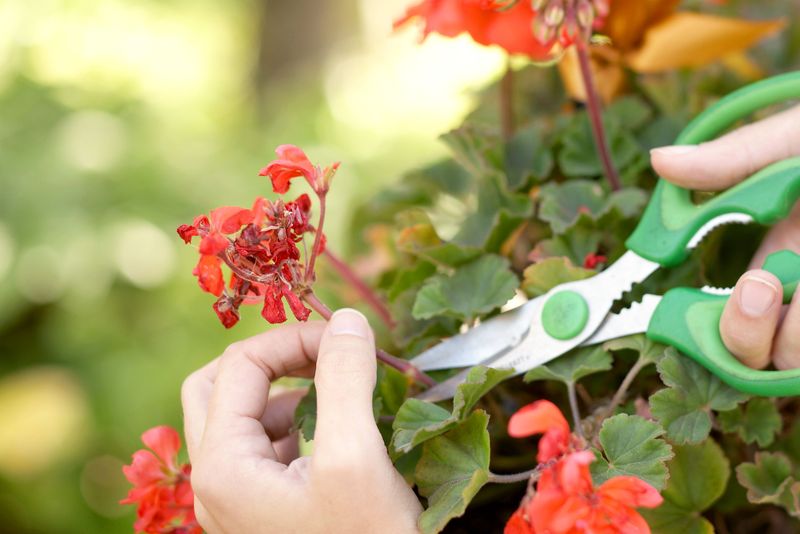
Deadheading is crucial for extended geranium blooms. Imagine a gardener’s careful hands removing faded flowers, encouraging new growth. This practice redirects the plant’s energy from seed production to producing fresh blossoms.
Regular deadheading keeps geraniums looking tidy and vibrant. It also prevents the development of seed pods, ensuring the plant focuses on flowering.
By committing to routine deadheading, gardeners can enjoy longer-lasting blooms, enhancing the visual appeal of their geraniums and garden overall.
11. Choose Companion Plants
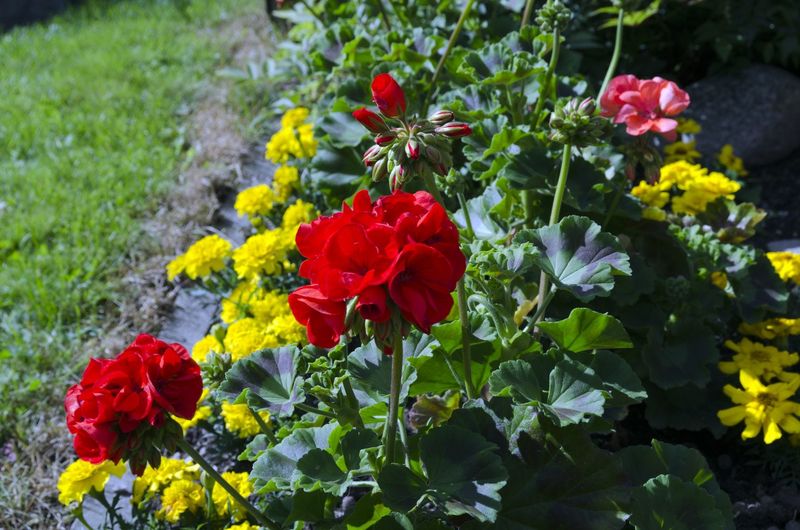
Companion planting enhances geranium growth. Envision a garden bed where geraniums thrive alongside plants such as lavender or marigolds. These companions deter pests and attract beneficial insects, creating a balanced ecosystem.
Additionally, companion plants can enhance the aesthetic appeal, offering contrasting colors and textures. This collaboration fosters better growth conditions and adds layers of beauty to the garden.
By thoughtfully selecting companion plants, gardeners can boost the health and visual impact of their geraniums, crafting a garden space that delights the senses.
12. Monitor Weather Changes
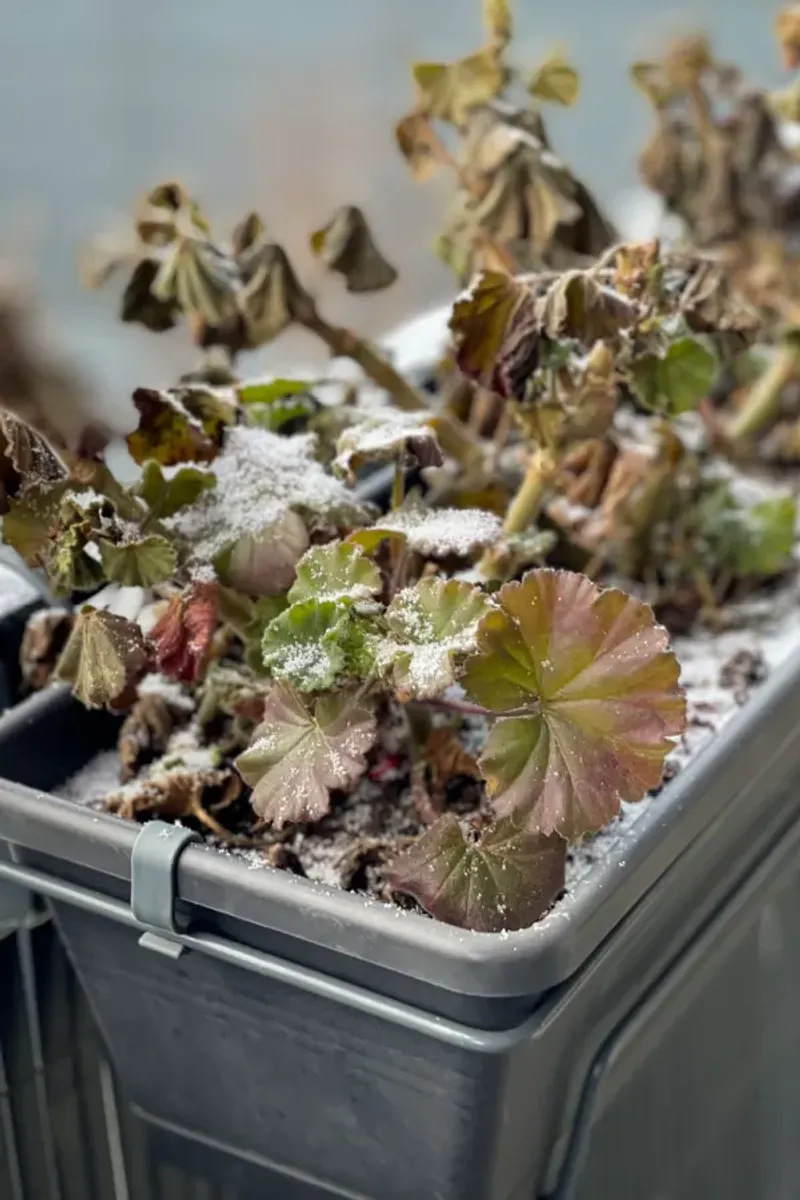
Weather can be unpredictable, impacting geranium health. Picture a gardener diligently checking forecasts, ready to shield these plants from harsh weather. Frost or extreme heat can damage blooms, so protection is vital.
Using frost cloths or relocating pots during cold spells can safeguard plants. During heatwaves, providing shade and hydration helps maintain their vigor.
By staying alert to weather changes, gardeners can proactively protect their geraniums, ensuring they continue to flourish and produce stunning blooms regardless of external conditions.
13. Use Quality Seeds or Cuttings
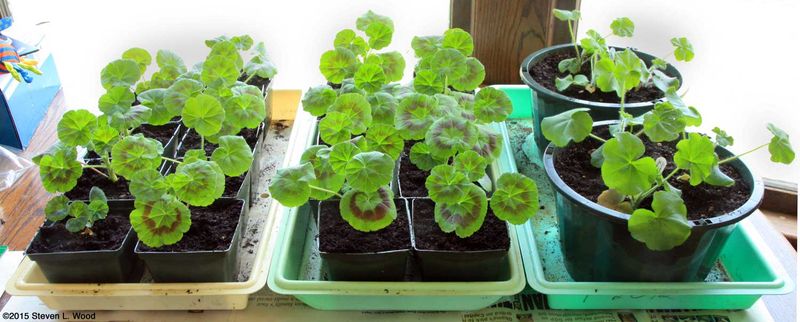
Starting with quality seeds or cuttings sets the stage for success. Imagine a gardener meticulously choosing top-grade geranium seeds or robust cuttings. These selections form the backbone of healthy plant development.
Quality seeds ensure genetic diversity and resilience, while cuttings from thriving plants promise vigorous growth. This foundation leads to stronger plants with enhanced blooming capabilities.
By investing in quality from the start, gardeners can anticipate healthier, more vibrant geraniums that contribute significantly to the garden’s allure.
14. Understand Local Climate
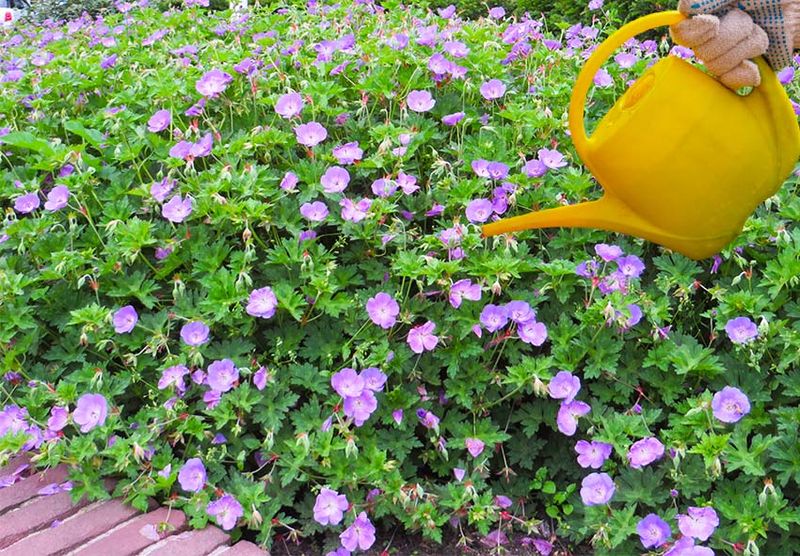
Local climate influences geranium care. Picture a gardener examining climate charts, tailoring strategies to suit regional conditions. Understanding these aspects helps gardeners adjust watering, sunlight, and protection measures.
For instance, in humid areas, enhancing air circulation becomes more critical. In contrast, arid climates demand diligent watering and mulching efforts.
By aligning geranium care with the local climate, gardeners can optimize plant health, leading to flourishing blooms that adapt beautifully to their environment.
15. Select Disease-Resistant Varieties
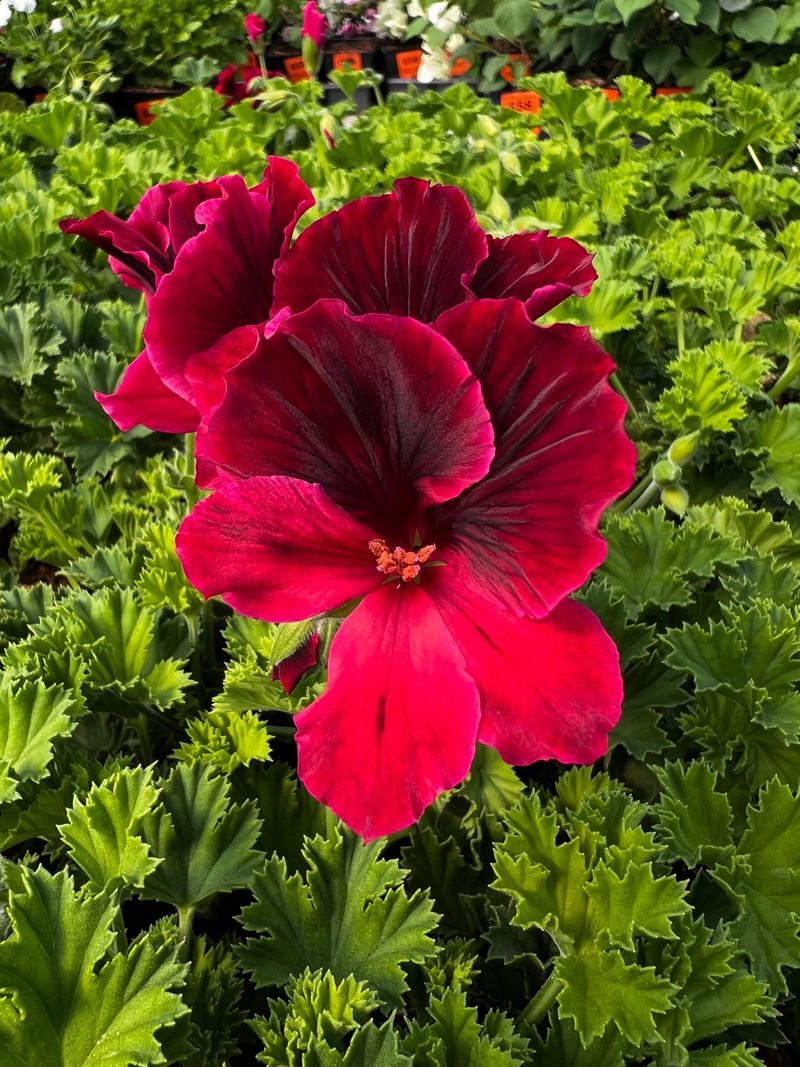
Choosing disease-resistant varieties strengthens geranium resilience. Visualize a gardener selecting robust geraniums bred to withstand common diseases. This proactive choice minimizes vulnerability and reduces the need for chemical interventions.
Disease-resistant varieties often feature improved growth habits and bloom longevity. Selecting these types enhances the garden’s overall health and aesthetics.
By opting for resilient geranium varieties, gardeners can enjoy worry-free cultivation, leading to vibrant blooms that stand the test of time and environmental challenges.
16. Apply Organic Fertilizers
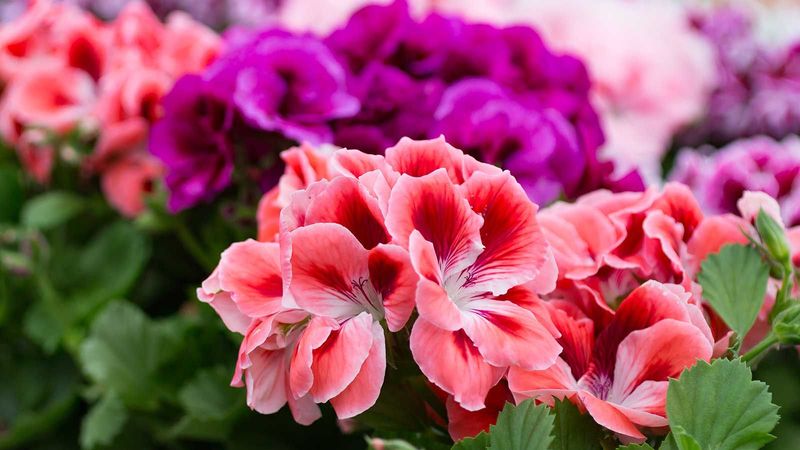
Organic fertilizers support geranium health naturally. Imagine a gardener gently applying organic feed, nurturing plants with eco-friendly alternatives. These fertilizers enrich soil structure and boost microbial activity, fostering robust growth.
Organic options, like compost or worm castings, provide slow-release nutrients, ensuring steady nourishment. This approach minimizes environmental impact while promoting vibrant blooms.
By embracing organic fertilizers, gardeners contribute to sustainable practices, resulting in healthy, flourishing geraniums that enhance the garden’s beauty and ecological balance.
17. Protect from Frost

Frost protection is vital for geranium survival. Picture a gardener thoughtfully draping frost cloths over geraniums during chilly nights. This practice insulates plants, preventing damage to blooms and leaves.
Moving potted geraniums indoors or into sheltered areas provides additional protection. Timely actions ensure plants remain healthy through cold spells.
By prioritizing frost protection, gardeners can ensure their geraniums continue to flourish, maintaining their vibrant display despite the challenges of cold weather.
18. Encourage Beneficial Insects
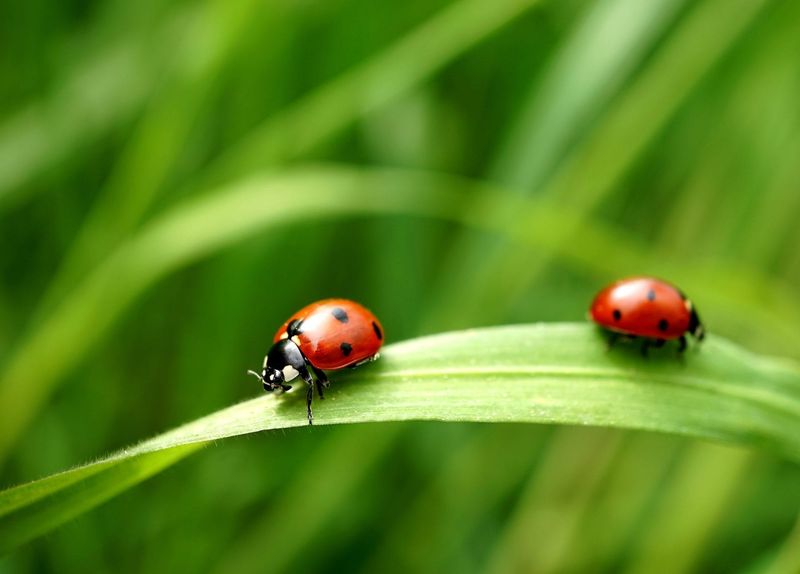
Beneficial insects play a crucial role in geranium care. Imagine a garden buzzing with friendly insects, such as ladybugs and hoverflies, that help control pests naturally.
These allies prey on harmful insects, reducing the need for chemical pesticides. Planting diverse companion plants attracts these beneficial insects, creating a balanced ecosystem.
By welcoming beneficial insects into the garden, geraniums experience fewer pest issues, allowing them to bloom beautifully and healthily.
19. Incorporate Coffee Grounds
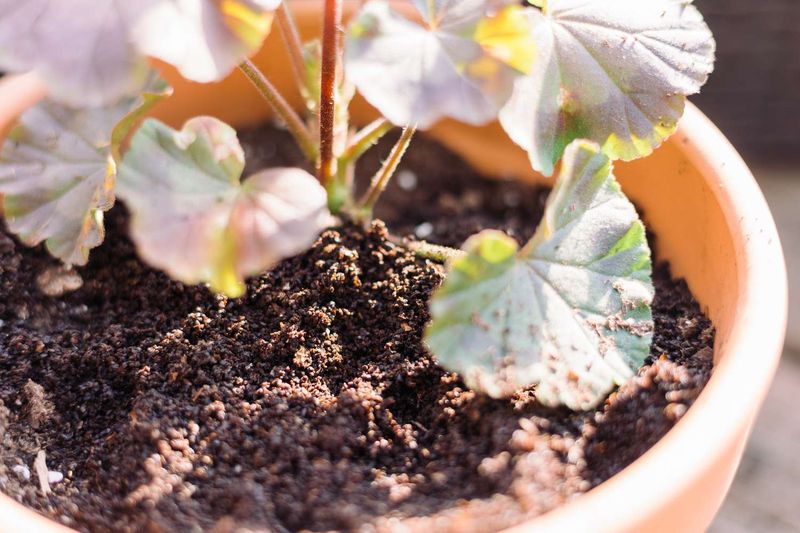
Did you know that coffee grounds can be beneficial for your geraniums? By incorporating used coffee grounds into the soil, you enhance its quality with organic material that improves drainage and adds nutrients. This simple act can transform your garden, fostering robust growth and vivid blossoms.
Incorporating coffee grounds also helps deter pests naturally. The slightly acidic nature of coffee grounds is well-suited for geraniums, helping to maintain the ideal soil pH. Just remember to mix them well into the soil to avoid mold growth.
For those who regularly enjoy a cup of joe, this gardening tip is both sustainable and effective, giving your geraniums an unexpected boost.