 Complete Gardening
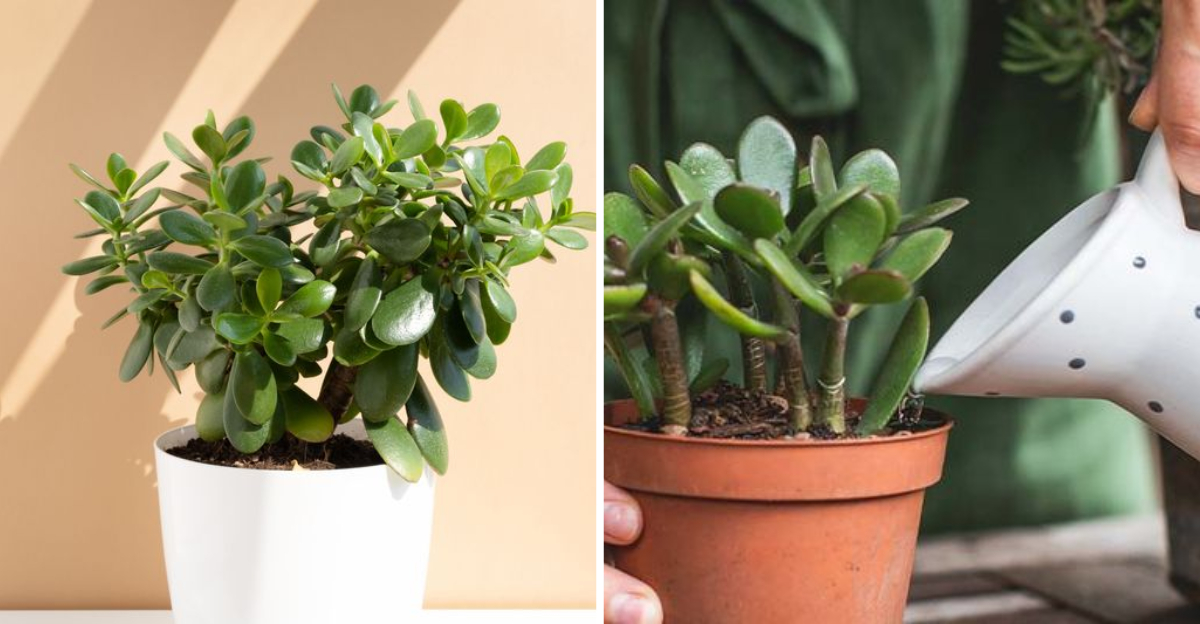
Jade plants, with their lush green leaves and easygoing nature, are a favorite among indoor plant enthusiasts. Known for their resilience and ability to thrive in various conditions, these succulents bring a touch of nature indoors. Whether you’re a novice gardener or an experienced green thumb, these 18 tips will help you cultivate a flourishing jade plant that enhances the beauty of your home.
1. Proper Sunlight
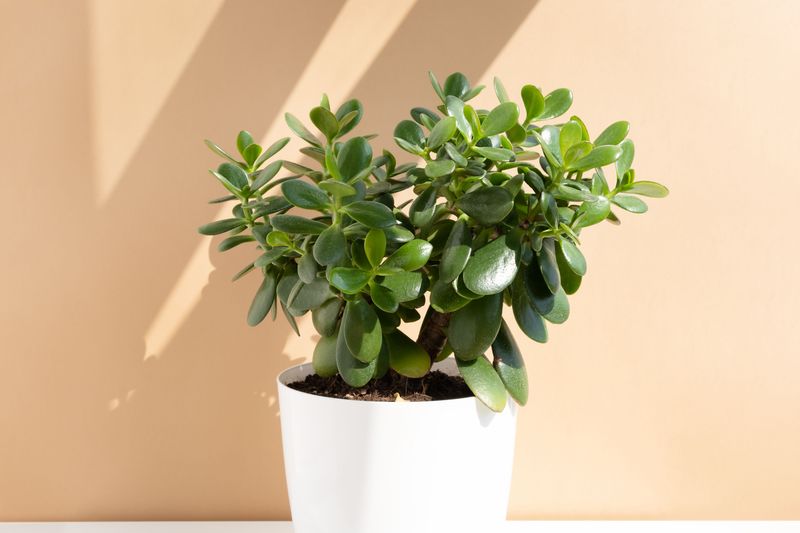
Jade plants thrive in bright sunlight. Placing your jade plant in a south-facing window can ensure it gets the right amount of light. Too much direct sunlight can cause the leaves to scorch, while too little may result in a leggy plant.
Morning sun is ideal as it’s less intense, helping the plant photosynthesize efficiently without burning. Rotate the plant occasionally to ensure even growth.
Did you know? The jade plant’s ability to store water in its leaves makes it remarkably drought-tolerant, a trait inherited from its native habitats in South Africa.
2. Watering Frequency
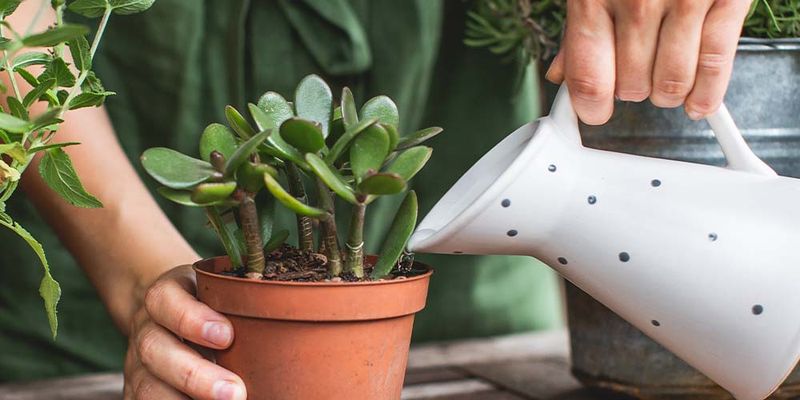
Watering jade plants correctly is an art. Overwatering is a common mistake, leading to root rot. Allow the soil to dry out completely between waterings.
A good rule of thumb is to water once the top inch of soil feels dry. During winter, reduce watering frequency as the plant’s growth slows down.
Curious fact: Unlike many plants, jade plants prefer to be underwatered rather than overwatered. Their thick, fleshy leaves store water, making them resilient during dry spells.
3. Soil Requirements
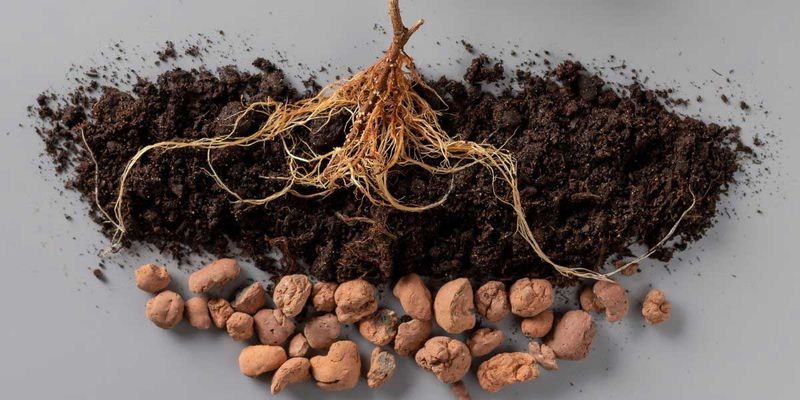
The right soil is crucial for jade plants. Use a well-draining cactus or succulent mix to prevent water retention.
Adding some perlite or sand can improve drainage further. Heavy, compact soil can suffocate the plant’s roots, leading to problems.
Here’s an interesting tidbit: Jade plants originally come from South Africa, where they thrive in rocky, well-drained environments. Mimicking these conditions at home can help your jade plant flourish.
4. Temperature Tolerance
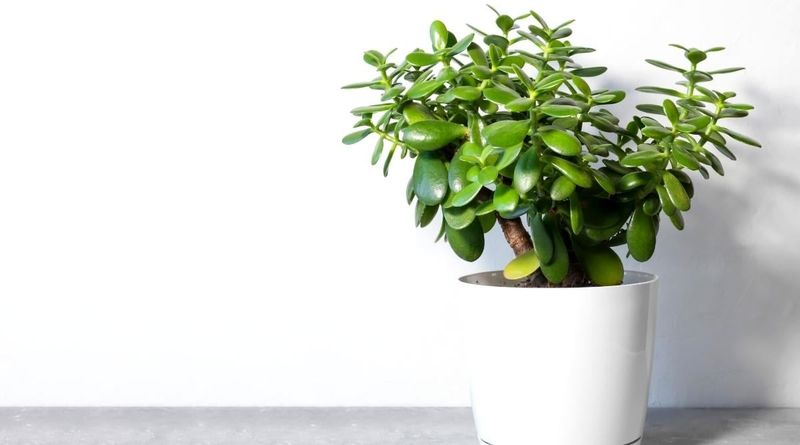
Jade plants are comfortable in typical household temperatures, ideally between 65°F and 75°F. However, they can tolerate a brief period of cooler temperatures down to 50°F.
Avoid placing them near drafts or heating vents, as sudden temperature changes can stress the plant.
Did you know? Exposure to cooler temperatures in the fall can encourage jade plants to produce small, starry white or pink flowers, adding charm to their lush foliage.
5. Pot Selection
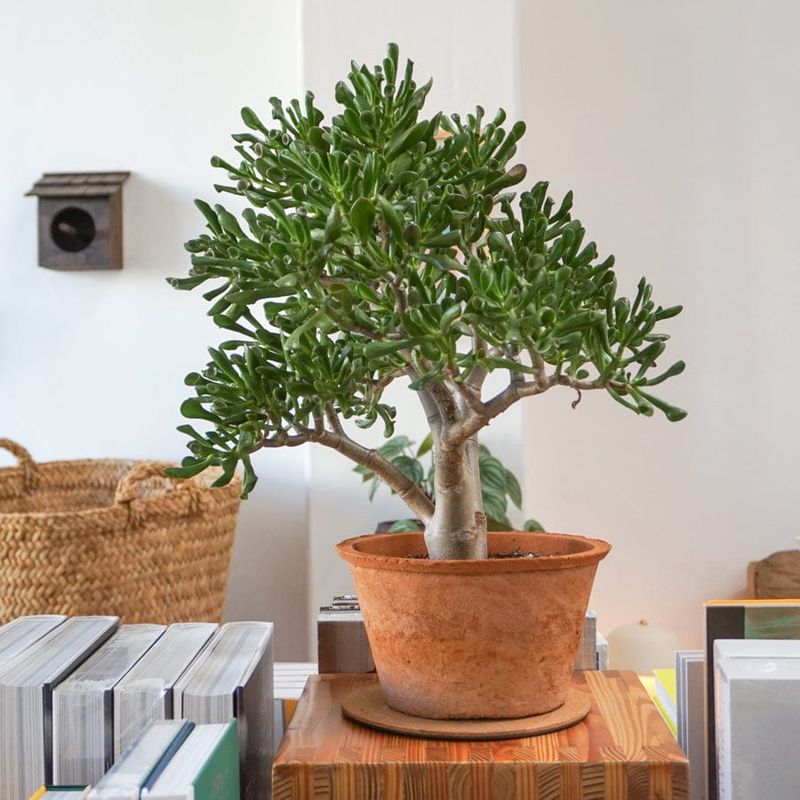
Choosing the right pot is vital for jade plants. Opt for pots with drainage holes to allow excess water to escape, preventing root rot.
Terracotta pots are an excellent choice as they absorb moisture, aiding in preventing overwatering.
Here’s a fun fact: The porous nature of terracotta allows for air circulation around the roots, mimicking the jade plant’s natural rocky habitats and promoting healthy growth.
6. Fertilizing Schedule
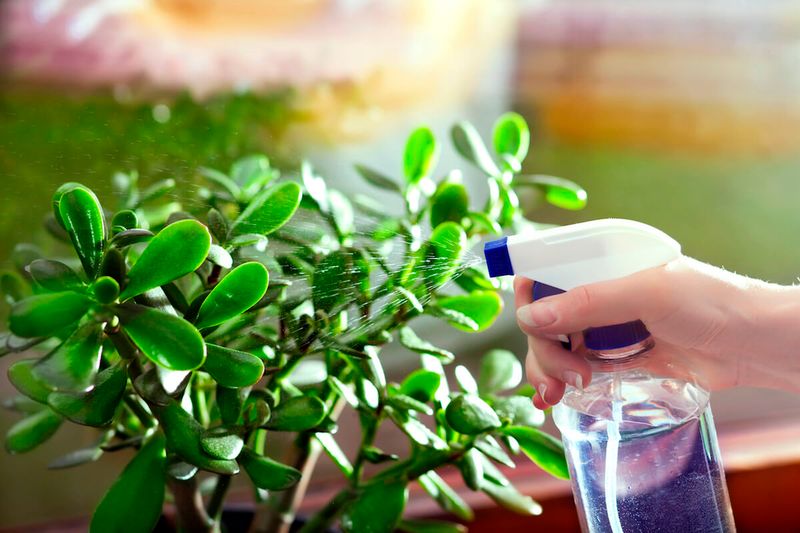
Fertilizing jade plants can enhance their growth. Use a balanced, water-soluble fertilizer diluted to half strength once a month during the growing season, spring through summer.
Avoid fertilizing in winter when the plant is dormant. Over-fertilizing can lead to salt buildup, harming the plant.
Did you know? Jade plants don’t require much fertilization due to their slow growth rate, making them a low-maintenance yet rewarding addition to any plant collection.
7. Pruning Techniques
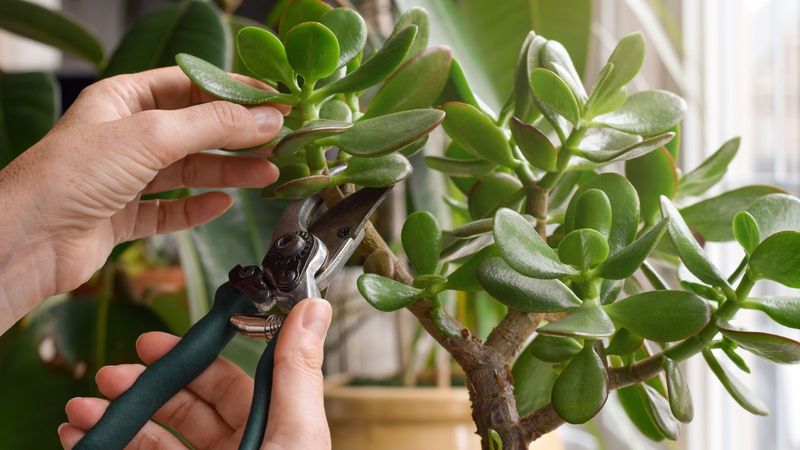
Pruning jade plants helps maintain their shape and encourages bushy growth. Remove dead or leggy branches using clean, sharp scissors.
Pruning can also stimulate new growth, leading to a fuller, more aesthetically pleasing plant. Be careful not to over-prune, as this can stress the plant.
Fun fact: Jade plants can be pruned into bonsai-like shapes, offering a creative outlet for plant enthusiasts looking to add a personal touch to their indoor garden.
8. Propagation Methods
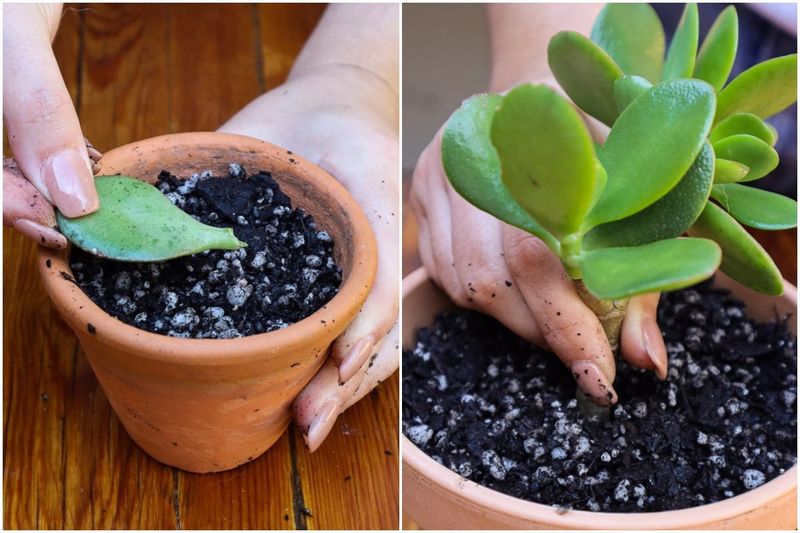
Propagation is a delightful way to multiply your jade plants. Leaf and stem cuttings are popular methods.
Allow cuttings to dry and callous before placing them in soil or water. Roots will develop in a few weeks, ready to be potted.
Here’s a quirky fact: Jade plants are considered symbols of good fortune. Sharing propagated plants with friends and family can spread not only greenery but also goodwill and prosperity.
9. Pest Control
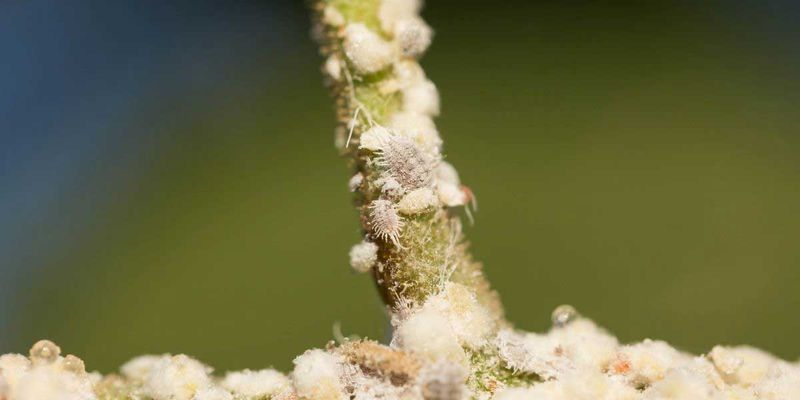
Jade plants are generally pest-resistant but can occasionally attract mealybugs and spider mites. Regularly inspect your plant for any signs of infestation.
Treat affected plants with neem oil or insecticidal soap, ensuring to cover all plant surfaces. Natural predators like ladybugs can also help control pest populations.
Did you know? Healthy jade plants can fend off pests more effectively, making proper care and maintenance your first line of defense against infestations.
10. Humidity Levels
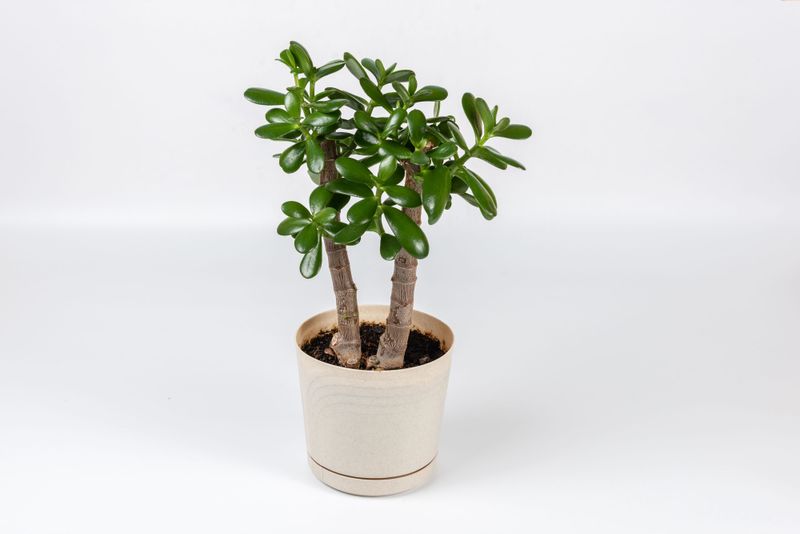
Jade plants are not fussy about humidity, thriving in normal indoor conditions. However, extremely dry air can cause leaf drop.
Using a humidifier in dry climates can maintain humidity levels, ensuring your plant remains healthy. Avoid placing jade plants near air conditioners or heaters.
Here’s an enlightening fact: While jade plants are succulents and store water in their leaves, maintaining balanced humidity can prevent unnecessary stress and promote robust growth.
11. Repotting Guidelines
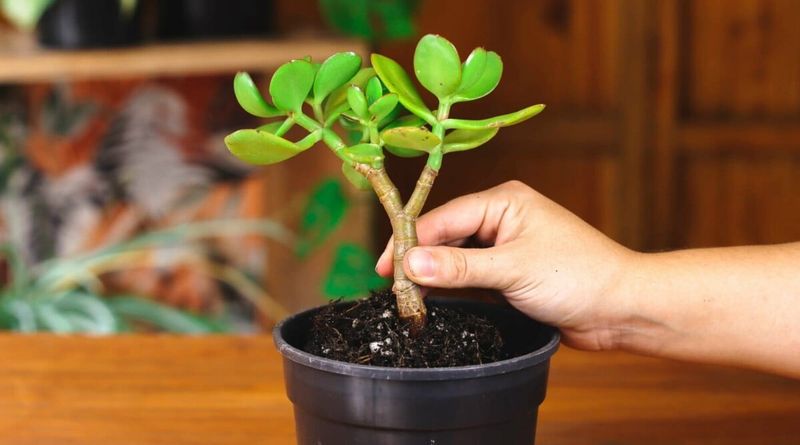
Repot jade plants every 2-3 years to refresh their soil and accommodate growth. Choose a pot only slightly larger than the current one to prevent overwatering.
Gently remove the plant, loosen roots, and place it in fresh soil. Repotting is best done in spring when the plant begins to grow actively.
Interesting tidbit: Jade plants can live for decades, and regular repotting can contribute to their longevity, allowing them to become cherished family heirlooms.
12. Dealing with Leaf Drop
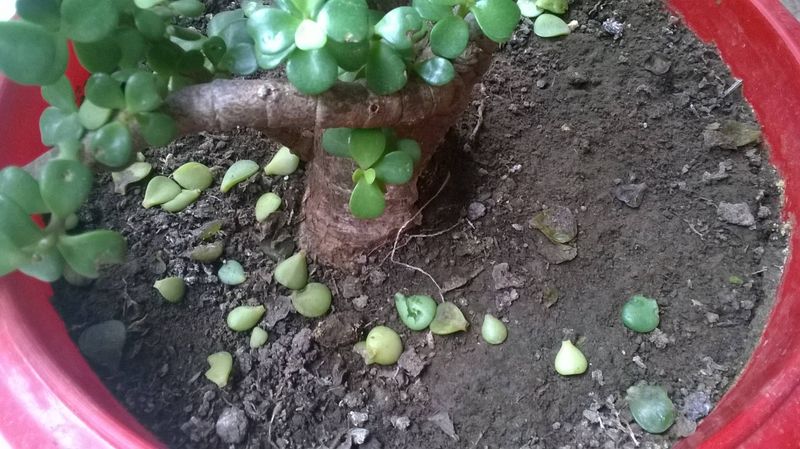
Leaf drop in jade plants can indicate stress. Common causes include overwatering, sudden temperature changes, or insufficient light.
Assess environmental conditions and adjust accordingly. Removing dropped leaves from the soil surface prevents mold and keeps the plant healthy.
Did you know? Occasional leaf drop is normal as jade plants shed old leaves, making room for new growth. Observing patterns can help identify if the drop is part of natural growth or a sign of distress.
13. Encouraging Blooms
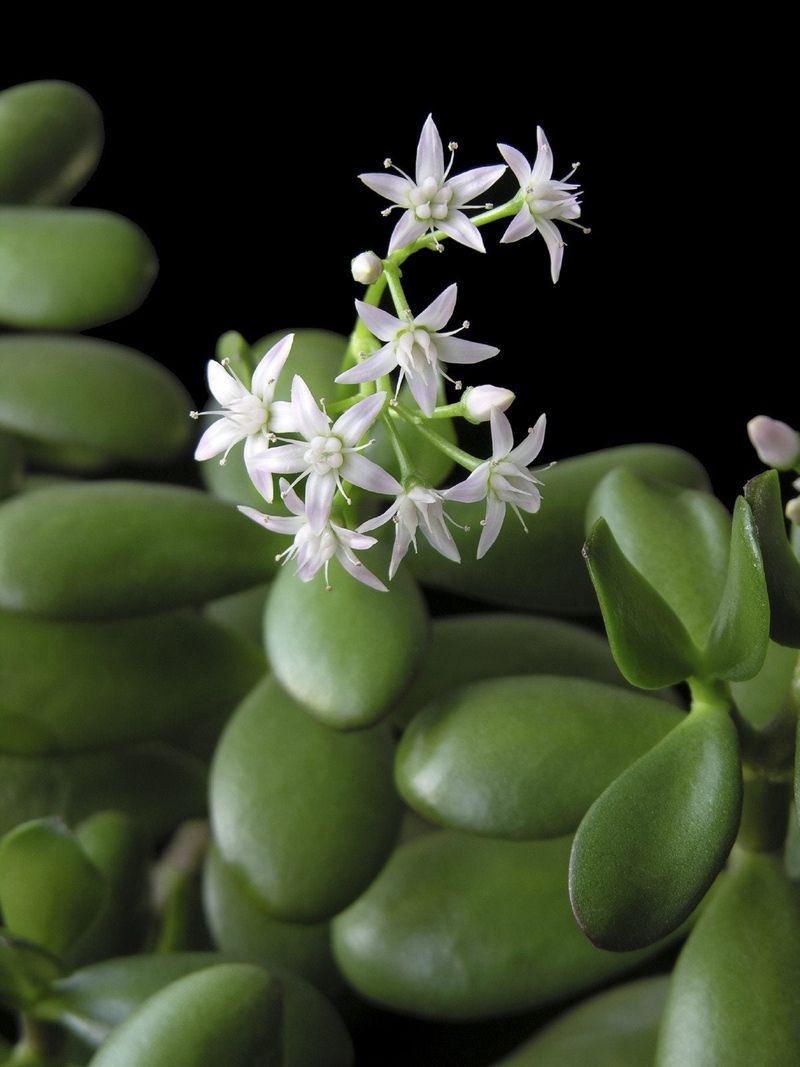
Encouraging jade plants to bloom requires patience and specific conditions. Provide cooler temperatures and reduce watering in fall to mimic their native growing environment.
Bright light and proper care can lead to blossoms in mature plants, adding beauty to their appearance.
Fun fact: Jade plants rarely bloom indoors, so when they do, it’s a delightful surprise. The small, star-like flowers are a testament to your successful plant care efforts.
14. Avoiding Overcrowding
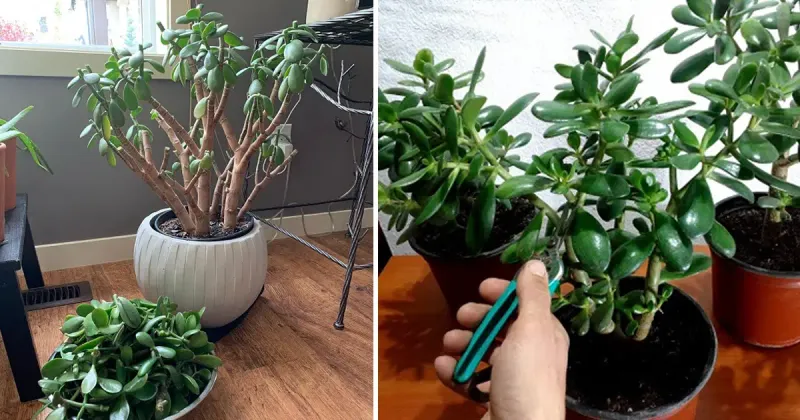
Avoid overcrowding jade plants to ensure proper air circulation. Space plants adequately, especially when grouped, to prevent competition for light and resources.
Overcrowded conditions can lead to health issues and hinder growth. Keeping them in open, airy spaces promotes healthy development.
Interesting note: In feng shui, jade plants are associated with prosperity and good luck. Ensuring they aren’t overcrowded allows them to flourish and fulfill their symbolic potential.
15. Seasonal Care Adjustments
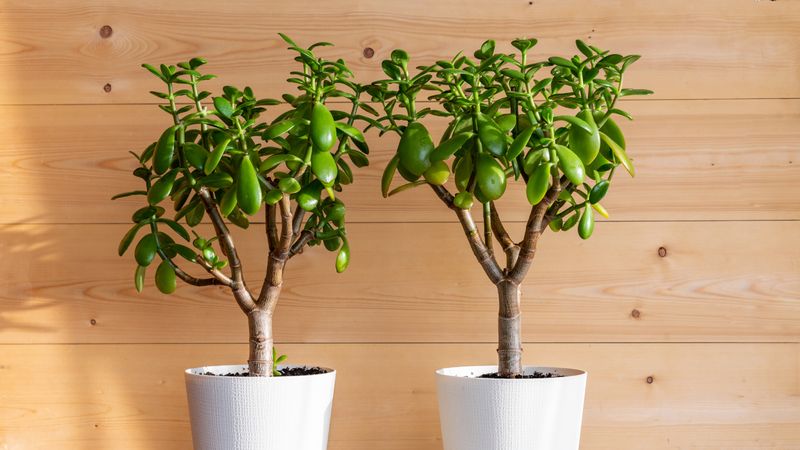
Adjusting care for jade plants according to seasons enhances their health. Reduce watering in winter and increase it during the growing season.
Move plants indoors before the first frost to protect them from cold damage. Seasonal adjustments ensure your jade plants thrive year-round.
Did you know? Jade plants benefit from a summer spent outdoors in partial shade, which can invigorate their growth and prepare them for the cooler months ahead.
16. Recognizing Health Signs

Recognizing the signs of a healthy jade plant is key. Look for vibrant, firm leaves and steady growth.
Yellowing leaves or soft stems can indicate issues such as overwatering or nutrient deficiencies. Understanding these signs ensures prompt action to maintain plant vigor.
Here’s a helpful fact: A flourishing jade plant is not only pleasing to the eye but also purifies the air, contributing to a healthier indoor environment.
17. Creating a Balanced Environment
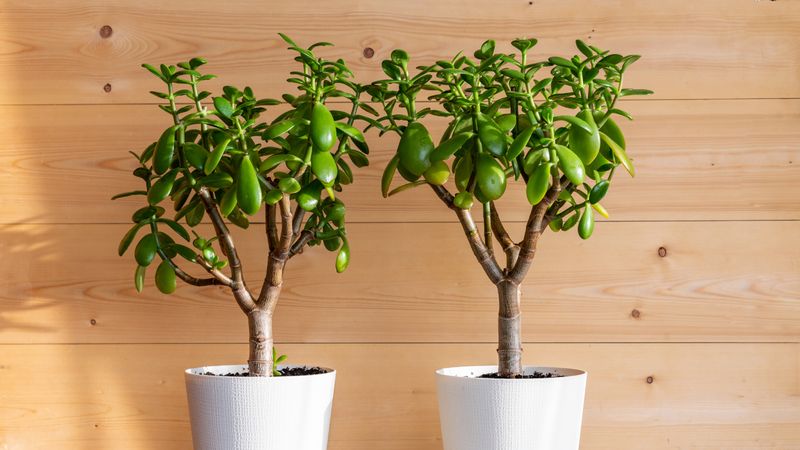
Creating a balanced environment for jade plants involves considering light, water, and temperature needs.
Integrating them with other plants can enhance your space’s microclimate, promoting overall plant health.
Here’s a cultural insight: In Chinese culture, jade plants are often given as housewarming gifts, symbolizing friendship and prosperity. A balanced environment allows these plants to thrive, embodying their symbolic meaning.
18. Utilizing Reflective Surfaces
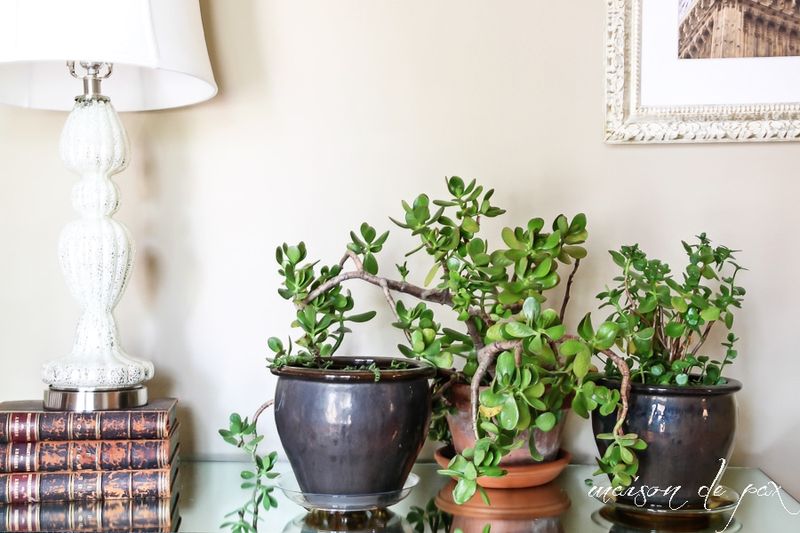
Consider using reflective surfaces to boost your jade plant’s light exposure. Placing a mirror or a shiny object near your plant can enhance light absorption. This simple trick can mimic brighter conditions, encouraging healthier growth.
Reflective surfaces not only amplify natural light but also create a visually appealing environment. The interplay of light and reflections can add aesthetic value to your space, making it a creative way to decoratively display your jade plant.
Opt for this technique in rooms with limited sunlight, and watch your jade thrive in its newfound glow.