 Complete Gardening
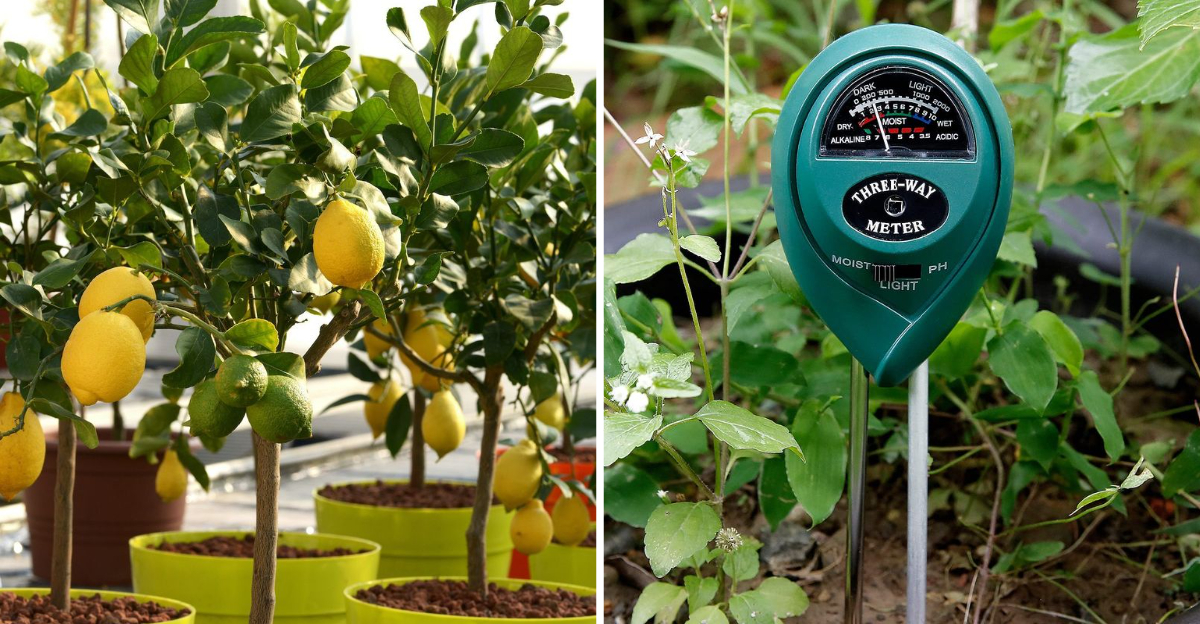
Growing lemons in your backyard can be incredibly rewarding, but many gardeners struggle with small harvests. The secret to success lies in understanding what lemon trees really need to thrive. With the right techniques and care, you can dramatically increase your lemon production. Get ready to discover proven methods that will transform your tree into a citrus powerhouse this summer.
1. Perfect Soil pH Makes All the Difference
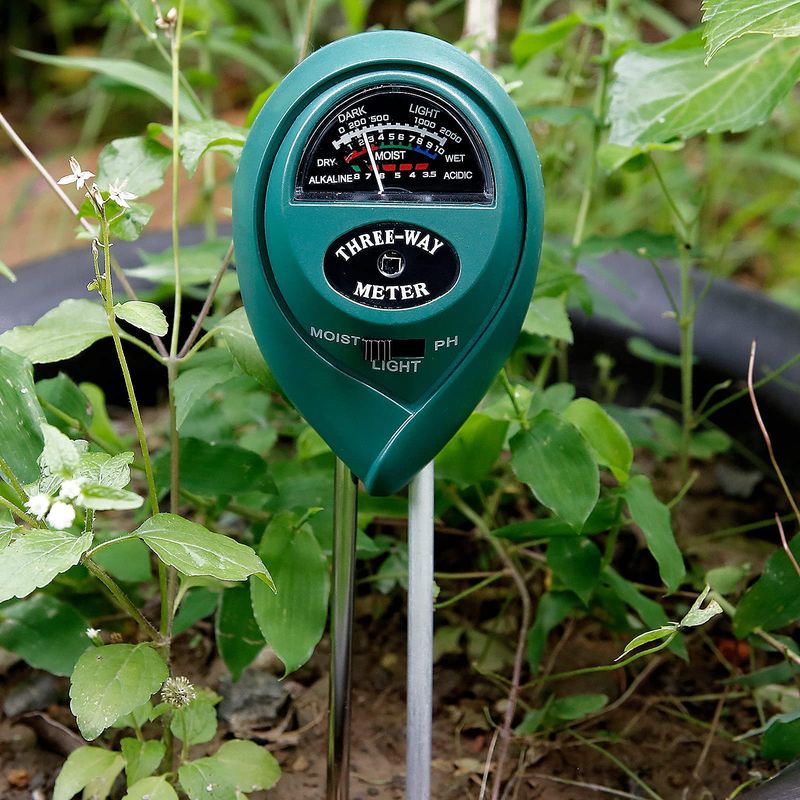
Lemon trees absolutely love slightly acidic soil with a pH between 6.0 and 6.5. Most garden soil is too alkaline for optimal growth.
Test your soil using an inexpensive pH meter from any garden center. If the pH is too high, add sulfur or peat moss to lower it gradually.
Proper pH helps roots absorb nutrients more effectively, leading to healthier trees and bigger harvests.
2. Strategic Watering Timing Boosts Production
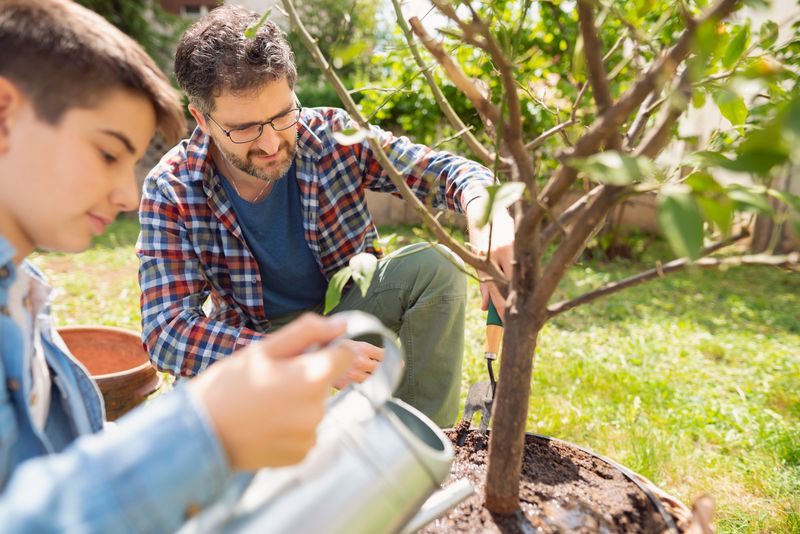
Water your lemon trees deeply but less frequently rather than giving them daily light sprinkles. Deep watering encourages strong root development.
Check soil moisture by sticking your finger two inches deep into the ground. Water only when the top layer feels dry to the touch.
Morning watering is best because it gives trees time to absorb moisture before the heat of the day arrives.
3. Mulching Magic Protects Root Systems

Spread a three-inch layer of organic mulch around your lemon tree, keeping it six inches away from the trunk. This prevents root rot while retaining moisture.
Wood chips, shredded bark, or compost work excellently as mulch materials. Avoid grass clippings, which can mat down and block airflow.
Mulch also suppresses weeds that compete with your tree for nutrients and water resources.
4. Pruning at the Right Time Increases Yields
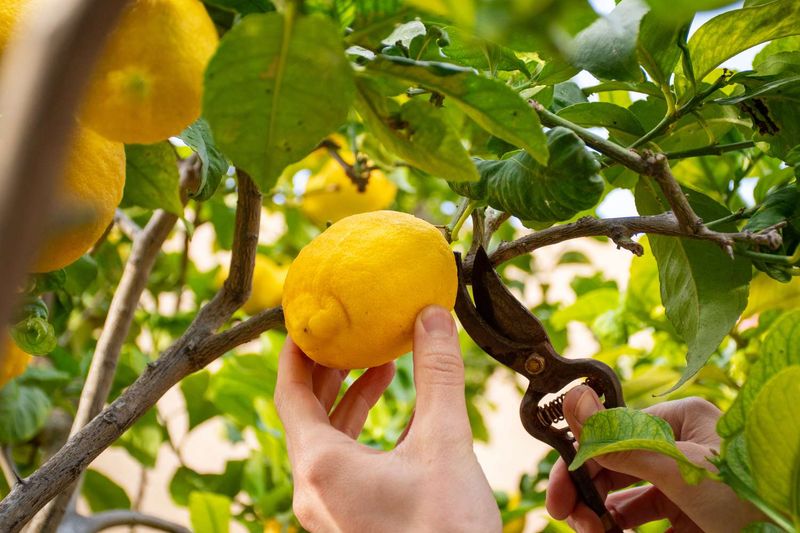
Late winter or early spring is the ideal time to prune lemon trees, just before new growth begins. Remove dead, diseased, or crossing branches first.
Thin out crowded areas to improve air circulation and sunlight penetration throughout the canopy. This prevents fungal diseases and promotes even fruit development.
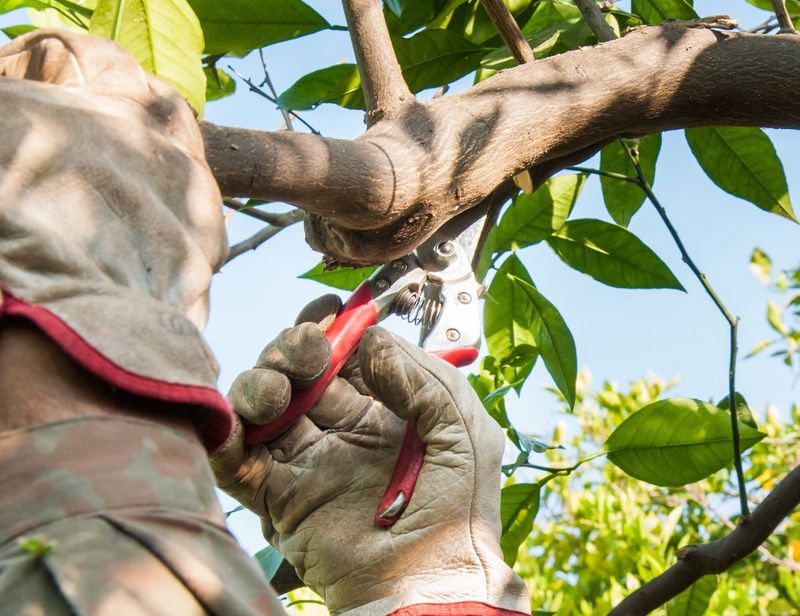
Always use clean, sharp pruning shears to make smooth cuts that heal quickly and reduce infection risk.
5. Fertilizer Timing Secrets for Maximum Growth
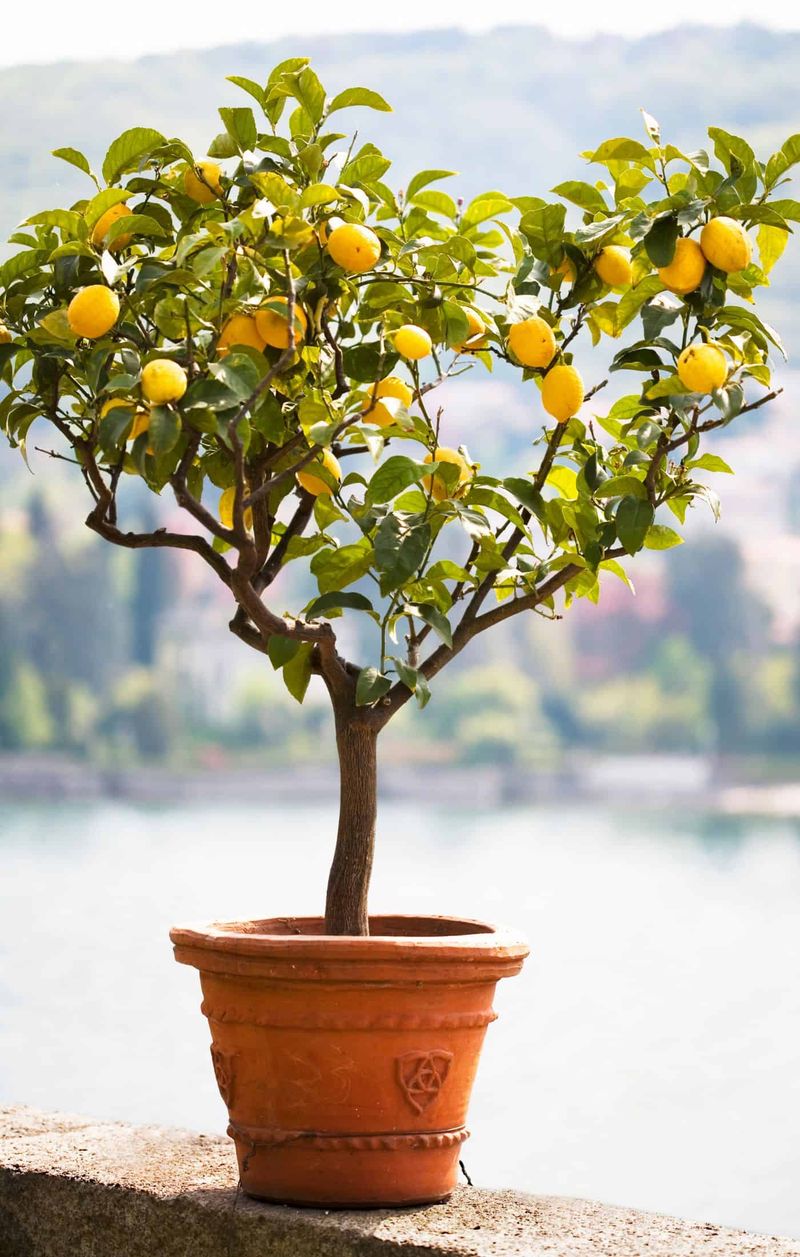
Feed your lemon trees three times per year: early spring, late spring, and mid-summer. Use a citrus-specific fertilizer with balanced nitrogen, phosphorus, and potassium.
Avoid fertilizing in fall or winter when trees are dormant. Late-season feeding can stimulate new growth that’s vulnerable to frost damage.
Organic options like compost, fish emulsion, or aged manure provide slow-release nutrients that won’t burn roots.
6. Sunlight Requirements That Most People Miss
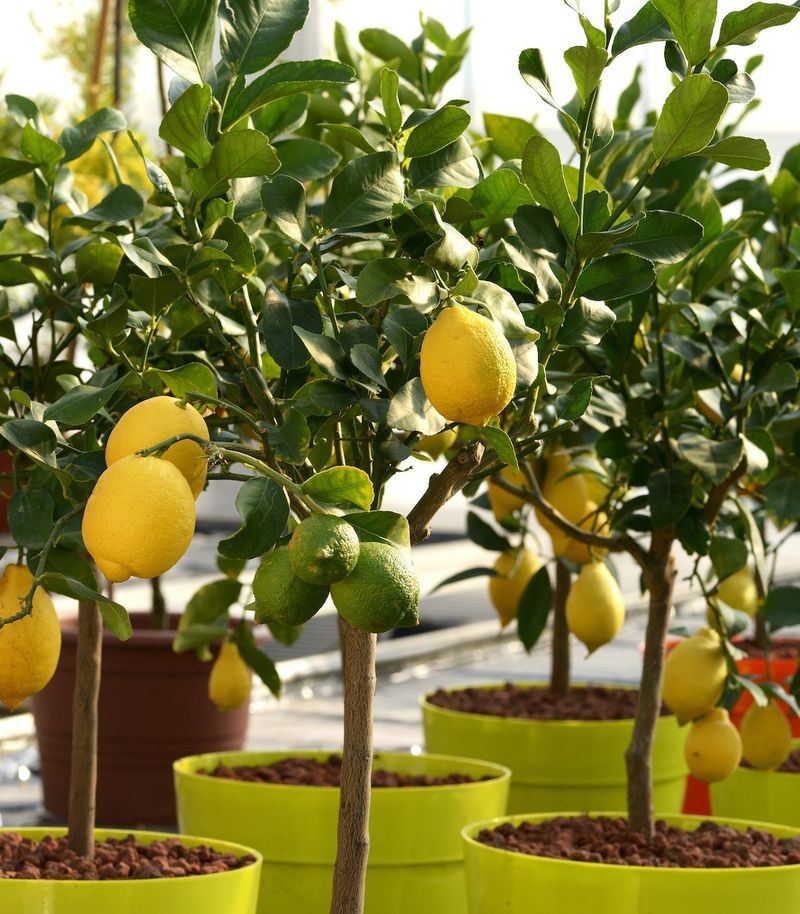
Lemon trees need at least eight hours of direct sunlight daily for optimal fruit production. Even partial shade can reduce yields significantly.
South-facing locations provide the most consistent sun exposure throughout the day. Avoid planting near large buildings or trees that cast shadows.
If you’re growing in containers, rotate them weekly so all sides receive equal light exposure for balanced growth.
7. Container Growing Tricks for Small Spaces
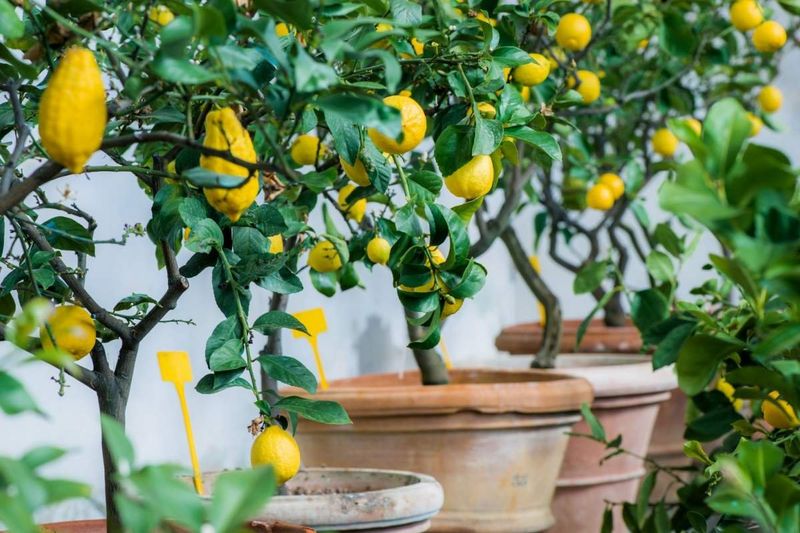
Choose containers at least 20 gallons in size with excellent drainage holes. Smaller pots restrict root growth and limit fruit production potential.
Use high-quality potting mix designed for citrus trees rather than garden soil, which becomes too heavy and poorly draining in containers.
Move potted trees indoors when temperatures drop below 50°F to protect them from cold damage that reduces next year’s harvest.
8. Hand Pollination Increases Fruit Set
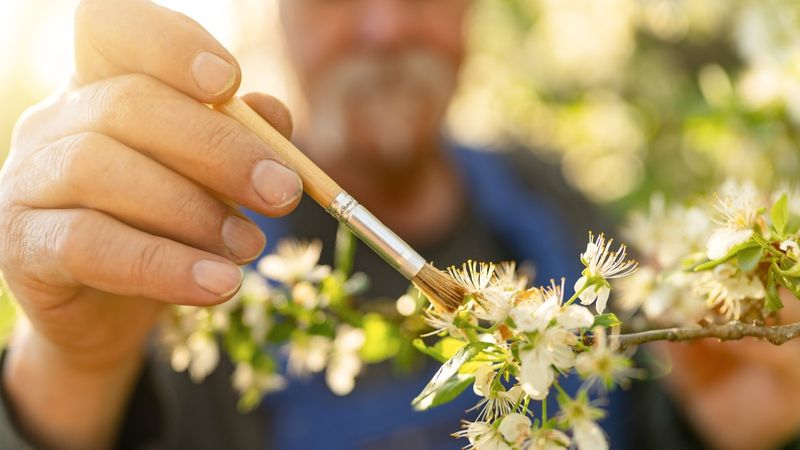
While lemon trees are self-pollinating, hand pollination can dramatically increase fruit production, especially for indoor or greenhouse plants.
Use a small paintbrush to transfer pollen from the male parts (stamens) to the female parts (pistils) of flowers. Do this in the morning when pollen is most viable.
This technique is particularly helpful when natural pollinators like bees are scarce in your area.
9. Temperature Control for Consistent Harvests
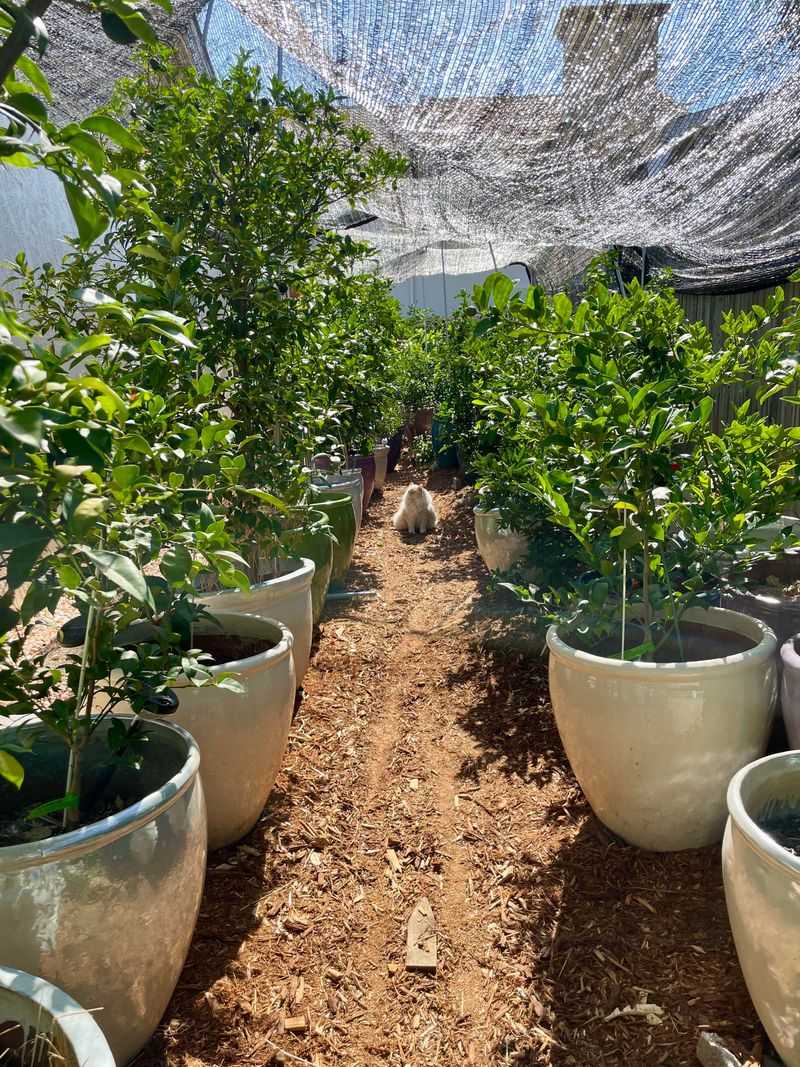
Lemon trees thrive in temperatures between 55°F and 85°F. Extreme heat above 100°F can cause flower drop and reduce fruit set significantly.
Provide afternoon shade during summer heat waves using shade cloth or strategically placed umbrellas. This prevents stress that leads to poor harvests.
Cold protection is equally important; even brief exposure to freezing temperatures can damage both fruit and future flowering potential.
10. Pest Management Without Harmful Chemicals
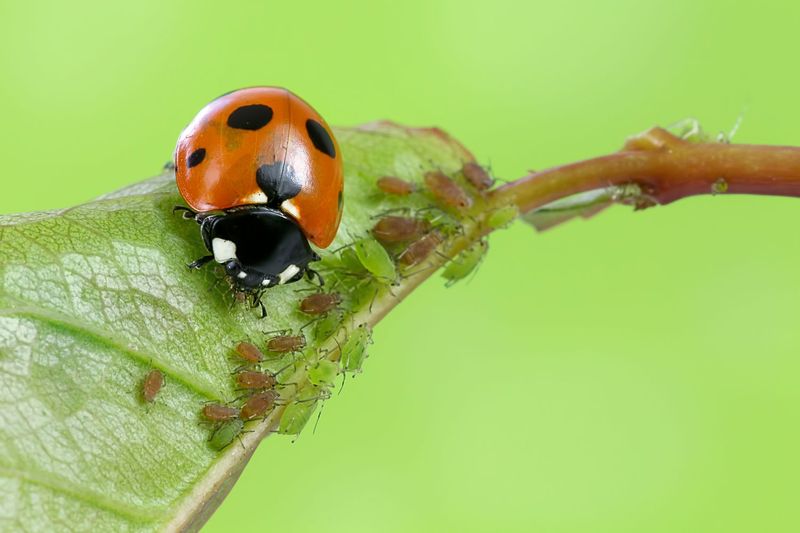
Beneficial insects like ladybugs and lacewings naturally control aphids and other pests that damage lemon trees. Avoid broad-spectrum pesticides that kill these helpers.
Spray trees with neem oil or insecticidal soap for organic pest control that won’t harm beneficial insects or contaminate your fruit.
Regular inspection helps catch problems early when they’re easier to manage with gentle, natural methods.
11. Proper Harvesting Techniques Extend Production
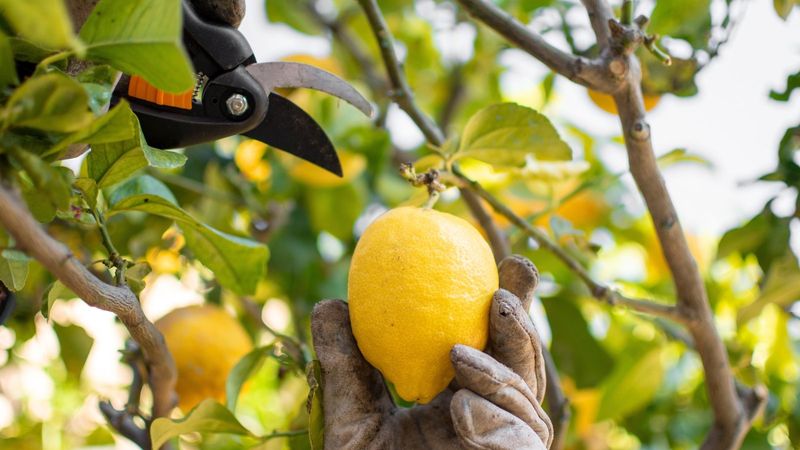
Pick lemons when they’re fully colored but still firm to the touch. Overripe fruit left on trees can reduce overall production by draining energy from new growth.
Use pruning shears instead of pulling fruit off branches, which can damage stems and reduce future flowering sites.
Harvest regularly throughout the season to encourage continuous fruit development and prevent branches from breaking under excessive weight.
12. Companion Planting Boosts Tree Health
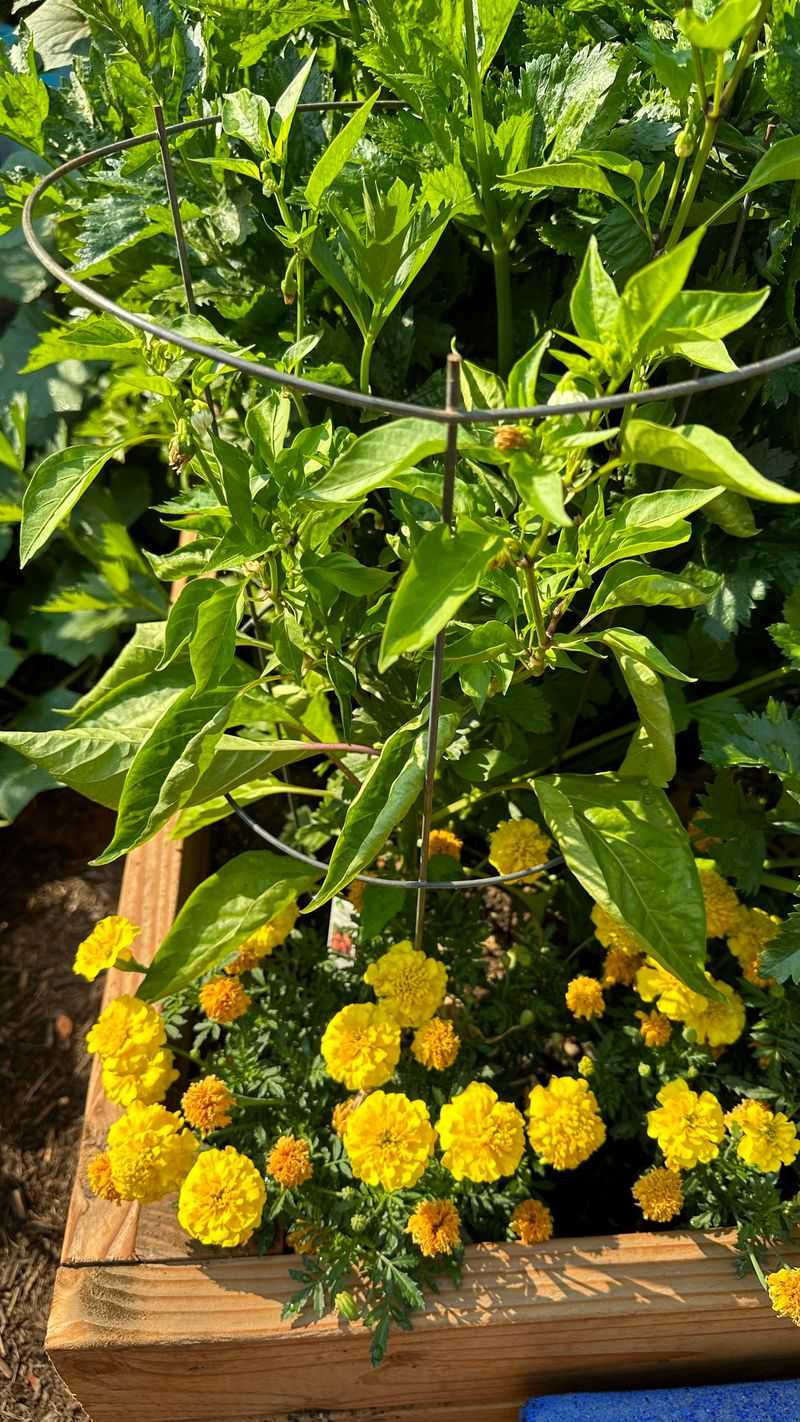
Plant herbs like basil, mint, and rosemary near your lemon trees to repel harmful insects naturally while attracting beneficial pollinators.
Avoid planting grass directly under trees, as it competes for nutrients and water. Instead, use ground covers like thyme or oregano.
Marigolds planted nearby can deter nematodes and other soil pests that damage root systems and reduce fruit production.
13. Micro-nutrient Supplements for Superior Fruit
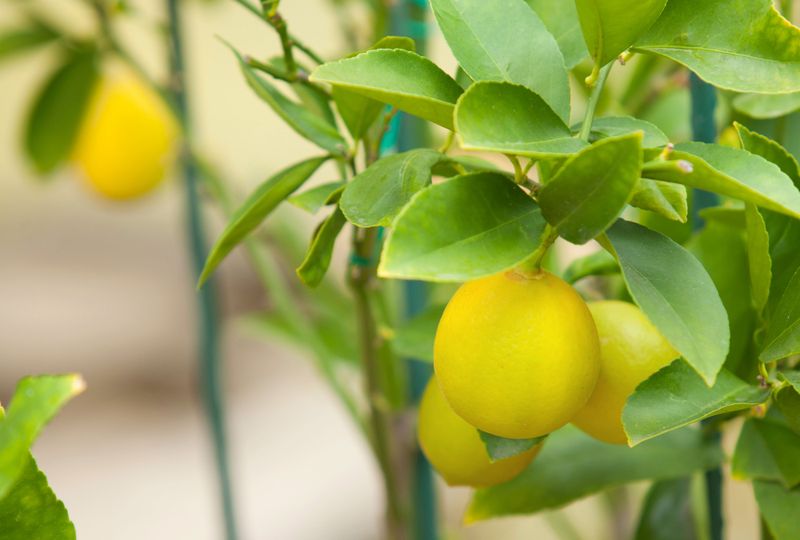
Lemon trees need trace elements like iron, magnesium, and zinc for optimal fruit development. Yellowing leaves often indicate micro-nutrient deficiencies.
Apply Epsom salt (magnesium sulfate) monthly during growing season by dissolving one tablespoon in a gallon of water.
Iron chelate supplements help prevent chlorosis, a common problem that reduces photosynthesis and overall tree vigor significantly.
14. Root Zone Management for Stronger Trees
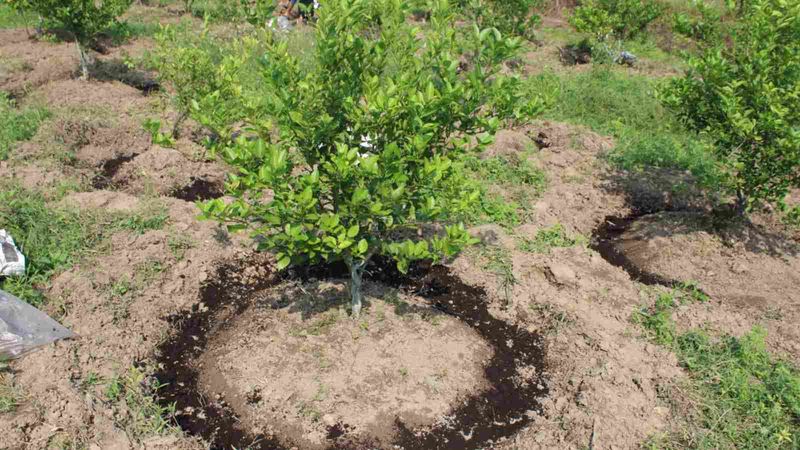
Keep the area within six feet of your lemon tree trunk free from foot traffic and heavy equipment. Soil compaction restricts root growth and nutrient uptake.
Aerate compacted soil using a garden fork, creating small holes that allow water and air to penetrate more effectively.
Build raised beds around existing trees if your soil has drainage problems that could lead to root rot.
15. Seasonal Care Adjustments Triple Results
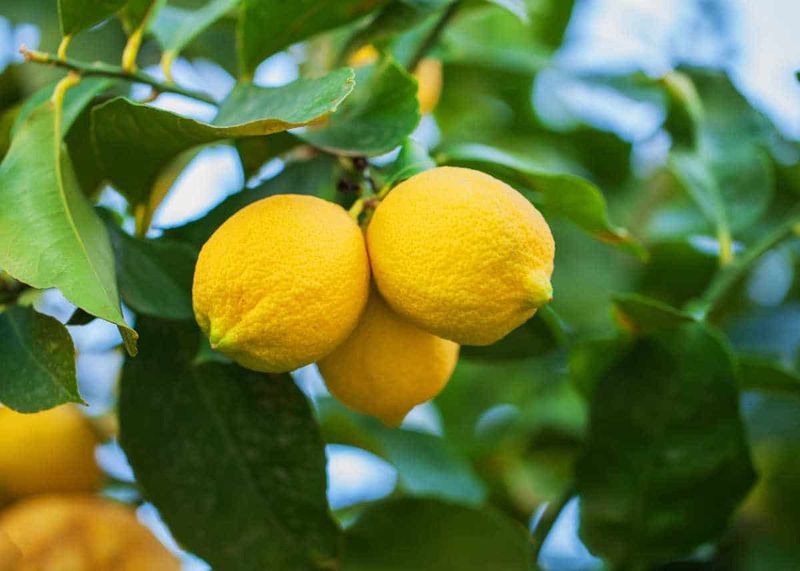
Adjust your care routine based on seasonal needs rather than following the same schedule year-round. Spring requires more frequent watering and fertilizing.
Summer focus should be on pest monitoring and heat protection. Fall preparation includes reducing watering and stopping fertilizer applications.
Winter care involves protecting from cold and planning for next year’s pruning schedule to maximize spring growth.
16. Disease Prevention Through Proper Air Flow
Fungal diseases thrive in humid, stagnant air conditions around lemon trees. Proper spacing and pruning create air circulation that prevents most problems.
Remove lower branches that touch the ground, as they provide pathways for soil-borne diseases to reach healthy parts of the tree.
Avoid overhead watering late in the day, which leaves moisture on leaves overnight and encourages fungal growth.
17. Growth Hormone Applications for Bigger Yields
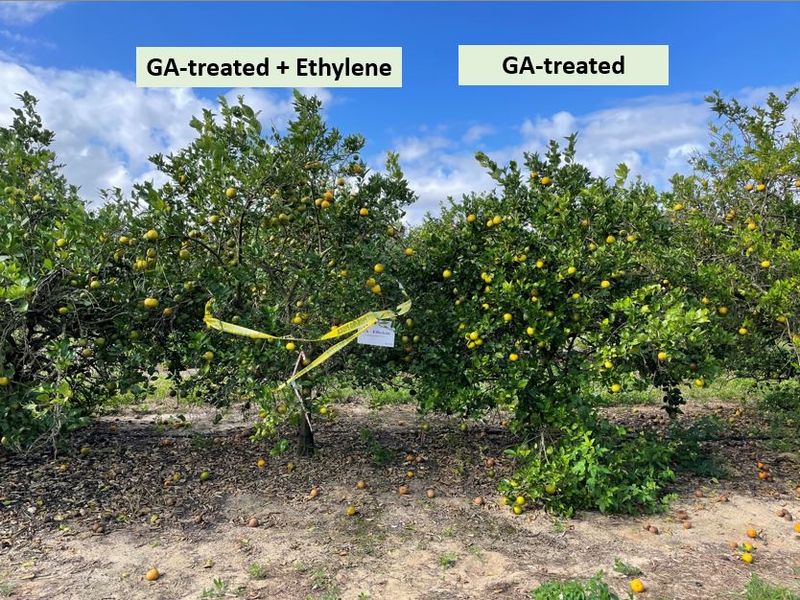
Natural growth hormones like auxins can increase fruit set and size when applied during flowering season. Use products specifically designed for citrus trees.
Gibberellic acid applications help prevent fruit drop, a common problem that reduces overall harvest significantly. Follow label directions carefully for best results.
Timing is crucial; apply growth hormones when flowers are just beginning to open for maximum effectiveness and safety.