
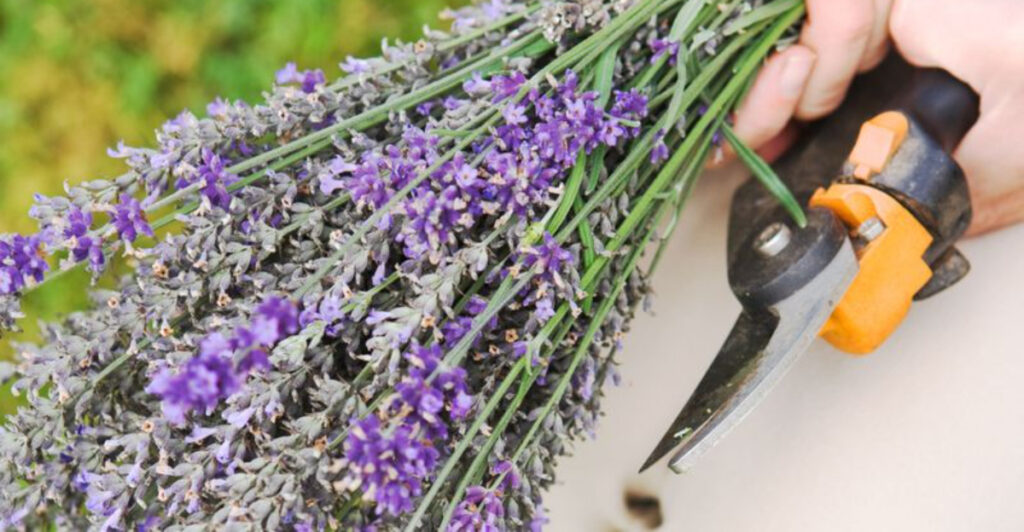
Nothing beats the sweet scent of lavender blooming in your garden all summer long.
Many gardeners worry their lavender plants will stop flowering after the first bloom, but proper summer pruning can keep those purple spikes coming back for months.
With the right timing and techniques, you can encourage your lavender to produce fresh flowers well into fall.
1. Time It Right for Maximum Blooms
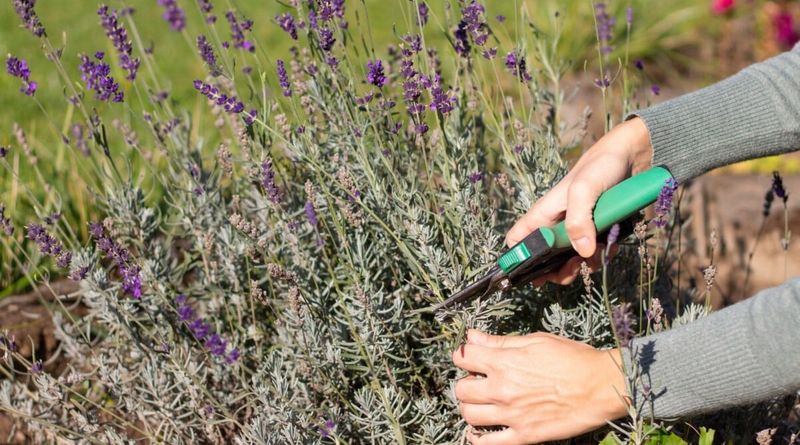
Timing makes all the difference when pruning lavender for repeat blooms. The sweet spot comes immediately after your first flush of flowers begins to fade, usually between mid-July and early August.
Waiting too long means new growth won’t have enough time to mature before winter frost arrives. Your lavender needs at least six to eight weeks to develop strong stems that can survive cold weather.
Mark your calendar when flowers first appear, then watch for that perfect moment when blooms start looking tired and spent.
2. Clean Sharp Tools Prevent Plant Disease
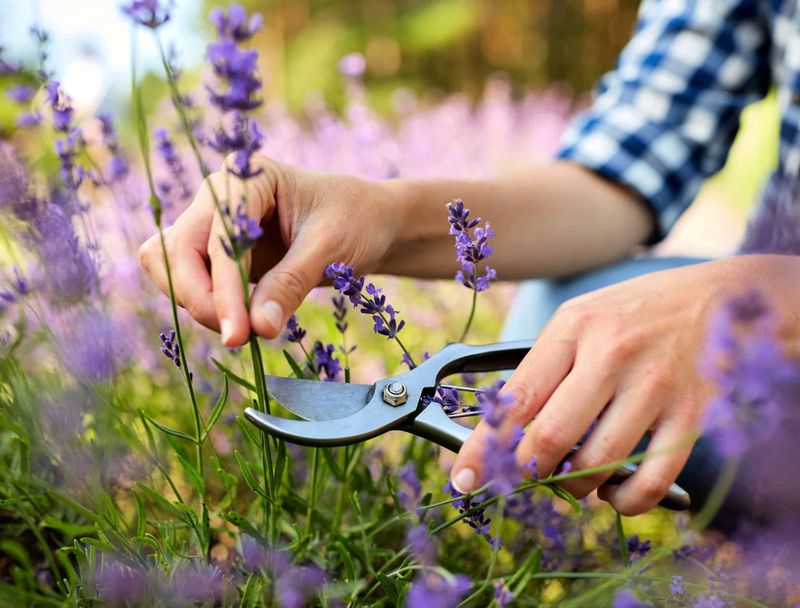
Your pruning shears are like surgical instruments for your lavender plants. Clean, sharp blades create smooth cuts that heal quickly, while dull or dirty tools can introduce harmful bacteria and fungi.
Before you start cutting, wipe your shears with rubbing alcohol or a bleach solution. This simple step prevents spreading diseases between plants, especially if you’re working with multiple lavender bushes.
Sharp tools also make the job easier and more enjoyable, giving you precise control over every cut you make.
3. Never Cut Into Old Woody Stems
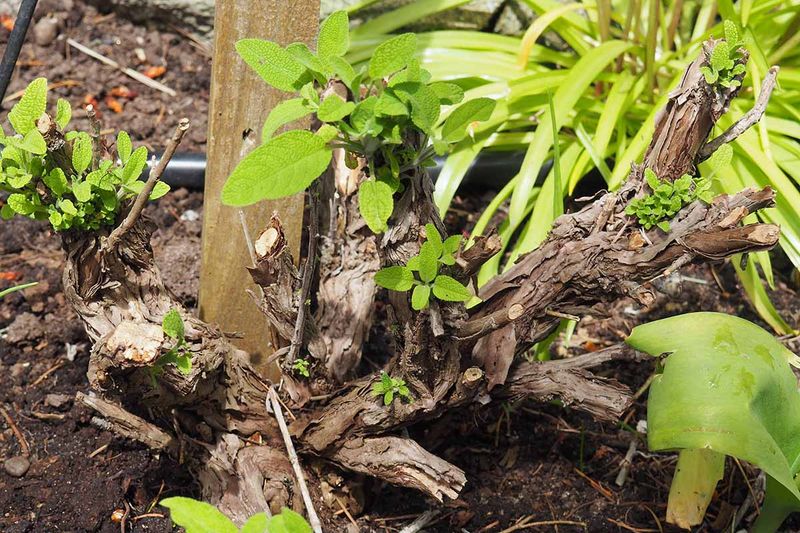
Here’s the golden rule that separates successful lavender pruners from frustrated gardeners: only trim the soft, green growth at the top of your plants. Those thick, woody stems at the base might look sturdy, but they’re actually your lavender’s weak spot.
Unlike many plants, lavender struggles to regenerate from old wood and may never recover from deep cuts. Focus your attention on the flexible, newer growth where flowers and leaves emerge.
When in doubt, bend the stem gently – if it flexes easily, it’s safe to cut.
4. Trim One-Third for Bushier Growth
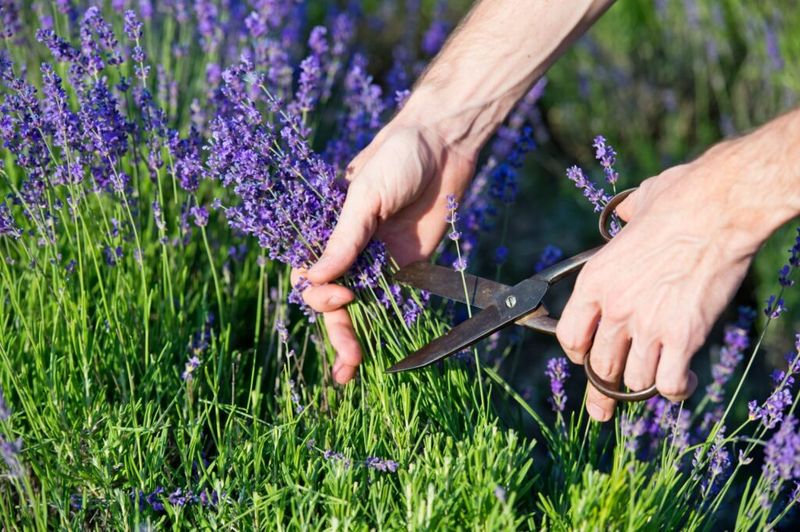
Think of your lavender as getting a stylish haircut rather than a buzz cut. Removing about one-third of the plant’s height encourages thick, bushy growth while promoting another round of beautiful flowers.
This magic ratio gives your lavender enough energy to bounce back quickly without shocking the plant’s system. Measure roughly with your eyes or use your hand as a guide to estimate the right amount.
Being too conservative won’t stimulate new growth, while cutting too much can stress your plant and delay flowering.
5. Shape Plants Into Neat Mounds
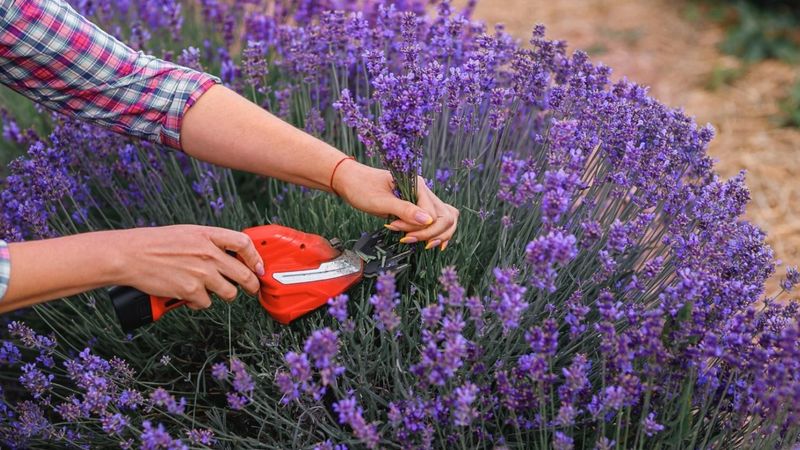
Professional gardeners know that shaping while pruning creates healthier, more attractive lavender plants. Aim for a rounded, dome-like appearance that allows air to circulate freely through all parts of the plant.
Good airflow prevents moisture buildup that can lead to fungal problems, especially in humid climates. Start from the outside and work your way around, stepping back occasionally to check your progress.
A well-shaped plant also prevents the center from becoming sparse and woody, keeping your lavender looking full and vibrant for years.
6. Remove Spent Flower Spikes Completely
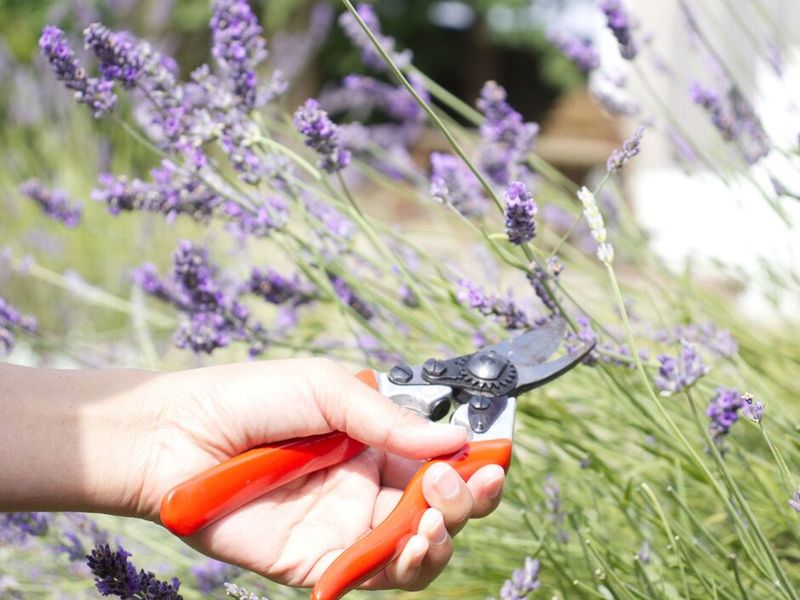
Those faded flower stalks might look harmless, but they’re actually energy vampires stealing resources from your lavender’s next bloom cycle. Snip them off just above the nearest set of leaves to redirect the plant’s focus.
When lavender puts energy into making seeds, it has less power available for producing fresh flowers. By removing spent blooms, you’re essentially tricking the plant into thinking it needs to try again.
This technique works especially well with repeat-blooming varieties that can flower multiple times throughout the growing season.
7. Avoid Pruning During Extreme Heat
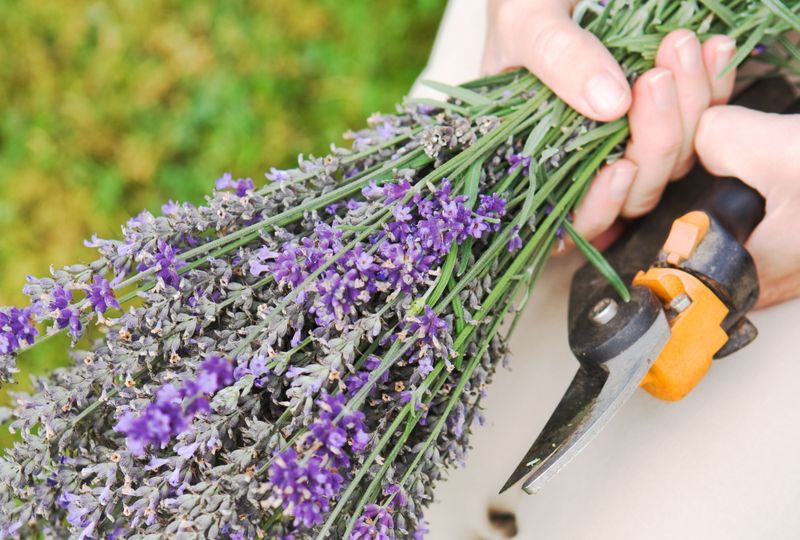
Your lavender plants are already working hard to stay cool during summer heat waves, so adding pruning stress can push them over the edge. Early morning or late afternoon sessions work best when temperatures are more manageable.
Freshly cut plants lose moisture faster than usual, making them vulnerable to heat damage and wilting. Cool, calm conditions help your lavender recover more quickly from pruning.
If you must prune during hot weather, provide temporary shade with a cloth or umbrella until your plants adjust to their new shape.
8. Deadhead Regularly Throughout Summer
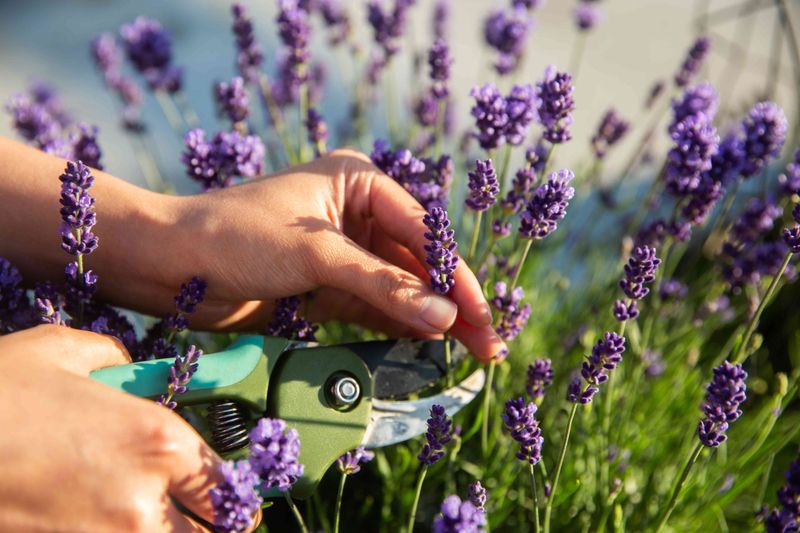
Think of deadheading as giving your lavender plants gentle encouragement rather than major surgery. Light, regular removal of faded flowers keeps the blooming party going strong, especially with English and French lavender varieties.
You don’t need special tools for this job – simply pinch off tired flowers with your fingers or use small scissors. Make it part of your evening garden routine when you’re watering or just enjoying your outdoor space.
Regular deadheading also keeps your garden looking tidy and prevents self-seeding in areas where you don’t want new plants.
9. Water Lightly After Pruning
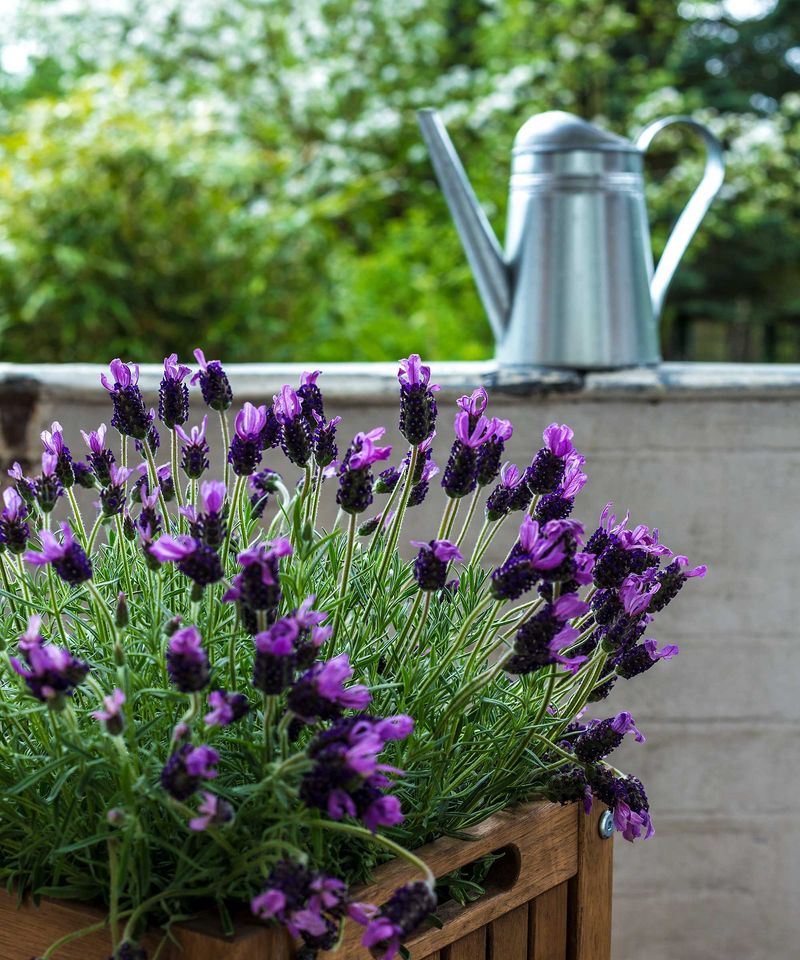
Freshly pruned lavender needs just enough water to support new growth, but not so much that you create soggy soil conditions. Think of it as offering a refreshing drink rather than a flood.
Root rot is lavender’s biggest enemy, and newly cut plants are especially vulnerable to overwatering problems. These Mediterranean natives prefer slightly dry conditions that might seem harsh to other garden plants.
A light watering every few days should be plenty, adjusting based on your local rainfall and soil drainage conditions.
10. Skip Fertilizer for Better Blooms
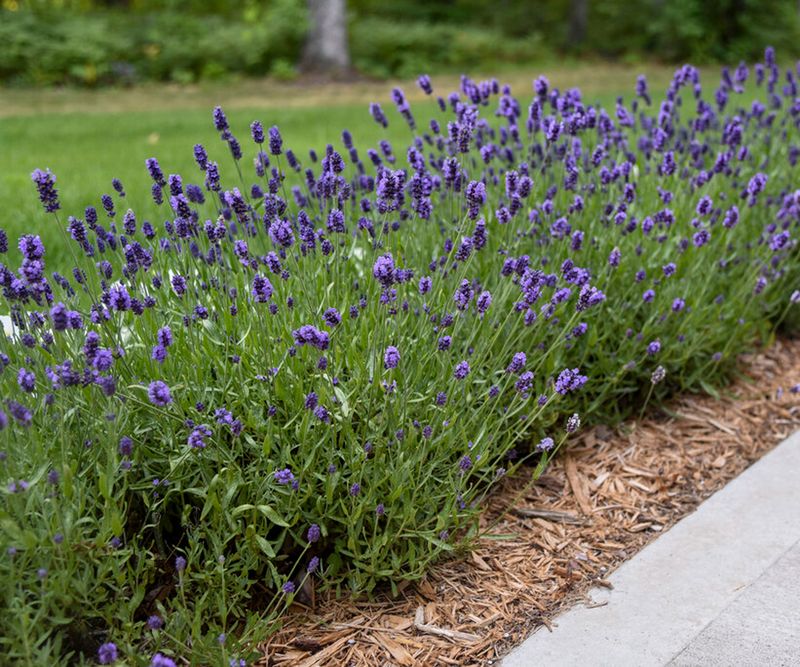
Resist the urge to feed your lavender after pruning, even though it might seem like the caring thing to do. These tough plants actually produce more flowers when they’re slightly stressed by poor soil conditions.
Fertilizers encourage leafy growth at the expense of flower production, leaving you with a green bush that smells great but lacks those coveted purple spikes. Rich soil can also make stems soft and prone to flopping over.
Your lavender will thank you for this tough love approach by rewarding you with abundant, fragrant blooms all season long.