
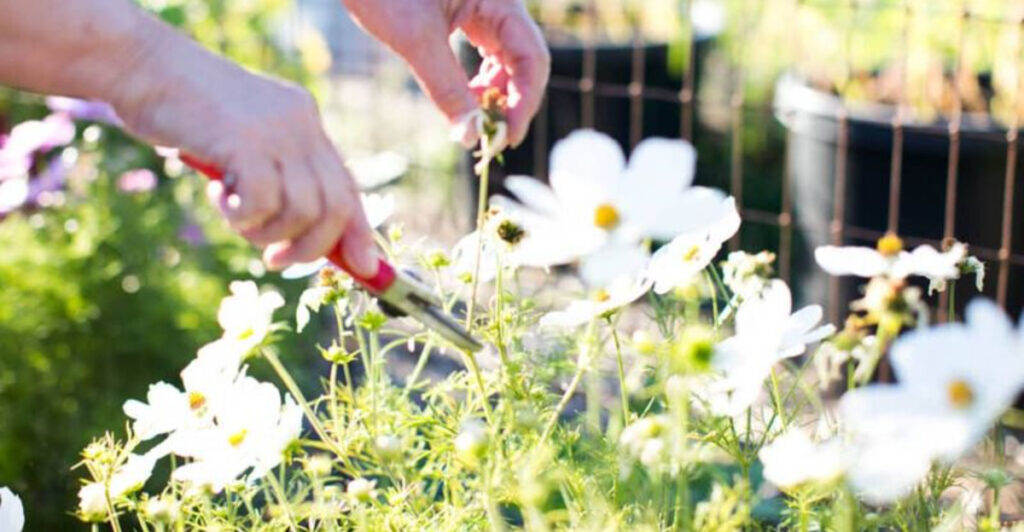
July brings peak blooming season, but many gardeners miss a simple trick that keeps flowers gorgeous all summer long.
Deadheading – removing spent blooms – encourages plants to produce more flowers instead of going to seed.
Smart gardeners know this monthly maintenance creates stunning displays that last well into fall.
1. Roses
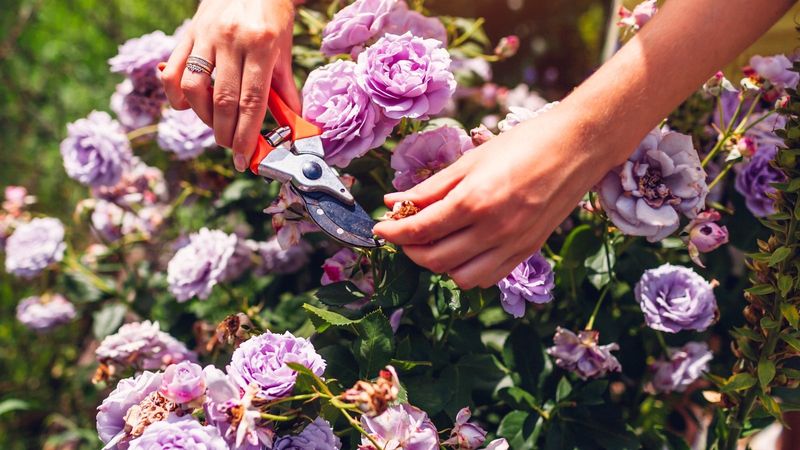
Nothing beats the romance of roses blooming continuously through summer heat. Regular deadheading keeps these garden queens producing fresh buds instead of developing hips.
Cut stems back to the first five-leaflet leaf, making your slice at a 45-degree angle. This simple technique redirects energy into new growth rather than seed production.
Your reward? Wave after wave of fragrant blooms that keep coming until frost arrives.
2. Petunias
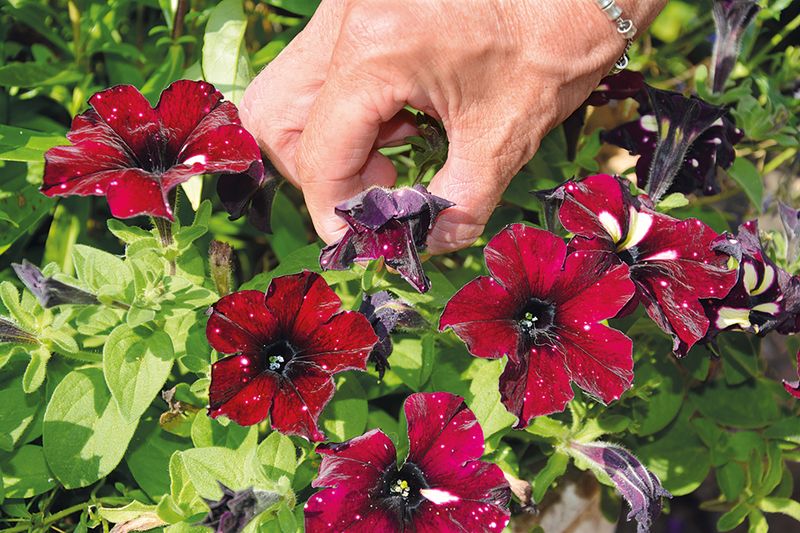
Cheerful petunias can look tired and leggy by midsummer without proper care. These colorful annuals respond amazingly well to deadheading, bouncing back with renewed vigor.
Pinch off faded flowers right where they meet the stem. Don’t worry about being too precise – petunias are forgiving plants that appreciate a good cleanup.
Within days, you’ll notice fresh buds forming and your containers looking full and vibrant again.
3. Marigolds
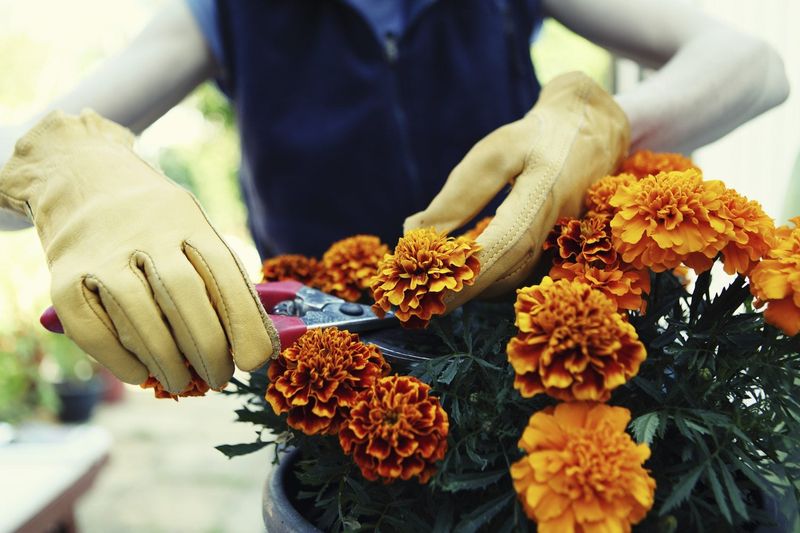
Sturdy marigolds earn their place as garden workhorses, blooming reliably in heat that wilts other flowers. However, they can get quite shabby-looking without regular grooming.
Snap off spent blooms weekly, getting the entire flower head plus a bit of stem. The papery, brown flowers come off easily when you twist gently.
Fresh orange and yellow blooms will keep appearing, creating that classic cottage garden look everyone loves.
4. Zinnias
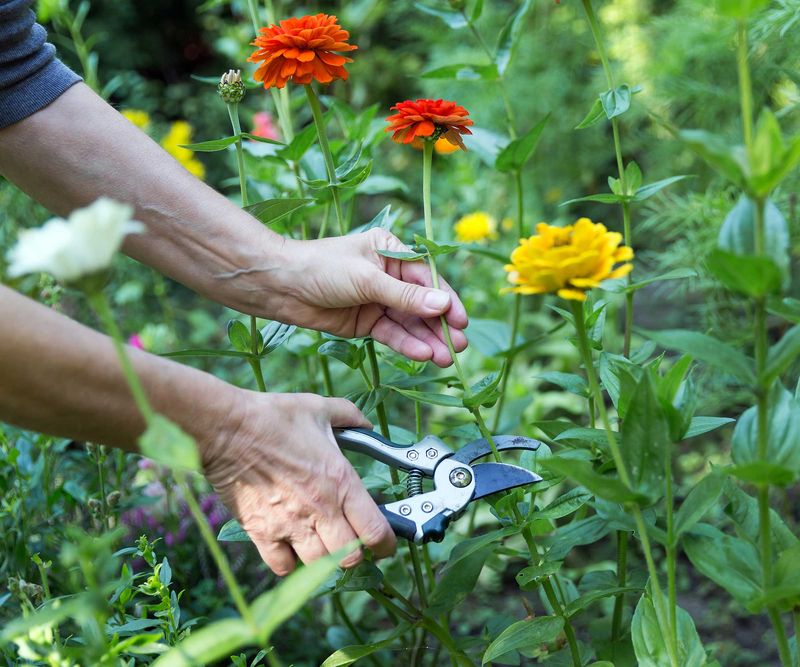
Zinnias bring butterfly-magnet power to any garden, but spent blooms can make them look messy fast. These fast-growing annuals practically beg for regular deadheading sessions.
Cut stems back to the next set of buds or leaves using clean garden snips. The thick stems require a bit more effort than softer flowers.
Your patience pays off with an explosion of new blooms in every color imaginable, keeping butterflies happy all season long.
5. Cosmos
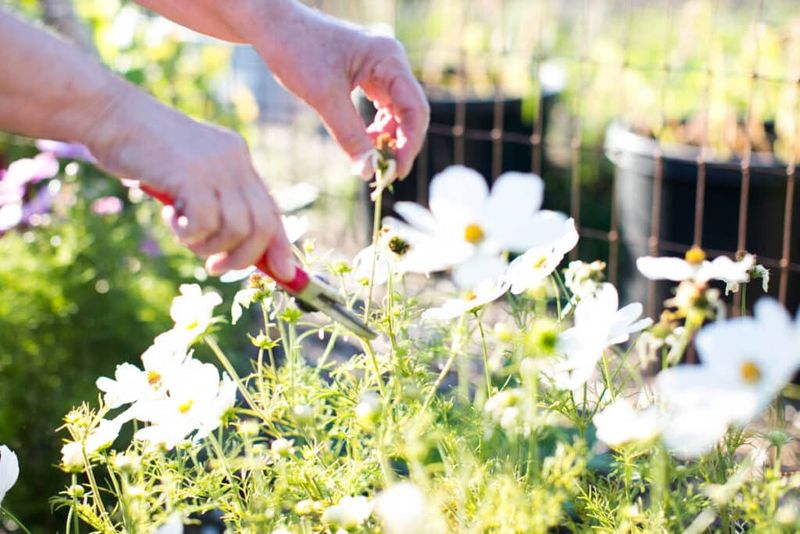
Delicate cosmos dance in summer breezes, creating an airy, cottage garden feel that’s hard to resist. Without deadheading, they quickly go to seed and stop producing flowers.
Snip stems back to the next branching point or bud cluster. The thin stems cut easily with scissors or your fingernails.
Keeping up with this simple task ensures continuous waves of daisy-like blooms that sway gracefully until fall frosts arrive in your garden beds.
6. Geraniums
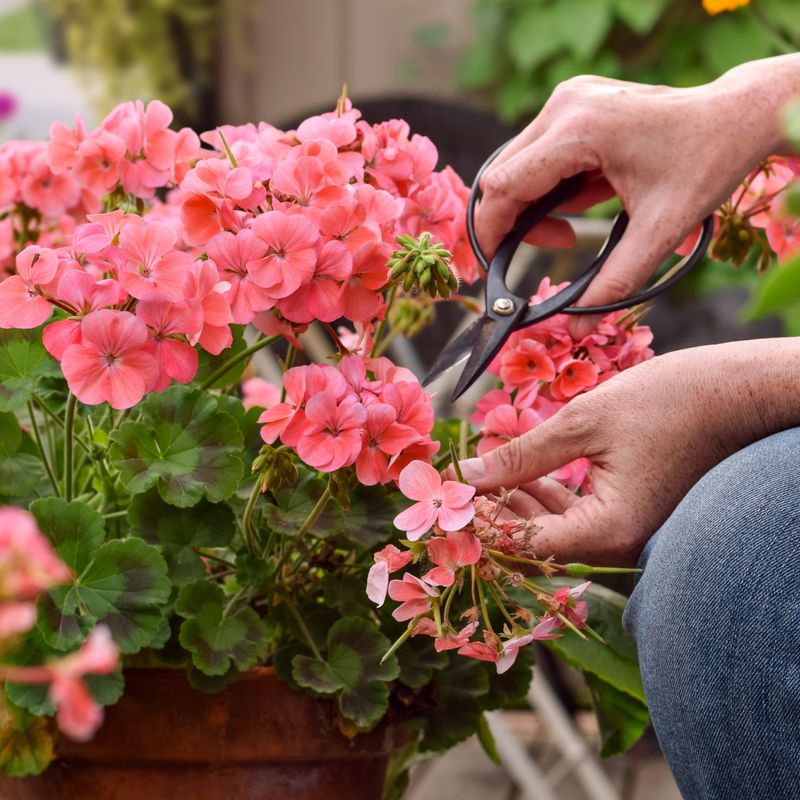
Classic geraniums anchor container gardens with their bold, rounded flower clusters and distinctive scent. Deadheading keeps these reliable performers looking their absolute best.
Remove entire flower stems where they join the main plant, not just individual flowers. The thick, succulent stems snap off cleanly when bent sideways.
Regular grooming prevents the plant from getting leggy while encouraging compact growth and continuous blooming throughout the hottest summer months.
7. Salvia
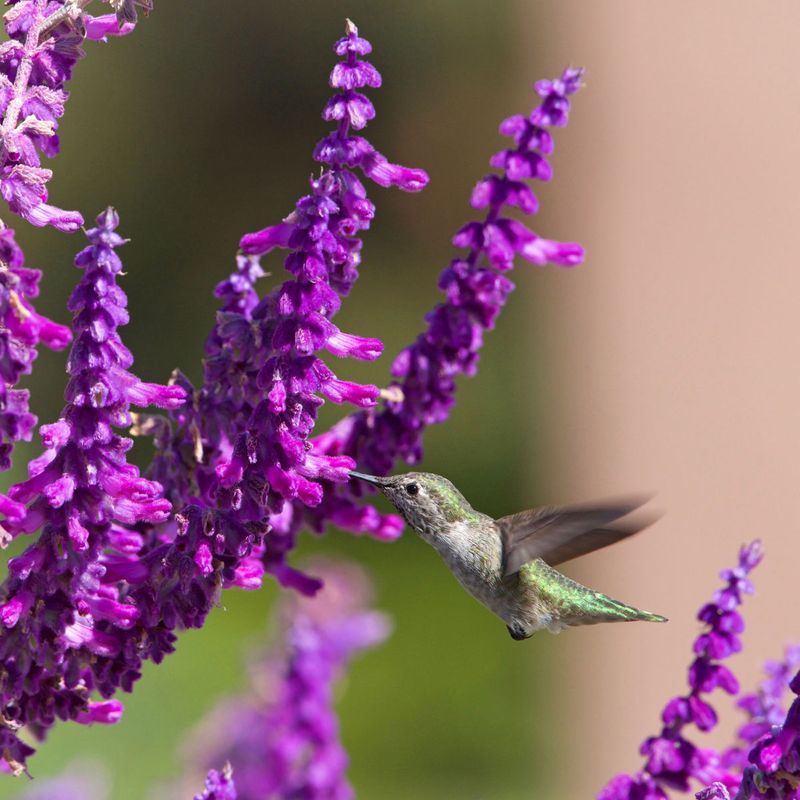
Spiky salvia flowers attract hummingbirds like magnets, creating vertical interest in flower borders. These heat-lovers keep producing when you stay on top of deadheading duties.
Cut flower spikes back to the next set of buds or where new side shoots are forming. Use sharp pruners for clean cuts on woody stems.
Multiple flushes of blooms reward your efforts, keeping hummingbirds visiting your garden regularly while adding bold color to summer landscape designs.
8. Snapdragons
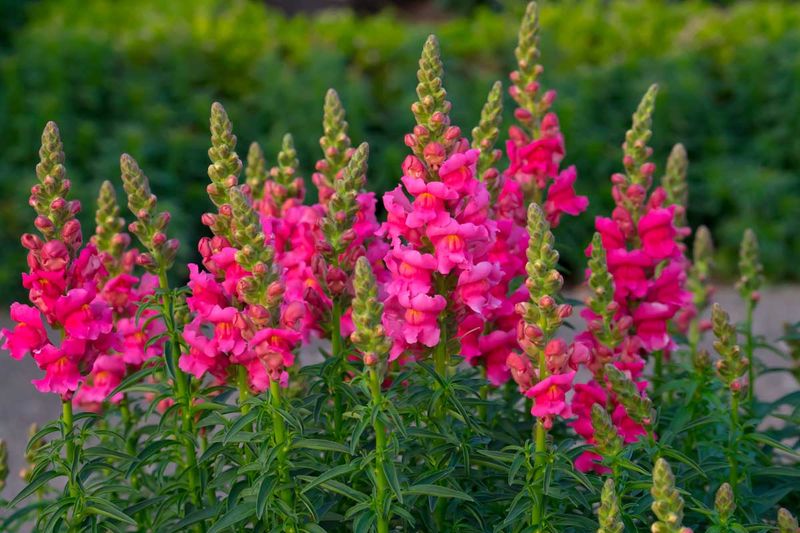
Snapdragons bring childhood memories flooding back with their pinchable blooms that open and close like tiny dragon mouths. July deadheading keeps the magic going strong.
Cut flower spikes back to lateral buds or shoots growing from leaf joints. This encourages branching and more flower production.
Cool-season favorites often struggle in summer heat, but deadheading helps them push through tough weather and continue blooming into early fall months.
9. Delphiniums
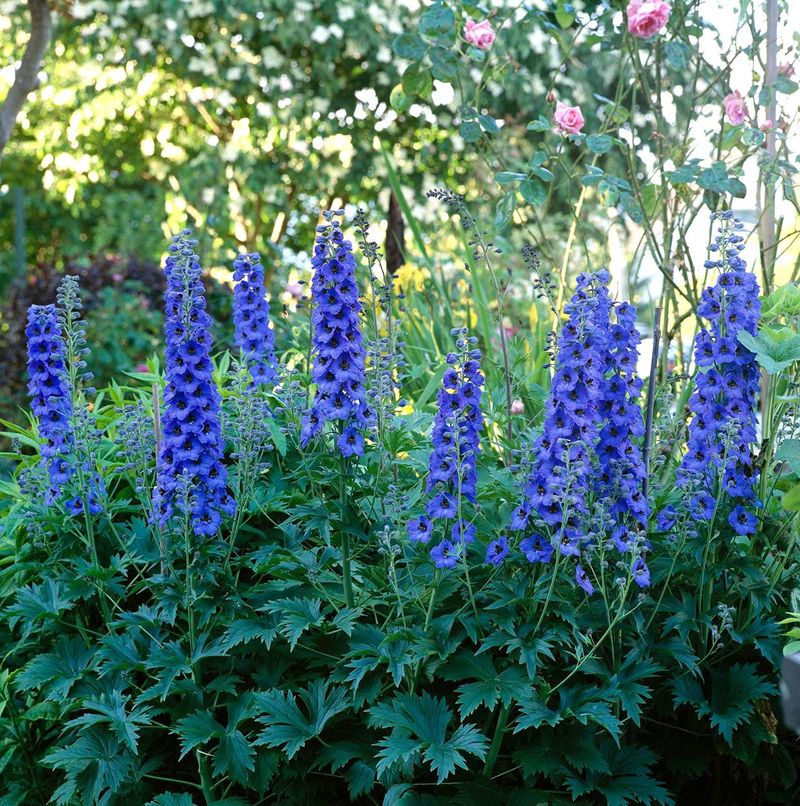
Towering delphiniums create dramatic backdrops with their castle-spire blooms, but they need special deadheading attention to perform their best tricks.
Cut main flower spikes down to smaller side shoots after blooming finishes. These secondary shoots often produce another round of flowers.
Many gardeners don’t realize delphiniums can bloom twice in one season with proper care, making this extra effort absolutely worthwhile for spectacular garden displays.
10. Lantana
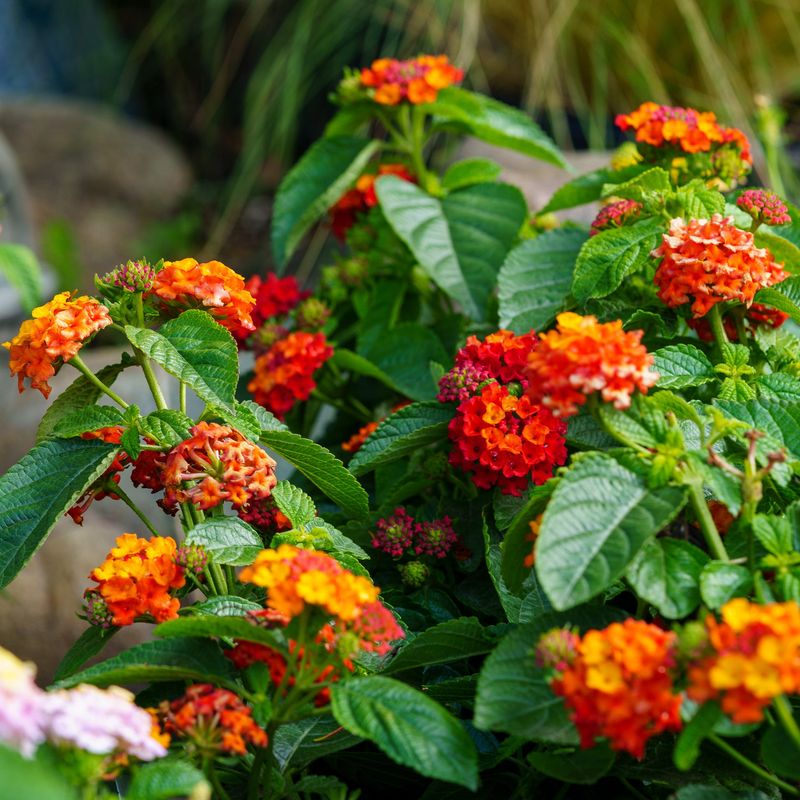
Heat-loving lantana shrugs off summer scorchers while attracting butterflies with its clustered blooms. This tough customer responds beautifully to regular deadheading sessions.
Pinch or cut off spent flower clusters, leaving healthy green growth below. New buds often form right at the base of old flowers.
Continuous blooming keeps butterfly visitors happy while the plant maintains its neat, rounded shape instead of getting wild and overgrown looking.
11. Coreopsis
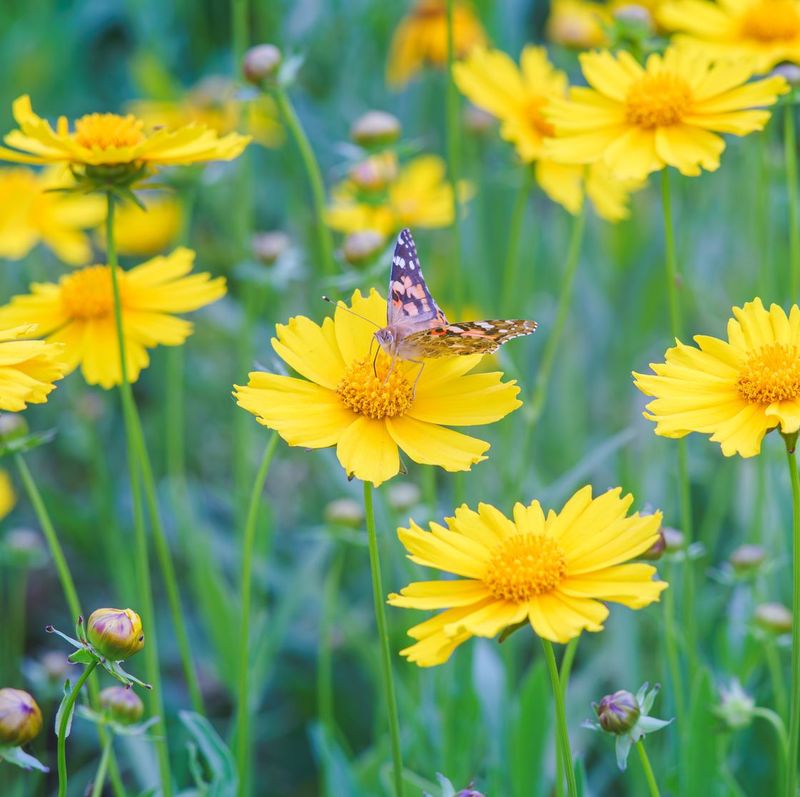
Cheerful coreopsis earns its common name “tickseed” from its distinctive seed heads, but you want blooms, not seeds, for summer color impact.
Shear back spent flowers regularly, cutting stems to the next set of buds. Some gardeners use hedge shears for mass plantings.
This native wildflower keeps producing sunny yellow blooms when deadheaded properly, creating natural-looking drifts that blend beautifully with other prairie-style garden plants.
12. Phlox
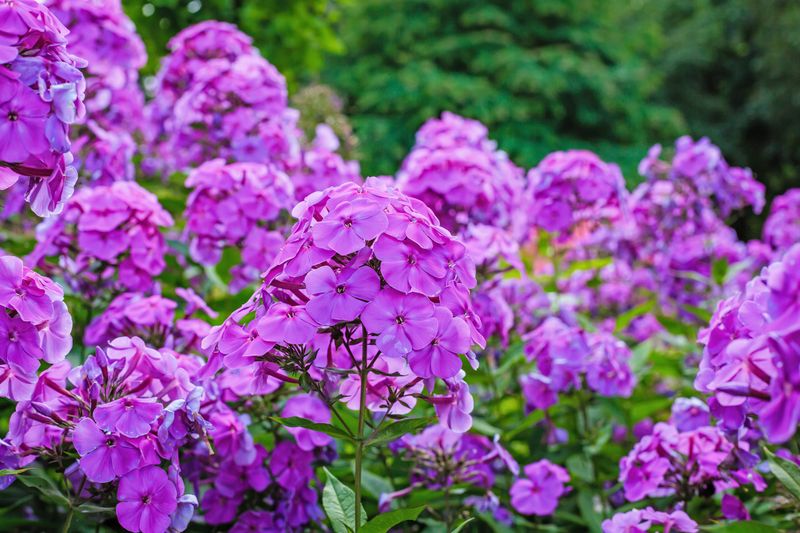
Fragrant phlox creates cottage garden romance with its dense flower clusters and sweet evening scent. Deadheading prevents unwanted self-seeding while extending bloom time significantly.
Remove entire flower heads back to side shoots or leaf joints. This prevents the plant from reverting to less desirable colors.
Garden phlox often self-sows into muddy purple shades, so deadheading maintains your carefully chosen color scheme while encouraging better air circulation around plants.
13. Rudbeckia
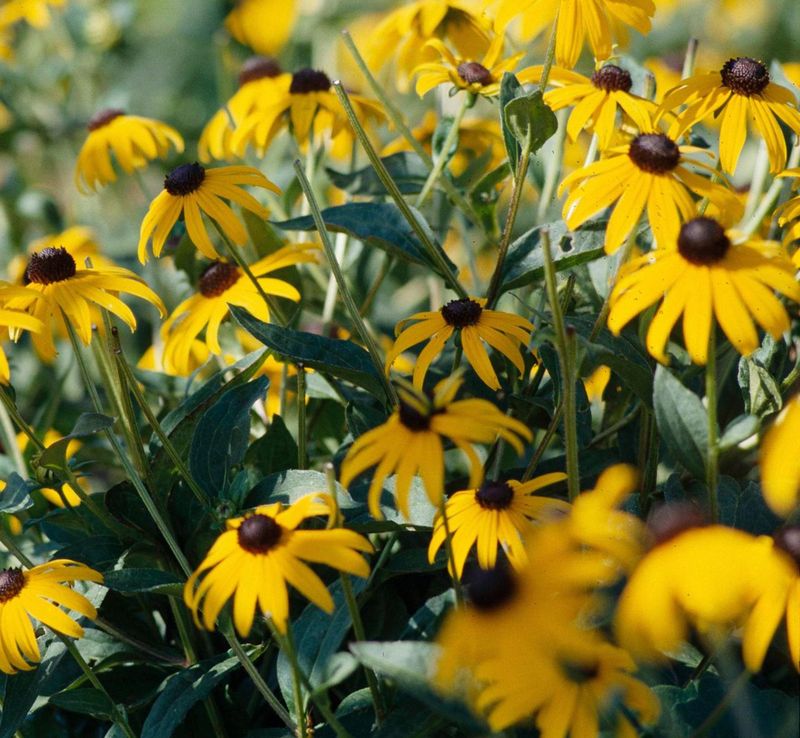
Black-eyed Susans bring prairie charm to modern gardens with their golden petals and dark centers. These tough perennials bloom longer with consistent deadheading attention.
Cut stems back to the next branching point or emerging buds. The sturdy stems require sharp pruners for clean cuts.
Late-season deadheading decisions matter here – stop cutting in early fall if you want winter seed heads for birds and natural garden interest.
14. Verbena
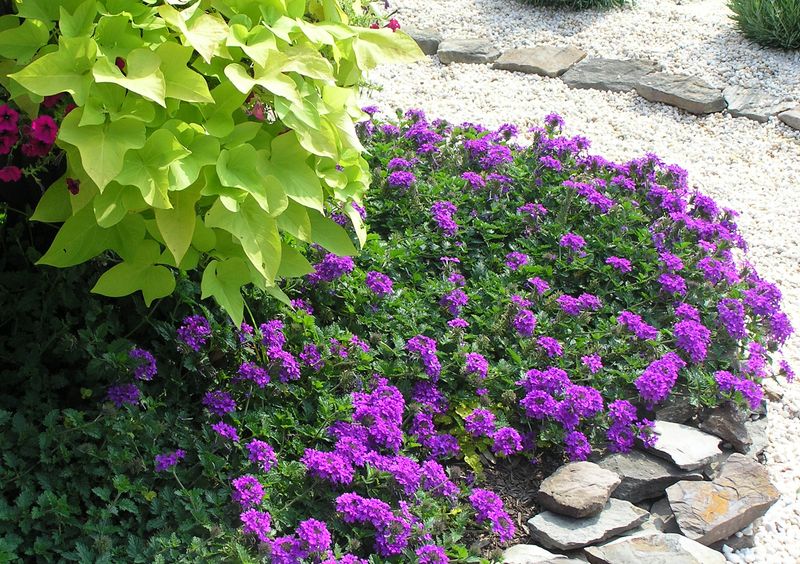
Low-growing verbena creates colorful carpets that spill beautifully from containers and garden edges. Regular deadheading keeps these spreading annuals looking tidy and productive.
Pinch off spent flower clusters where they meet the stem. The small flowers cluster together, making removal quick and easy.
Trailing varieties especially benefit from this attention, maintaining their cascading shape while producing fresh blooms that attract beneficial insects to your garden spaces.
15. Catmint
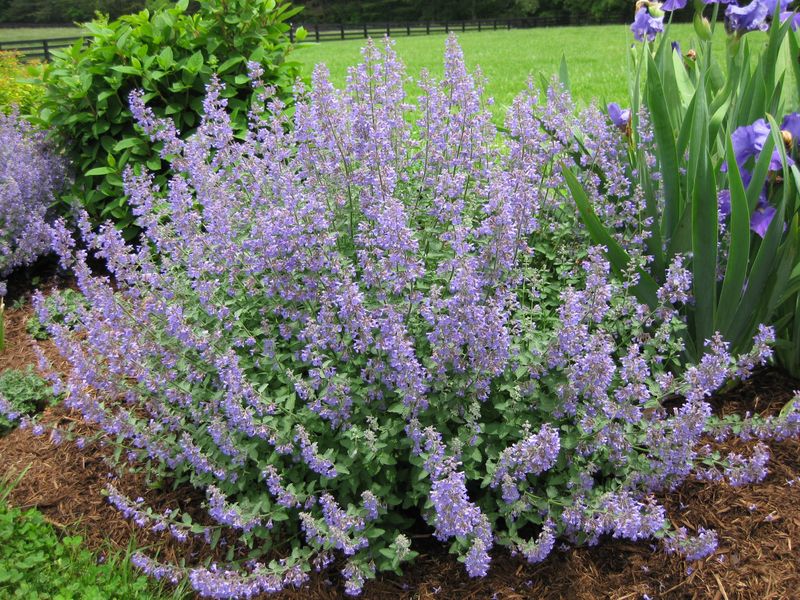
Aromatic catmint combines beautiful blue-purple spikes with drought tolerance that makes it a garden superstar. Cats love it, but gardeners appreciate its low-maintenance blooming habits.
Shear back flower spikes after the first flush finishes blooming. Cut back by about one-third for the best results.
This perennial often rewards summer shearing with a fresh round of blooms in fall, plus the silvery foliage looks attractive even between flowering periods.