
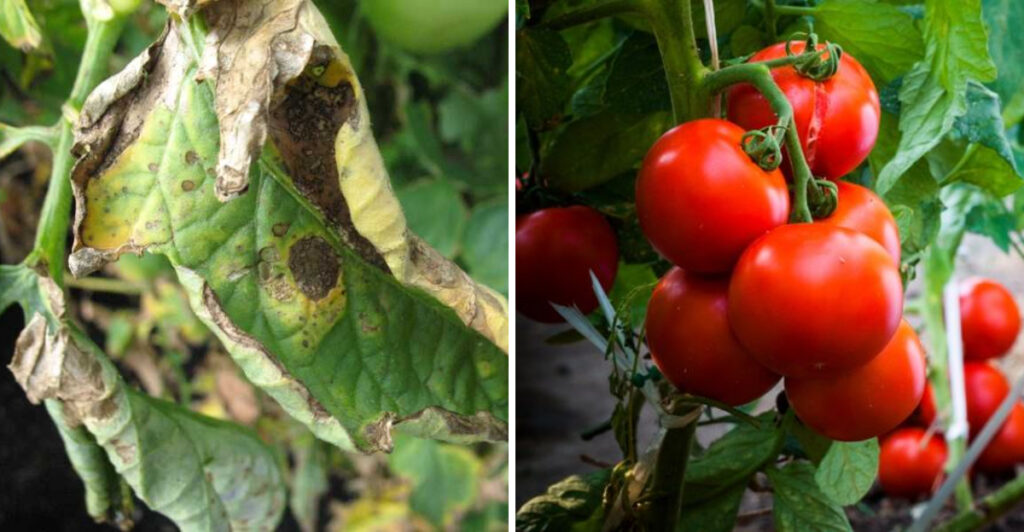
Tomato blight, a serious fungal disease, can devastate gardens if not managed quickly.
Early detection and proper intervention are essential to safeguarding your plants and ensuring a healthy harvest.
This article provides essential steps and strategies for identifying blight and taking swift action to mitigate its effects.
1. Identify Early Blight
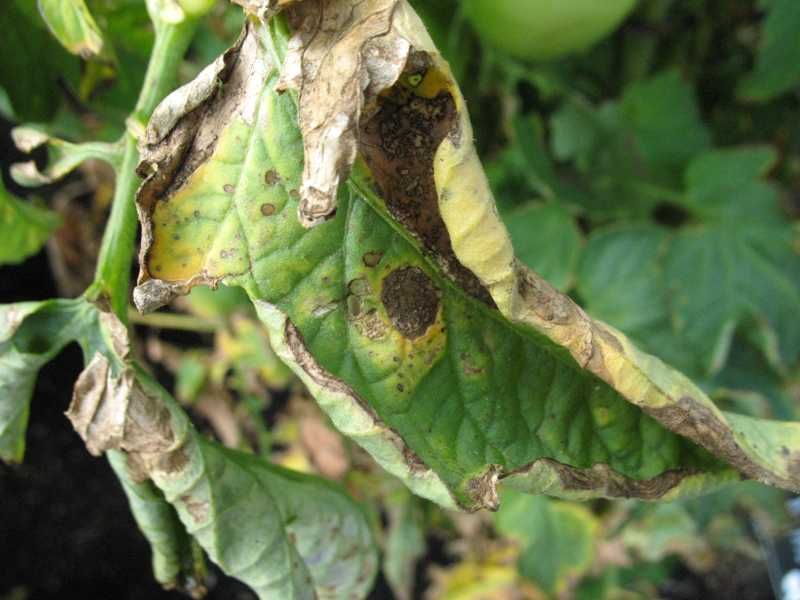
Early blight starts with small, dark brown spots on older leaves, often forming a bull’s-eye pattern. These spots expand, causing leaves to yellow and drop. This defoliation weakens the plant. Ensure adequate spacing between plants for air circulation, reducing humidity and disease spread. Prune lower leaves to prevent soil-borne spores from splashing onto foliage. Using drip irrigation helps keep the leaves dry, further preventing spore spread. Fungicides with chlorothalonil or copper can be applied to protect plants. Always read and follow manufacturer’s instructions when using chemical treatments to ensure safety.
2. Manage Late Blight
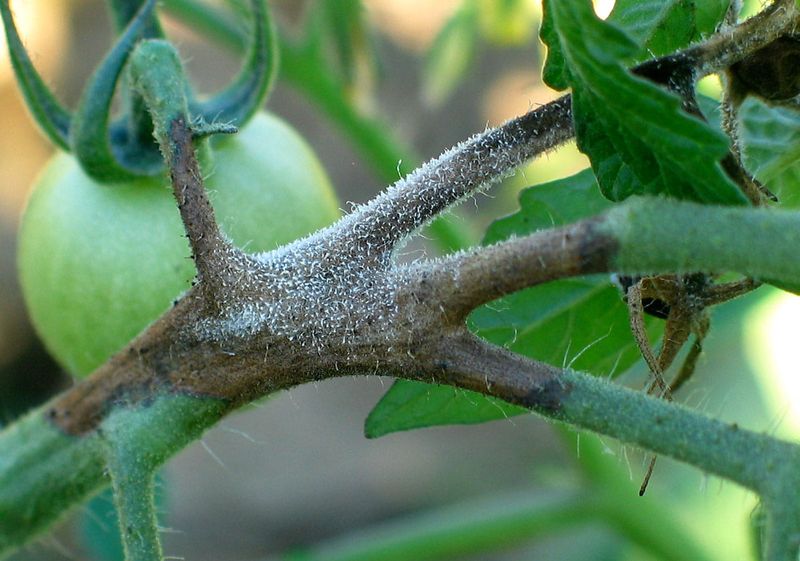
Late blight is marked by water-soaked lesions on leaves and stems that rapidly darken. A white, mold-like substance often covers these spots. Infected fruits develop dark, sunken lesions. Immediate removal and destruction of affected plants prevent spreading. Avoid overhead watering to keep foliage dry. Fungicides with mefenoxam should be applied at first symptoms. This blight spreads quickly, so diligent monitoring is crucial. Act swiftly to protect your plants and neighboring gardens. Implementing these strategies helps curb late blight’s impact, preserving your harvest.
3. Implement Crop Rotation
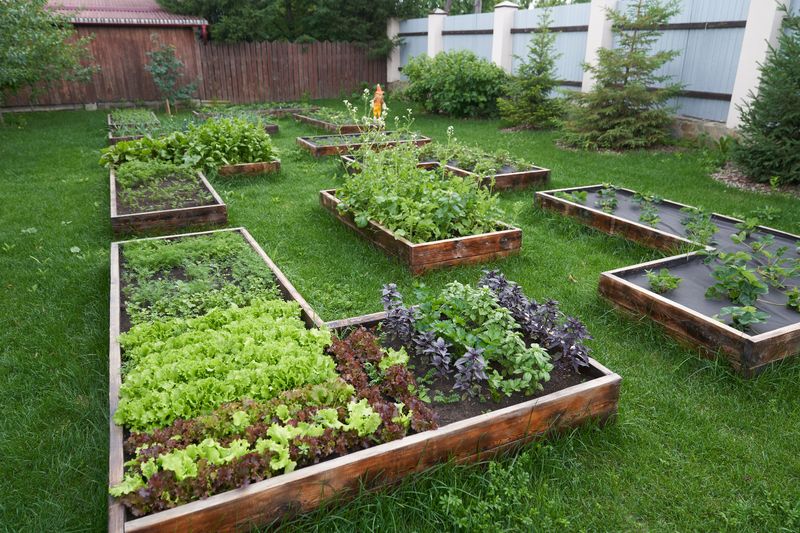
Crop rotation reduces soil-borne diseases. Avoid planting tomatoes or related crops like potatoes in the same location for at least two years. This practice disrupts the life cycle of pathogens, lowering disease incidence. Plan your garden layout annually to incorporate diverse crops. This not only helps control blight but also improves soil health and fertility. Rotating crops encourages a balanced ecosystem, aiding pest control naturally. It’s a sustainable gardening practice with wide-ranging benefits. Engage in crop planning for a healthier, more resilient garden.
4. Practice Proper Sanitation
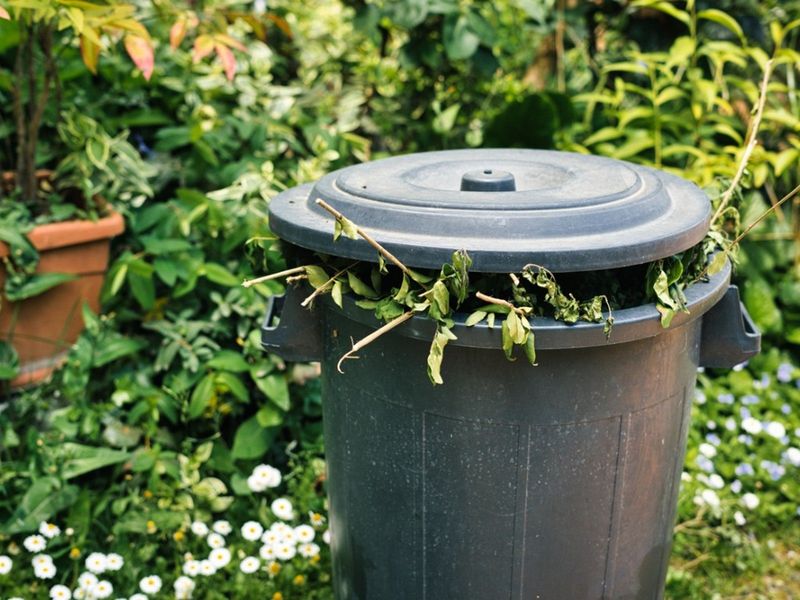
Maintain garden cleanliness by removing plant debris. At the season’s end, clear away dead leaves and stems to eliminate infection sources. This reduces the chance of disease overwintering in plant material. Sanitation is a fundamental aspect of integrated pest management. Regularly inspect and tidy your garden to keep it healthy. By removing potential disease reservoirs, you safeguard future crops. Engage in this routine task to foster a thriving, disease-free environment. Cleanliness is key to a productive garden season.
5. Choose Resistant Varieties
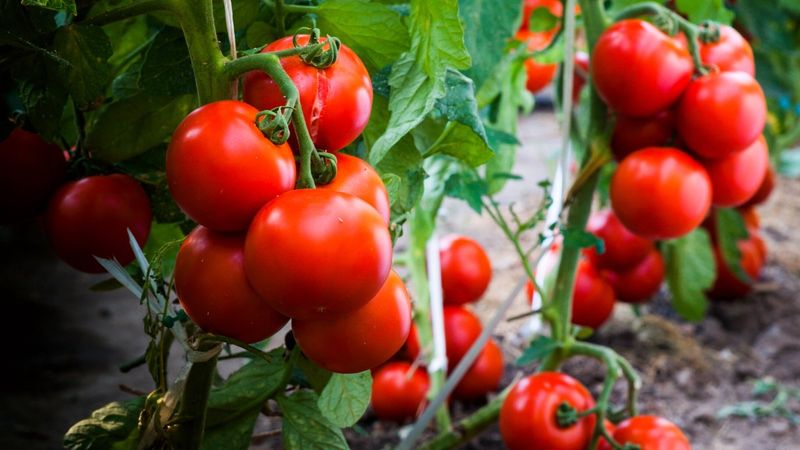
Opt for blight-resistant tomato varieties to lower infection risk. These plants have been bred to withstand disease. Check seed packets or nursery labels for resistance information. Planting resistant varieties is a proactive measure against blight. It bolsters your garden’s defenses, reducing reliance on chemical treatments. This choice supports sustainable gardening practices. Explore different tomato types to enhance your garden. Variety adds interest and resilience. Embrace this strategy for a bountiful, resilient harvest. It’s a wise investment in garden health.
6. Optimize Watering Techniques
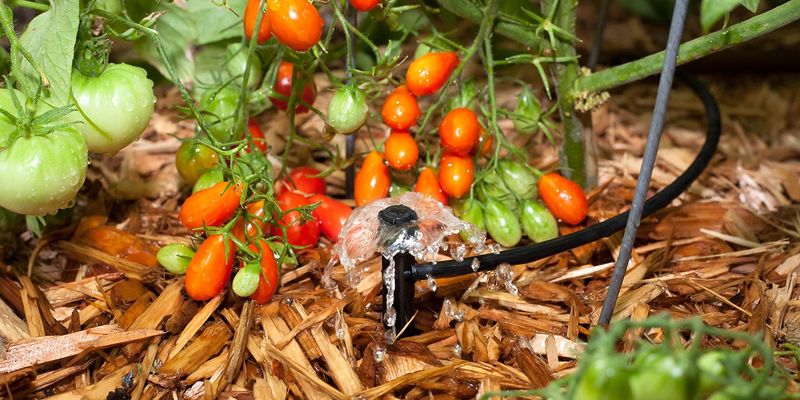
Watering techniques impact disease spread. Use drip irrigation to water plants at the base, keeping leaves dry. This method minimizes spore dispersal and disease risk. Avoid overhead watering which wets foliage and promotes fungal growth. Consistent, deep watering supports healthy plant development. Implementing efficient systems reduces water waste and enhances garden sustainability. Proper watering is crucial for disease prevention and plant vitality. Tailor your watering regimen to environmental conditions. This proactive approach ensures a flourishing, blight-free garden.
7. Apply Fungicides Wisely
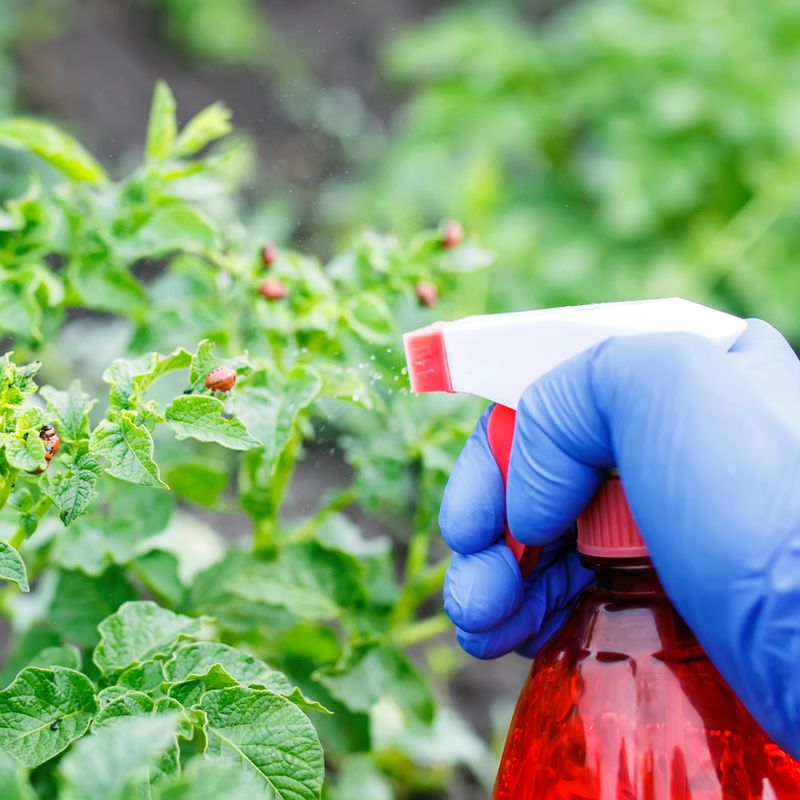
Fungicides play a role in blight management. Use them judiciously as part of an integrated approach. Choose products with proven efficacy against blight, such as those containing chlorothalonil or mefenoxam. Follow all safety and application guidelines. Protective gear is essential for safe handling. Timely application enhances effectiveness. Fungicides complement cultural practices, offering a layered defense strategy. This careful balance helps mitigate chemical reliance. By integrating fungicides wisely, you support plant health and productivity. It’s a calculated step in disease management.