
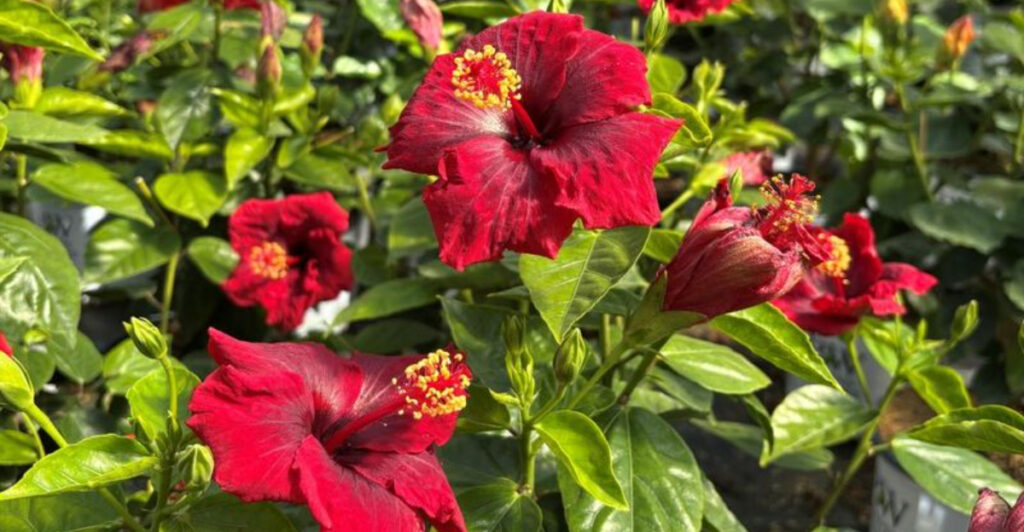
Greenhouse plants offer a rich variety of flora that thrive in controlled environments.
These plants not only beautify indoor spaces but also provide fresh produce and aromatic herbs.
From vibrant flowering plants to lush foliage, greenhouse plants are a gardener’s delight.
1. Tomato
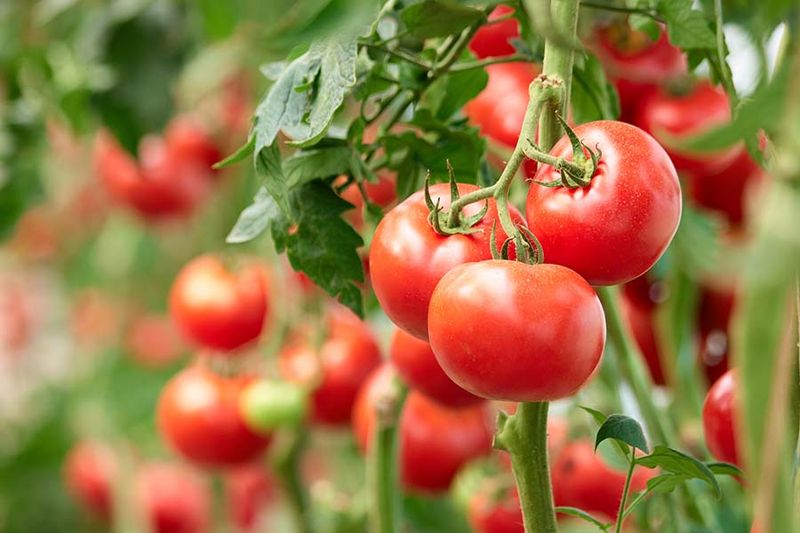
Tomatoes are the quintessential greenhouse plant, known for their juicy, red fruits. These plants thrive in a warm, humid environment, making them perfect for greenhouse cultivation.
Their vibrant color and delicious taste make them a favorite among home gardeners. With numerous varieties, from cherry to beefsteak, tomatoes offer something for everyone.
Did you know? Tomatoes were once thought to be poisonous, but today they are a staple in cuisines worldwide.
2. Cucumber

Cucumbers, with their refreshing crunch, are a popular greenhouse plant. They flourish in well-drained soil and consistent temperatures.
Known for their elongated shape and crisp texture, cucumbers are a must-have in salads and pickles. They require support to grow vertically, maximizing space in a greenhouse.
Fun fact: Cucumbers are 95% water, making them incredibly hydrating.
3. Bell Pepper
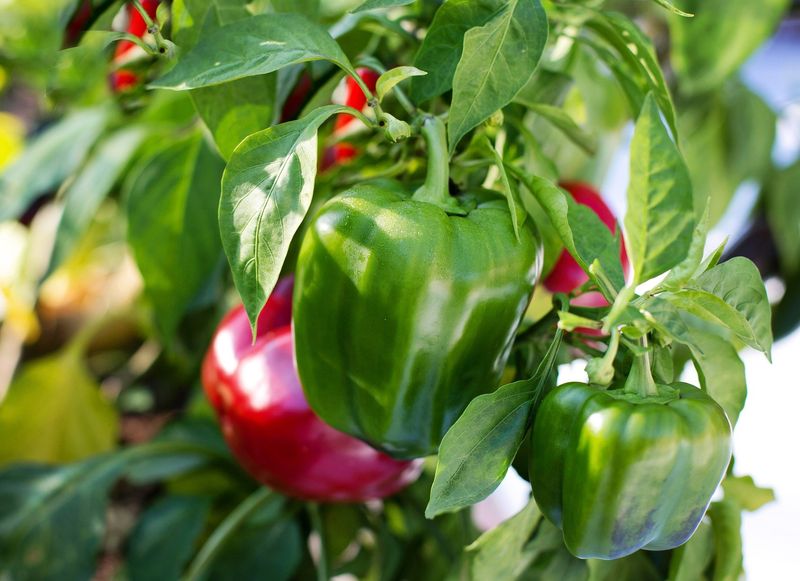
Bell peppers add a splash of color to any greenhouse. With shades ranging from green to red, they are not only visually appealing but also packed with vitamins.
These sweet, crunchy vegetables thrive in warm conditions and need plenty of sunlight. Bell peppers are versatile, perfect for cooking or eating raw.
Interestingly, the color of a bell pepper can indicate its ripeness and flavor profile.
4. Lettuce
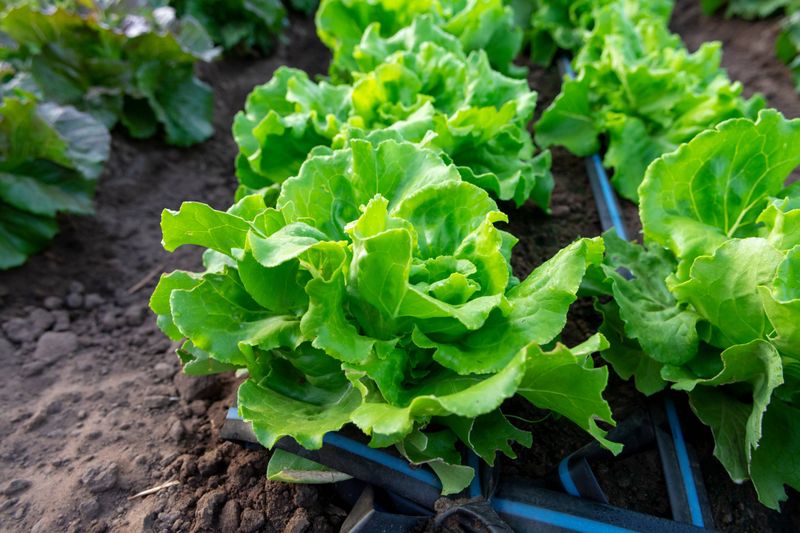
Lettuce is a staple in salads and sandwiches, known for its crisp leaves. In a greenhouse, it grows rapidly, allowing for continuous harvests.
This leafy green comes in various types, including romaine and butterhead, each offering unique textures and flavors. Lettuce prefers cooler temperatures, making it ideal for colder months.
A fun tidbit: Lettuce was served to ancient Egyptian royals as a prized delicacy.
5. Spinach
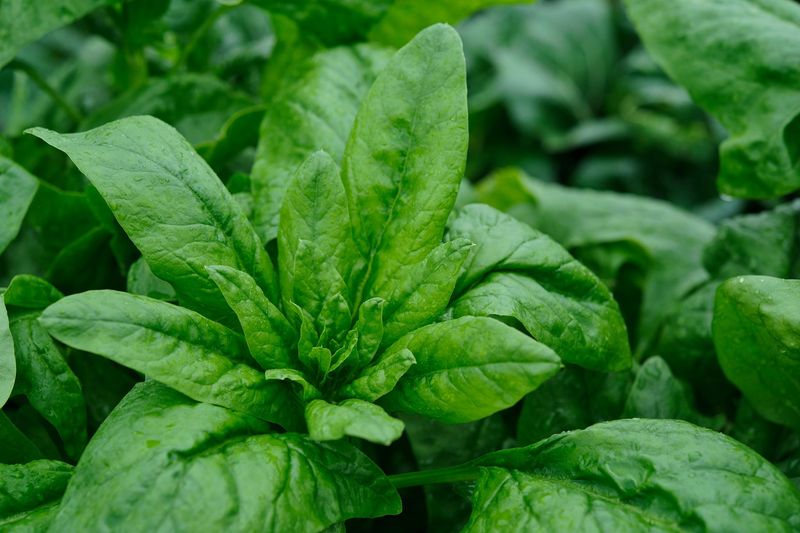
Spinach, with its nutrient-packed green leaves, is a greenhouse favorite. It grows best in well-drained soil and cooler temperatures.
This leafy vegetable is a powerhouse of vitamins and minerals, making it a healthy addition to any meal. Spinach can be harvested multiple times during its growing season.
Did you know? Spinach was made famous by Popeye, who relied on it for strength.
6. Geranium
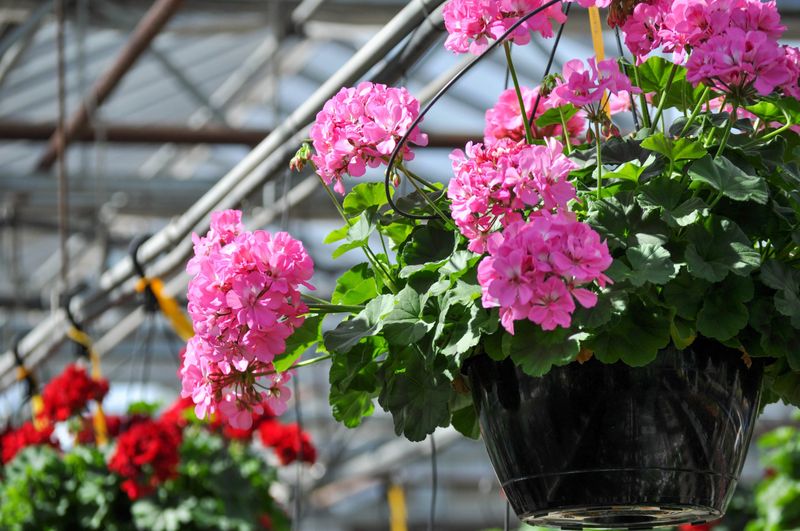
Geraniums are beloved for their vibrant blooms and aromatic foliage. These plants are perfect for greenhouses, where they can flourish in controlled temperatures.
Available in various colors, geraniums add a splash of color to any space. They are relatively easy to care for and can bloom year-round.
A quirky fact: Geranium oil is often used in perfumes for its pleasant scent.
7. Orchid
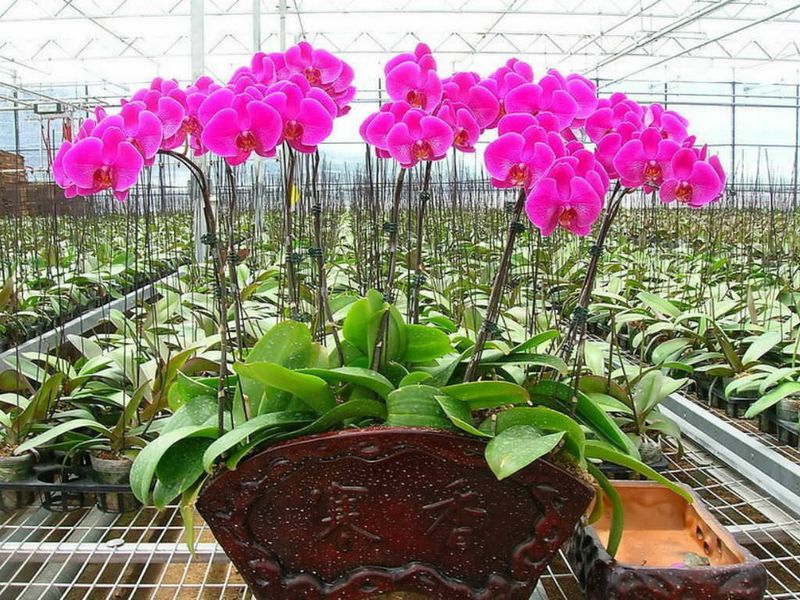
Orchids are the epitome of elegance, known for their exotic flowers and diverse species. These plants thrive in humid, warm environments like greenhouses.
With intricate patterns and colors, orchids are a favorite among plant enthusiasts. They require specific care but reward with stunning blooms.
Here’s a tip: Orchids symbolize love and beauty, often used in wedding bouquets.
8. Begonia
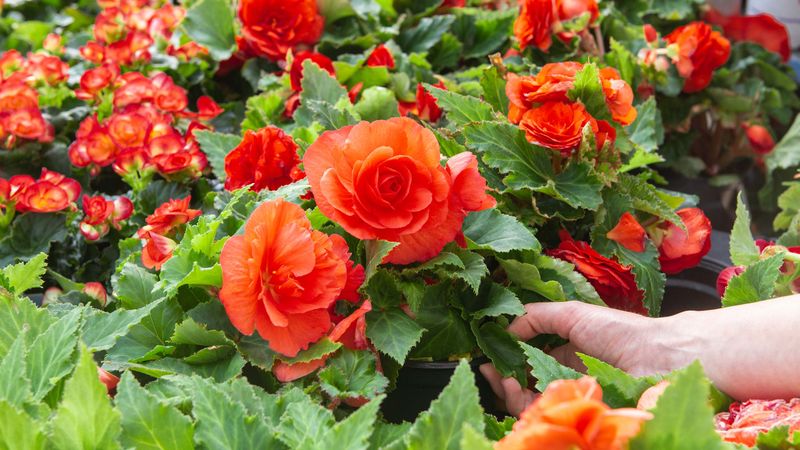
Begonias are admired for their vibrant flowers and decorative leaves. These plants are ideal for greenhouses, offering a burst of color in any setting.
With varieties ranging from tuberous to rex, begonias are versatile and can adapt to different environments. They thrive in moist, well-drained soil.
Did you know? Begonias are named after Michel Begon, a French patron of botany.
9. Petunia
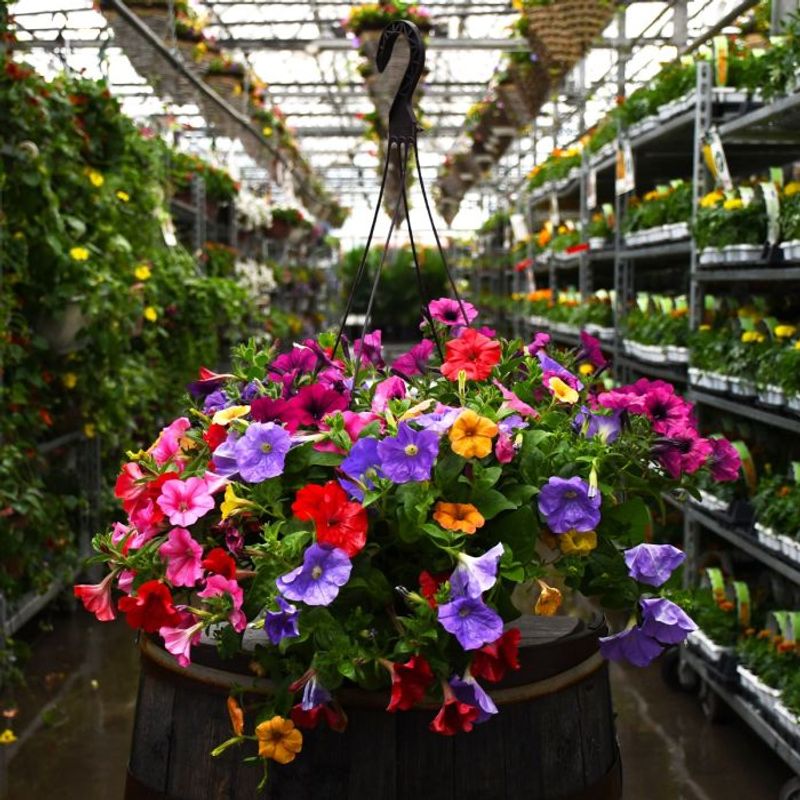
Petunias are a gardener’s delight, known for their colorful blooms and fragrant scent. They thrive in greenhouse conditions, providing a long-lasting display of flowers.
These plants come in a wide array of colors and patterns, making them a versatile choice for decoration. Petunias require regular watering and sunlight.
Fun fact: Petunias are a symbol of anger and resentment in the language of flowers.
10. Chrysanthemum
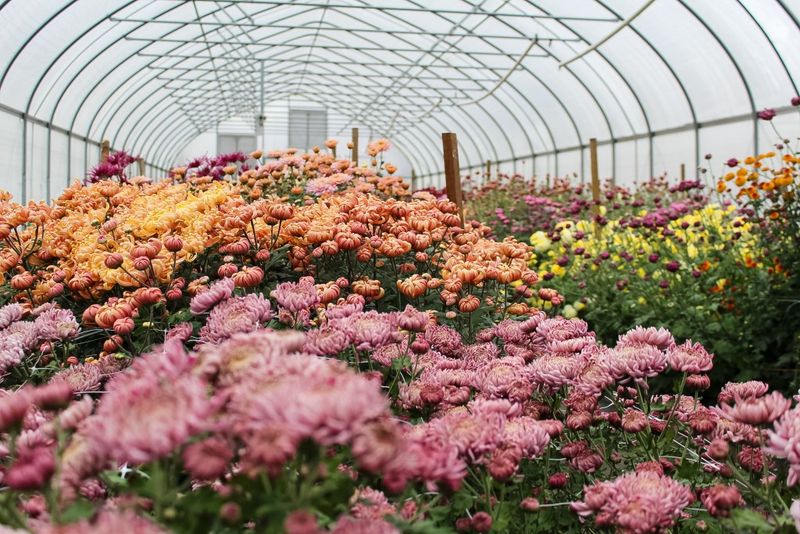
Chrysanthemums, or “mums,” are a staple in floral arrangements, known for their vibrant colors and diverse forms. They flourish in greenhouse environments.
These flowers are available in multiple shapes and hues, adding beauty to any space. Chrysanthemums prefer well-drained soil and ample sunlight.
A cultural note: In Japan, chrysanthemums are associated with the emperor and are a symbol of the sun.
11. Basil
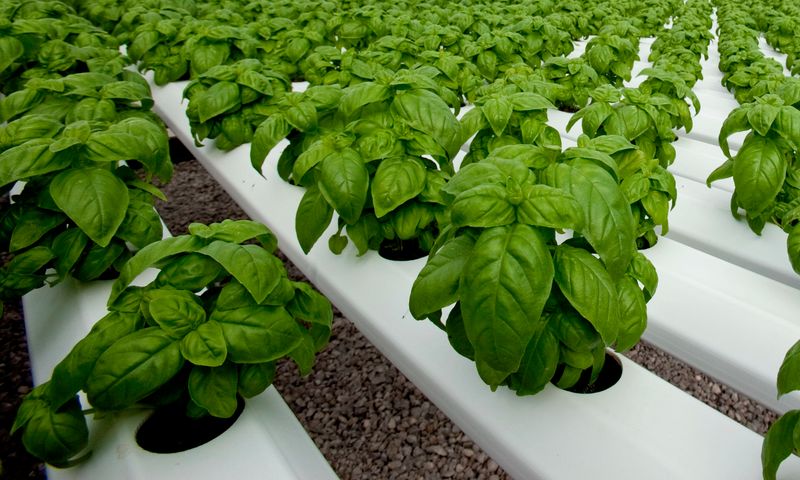
Basil is an aromatic herb, cherished for its flavorful leaves. It thrives in greenhouses, where consistent warmth and humidity promote growth.
Used widely in culinary dishes, basil adds a fresh, peppery taste to meals. This herb requires well-drained soil and regular sunlight.
Interestingly, basil is considered a symbol of love in Italy, often placed in the hands of newlyweds.
12. Mint
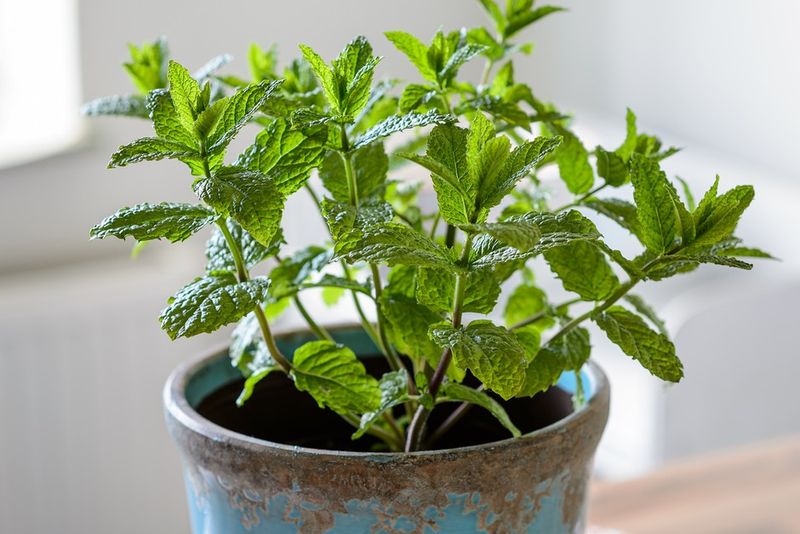
Mint is a versatile herb, known for its refreshing aroma and flavor. It grows vigorously in greenhouse conditions, requiring minimal care.
This herb is often used in teas, desserts, and savory dishes. Mint prefers moist soil and partial sunlight, spreading rapidly if not contained.
Did you know? Mint was used in ancient Greece to scent bathwater and temples.
13. Thyme
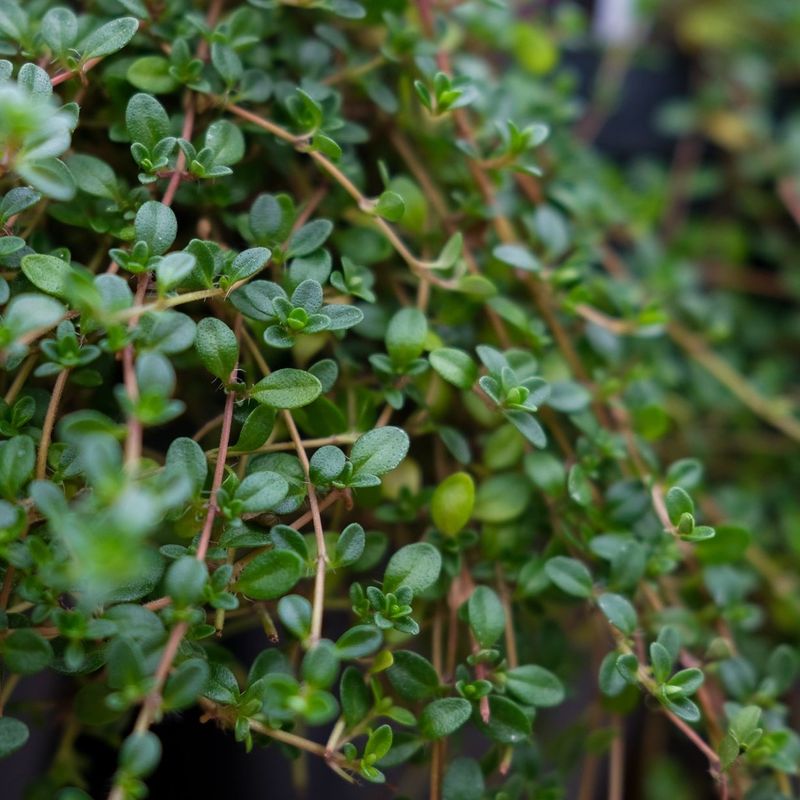
Thyme is a hardy herb, recognized for its robust flavor and medicinal properties. It thrives in greenhouses, where consistent temperatures aid its growth.
This herb is a staple in many cuisines, adding depth to dishes. Thyme requires well-drained soil and plenty of sunlight.
Fun fact: In ancient times, thyme was associated with courage and was often given to warriors before battle.
14. Rosemary
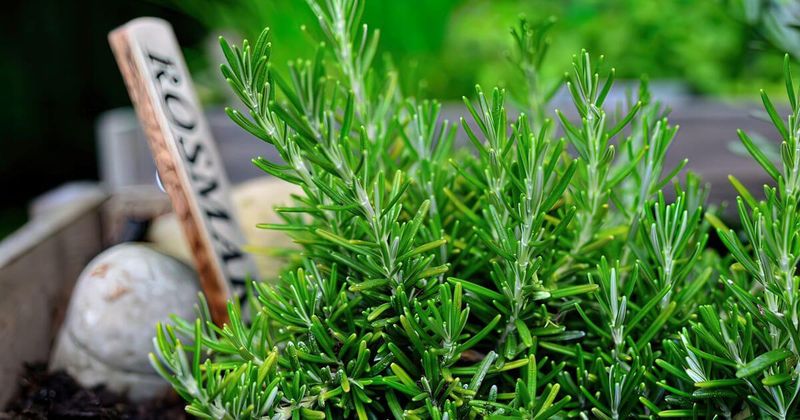
Rosemary is a fragrant herb, valued for its culinary and medicinal uses. It flourishes in greenhouse environments, benefiting from steady warmth.
This evergreen shrub is easy to grow, needing well-drained soil and ample sunlight. Rosemary’s woody stems and aromatic leaves make it a kitchen favorite.
Did you know? Rosemary was traditionally used in wedding ceremonies as a symbol of love and remembrance.
15. Oregano

Oregano is an essential herb in Mediterranean cuisine, known for its pungent flavor. It thrives in greenhouse conditions, where warmth and sunlight abound.
This perennial plant is easy to care for, requiring well-drained soil and regular watering. Oregano enhances the taste of meats, sauces, and salads.
Interestingly, the name oregano comes from Greek, meaning “joy of the mountain.”
16. Echeveria
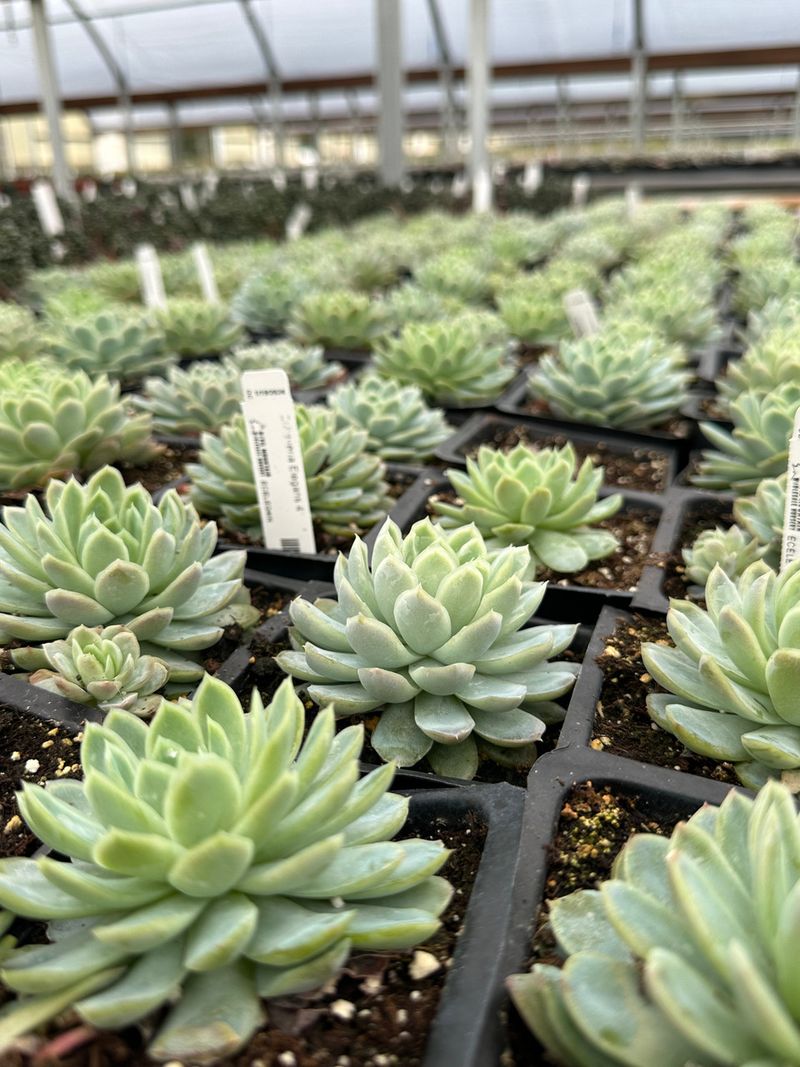
Echeveria is a popular succulent, admired for its rosette-shaped leaves and diverse colors. Greenhouses provide the perfect environment for these sun-loving plants.
With minimal water needs and striking appearances, echeverias are a favorite among succulent enthusiasts. They require well-drained soil and bright light.
Here’s a tip: Echeveria is often used in rock gardens and terrariums for its ornamental appeal.
17. Aloe Vera
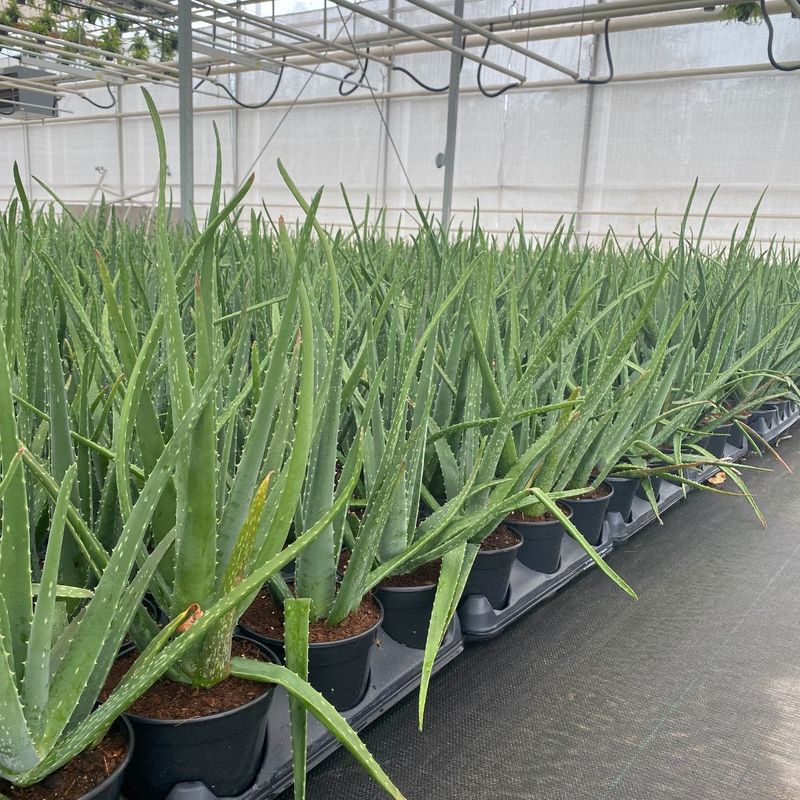
Aloe Vera is a renowned succulent, famous for its soothing gel and air-purifying abilities. Greenhouses offer an ideal setting for its growth.
This plant requires minimal care, thriving in well-drained soil and bright light. Aloe Vera is often used for its medicinal properties, particularly in skin treatments.
Fun fact: Ancient Egyptians called Aloe Vera the “plant of immortality.”
18. Jade Plant
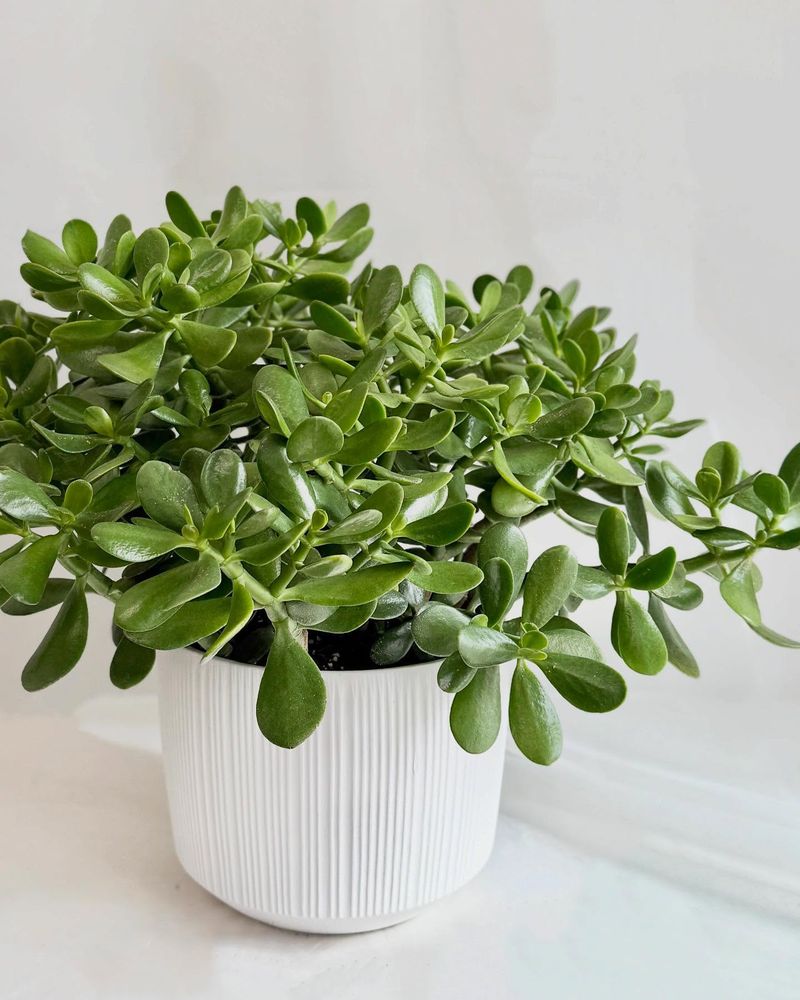
Jade Plant, also known as the “money tree,” is a popular succulent with glossy leaves. It thrives in the stable conditions of a greenhouse.
This plant is easy to grow, requiring well-drained soil and indirect sunlight. Known for its longevity, the jade plant is a symbol of prosperity and good luck.
Did you know? The jade plant can live for decades, often passed down through generations.
19. Haworthia
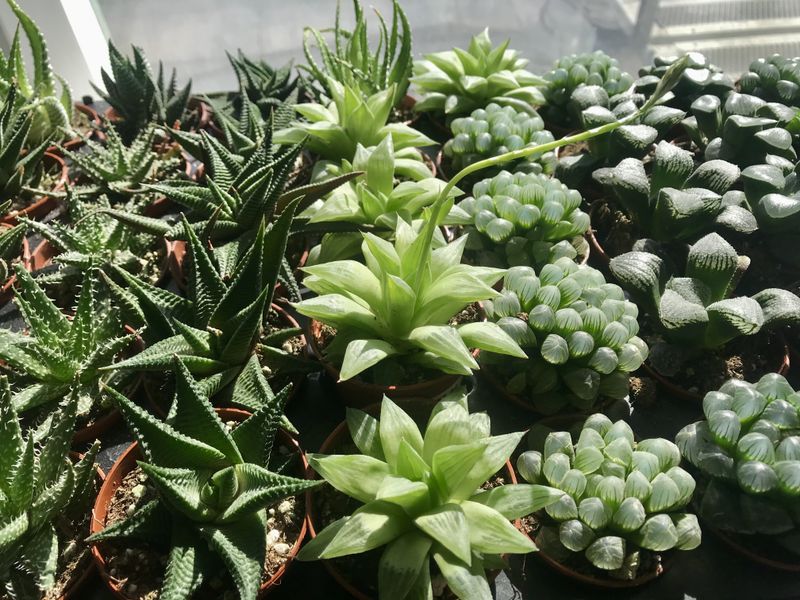
Haworthia is a charming succulent, recognized for its distinctive, striped leaves. It thrives in greenhouse conditions, preferring filtered sunlight.
These small plants are easy to maintain, needing well-drained soil and infrequent watering. Haworthia’s unique appearance makes it a popular choice for decoration.
Interestingly, Haworthias are native to South Africa’s arid regions.
20. Barrel Cactus
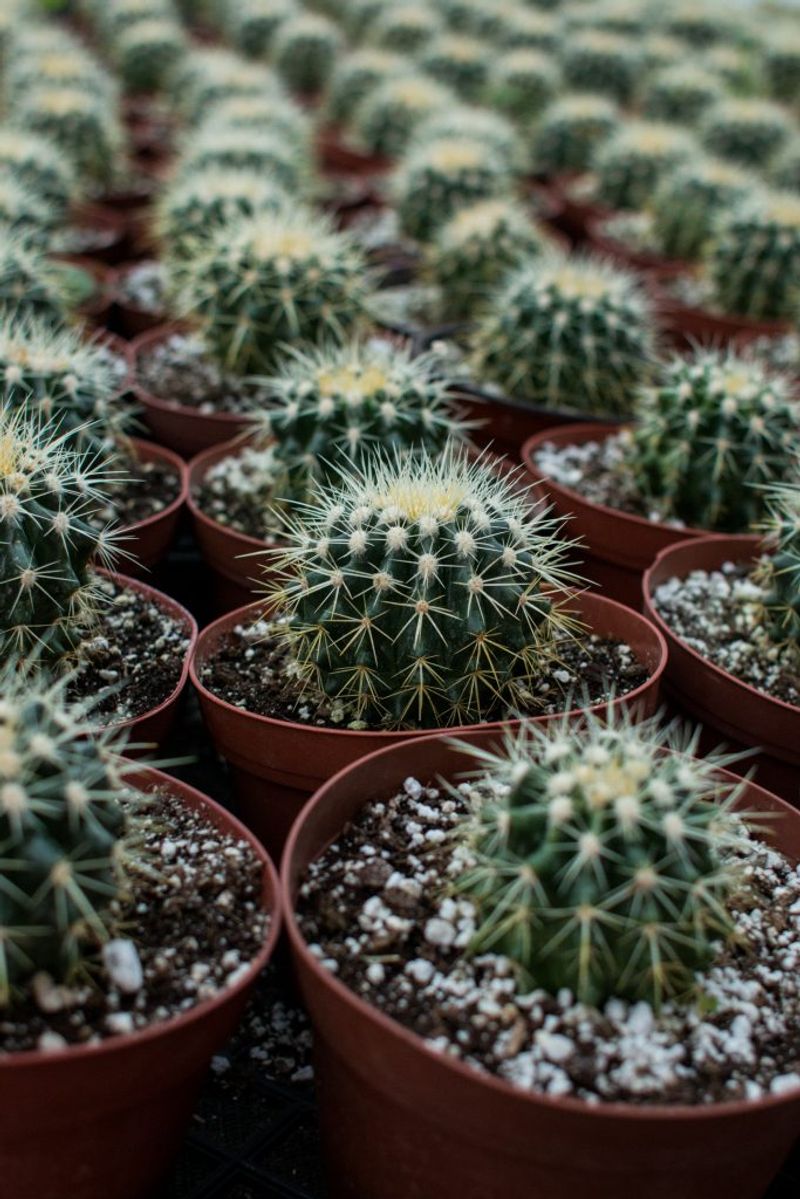
Barrel Cactus is a striking succulent, known for its rounded shape and prominent spines. It’s well-suited to the warm, dry conditions of a greenhouse.
This cactus is low-maintenance, requiring minimal water and a sandy soil mix. With its distinctive look, it’s a favorite among cactus enthusiasts.
Did you know? Barrel cacti can live for over a century, storing water in their thick stems.
21. Banana Plant
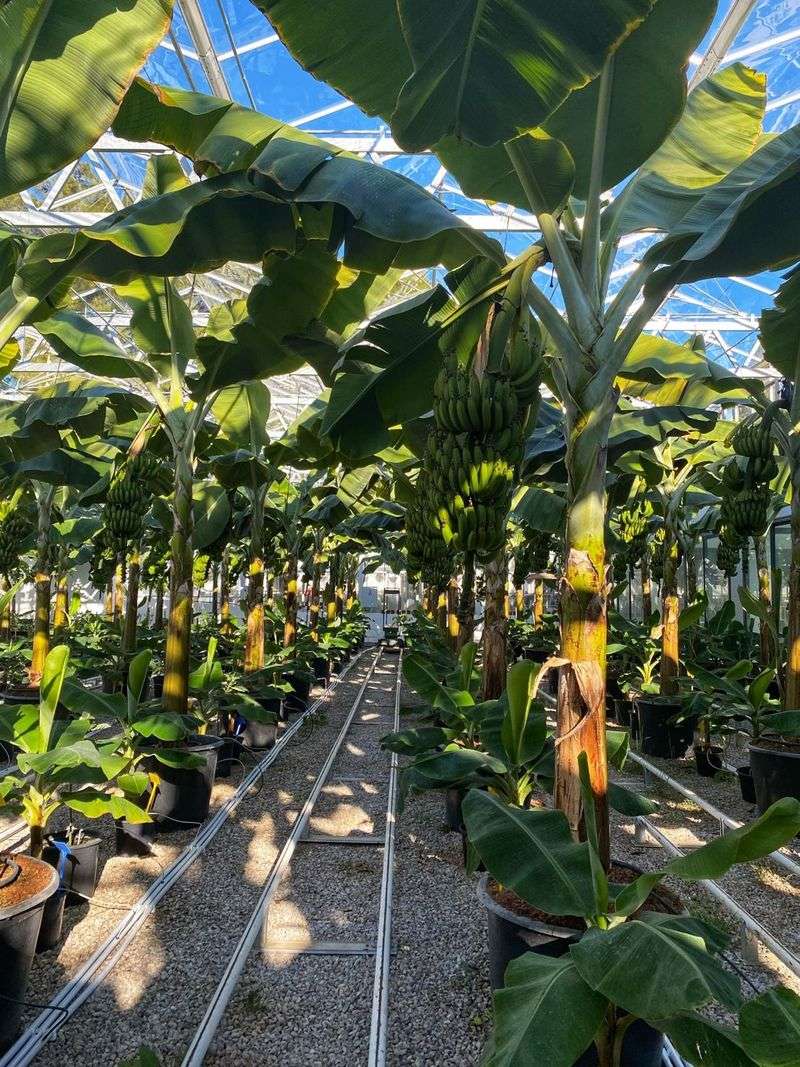
Banana Plant is a tropical favorite, known for its large leaves and sweet fruit. Greenhouses provide the controlled environment these plants need to thrive.
While not technically trees, banana plants grow rapidly and can produce fruit within a year. They require rich soil and regular watering.
Fun fact: Bananas are technically berries, and the plant is classified as a giant herb.
22. Bird of Paradise
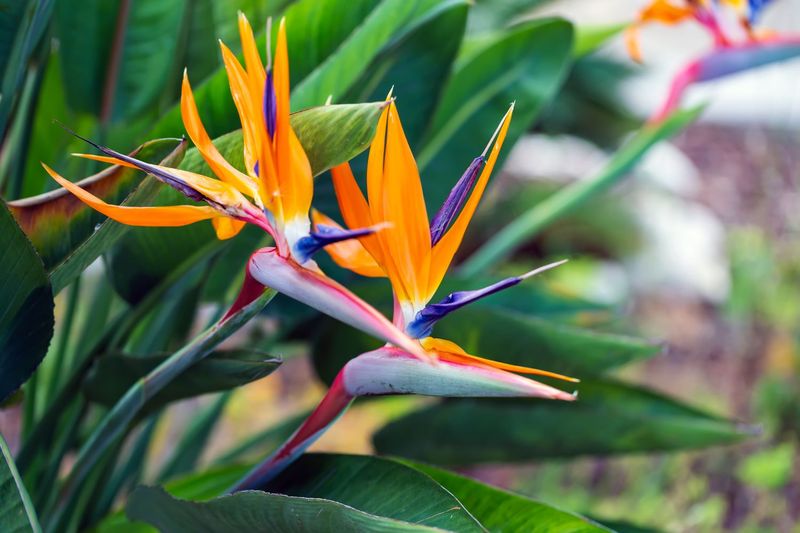
Bird of Paradise is a stunning plant, celebrated for its exotic flowers resembling a tropical bird in flight. Greenhouses provide the warm, humid conditions it prefers.
This plant adds a dramatic touch to any collection, with its striking blooms and lush foliage. It requires well-drained soil and bright light.
Interestingly, the Bird of Paradise is the official flower of Los Angeles.
23. Hibiscus
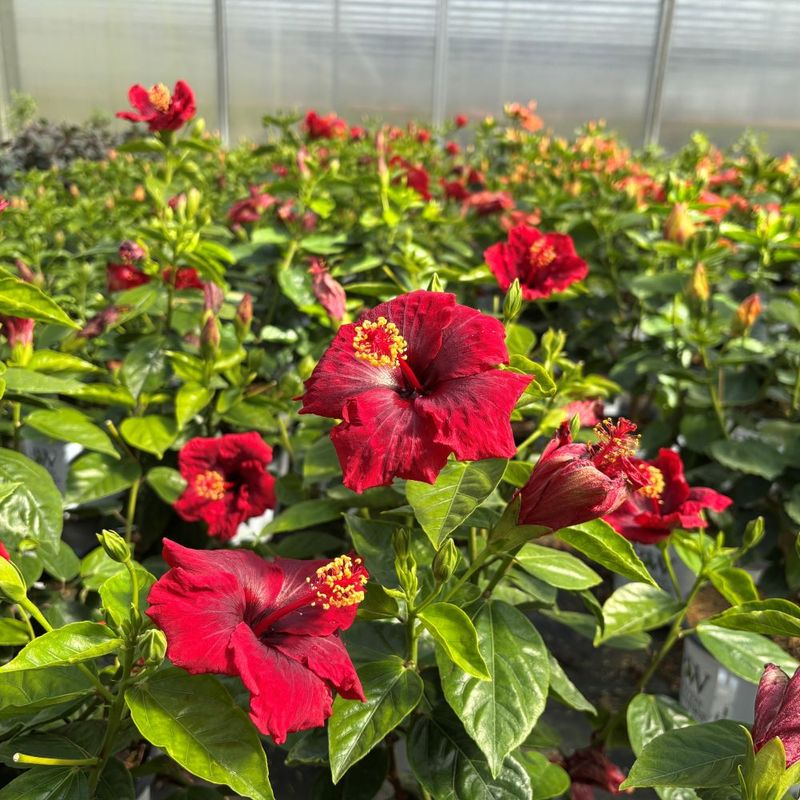
Hibiscus is known for its large, colorful blooms and tropical appeal. It thrives in greenhouse settings, which offer the warmth and humidity it needs.
These flowers make a bold statement and are often used in teas and cosmetics. Hibiscus requires regular watering and plenty of sunlight.
Did you know? Hibiscus is the national flower of several countries, symbolizing beauty and charm.
24. Bromeliad
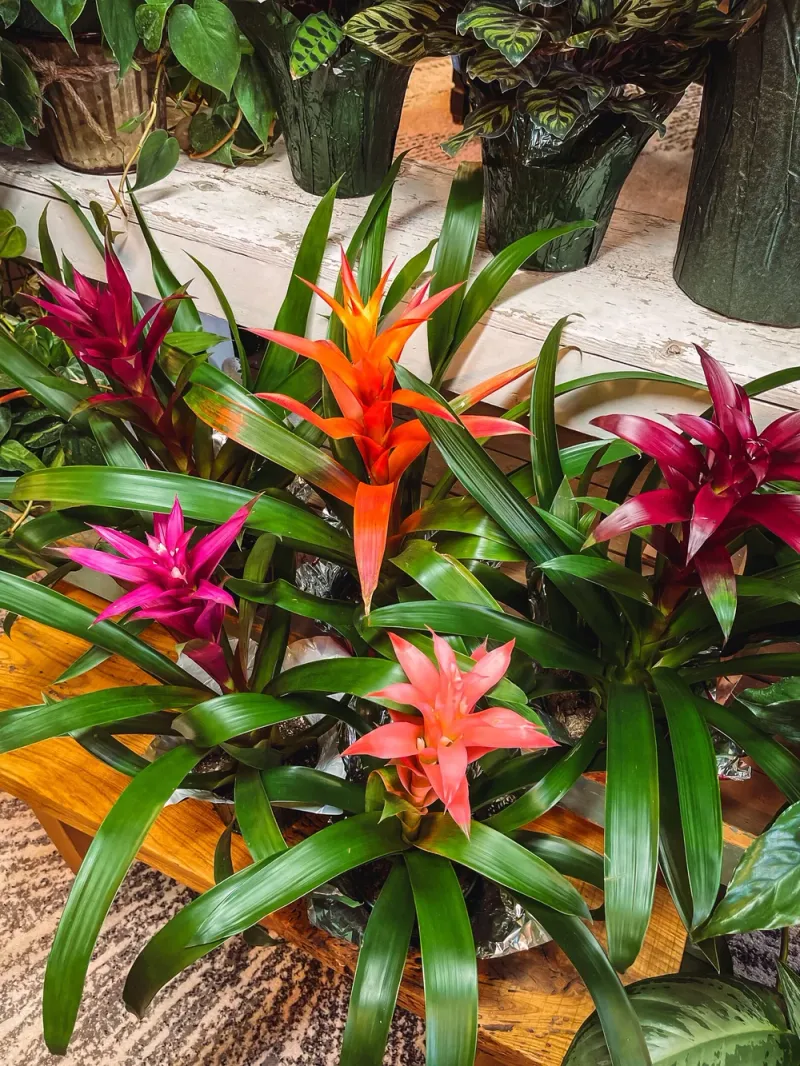
Bromeliads are intriguing plants, recognized for their striking foliage and bright flowers. They adapt well to greenhouse life, enjoying consistent warmth.
These plants are epiphytes, often growing on trees in their natural habitat. Bromeliads require well-drained soil and indirect light.
Fun fact: Pineapple is a type of bromeliad, making it a close relative of these ornamental plants.
25. Philodendron
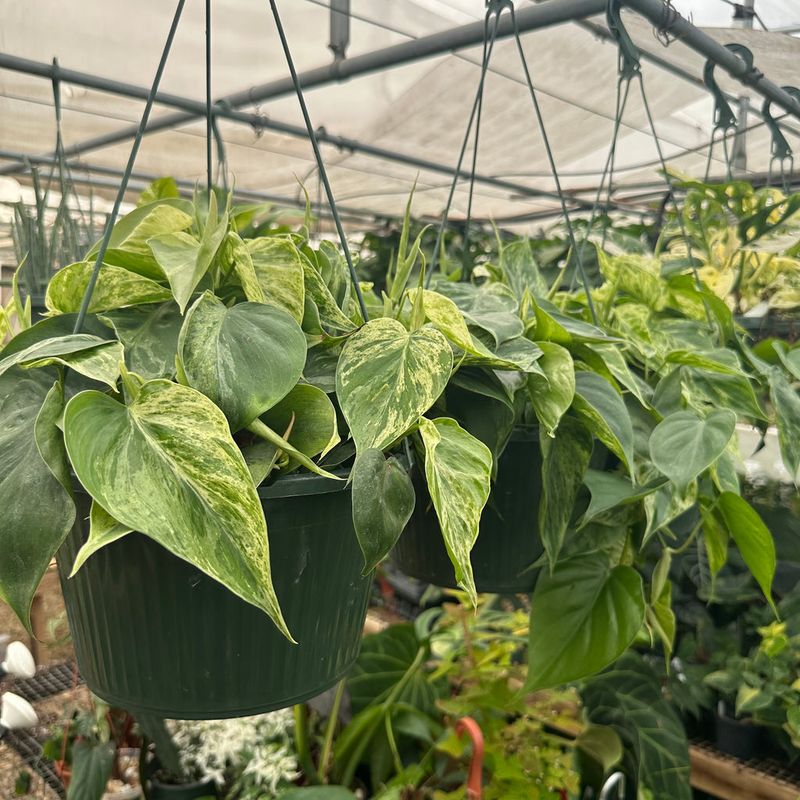
Philodendrons are popular houseplants, appreciated for their lush, green foliage. They flourish in greenhouses, where humidity levels can be controlled.
These plants are easy to care for, needing indirect sunlight and regular watering. Philodendrons are versatile, available in climbing and non-climbing varieties.
Did you know? The name “Philodendron” comes from Greek, meaning “loving tree.”
26. Strawberry
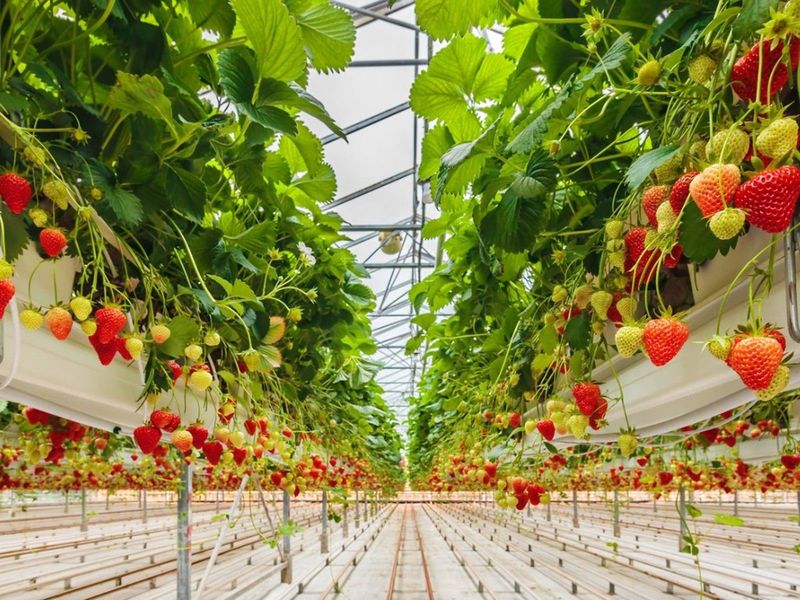
Strawberries are a delightful greenhouse plant, known for their sweet, juicy fruits. They thrive in well-aerated soil and require consistent watering.
These berries are a favorite for desserts and snacks, offering a burst of flavor and nutrition. Strawberries can produce fruit multiple times in a growing season.
Fun fact: Strawberries are the only fruit with seeds on the outside, averaging about 200 per berry.
27. Lemon Tree
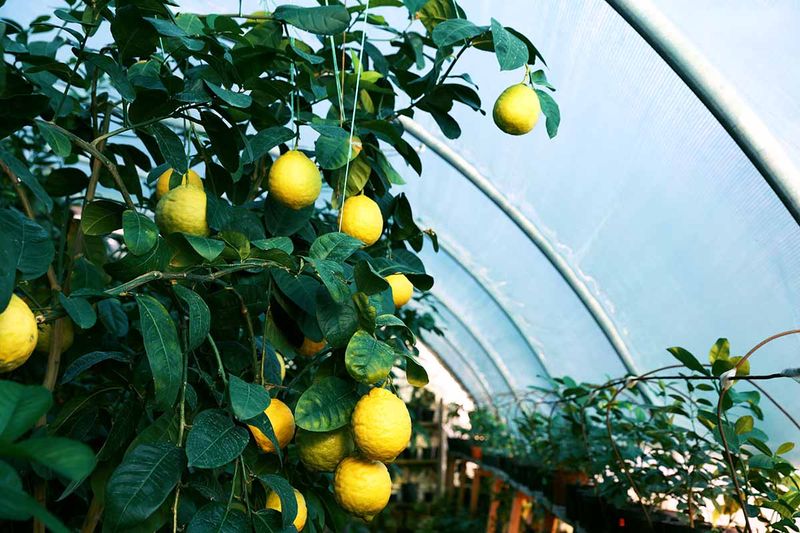
Lemon Trees are citrus favorites, cherished for their tangy, aromatic fruits. Greenhouses provide the warmth and humidity these trees need to flourish.
Lemons require well-drained soil and regular watering, rewarding with fragrant blooms and juicy lemons. They are used in drinks, cooking, and cleaning.
Did you know? Lemon trees can produce fruit year-round in optimal conditions.
28. Fig Tree

Fig Trees are a classic choice for greenhouses, producing sweet, succulent fruits. They thrive in warm, sunny conditions with well-drained soil.
Figs are enjoyed fresh or dried, adding a touch of sweetness to various dishes. These trees can grow quite large but can be pruned to fit smaller spaces.
Fun fact: Figs have been cultivated since ancient times, often associated with peace and prosperity.
29. Grape Vine
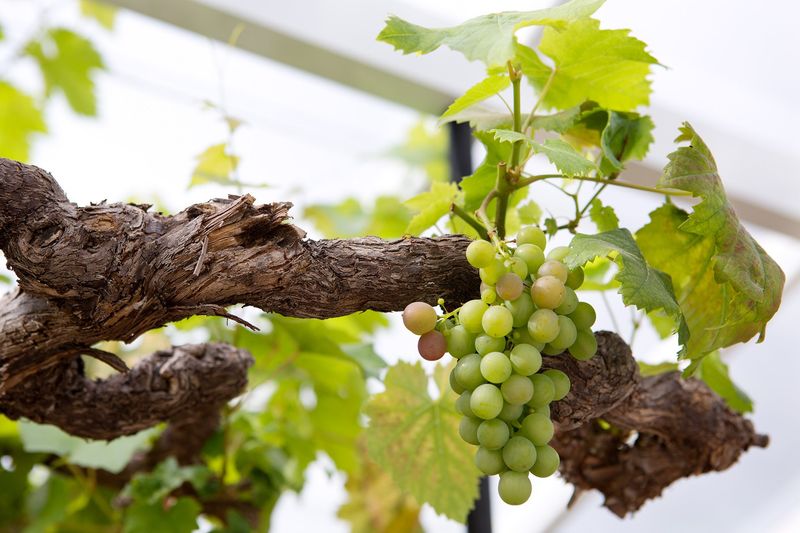
Grape Vines are a rewarding greenhouse plant, offering clusters of juicy grapes. They thrive in warm temperatures and need support to climb.
These vines can produce grapes for eating fresh, making wine, or drying into raisins. Grape vines require regular pruning and care to yield bountiful harvests.
Did you know? The grapevine symbolized abundance and fertility in ancient Greece.
30. Melon
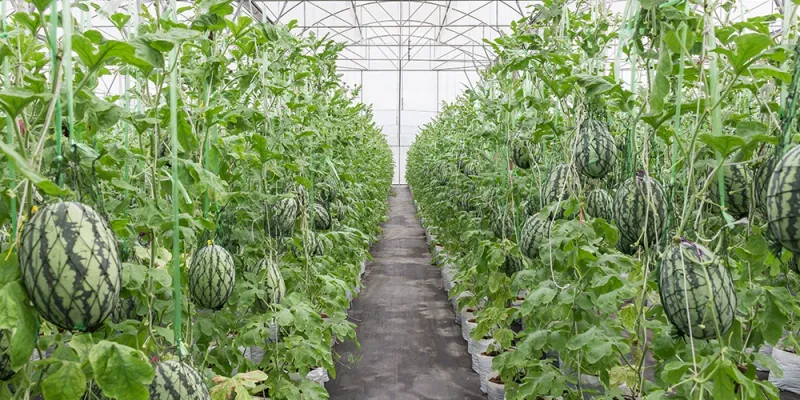
Melons, including cantaloupes and watermelons, are a favorite in greenhouses, where they enjoy consistent warmth.
These sweet, juicy fruits grow on vines that require ample space and support. Melons are refreshing and nutritious, perfect for hot summer days.
Interesting tidbit: Watermelons originated in Africa, where they were a source of hydration in arid regions.
31. Monstera
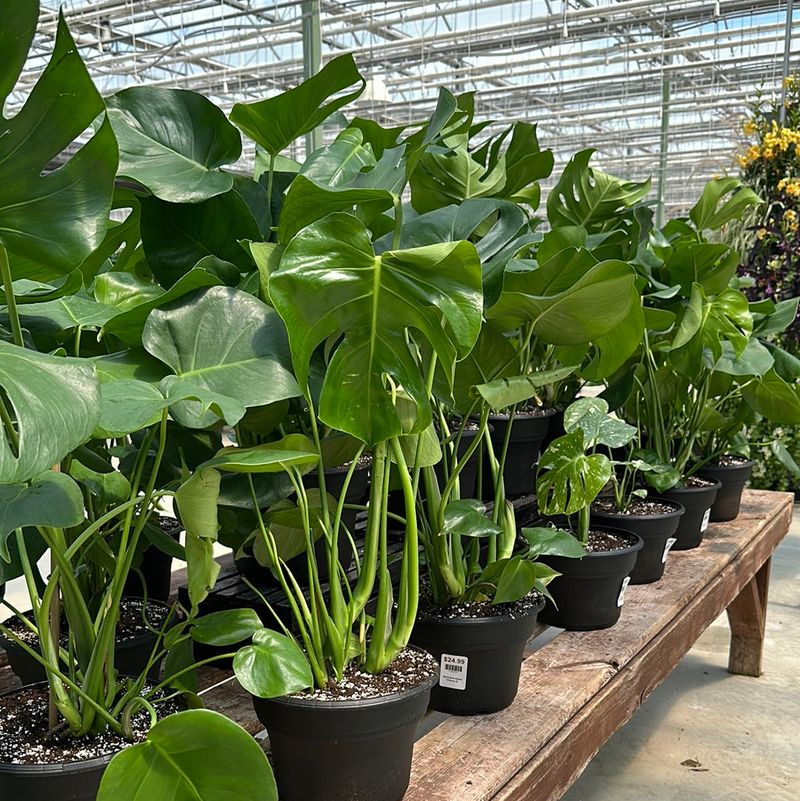
Monstera, or the Swiss Cheese Plant, is known for its distinctive, fenestrated leaves. Greenhouses provide the humidity and warmth it craves.
These plants add a tropical touch to any setting, growing rapidly when well-cared for. Monstera prefers indirect light and regular watering.
Did you know? In its native habitat, monstera can climb over 60 feet high.
32. Snake Plant (Sansevieria)
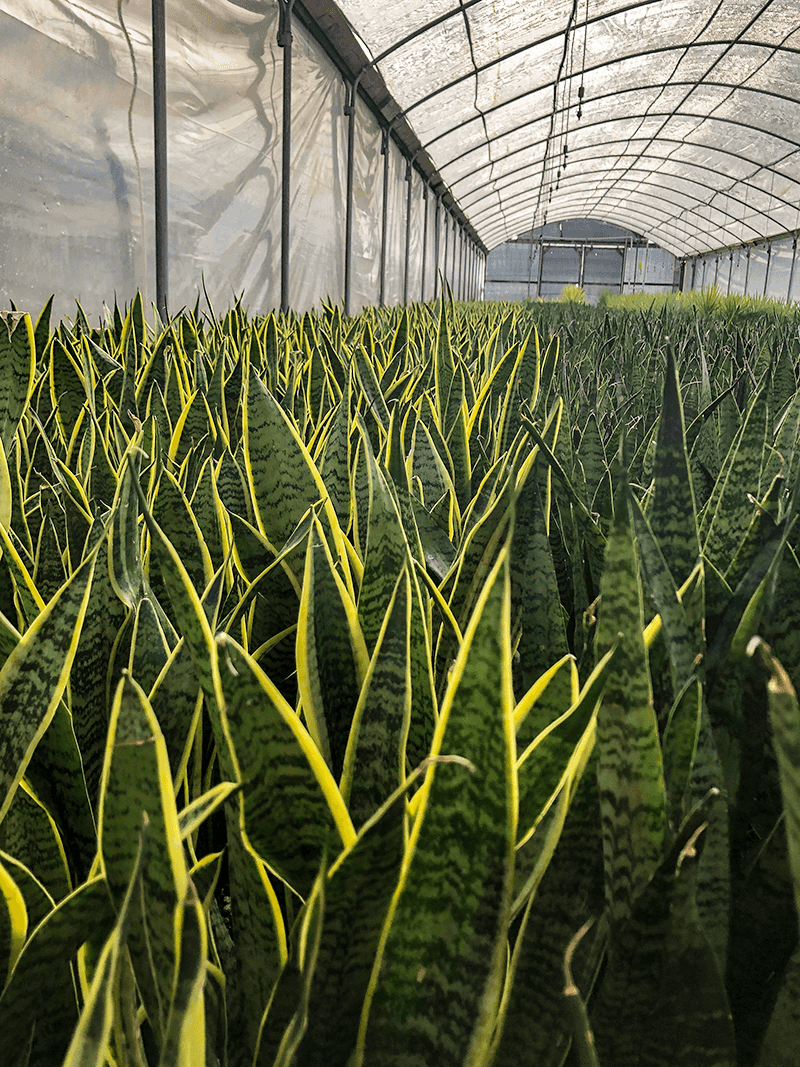
Snake Plant, also known as Sansevieria, is valued for its air-purifying qualities and hardy nature. It thrives in the controlled environment of a greenhouse.
With its tall, sword-like leaves, this plant is both decorative and easy to care for. Snake plants require minimal water and can tolerate low light conditions.
Fun fact: Snake plants are believed to bring good luck in feng shui.
33. Pothos
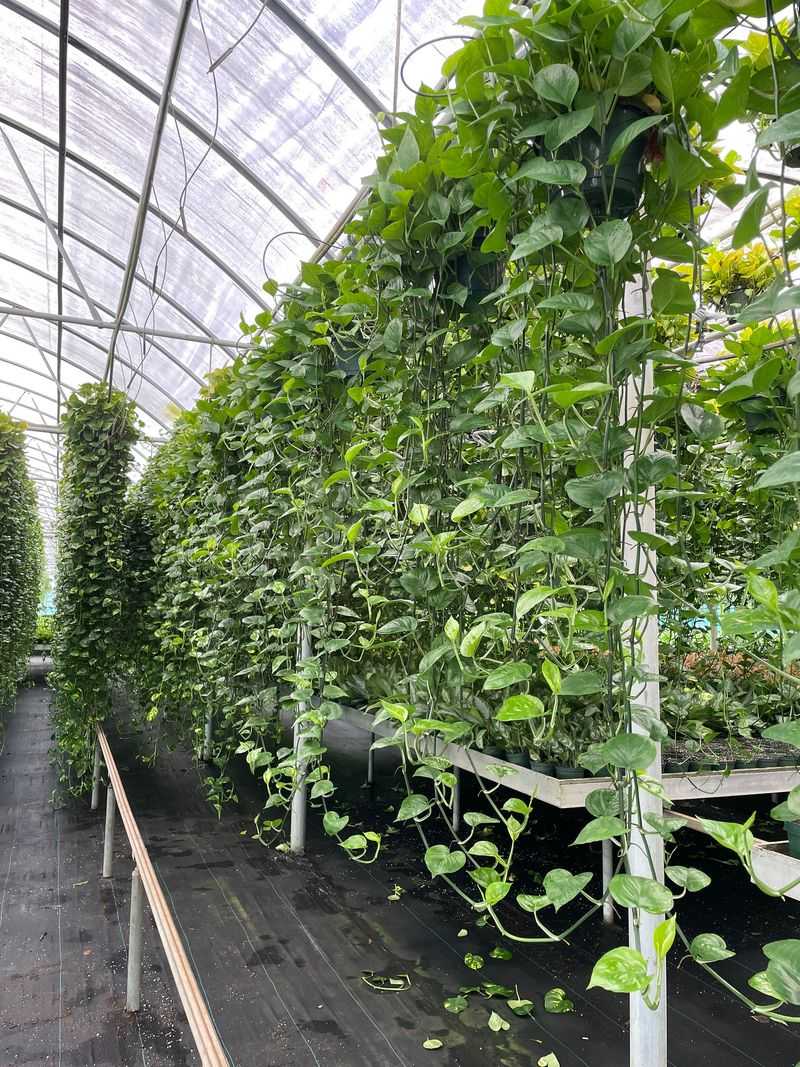
Pothos is a versatile houseplant, loved for its trailing vines and heart-shaped leaves. It flourishes in greenhouses, benefiting from consistent humidity.
This plant is simple to propagate and maintain, thriving in indirect light. Pothos is often used in hanging baskets for its cascading effect.
Did you know? Pothos is sometimes called “Devil’s Ivy” because it stays green even in the dark.
34. Peace Lily
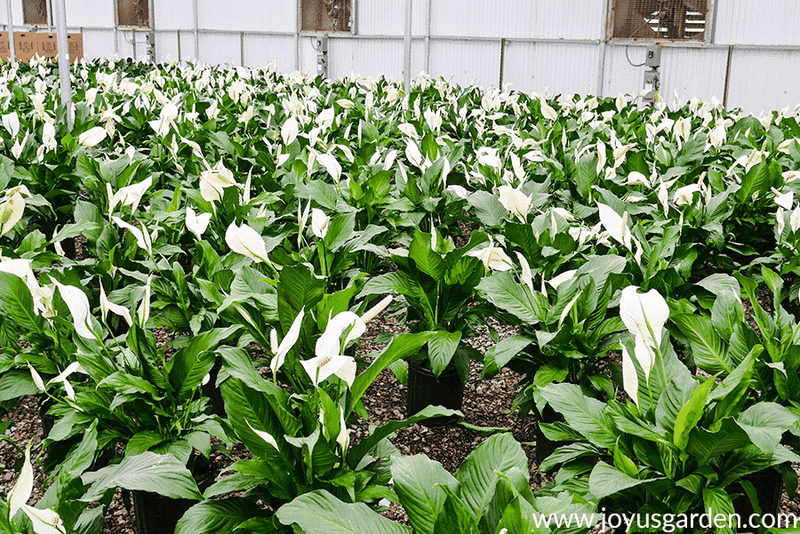
Peace Lily is a graceful plant, known for its white flowers and lush foliage. Greenhouses provide the warm, humid conditions it thrives in.
This plant is a natural air purifier, making it a popular indoor choice. Peace lilies prefer indirect light and moist soil.
Fun fact: Peace lilies are often gifted during times of transition, symbolizing peace and hope.
35. ZZ Plant
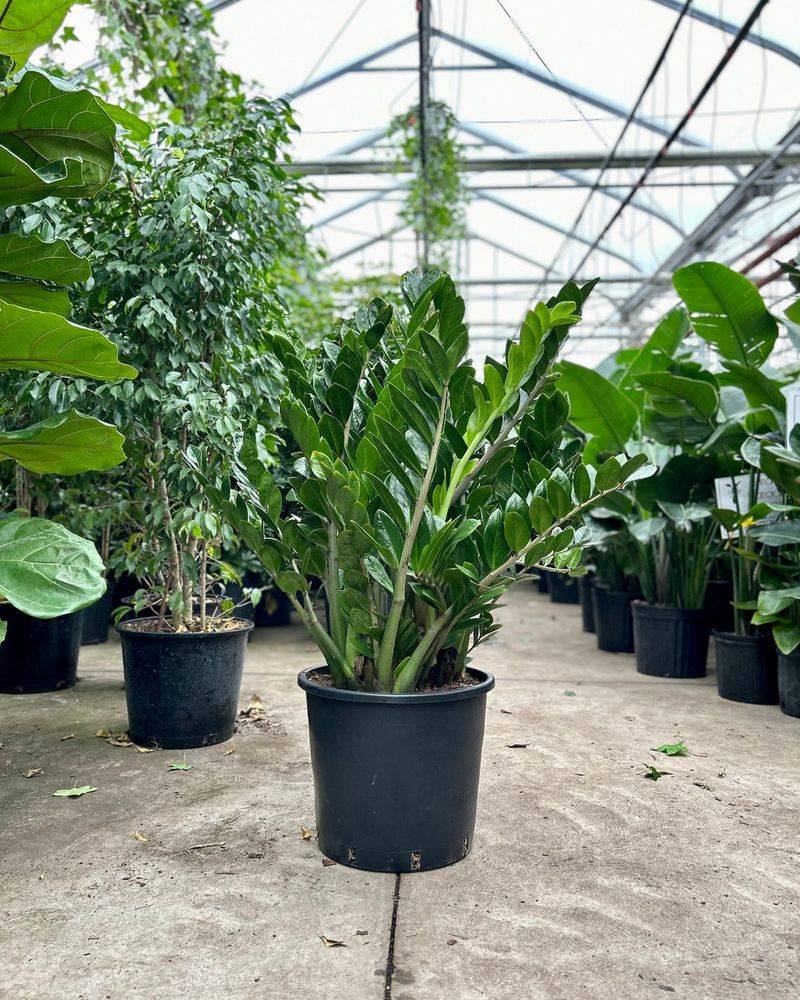
ZZ Plant is a hardy indoor plant, appreciated for its glossy leaves and low maintenance needs. Greenhouses provide the stable conditions it enjoys.
With its ability to tolerate low light and drought, the ZZ plant is ideal for beginners. It adds a touch of greenery to any space without fuss.
Did you know? The ZZ plant can survive months without water, thanks to its rhizomes.
36. Tomato Seedlings
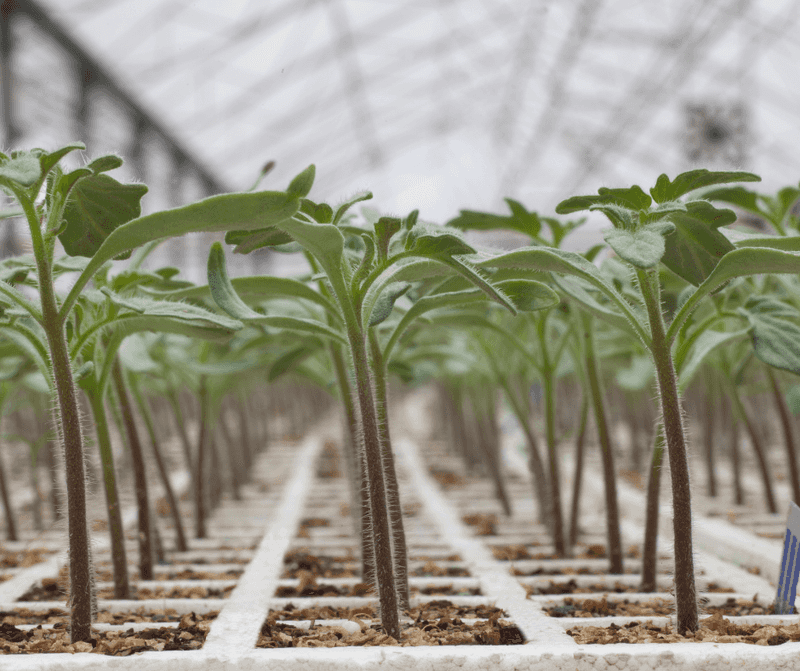
Tomato Seedlings are the starting point for growing robust tomato plants. Greenhouses create the perfect environment for these young plants.
These seedlings require careful watering and light exposure to develop into fruitful plants. They are a rewarding project for gardeners, promising bountiful harvests.
Fun fact: Tomato seedlings should be handled gently, as their roots are delicate during this stage.
37. Pepper Seedlings

Pepper Seedlings are the foundation for growing vibrant pepper plants. Greenhouses offer the warmth and protection needed for their early development.
These young plants require consistent moisture and light to thrive. With care, they will produce a colorful array of peppers.
Did you know? Pepper seedlings can be transplanted once they have several true leaves and a strong stem.
38. Lettuce Plugs
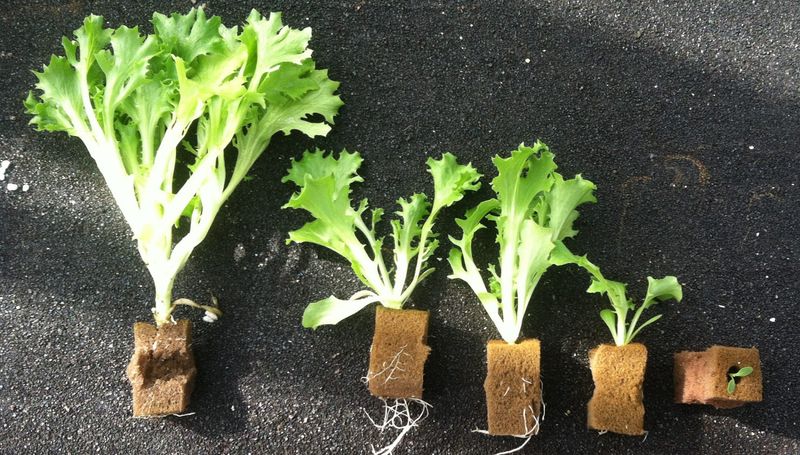
Lettuce Plugs are a convenient way to start growing lettuce in a greenhouse. These young plants are ready to be transplanted into larger containers or beds.
Lettuce plugs ensure a head start on the growing season, offering fresh greens quickly. They require regular watering and moderate temperatures.
Fun tidbit: Lettuce plugs are often used in hydroponic systems for efficient production.
39. Flower Seedlings
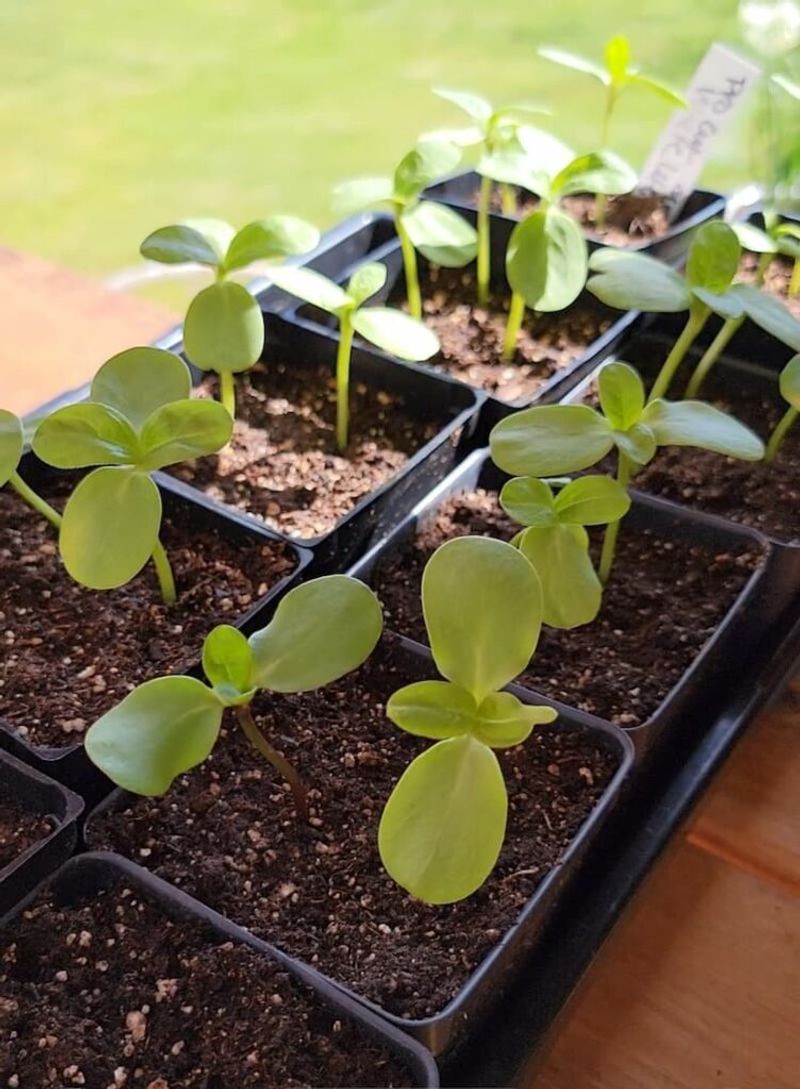
Flower Seedlings represent the beginning of a colorful garden. Greenhouses provide the protection and warmth these young plants need to grow.
These seedlings require careful attention, with regular watering and adequate light, to develop into beautiful flowers. They promise a vibrant display once matured.
Did you know? Starting flowers from seedlings can extend the flowering season compared to direct seeding.
40. Grafted Fruit Trees
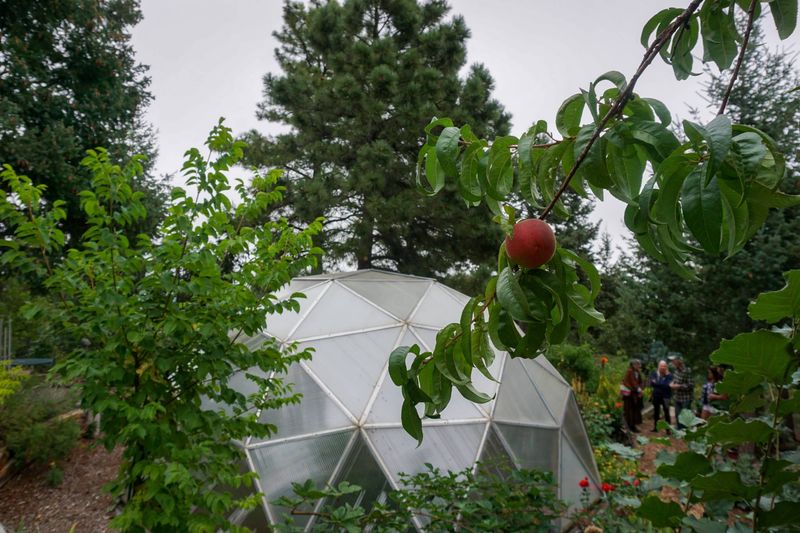
Grafted Fruit Trees combine the best traits of different varieties, offering improved fruit quality and disease resistance. Greenhouses protect these young trees during their critical development stages.
These trees require proper care and monitoring as they establish themselves. Grafted trees can yield superior fruits compared to non-grafted ones.
Fun fact: Grafting has been practiced for thousands of years, enhancing orchard productivity and diversity.
41. Lavender
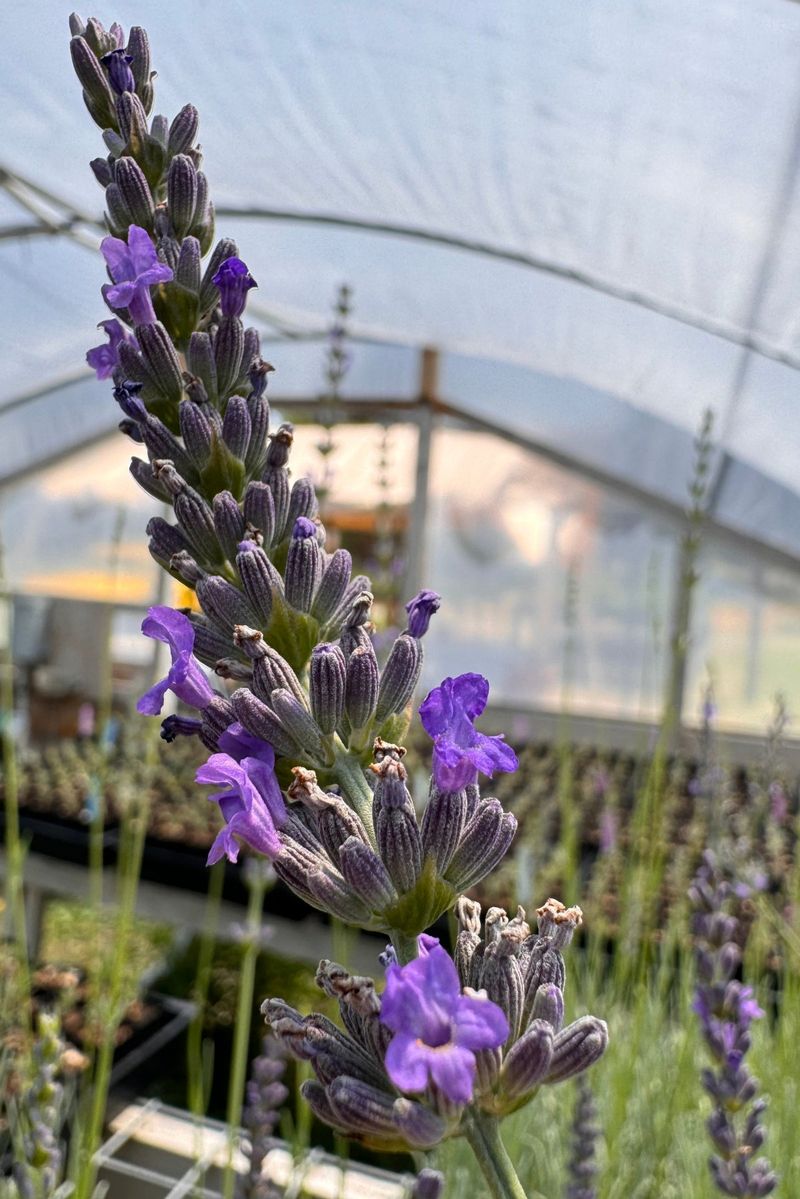
Lavender is cherished for its fragrant flowers and calming properties. Greenhouses provide a consistent climate for these aromatic plants.
This herb is used in perfumes and culinary dishes, adding a touch of elegance. Lavender prefers well-drained soil and plenty of sunlight.
Did you know? The scent of lavender is believed to promote relaxation and improve sleep quality.
42. Eucalyptus
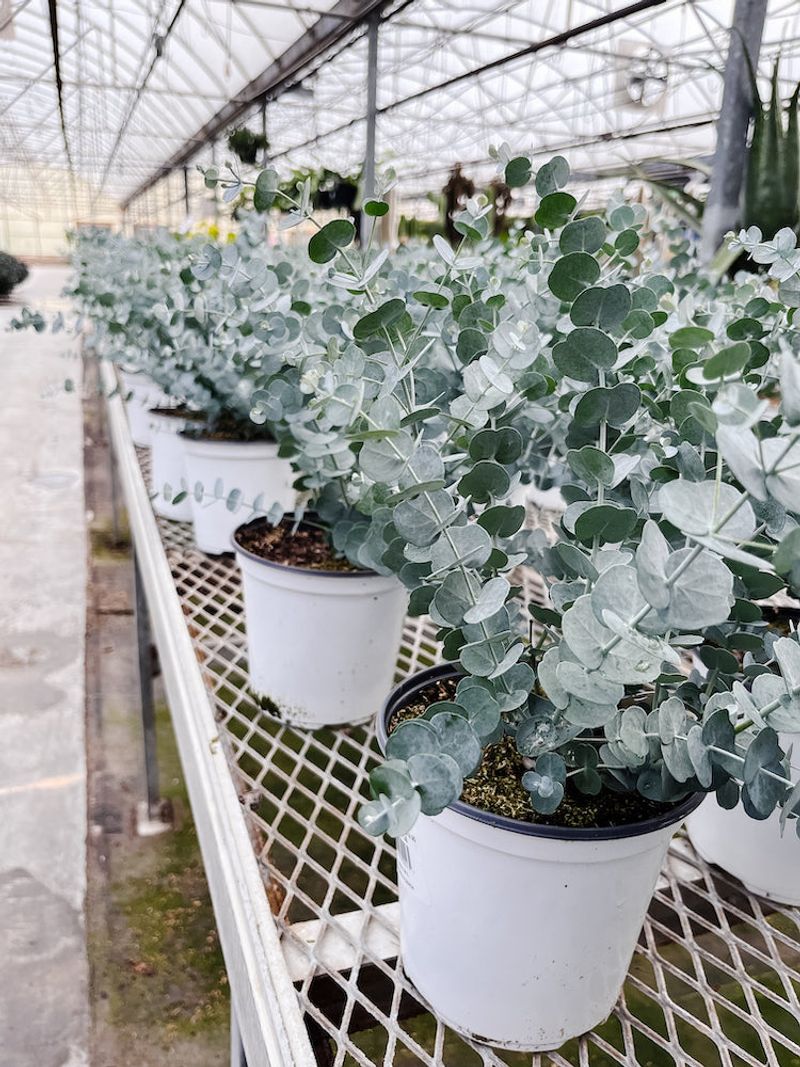
Eucalyptus is known for its aromatic oils and distinctive foliage. It thrives in greenhouse conditions, where it can grow rapidly.
This plant is used in medicine and cosmetics, appreciated for its refreshing scent. Eucalyptus requires ample sunlight and well-drained soil.
Fun fact: Koalas rely almost exclusively on eucalyptus leaves for food and hydration.
43. Chamomile
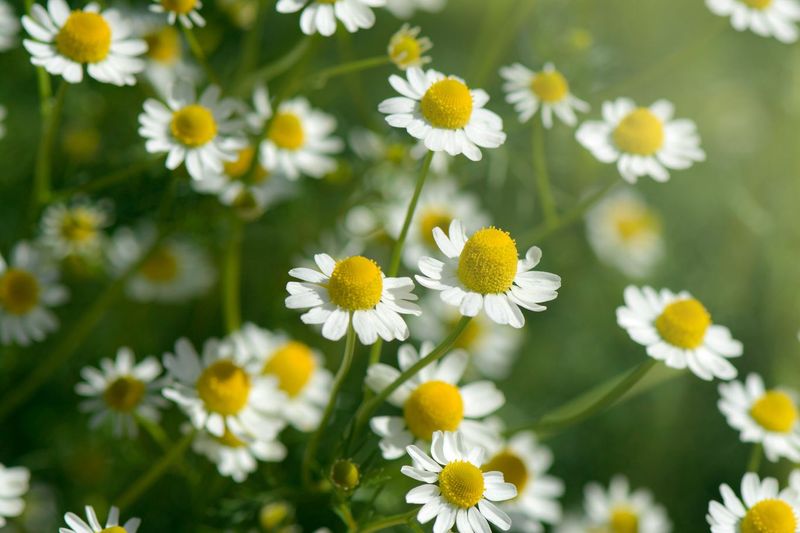
Chamomile is a gentle herb, famous for its calming properties and daisy-like flowers. It grows well in the controlled environment of a greenhouse.
This plant is often used in teas and skincare products, valued for its soothing effects. Chamomile prefers well-drained soil and moderate sunlight.
Did you know? Chamomile has been used in traditional medicine for thousands of years.
44. Lemon Balm
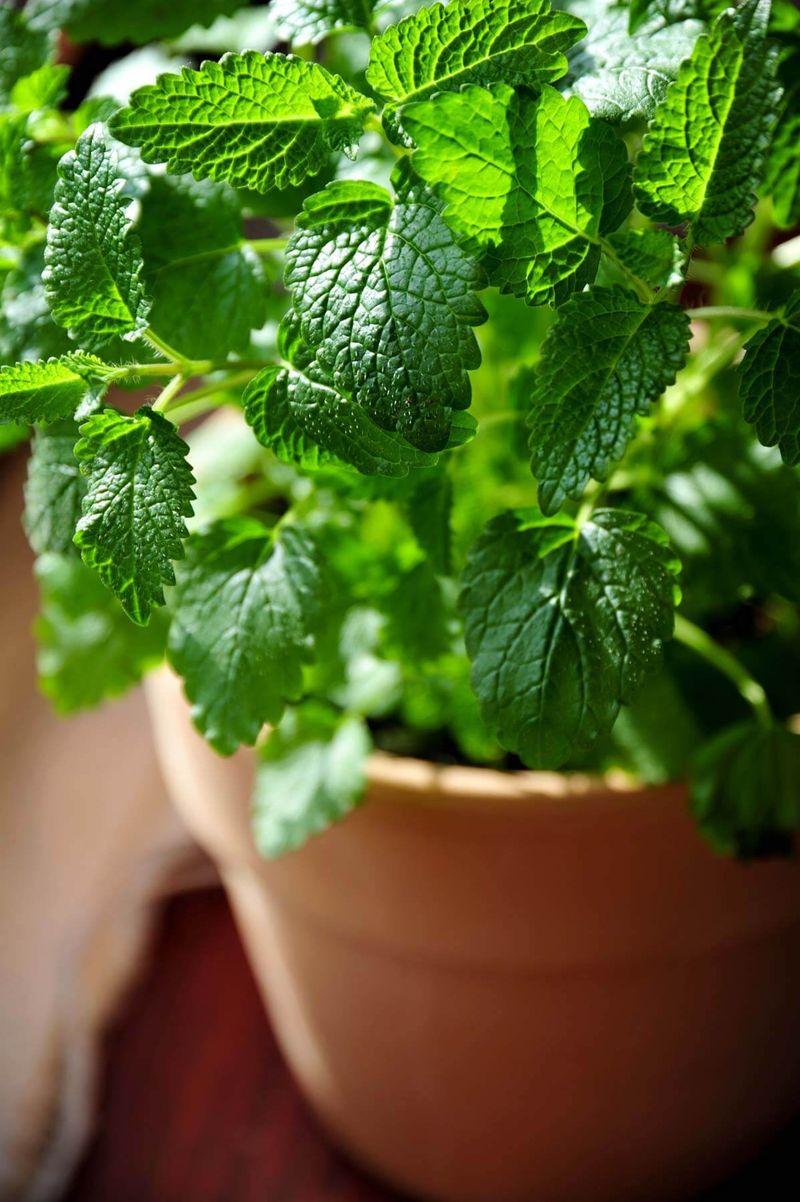
Lemon Balm is a versatile herb, celebrated for its lemon-scented leaves and calming effects. Greenhouses provide the stable conditions it thrives in.
This plant is used in teas, salads, and herbal remedies, offering a refreshing flavor. Lemon balm requires regular watering and partial sunlight.
Interesting tidbit: Lemon balm is said to attract bees, hence its scientific name, Melissa, meaning “bee” in Greek.
45. Calendula
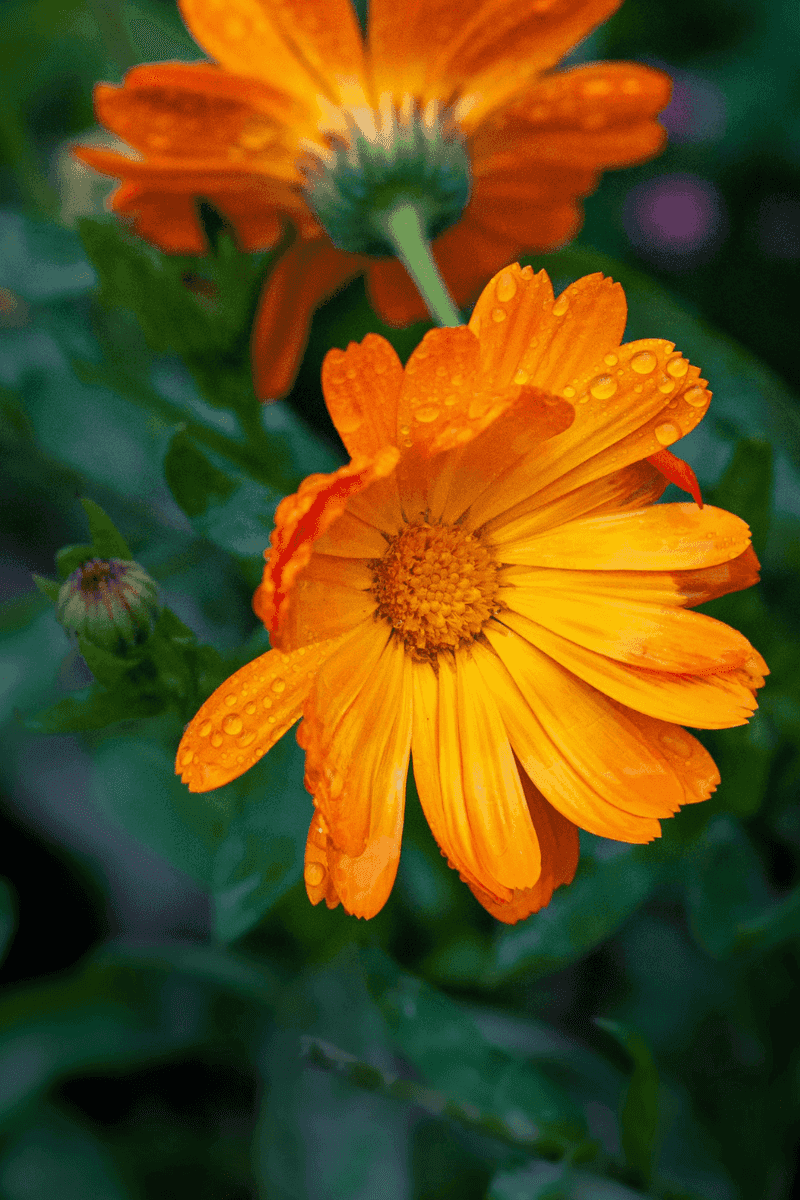
Calendula is known for its vibrant flowers and medicinal properties. It thrives in greenhouse environments, which offer consistent warmth and light.
These flowers are often used in skin care products and herbal teas. Calendula prefers well-drained soil and regular watering.
Fun fact: Calendula petals are edible and can add a pop of color to salads and dishes.
46. Oyster Mushroom
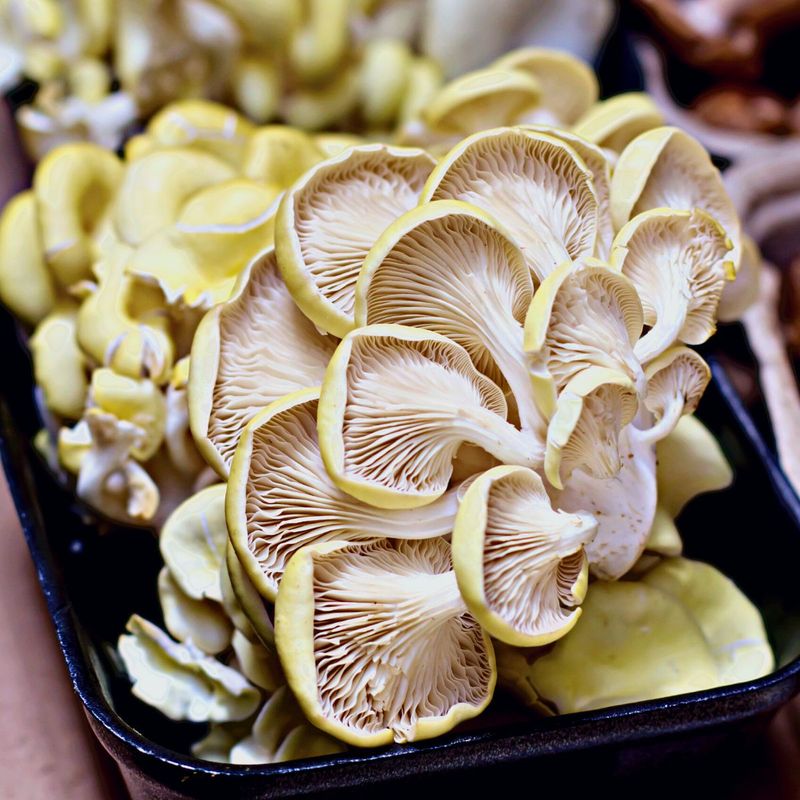
Oyster Mushrooms are a popular choice for greenhouse cultivation, known for their delicate texture and subtle flavor.
These mushrooms grow on organic material, requiring a humid environment to thrive. They are used in various culinary dishes, offering a nutritious alternative to meat.
Did you know? Oyster mushrooms are known for their ability to break down toxins in the environment.
47. Shiitake
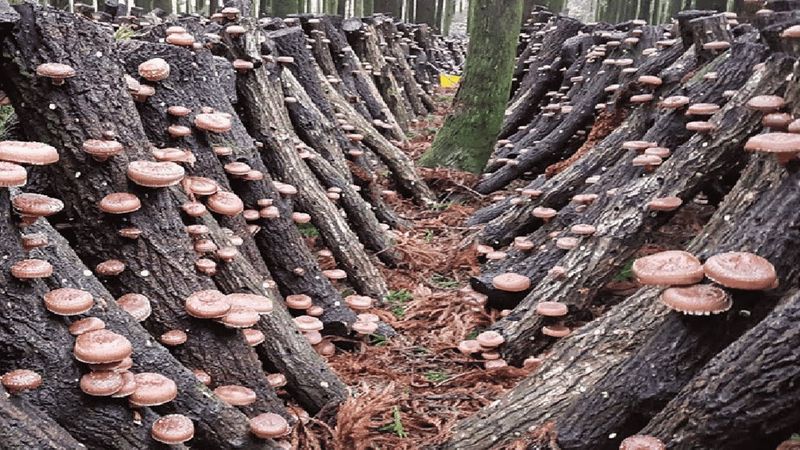
Shiitake Mushrooms are cherished for their rich, umami flavor and health benefits. Greenhouses provide the ideal conditions for these fungi to flourish.
They grow on hardwood logs or sawdust, requiring humidity and airflow. Shiitake mushrooms are used in a variety of dishes, adding depth and nutrition.
Fun fact: Shiitake mushrooms have been cultivated in Asia for over a thousand years.
48. Lion’s Mane
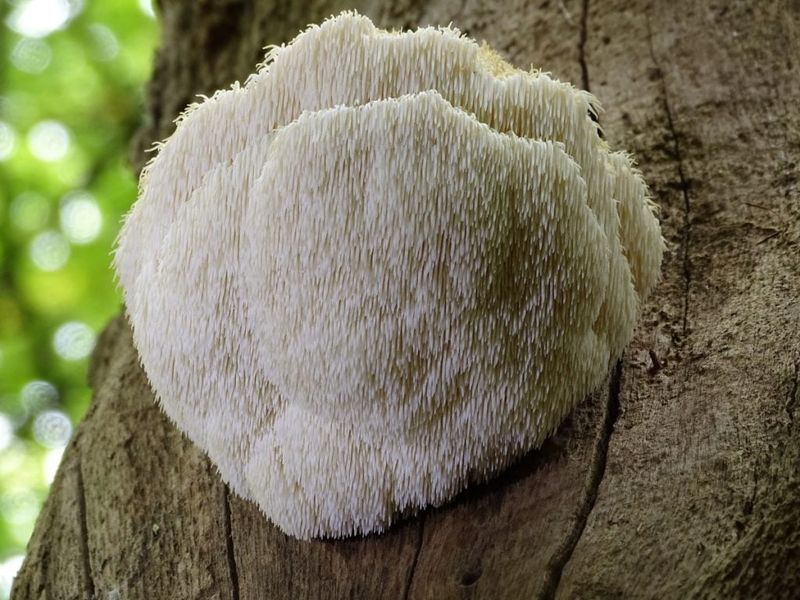
Lion’s Mane is an exotic mushroom, known for its unique appearance and potential health benefits. Greenhouses offer the humidity and temperature it needs.
This mushroom is often used in gourmet cooking, prized for its seafood-like taste. Lion’s Mane requires a moist environment to thrive.
Did you know? Lion’s Mane is being studied for its neuroprotective properties and potential cognitive benefits.
49. Enoki
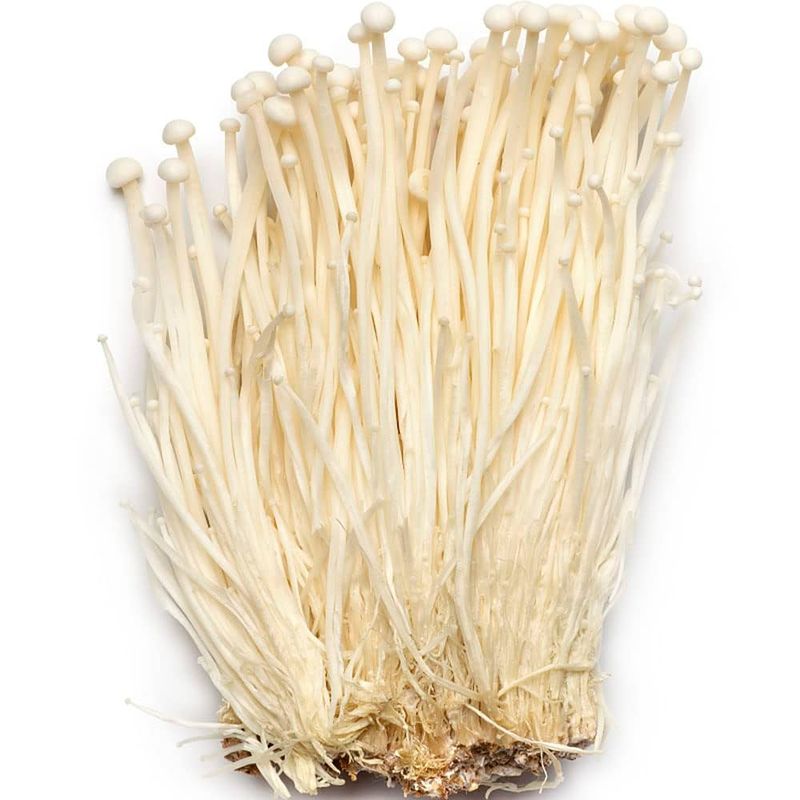
Enoki Mushrooms are favored for their delicate texture and mild flavor. Greenhouses provide the controlled conditions these mushrooms require.
They grow in clusters, often used in soups and salads for their crunchy texture. Enoki mushrooms need darkness and low temperatures to develop properly.
Fun fact: Enoki mushrooms have been cultivated in Japan for centuries, known as “golden needle mushrooms.”
50. Button Mushroom
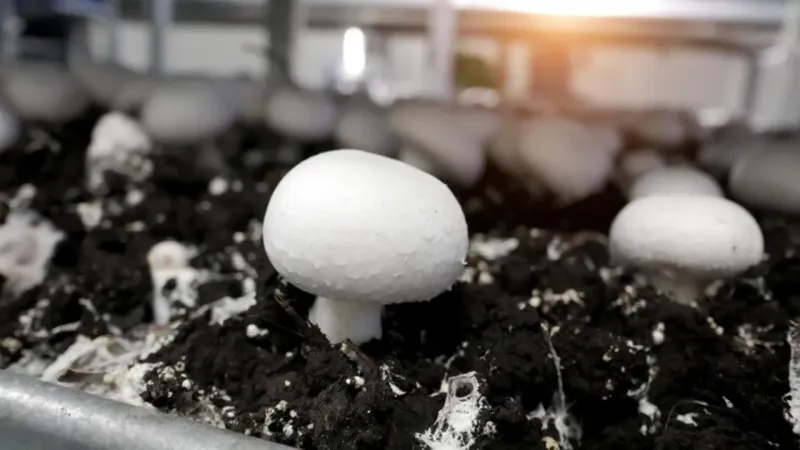
Button Mushrooms are a staple in many kitchens, known for their mild flavor and versatility. They thrive in greenhouse conditions, with controlled humidity and temperature.
These mushrooms grow on composted manure, requiring darkness to develop. They are used in a variety of dishes, from soups to salads.
Did you know? Button mushrooms are the most commonly consumed mushroom variety worldwide.