
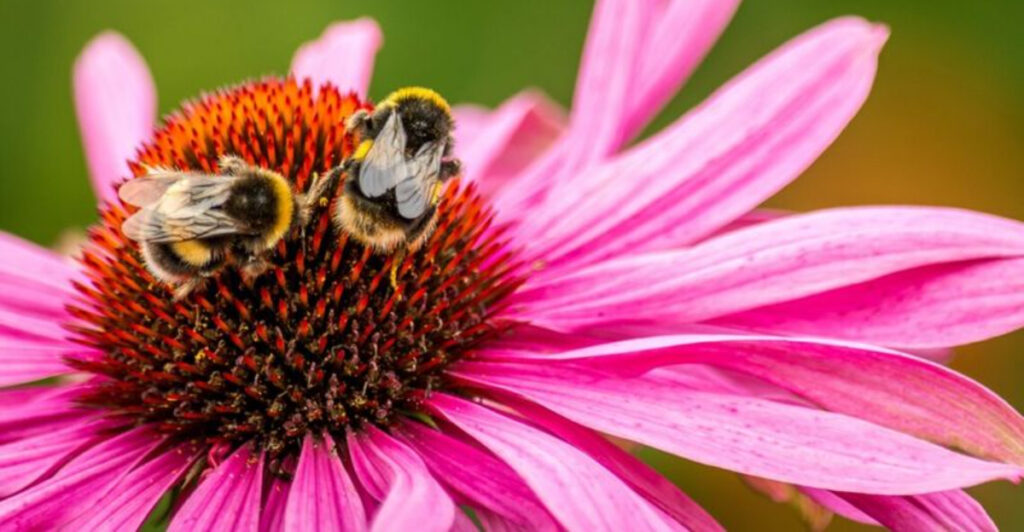
Growing your own vegetables and fruits brings incredible satisfaction, but success depends on one crucial process many gardeners overlook: pollination.
Without proper pollination, your beautiful tomato blossoms won’t become juicy red fruits, and those promising cucumber flowers will simply wither away.
Understanding how pollination works in your backyard can transform your harvest from disappointing to abundant. These ten essential facts will help you become a smarter gardener who works with nature to maximize your crop yields.
1. Pollination Creates Your Garden’s Bounty
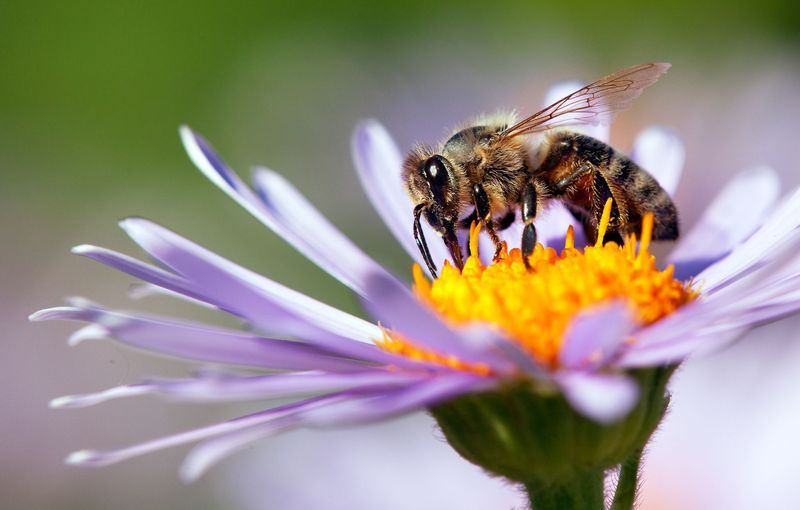
Picture a tiny grain of pollen making an epic journey from one flower part to another – this simple transfer creates every fruit and vegetable in your garden. Pollination happens when pollen moves from the male anther to the female stigma of a flower.
This process triggers fertilization, which develops into the fruits you harvest. Without this magical moment, flowers remain beautiful but barren, producing nothing edible.
Even healthy, vigorous plants with gorgeous blooms will fail to produce crops if pollination doesn’t occur successfully in your garden space.
2. Self-Pollinating Plants Need Less Help
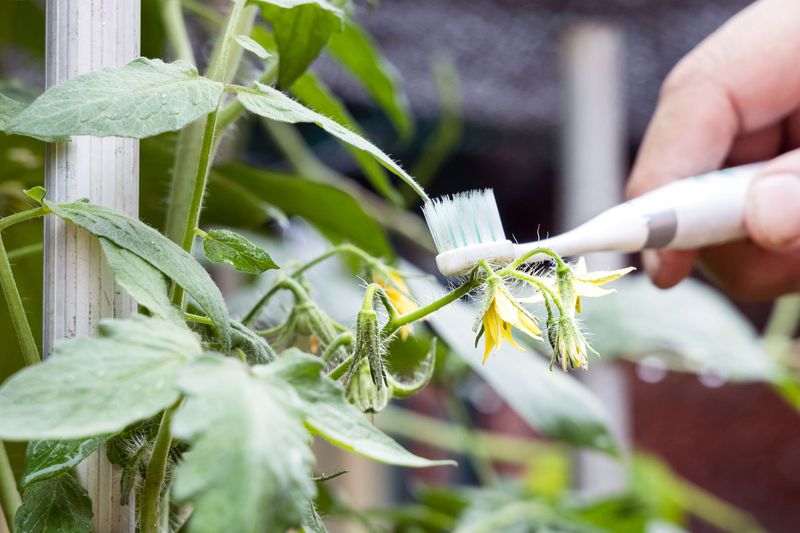
Some garden favorites like tomatoes, peppers, and beans contain both male and female parts within each flower, making them relationship-independent. These self-sufficient plants can fertilize themselves without requiring pollen from other flowers or plants.
However, don’t assume they’re completely self-reliant. Gentle wind movement or visiting insects significantly improve their fruit production and quality.
Smart gardeners encourage bee visits even to self-pollinating crops because insect activity increases both the quantity and size of the resulting harvest dramatically.
3. Cross-Pollinating Crops Demand Teamwork
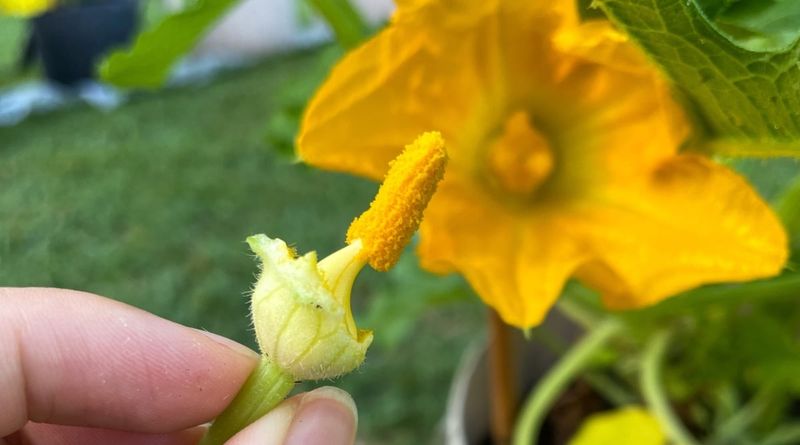
Squash, cucumbers, and most fruit trees play hard-to-get, requiring pollen from different flowers or even different plants to produce fruit. These cross-pollinating species have evolved this strategy to maintain genetic diversity and stronger offspring.
Male and female flowers often appear separately on the same plant, creating a dating game that requires insect matchmakers. Without this cross-pollination dance, you’ll see plenty of flowers but zero fruit development.
Understanding which crops need this pollination partnership helps explain why some gardens thrive while others struggle with poor yields.
4. Beneficial Insects Work Around the Clock
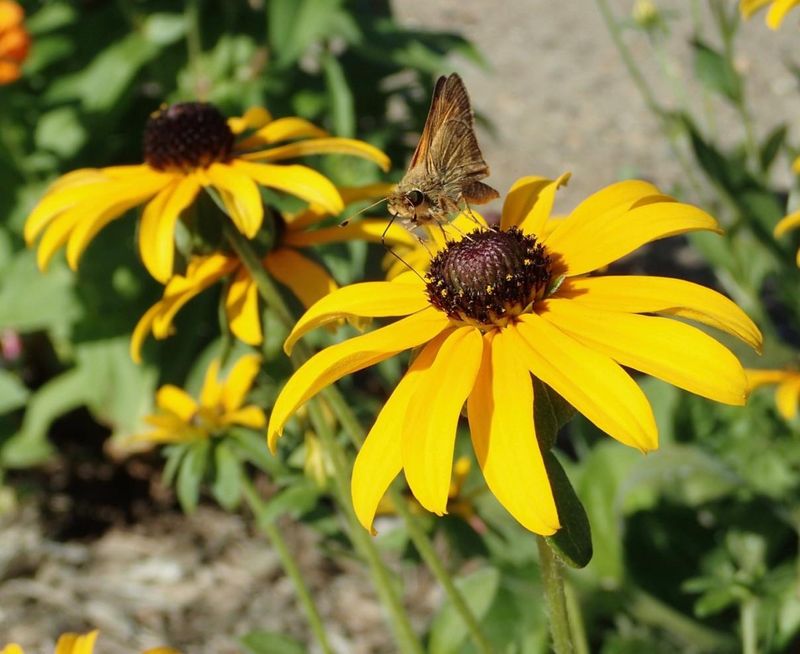
Your garden hosts an incredible workforce of pollinating insects beyond just honeybees. Native solitary bees, butterflies, hoverflies, moths, and beetles all contribute to your harvest success in different ways and at different times.
These diverse pollinators visit flowers throughout the day and night, ensuring multiple opportunities for successful pollen transfer. Each species has unique preferences for flower shapes, colors, and nectar types.
Creating habitat diversity with native flowering plants, herbs, and pesticide-free zones encourages this beneficial insect army to call your garden home year-round.
5. Wind and Water Pollinate Some Crops
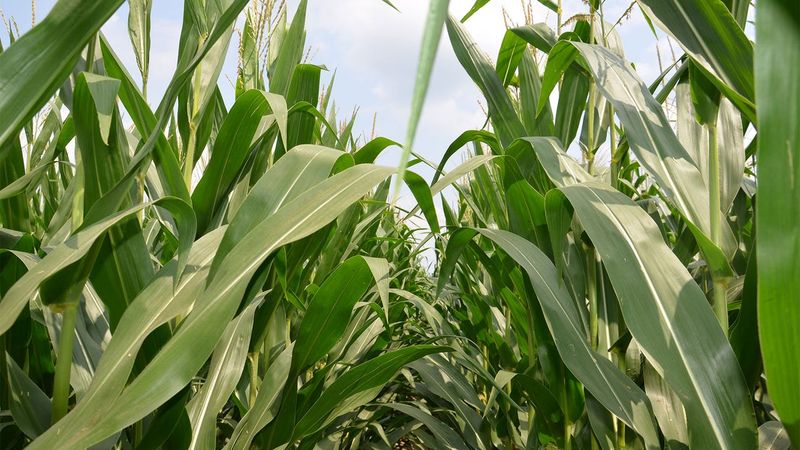
Not every garden plant relies on insects for reproduction – corn waves its tassels in the breeze, releasing clouds of pollen to fertilize nearby silk strands. Wind-pollinated crops like corn and spinach have evolved different flower structures optimized for airborne pollen distribution.
Proper spacing and good airflow become critical for these wind-dependent plants to achieve successful pollination. Dense plantings or sheltered locations can significantly reduce their reproductive success.
While less common in typical backyard gardens, understanding wind pollination helps explain why corn planted in small patches often produces poorly filled ears.
6. Vegetables That Absolutely Need Pollinators
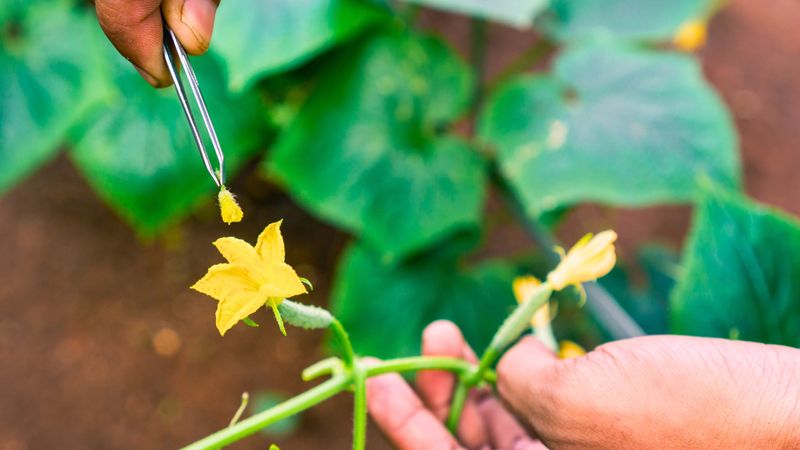
Zucchini, cucumbers, pumpkins, melons, and eggplants form the pollinator-dependent backbone of many vegetable gardens. These crops produce separate male and female flowers that require insect visitors to transfer pollen between them successfully.
Even peas, though partially self-pollinating, produce significantly better yields when bees visit their delicate flowers. Without adequate pollinator activity, these plants will bloom profusely but produce disappointing harvests.
Recognizing these high-need crops helps prioritize pollinator-friendly practices in areas where you grow them, ensuring abundant harvests throughout the growing season.
7. Fruit Trees Require Strategic Planning
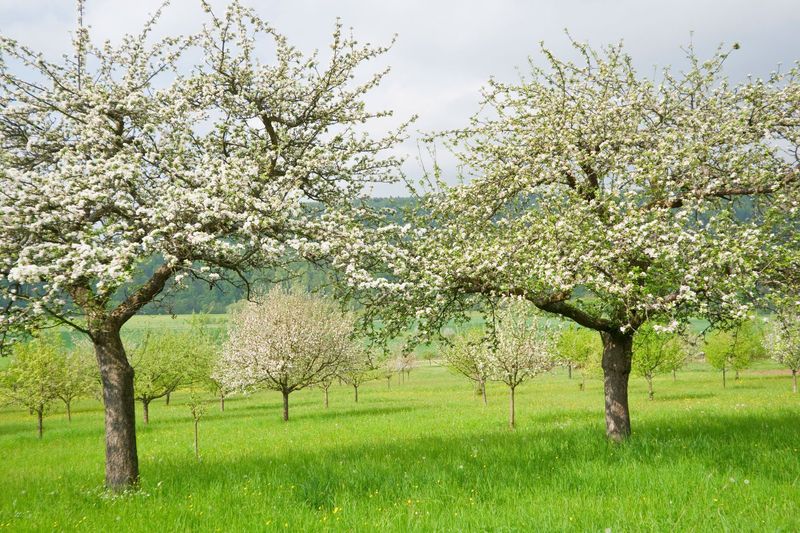
Many backyard fruit favorites like apples, pears, cherries, and plums won’t produce fruit from their own pollen, creating a neighborhood dependency system. These self-incompatible trees need genetically different varieties nearby to achieve successful cross-pollination.
Blueberries and strawberries benefit tremendously from cross-pollination even though they can self-pollinate to some degree. Smart fruit growers plant multiple cultivars within bee-flying distance of each other.
This pollination partnership explains why isolated single fruit trees often disappoint gardeners with poor harvests despite healthy growth and abundant flowering each spring.
8. Attracting Pollinators Takes Strategy
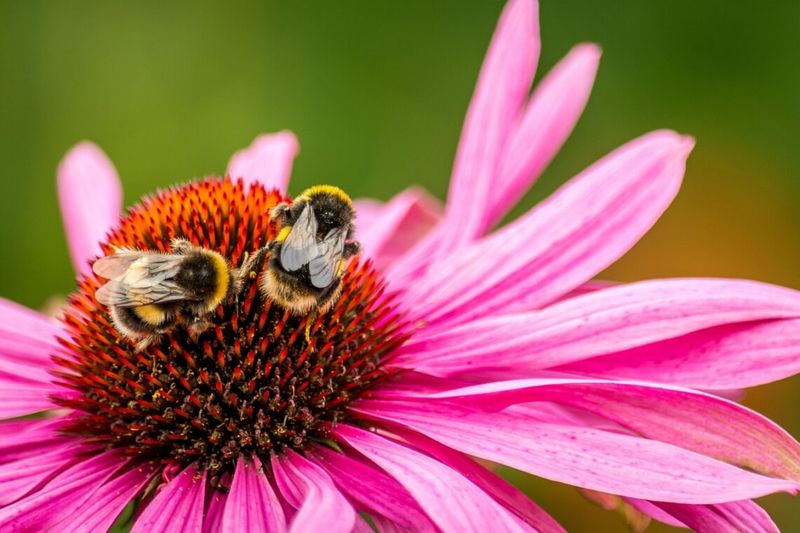
Transform your garden into a pollinator paradise by planting pollen-rich flowers like lavender, marigolds, echinacea, and borage throughout your growing spaces. Different flower shapes and colors attract various pollinator species with unique preferences and feeding habits.
Provide shallow water dishes and leave bare soil patches where native bees can nest and raise their young. Companion planting with herbs like dill and fennel near vegetables creates beneficial insect habitat.
Avoiding chemical pesticides, especially during bloom periods, protects these valuable garden allies and maintains the delicate ecosystem balance your crops depend upon.
9. Hand Pollination Saves Problem Crops
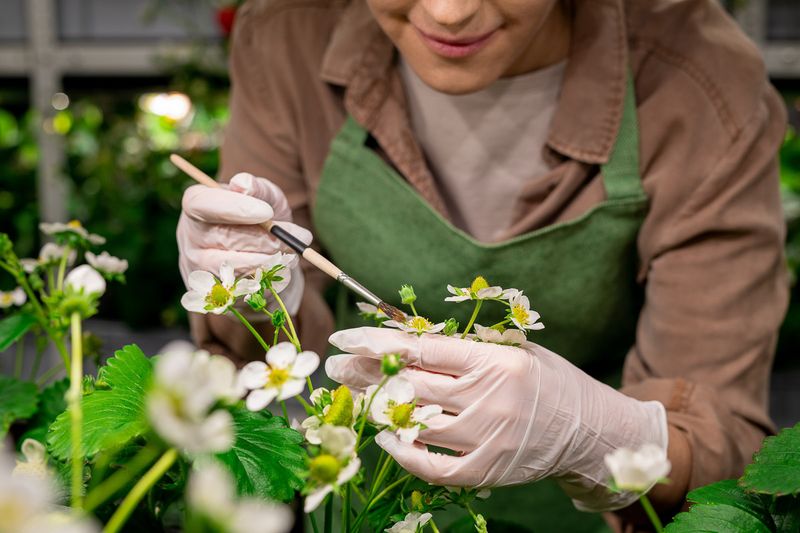
When nature falls short or you’re growing in greenhouses, become the pollinator yourself using simple hand-pollination techniques. A small paintbrush or cotton swab works perfectly for transferring pollen from male to female flowers manually.
Gently shaking flowering branches helps self-pollinating crops like tomatoes release and distribute their pollen more effectively. Morning hours provide the best success rates when flowers are fully open and pollen remains fresh.
This backup method proves especially valuable for high-value crops like melons and squash when pollinator populations are low or weather conditions limit insect activity.
10. Common Mistakes Sabotage Success
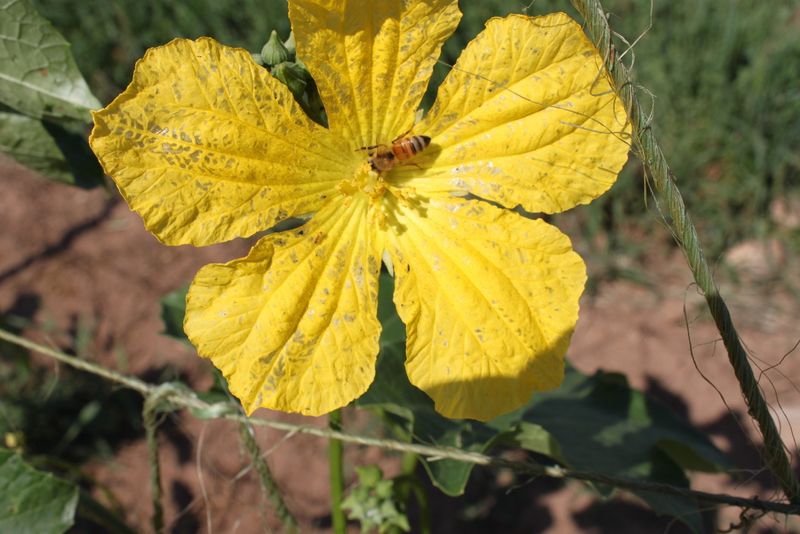
Overusing pesticides during flowering periods kills the very insects your crops need for reproduction, creating a self-defeating cycle of poor harvests. Many gardeners unknowingly spray beneficial pollinators along with pest insects.
Planting only single fruit tree varieties when cross-pollination is required guarantees disappointment, as does growing insect-pollinated crops indoors without pollinator access. Lack of flower diversity limits pollinator habitat and reduces garden-wide pollination success.
Monitoring for flower drop without fruit development and misshapen fruits indicates pollination problems that require immediate attention and strategy adjustments.